

## Recognizing Signs Of Stress In Aquarium Fish Early
You don’t need instruments to know when a fish is unhappy. It starts as small changes: a bright angelfish that suddenly fades, a tetra that sits in a corner, a pleco that keeps scraping itself. Those are the kinds of signs of stress in aquarium fish that anyone who keeps tanks should learn to spot fast. If you wait for obvious collapse, you’ve lost time you could have used to fix water, compatibility, or feeding problems.
### Visible Behavior Changes To Look For
Fish show stress in ways humans can read, once you know what to look for. These are the most common and practical fish stress indicators I see in home aquariums.
– Loss Of Appetite: Fish that refuse food for days are signaling trouble. It’s one of the earliest and most consistent fish stress indicators.
– Erratic Swimming: Sudden dashes, spinning, or crashing into decor points to acute distress. It’s different from the occasional zoom; this is sustained, weird movement.
– Lethargy And Hiding: Some species hide more than usual. Others hover motionless. Either can mean poor water quality or bullying.
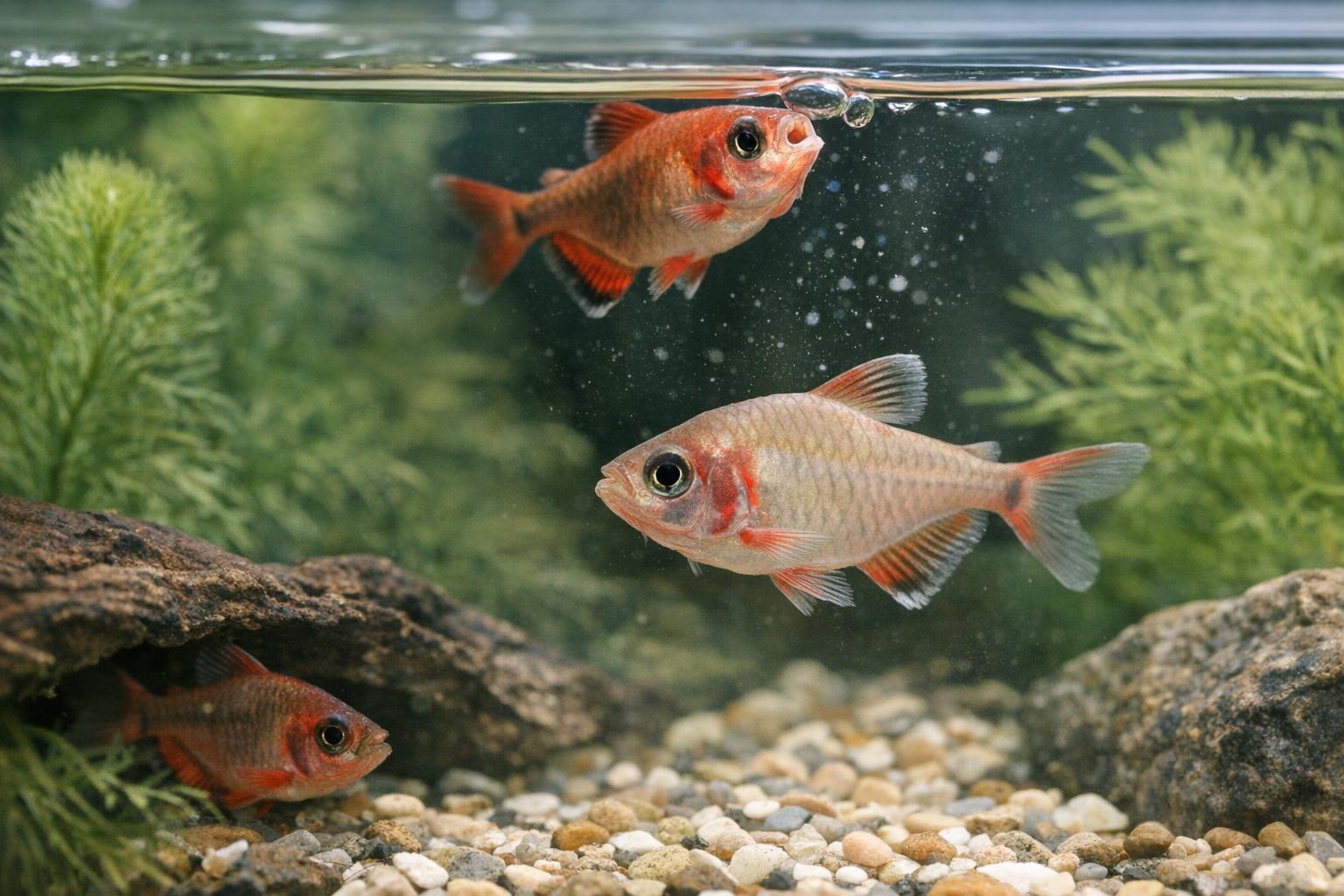
– Gasping At The Surface: Repeated air-gulping indicates low oxygen or high toxins. Don’t wait to test the water.
– Clamped Fins And Color Loss: When fins are tucked tight and colors wash out, that’s chronic stress showing up physically.
Those items alone aren’t a diagnosis. But if two or three happen together, treat it as a real problem. Keep a simple checklist on your phone and note changes. Trends matter more than a single odd behavior.
#### Why These Behaviors Happen
Stressors affect fish the way fatigue affects people: their immune system weakens, they eat less, and they behave oddly. Low dissolved oxygen, ammonia spikes, nitrate buildup, sudden temperature shifts, and aggressive tankmates all trigger those same stress reactions. Even good intentions—overfeeding, too much light, or aggressive water changes—can cause aquarium fish stress.
### Subtle Signs Often Missed
Not all stress is loud. Some indicators are quiet and easy to overlook until things go wrong.
– Slightly Ruffled Scales Or Scratching: A fish rubbing against decor could have parasites, high ammonia, or poor water chemistry.
– Delayed Response To Food: A fish that comes a bit late to feeding time is under the weather.
– Changes In Schooling Patterns: If schooling fish drift apart, it’s usually not about boredom. It’s stress, disease, or water chemistry shifts.
– Excessive Mucus Coating: Mucus production can increase in response to irritants in the water.
These are fish stress indicators that reward regular observation. Pause at the tank for a minute each day. You’ll catch the slow trends before they become obvious.
## Environmental Triggers That Cause Stress
Most aquarists think disease or aggression causes stress. Often, the real culprit is the environment. Fixing the tank is usually easier than treating diseases.
### Water Quality Problems
Water chemistry is the silent killer. Small mistakes accumulate.
#### Ammonia And Nitrite Spikes
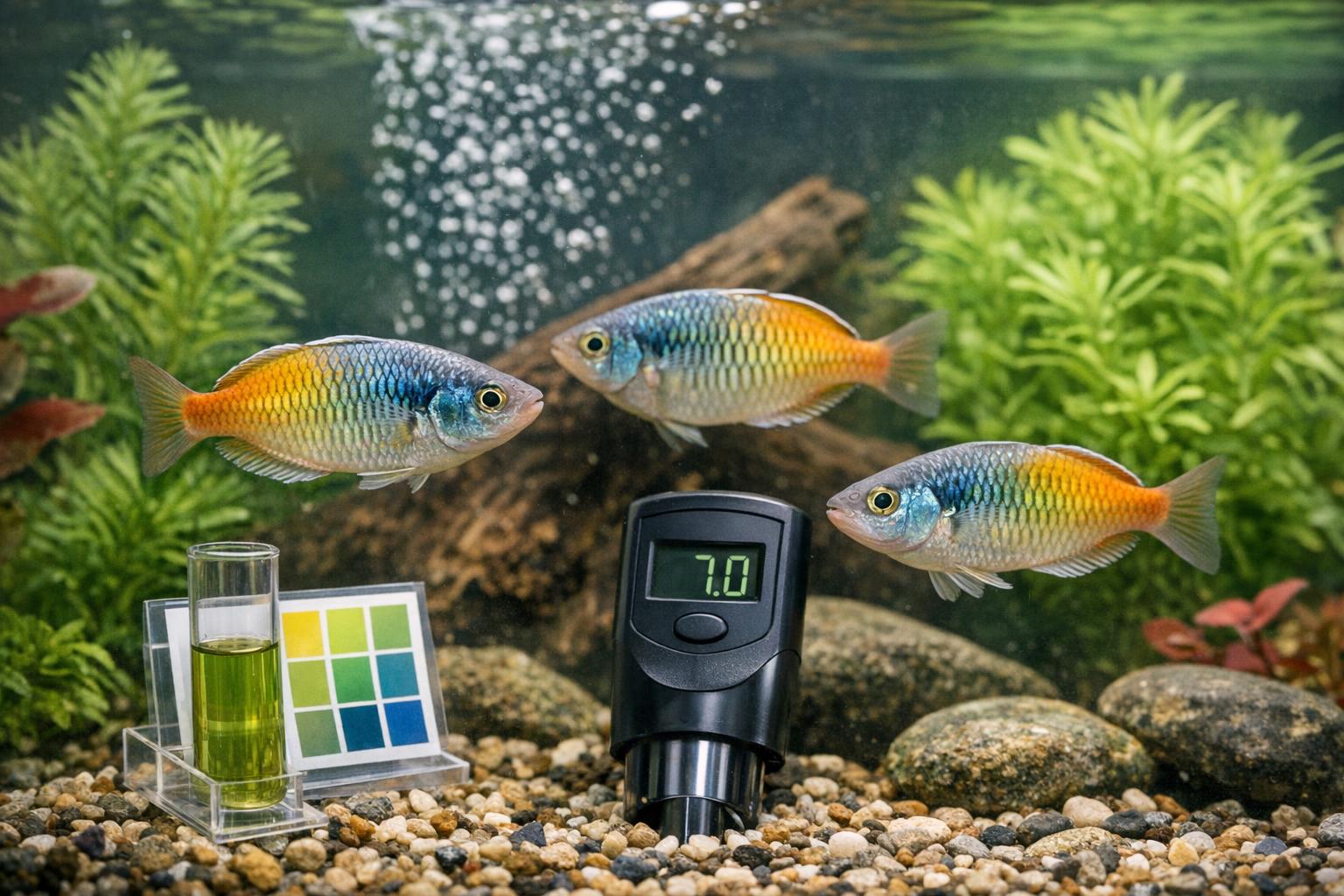
Ammonia and nitrite are toxic, even at low levels. They cause fish to gasp, cling to surfaces, and breathe rapidly. Test kits are cheap; use them after any behavior change. If levels are above zero for ammonia or nitrite, do an immediate partial water change and check filtration.
#### High Nitrate Over Time
Nitrate doesn’t kill instantly but it erodes health. It depresses the immune system and shows up as color loss or poor growth in younger fish. Regular water changes prevent gradual aquarium fish stress caused by nitrate accumulation.
#### Temperature Fluctuations
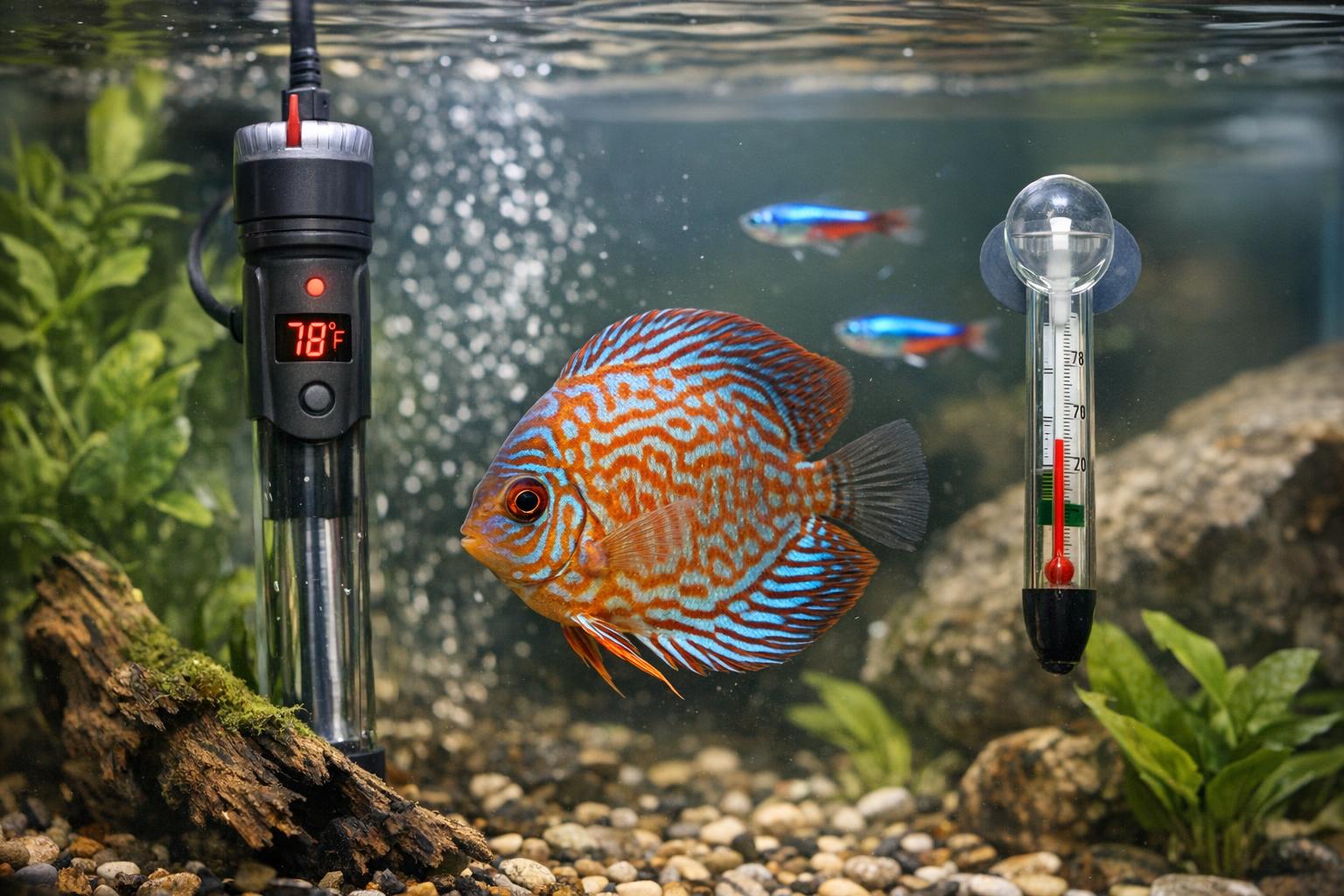
Fish are ectotherms. A few degrees change stresses metabolism and behavior. Sudden cold snaps after a heater failure or warm-ups from lighting left on too long can trigger mass hiding, loss of appetite, and outbreaks of disease.
### Physical And Social Stressors
Tank layout and community choices matter.
– Overstocking Forces Competition: Too many fish equals less oxygen, more waste, and more aggression.
– Wrong Tankmates Cause Chronic Harassment: A peaceful species chased by semi-aggressive tankmates will never flourish.
– No Places To Hide: Fish need refuges. Without them, simple stress becomes chronic.
If you have constant bullying in your aquarium, it’s not just mean—it’s physically harmful.
## Disease And Parasites: Behaviors As Early Warnings
Not all illness begins with obvious lesions. Behavior often changes first.
### Signs That Suggest Illness
Look for the following patterns. When behavior shifts along with physical symptoms, act quickly.
– Flashing Or Scraping: Parasites like ich cause fish to rub themselves against surfaces. If you see this with white spots, treat for ich.
– Clamped Fins And Lethargy With Cloudy Eyes: That often signals bacterial infection or poor water quality.
– Rapid Color Loss With Erratic Swimming: Could be systemic infection or severe stress from water chemistry issues.
– Isolated Fish With Labored Breathing: Ask yourself if the other fish show similar signs. If not, check for localized problems like eye or gill disease.
Testing the water is step one. Treat based on both symptoms and test results. Blind medication can mask the real cause and harm the tank’s bacteria.
## Immediate Steps To Reduce Stress In Your Tank
When you see the signs of stress in aquarium fish, act quickly but calmly. Quick fixes often reduce mortality and buy time for a proper plan.
### First Actions To Take
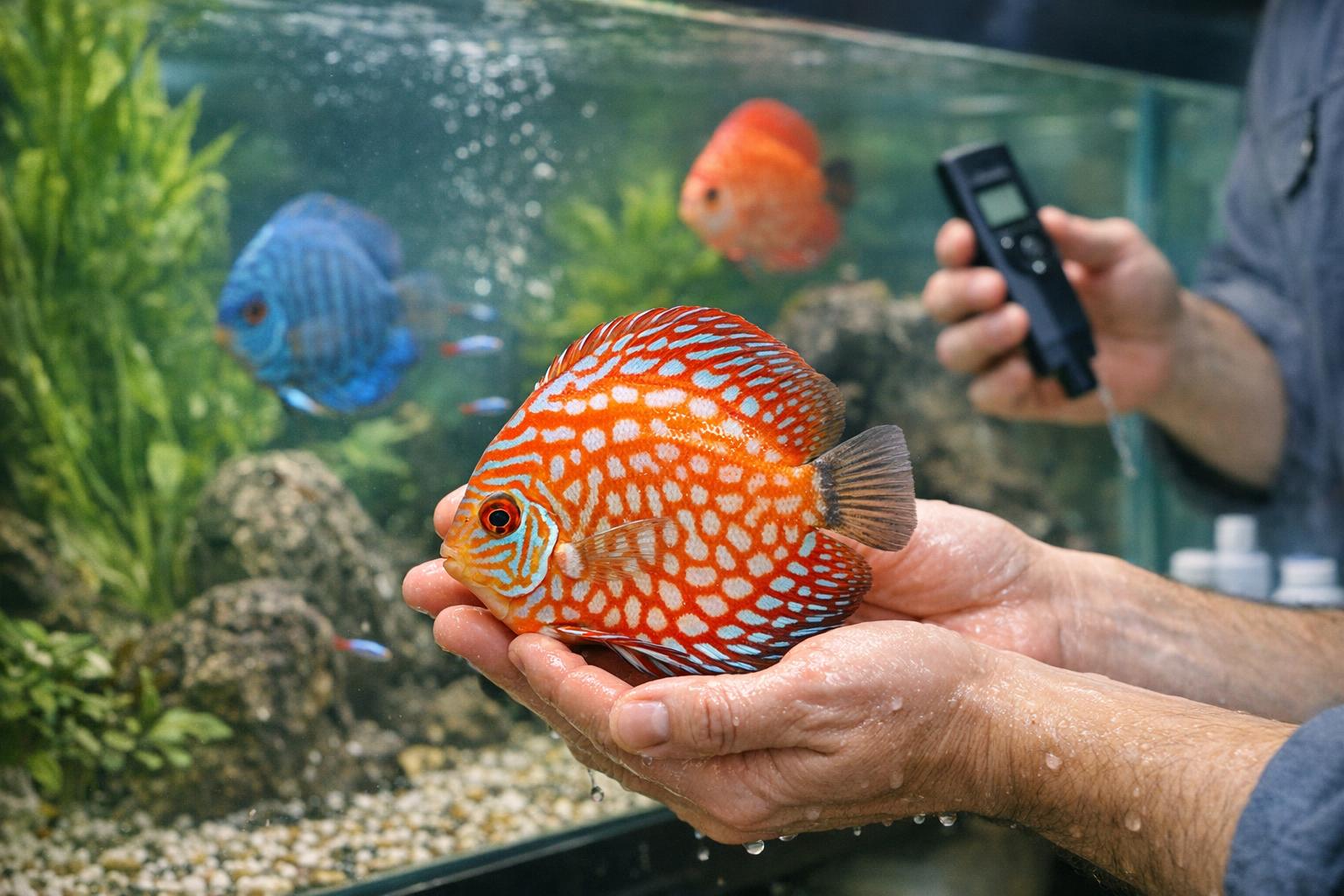
– Test Water Immediately: Check ammonia, nitrite, nitrate, pH, and temperature. This tells you if chemistry is to blame.
– Do A Partial Water Change: A 25–50% change can drop toxins and bring relief.
– Reduce Light And Feeding: Dim the tank and feed sparingly for 24–48 hours. Food can worsen water quality if uneaten.
– Observe For Aggression: If one fish is the target, separate if possible or rearrange decor to break up established territories.
– Increase Aeration If Needed: Add an air stone or adjust flow to boost oxygen levels.
These steps are practical and often enough to stop a downward spiral. They don’t replace diagnosis, but they stabilize the situation.
#### When To Move Fish
Use quarantine tanks when you need to isolate seriously ill fish. Don’t rush to move a stressed group; the stress of moving can be worse than staying put. If you must transfer, match temperature and water parameters closely to avoid shock.
## Long-Term Practices To Prevent Aquarium Fish Stress
Prevention beats emergency fixes. A few habits save work and heartache.
### Stable Water Parameters
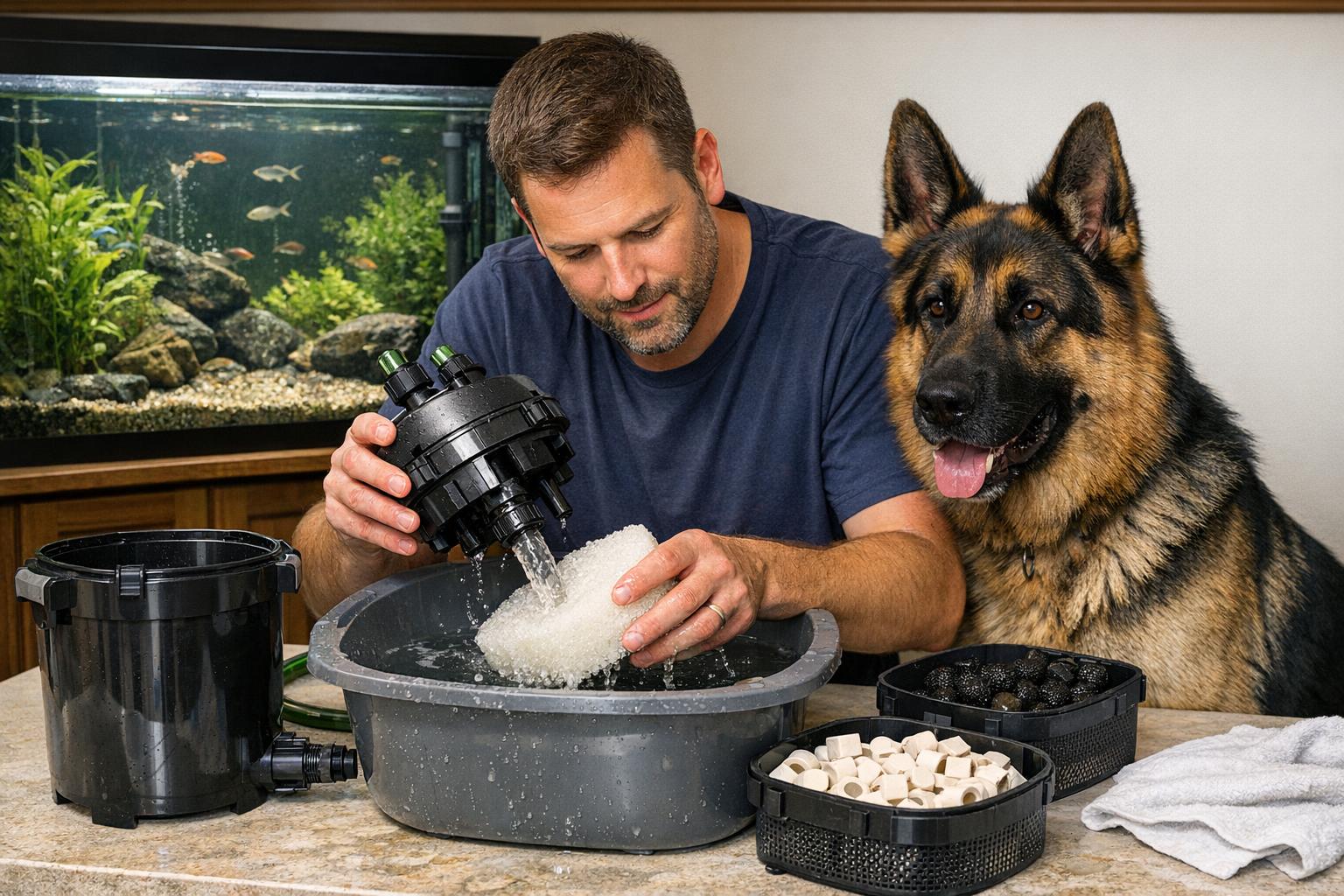
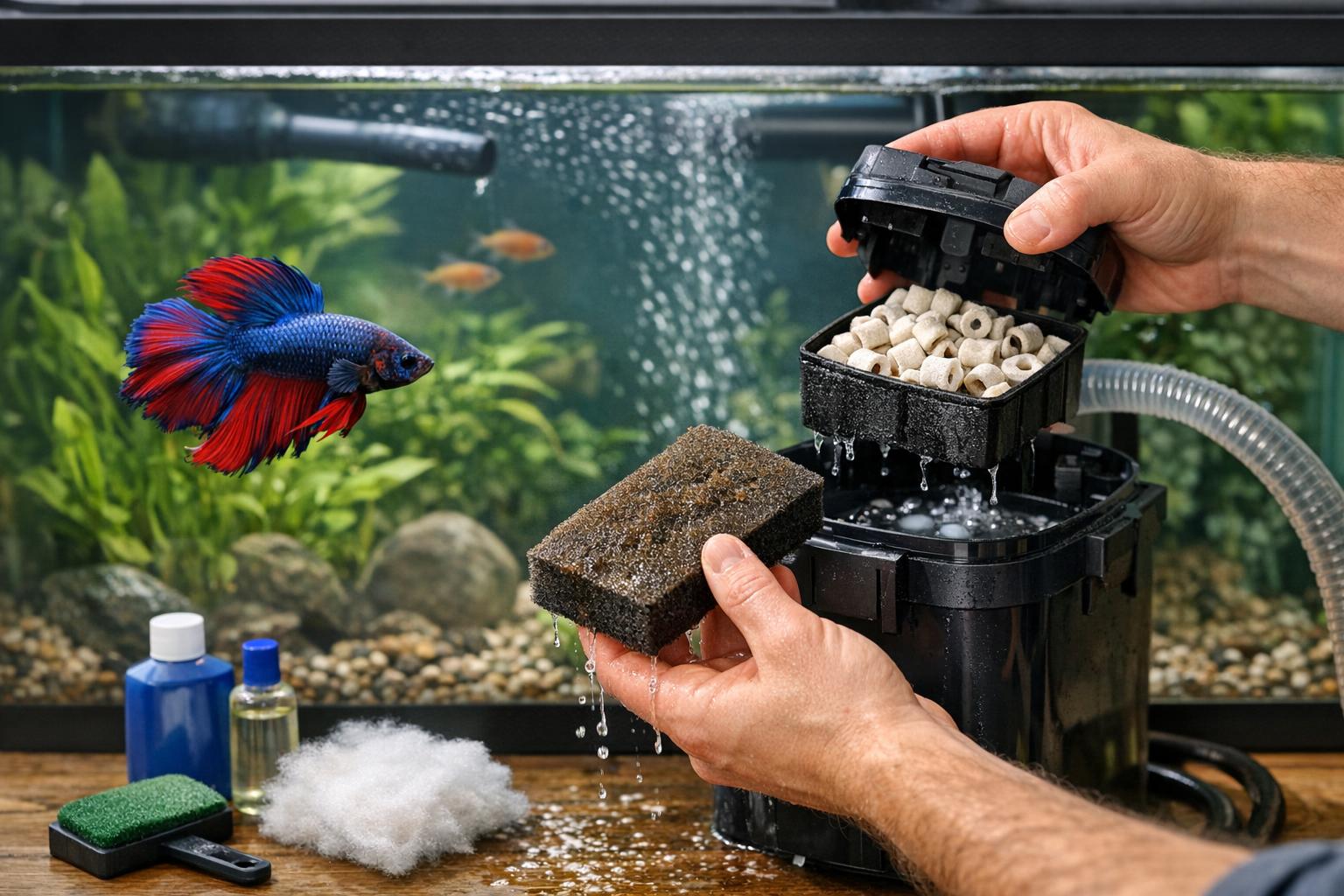
Keep a realistic maintenance schedule. Weekly or biweekly water checks, regular partial water changes, and routine filter cleaning make a big difference. Don’t overclean; beneficial bacteria need time to build.
### Thoughtful Stocking And Tank Design
Match species by temperament and water needs. Give fish adequate space and hiding spots. Rocks, caves, and plants reduce stress and offer territories that cut down on fights.
### Feeding And Nutrition
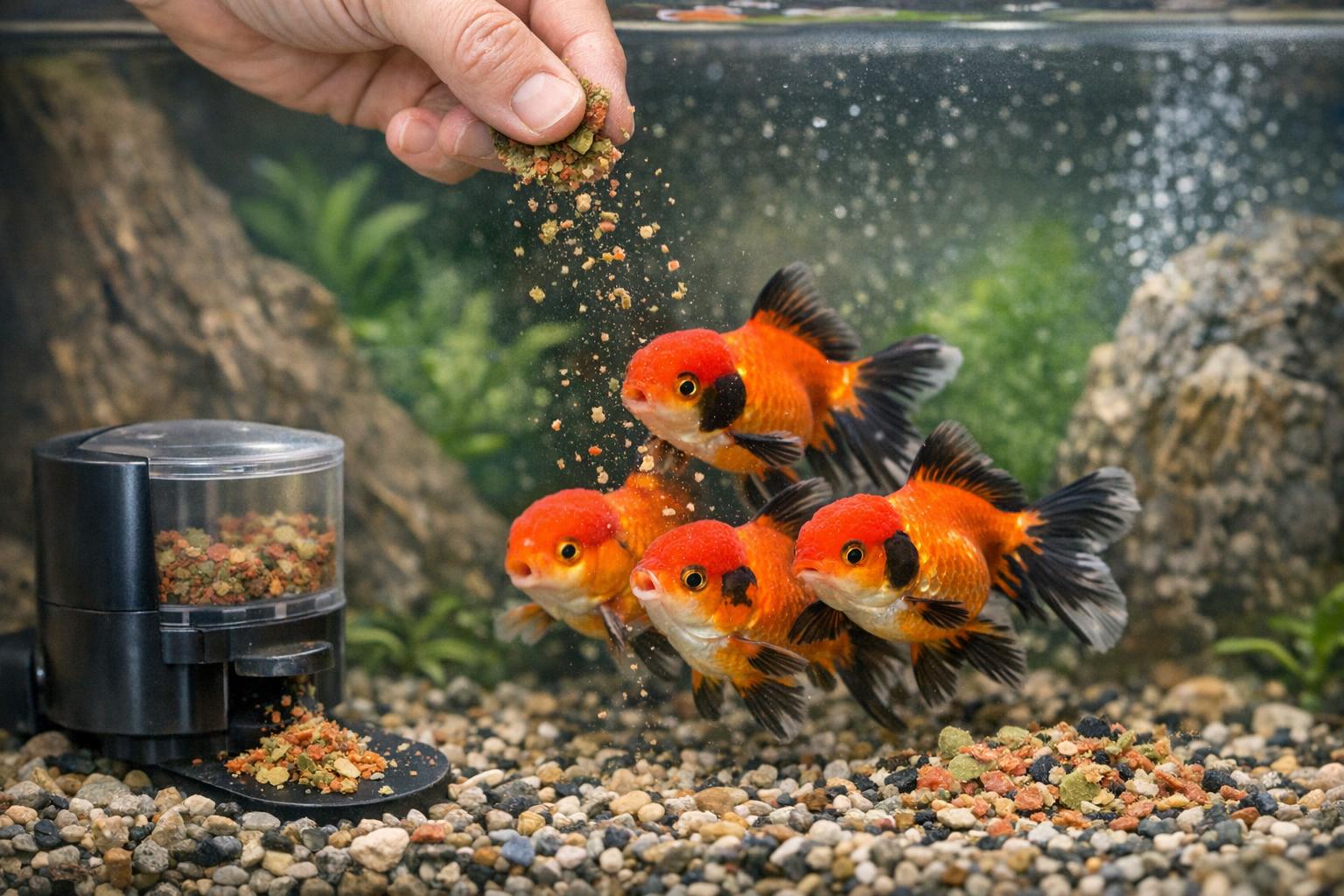
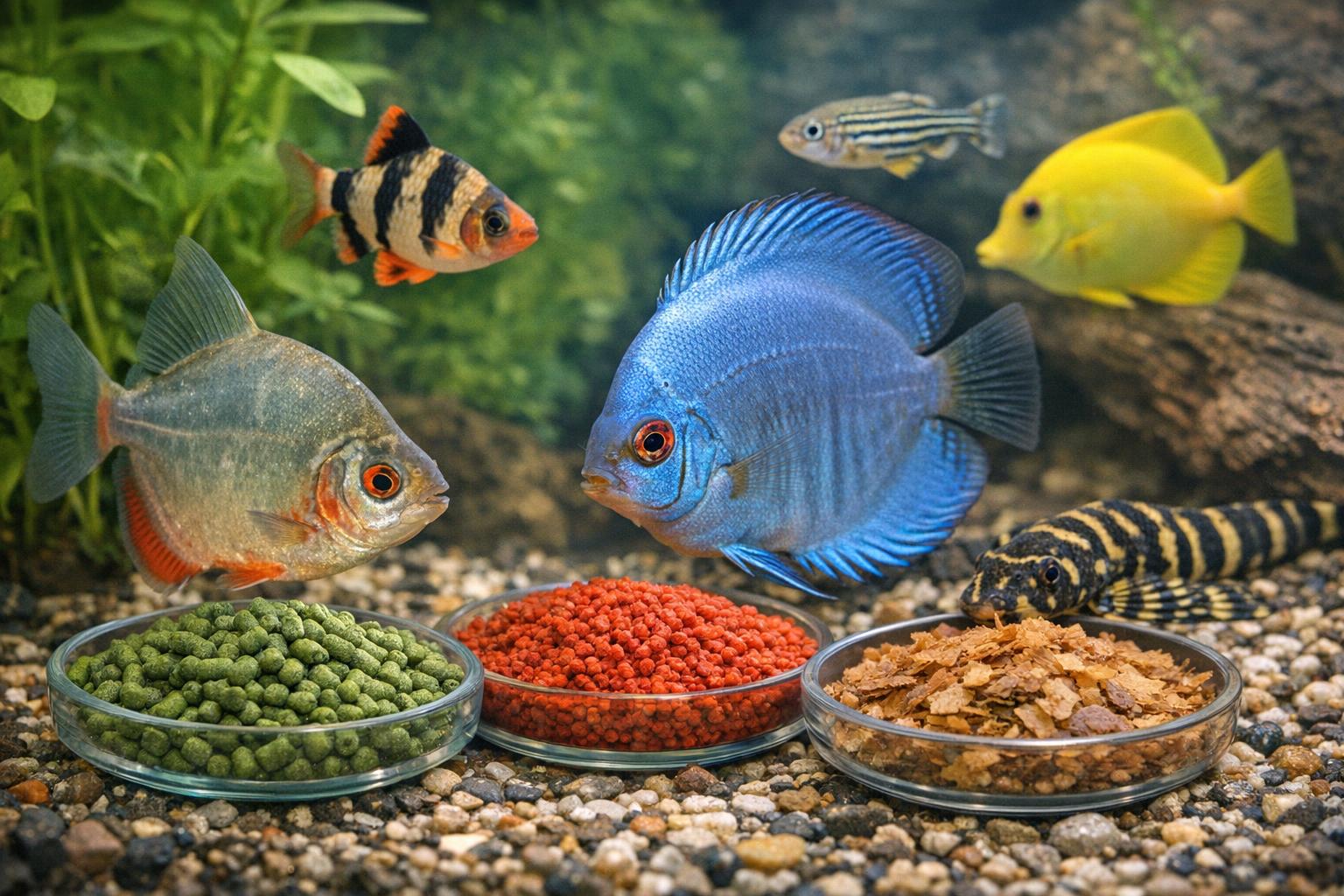
Feed varied, high-quality diets. Overfeeding is a common cause of poor water quality. Offer small portions and remove uneaten food after a few minutes. If a fish stops eating, try live or frozen options, but don’t overdo it.
### Quarantine New Arrivals
New fish introduce disease. Quarantine for at least two weeks and watch for early fish stress indicators. Treat or observe as needed before adding to the main tank.
### Monitor Behavior Regularly
Learning your fish’s baseline behavior is the best insurance. Note which fish are bold, which hide, and how the school behaves at feedings. That baseline lets you spot subtle changes sooner.
## Tools And Tests Worth Having On Hand
You don’t need lab-grade gear to keep fish healthy, but some tools are worth the shelf space.
– Reliable Test Kits For Ammonia, Nitrite, Nitrate, And pH
– A Thermometer You Can Read Without Guessing
– A Portable Quarantine Tank Or Small Hospital Tank
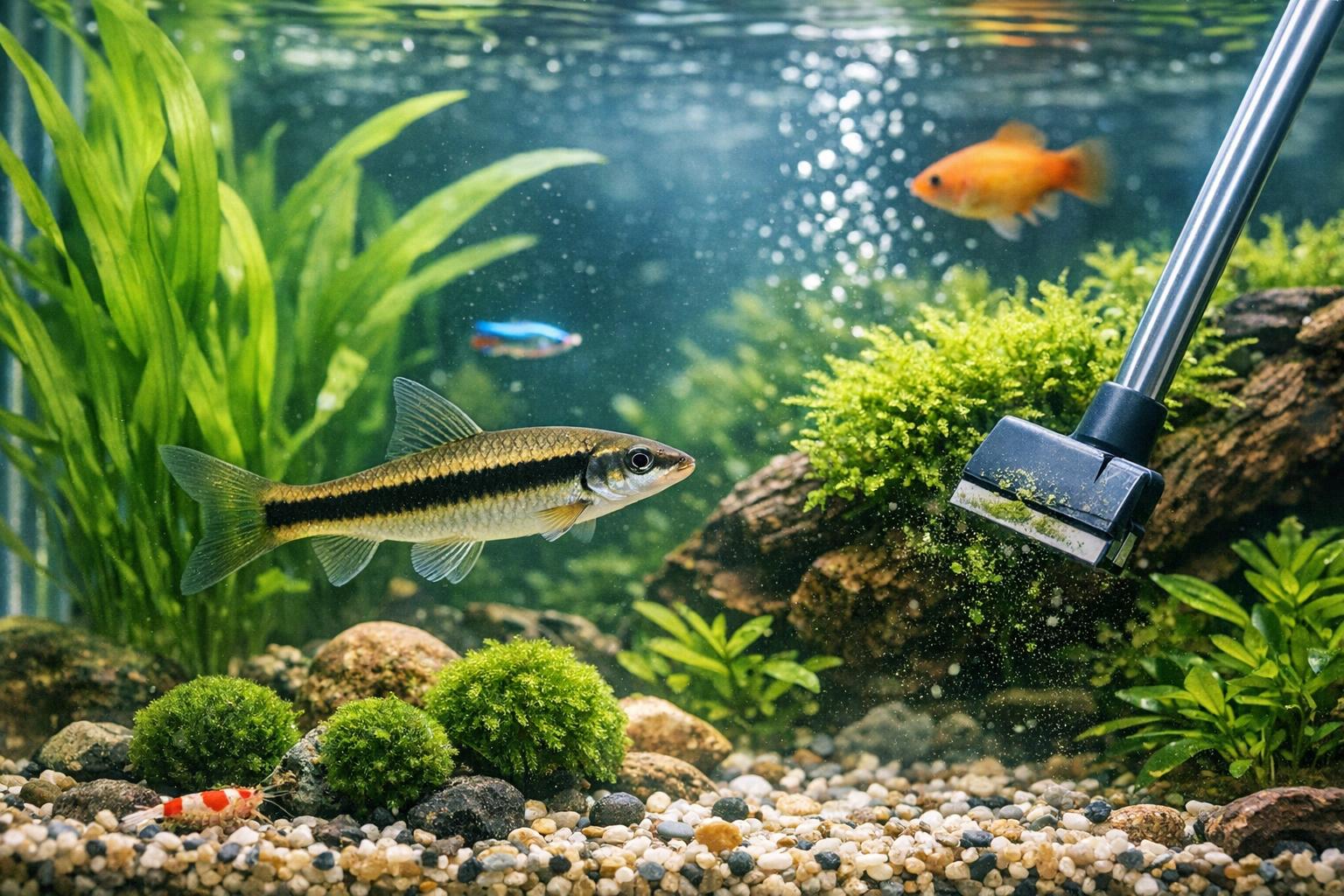
– A Net And Siphon For Partial Water Changes
– A Good Filter Rated For Your Tank Size
Invest in quality where it matters. Cheap test strips are tempting but can mislead.
### When Medication Is Appropriate
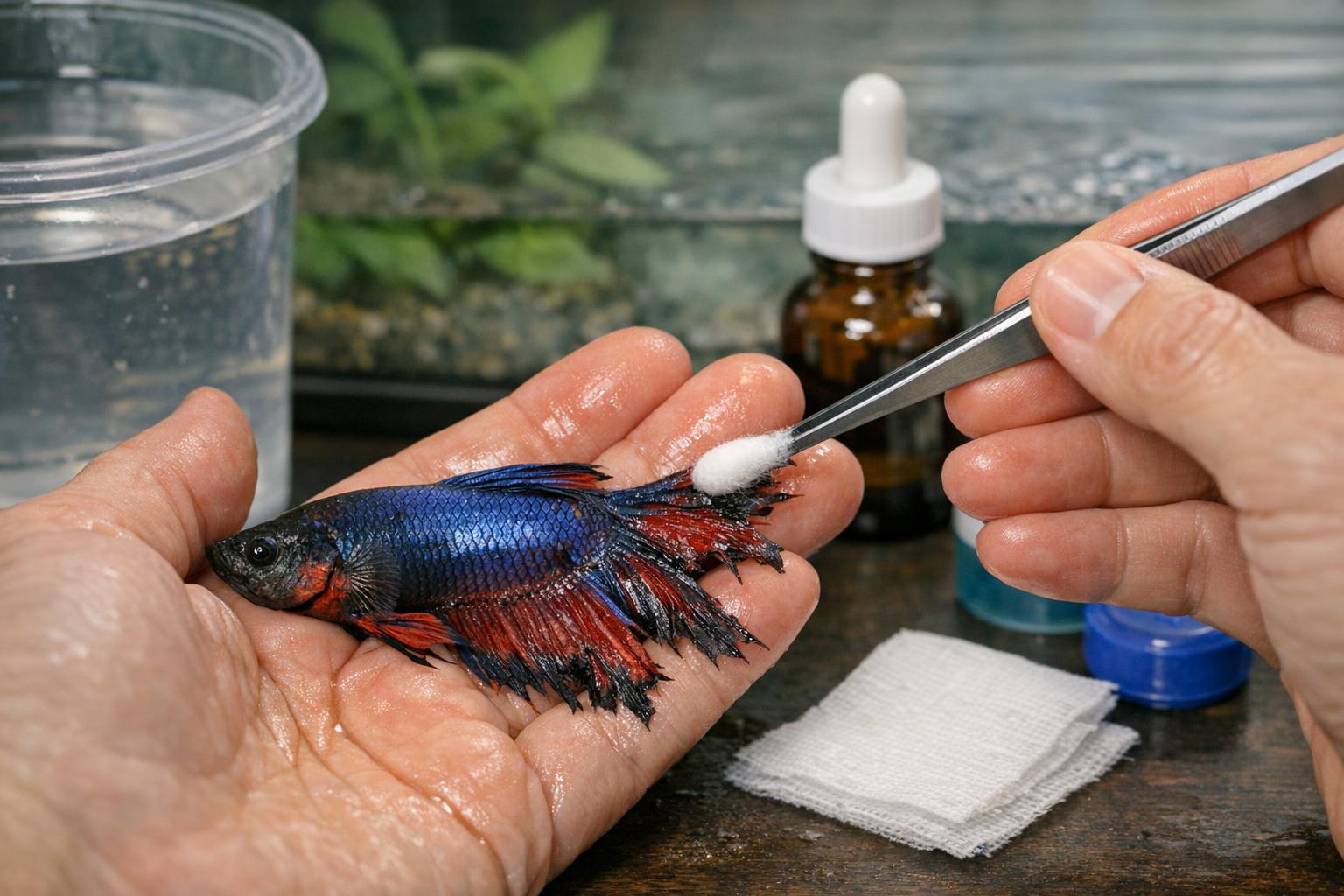
Use medication targeted to the problem. Antibiotics for bacterial infections, anti-parasitics for visible parasite signs. Don’t treat without evidence. If you’re unsure, consult a vet or an experienced aquarist before dosing the whole tank.
## Reading The Long Game
Stress is often cumulative. Minor issues—small ammonia bumps, slightly high nitrate, or occasional chasing—add up. That’s how chronic aquarium fish stress develops, and it’s why incremental good habits matter more than heroic last-minute fixes.
Catch signs early. Test. Adjust. Provide shelter. Quarantine new fish. Keep a small stock of essentials. Those steps will stop most problems before they escalate into disease or death.
If your fish suddenly go from active to withdrawn, or you see multiple fish showing the same stress signs, consider removing the suspect causes one at a time. Change the water. Rearrange the rocks. Lower the light. Simple changes often reveal the true trigger.
Watch closely. A small, steady routine prevents big failures. And remember: even good tanks have setbacks. Learn from them. Fix what you can. Keep the routine. Your fish will thank you in less dramatic ways—brighter colors, better appetite, and calmer schooling.
seperate the panic from the action and deal with the problem methodically.





















Leave a Reply