



## Pig Care Basics That Change Everyday Routines
People assume pig care basics are just feed, fence, and water. That is part of it, but a handful of practical shifts will change how you manage pigs and cut problems before they start. These are simple things you can start today: rethink shelter layout, measure water use, and handle pigs in a low-stress way. Do those three things and most other issues become easier to solve.
### Shelter And Environment Matter First
Pigs are not good at sweating. They need shade, bedding, and the right temperature. For piglets, keep a heat source at about 85–95°F (29–35°C) for the first week and gradually lower it. For growers and adults, aim for 55–70°F (13–21°C) and provide dry straw or wood shavings in winter. Damp bedding invites respiratory problems and parasites.
#### Ventilation Without Drafts
Good airflow removes ammonia and wetness. Position vents to exchange air near the roof, not directly across pens. You want steady movement, not gusts. A simple ridge vent with adjustable side curtains works in many barns. Check ammonia levels by smell or a small hand-held meter; if it stings your nose, pigs are breathing too much ammonia.
### Nutrition That Fits Your Goals
The phrase pig care basics covers feeding, but most people overfeed energy and underfeed fiber and minerals. Diet should match life stage, growth target, and body condition. That means splitting rations for lactating sows, offering higher protein to young piglets, and switching to maintenance rations for adults not in production.
#### Practical Feeding Tips
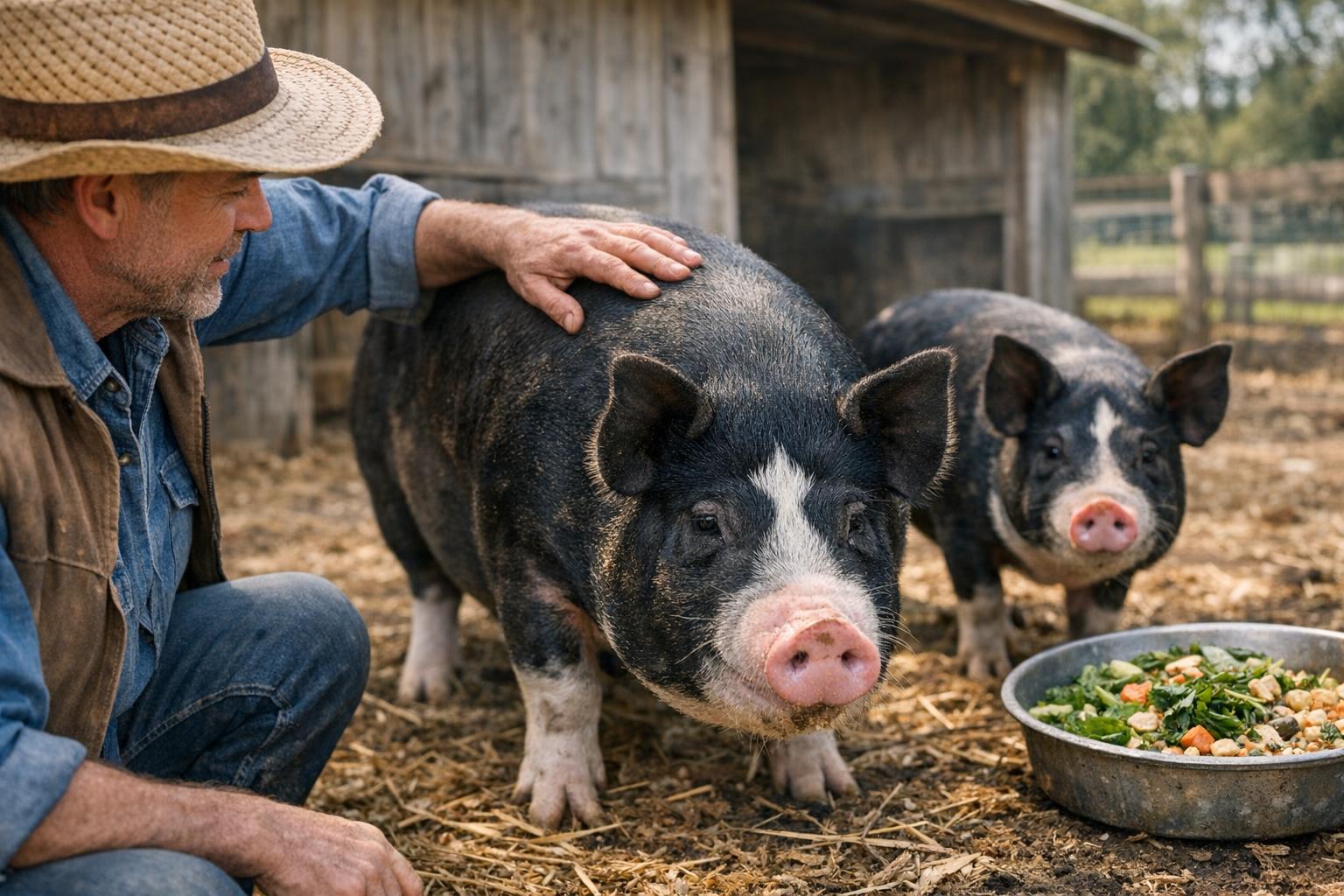
Weight pigs every couple of weeks so you can adjust rations. If pigs get too fat, drop energy portions and increase exercise space. If they’re too lean, raise protein and fat slightly. Use commercial feeds where possible — they’re balanced for vitamins and minerals — but add fresh roughage or kitchen scraps responsibly. Avoid anything moldy. And always keep fresh, clean water available. A lactating sow can drink well over 10 liters a day; growing pigs will drink proportionally to feed intake.
### Health Basics That Prevent Problems
Vaccination, parasite control, and observation are the three pillars of swine care basics. Establish a simple schedule for core vaccines, and stick to it. Deworm on a plan based on fecal egg counts rather than a calendar whenever possible. Observation trumps routine alone; daily walks through the pens reveal subtle changes in appetite, gait, or social behavior.
#### Spotting Trouble Early
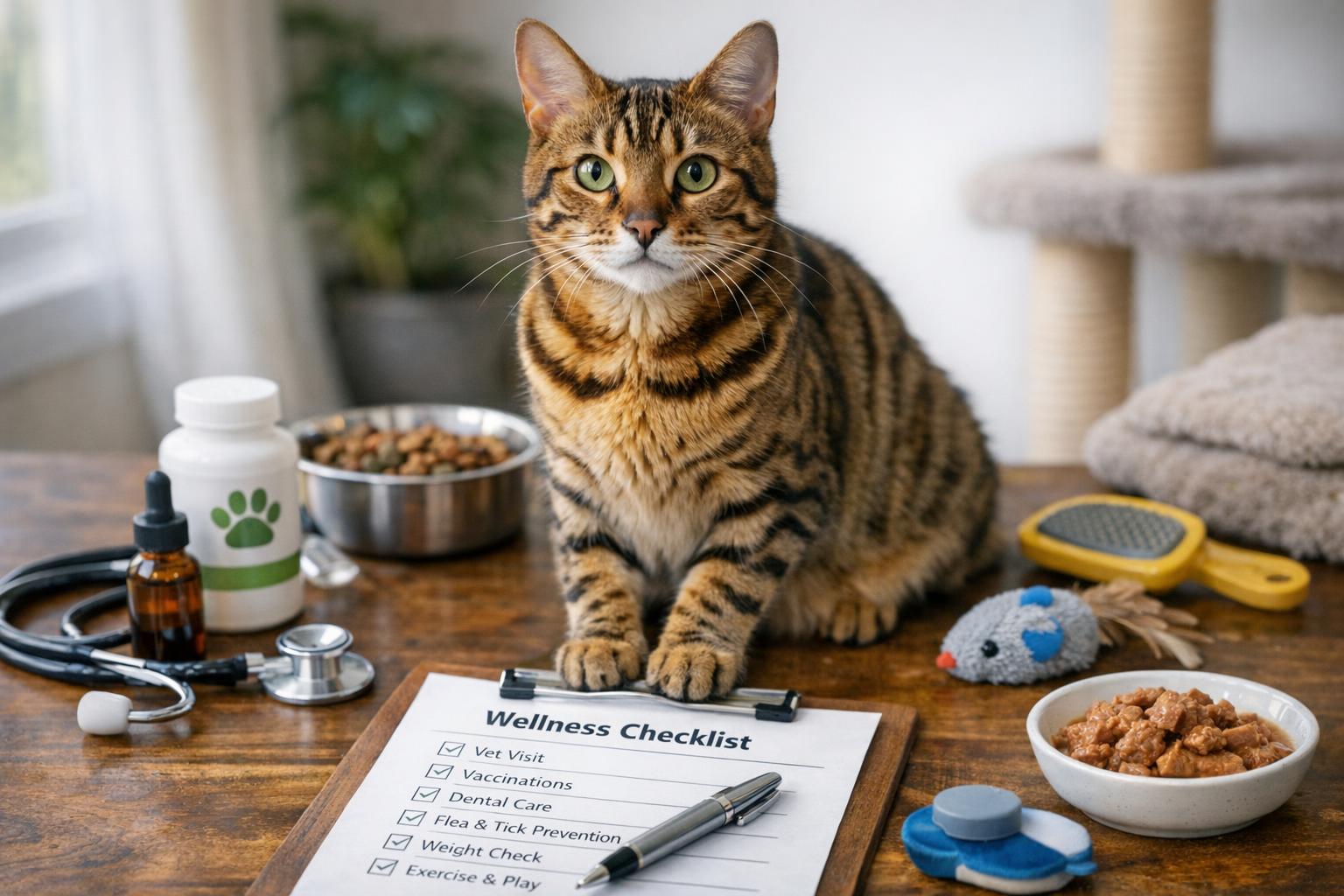
Small things are big clues. A pig off feed for two meals, a slight limp, or an isolate that’s quieter than usual — those are the moments to act. Keep a clipboard by the gate. Jot weight trends, treatments, and who ate what. Records make problems easier to diagnose later.
### Handling And Social Management
Pigs are social and hierarchical. Proper handling reduces injuries and stress. Move pigs in groups they are used to. Use solid paddles or boards and avoid shouting. Loud, fast movements spike stress hormones and slow everything down.
#### Design Pens For Flow
Pens should allow easy movement to feeding and water. If pigs have to turn sharply or bottleneck through gates, you’ll see fights and injuries. Give them escape options within groups; a small partition or hide area reduces bullying. It’s simple, but pen flow changes behavior faster than changing rations.
### Farrowing And Piglet Care
Farrowing is the most intense period for pig care basics. Clean, dry creep areas with forced heat for piglets save lives. When a sow drops litter, watch the first 24 hours closely. Piglets need colostrum in the first few hours for immunity. If they miss it, plan bottle feeding and consider cross-fostering within the first day.
#### Colostrum And Nursing Practices
Record which sows have poor milk or small teats and move weaker piglets to better milkers. Rotate piglets occassionally to balance litter sizes. Use simple teat order charts and check teats each feed to spot mastitis early.
### Sanitation And Parasite Control
Clean feeders and waterers daily. Remove manure regularly. Parasite control is not one-size-fits-all. Base treatments on fecal tests, pasture rotation, and grazing intervals. For outdoor systems, alternate pastures and avoid high stocking density.
#### Biosecurity Simple Steps
Limit visitors, change outer clothes, and keep a footbath at the entrance to pens. New animals should quarantine for at least two weeks. Quarantine gives time to watch for illness and prevents introducing respiratory or GI bugs to the herd.
### Record-Keeping And Planning
A small notebook or a phone app that tracks births, weights, treatments, and feed use is invaluable. Look at feed conversion over a month; if it slips, investigate housing, health, and feed quality. Those metrics are the backbone of effective pig care basics and show where to invest effort or money.
Include a plan for seasonal shifts, too. Heat in summer and heavy rains in spring change behavior and disease risk. Anticipate them rather than react. That kind of planning pays back quickly in fewer vet visits and better growth rates.
Now get out there and change one routine: measure water use, rearrange a pen, or start that daily walk-through. Each small fix compounds into real improvements in pig care. Start with one, do it consistently, and watch the rest fall into place.





Leave a Reply