
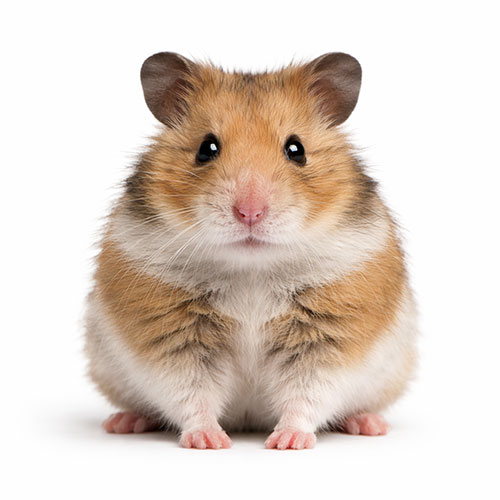

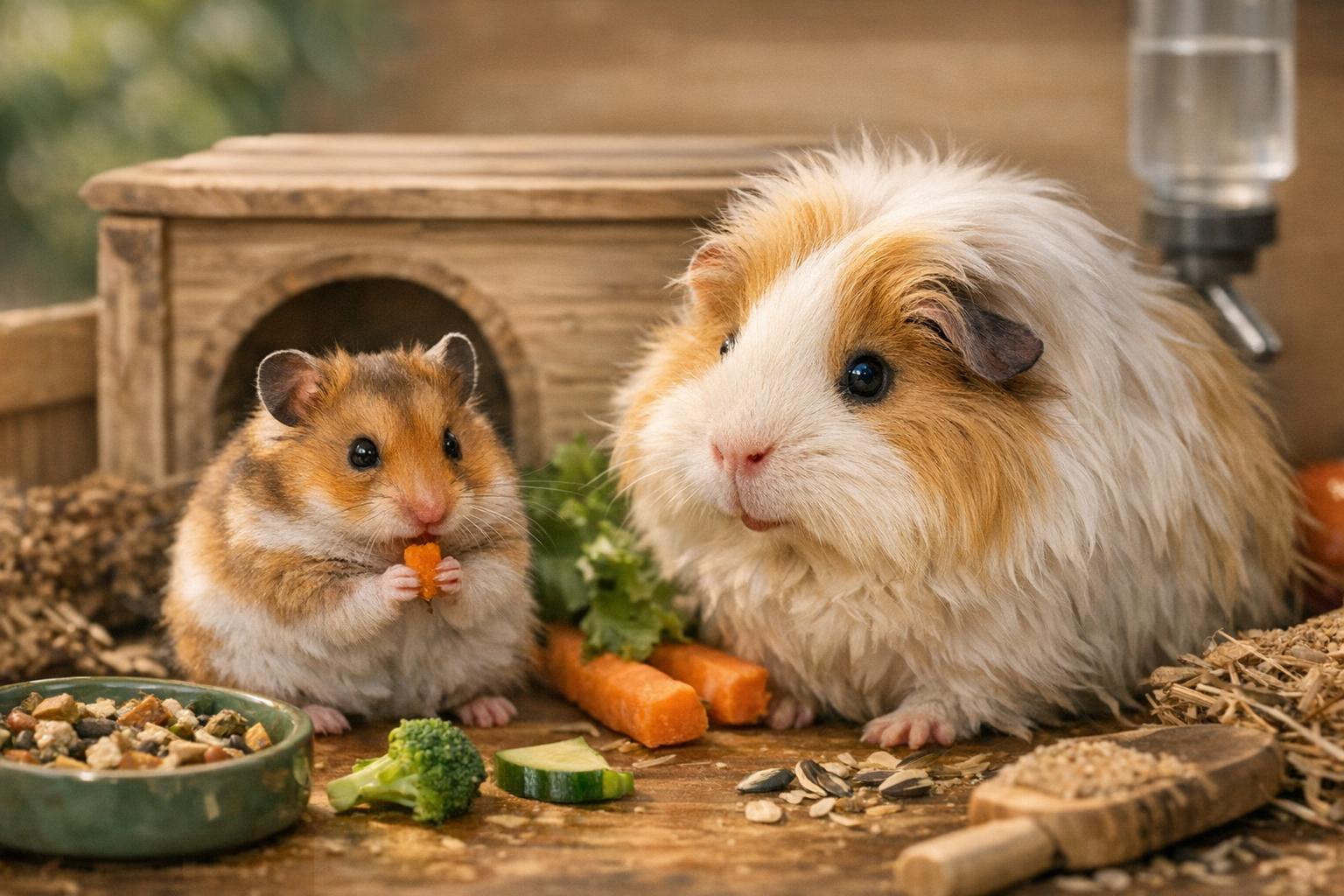
People often lump hamsters and guinea pigs together because they’re small, furry, and cute. That’s fine for photos, but not for care. Their needs overlap sometimes, but too many owners treat them like interchangeable pets. That’s where clear, practical hamster guinea pig care tips matter: you’ll avoid wasted time, a stressed pet, and vet bills.
## Hamster Guinea Pig Care Tips That Make Sense
Start with one rule: one size doesn’t fit both. Hamsters are solitary, often nocturnal, and love tunnels. Guinea pigs are social, need daytime interaction, and require Vitamin C in their diet. The right habitat, food, and handling strategy changes the day-to-day. These hamster guinea pig care tips focus on what actually moves the needle—health, enrichment, and simple routines you can keep up.
### Diet And Nutrition
Food is where mistakes happen most. For guinea pig care, hay is the backbone. Unlimited timothy hay, a measured portion of fortified pellets, and fresh vegetables every day. No hamster mix should be fed to a guinea pig as a main diet; those mixes are calorie-dense and often low in vitamin C.
Hamsters need a different balance. Look for a hamster-specific pellet or mix that provides protein, fat, and fiber. Fresh bits of vegetables and occasional fruit are treats, not staples. These hamster care tips will save you from overfeeding and nutritional gaps: weigh portions for both species, and treat calories like currency.
#### Hay, Pellets, And Fresh Food
– Guinea pigs: hay all day, 1/8–1/4 cup pellets per adult, and a handful of fresh veg for vitamin C — think bell pepper, kale sparingly.
– Hamsters: 1–2 tablespoons of pellets or mix depending on size, veggies as occasional fresh bits, and seeds/nuts rarely.
If you have both animals, keep food separate. They will steal from each other, and that can quickly lead to weight and health issues. And yes, guinea pigs can’t synthesize vitamin C; they’ll often not recieve enough from a standard pet diet alone.
### Cage Size And Layout
Size matters, and it’s not negotiable. For guinea pig care, the minimum for a single pig is larger than most people expect. Aim for at least 7.5 square feet for one pig, more if you keep two. They need room to run in a straight line and a hide area to feel secure.
Hamsters, depending on species, need horizontal space with tunnels and a properly sized wheel. Syrian hamsters do best alone; dwarf hamsters can sometimes share, but introduce with caution. These hamster care tips include avoiding tall, multi-level cages that offer vertical space but little ground room—hamsters need surface area to explore.
#### Enrichment And Safety
Toys matter less than structure. Give hiding spots, chewable items, and safe tunnels. For hamsters, a solid-surface wheel sized to prevent back arching is non-negotiable. Guinea pigs want chew toys and hay racks; they also benefit from cardboard tubes and supervised floor time outside the cage in a secure room. Avoid plastic wheels for larger hamsters, and skip any small parts that could be chewed off and swallowed.
## Health Checks And Handling
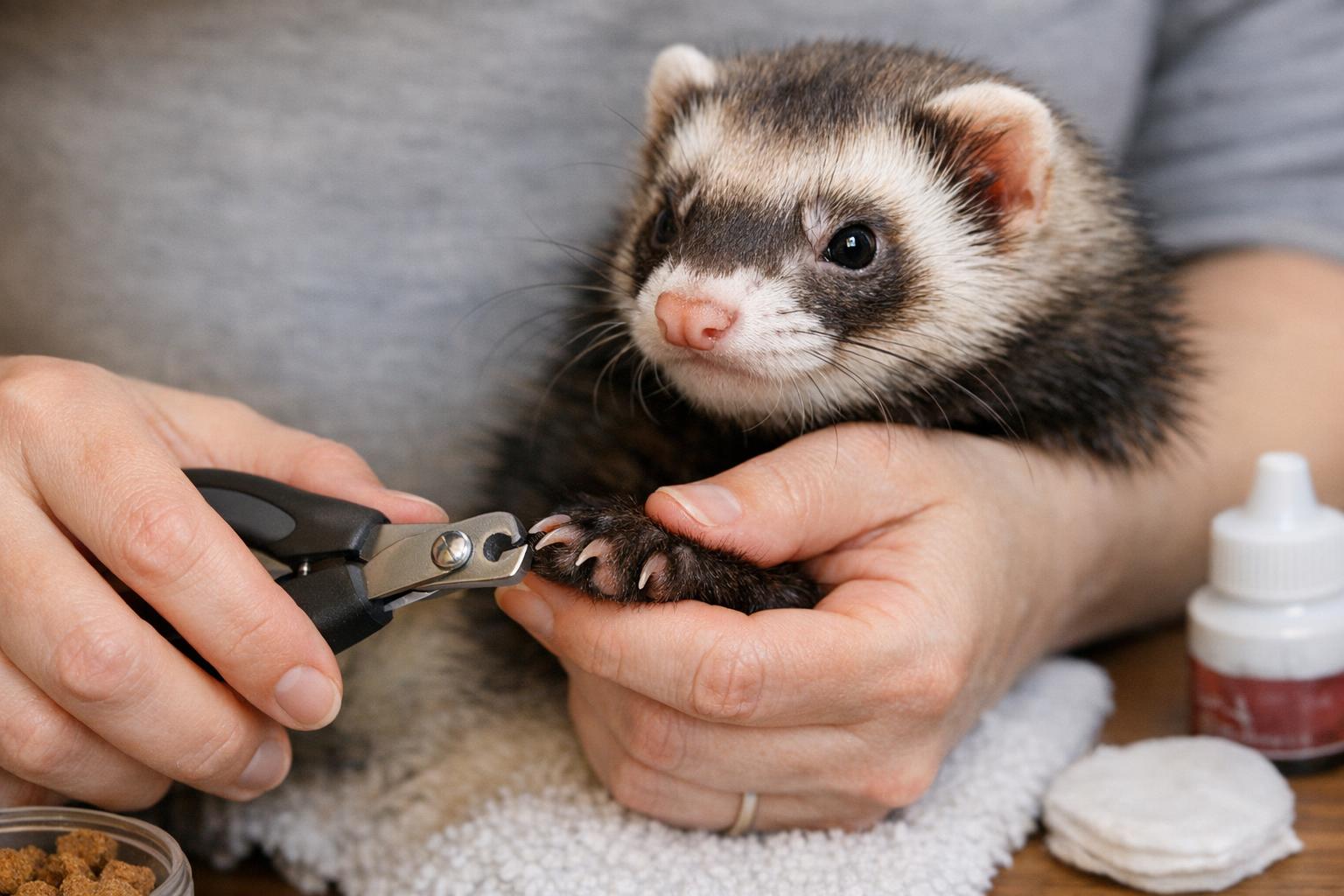
A weekly health check will catch most issues early. Look at teeth (overgrowth is common), nails, coat condition, and appetite. Guinea pigs often show subtle signs of pain — rubbing a paw, reduced vocalization, or not eating greens. Hamsters can hide illness until it’s serious, so watch for lethargy or changes in stool.
When handling, remember body shape and temperament differ. Pick up guinea pigs with support under the chest and hindquarters; they dislike sudden drops and will squeal if scared. Hamsters prefer a gentler approach: scoop them in your cupped hand and give them time to sniff. These are simple hamster care tips that improve trust quickly.
### Common Parasites And Vet Visits
Both species need regular vet attention. Annual checkups are useful; if you see hair loss, scabs, or weight loss, visit sooner. Guinea pigs may need vitamin C supplements; a vet can recommend the correct dose. Fleas and mites happen—treat under professional guidance because some medications safe for dogs and cats are toxic to small pets.
## Common Mistakes People Make With Hamster Guinea Pig Care Tips
Mixing up housing is near the top. I’ve seen guinea pigs in hamster cages—too narrow, too high, and heartbreaking. Another frequent error is over-cleaning. Clean bedding regularly, yes, but don’t deep-clean the whole cage so often that familiar smells are gone; that stresses animals. Spot-clean daily, full clean weekly for many setups.
Over-handling is another. Guinea pigs need social time but also breaks. Hamsters, especially nocturnal ones, resent daytime disturbances. If a hamster seems grumpy, let them rest; if a pig is quiet and withdrawn, check food and temperature.
### Social Needs And Compatibility
Guinea pig care emphasizes companionship: most pigs do best in pairs. Hamsters, on the other hand, are typically solitary. Don’t force social situations just because the animals are about the same size. If you want both species, keep them in separate, secure enclosures and never let them share a play area unsupervised.
## Quick Daily Routine For Owners
A simple routine keeps both pets healthy without feeling like a chore. Spend ten minutes morning and night on feeding, water checks, and a quick health glance. Add a 20–30 minute interaction or playtime for guinea pigs during the day. Hamsters prefer short, evening sessions when they’re awake.
– Morning: Check water bottles, fresh hay for pigs, top up pellets for hamsters.
– Afternoon: Supervised out-of-cage time for guinea pigs; clean any messy spots.
– Evening: Handle the hamster briefly, offer a small treat, observe energy and appetite.
Stick to these hamster guinea pig care tips and you’ll stop dealing with repeat problems. Small, consistent steps beat occasional grand gestures.
### Bedding, Odor, And Cleaning Frequency
Choose absorbent bedding that’s dust-free. Avoid cedar and pine; their oils irritate respiratory systems. Paper-based or aspen shavings work well. Replace wet spots daily, full bedding change weekly unless you have multiple pets making more frequent cleaning necessary. If smell builds up faster, check for hiding wet food, uneaten vegetables, or an overlooked corner.
Keep track of each pet’s personality. Some hamsters will never warm up; some guinea pigs become your shadow. Learn the signals, adjust the routine, and be ready to tweak diets and enrichment as they age. Small tweaks matter more than big overhauls.



Leave a Reply