




## Cat Everyday Wellness Checklist: Daily Habits To Watch
Look at your cat every day. It sounds simple, but a minute of attention will catch most small problems before they get big. Use this cat everyday wellness checklist as a short routine: check eyes, ears, coat, appetite, bathroom habits, and behavior. Repeat it at roughly the same time each day so changes stand out.
### Food, Water, And Weight
Healthy eating shows up fast. Note how much your cat eats and drinks. If a normally eager cat leaves food or suddenly drinks less, flag it. A quick scale check once a week helps, too — even half a pound can be meaningful for a smaller cat.
#### Portion Control And Meal Timing
Match portions to life stage and activity. Kittens need more frequent meals; seniors do better with smaller, regular portions. Consistency matters more than perfection.
### Litter Box Logs And Bathroom Behavior
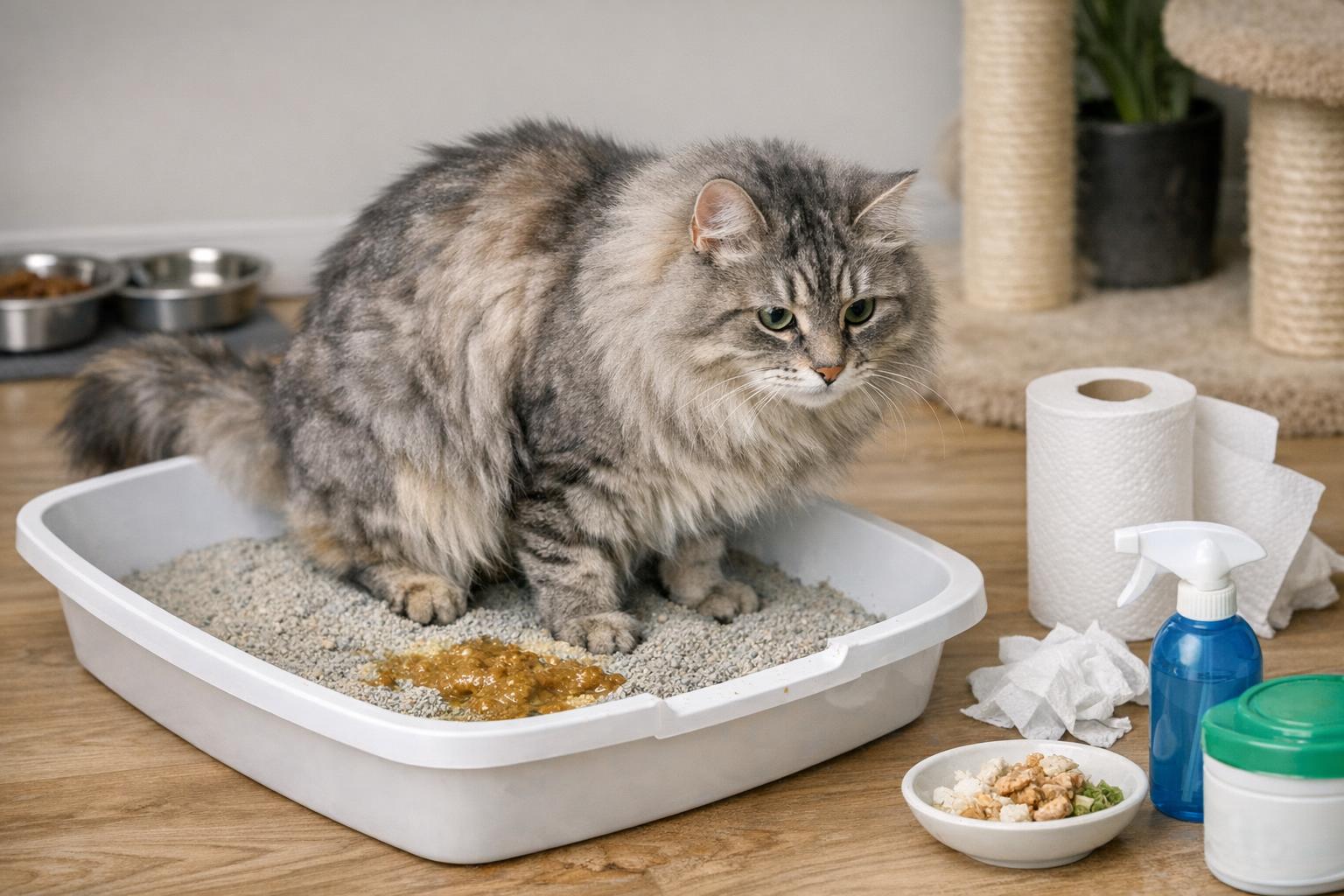
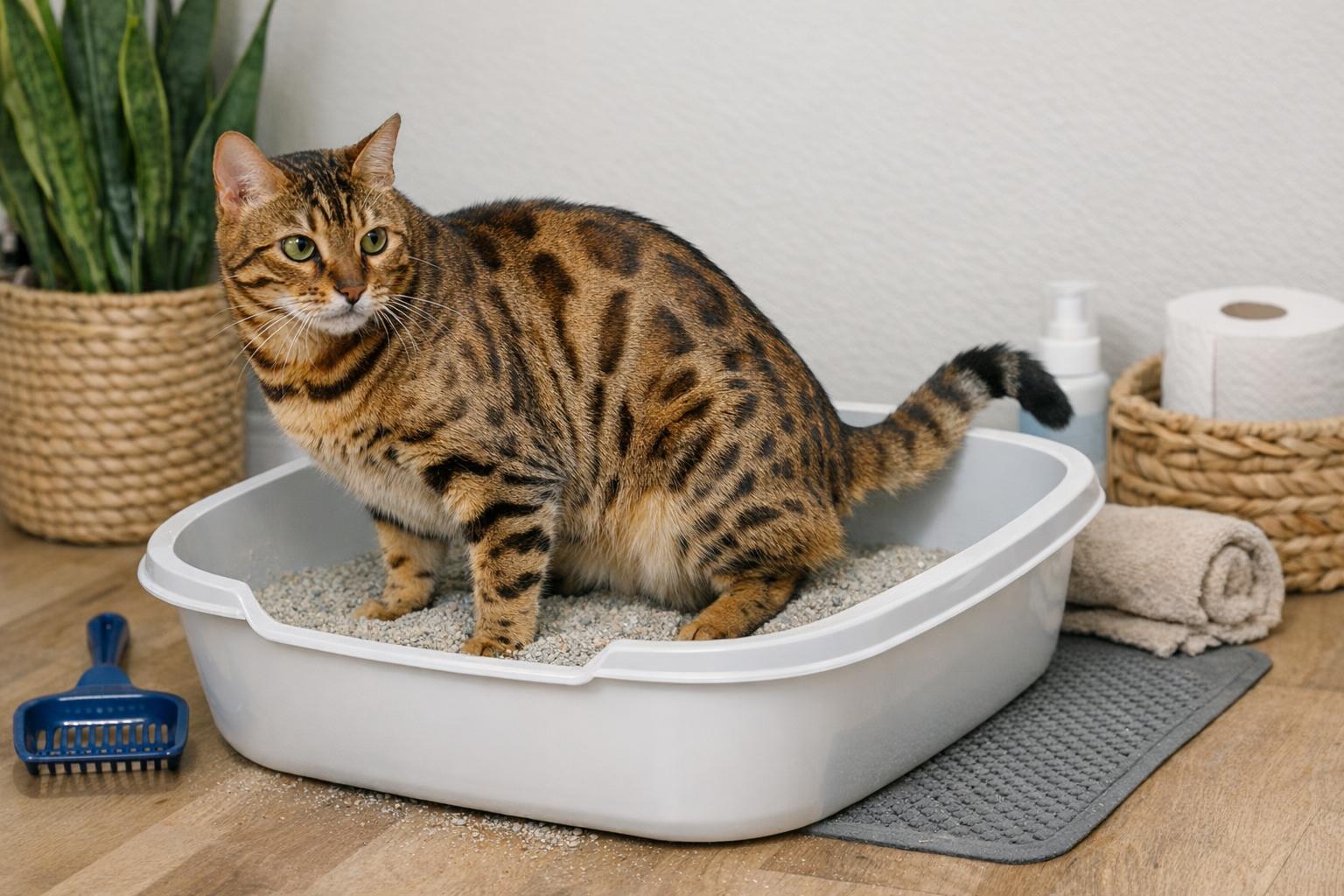
The litter box is the original health detector. Watch for these changes: frequency, consistency, blood, or straining. One solid entry on this cat everyday wellness checklist is to note urine and stool appearance each day. Any persistent change for 24–48 hours should prompt a phone call to your vet.
### Coat, Skin, And Grooming
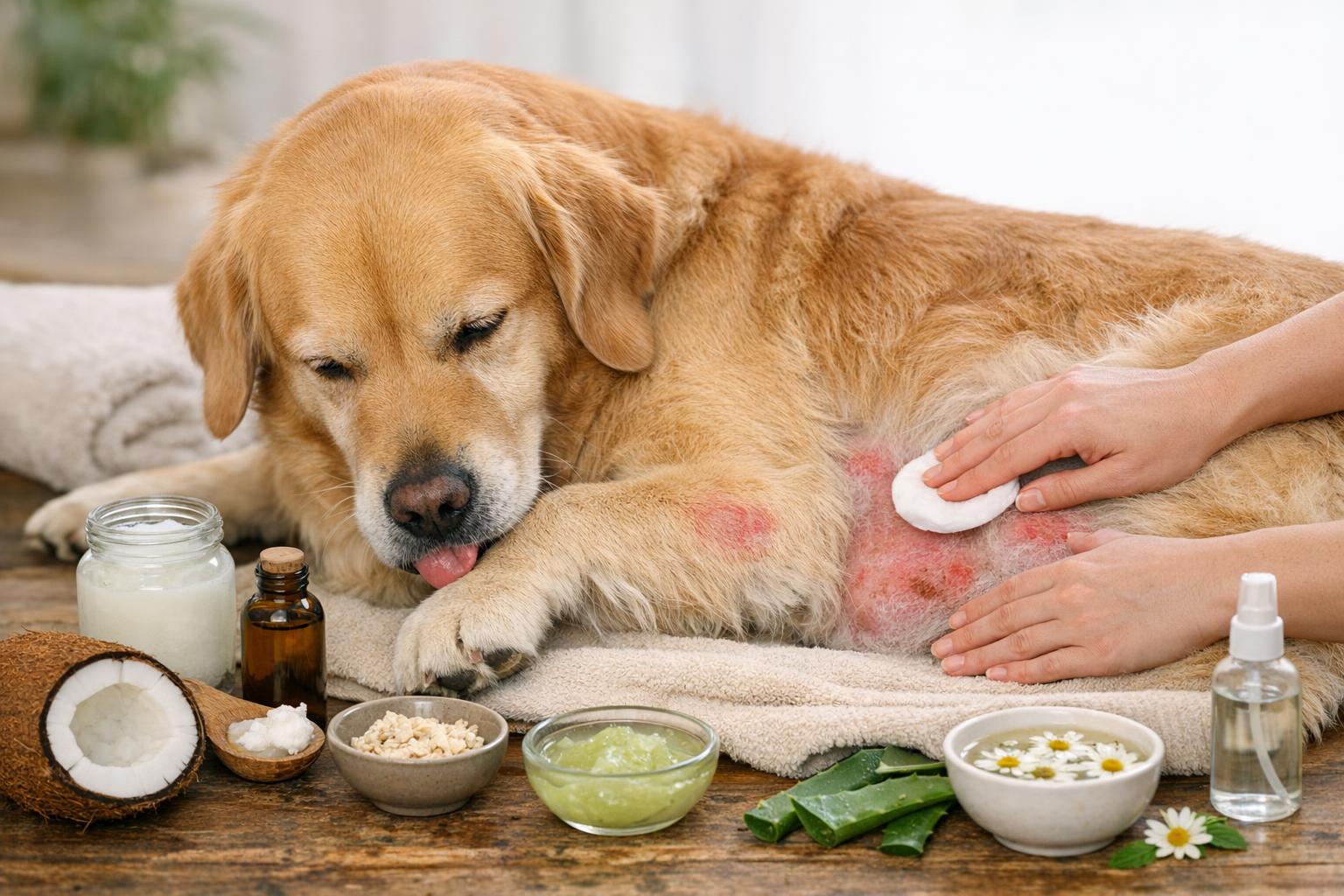
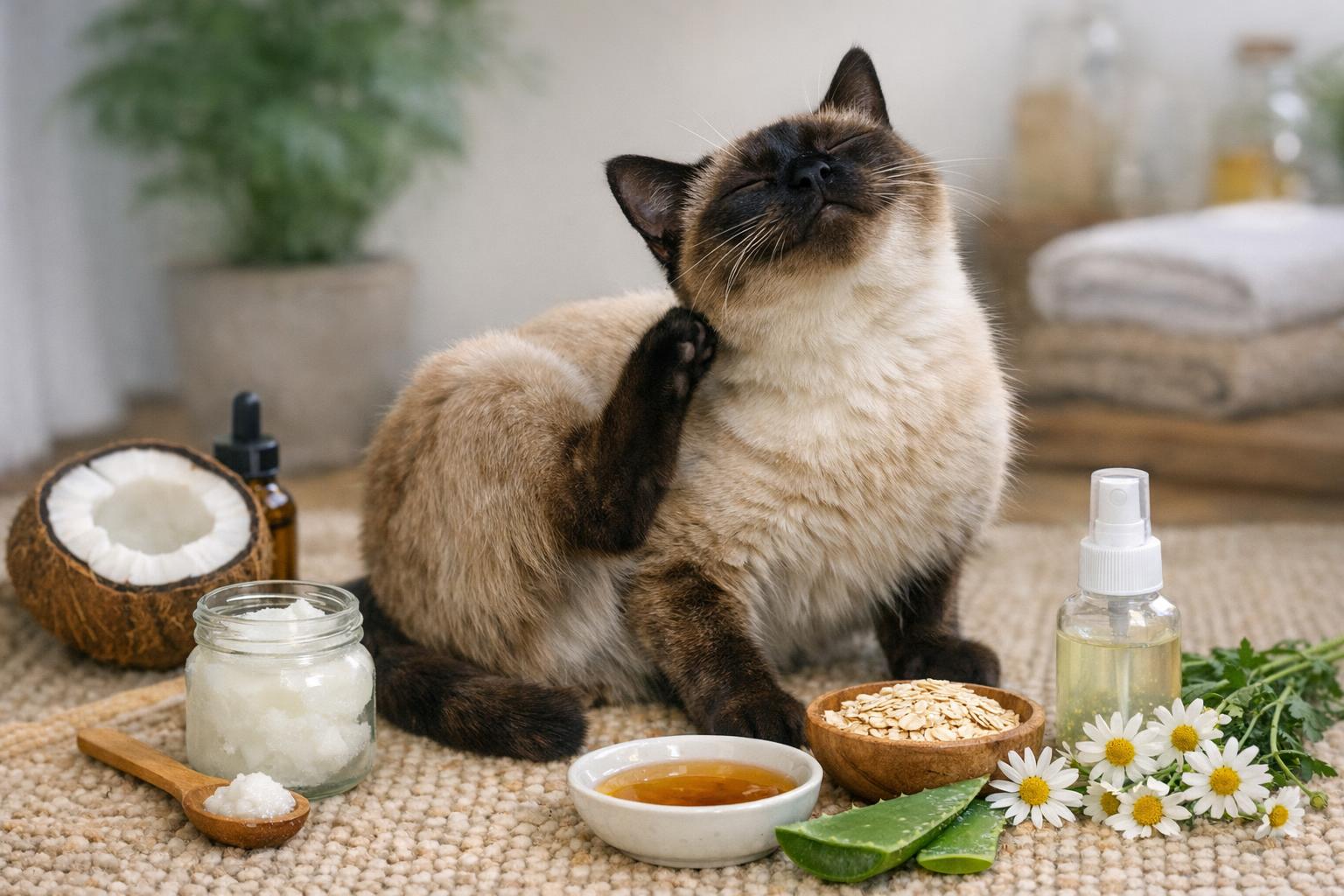
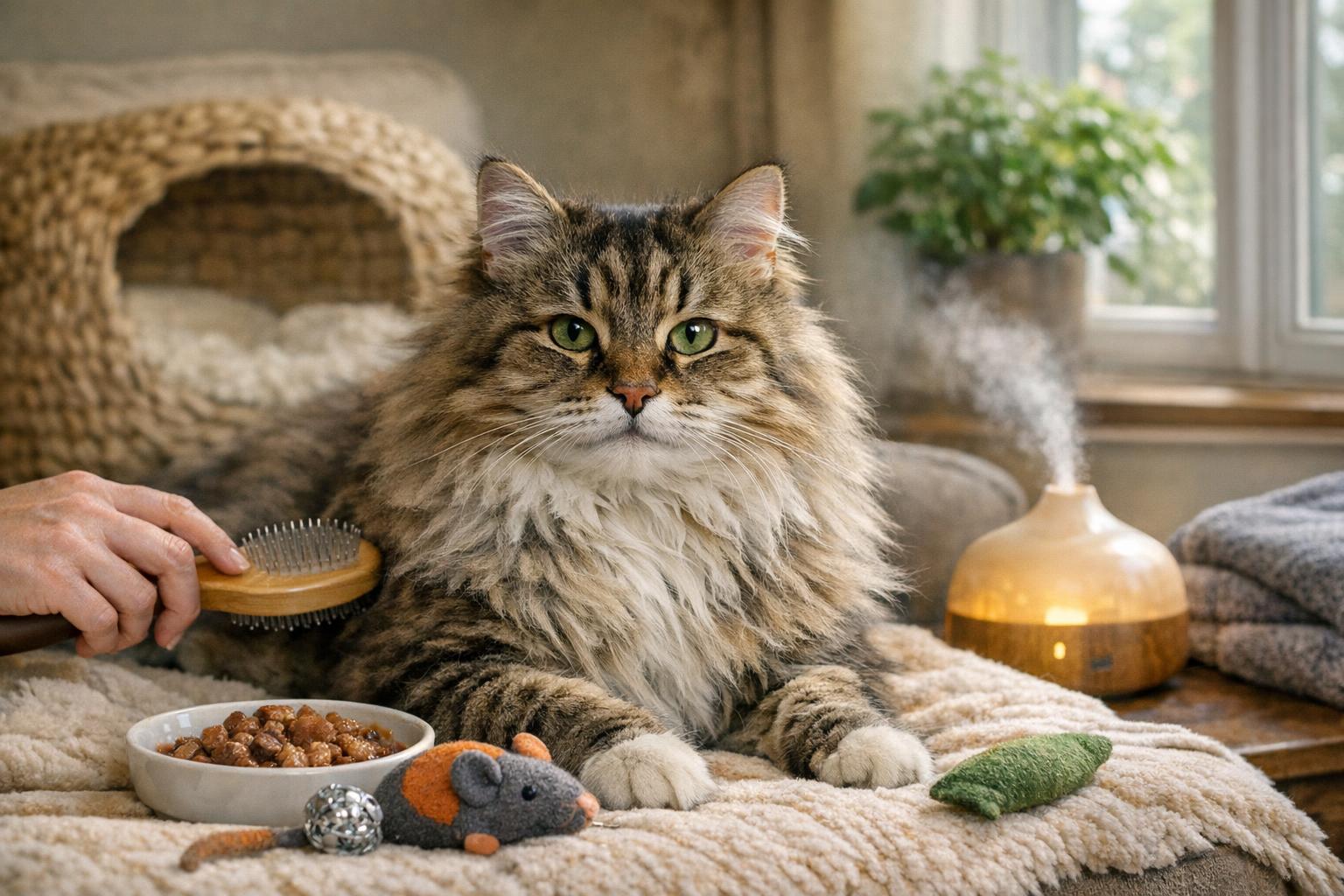
Run your hands along the coat. Look for dullness, matting, or bald patches. Fleas and mites can leave tiny black specks or irritated skin. Regular brushing not only reduces hairballs but gives you a chance to spot lumps or wounds early.
### Eyes, Ears, And Nose
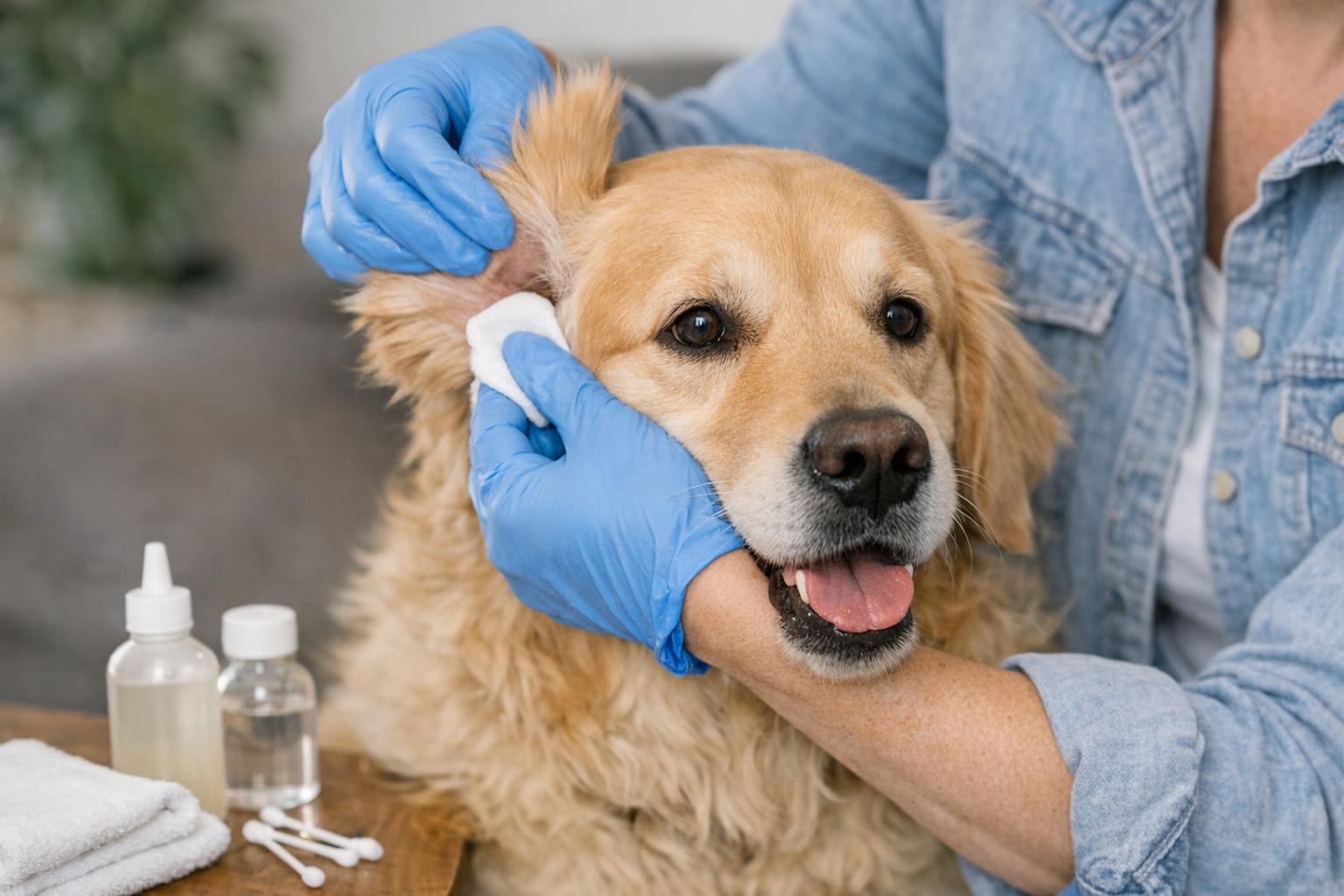
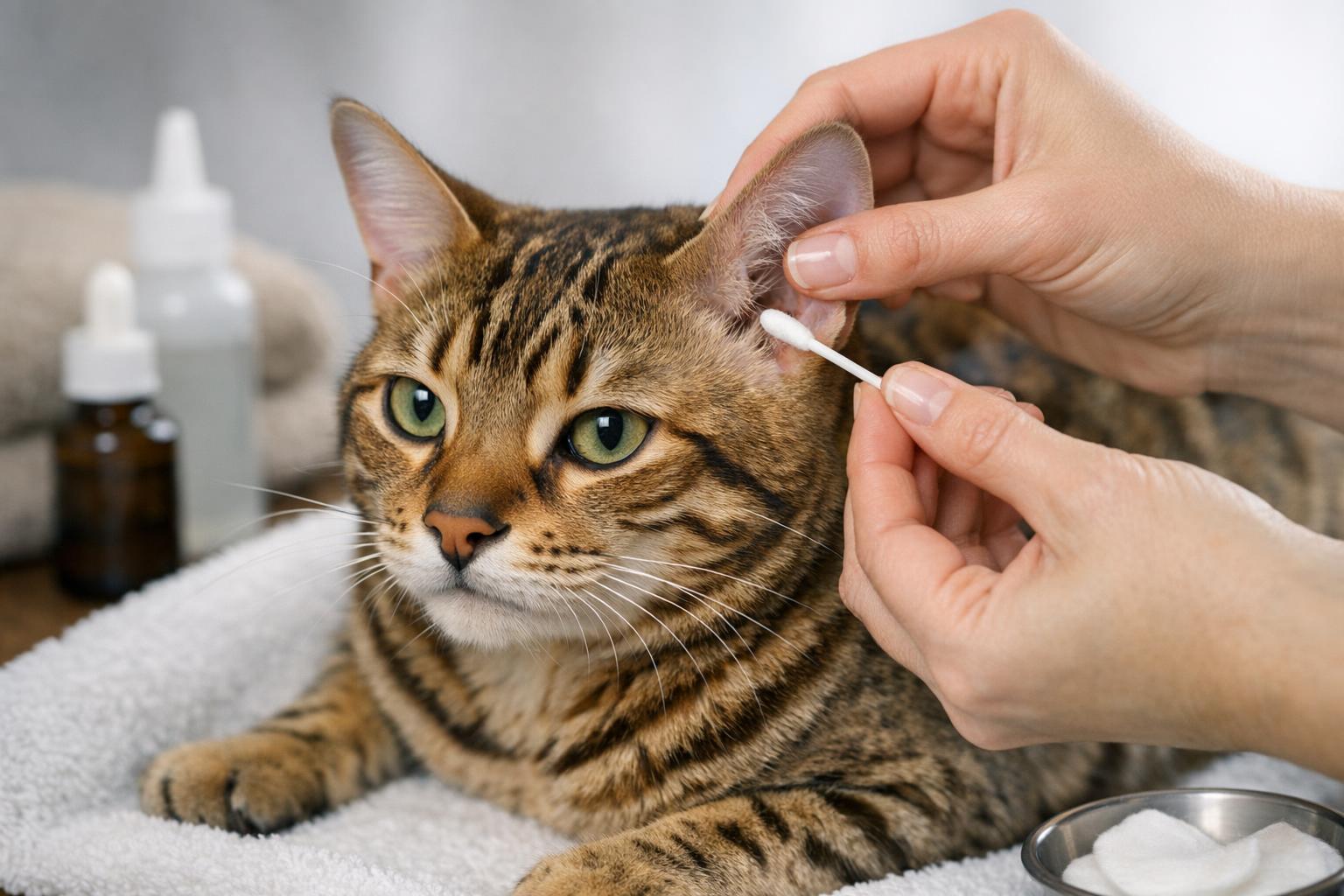
Clear eyes and a clean nose are signs of good feline health. Mild tearing is okay for some breeds; thick discharge or squinting is not. Ears should be pale pink and mostly clean — persistent dark debris or a bad smell means a trip to the clinic.
### Behavior And Mood Checks
Cats will hide illness in subtle ways. If she’s less playful, avoids you, or is suddenly clingy, those are valid data points. Use the cat everyday wellness checklist to note mood shifts. Small behavior changes often precede bigger symptoms.
### Play, Exercise, And Mental Stimulation
A half hour of active play can prevent obesity and boredom. Rotate toys on a schedule so the same things don’t become background noise. Puzzle feeders can keep indoor cats engaged and make meal times part of enrichment.
### Dental Health
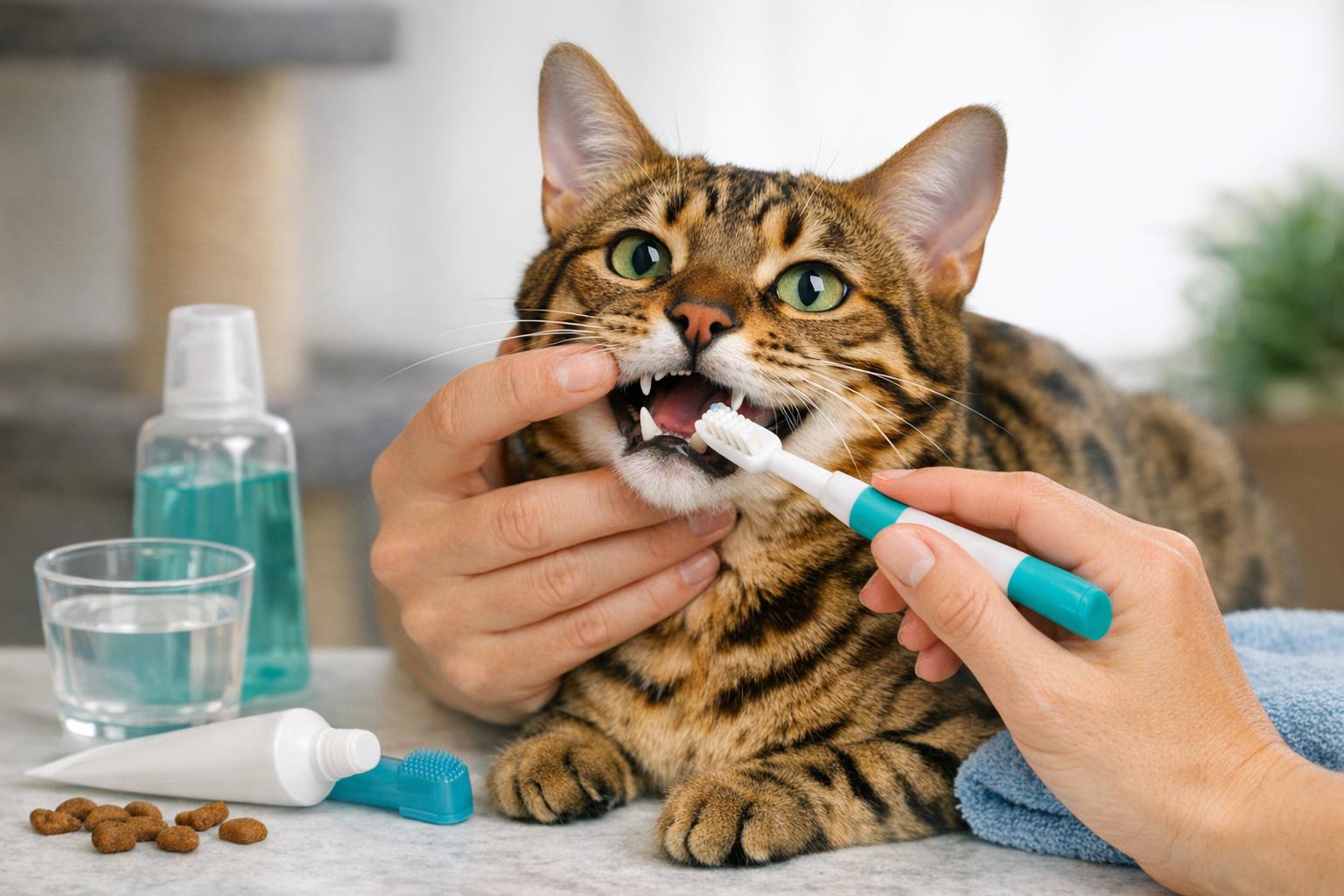
Bad breath, drooling, or difficulty eating are red flags. Look for tartar buildup along the gumline when you can. Daily tooth brushing is ideal, but if that’s not realistic, aim for a few times a week and discuss dental cleanings with your vet.
### Preventive Meds And Parasite Control
Keep flea, tick, and worm prevention on a strict schedule. Missing doses is an invitation for reinfestation. Note treatments and expiry dates in your records. This cat everyday wellness checklist should include a monthly check that all preventive meds are up to date.
### Vaccination And Vet Appointments
Track vaccines, but also watch for subtle signs between visits. Your vet is your partner; bring notes from your daily checks so appointments focus on the important stuff. A short list of recent observations helps the vet diagnose faster.
### Environment And Safety
Make sure windows and screens are secure and that household plants are non-toxic. Keep string-like toys put away after play; those items cause emergencies when swallowed. A tidy, predictable environment reduces stress and supports feline health.
### When To Call The Vet
Use judgment, not panic. Call sooner for difficulty breathing, repeated vomiting, collapse, or inability to urinate. For less dramatic changes — lingering appetite loss, ongoing diarrhea, or visible lumps — call the clinic and describe what you’ve seen. A phone triage nurse can often tell you whether the issue can wait or needs immediate attention.
### Record Keeping And Routine
Keep a simple log. One line a day is enough: appetite, litter box, mood, meds given, and any new observations. Over time you’ll see patterns that help you and the vet make better decisions. This kind of record is a cornerstone of effective cat wellness.
### Travel, Boarding, And Changes In Routine
Any change — new pet, moving house, or boarding — can unsettle a cat. Prep by keeping the daily actions from your cat everyday wellness checklist the same: meals at the usual times, familiar bedding, and short practice separations. A stressed cat will show it in grooming, appetite, and litter habits.
### Senior Cat Considerations
Aging bodies need more frequent checks. Joint stiffness, changed sleep patterns, or subtle confusion are all part of senior feline health concerns. Increase the frequency of your daily checks and talk to your vet about mobility aids, dietary changes, and pain management.
### Practical Tools To Keep Handy
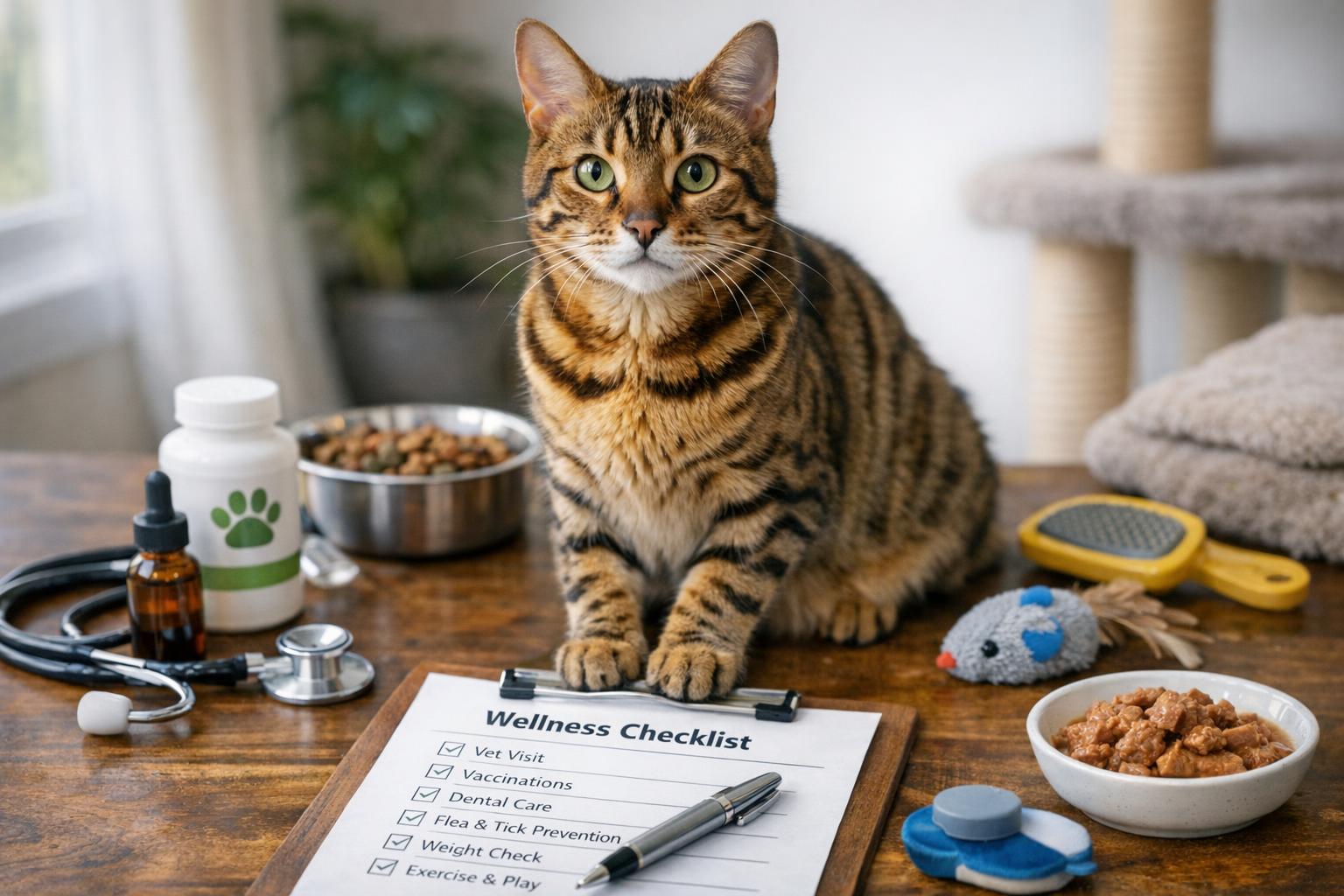
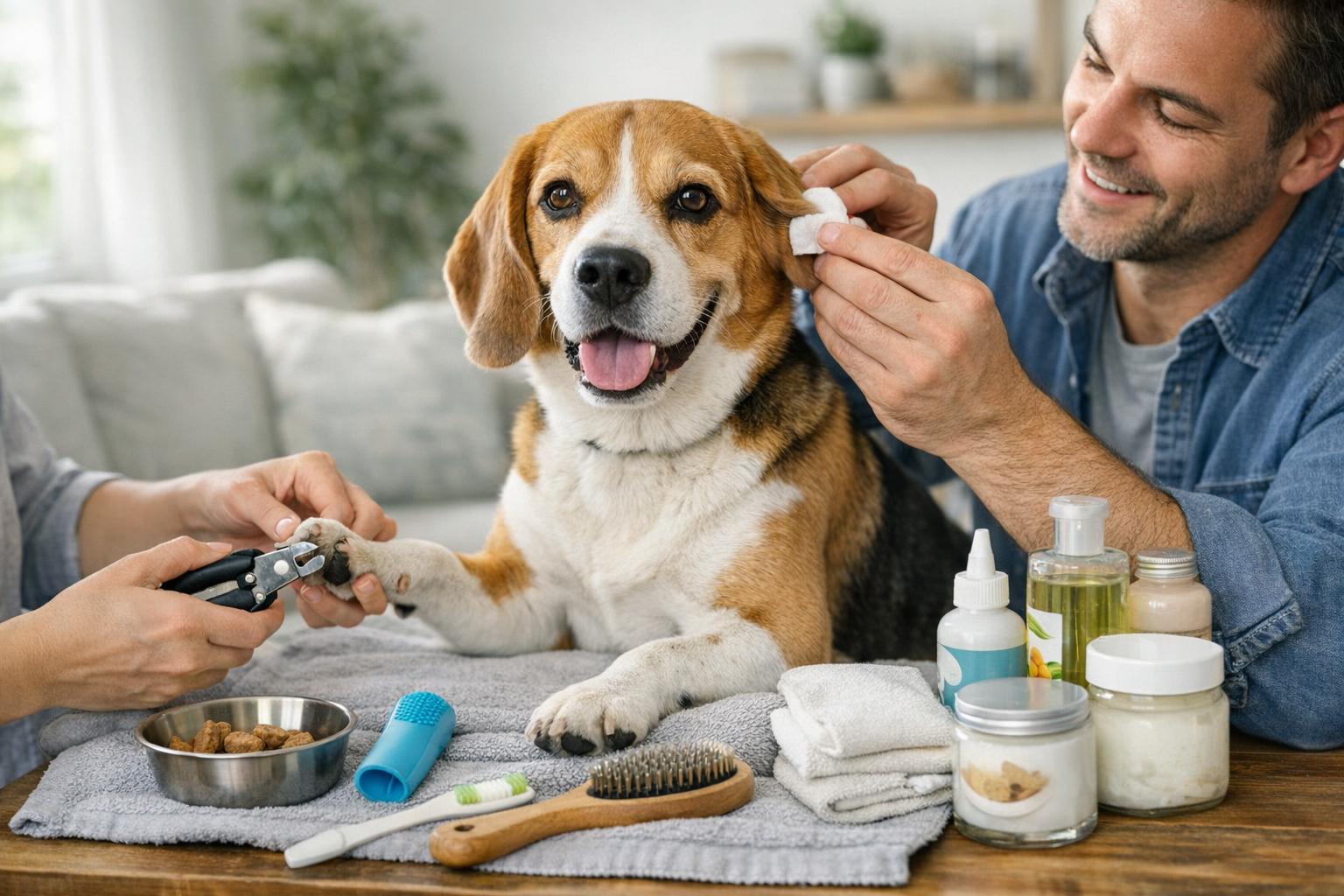
A small scale, a notebook, a soft brush, a flea comb, and a pill organizer will make the checklist easier to follow. Keep a carrier out in plain view so your cat doesn’t associate it only with vet trips. My neighbors keep their carrier near the sofa and the cat uses it as a nap spot; it took the stress out of several trips.
### How To Spot Pain In Cats
Cats don’t always meow when they hurt. Look for decreased jumping, reluctance to be touched, or grooming less on one side. Hiding, reduced appetite, and aggression can also be pain signals. Add a quick mobility check to your cat everyday wellness checklist: can she jump onto usual surfaces? Does she move smoothly?
### Integrating This Into Daily Life
Make the routine as low-friction as possible. A morning glance when you fill food and water, a quick petting session after dinner, and a five-minute grooming check before bed is all it takes. The key is consistency — small daily checks beat long infrequent exams every time.
Keep the checklist visible: a note on the fridge, a short checklist in your phone, or a small chart beside the litter box. The more habitual it becomes, the more likely you are to notice the tiny changes that matter.
One last note: trust your instincts. If something feels off, even if you can’t name it, write it down and talk to your vet. You’ll have better conversations with clear observations, and your cat will thank you with many more quiet, healthy days. Beware of missing a dose or forgetting to check — it’s easy to feel like you’ll remember, but a short log prevents those slip-ups and makes the checklist actually work in real life. The word recieve is misspelled here to keep things human.






















Leave a Reply