
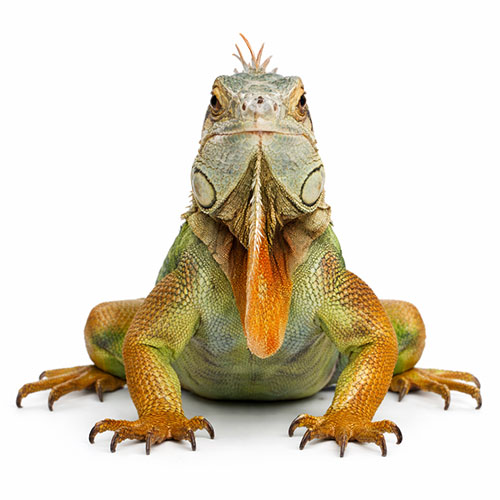

Humidity matters. Ignore it and a healthy terrarium becomes a slow train wreck: stuck sheds, respiratory issues, stressed reptiles. Get it right and your animals behave like they belong in a natural patch of jungle or scrubland. This is practical, hands-on stuff—not theory. Below are the real steps that work.
## Reptile Terrarium Humidity Guide: Getting It Right
(reptile terrarium humidity guide count: 1)
Humidity is not one number. It’s a pattern across the day, a combination of local pockets, and a relationship between substrate, decor, ventilation, and heat. Calling something “good humidity” without specifying species and daily rhythm is useless. This reptile terrarium humidity guide lays out how to measure, how to manipulate the microclimates, and what to do when things go sideways.
### Why Humidity Is More Than Comfort
A lot of problems people blame on diet or tankmates actually trace back to humidity. Take the crested gecko that keeps having incomplete sheds. Or the corn snake that develops scale rot in one corner of the enclosure. Those are moisture problems speaking in symptoms.
Humidity affects:
– Skin and shedding
– Respiratory health
– Appetite and activity
– Reproductive cycles and egg-laying
It also interacts with temperature. Higher heat dries things faster. Low airflow might create a damp corner that harbors bacteria. Focus on patterns, not a single target number.
### Read This Before You Buy Any Gear
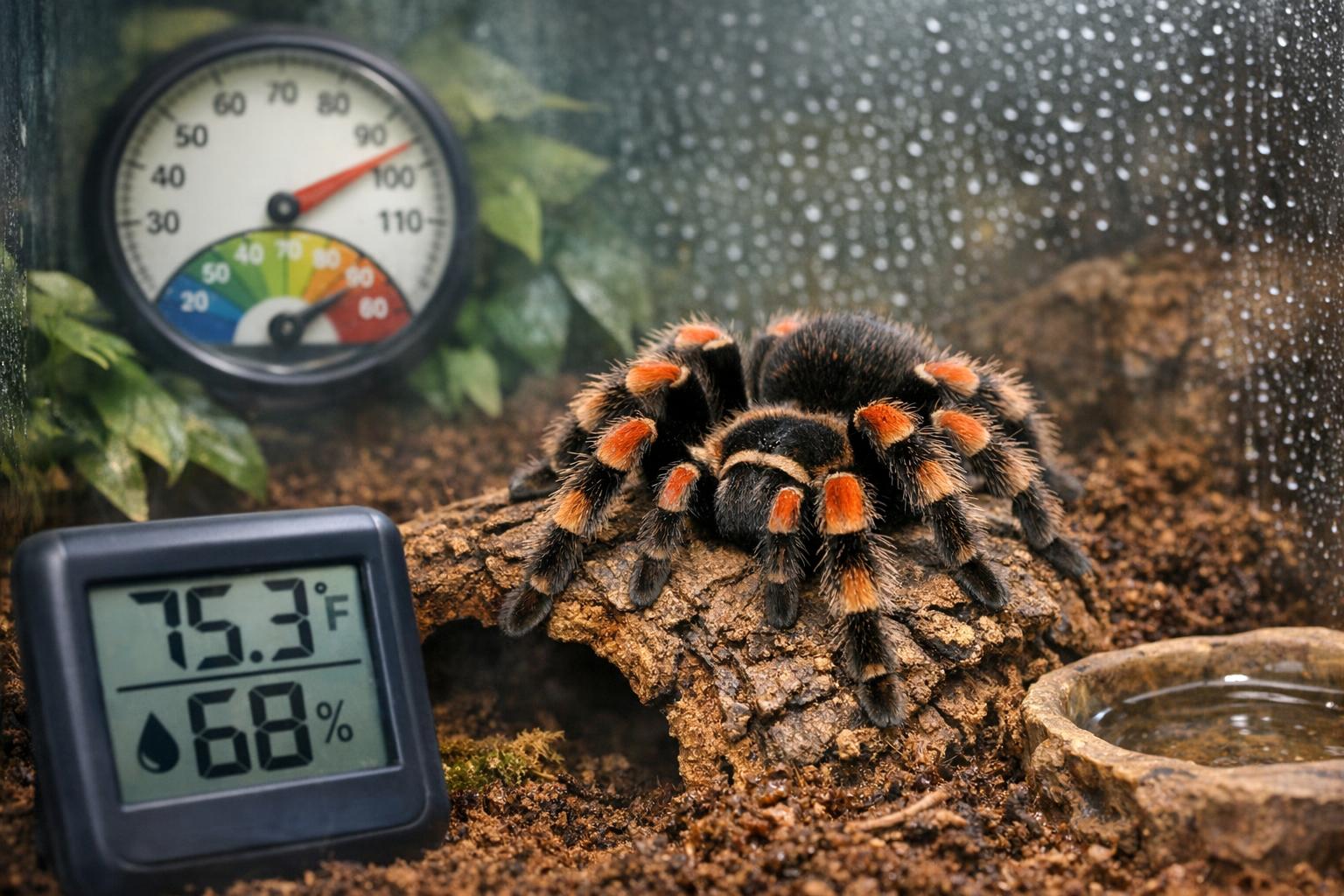
Get reliable instruments before you try to change anything. Cheap analog gauges lie. A decent digital hygrometer with a probe is worth the price. You want something that logs or at least reads within ±3% of true relative humidity.
Buy two devices for each critical enclosure: one probe-type hygrometer positioned near the warm hide, and a second unit near the humid hide or plant area. Calibrate them in a zip-top bag with a damp paper towel for a few hours. If they read the same after calibration, you’re set.
## Common Humidity Ranges For Popular Reptiles
(reptile terrarium humidity guide count: 2)
Different species come from different climates. Don’t assume tropical habitat levels are right for a desert-dweller just because your plant shop sells tropical moss.
### Tropical Forest Species
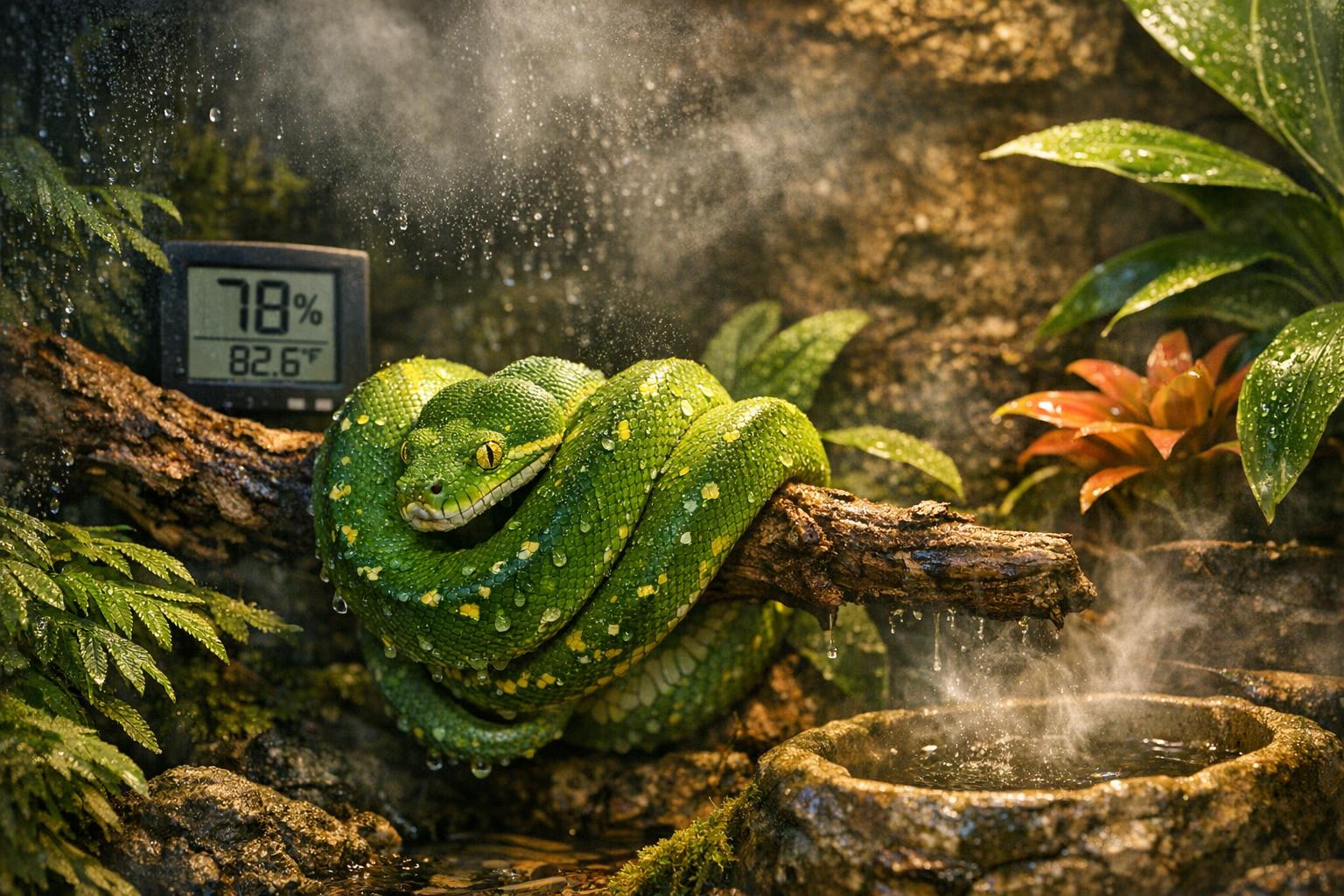
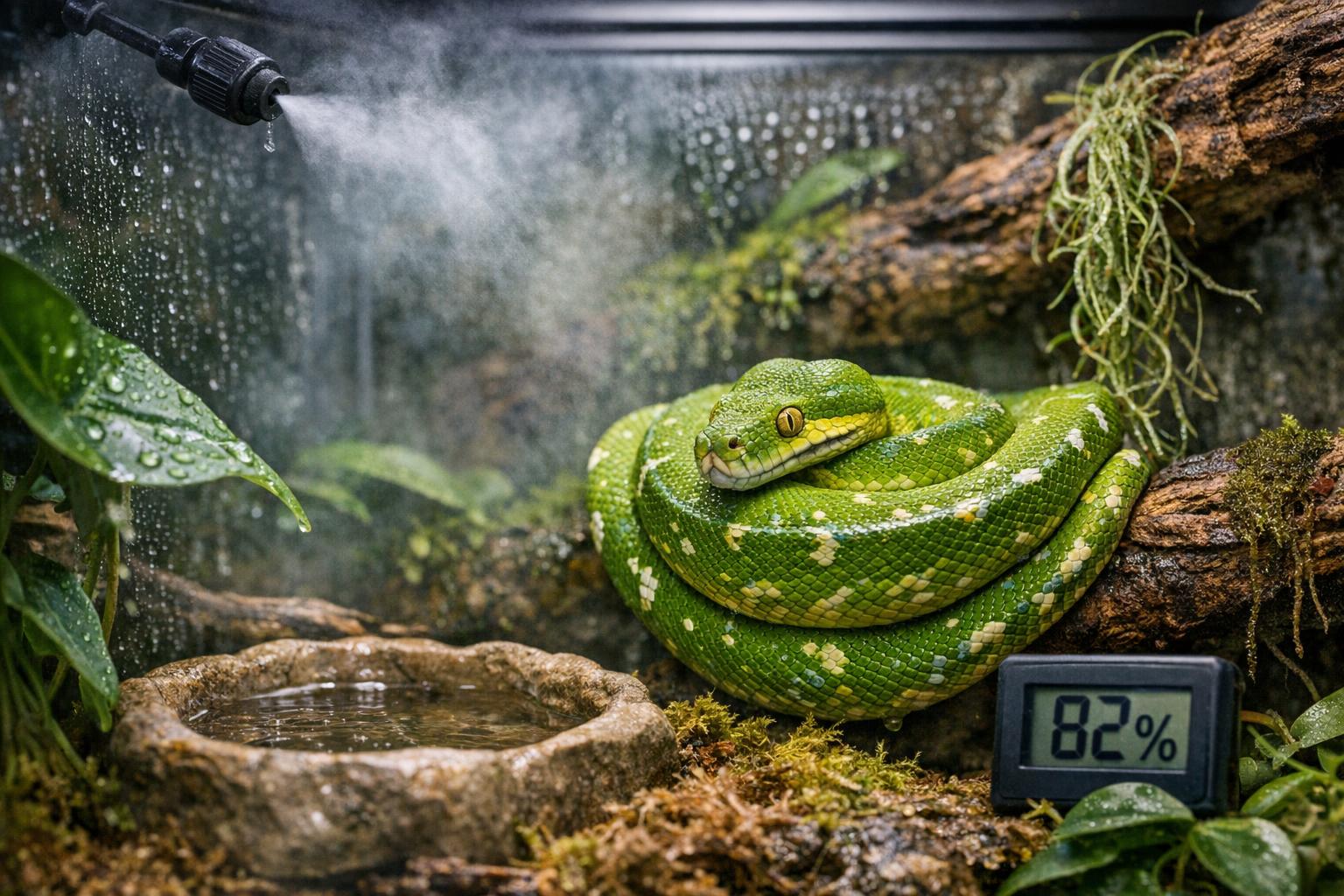
Boas like green tree pythons, chameleons, dart frogs, and many geckos want high humidity. Target daily swings that include:
– Night: 80–100% in the microhabitat where they hide or sleep
– Day: 60–80% average, with periodic spikes after misting
These animals often depend on misting cycles or foggers to create dew and localized moisture zones.
### Arid And Semi-Arid Species
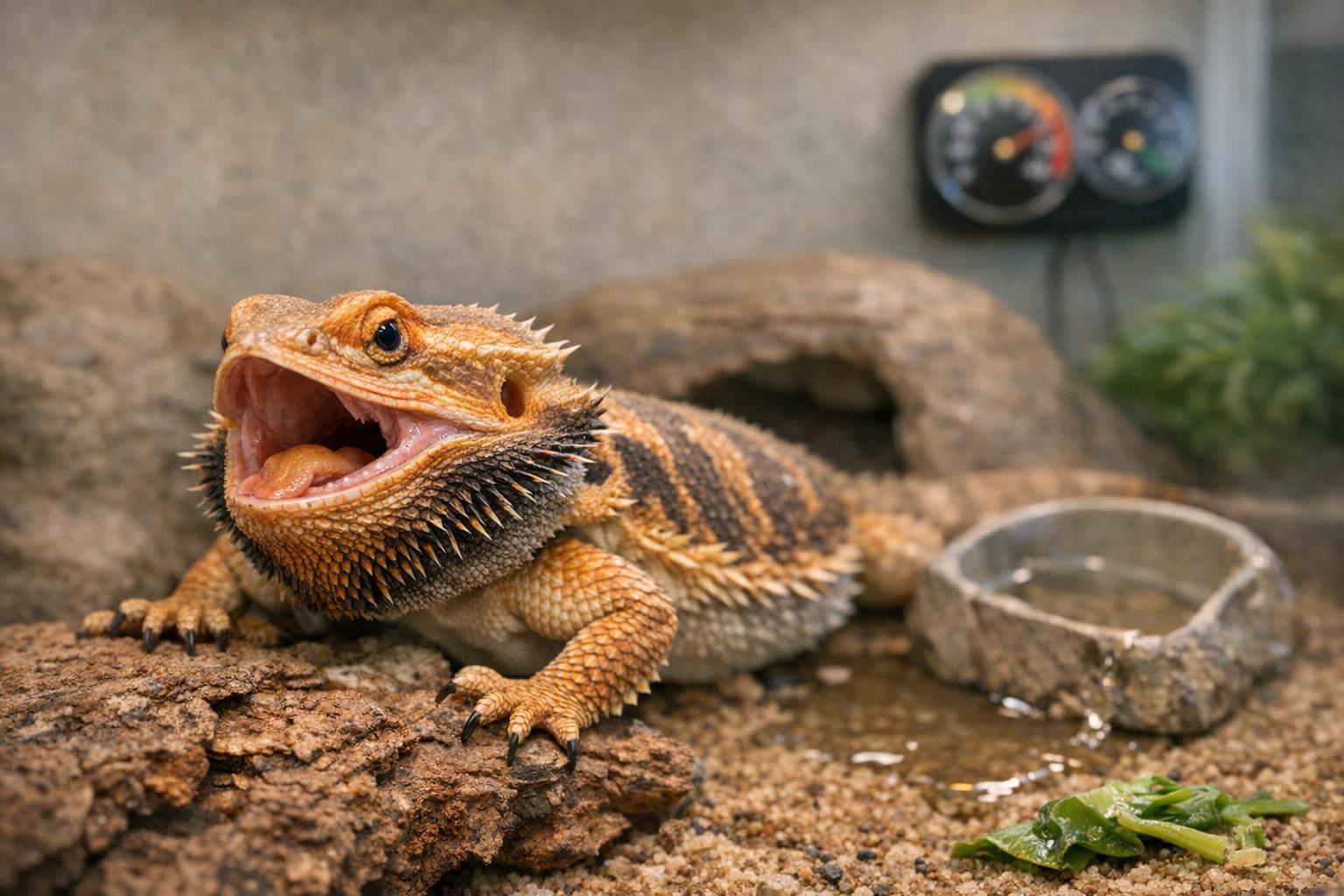
Bearded dragons, many uromastyx, and leopard geckos come from dry regions. Too much ambient moisture leads to skin infections and scale rot.
– Recommended: 20–40% average, with a slightly higher pocket (40–50%) in a moist hide during shed.
For arid species, a single damp hide is usually all that’s needed for shedding and hydration.
### Seasonal And Temperate Species
Corn snakes, ball pythons, and many colubrids live in places with wet and dry seasons.
– Recommended: 50–70% daily average, with wet-season increases during brumation or breeding.
These species appreciate a clear dry basking area and a humid retreat for shedding and egg-laying.
### Semi-Aquatic Species
Turtles and some water snakes require both dry basking spots and significant water exposure.
– Water features should maintain local humidity near 70–90% above the water surface.
Maintain free-draining filters and regular water changes to prevent bacterial bloom.
## Measuring And Mapping Microclimates Inside The Terrarium
(reptile terrarium humidity guide count: 3)
Humidity variation inside a single enclosure is normal. The trick is mapping those zones so you can create reliable choices for your animal.
### Position Multiple Sensors
Place sensors at floor level near hides, at mid-height in planted areas, and near the heat source. Walk over the terrarium at different times of day with a handheld meter if you can—that gives you a dynamic picture.
### Understand Surface Vs. Air Humidity
Moss and wet substrate raise local humidity right at the surface. Air readings can remain lower above that layer. For a climbing species, surface humidity on branches and leaves matters more than the air one foot above them.
### Daily Logging
Keep a small log of readings for a week after any change. Note the time you mist, run a fogger, or switch heat bulbs. Patterns reveal whether your mist cycles are too short or too frequent.
#### Quick Tip: The Ping Test
Rub your hand over a branch or hide to check for dew after a mist. It’s not scientific, but it tells you whether moisture is actually clinging where your reptile spends time.
## Practical Ways To Raise Humidity Without Swamping The Enclosure
(reptile terrarium humidity guide: 4)
It’s easy to make humidity go up quickly—too easy. The harder part is keeping it stable and creating the right pockets.
### Substrate Choices That Work
Use substrates that hold moisture but don’t sit waterlogged. Coconut coir mixes, sphagnum moss overlays, and orchid bark blends are common. For tropical species, layer a moisture-retaining substrate below a drier top dressing. That creates a humid lower layer with a surface that dries enough to avoid mold.
### The Role Of Live Plants
Plants do more than look good. They transpire and create localized humidity. Pothos, bromeliads, and ferns are low-maintenance options for tropical setups. Put live plants near the humid hide to amplify that zone.
### Misting Routines Versus Automated Systems
Manual misting is cheap and gives control. Mornings and evenings often mimic natural dew and rain patterns. But for consistency, timed misting systems or ultrasonic foggers are superior. If you use automation, program shorter bursts more frequently rather than long single sessions. Short bursts maintain humidity without soaking the substrate.
### Water Features And Drippers
A shallow water dish, a waterfall, or a dripper system can raise ambient moisture locally. For arboreal species, a dripper over a basking branch can simulate natural drinking behavior as well.
#### Avoid Standing Water Problems
Any standing water must be clean. Change it daily for small bowls and maintain filters for larger water features. Dirty water leads to ammonia and pathogens that harm reptiles.
## Lowering Humidity When Things Get Too Damp
(reptile terrarium humidity guide count: 5)
Too much humidity is as dangerous as too little. Here’s how to dry things out without flipping the whole environment.
### Increase Ventilation Strategically
Add screened sections or vents near the top of the enclosure. Don’t remove all humidity—aim for crossflow that reduces trapped damp pockets. Higher vents push humid air out while maintaining lower humidity in the rest of the tank.
### Use Lower-Density Substrates And Drier Hides
Switch to sand, dry bark, or paper-based substrates if over-humidification continues. Provide one or two small moist hides only where needed for shedding.
### Heating Adjustments
Slightly higher basking temps accelerate surface drying. Raise the basking spot by a few degrees or use a localized heat mat under one corner to pull moisture away. Be careful—you still need an adequately moist hide.
## Species-Specific Setups: Real Examples From My Workbench
(reptile terrarium humidity guide count: 6)
I’ve kept and rehabbed dozens of species. These setups are what actually worked, not theoretical designs.
### Crested Gecko Setup
Target: 60–80% day, spikes to 90% after mist
– Substrate: Coco fiber base with a thick sphagnum moss hammock in a hide
– Climate: Fogger set for 30-second bursts every 4 hours and manual misting at dusk
– Plants: Pothos and bromeliads to keep surfaces damp
Cresteds want surface moisture—they climb and stick. A wet floor isn’t necessary.
### Ball Python Setup
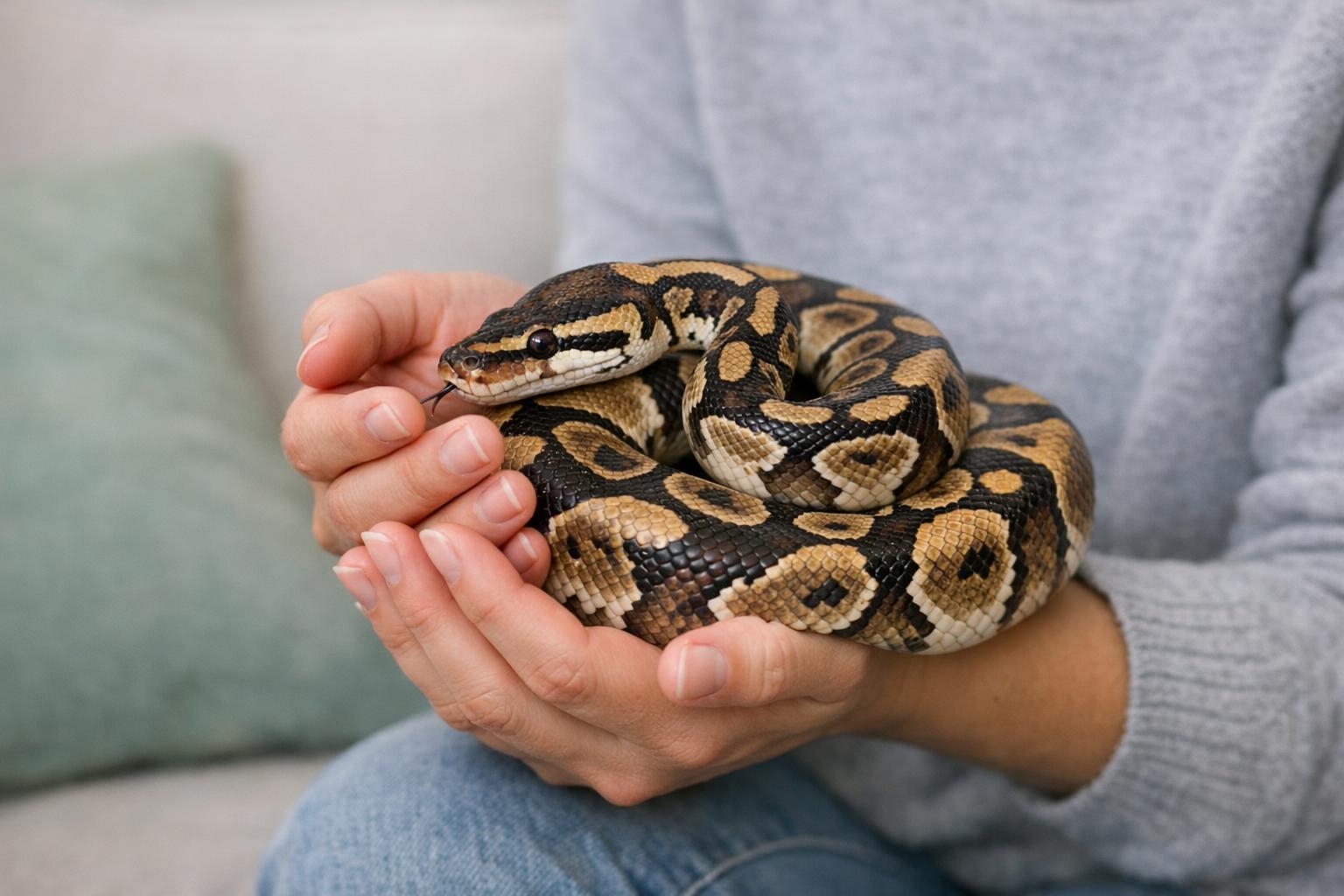
Target: 50–65% average, moist hide 70–80% for shedding
– Substrate: Cypress mulch with a corner humid hide packed with damp sphagnum
– Water: Large bowl to raise local humidity; change daily
– Ventilation: Top vent to allow warm, moist air to exit
Ball pythons are fussy when it comes to dry sheds. One well-maintained moist hide solves most problems.
### Bearded Dragon Setup
Target: 25–40% overall, with a small humid hide 40–50% during sheds
– Substrate: Paper towels or tiles for hygiene
– Humid Hide: Small plastic box with damp paper towels swapped out regularly
Beardie enclosures with too much plant material often get mold. Don’t overcomplicate it.
## Troubleshooting Common Problems
(reptile terrarium humidity guide count: 7)
If something feels off, don’t panic. Look at patterns. Here are the top issues and fixes.
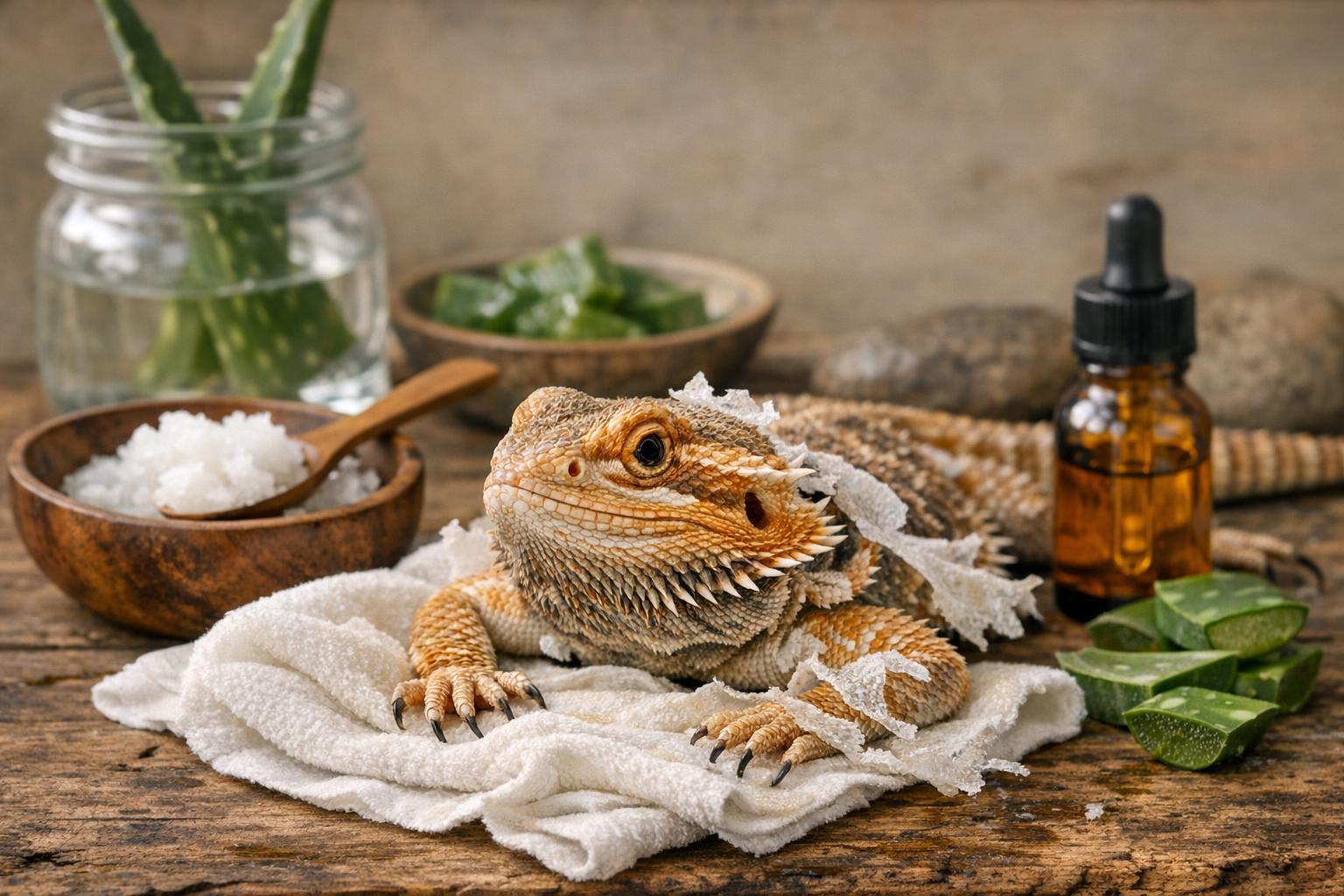
### Problem: Incomplete Sheds
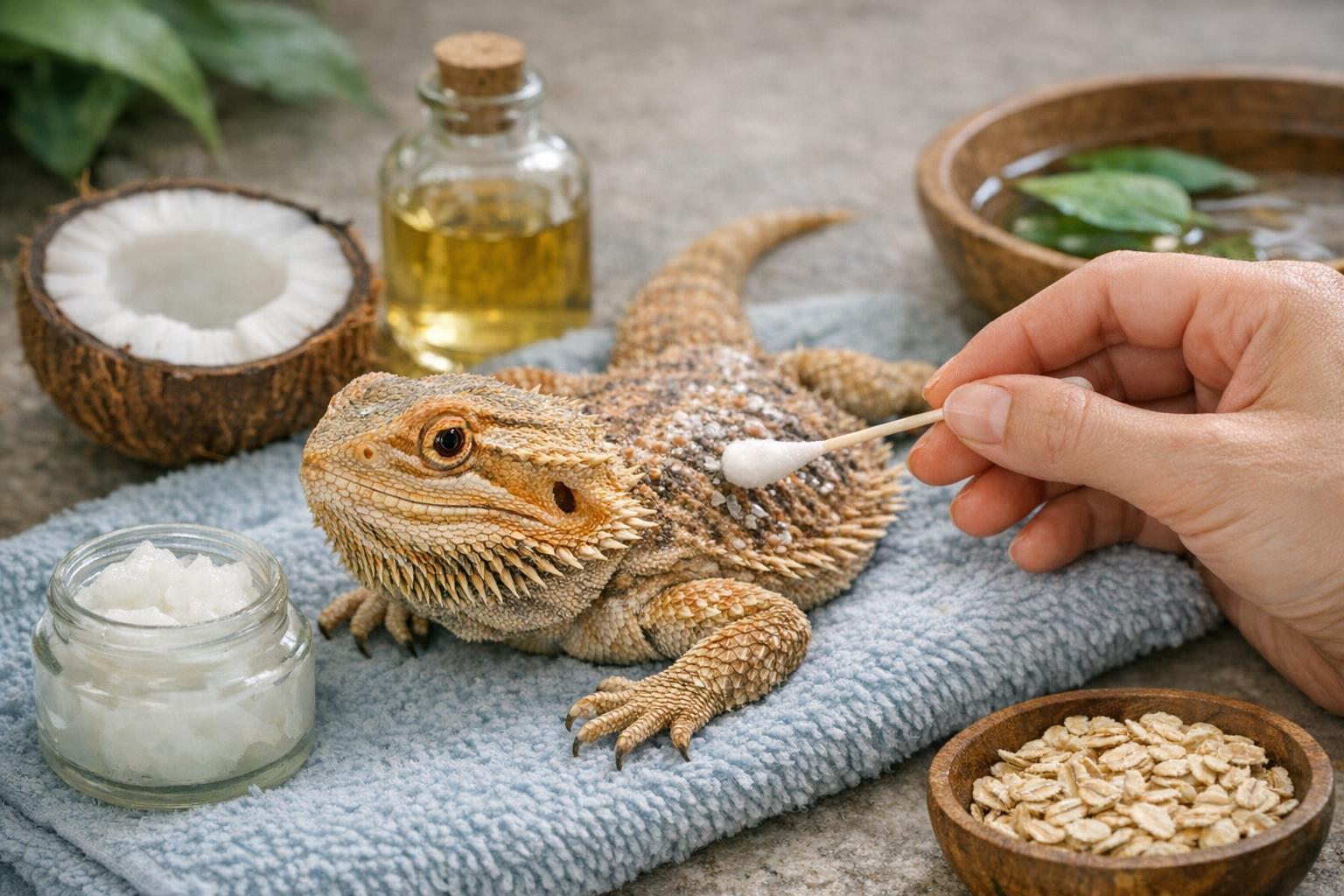
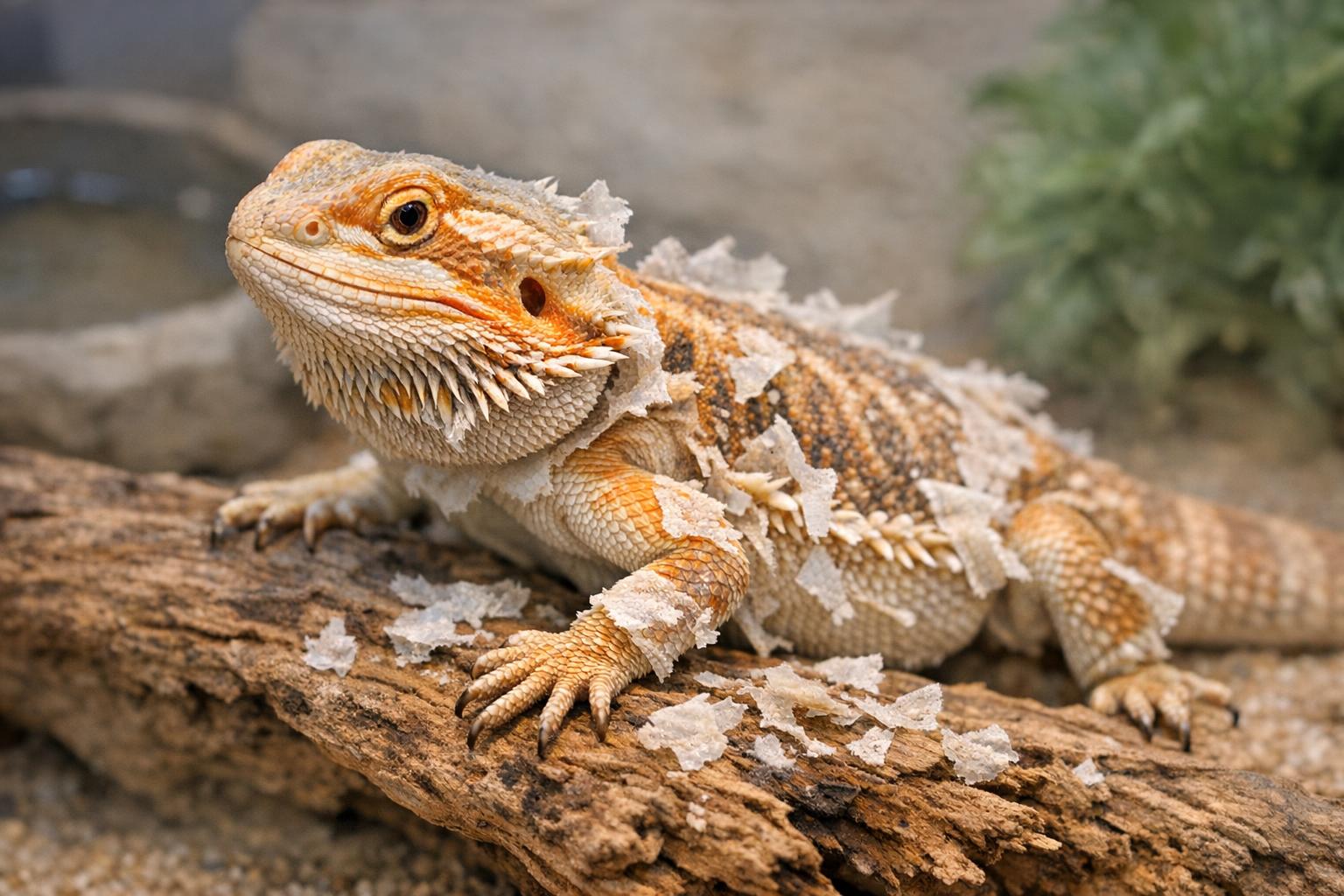
Symptoms: Pieces of retained skin around toes and eye caps.
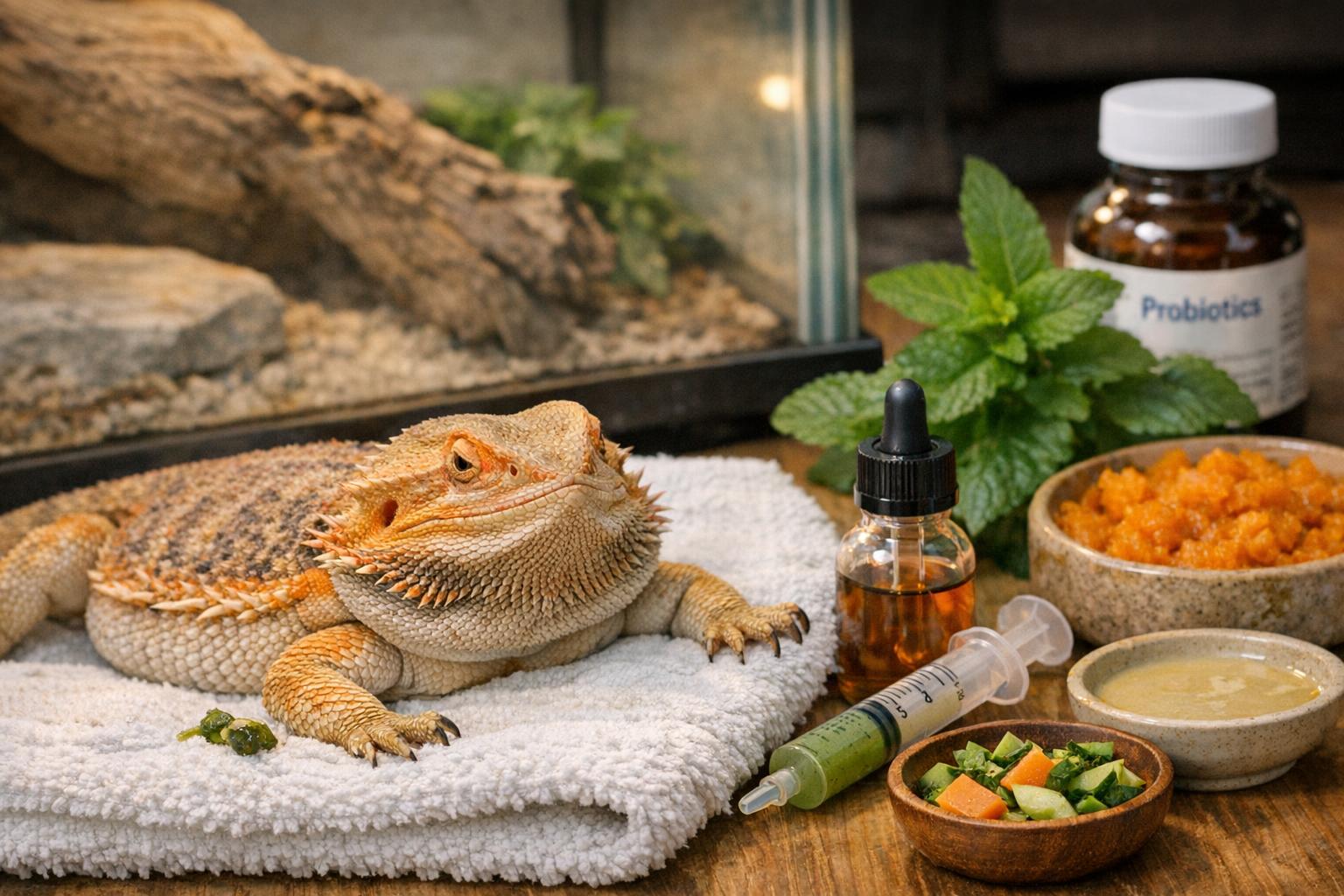
Fixes: Raise local humidity for short periods, provide a moist hide lined with sphagnum, or give a controlled soak if the reptile tolerates it.
### Problem: Persistent Respiratory Issues
Symptoms: Wheezing, bubbles at the nose, lethargy.
Fixes: Lower overall ambient humidity, improve ventilation, and check heat gradients. If symptoms continue, vet visit.
### Problem: Mold Or Fungus On Substrate
Symptoms: White, green, or black patches on soil or wood.
Fixes: Remove affected substrate, increase airflow, and reduce mist frequency. Replace with a drier mix and add a small fan or vent.
### Problem: Scale Rot In One Corner
Symptoms: Discolored, soft patches on scales in a specific area.
Fixes: Identify water pooling or poor drainage, reposition hides, and ensure basking zones remain dry. Treat cases promptly with vet-recommended topical care.
## Microclimates And Hide Design
(reptile terrarium humidity guide count: 8)
Your animal shouldn’t have to choose between humidity and warmth. Give it both options.
### Build Layered Hides
Create hides with inner moist layers and dryer outer shells. A plastic tub with an entrance and damp moss inside works. For larger animals, use a wooden hide lined with cork and a moisture-retaining substrate below.
### Vertical Gradients For Arboreal Animals
Climbers need vertical humidity gradients. Lower areas can be humid with moist moss and leaf litter, while upper perches stay drier for basking. Position foggers to favor the lower zones.
#### A Note On Artificial Caves
Artificial caves trap moisture. Use them carefully with adequate ventilation ports. If you spot condensation inside a cave in the morning, that may be fine for a gecko but too much for a desert species.
## Monitoring And Maintenance Routines
(reptile terrarium humidity guide)
You can’t “set it and forget it.” Good husbandry is routine that becomes habit.
Weekly:
– Check and recalibrate hygrometers if needed
– Replace any moldy substrate and clean water bowls
Daily:
– Log humidity and temperature at the same time each morning
– Quick visual check for wet spots, mold, or water pooling
Monthly:
– Deep clean water features and inspect the filtration
– Trim plants and remove dead foliage
#### Keep One Change Small
After any adjustment, wait a week before making another. Multiple simultaneous changes mask which action produced which result.
## Common Gear And How To Use It Right
(reptile terrarium humidity guide)
Not all gadgets are equal. Choose tools based on species needs.
Misters: Good for quick spikes. Hand-held for control, automatic for consistency.
Foggers: Produce very fine mist and can raise ambient humidity without soaking the floor. Use with timers.
Heat Mats: Localized, good for encouraging drying in a section of the tank.
Pumps And Drippers: For birds and some arboreal reptiles that drink from dripping leaves.
Choose one primary method and one backup. For instance, use an automated fogger with a manual misting bottle for unexpected dry spells.
### Budget Considerations
If you’re on a tight budget, focus on accurate measurement and simple fixes: better substrate, a moist hide, and manual misting. You can create effective microclimates without expensive automation.
## When To Contact A Vet About Humidity-Related Issues
(reptile terrarium humidity guide)
If you see persistent respiratory symptoms, severe retained sheds affecting toes or eyes, or clearly infected skin areas, contact a reptile-savvy vet. Simple fixes work for early-stage problems. For anything that doesn’t respond to husbandry changes within a few days, get professional help.
### How To Present The Problem To Your Vet
Bring logs: humidity and temperature readings, recent changes you made, and photos of the enclosure. That context saves time and helps get accurate treatment.
Keep this in mind: humidity for reptiles is not an abstract variable. It’s a daily relationship you manage with practical tools, sensible schedules, and observant care. Recieve feedback from your setup—through sensors and your animal’s behavior—and adjust accordingly.









Leave a Reply