



## Common Reptile Digestive Issues And What Triggers Them
Reptile digestive issues are among the most common reasons people call their exotics vet. The signs are obvious: a snake that refuses food for weeks, a bearded dragon with loose stools, a tortoise straining and not passing anything. But the causes are varied, and getting to the real problem takes a bit of detective work.
Temperature problems are at the top of the list. Reptiles rely on external heat to drive metabolism and gut motility. When the basking spot is too cool, digestion slows or stops. Feed a cold-bodied animal an appropriately sized meal and you can pretty much guarantee delayed digestion, regurgitation, or impaction.
Diet mistakes show up a lot. Overfeeding, wrong prey size, or the wrong kind of fiber for herbivores leads to obstruction or chronic constipation. Unfamiliar or low-quality feeders, and improper supplementation, can upset the balance in the gut. Parasites and bacterial infections are common too, especially in newly acquired or stressed animals. These can cause chronic diarrhea, weight loss, and dullness.
Substrate choices also contribute. Loose substrates like sand, coconut fiber, or small bark chips can cause impaction if accidentally ingested. That’s especially a problem for growing omnivores and herbivores that practice tongue-flicking and mouth investigation.
Finally, husbandry and stress matter. Poor humidity and dehydration, improper lighting, and overcrowding change the microbiome and the motility of the gut. Even antibiotics or inappropriate medications given without veterinary oversight can knock the gut flora out of balance and create longer-term issues.
### Early Warning Signs To Watch For
You don’t need lab tests to notice trouble. Watch for these signs every day when you handle or feed your reptile.
– Reduced appetite or refusal to eat.
– Regurgitation, repeated attempts to vomit, or food coming back up.
– Abnormal stools: watery, bloody, mucous-laden, or excessively smelly.
– Lack of feces in a species that normally defecates regularly.
– Visible swelling or hard mass in the abdomen.
– Weight loss, flaccid muscle tone, lethargy, and change in behavior.
If you spot any of these, start by reviewing husbandry: temperature gradients, humidity, substrate, and recent feeding history. Many problems are caught by adjusting those basics.
## Practical Home Remedies For Reptile Digestive Issues
You can safely do several things at home to help a reptile with minor digestive problems. These measures are supportive; they are not a substitute for a vet visit if the animal shows severe signs or doesn’t improve.
### Warmth And Thermoregulation
Heat equals 50 percent of the solution. Increasing the basking temperature to the upper end of the species’ recommended range for a day or two will stimulate gut motility. Do this gradually and monitor behavior. A warm, quiet space helps reptiles process meals faster and can resolve mild constipation or delayed digestion.
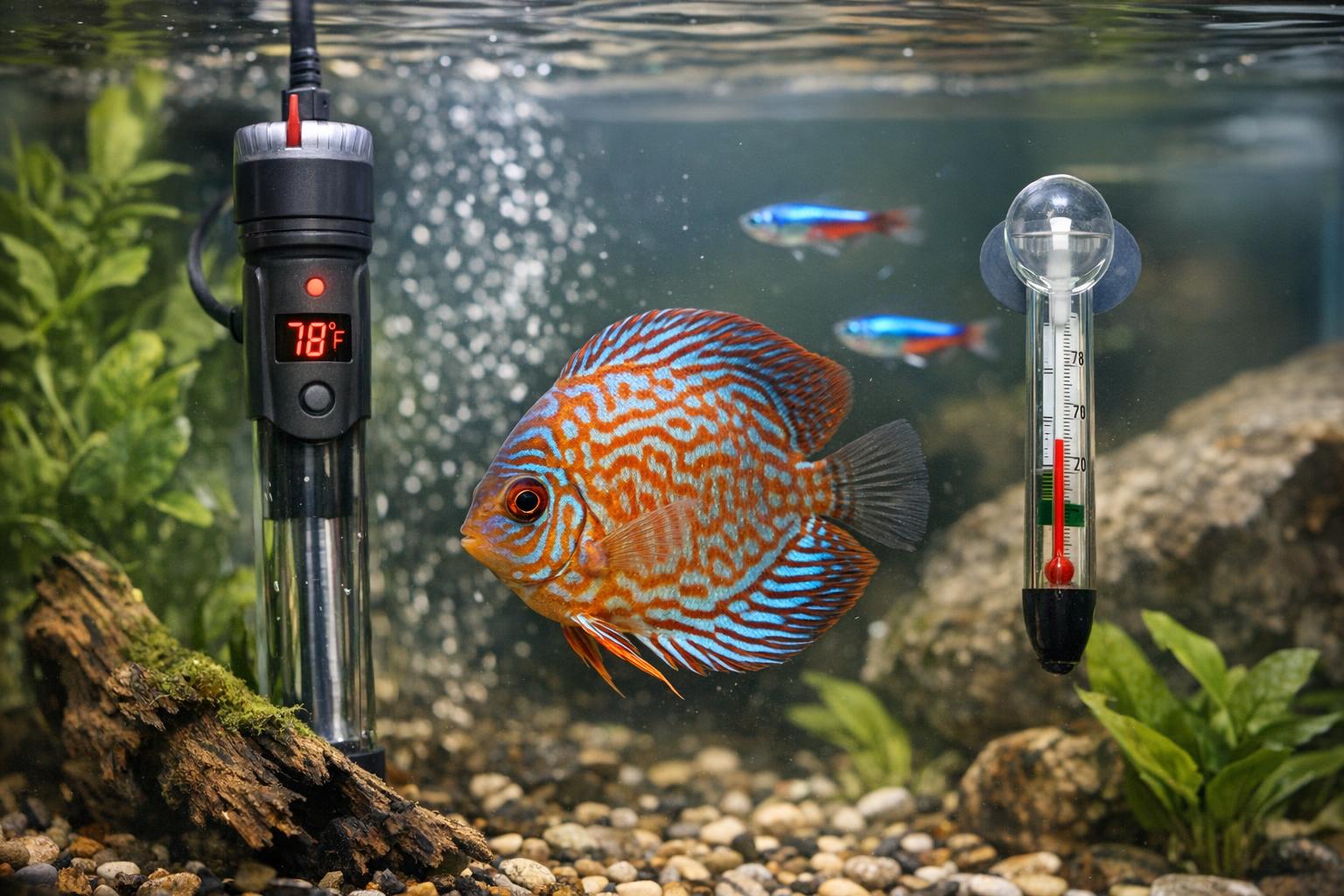
For a bearded dragon, that might mean a basking spot near 100 to 105°F for a short period. For a corn snake, a gradient with a warm end around 88 to 92°F is appropriate. Use a reliable digital thermometer at the exact spot where the animal basks, not just a general ambient reading.
### Soaks And Hydration
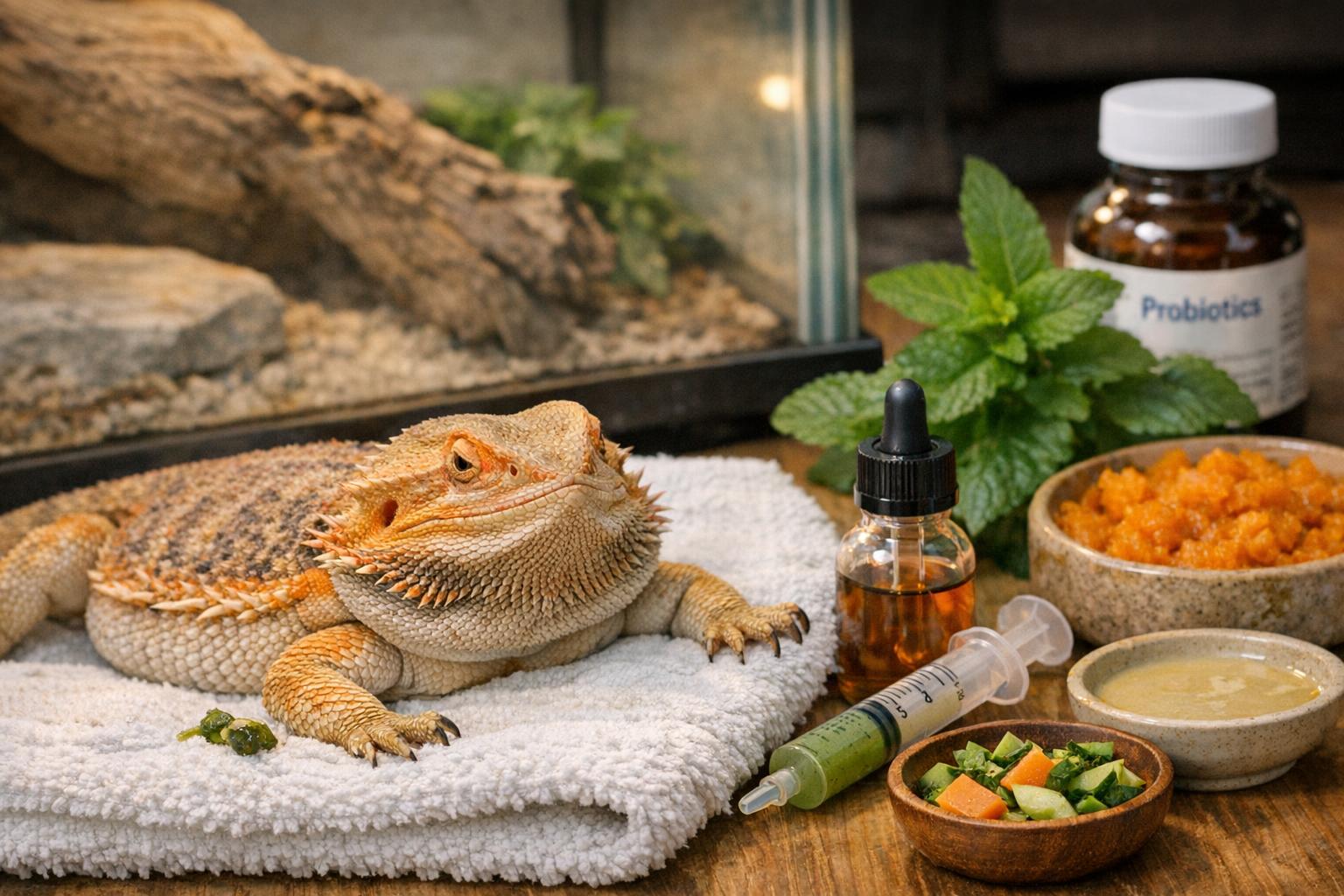
Hydration is simple and effective. A daily warm soak in shallow water encourages defecation and softens impacted material. Soak times vary by species, but 20 to 30 minutes in comfortably warm water often helps. Watch the animal closely to prevent chilling.
If your reptile is reluctant to drink, offer fluids with a syringe (tiny amounts at a time into the side of the mouth) only if you are comfortable doing it. If you are not confident, don’t force it. Dehydration can worsen digestion problems.
### Gentle Massage And Encouragement
After a warm soak, a gentle abdominal massage can aid movement of contents along the bowel. Use light pressure and circular motions, starting near the cloaca and moving toward the head for snakes, or along the belly for lizards and tortoises. Never apply force. If you meet resistance or the animal shows pain, stop.
### Safe Impaction Measures
If you suspect sand or substrate impaction because the reptile has not passed feces for an extended period, try a soak combined with mild manipulation of the abdomen. Some keepers use a small amount of olive oil applied to the vent area or given orally to lubricate the tract. This is a controversial method and should be done sparingly and only for short-term use. If there is no improvement within 24 hours, seek veterinary care. Severe impaction often needs radiographs and professional removal.
### Feeding Adjustments
If digestion issues relate to diet, correcting what and how you feed will often fix the problem. For insectivores, always gut-load feeders with nutritious foods and dust with calcium and vitamins as recommended for the species. For snakes, use prey no larger than the widest part of the snake’s body. For herbivores, provide a variety of leafy greens and high-fiber plants; avoid starchy foods that are hard to break down.
Reduce meal size for a few feedings to let the gut catch up. For animals with chronic slow digestion, spacing meals further apart gives the intestines time to clear.
### Probiotics And Supplements
Reptile-specific probiotics can help restore a disrupted microbiome. These products are designed for cold-blooded animals and contain bacterial strains that survive at reptile body temperatures. Use only products recommended by your vet. Do not give human probiotic products unless directed by an exotic animal specialist.
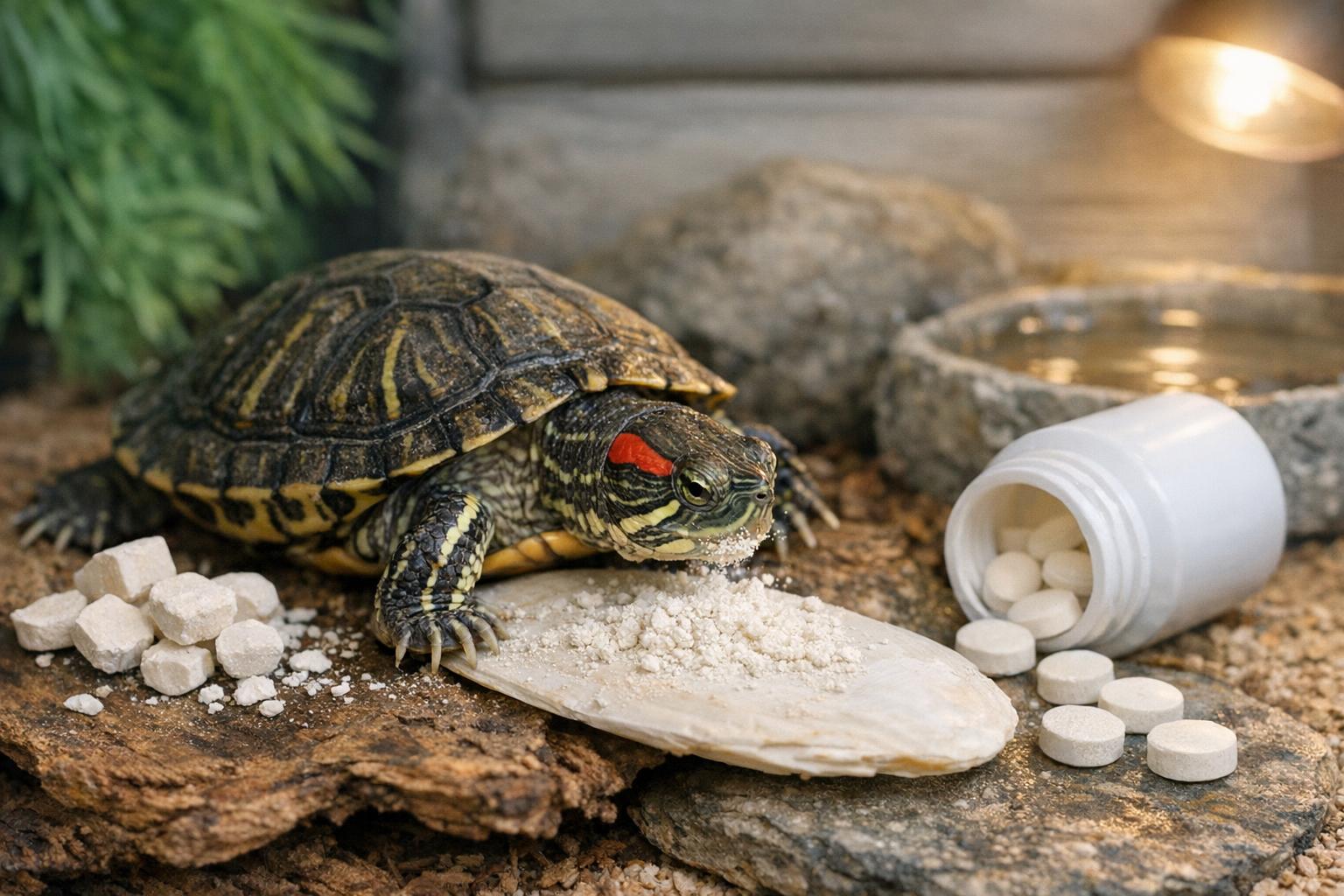
Calcium and vitamin D3 supplementation matters too. Poor calcium status can indirectly slow digestion through general poor metabolic function. Supplementation should follow species-appropriate dosing intervals to avoid metabolic bone disease as a secondary issue.
### Avoiding Overuse Of Meds At Home
Do not medicate with antibiotics, anti-parasitic drugs, or anti-diarrheal human medications without veterinary guidance. Incorrect drugs, doses, or durations can make infections worse, encourage resistance, or harm the liver and kidneys. If you suspect parasites or infection, collect a fecal sample and let a vet advise targeted therapy.
## When To See A Vet And Diagnostic Steps
Home care is for mild, short-term problems. Bring your reptile to a qualified veterinarian if you see any of the following.
### Signs That Require Immediate Veterinary Attention
– Stretched, bloated, or tense abdomen.
– Blood in vomit or feces.
– Severe lethargy, inability to right itself, or collapse.
– Recurrent regurgitation or repeated unsuccessful swallowing.
– Not eating for an extended period, particularly in species that normally eat frequently.
– Any neurological signs or respiratory distress.
These are not the sorts of things to wait on. A professional exam and diagnostics reduce risk and improve outcomes.
### What Vets Will Do And Why
A vet will start with a history and physical exam, then usually recommend fecal flotation to look for parasites. They may run bloodwork to check organ function and calcium status. Radiographs are common for impaction or suspected foreign bodies. In some cases an ultrasound or endoscopy is needed.
Treatments range from antiparasitics and antibiotics when necessary, to fluid therapy, assisted feeding, and in severe impaction cases, surgical removal. The diagnostic step is key. Treating without a clear cause can mask or worsen the problem.
### How To Prepare For A Clinic Visit
Bring a fresh fecal sample in a clean, sealed container if possible. Note the animal’s recent temperature range, feeding schedule, substrate type, and any changes in behavior. If you’ve given any supplements or medications, list them. Clear information helps the vet make quicker, more accurate decisions.
## Preventing Reptile Digestive Issues Through Husbandry
Most digestive problems are preventable. Good husbandry addresses the causes before they become clinical.
### Temperature And Lighting Routines
Set clear thermal gradients. Provide a warm end for digestion and a cooler end to rest. Use timers on UV lighting where appropriate and replace bulbs on schedule. Regularly check temperatures and light output; bulbs lose effectiveness over time.
### Substrate Choices And Enclosure Design
For species at risk of impaction, avoid loose substrates that can be ingested. Use reptile carpet, tiles, paper towels, or large, non-ingestible substrates appropriate for the species. Create feeding stations that prevent substrate ingestion, such as washable dishes or feeding on stable surfaces.
### Appropriate Feeding Practices
Follow species-specific prey size and frequency guidelines. Gut-load feeder insects with nutritious foods and use proper supplementation. For carnivores and insectivores, freeze-thaw protocols and proper thawing reduce bacterial risks. For herbivores and omnivores, maintain a variety of fresh plants and avoid sudden major dietary shifts.
### Hydration And Humidity Control
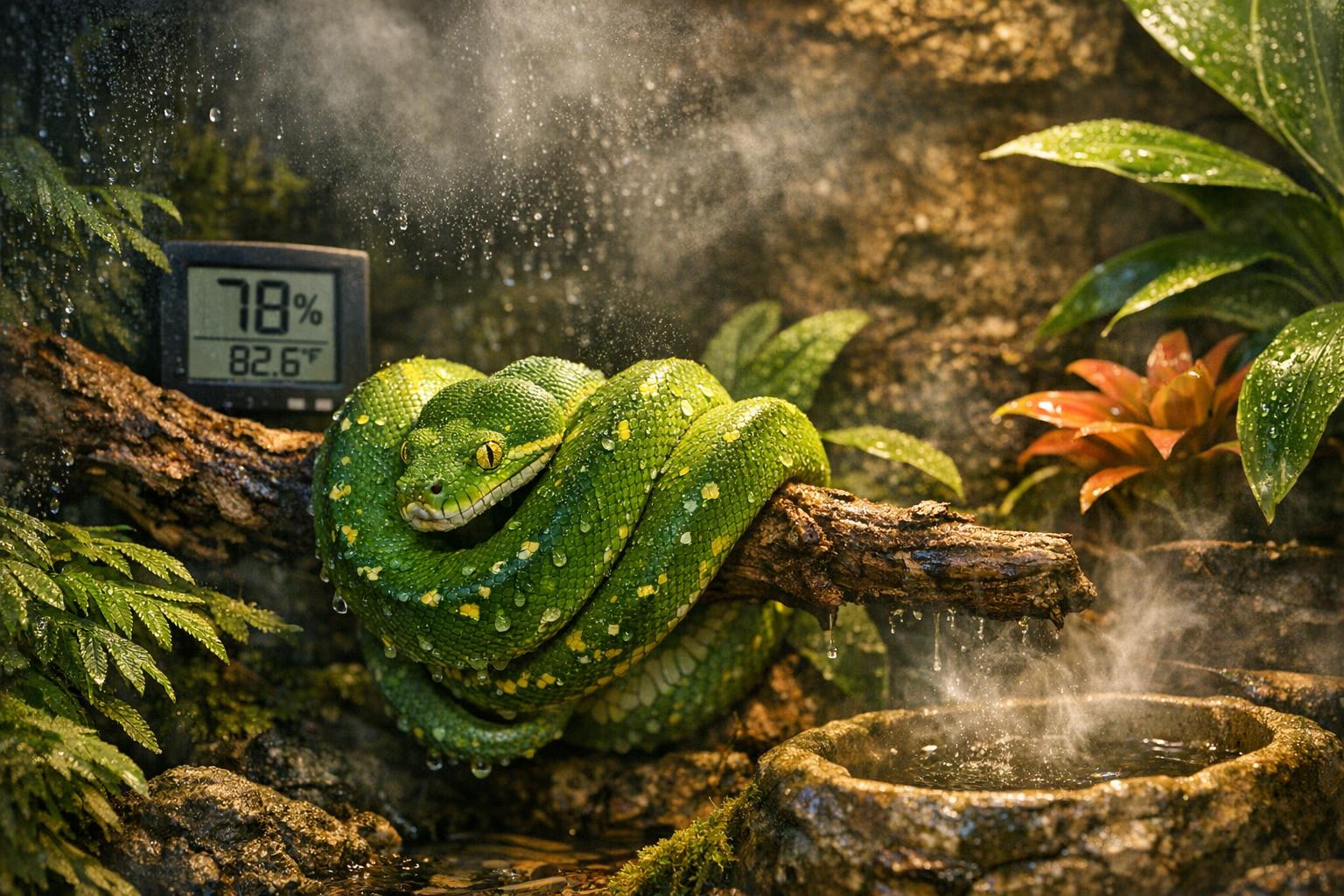
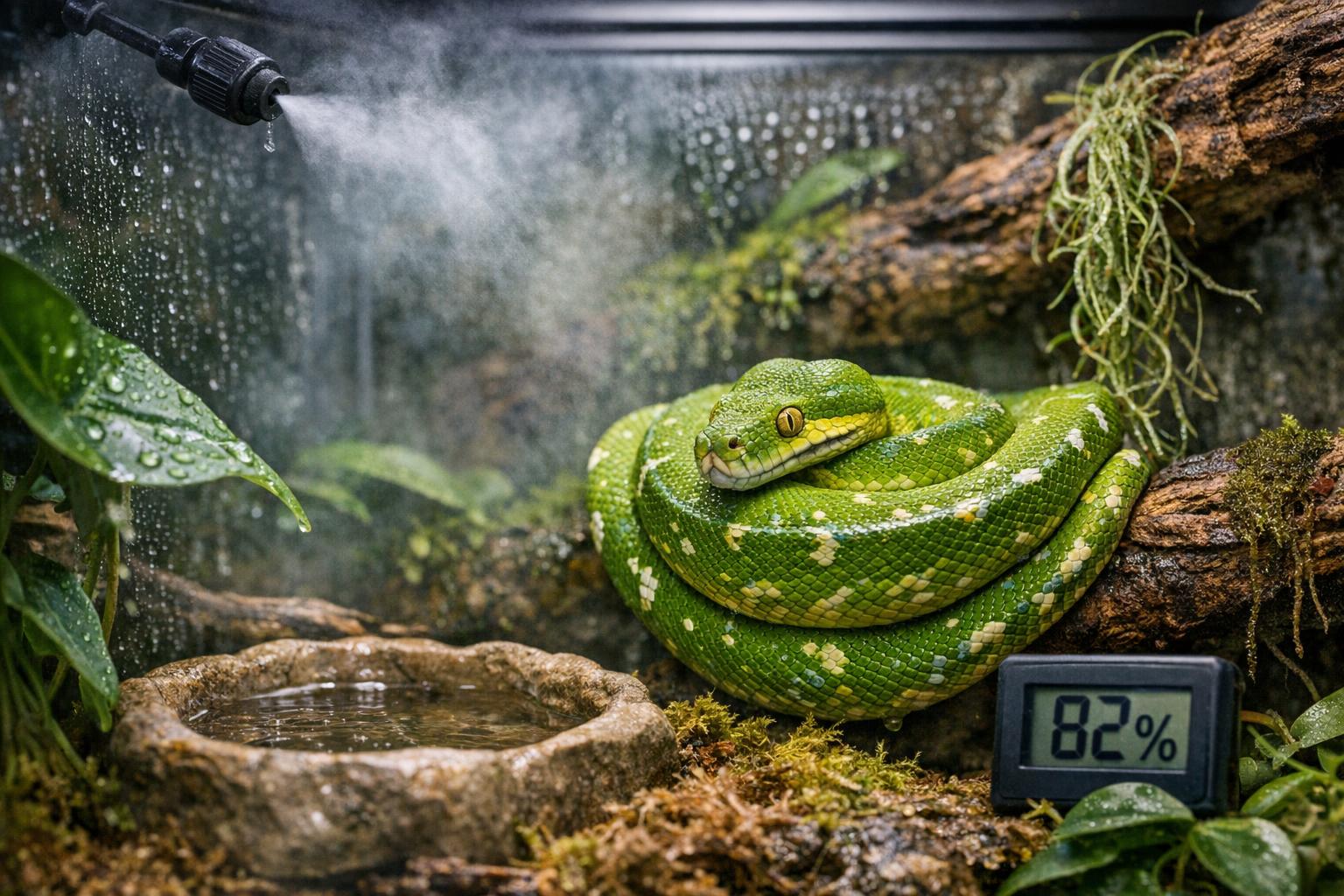
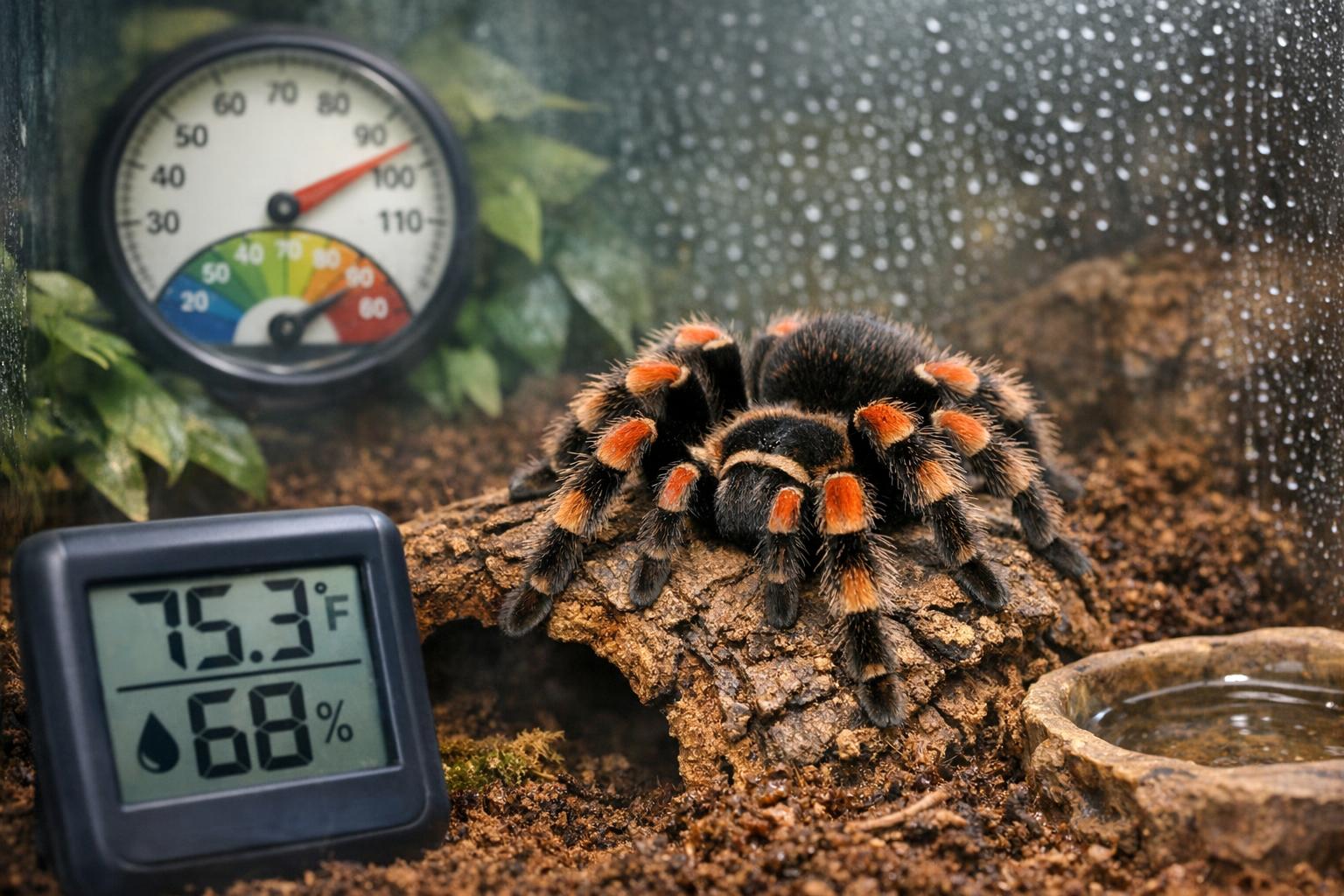
Monitor humidity for the species. Snakes often need ambient humidity within a certain band to shed and maintain mucous membranes. Tortoises and some lizards need higher humidity to prevent dry, compacted feces. Hydration strategies include regular soaks, misting routines, and providing clean water bowls sized appropriately.
### Minimize Stressors
Stress reduces immune function and alters the microbiome. Keep handling consistent and limited during illness. Keep enclosures quiet and stable. New tank mates, changes in lighting, or excessive handling after a move can all precipitate issues.
## Reptile Digestive Issues By Species: Practical Notes
Different species show different patterns of digestive trouble. These are practical, field-tested tips rather than exhaustive species chapters.
### Bearded Dragons
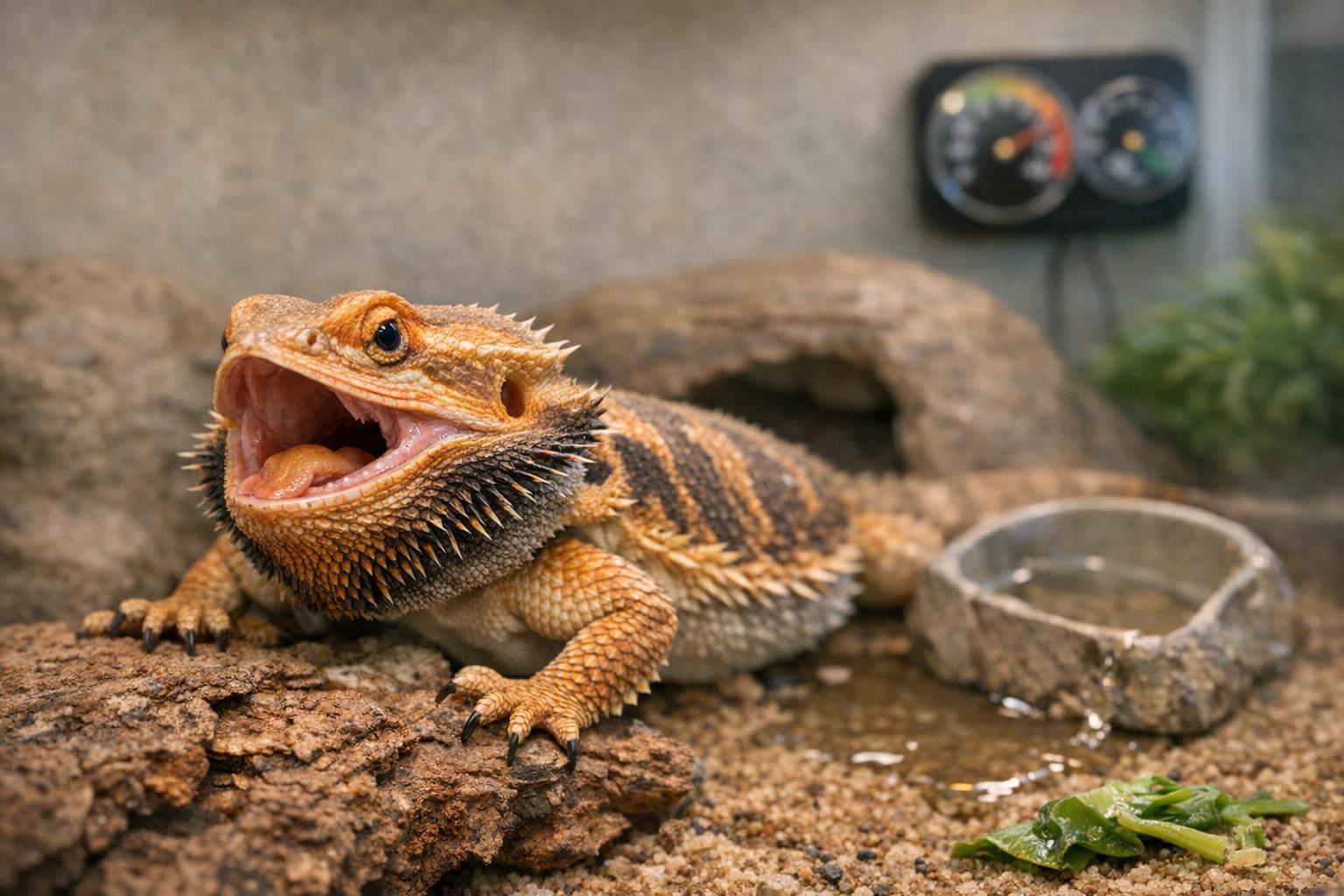
They’re robust but sensitive to temperature and calcium balance. Constipation and impaction are common if they ingest substrate or are fed too many large prey items. Ensure a basking spot in the low 100s F for digestion after a meal, offer regular warm soaks, and maintain a mixed diet of gut-loaded insects and variety of greens. Watch for slow gut transit in older dragons; reduce food size and increase hydration.
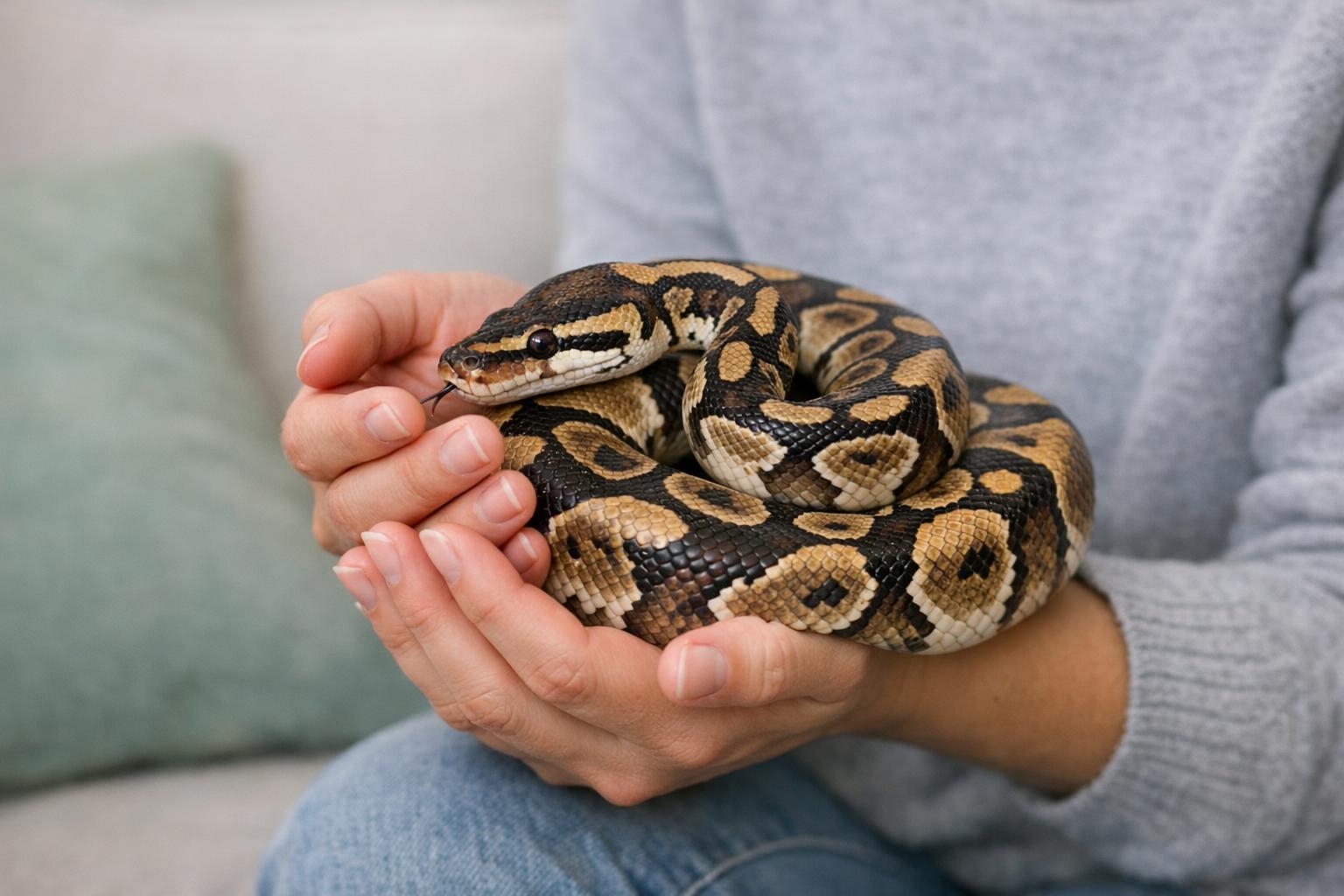
### Ball Pythons
Ball pythons often refuse food for long spells. That can be normal for some animals, but prolonged anorexia combined with weight loss indicates a problem. Provide proper humidity and a secure hide to reduce stress. Prey size matters here; too-large meals can necrose or roate the digestive tract if a bite is delayed. If regurgitation is frequent, check for respiratory disease and temperature issues.
### Leopard Geckos
Impostion from insects and shedding-related blockages are common. Regular warm soaks and careful attention to substrate—avoid fine sand for young geckos—prevent many issues. For persistent loose stools, check for parasites and remember that stress and temperature swings often show up in the stool.
### Tortoises
Herbivorous tortoises need high-fiber, low-protein diets and proper humidity. Low-fiber, high-oxalate diets can cause poor gut motility and renal stress. Provide a range of grasses and leafy greens. In cooler months, many tortoises slow down digestion naturally; do not try to force feed or warm them beyond their normal seasonal cycle without veterinary input.
## Simple Tests You Can Do At Home
There are a few low-risk, at-home checks you can perform before calling a vet.
### Temperature Check
Take temperature readings across the enclosure and at the basking rock daily for a few days. Note any wide swings or a failed heat source.
### Stool Inspection
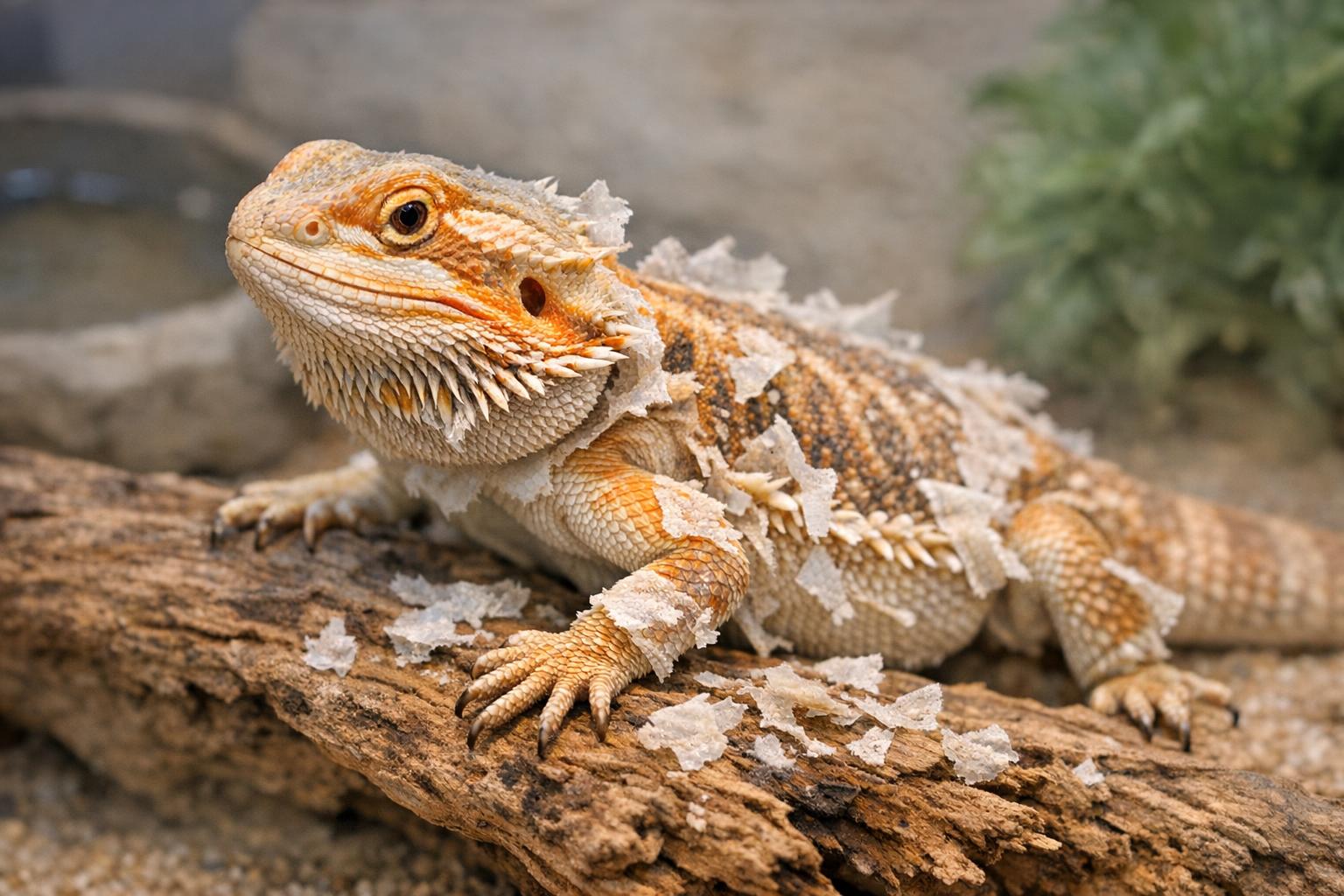
Look for consistency, color, and presence of undigested food. Small amounts of shed skin in stool are normal after ecdysis, but persistent watery or foul-smelling stools warrant a check.
### Appetite Log
Keep a simple feeding log. Note date, item fed, amount, and response. Patterns emerge quickly, and a log helps your vet diagnose chronic problems.
### Hydration Assessment
Check skin elasticity where safe for the species and watch for hollow eyes and tacky mucous membranes as dehydration signs. Offer a soak or fresh water and see if behavior shifts.
## When Home Steps Fail
If supportive measures—warmth, hydration, soak, dietary adjustment—do not yield improvement in 24 to 72 hours for most reptiles, get a vet involved. Some conditions, like heavy parasite loads or deeper impactions, don’t respond to at-home measures and can become life-threatening. Early diagnostics preserve options and shorten recovery.
A last practical note: keep good records and photos. If symptoms recur or worsen, photos of feces, abdominal swelling, and the animal’s posture can be invaluable for remote triage or for the vet during the first minute of the exam.
Occasional minor digestive upsets will happen. With careful husbandry, smart feeding, and a willingness to ask for professional help when things aren’t improving, most reptiles recover quickly and stay healthy.








Leave a Reply