
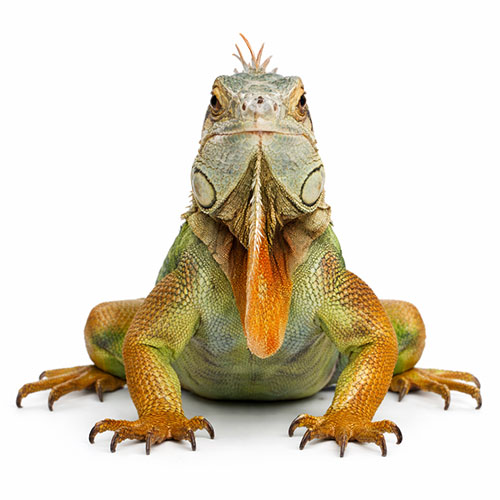


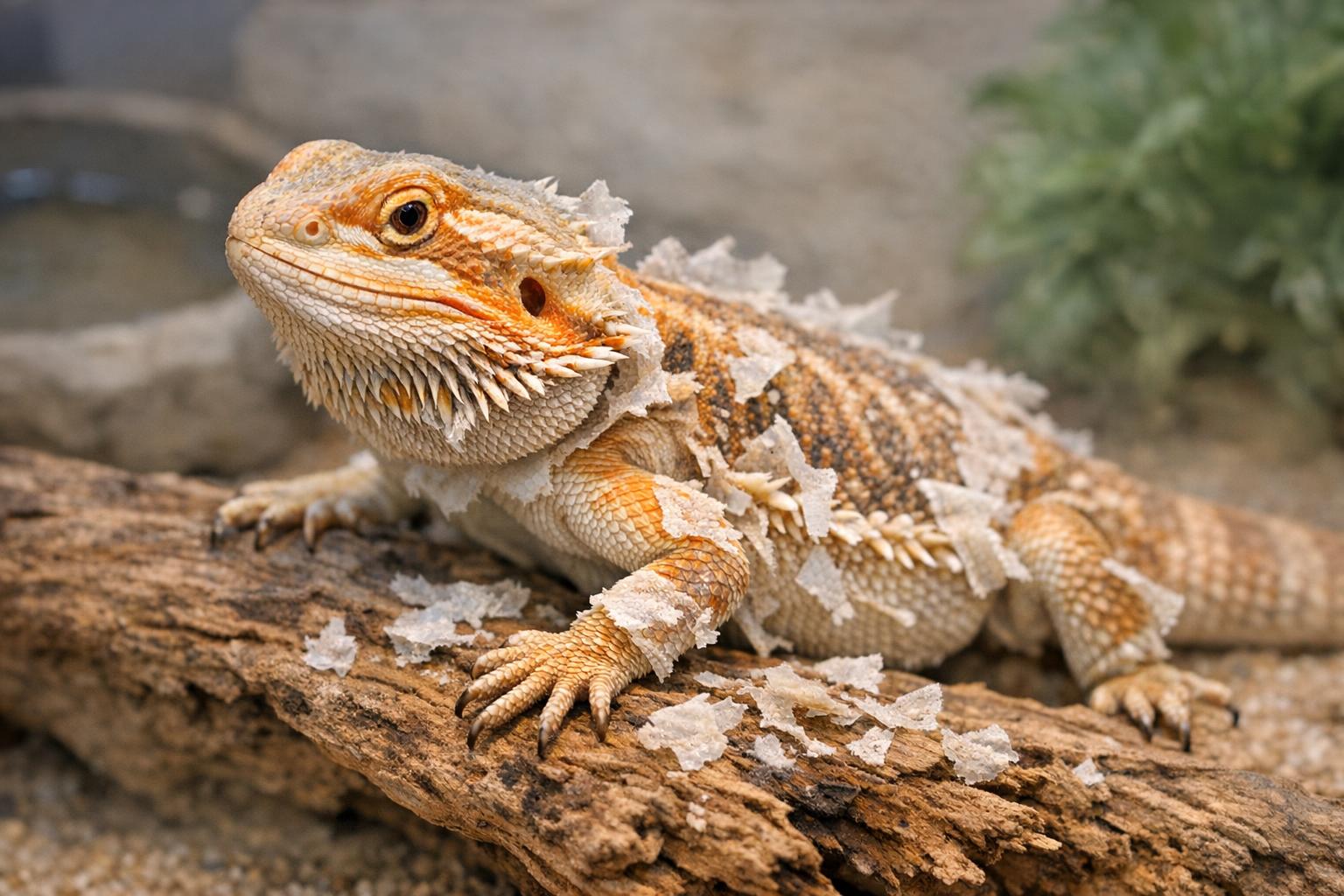
Bearded dragons shed regularly, and you don’t need to panic. Most of the time it’s straightforward: higher humidity, gentle help with stuck flakes, the right diet, and the patience to let your dragon finish on its own. If you know what to watch for and what to do day to day, shedding becomes a predictable chore rather than a crisis.
## Bearded Dragon Shedding Care: Daily Routines
Knowing the basics of bearded dragon shedding care makes the whole process easier. Start with simple daily checks: look at the eyes, toes, tail tip, and around the mouth. Those places hold shed the longest. A quick visual every morning catches problems early and reduces the need for more invasive fixes later.
### Signs To Notice Each Day
Keep an eye out for dull, whitish skin and decreased appetite. When your dragon’s color goes pale and their skin looks powdery, a molt is coming. If they refuse food and hang out under the basking lamp more than usual, that’s normal pre-shed behavior. But if you see any swelling, open wounds, or a piece of stuck shed cutting off circulation, step in.
### Routine Humidity Checks
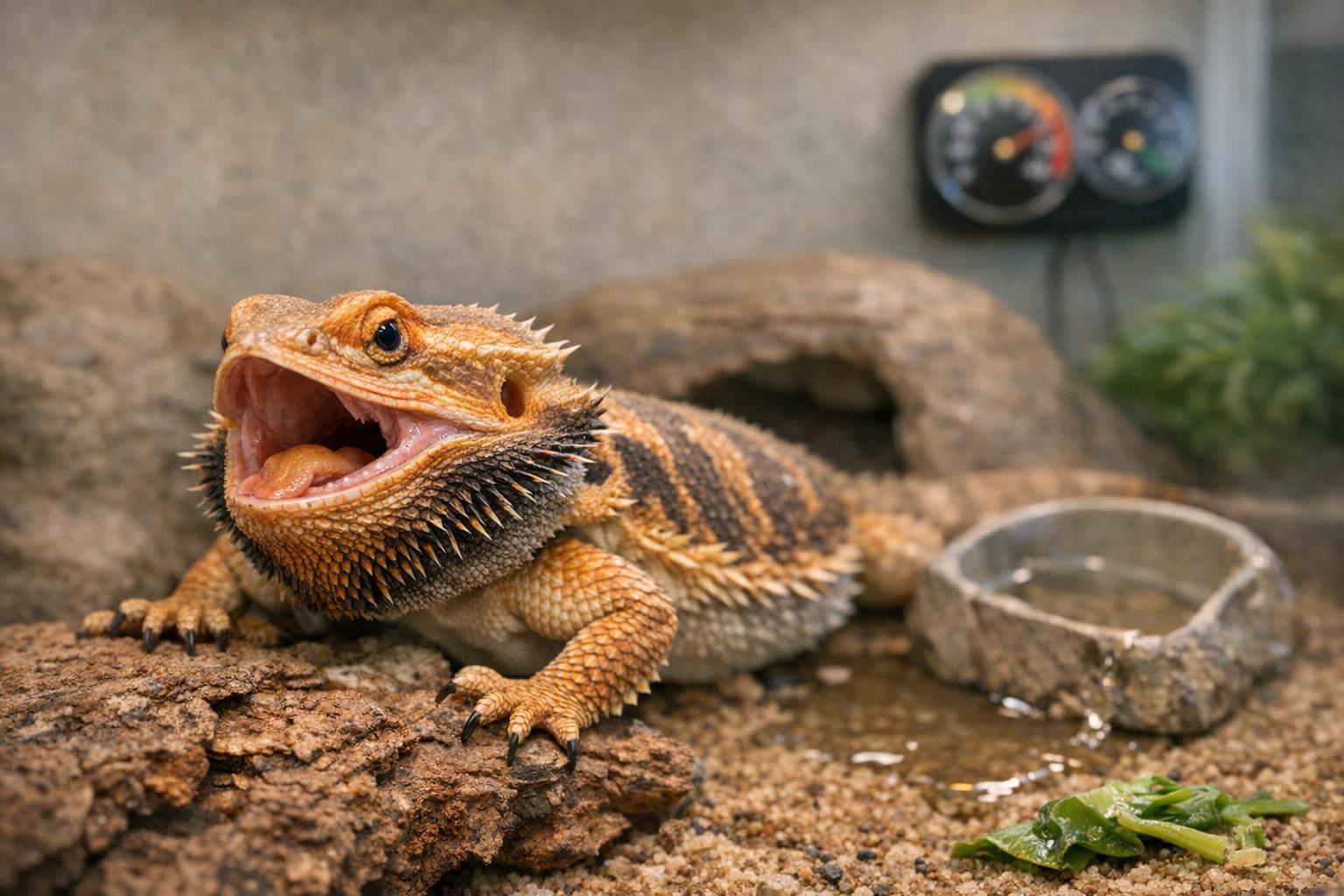
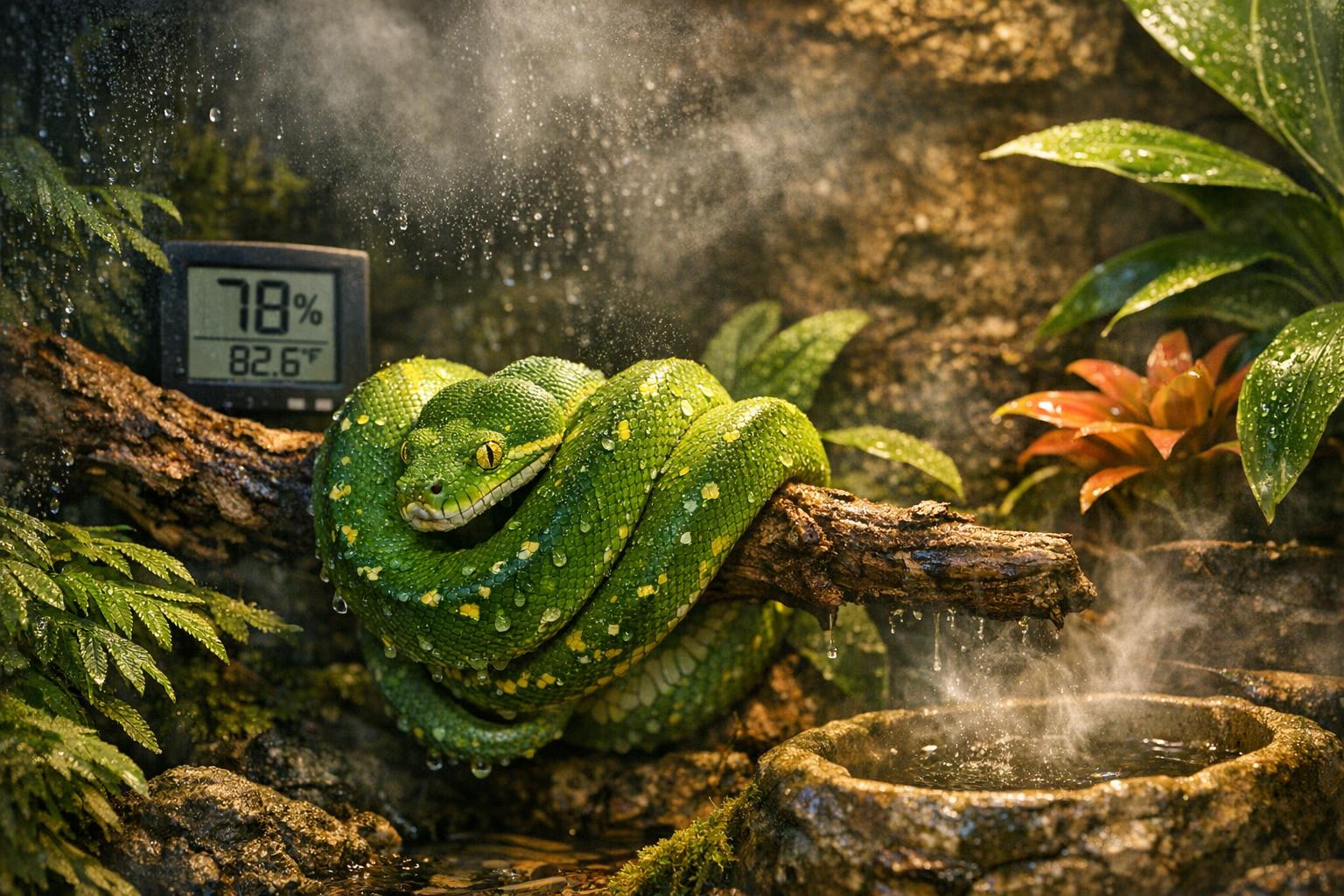
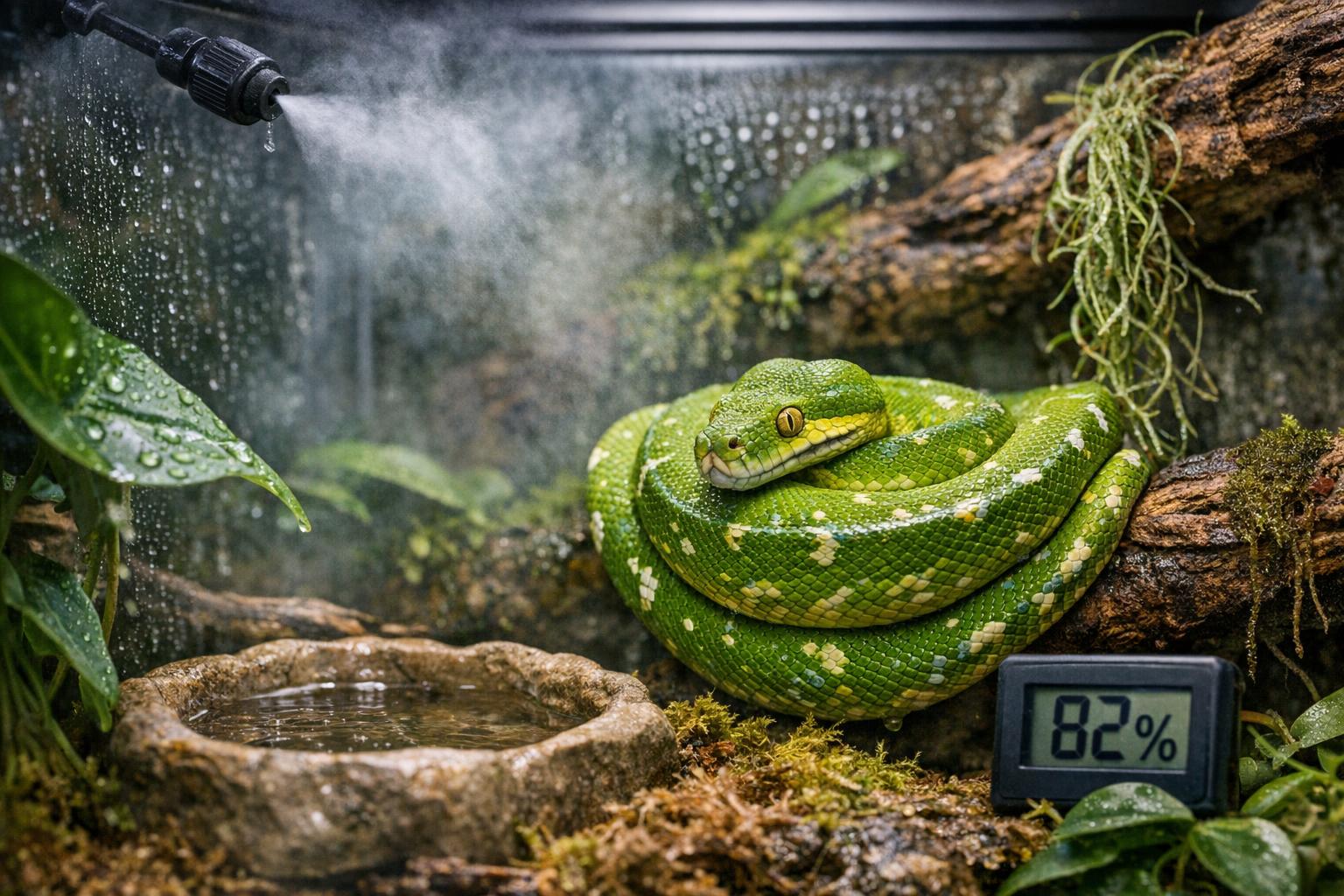
Humidity is one of the few environmental things you can tweak daily. Aim for slightly higher humidity during a molt—around 40 to 50 percent for most adults. Use a small digital hygrometer at the level where your dragon spends most of its time and check it daily. A quick mist in the evening or a humid hide for part of the day often does the trick without flipping the entire tank’s conditions.
#### How To Create A Humid Hide
Place a small container with damp substrate and a towel or cork bark lid in a corner of the enclosure. It should be cozy not swampy. Let your dragon choose when to use it.
## Handling, Baths, And Gentle Assistance
Handling during a shed should be minimal. Most dragons tolerate being picked up, but rough handling can tear delicate new skin. If you must assist, do so gently and briefly.
### When To Use Baths
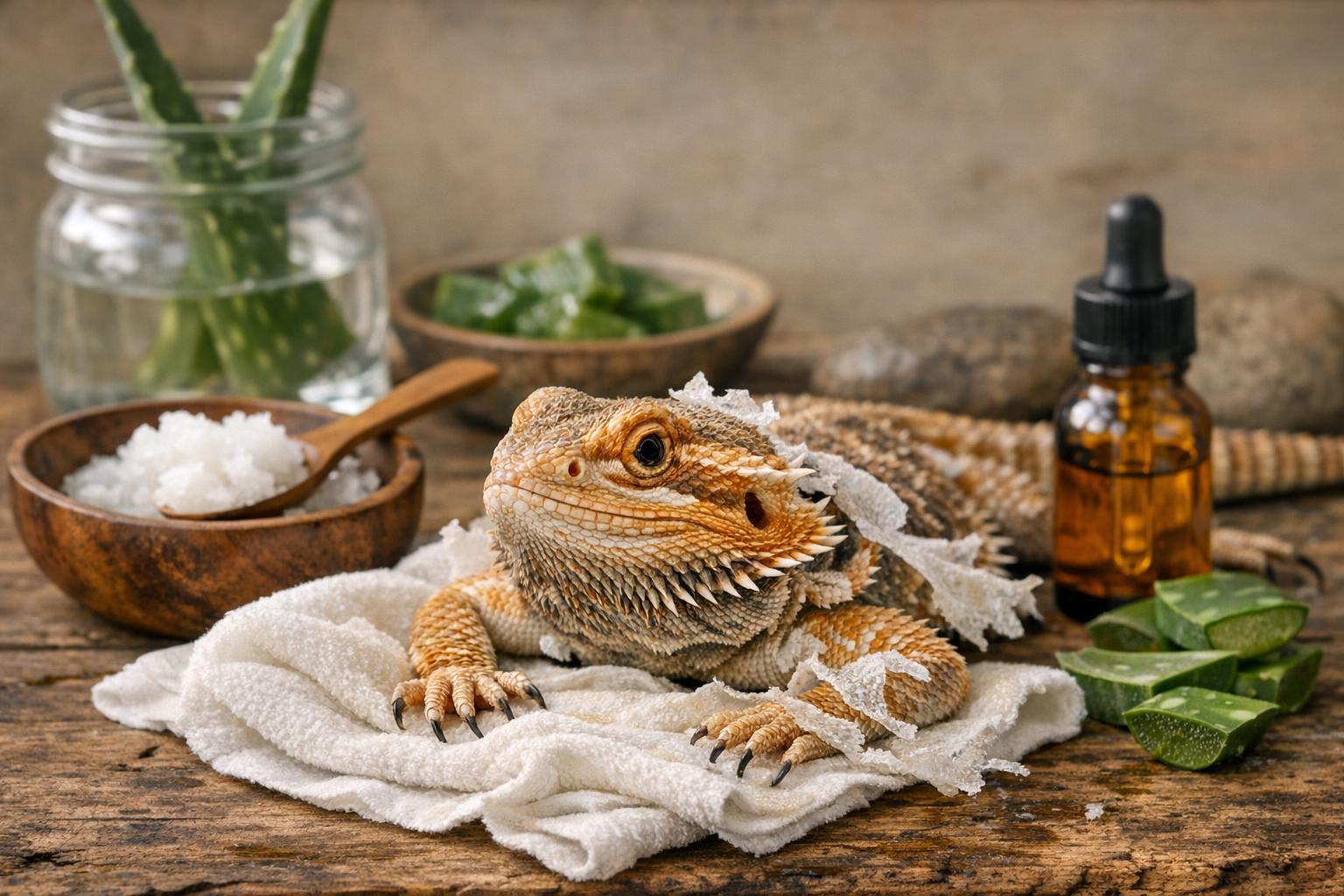
Short, lukewarm baths help loosen shed, especially around toes and tail tips. Ten to fifteen minutes once a day is plenty. Use shallow water—never above the base of the head—and supervise closely. After the bath, gently rub the affected areas with a soft, wet cloth to coax shedding scales free but avoid pulling on skin.
### Safe Ways To Remove Stuck Shed
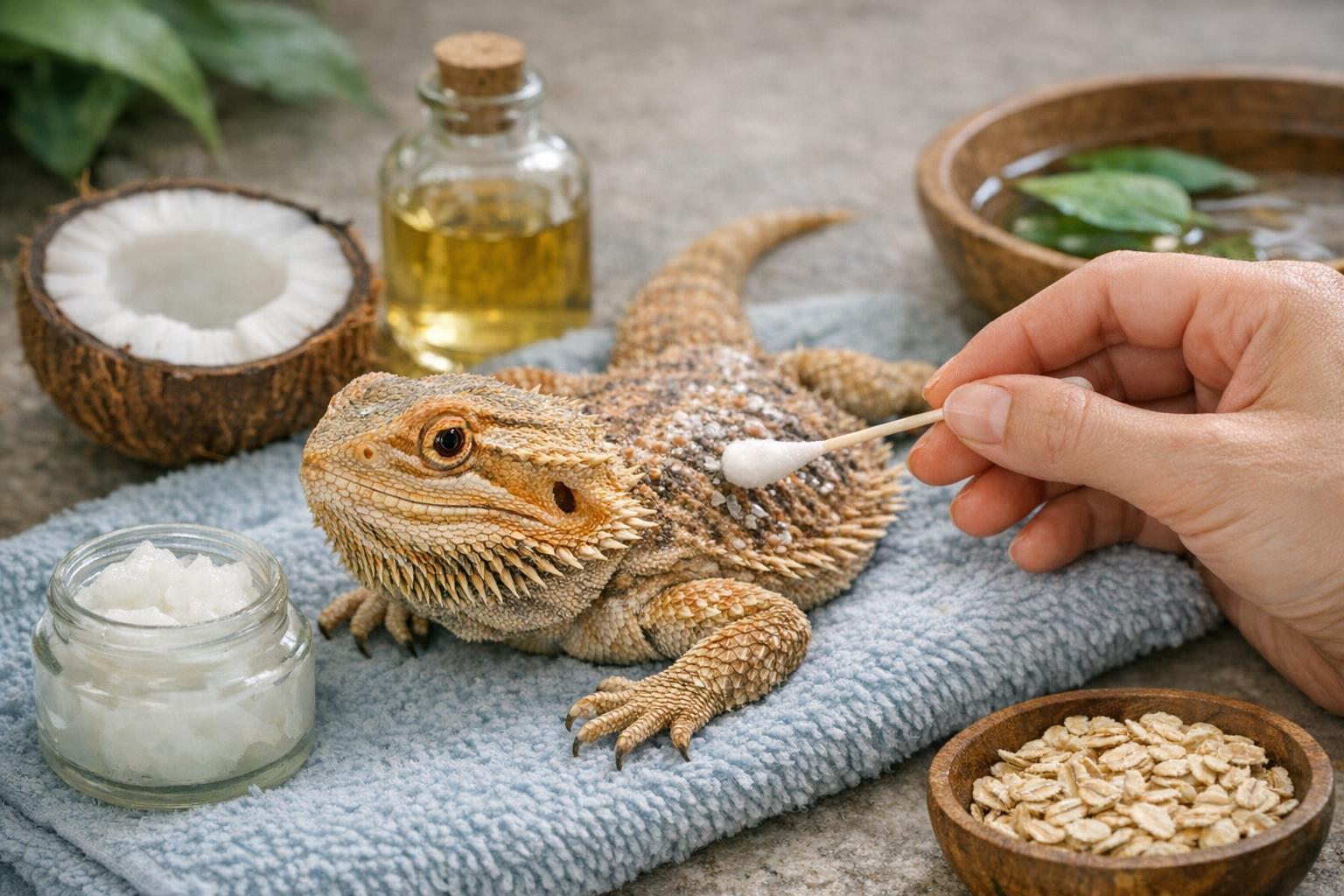
If a scale is hanging and won’t come off, soak first. Then try soft rubbing rather than pulling. For tiny areas around nails, you can use a cotton swab soaked in warm water. If a toe looks constricted or a scale is strangling tissue, call a vet right away; that’s not something to fix at home.
## Nutrition And Supplements During A Molt
A bearded dragon molt requires energy. Prioritize calcium and vitamin D3 so bones and new skin develop properly. For juveniles that shed more often, upping calcium slightly during shedding cycles helps. Adults need less frequent supplementation but shouldn’t go without.
### Foods That Help
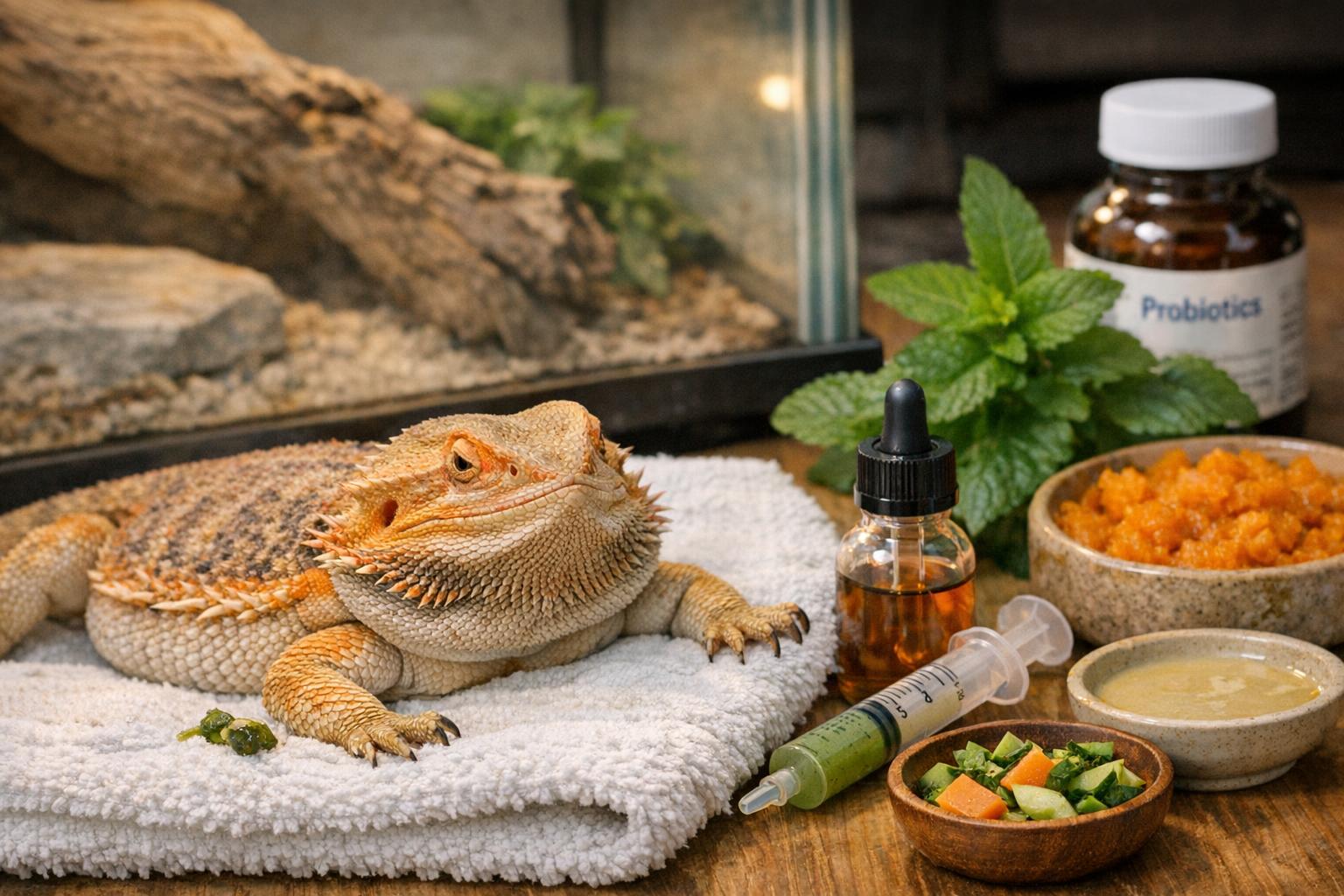
Offer dark leafy greens and calcium-dusted insects. Gut-loaded crickets and mealworms provide protein for skin regeneration. If your dragon isn’t eating, try soft foods like mashed sweet potato or pureed greens offered on a spoon after a warm bath when they might be tempted to eat.
## Identifying Problem Sheds
A normal bearded dragon molt happens in patches. They’ll rub on rocks, climb, and sometimes eat their shed. Problems show up as retained shed that constricts toes or the tail, discolored skin under the stuck scales, or long periods of lethargy paired with lesions. That’s when a vet visit is warranted.
### Common Mistakes Owners Make
People often over-handle or yank at flakes, which rips fresh skin. Others let humidity drop so low that shed becomes brick-hard. Both lead to stuck shed and injury. Keep interventions minimal and targeted.
## Special Care For Juveniles And Older Dragons
Young dragons shed frequently—sometimes every two to four weeks—because they’re growing fast. That means more frequent monitoring and more regular baths. Older dragons shed less often but their skin tends to be drier. Slightly higher humidity and more frequent soaking sessions help senior animals.
### Tailored Routines
For a baby dragon: daily humidity checks, baths every other day during a heavy molt, and close appetite monitoring. For an older dragon: weekly soaks during a shed and a stable basking schedule.
## Spotting When It’s More Than A Molt
Not every skin issue is a bearded dragon molt. Fungal infections, scale rot, and parasites can mimic shedding problems. If flakes are discolored, foul-smelling, or the skin under them is soft and red, don’t assume it’s just a regular shed. Document what you see with photos and get veterinary advice.
### When To Call The Vet
Circulation problems in toes, deep skin tears, or prolonged refusal to feed are red flags. Immediate care prevents permanent damage. A vet can safely remove stuck skin, prescribe topical treatments, or run tests if something else is causing the issue.
## Dragon Shedding Tips For Daily Care
Keep handling short and predictable. Use routine soaks to encourage natural sloughing. Make simple enclosure adjustments like adding a moist hide or a textured surface for rubbing. These small steps go a long way and reduce stress for both you and your pet.
#### Practical Daily Checklist
– Check humidity and temperature.
– Observe behavior and appetite.
– Offer a short soak if shedding is obvious.
– Provide calcium-dusted food.
– Inspect toes, tail tip, and mouth.
## Bearded Dragon Molt Variations And What They Mean
Each dragon molts on its own schedule. Some shed in large pieces; others in tiny flakes. Color and frequency change with age, health, and season. Track patterns for your dragon so you can spot when something deviates from the norm.
### Seasonal and Behavioral Triggers
Stress, brumation cycles, and dietary shifts can alter shedding patterns. If your dragon sheds less or more than usual after a change, check the enviroment and diet before assuming illness.
## Everyday Habits That Prevent Problems
Clean hides, a steady UVB source, and consistent basking temperatures reduce complications. Think of bearded dragon shedding care as maintenance more than emergency care. Do the small things every day and you’ll avoid a lot of drama later.
Bearded dragon owners who treat shedding as a normal part of life—one that needs gentle, consistent attention—find that molting becomes manageable. Use these dragon shedding tips and routines to keep your pet healthy and comfortable through every molt.















Leave a Reply