


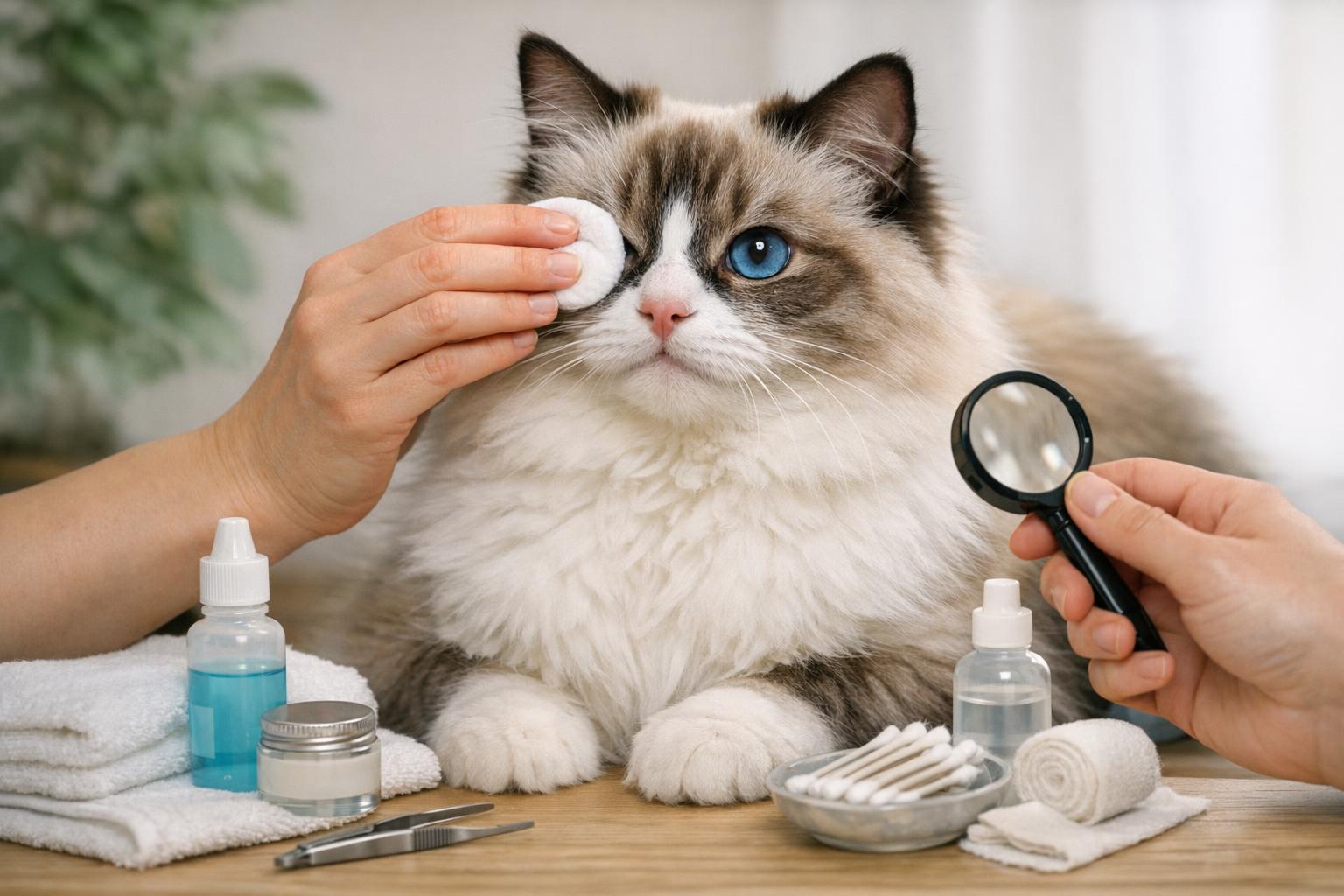
Eye health is an often-overlooked component of responsible pet ownership. This guide presents practical, evidence-informed advice for home observation, routine maintenance, and safe first-aid remedies. It is intended to help guardians recognize early warning signs, apply conservative home treatments when appropriate, and understand when professional veterinary intervention is required.
## Essential Eye Care For Cats: A Comprehensive Home Guide
### Recognizing Common Ocular Conditions
#### Conjunctivitis And Discharge
Conjunctivitis in cats commonly presents as redness, swelling of the inner eyelid, and variable discharge. Discharge may be clear and watery with viral causes or thicker and purulent with bacterial infection. Prompt recognition facilitates timely feline eye care.
#### Corneal Abrasions And Ulcers
Corneal injuries often provoke squinting, tearing, and avoidance of light. Small abrasions may improve with appropriate home cleaning and protective measures, but corneal ulcers require urgent veterinary assessment due to risk of rapid deterioration.
#### Epiphora And Tear-Staining
Overflowing tears (epiphora) may reflect blocked tear ducts, eyelid malalignment, or allergic and irritant responses. Chronic epiphora warrants systematic evaluation as part of ongoing cat eye care.
#### Systemic Causes Of Ocular Signs
Ocular manifestations may signal systemic disease—viral respiratory infections, immune-mediated conditions, or hypertension. Feline eye care is therefore sometimes an entry point for broader health assessment.
## Eye Care For Cats: Routine Home Assessments
### When To Perform Routine Checks
Daily brief checks for discharge, cloudiness, or behavioral changes are recommended, complemented by weekly hands-on inspections. Early detection improves outcomes and reduces the need for invasive interventions.
### How To Examine The Eye Safely
Always approach calmly. Restrain gently with a towel if required, avoiding pressure on the throat. Inspect for symmetry, pupil size and shape, corneal clarity, conjunctival color, and presence of foreign material. If the cat resists strongly, postpone and seek veterinary guidance rather than forcing an exam.
#### Red Or Swollen Conjunctiva
Note whether redness is unilateral or bilateral. Bilateral redness often accompanies upper respiratory infections; unilateral signs more commonly suggest local trauma or foreign material.
#### Changes In Pupil Size Or Position
Variations in pupil size, irregular pupils, or abnormal positioning require prompt professional evaluation as they may reflect neurologic or intraocular pathology.
## 1. Gentle Saline Rinse (Home Remedy)
### Indications And Limitations
A sterile saline rinse is a conservative first-aid measure for mild irritation, superficial debris, or non-purulent discharge. It is not appropriate for suspected corneal ulcers, deep injuries, or eyes with significant bleeding, severe pain, or vision loss. When in doubt, consult a veterinarian.
Ingredients / Required Materials:
– Sterile 0.9% saline solution in single-use ampoules or unopened bottles (pharmacy-grade)
– Clean disposable gauze pads or lint-free cotton squares
– Soft towel to restrain the cat if necessary
– Clean container for disposal
Step-By-Step Creation And Application:
1. Prepare Materials: Wash hands thoroughly. Open one ampoule of sterile saline; do not reuse opened saline.
2. Position The Cat: Wrap the cat in a towel with only the head exposed if needed. Keep movements slow and reassuring.
3. Remove Gross Debris: Gently wipe away crust or discharge from the outer corner of the eye toward the lower lid using a single sterile gauze, using a fresh pad for each wipe.
4. Apply Saline: Hold the saline ampoule about 2–3 cm from the eye and irrigate the conjunctival sac with a gentle stream, flushing outward. For kittens or fractious cats, place two drops into the eye rather than a stream.
5. Dry Carefully: Pat surrounding fur dry with a fresh sterile gauze. Do not rub the cornea.
6. Monitor: Observe for improvement over 12–24 hours. If discharge persists, becomes purulent, or the cat shows signs of increasing pain or vision impairment, seek veterinary care promptly.
Notes: Do not attempt to instill saline from containers that have been opened for other uses or that have not been labelled sterile. Avoid homemade saline unless prepared under veterinary instruction.
## 2. Warm Compress For Irritation And Crust Removal
### Indications And Contraindications
A warm compress can soothe inflamed eyelids and loosen dried secretions in cases of mild conjunctivitis or blepharitis. Do not apply compresses to eyes with known corneal ulceration, acute bleeding, or severe pain.
Ingredients / Required Materials:
– Clean, lint-free cloth or sterile gauze
– Warm water (not hot; test on the inner wrist)
– Optional: sterile saline for rehydration
Step-By-Step Creation And Application:
1. Prepare The Compress: Soak the cloth in warm water, wring until damp but not dripping. Temperature should be comfortable to the touch.
2. Position The Cat Safely: Wrap the cat in a towel to immobilize gently, exposing only the head.
3. Apply The Compress: Hold the warm compress lightly against the closed eyelid for 3–5 minutes. Do not press hard on the eye.
4. Remove Crusts: After softening, use a sterile gauze to wipe away softened crusts in a single outward motion, using a new gauze for the other eye.
5. Repeat: Perform 2–3 times daily until the eyelids are clean and swelling reduces. If no improvement after 48 hours or if clinical signs worsen, arrange veterinary assessment.
Precautions: Discard compress cloth after each use or launder in hot water. Avoid applying topical human eye products unless directed by a veterinarian.
## Hygiene, Environmental, And Preventive Measures
### Household Practices To Reduce Risk
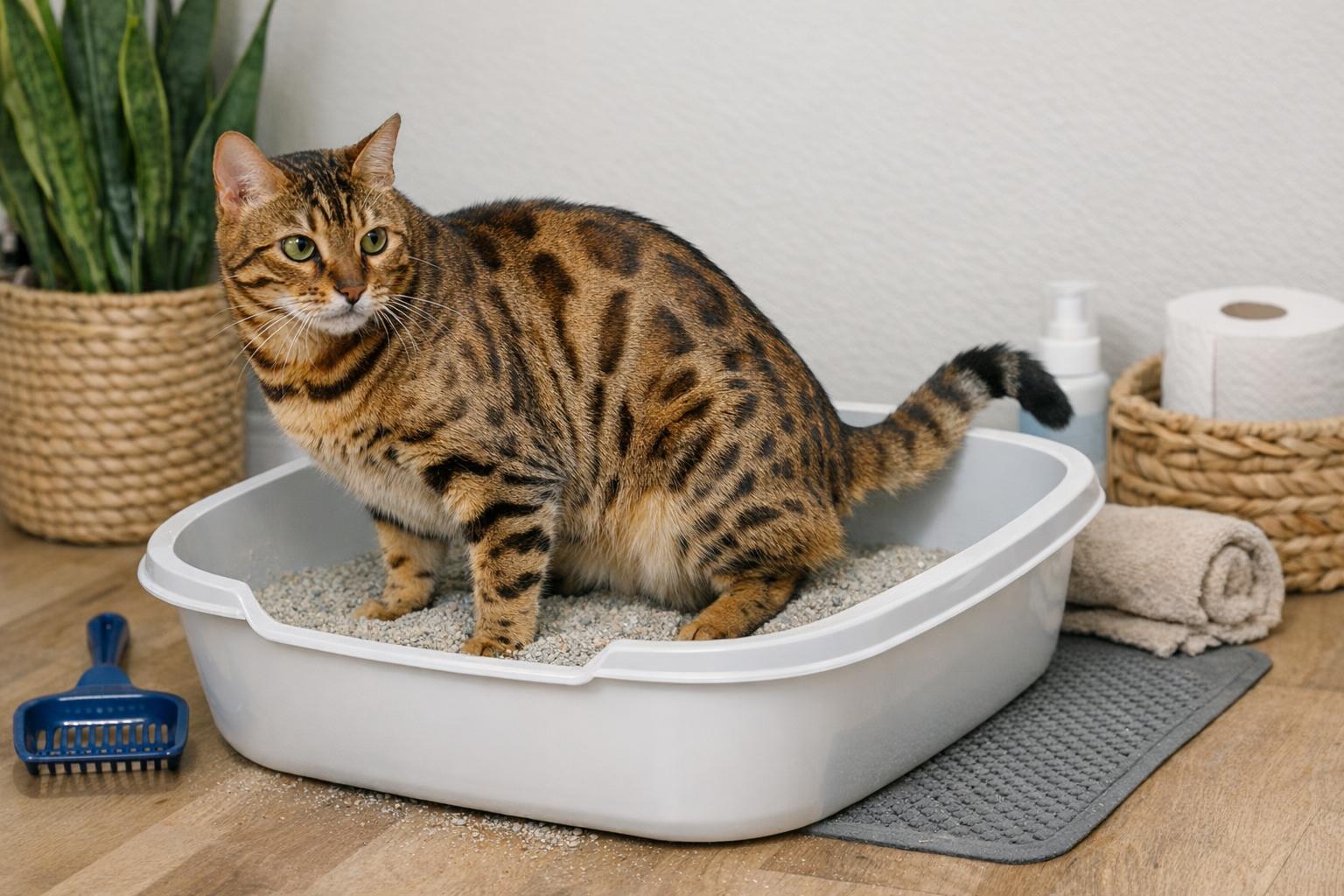
Maintain clean bedding and regular litter-box changes; reduce household aerosol irritants such as cigarette smoke and strong cleaners. Ensure that household plants are non-toxic and that cleaning chemicals are stored securely.
### Grooming And Facial Hair Management
Long-haired breeds may develop tear staining due to hair irritating the medial canthus. Regular trimming of facial hair (performed by a trained groomer or veterinarian) can improve drainage and facilitate cleaning, supporting ongoing feline eye care.
### Vaccination And Parasite Control
Core vaccinations and parasite prevention reduce the incidence of infectious causes of ocular disease. Discuss an individualized preventive plan with your veterinarian as part of comprehensive cat eye care.
## When To Seek Veterinary Care
### Urgent Signs Requiring Immediate Attention
Seek veterinary care promptly if any of the following are observed:
– Severe eye pain, persistent squinting, or avoidance of light
– Sudden vision loss or bumping into objects
– Dark or bloody discharge, or rapidly increasing redness or swelling
– Trauma to the head or eye, or suspected foreign body embedded in the eye
These scenarios may require specialized diagnostics, topical antibiotics, pain control, or surgical intervention.
### Non-Urgent Signs For Prompt Veterinary Review
If mild signs do not resolve within 48 hours of conservative home measures, or if discharge becomes purulent, arrange veterinary evaluation within a few days to prevent chronic damage.
#### Veterinary Diagnostics And Treatments
A veterinary ophthalmic exam may include fluorescein staining, intraocular pressure measurement, cytology, and microbial culture when indicated. Treatments range from topical antimicrobial drops and anti-inflammatory agents to systemic therapy for systemic disease.
## Record Keeping And Communication With Your Veterinarian
### Documenting Observations
Maintain a simple log of signs: onset, laterality (left/right/both), type of discharge, and any response to home remedies. Photographs or short videos showing blinking, squinting, or discharge can be invaluable for remote triage and in-clinic assessment.
### Providing A Complete History
When consulting a veterinarian, report vaccination status, recent exposures to other animals, recent travel, and current medications. A concise, accurate history enhances diagnostic efficiency and treatment safety.
## Practical Considerations For Multi-Cat Households
### Preventing Spread Of Infectious Agents
If infectious conjunctivitis is suspected, isolate the affected cat when feasible, disinfect shared bedding and litter boxes, and provide separate feeding areas until a definitive diagnosis and treatment plan are in place. These measures support effective feline eye care while limiting transmission.
### Managing Stress During Care
Stress can worsen clinical signs. Use gentle handling, pheromone calming aids, and positive reinforcement to make examinations and treatments less distressing for both cat and caregiver.
This guide provides a structured approach to home observation and conservative interventions for eye conditions, emphasizing safety, hygiene, and timely escalation to veterinary professionals when warranted. Eye care for cats is an integral part of overall health maintenance and benefits from consistent attention and informed, cautious home management.













Leave a Reply