




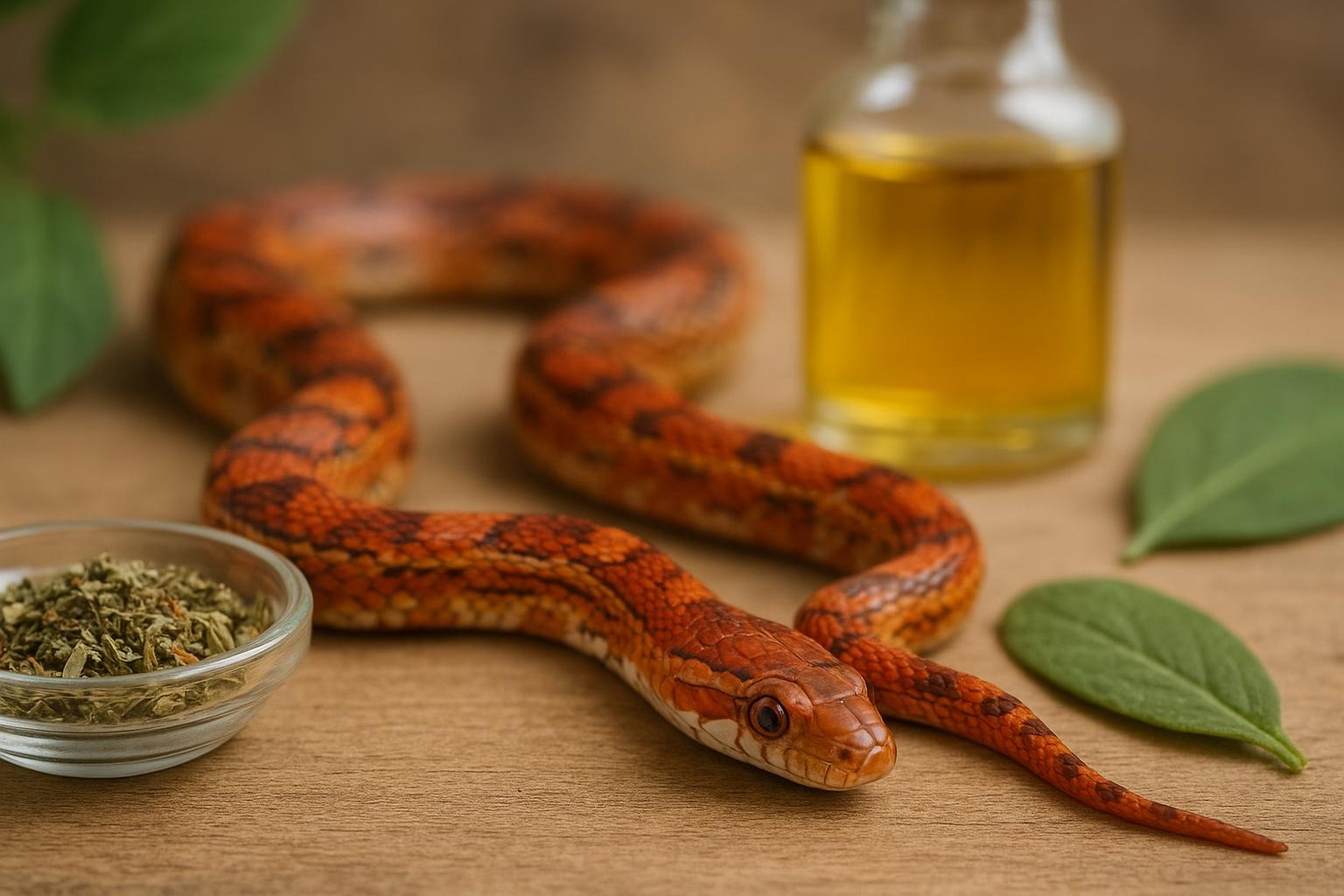
Hello there, snake friend — pull up a comfy chair (or a hide box) and let’s talk about keeping your corn snake sleek, satisfied, and sliding happily through life. No need for snake-charming skills; just a little knowledge, routine, and a couple of handy home remedies when small issues pop up.
## Slither Into Health With Remedies For Corn Snake Care
### Why Corn Snakes Are So Popular
Corn snakes are gentle, hardy, and downright photogenic — which is why they’re a favorite among beginner and seasoned keepers alike. Their temperaments make them great ambassadors for reptile ownership, but good corn snake care still demands attention to husbandry, diet, and subtle signs of distress.
### What You’ll Read Here
You’ll get practical tips on habitat, feeding rhythms, and early warning signs. Then I’ll walk through two numbered remedies you can safely use at home: an emergency hydration soak and a DIY humidity hide to aid shedding. Remedies include required materials and step-by-step directions, written in a clear, formal style so you can follow confidently.
## Corn Snake Care Basics
### Temperature, Lighting, And Thermoregulation
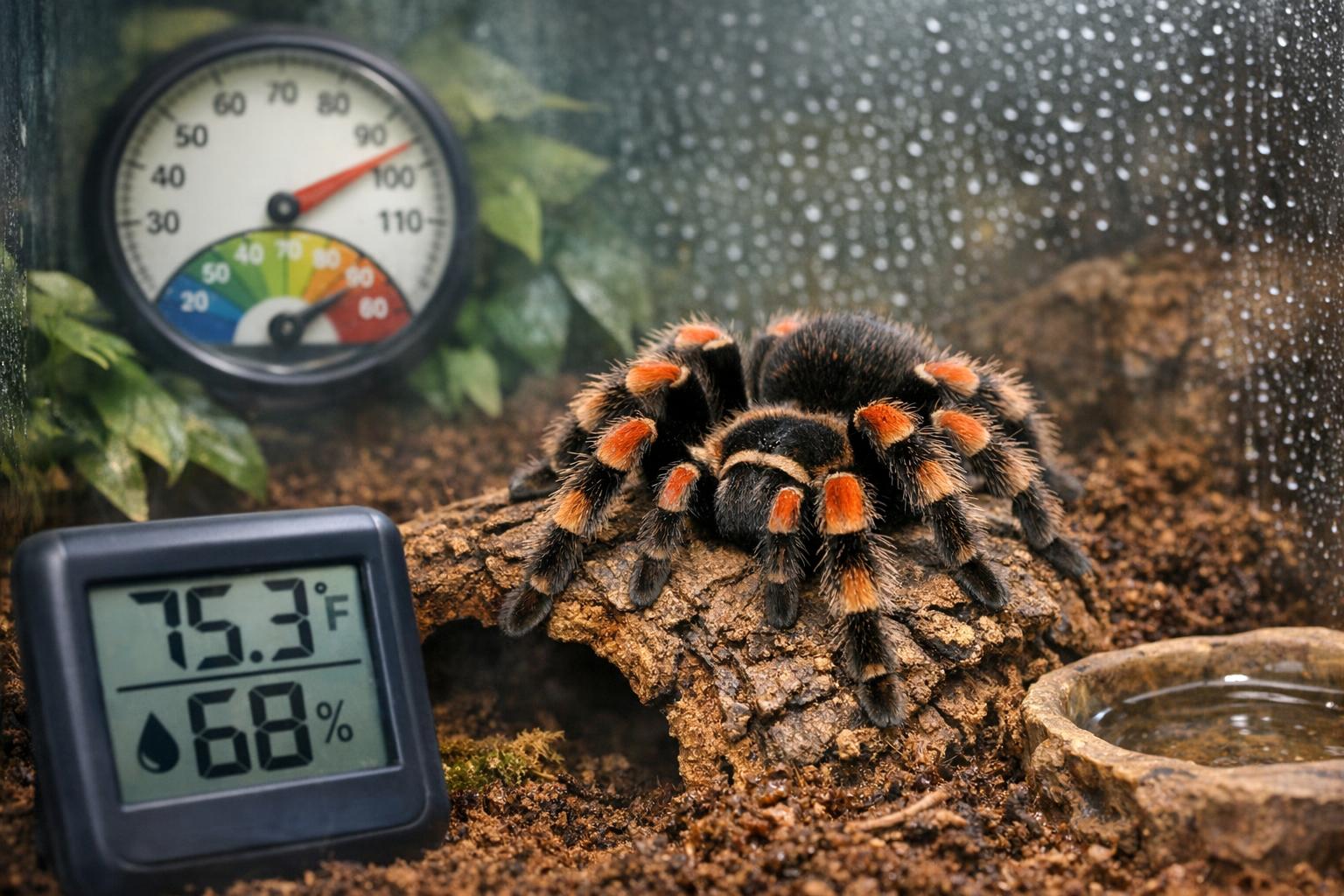
Corn snake care centers on creating a thermal gradient: a warm basking spot (about 86–90°F / 30–32°C) and a cooler end around 72–78°F (22–26°C). Nighttime temperatures can safely dip a few degrees. Use a reliable thermostat and thermometers at both ends of the enclosure. Avoid heat rocks; use overhead or side-mounted ceramic heat emitters or under-tank heaters regulated by thermostats.
#### Thermometer Placement And Monitoring
Place a thermometer near the hide on the warm side (not directly above the heat source) and another on the cool side. Check temperatures daily for the first few weeks after setup, then at least weekly. Sudden drops or spikes often precede health issues.
### Humidity And Shedding
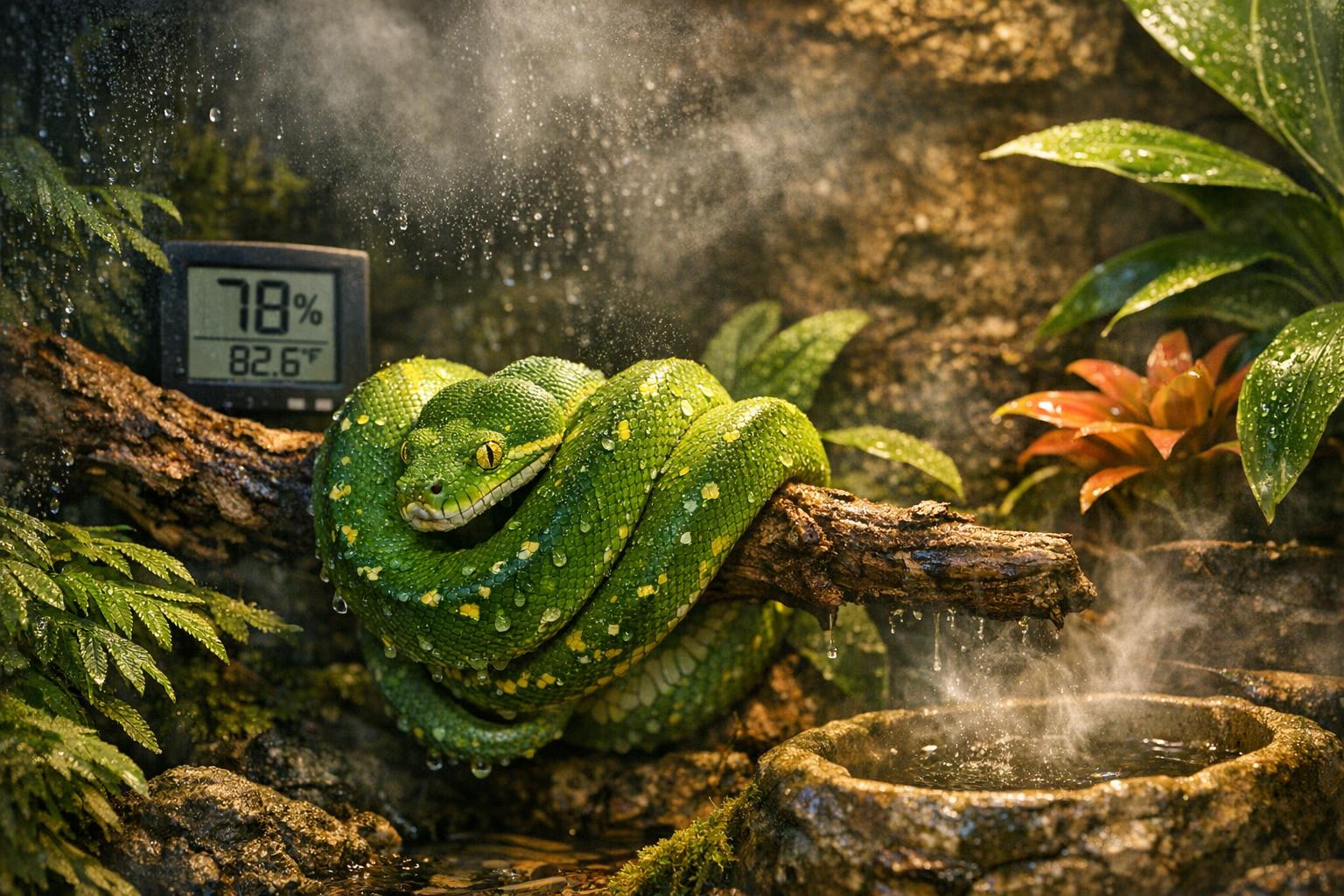
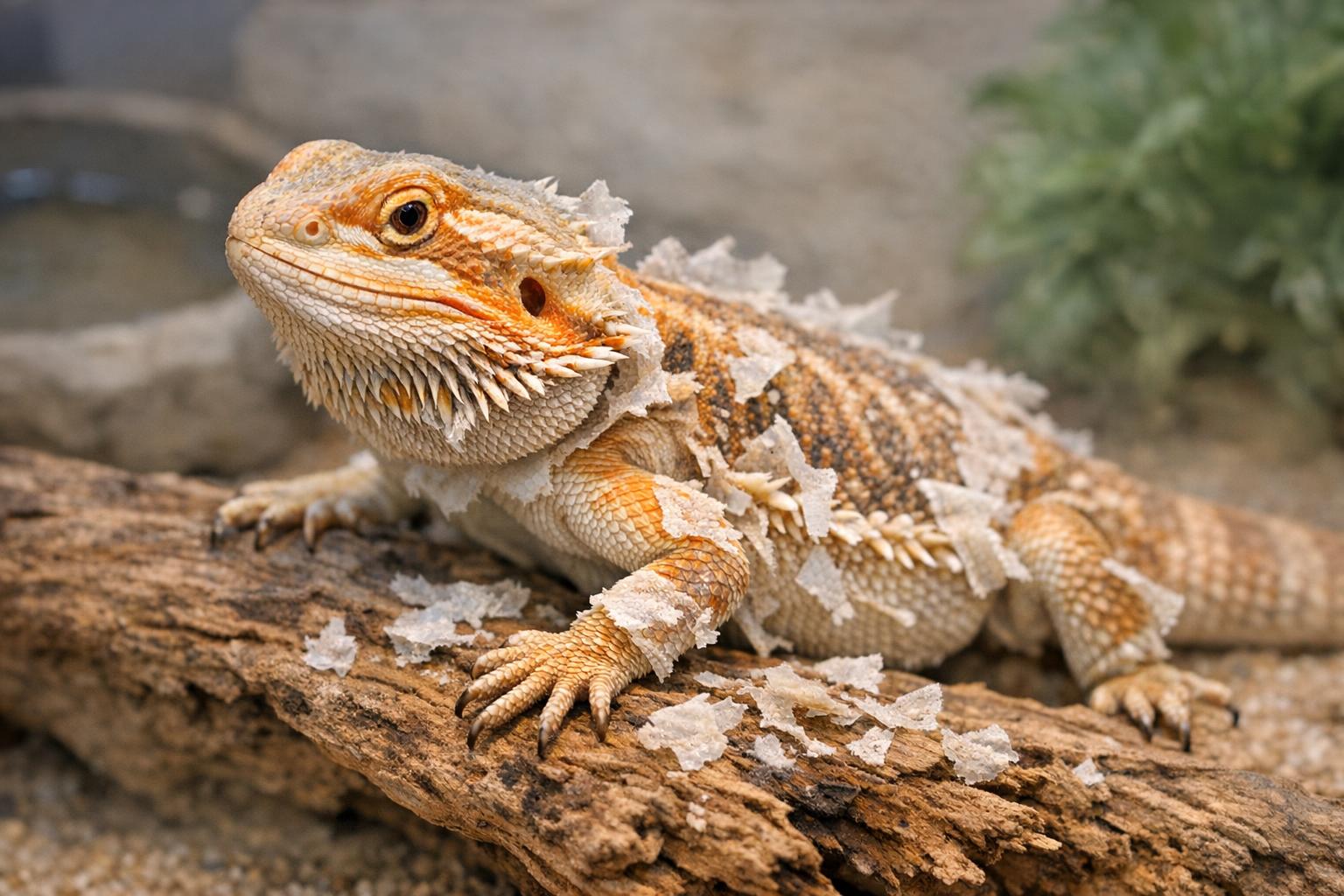
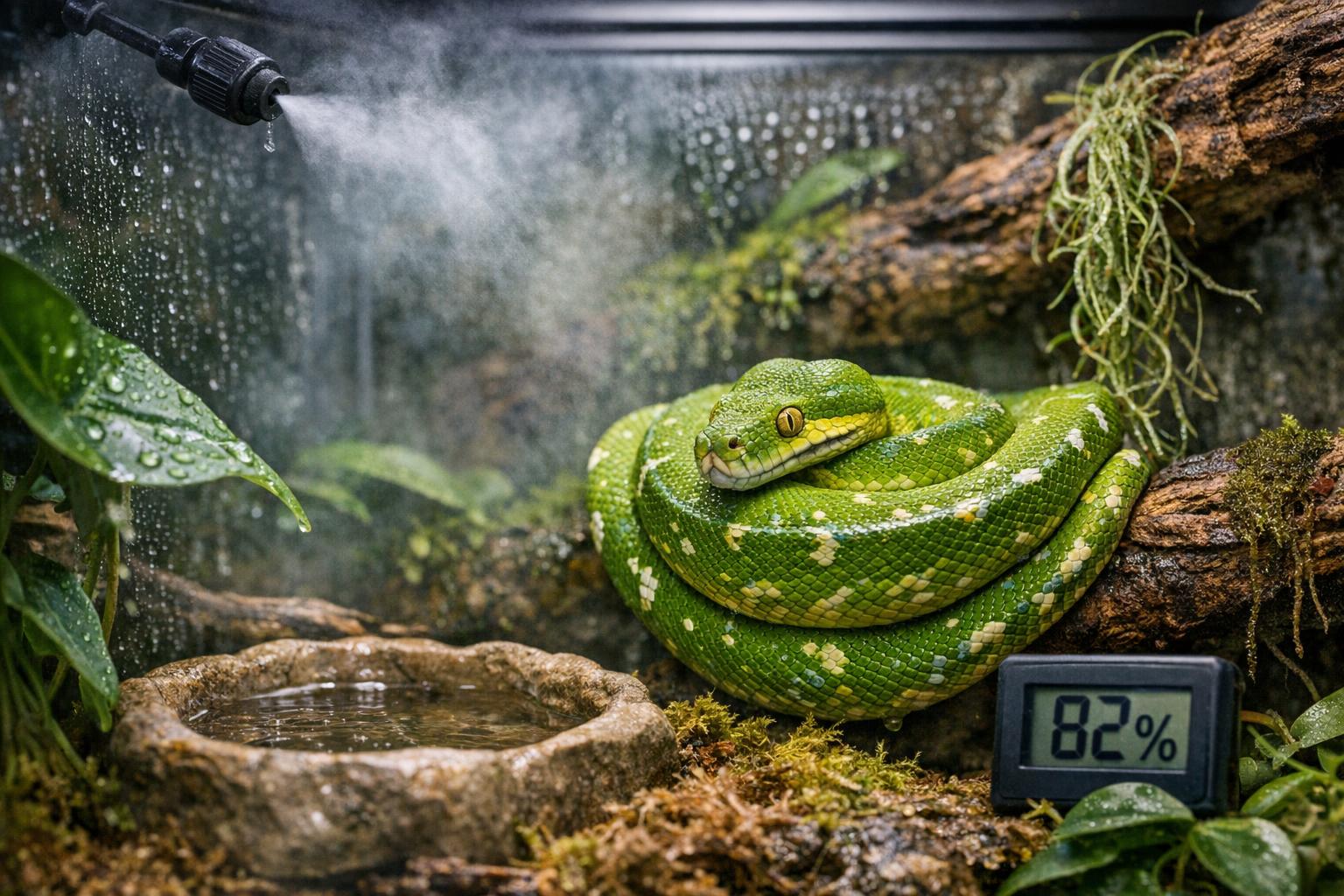
Aim for relative humidity around 40–60%, with temporary localized higher humidity when your snake is preparing to shed. Proper humidity prevents retained eye caps and incomplete sheds — common problems in corn snake care.
#### Substrate Choices That Help Humidity
Aspen, paper towels, or reptile-specific substrates are good choices. Avoid cedar or pine. For higher humidity needs, mix in a bit of cypress mulch or provide a humidity hide (see Remedy 2).
## Feeding And Nutrition
Feed appropriately sized rodents — roughly the same width as the thickest part of the snake — and establish a feeding schedule based on age: juveniles every 5–7 days; adults every 7–14 days. Offer thawed frozen rodents rather than live prey to reduce injury risk.
### Handling Around Feeding Time
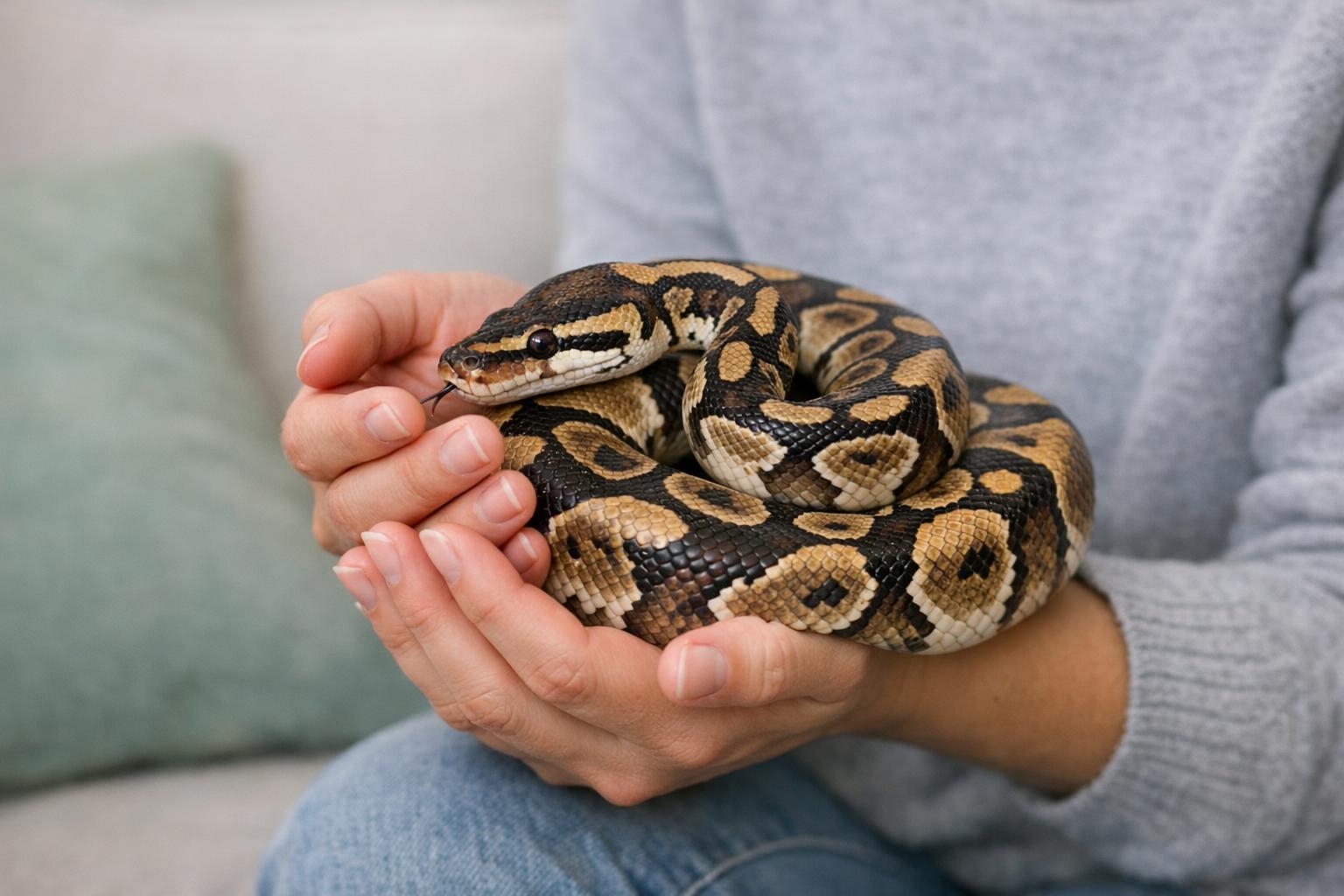
Handle only when cooled down after feeding (wait 24–48 hours) to prevent regurgitation and stress. A calm routine improves trust and reduces feeding refusal, a frequent concern in corn snake care.
## Recognizing Common Health Signals
Look for appetite changes, weight loss, difficulty shedding, wheezing, bubble discharge from nostrils, or abnormal stools. Minor issues often respond to improved husbandry; more serious signs (persistent wheezing, blood, or severe lethargy) need a vet. Early action prevents small problems from becoming emergencies.
## Remedy 1: Emergency Hydration Soak For Dehydration
Materials
– A shallow plastic tub or large container (big enough for the snake to coil comfortably).
– Lukewarm water (around 85°F / 29°C).
– A digital thermometer.
– Optional: a pinch of unflavored electrolyte powder (formulated for reptiles, or a very diluted pediatric electrolyte solution — consult your vet first).
– Towels for drying and warmth.
When To Use
This remedy is for mild dehydration signs (sunken eyes, dry skin, reduced activity, wrinkled appearance) that aren’t accompanied by severe lethargy or obvious infection. If dehydration is severe or the snake is very weak, seek veterinary care immediately.
Step-By-Step Creation And Application
1. Prepare the Soak: Fill the tub with 2–3 inches of lukewarm water and confirm temperature with the digital thermometer (target ~85°F / 29°C). The water should be deep enough for the snake to submerge partially but not so deep it must swim.
2. Optional Electrolyte: If advised by a herp-savvy vet, add a very small amount of reptile-safe electrolyte to the water to help replenish minerals. Ensure dilution is low to avoid osmotic stress.
3. Calm Placement: Gently transfer the snake into the tub using both hands to support the body. Keep movements slow and minimal to reduce stress.
4. Soak Duration: Allow the snake to soak for 10–20 minutes while you supervise. Juveniles may need shorter soaks (5–10 minutes). Watch breathing and general behavior; if the snake becomes excessively agitated, end the soak sooner.
5. Dry And Warmth: After soaking, lift the snake onto a towel and pat gently to remove excess water. Return the snake to its enclosure, ensuring the warm side is available so it can dry and thermoregulate.
6. Repeat As Needed: Perform a soak once daily for 2–3 days while you correct humidity in the enclosure and offer fresh water. If dehydration persists or appetite doesn’t return, consult a veterinarian.
Notes
This remedy is a temporary supportive measure. Correcting environmental humidity, offering fresh drinking water, and monitoring weight are essential follow-up steps in good corn snake care.
## Remedy 2: DIY Humidity Hide To Aid Shedding
Materials
– A plastic or sturdy hide box with a single entry hole sized for your snake.
– Moist sphagnum moss or damp paper towels (pressed to remove dripping water).
– A small plastic tray or dish to hold the moisture inside the hide.
– A drill or knife (to make ventilation holes if needed).
– Optional: a piece of cork bark to disguise the hide.
When To Use
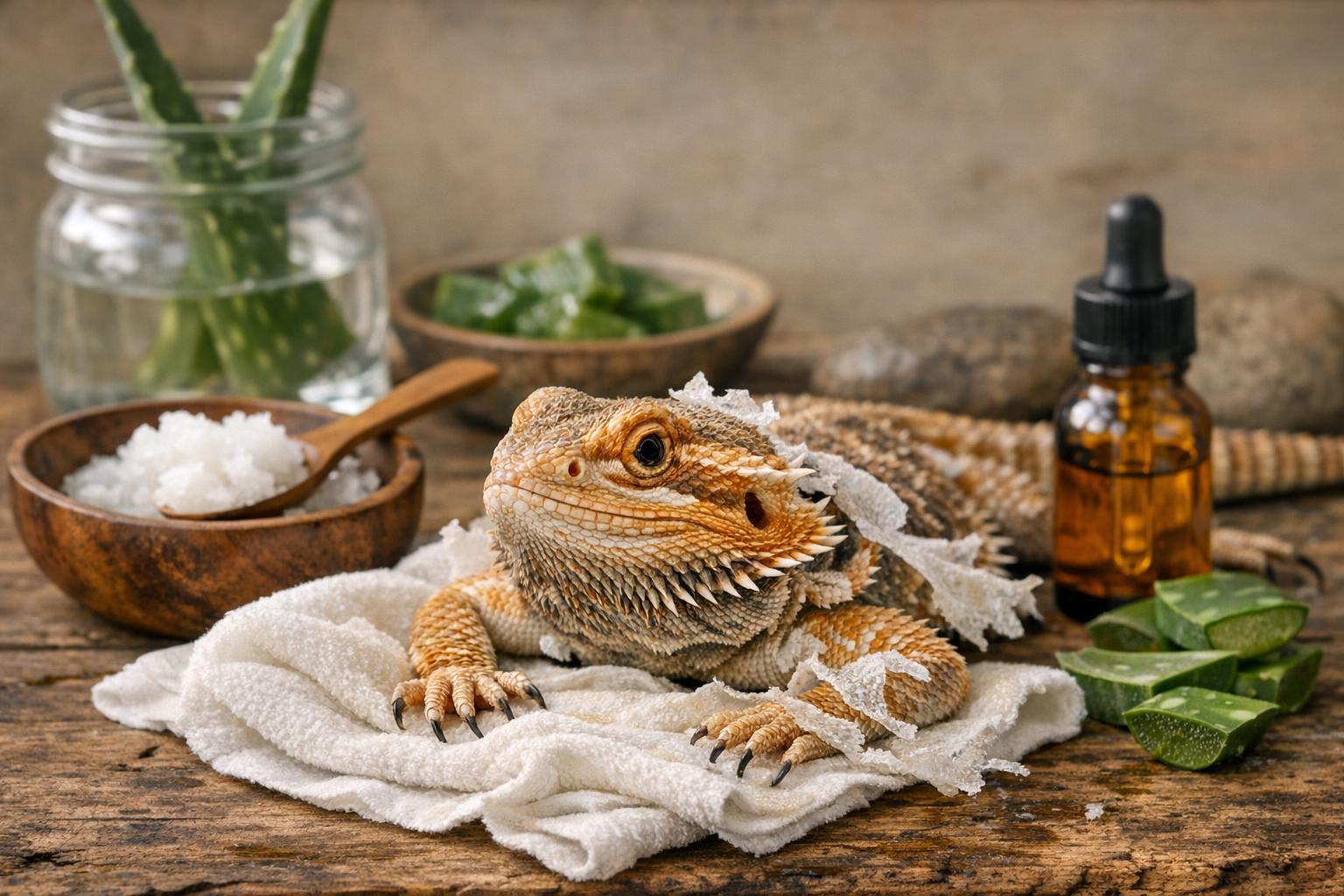
Use this humidity hide when your snake begins exhibiting pre-shed behavior (dull coloration, reduced appetite, clouded eyes) or when local humidity needs a boost.
Step-By-Step Creation And Application
1. Prepare The Hide Base: Clean the hide box and place the small plastic tray or dish inside to act as a moisture reservoir.
2. Add Moist Material: Fill the tray with damp sphagnum moss or tightly packed damp paper towels. The material should be moist but not dripping to avoid bacterial growth.
3. Ventilation: Ensure a few small ventilation holes are present to allow air exchange while retaining humidity. Avoid sealing the space; good airflow prevents mold.
4. Positioning: Place the humidity hide on the warm side of the enclosure but not directly over the heat source. Position it where the snake can easily access it.
5. Monitor And Refresh: Check the hide daily. Replace or re-moisten sphagnum moss every 2–3 days, or sooner if mold appears. After the snake sheds, clean and dry the hide before reuse.
6. Combine With General Care: Use the humidity hide as part of broader corn snake care practices — keep ambient enclosure humidity within target ranges, provide fresh water, and maintain appropriate temperatures.
Safety Tips
Avoid overcrowding the hide with too much moisture. Excessive dampness can invite mites, bacteria, and fungal growth. Regular cleaning and monitoring are part of responsible corn snake care.
### Small, Practical Upgrades That Improve Health
– Provide two hides (warm and cool) so your snake can thermoregulate and feel secure.
– Keep a feeding log and weigh your snake monthly to detect slow changes.
– Use ceramic heat emitters with thermostats rather than unregulated heat sources.
### When To Call The Vet
If you see persistent respiratory noises, open-mouth breathing, blood, severe weight loss, or a retained shed that doesn’t resolve after using a humidity hide and soak, schedule a vet visit. Early diagnosis and treatment are key.
There’s a lot to love about corn snakes, and with smart daily care plus a couple of reliable remedies, you’ll keep your slithering companion thriving. If you want troubleshooting for specific colors, enclosure builds, or behavior quirks, tell me about your setup and we’ll tailor the corn snake care plan to fit.














Leave a Reply