





You don’t need to turn grooming into a battleground. Most cats respond to steady, predictable care rather than a frantic once-a-month bash. A gentle approach keeps the coat healthy, the skin happy, and the cat less stressed. Here’s a practical way to frame that into a cat coat care routine that actually gets done.
## Cat Coat Care Routine That Fits Your Cat
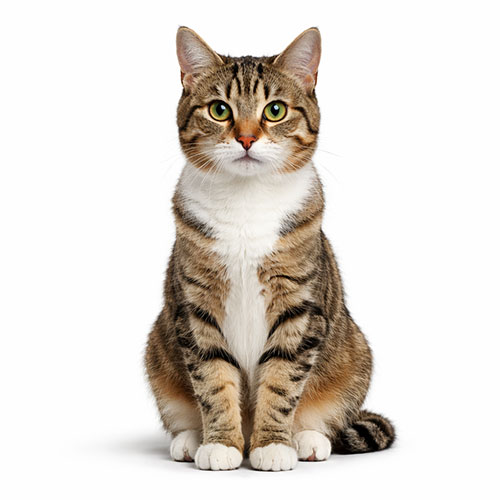
Every cat’s coat behaves differently. Short-haired tabbies shed in neat wisps; long-haired Maine Coons can gather knots in a day if you blink. The first step in a sustainable cat coat care routine is to observe for a week: how much fur shows up on your clothes, where mats form, and how the cat reacts when touched in different spots. That’s your baseline.
Once you know the trouble zones, set a realistic cadence. Short-haired cats often do fine with a few brushing sessions per week. Long-haired breeds usually need daily attention. Kittens need handling early so they accept being touched. Older cats may have arthritis—shorter sessions, more patience.
### Understanding Your Cat’s Coat Type
Coat type matters more than breed labels. Look for density, undercoat presence, and length. Thick undercoats mean seasonal blowouts (usually spring and fall) where shedding spikes. Fine, single-layer coats like those of some short-haired cats shed less but still benefit from occasional brushing to distribute oils.
Watch skin too. Flaky or greasy skin is a red flag for diet or allergy issues. Persistent bald patches, scabs, or overgrooming mean a vet visit. Don’t assume more brushing fixes every problem; sometimes the cause is internal.
### Tools For A Stress-Free Session
Quality tools make the difference between a calm five-minute ritual and a wrestling match. You don’t need a toolbox, just a few well-chosen items.
#### Brushes And Their Uses
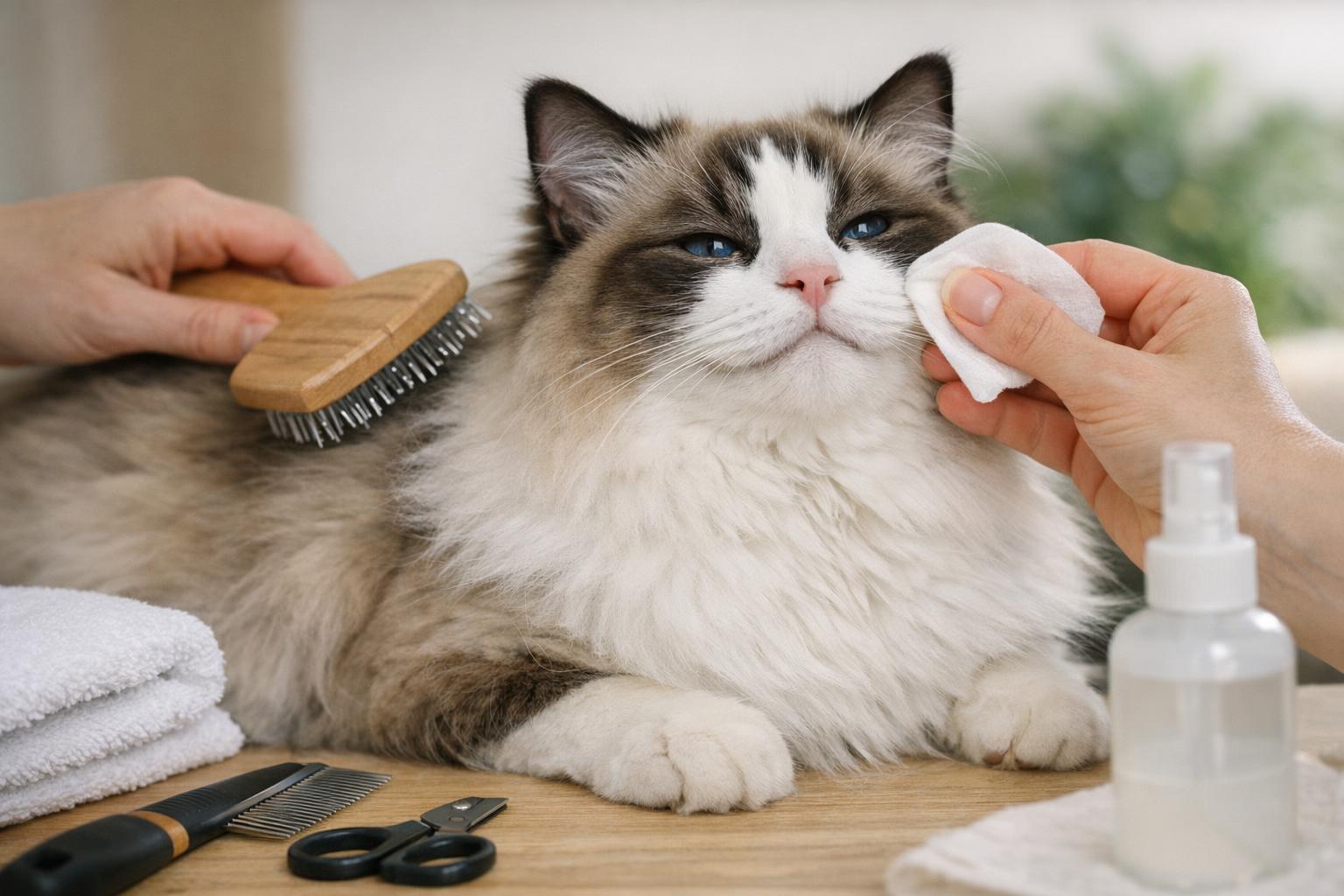
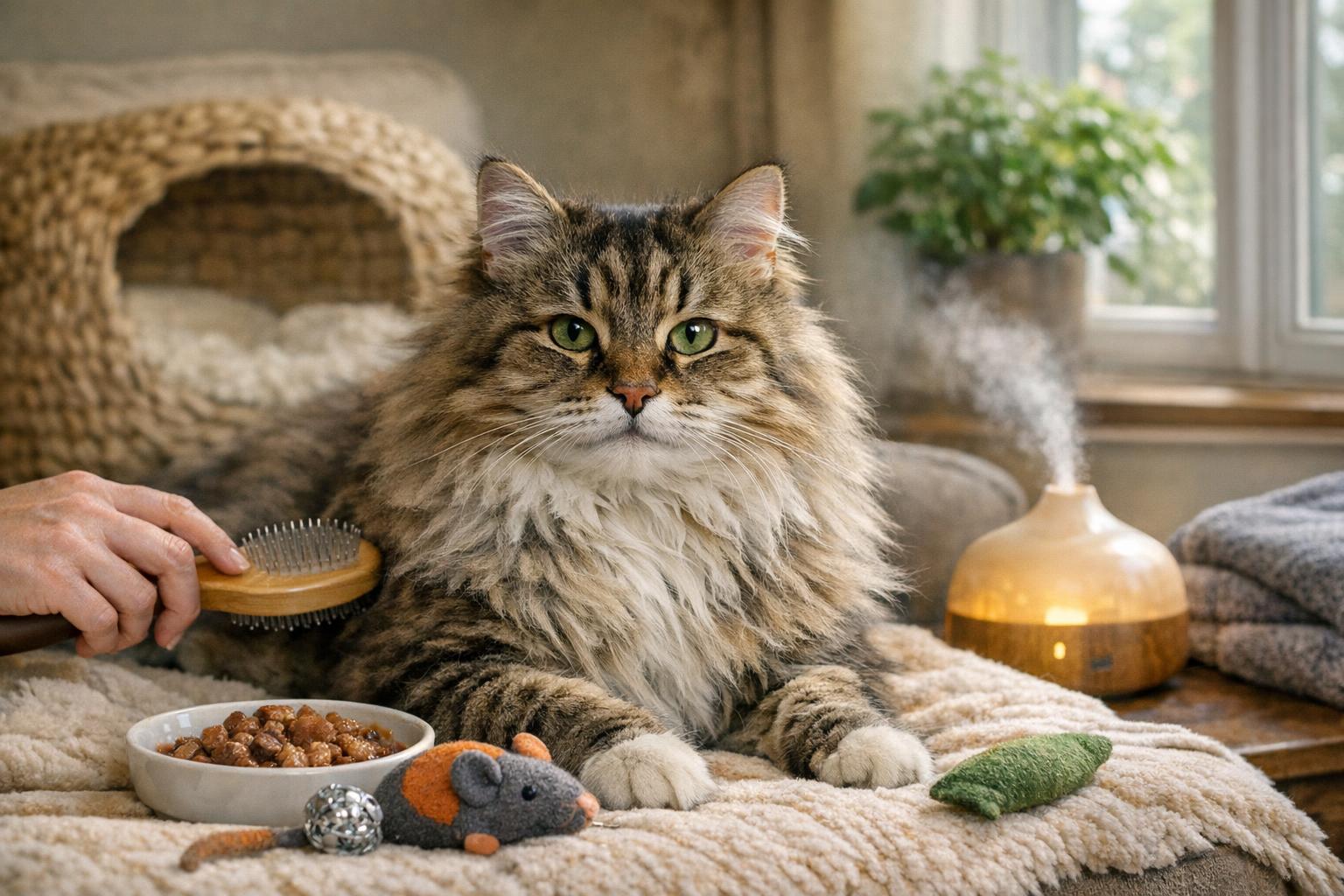
A slicker brush is the workhorse for most cats; it lifts loose fur and detangles light mats. A wide-toothed comb gets through long coats and finds hidden tangles. Deshedding tools work well on double-coated breeds but use them sparingly—overdoing it can irritate the skin.
Choose metal teeth over plastic for durability. Replace worn brushes; frayed edges scratch the skin.
#### Additional Essentials
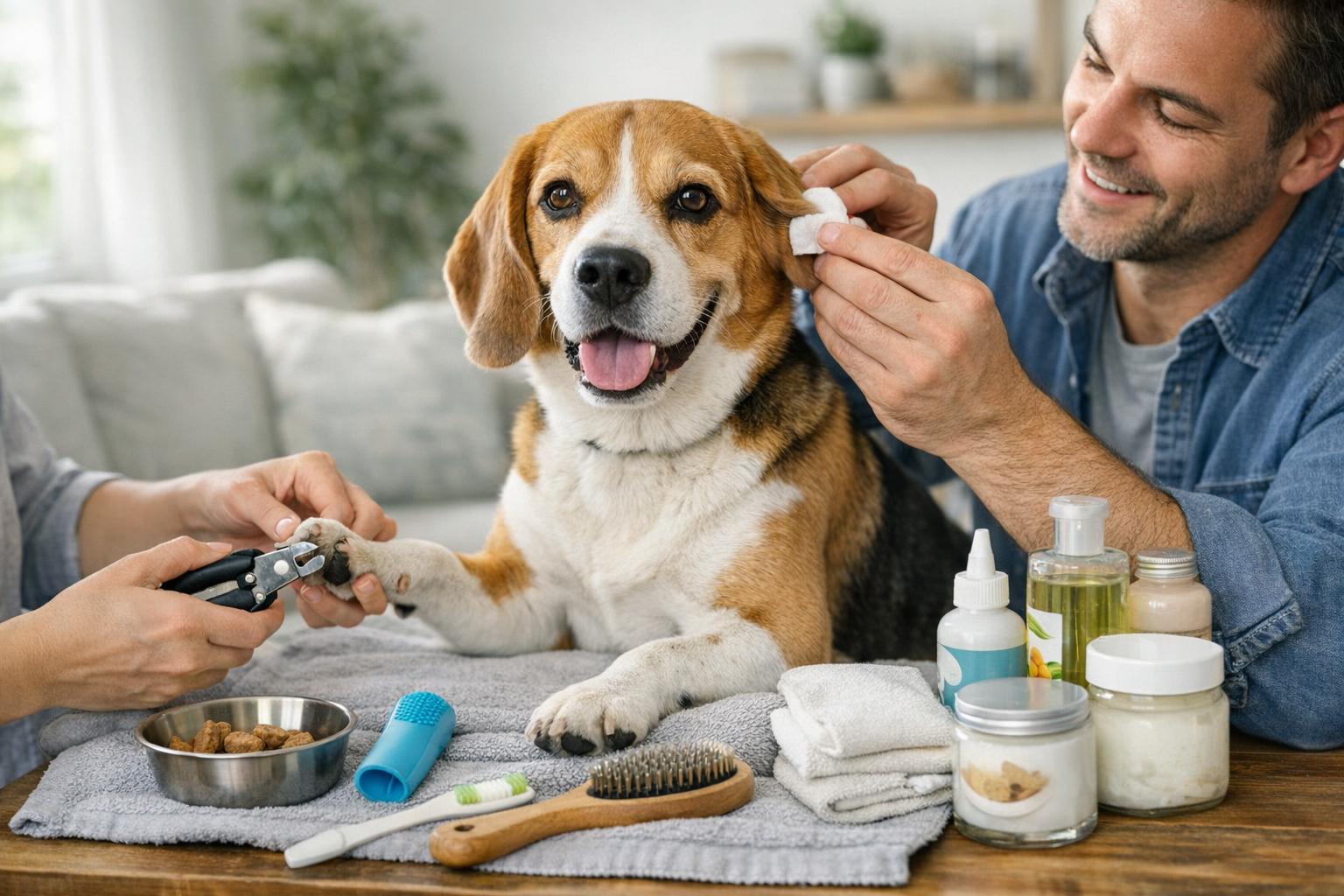
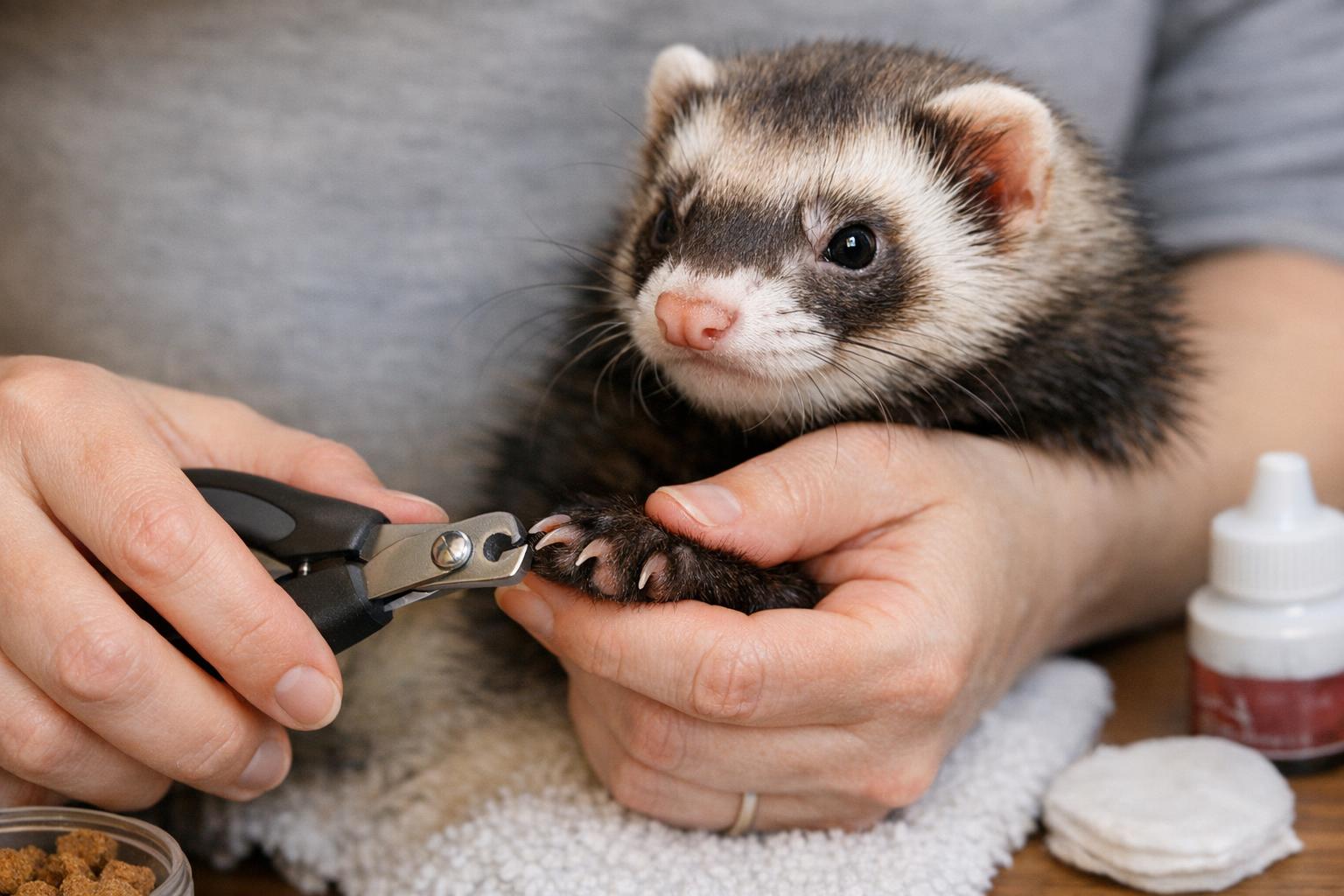
Keep a pair of blunt-tipped scissors for emergency mat removal if you’re careful, and a pair of grooming wipes for quick cleanups. Nail clippers belong in the kit—shorter nails reduce accidental scratches during sessions. A soft towel or a non-slip mat keeps your cat from sliding around.
### Gentle Brushing Techniques
Start slow. Sit in a quiet room, put the brush down, and let the cat sniff it. Begin with short strokes in the direction of hair growth. If your cat leans into the brush or starts purring, you’re doing it right.
Work in small sections. For long-haired cats, lift the fur gently and brush from the base to the tip to avoid pulling. Use a comb for close-to-skin areas like behind the ears, under the armpits, and the belly—those are where mats hide. If you find a mat, try to tease it apart with your fingers first. If that fails, hold the fur close to the skin with one hand and cut the mat out carefully with blunt scissors—don’t cut across skin.
If the cat grows anxious, stop. Better to have a calm five-minute session than a stressed half-hour. End on a good note—treats or a favorite spot of petting help the cat associate grooming with pleasant outcomes.
## Building A Home-Friendly Cat Grooming Routine
Routine is about small habits. Set a time that works: after breakfast, before bedtime, or during evening TV. Consistency matters more than duration. Even three to five minutes every day goes farther than an hour once a month.
Introduce tools gradually. Let them sit where the cat can inspect them. Demonstrate brushing on clothes or a stuffed toy first, then on the cat. Reward cooperation immediately. For skittish cats, try brushing while they eat—it distracts and rewards simultaneously.
### Bathing: When And How
Most cats don’t need regular baths. They self-clean, and many hate water. Bathe only for specific reasons: very dirty fur, flea treatments that require rinsing, or medical issues the vet has diagnosed. If you must bathe, use lukewarm water, a cat-safe shampoo, and a non-slip mat in the sink or tub. Rinse thoroughly—leftover shampoo irritates skin.
Dry gently with a towel and keep the room warm until the coat is mostly dry. Avoid hairdryers unless your cat tolerates them; the noise and heat are often too stressful.
### Managing Seasonal Shedding
Shedding seasons are predictable. Increase brushing frequency in spring and fall to catch loose undercoat before it ends up on furniture. A de-shedding tool once or twice a week helps, but nothing replaces gentle daily grooming during those months. Vacuuming and lint rollers are your friends; they complement grooming, not replace it.
## Diet, Skin Health, And Medical Considerations
A shiny coat starts from the inside. High-quality proteins and balanced fats—especially omega-3 and omega-6—support skin health and reduce dandruff and dryness. If your cat’s coat dulls despite regular brushing and good diet, talk to your vet. Parasites, thyroid issues, and food sensitivities can all affect the coat.
Supplements can help but aren’t magic. Don’t double up without checking with a professional. Some over-the-counter products interact badly with prescription treatments.
### When To Call A Vet Or Professional Groomer
If your cat develops persistent itching, hot spots, sudden hair loss, or painful mats that you can’t manage, get professional help. A vet rules out medical causes; a professional groomer can remove severe mats safely. Choose a groomer who works with cats specifically; tools and temperament differ from dog grooming.
If sedation is required for grooming because the coat is severely matted, that’s a vet decision. It’s safer for the cat than a forced session at home.
### Special Cases: Senior Cats And Kittens
Kittens need short, frequent handling sessions. Make brushing part of play so it’s not a chore. For seniors, watch for mobility limits. They may not reach certain spots anymore. Brushing those areas for them prevents mats and keeps them comfortable. Use warm towels and shorter sessions if arthritis makes positioning difficult.
## Practical Week-By-Week Example Schedules
Routine helps build muscle memory—for you and your cat. Here are flexible schedules you can adapt.
For Short-Haired Cats:
– Monday: Five minutes brushing to remove loose fur.
– Wednesday: Quick paw and face check; nail trim if needed.
– Saturday: Comb through with a fine-toothed comb and quick skin inspection.
For Long-Haired Cats:
– Daily: Five to ten minutes of brushing focusing on belly and behind ears.
– Twice Weekly: Comb thoroughly and check for mats.
– Monthly: Bath only if needed; otherwise, focused mat prevention.
The schedule doesn’t need to be strict. A missed day is fine. What matters is the consistency over time so the coat stays manageable and the cat remains comfortable.
### Making Grooming Less Stressful For Everyone
Keep sessions short and predictable. Use the same spot so your cat learns where grooming happens—no sudden relocations. Speak calmly and use the same small treats. If your cat has a threshold—say thirty seconds—stop there and build up slowly. You’ll see progress.
If you’re reluctant because grooming seems like a headache, think of it like regular maintenance: a few minutes now saves an emergency trip later for a big mat that requires sedation. A little effort prevents a lot of pain.
## Troubleshooting Common Problems
Mats: Start early. If you find one, try to unfold it with your fingers. If that fails, cut it out carefully, holding the base close to the skin. If it looks dense or near the skin, seek pro help.
Greasy Coat: Could be diet or a skin condition. Try a vet-approved shampoo and discuss dietary adjustments with your vet.
Excessive Shedding: Check for fleas, stress, sudden diet changes, or seasonal factors. A vet can run tests if it seems abnormal.
Overgrooming: Often behavioral or medical. It can look like hairless patches or messy fur. Don’t ignore it—ask a vet.
A steady, empathetic approach to grooming gives the coat a chance to shine and keeps your relationship calm. You’ll learn the tiny cues your cat gives about comfort and irritation, and the routine will become part of daily life, not an occasional emergency. Suprisingly, most cats will come to expect it—and even enjoy it—if you treat grooming as a shared ritual rather than a chore.


































Leave a Reply