





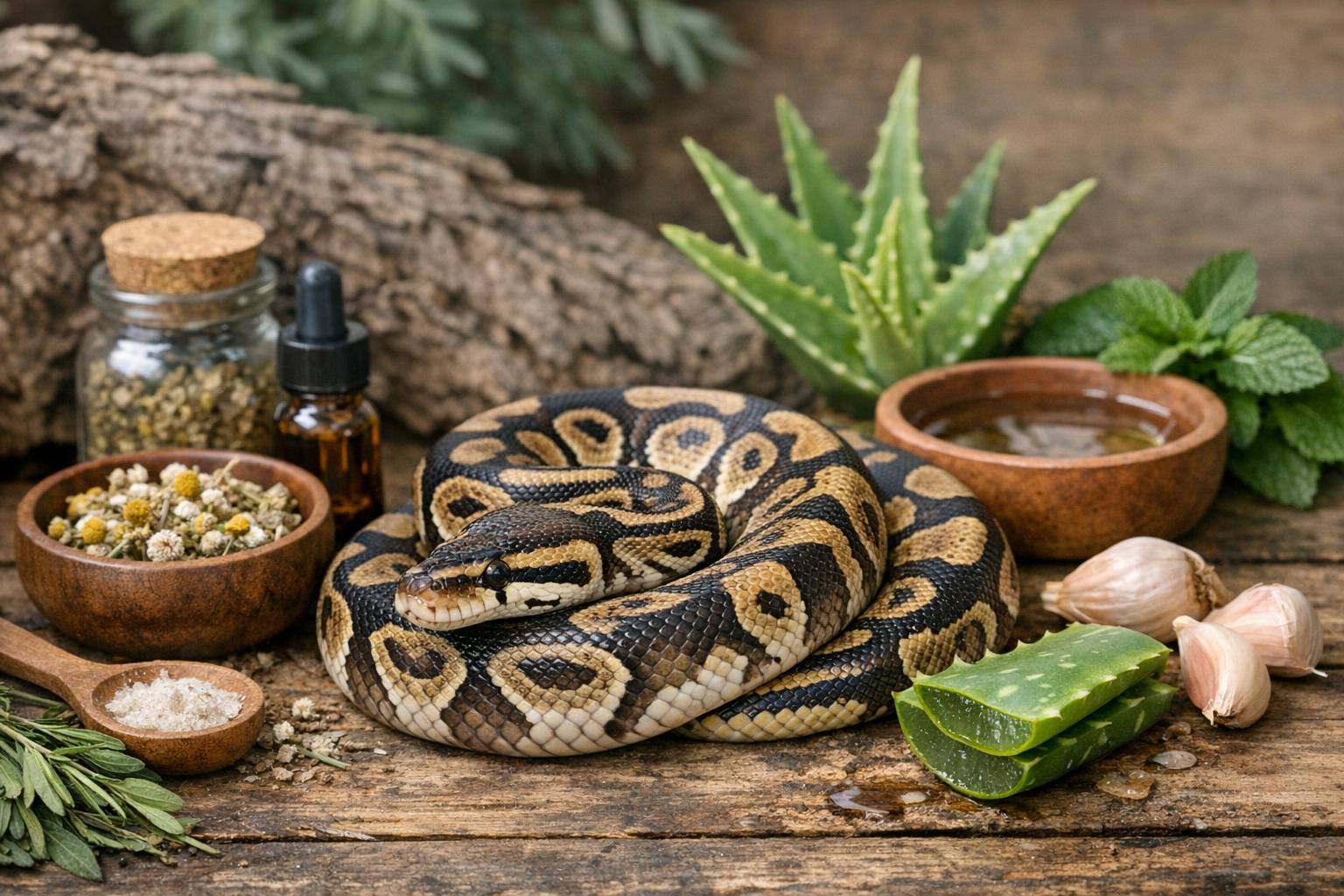
If your snake is healthy, you do less reacting and more enjoying. A good, gentle home routine prevents most problems and lets you use straightforward natural remedies for small issues without panicking. This piece goes through what works, why it works, and when you should stop and call a vet.
## Natural Remedies For Pet Snakes Home Care Practices
## Natural Remedies For Pet Snakes You Can Use Now
### Basic Husbandry Fixes That Count
Most “treatments” begin with the basics. Heat, humidity, cleanliness, and stress control are the simplest, most powerful natural remedies for pet snakes. If an animal is under- or overheated, laying in damp substrate, or constantly stressed by noise and handling, nothing else will work reliably.
– Keep a reliable temperature gradient. Use a thermostat, not a cheap plug-in rheostat. Aim for species-appropriate basking and cool-side temps.
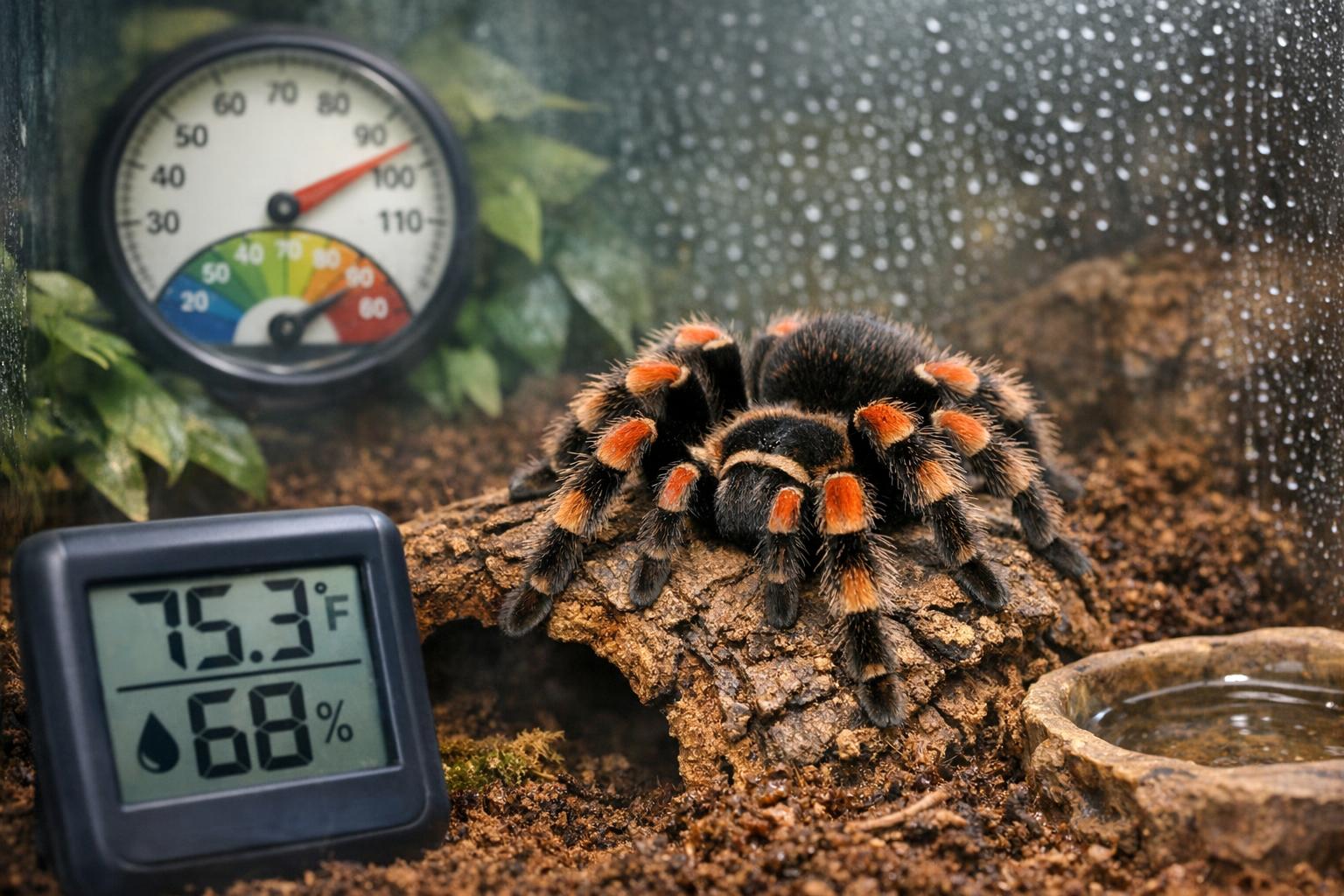
– Manage humidity with a hygrometer and a retreat box with damp sphagnum or paper towels if needed.
– Spot-clean waste daily and fully replace bedding on a schedule that actually prevents mold.
These are not glamorous, but they prevent the majority of skin and respiratory problems that people try to treat with home concoctions.
### Simple Topical Measures For Skin Issues
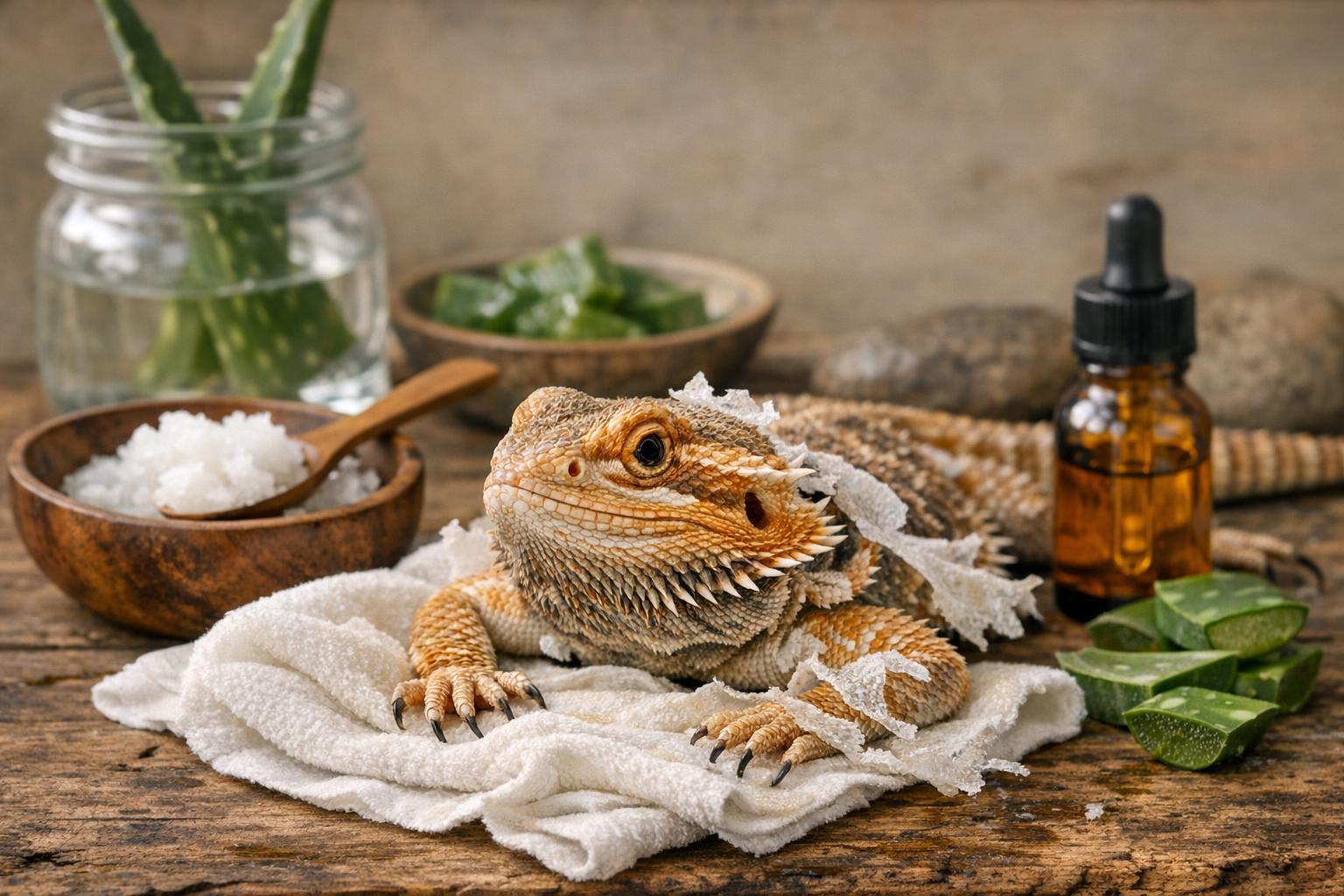
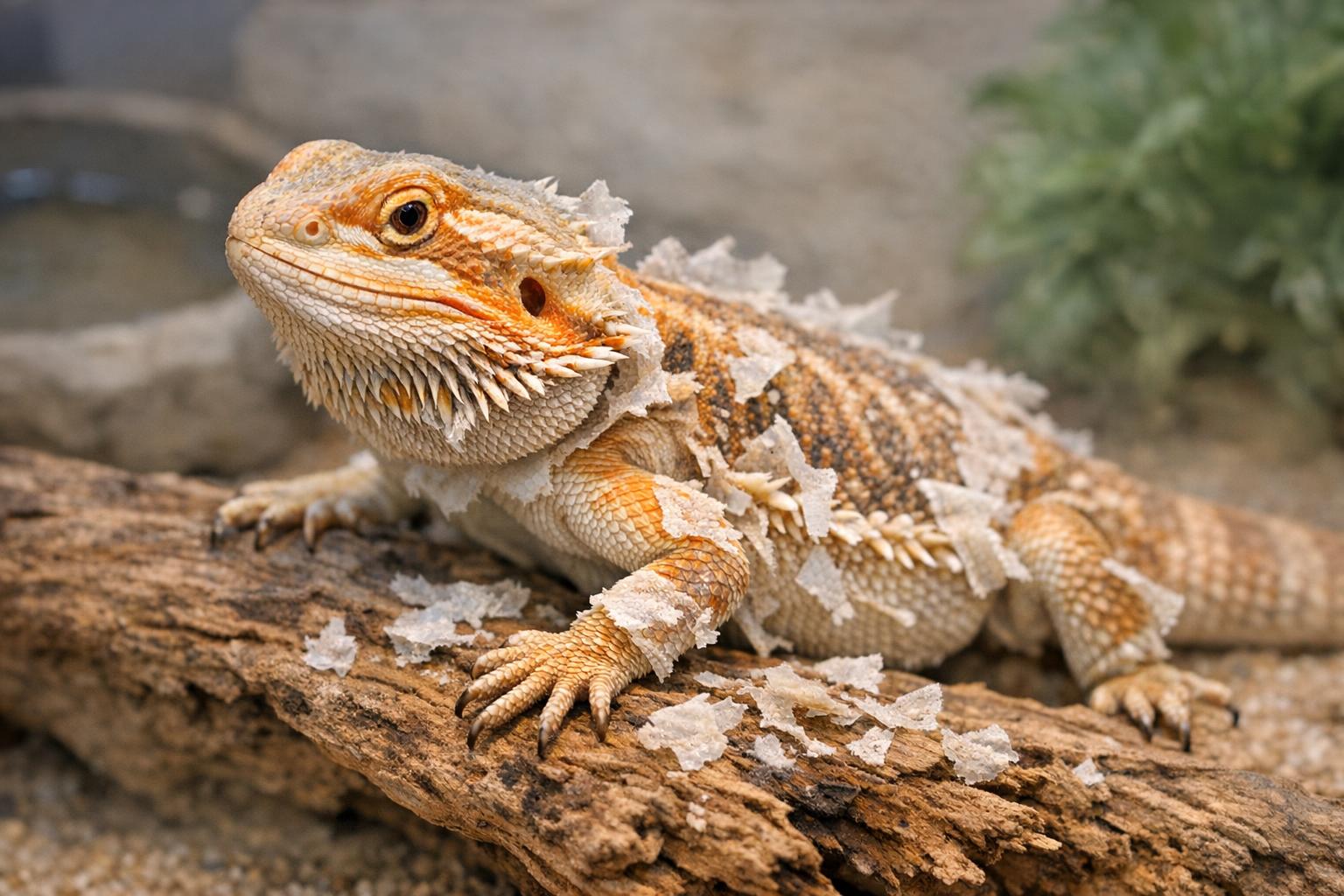
Snakes can get stuck sheds or mild scale abrasions from rough decor. For stuck shed, a controlled soak works well. Use lukewarm, dechlorinated water and keep the snake calm. A shallow tub or a large plastic container with a secure lid (ventilated) prevents escape without stressing the animal.
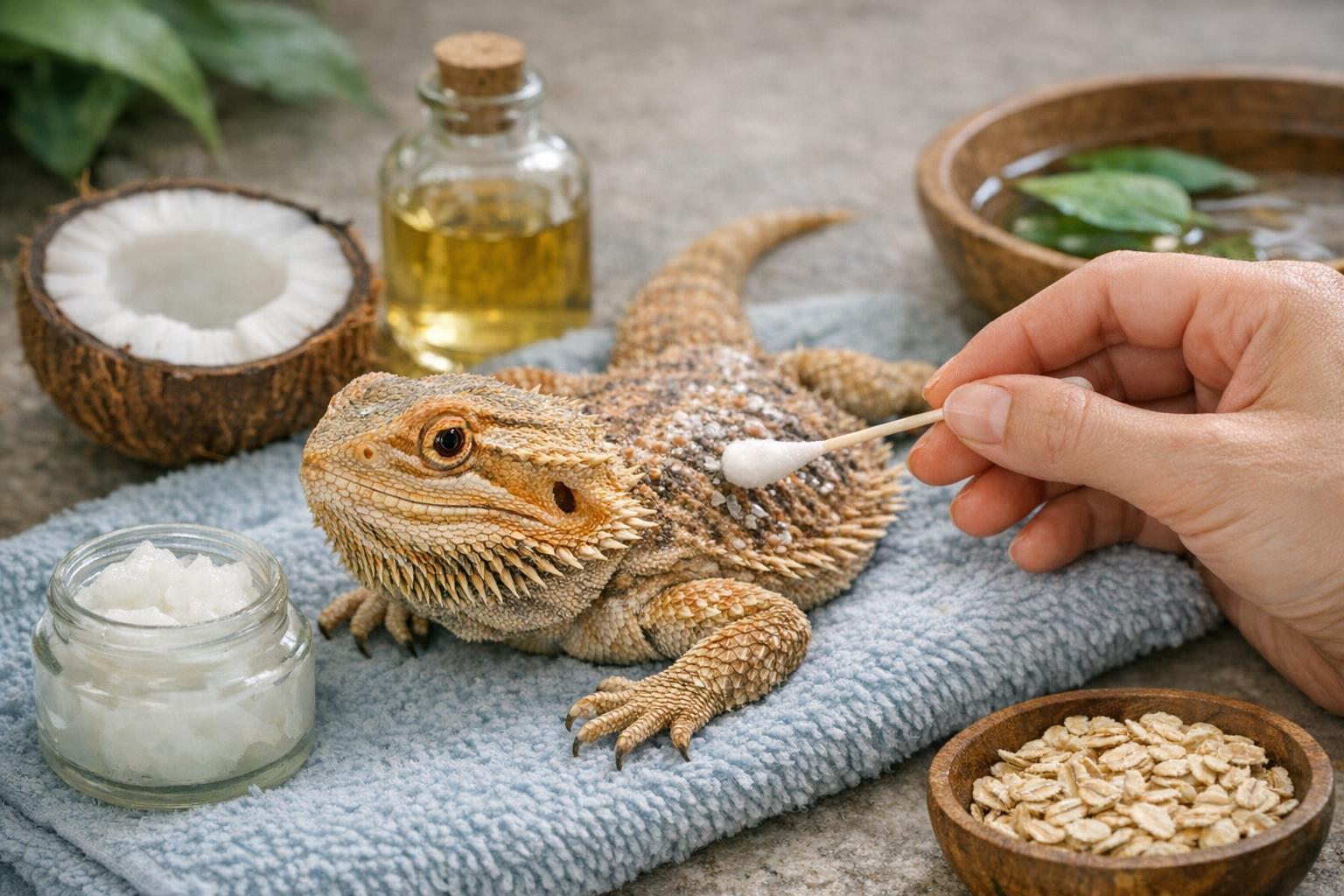
If a small area of retained shed persists, you can use a soft towel or a cotton swab dipped in a bit of vegetable oil to gently rub the flake away after a soak. Vegetable oil is inert, inexpensive, and safe in small, localized applications. Don’t slather the animal; apply sparingly and remove loosened debris afterward.
For minor abrasions, clean gently with saline solution — mix one teaspoon of non-iodized salt in a cup of boiled and cooled water — and apply a thin coat of a reptile-safe topical like a small dab of plain petroleum jelly to keep the area protected while it heals. Watch for swelling, discharge, or increasing redness. Those signs mean a vet visit.
### Easing Respiratory Stress With Humidity Work
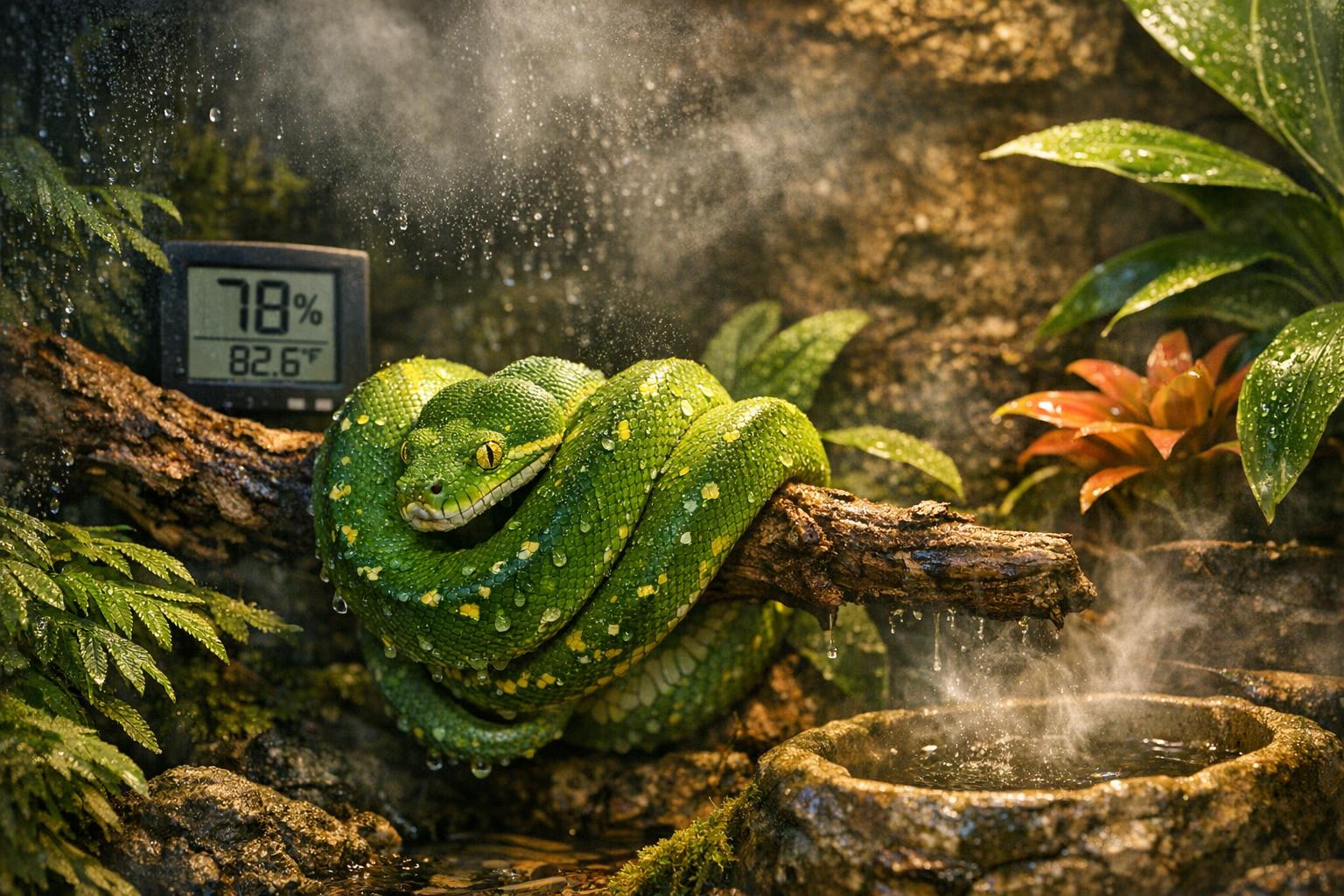
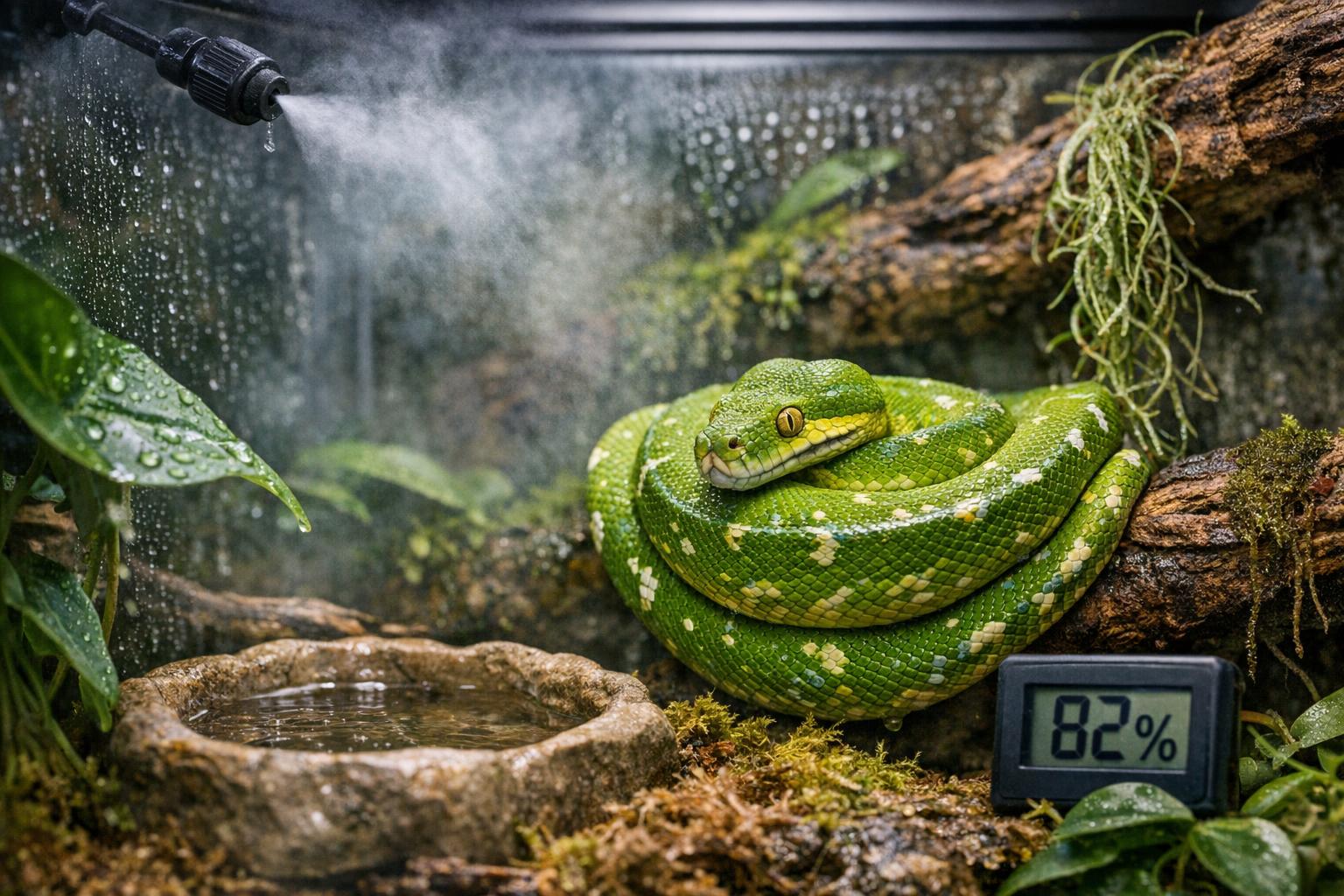
Mild respiratory irritation can respond to humidity adjustments. Increasing humidity slightly for a few days can help a shallow, early-stage respiratory issue. Raise the cool-side humidity into the upper range for your species and provide a moist hide box. Use bottled spring water or dechlorinated tap water for misting.
Avoid overdoing it. High humidity with poor ventilation breeds bacteria and fungus. If you notice bubbling from the nose or mouth, wheezing, or lethargy, take the animal to an experienced reptile vet; that’s beyond home remedies.
### Clean, Natural Disinfectants For The Enclosure
Regular cleaning prevents fungal and bacterial build-up. Use a diluted bleach solution (one part household bleach to 32 parts water), rinse thoroughly, and let items dry completely before returning them. If you prefer something gentler, white vinegar diluted with water works as a deodorizer and light disinfectant for non-porous surfaces. Rinse well.
Avoid essential oils or homemade “natural” sprays that aren’t validated for reptiles. Many plant oils are toxic to snakes. Stick with food-grade vinegar, diluted bleach for sporadic deep cleans, or commercially produced reptile disinfectants.
### Natural Treatments For Parasites
External parasites like mites demand both direct treatment of the animal and strict habitat control. A few natural approaches can reduce mite load but are rarely enough on their own.
– Bathing in lukewarm water and using a fine-toothed reptile mite comb can physically remove many mites.
– Carefully cleaning and heat-treating or replacing all substrate and decor will remove eggs and lingering mites.
– For persistent infestations, acaricides prescribed by a vet are the reliable method. Home remedies may ease an early, light infestation but expect to involve professional products for a full cure.
Internal parasites require fecal float tests and veterinary medication. There are no safe, evidence-based home herbal cures that replace targeted antiparasitics. Trying to guess dosages with herbs can cause more harm than the parasites.
### Feeding And Nutrition Adjustments As Remedies
Sometimes appetite, stool quality, and energy levels reflect husbandry rather than a nutritional deficiency. Before adding supplements, make sure prey items are appropriately sized, properly thawed if frozen, and free of freezer-burn. If you are feeding live prey often and the snake shows stress or injuries, shift to frozen-thawed feeding when practical.
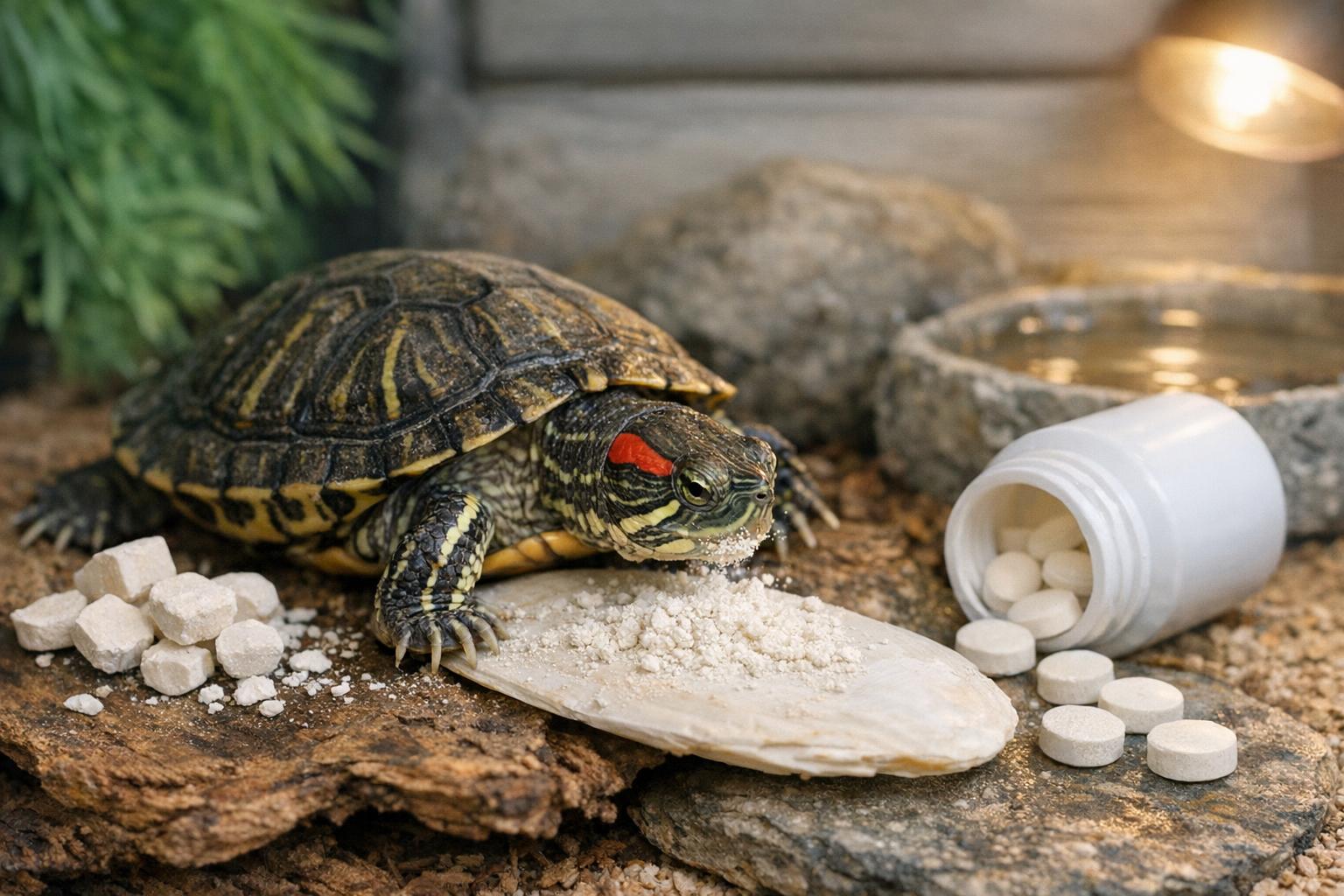
When supplementation is needed, calcium dusting on prey for certain species and life stages is a standard, low-risk intervention. Do not give multivitamin pastes or oral supplements without vet guidance, because overdosing is real.
### Herbal And Home Remedies To Use With Caution
There are herbal products marketed for reptiles. A few modest, cautious options:
– Calendula-infused saline for topical cleansing of minor wounds. Use a diluted, well-rinsed solution.
– Chamomile tea (cooled, unsweetened) can be used as a soak base for shedding problems, but only in low concentrations and with full rinsing afterward.
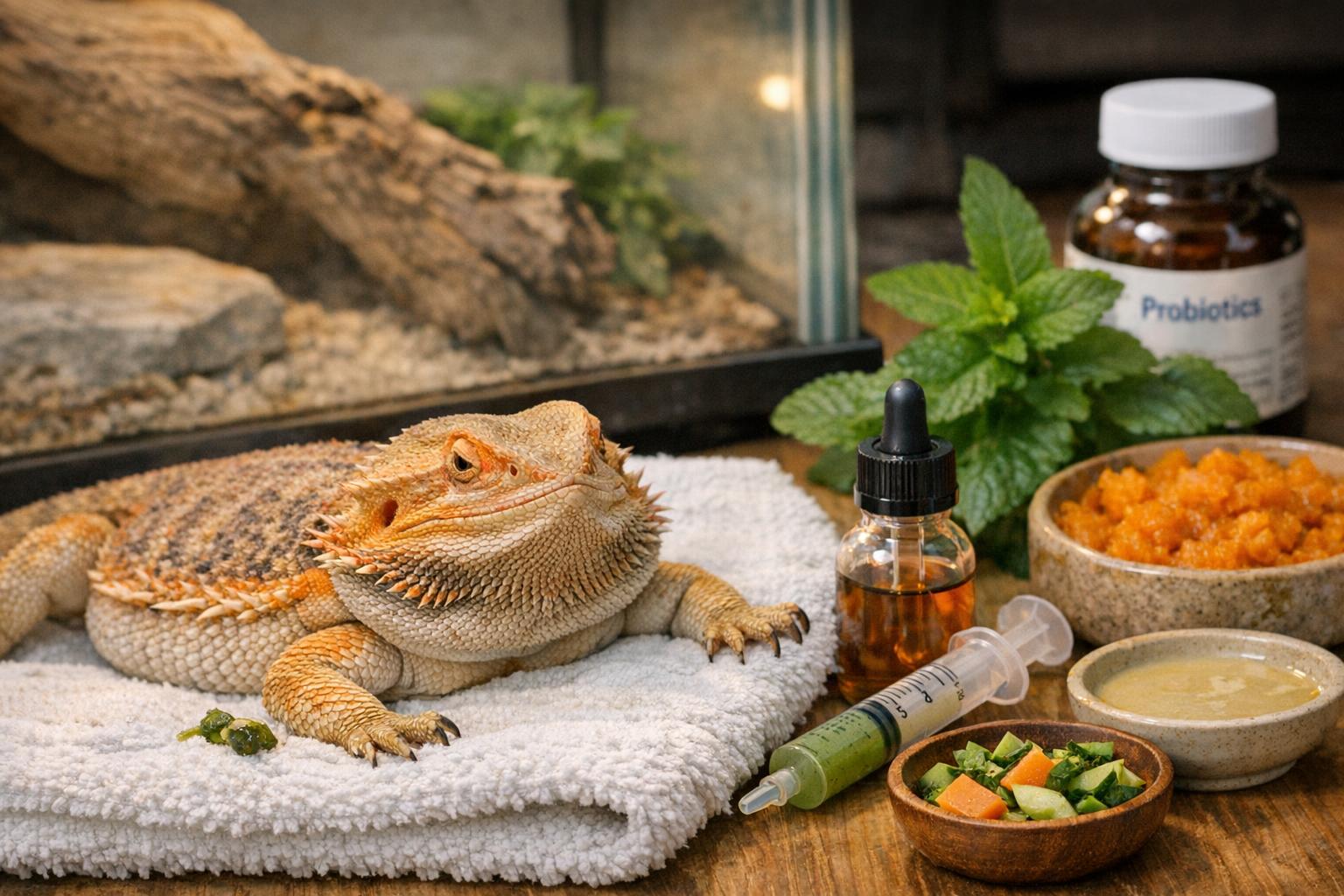
– Probiotics designed for reptiles may help gut flora after antibiotics, but choose products from reputable sources and follow dosage directions.
Never use alcohol, hydrogen peroxide, tea tree oil, or human medicinal creams. Those are harsh on reptile skin and can cause chemical burns. Natural does not always mean safe.
### Monitoring And When Natural Remedies Aren’t Enough
Give any natural remedy a fixed, short trial and document changes. If a soak or humidity increase doesn’t improve shedding or mild respiratory signs within 48–72 hours, seek veterinary care. If the snake becomes anorexic for more than two feed cycles, loses weight, or has persistent discharge or bloody stool, it needs professional attention.
### Stress Reduction Techniques That Double As Remedies
Stress weakens immune response. Reducing stress is a preventive remedy that helps most treatments work better. Provide proper hide options, low-light periods, and minimal handling during illness. If your snake shares its enclosure or rack with other animals, separate them during treatment and cleaning to prevent re-infestation.
### Case Examples From The Rack
A ball python with a single stuck eye scale responded well to three days of controlled soaks and a tiny application of vegetable oil, then cleaned daily with sterile saline until the eye scale sloughed free. No antibiotics were used and the snake healed uneventfully.
A corn snake with mild wheezing improved after raising nighttime humidity slightly and moving its enclosure away from a drafty window. Once ventilation and substrate were adjusted, the sneeze-like sounds faded. The owner monitored for two weeks and kept the snake hydrated. No herbal medicines were used.
These examples show how focused, simple changes often trump elaborate home remedies.
#### Safe Handling During Treatment
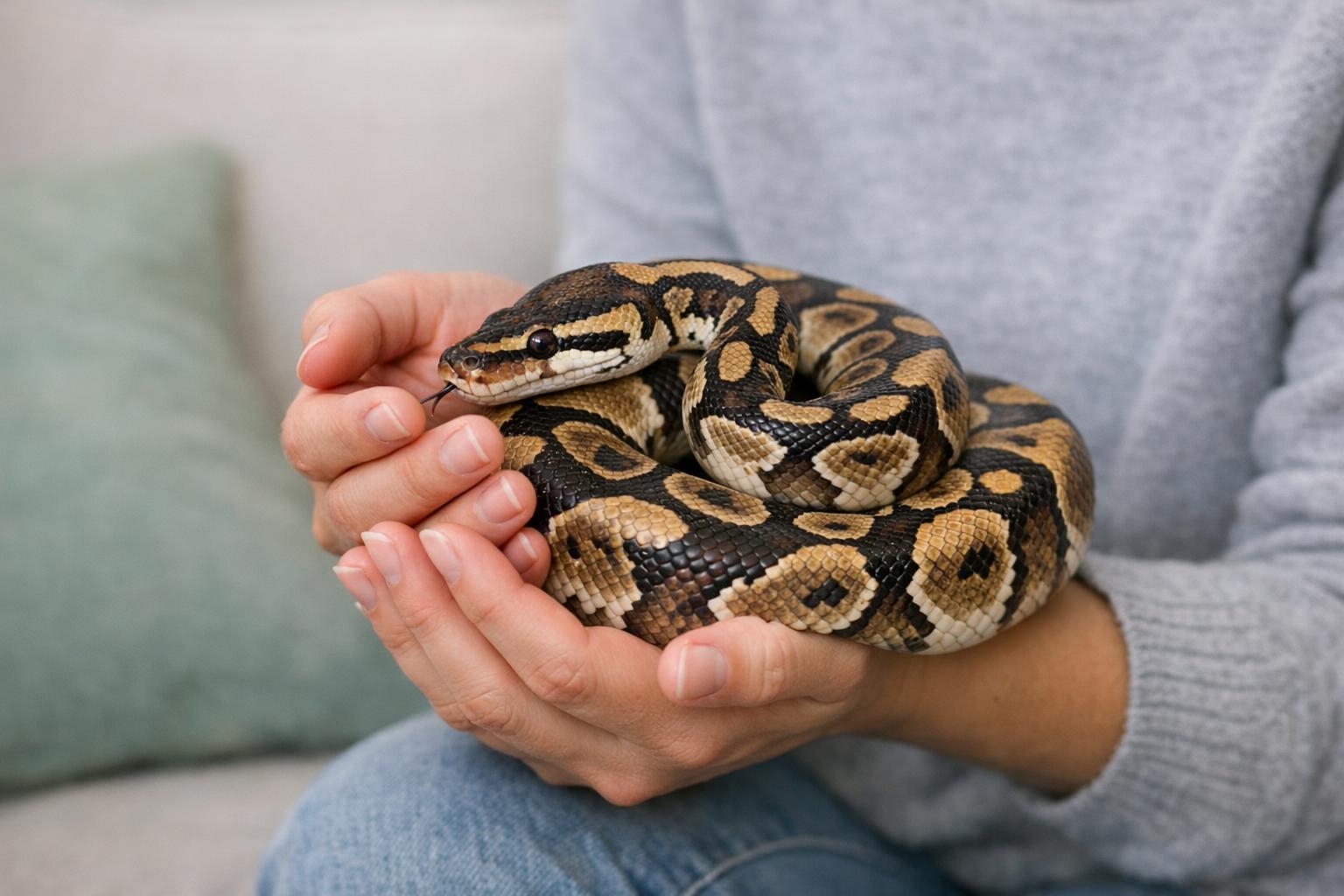
When you handle a snake for cleaning, soaking, or topical treatment, be efficient and calm. Use a soft towel under the body when moving it. If the animal is defensive, work with a second person if needed. Minimize session length, and always wash hands and tools afterward.
#### Record Keeping And Pattern Recognition
Keep a simple journal. Note temperatures, humidity, feeding dates, shed cycles, and any treatments you apply. Over time you’ll spot patterns — like recurring mild respiratory signs in late winter or seasonal mite flare-ups — and those patterns guide better, preventative care. This is the most underrated natural remedy: information.
### When To Call A Reptile Vet
If symptoms escalate or don’t respond quickly, call a reptile vet. Signs that demand professional care include:
– Nasal or oral discharge, repeated open-mouth breathing, or a wheeze.
– Sudden weight loss, continual anorexia, or paralysis.
– Severe wounds that won’t stop bleeding or show dark necrotic areas.
– Mite infestations that persist after thorough habitat treatment.
A vet can prescribe targeted antiparasitics, antibiotics, or anti-inflammatories that are safe for reptiles. Trying to approximate these drugs at home is risky.
### Practical Supplies To Keep On Hand
Having a small kit avoids last-minute frantic searches. Keep:
– A reliable thermometer and hygrometer.
– A shallow soaking container.
– Non-iodized salt for saline.
– Plain vegetable oil and petroleum jelly.
– Clean towels and a fine-tooth comb for mites.
Buy products made for reptiles when possible; human products sometimes contain additives harmful to snakes. One misspelt label in a supply box once led me to buy “salkine” instead of saline — an annoyingly memorable error — so double-check labels.
### Final Thought On Using Natural Remedies For Pet Snakes
Natural remedies for pet snakes are practical, often effective first steps that center on habitat, hygiene, and simple, well-known topical measures. They help a lot when used responsibly and with limits. Keep a close eye, document changes, and involve a reptile vet when the problem is persistent or severe. Natural care is about steady habits and sensible interventions, not heroic experiments.















Leave a Reply