



## Practical Scale Health Tips For Aquarium Fish
Scales are the first thing people notice on a fish, and they deserve more than a passing glance. Healthy scales protect against parasites, prevent infections, and help fish regulate salt and water balance. If you ignore early scale problems, small issues become expensive and heartbreaking fast. These scale health tips for aquarium fish focus on the practical stuff: what to look for, what to change in the tank, and how to treat problems without making things worse.
## Understand What Healthy Scales Look Like
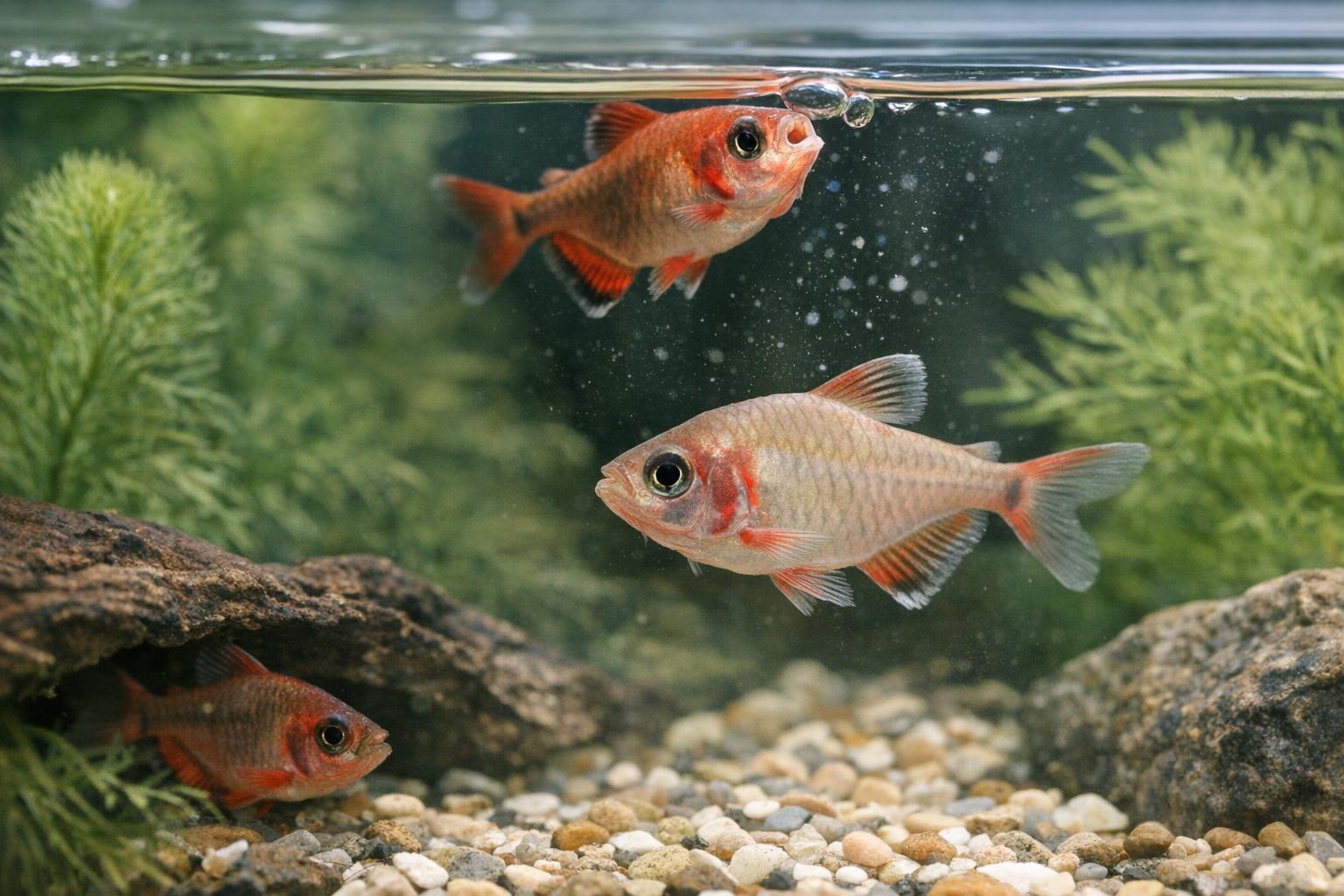
A healthy scale lay-flat, overlap neatly, and have a consistent color across the body. Look closely: scales should be smooth, not raised, and they shouldn’t have ragged edges or white fuzz. When scales lift or look patchy, it’s often a sign of infection, a parasite, or physical trauma.
### Color, Texture, And Luster
Bright, even color is a good starting point, but texture matters more. Scales that look dull but are otherwise flat may simply mean the fish is stressed or underfed. Raised scales that create a pinecone effect are a red flag. Don’t rely on your memory of how a species “usually” looks—fish change with age and lighting—so document their normal state with a phone photo. That way you can compare if something looks off.
### Behavior Clues To Scale Problems
Watch how a fish behaves. Scratching against decor, hiding more than usual, or labored breathing often accompany scale issues. These behaviors can indicate external parasites or irritated skin. Fish that stop eating and develop pale patches on the flank are frequently battling a systemic issue that shows up first on the scales.
## Water Quality And Its Direct Role In Scale Health
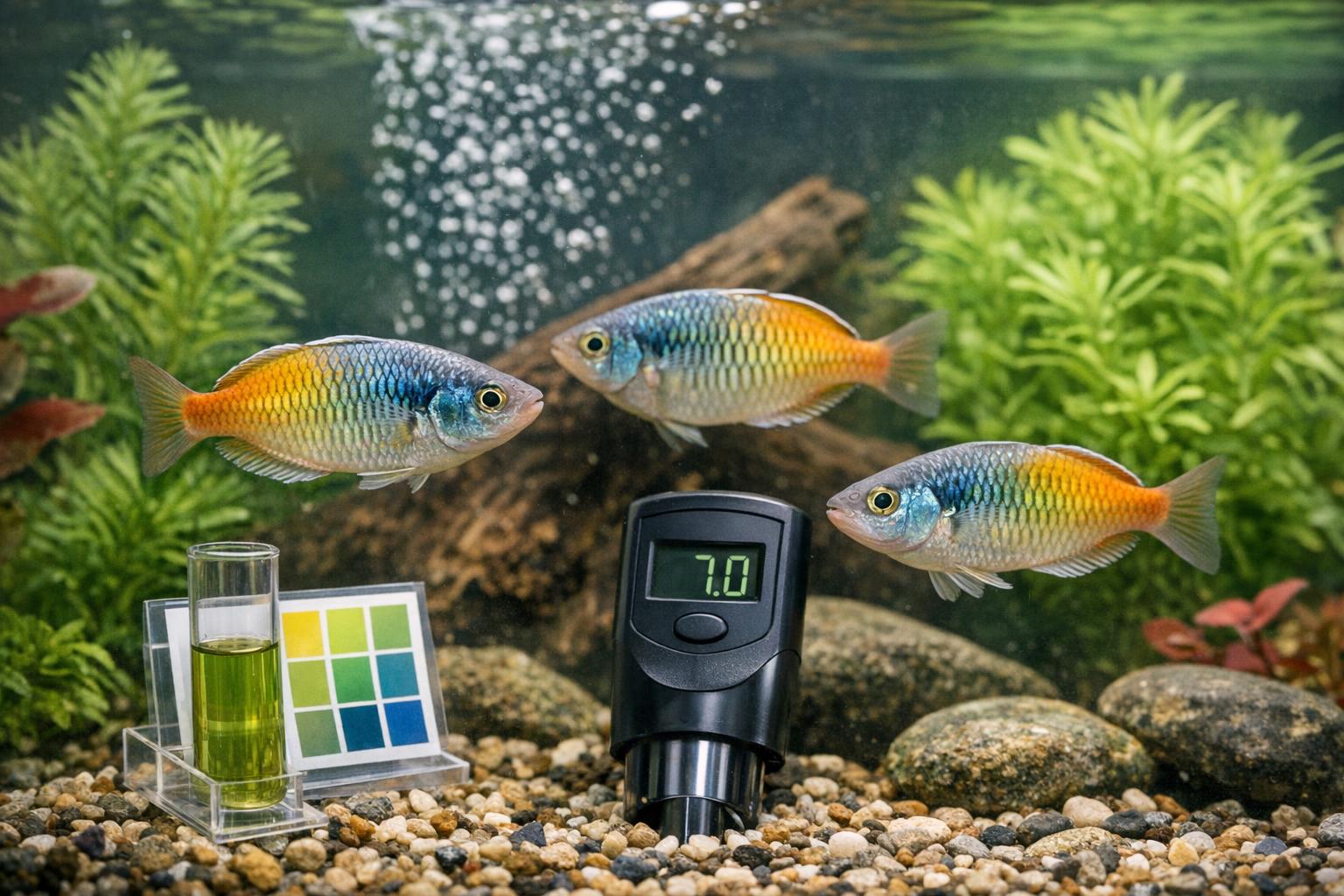
Poor water quality is the most common reason scales deteriorate. High ammonia or nitrite levels, sudden pH shifts, and low dissolved oxygen directly damage mucus and scale integrity. Keep this simple: consistent, clean water equals fewer scale problems.
### Parameters To Watch
– Ammonia: 0 ppm
– Nitrite: 0 ppm
– Nitrate: ideally under 40 ppm for most species
– pH: stable within the species’ preferred range
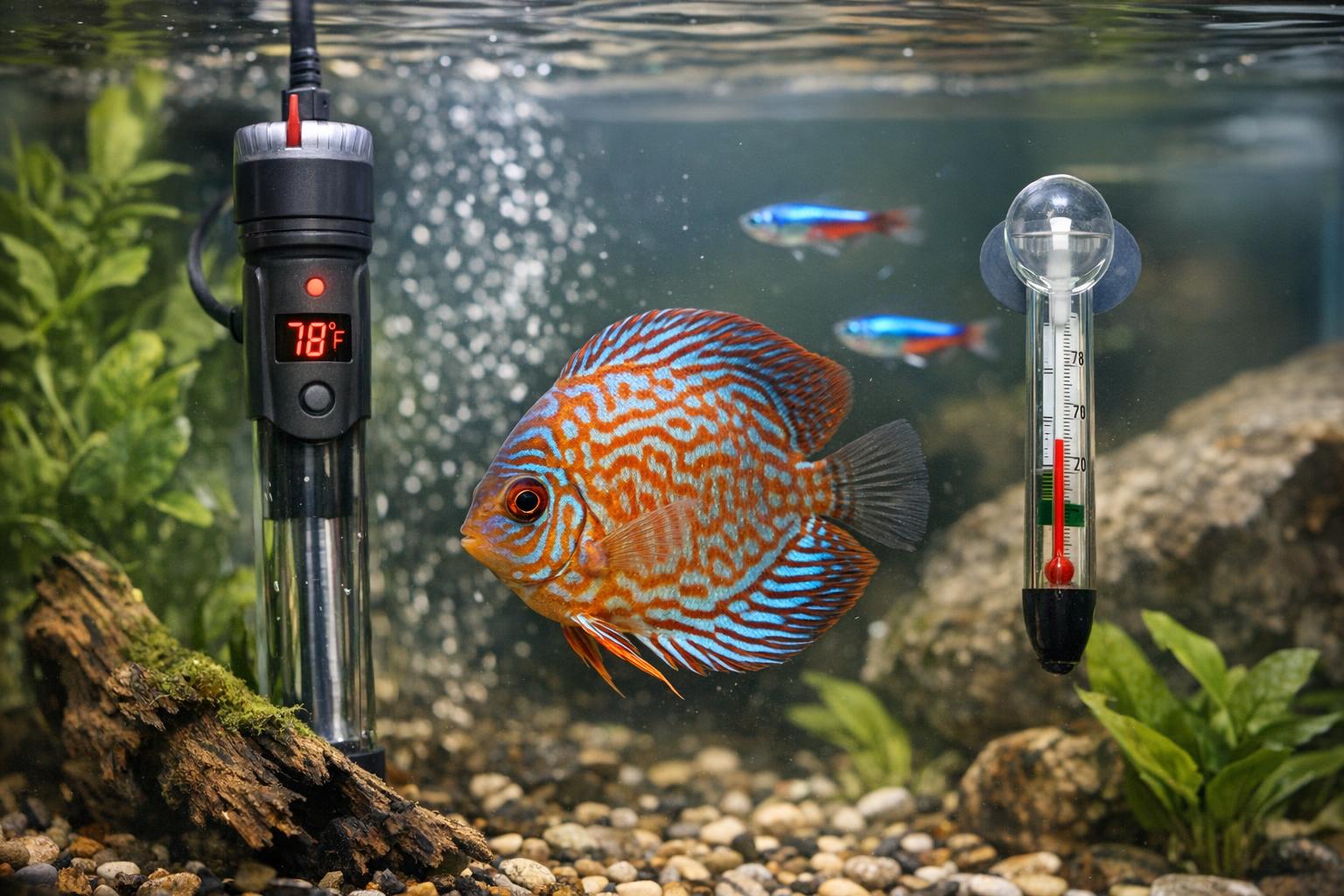
– Temperature: stable, appropriate for the species
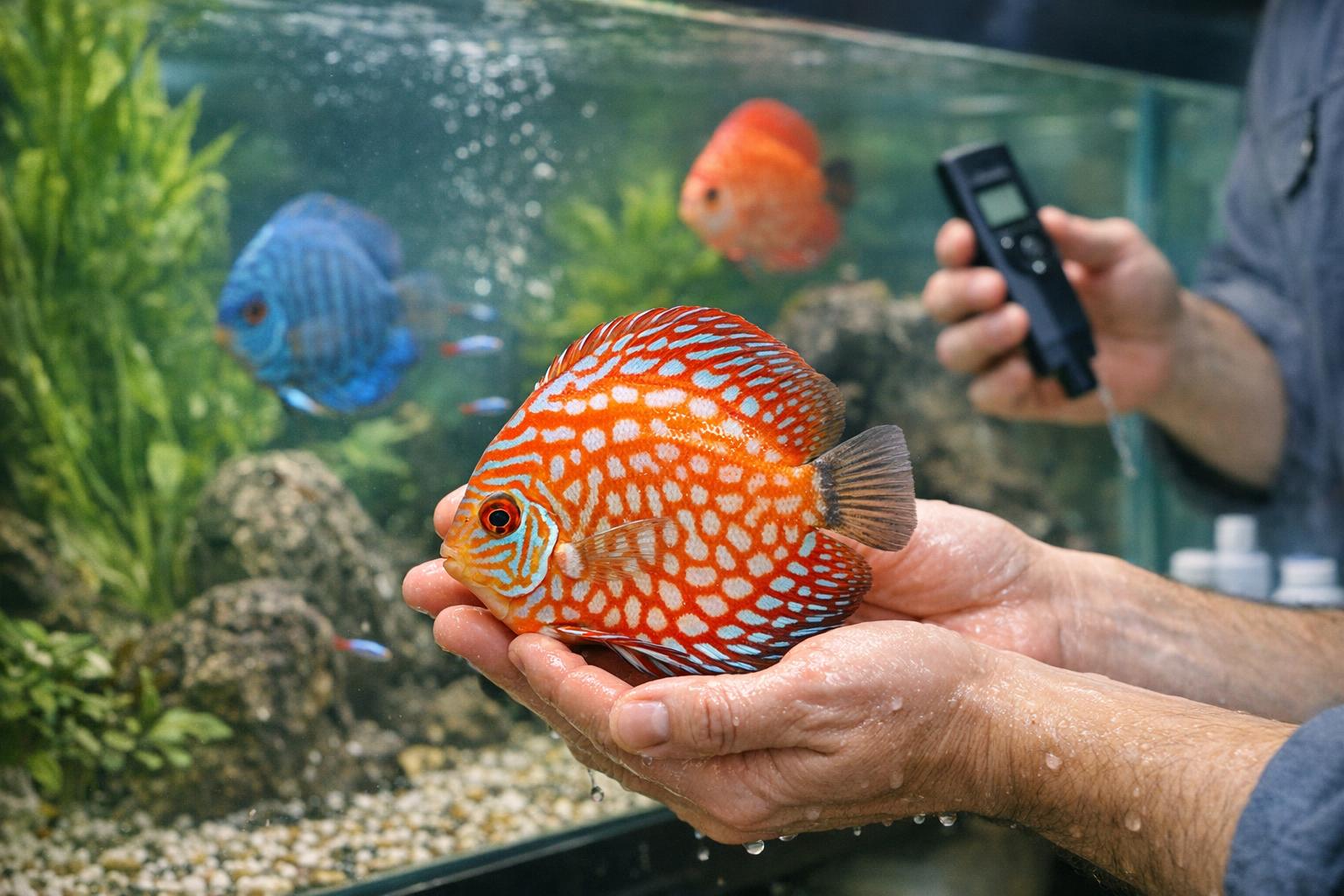
Testing regularly is non-negotiable. A quick check once a week is better than a panic test after fish look sick.
### Filtration, Flow, And Maintenance
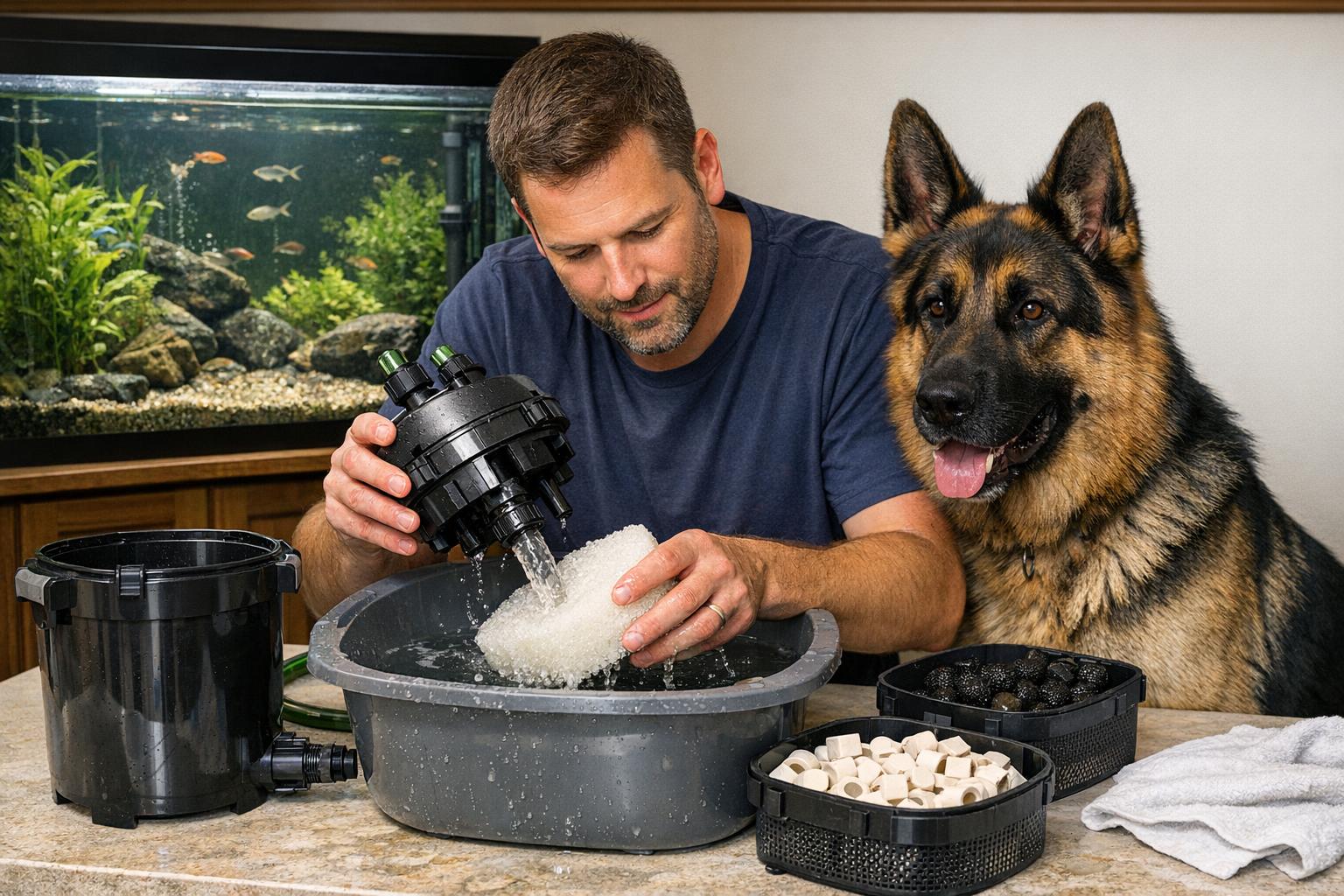
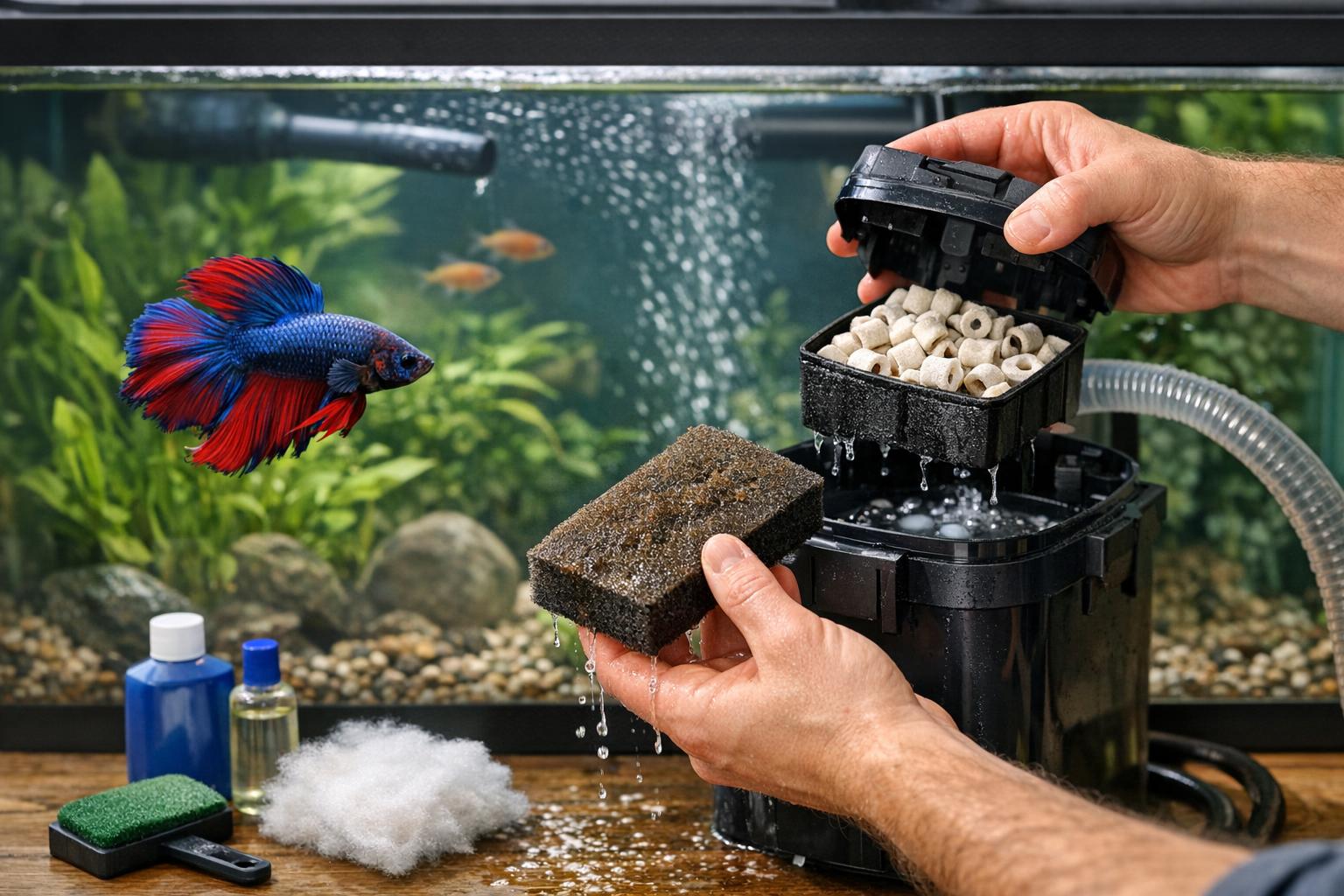
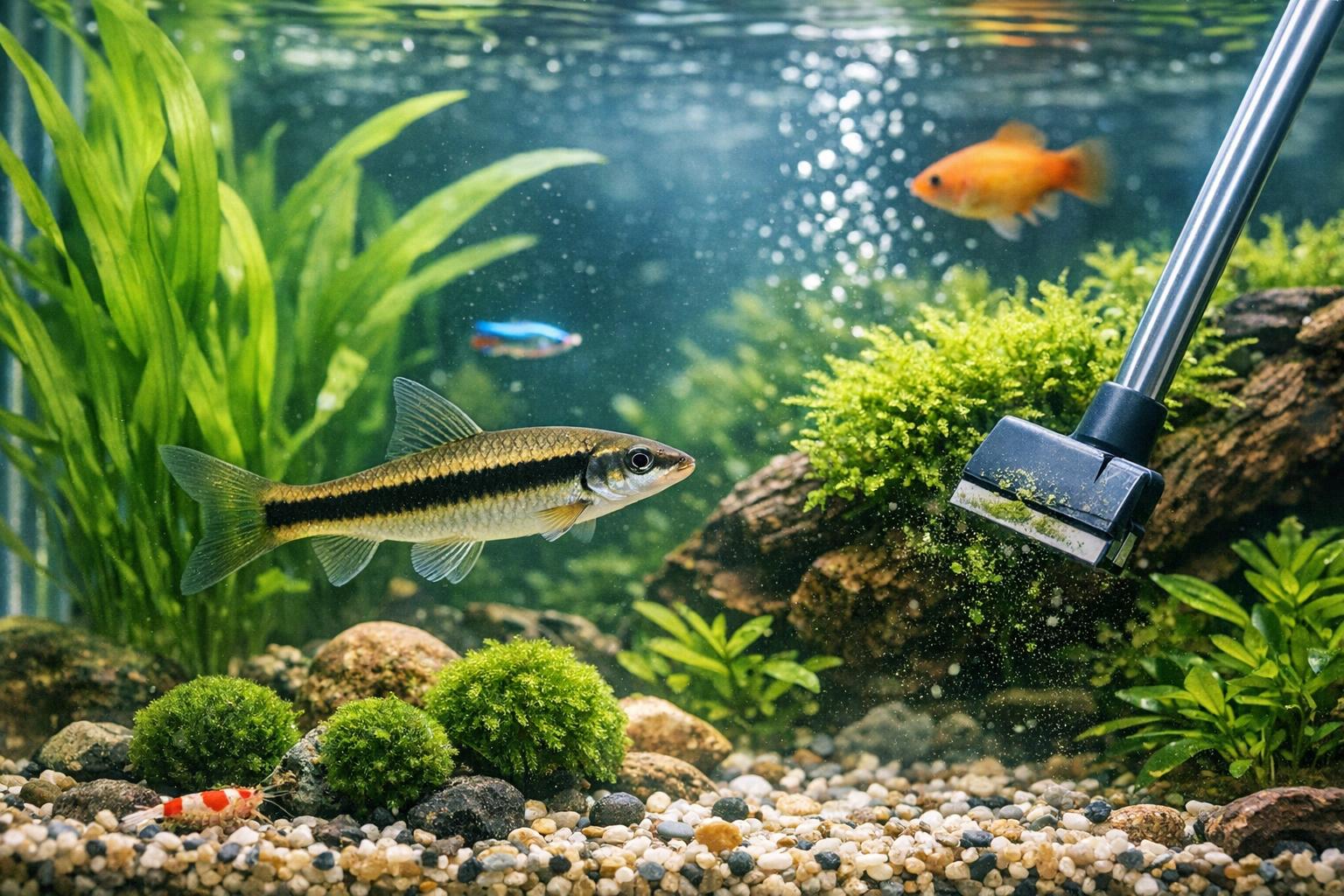
Filtration does half the work. Mechanical filtration removes debris that can abrade scales. Biological filtration keeps ammonia and nitrites in check. Don’t overclean media all at once; you risk losing beneficial bacteria. Flow matters too. Too much current can stress fish and rub scales in rough decor. Too little flow traps detritus, which degrades water and skin health. Fine-tune the flow and use gentle decor where fish like to hide.
## Nutrition For Strong Scales
Your fish’s diet has a direct impact on scale resilience. Underfeeding or offering an imbalanced diet weakens skin and makes infection more likely. Think of nutrition as preventive medicine.
### Key Nutrients For Scale Integrity
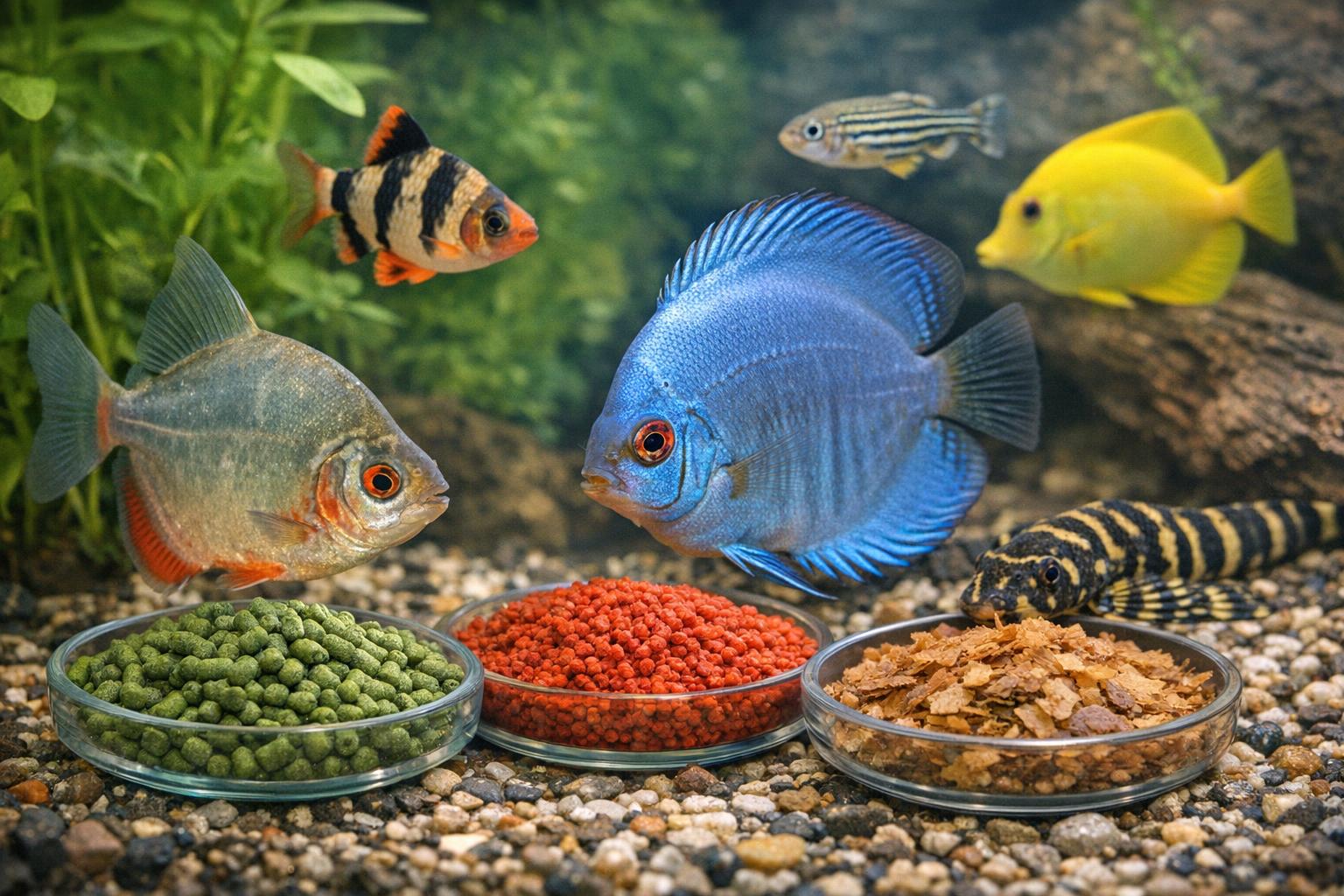
Protein supports tissue repair. Omega fatty acids keep mucous layers supple. Vitamins A and C are crucial for skin health and immune response. Many hobby diets cover basics, but for color and scale resilience, add variety: frozen foods, select pellets, and occasional live foods for species that will eat them.
### Feeding Practices That Reduce Scale Issues
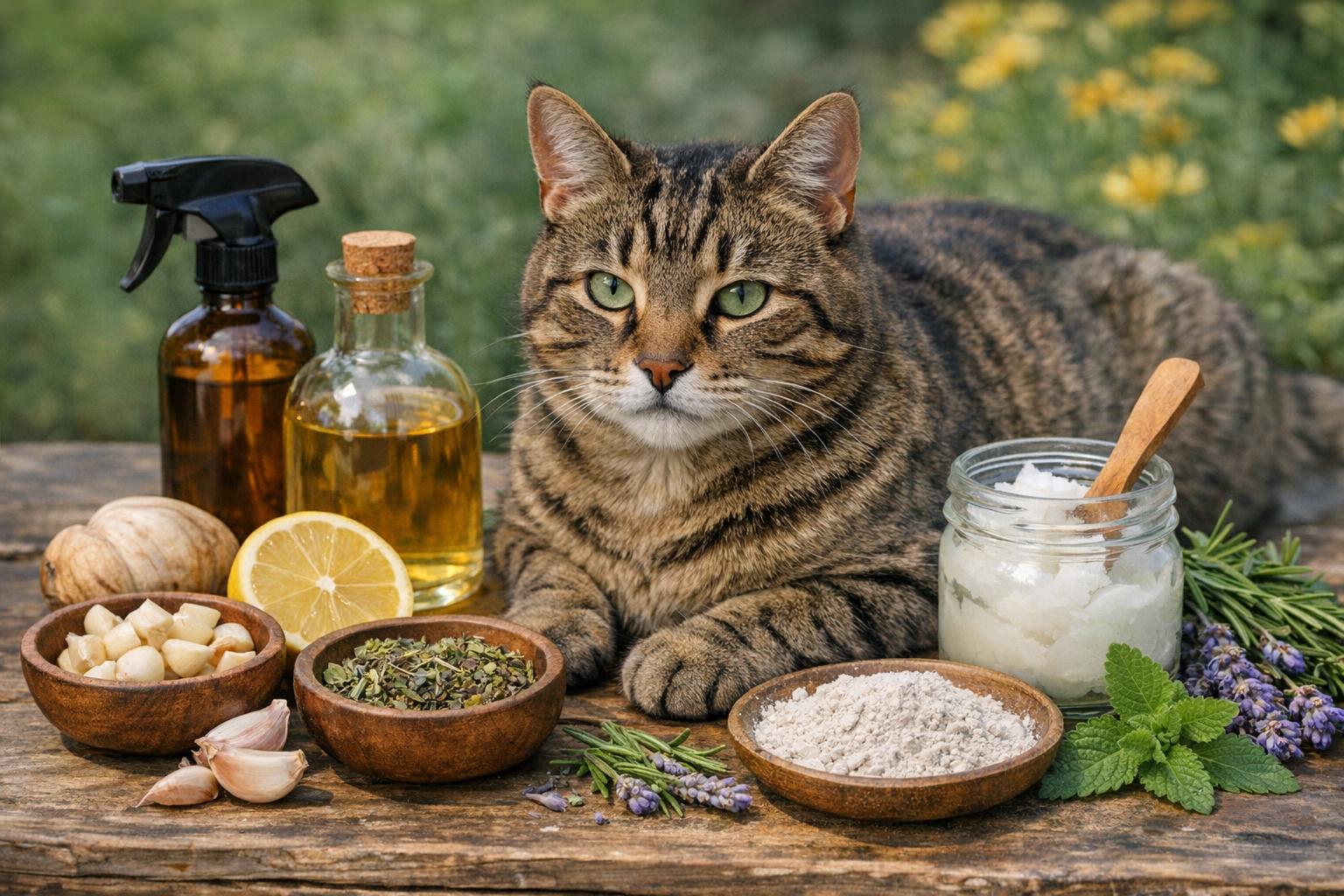
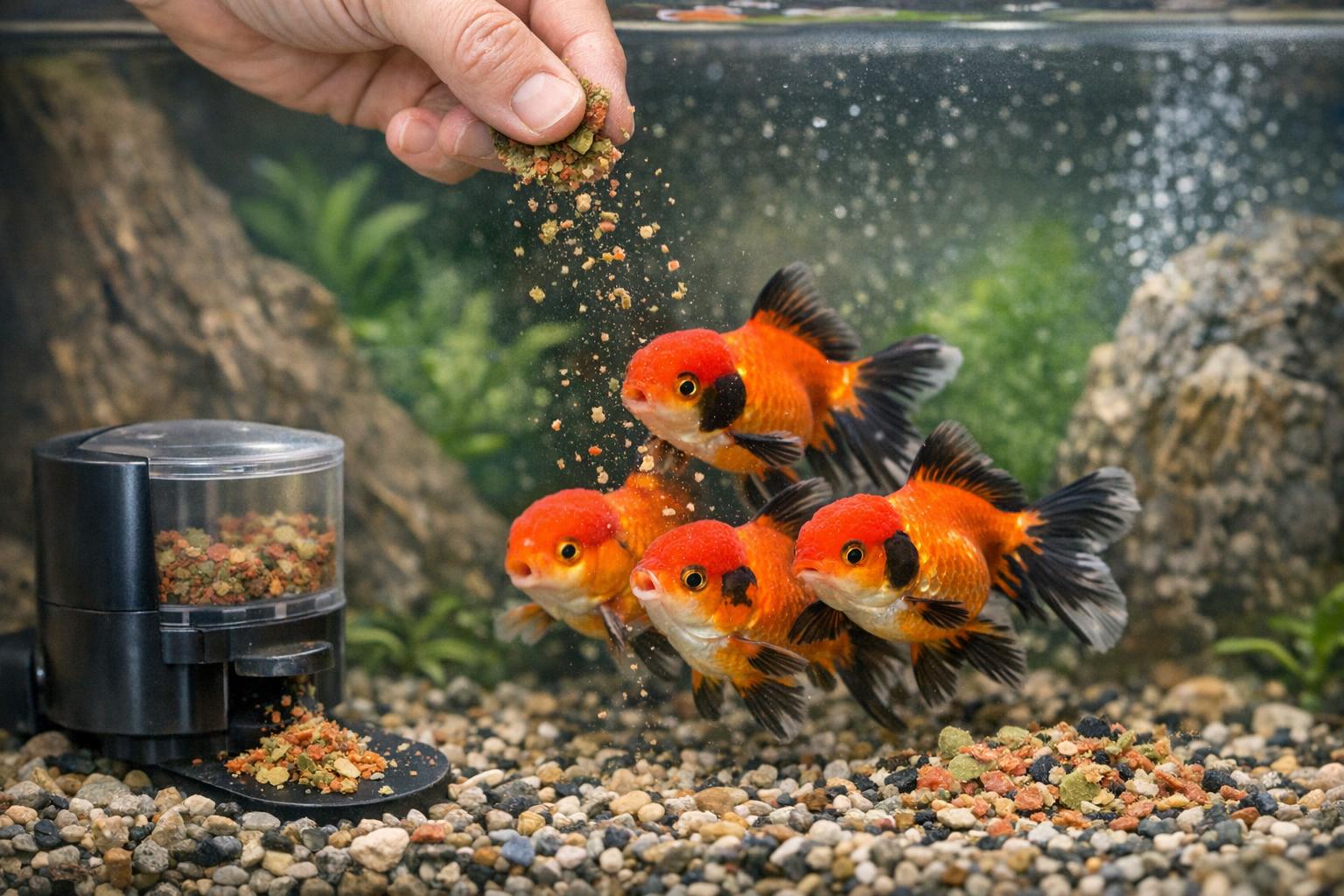
Feed smaller amounts more often rather than one big meal. Overfeeding pollutes water and stresses fish. Rotate foods weekly to provide a broader micronutrient profile. If you keep herbivores, supplement with blanched vegetables. If fish are picky, try soaking dry food in garlic water briefly—this can increase appetite without harmful additives.
## Handling, Tankmates, And Injury Prevention
Scales get damaged physically. The two biggest sources are rough handling and aggressive tankmates.
### Avoiding Physical Damage
Don’t net fish unless necessary. Nets remove slime and can lift scales. Use a small container for transfers when possible. Decor should have smooth edges; acute rocks or sharp plastic plants tear scales. If you notice a fish consistently bumping into things, check for vision problems or stress-related behavior.
### Choosing Compatible Tankmates
Some species nip fins and scales as normal behavior. Avoid keeping known nippers with long-finned or delicate species. Even bottom-dwellers that root through substrate can injure slow-moving fish. Monitor interactions after adding a new tankmate. If aggression starts, remove the aggressor quickly—damage accumulates fast.
## Treating Common Scale Conditions
Not every scale problem needs medication. Sometimes a water change and cleaner environment are enough. Other times you’ll need targeted treatment.
### External Parasites And Their Signs
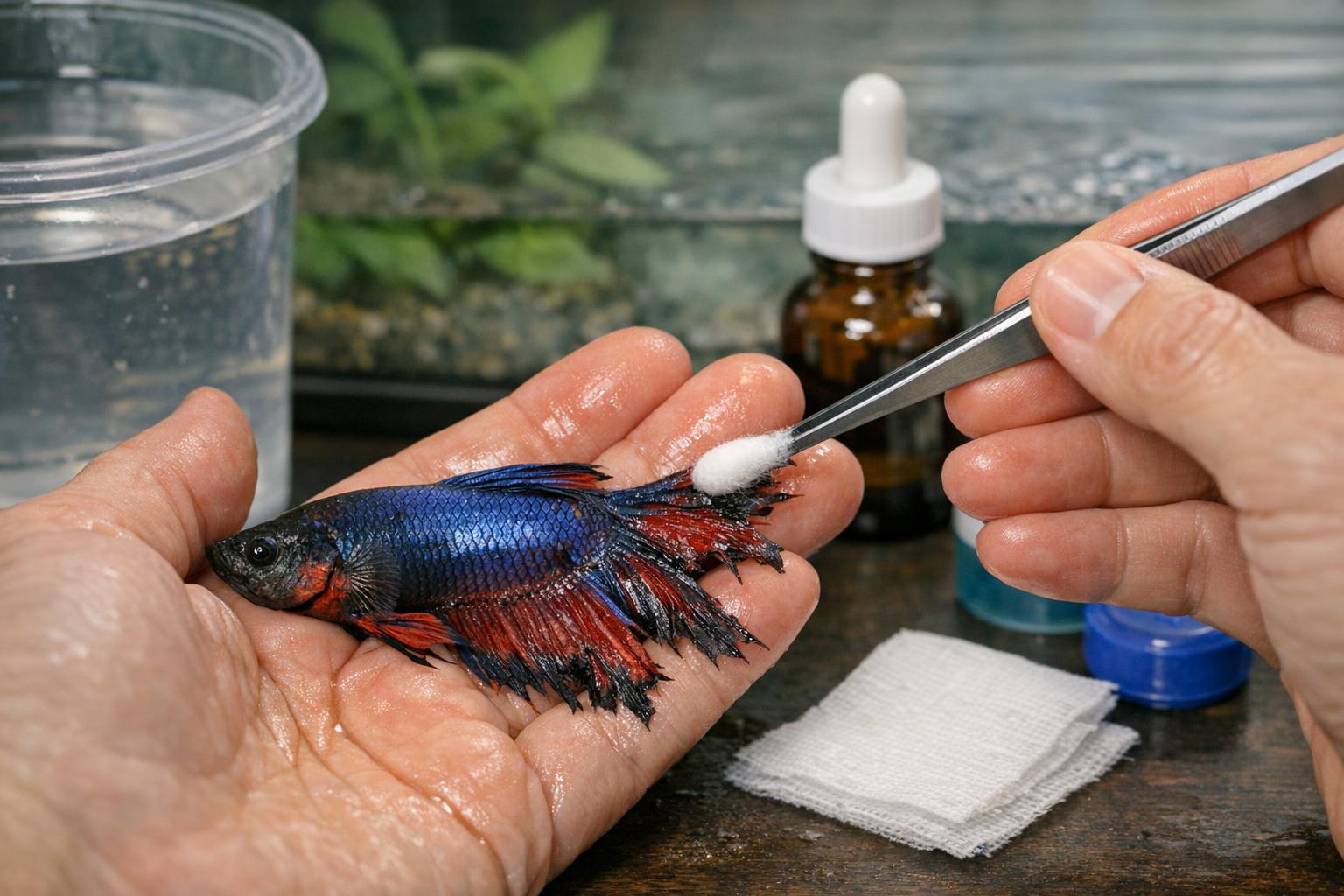
Parasites often show up as cling-ons, flashing, or localized scale loss. Some cling tightly and look like tiny specks; others cause the fish to scrap across surfaces. Treat these with antiparasitic medications recommended for the parasite type. Quarantine is key: move the affected fish to a hospital tank when possible to prevent spreading and monitor treatment response.
### Bacterial And Fungal Infections
Bacterial infections can appear as red sores under missing scales. Fungal growth looks cottony. Both thrive in tanks with poor water quality or after physical injury. Correct the water parameters and perform a targeted medication course only after identifying the likely cause. Broad-spectrum treatments can harm beneficial bacteria and destabilize the tank if overused.
#### Medications And How To Use Them
Don’t double-treat without a plan. Read labels carefully. Many medications advise removing activated carbon from filters because carbon adsorbs medication and reduces effectiveness. Use the right dose for tank volume and salinity. Keep records so you know what worked if the problem recurs. If you aren’t sure what you’re dealing with, ask a vet or an experienced aquarist before medicating.
## Preventive Routines For Long-Term Scale Health
Prevention beats cure. A few small habits reduce the majority of scale problems hobbyists face.
### Routine Checks And Record Keeping
Look at each fish once a week. A quick swim-by inspection takes five minutes but lets you spot scale changes early. Keep a simple log: water readings, new additions, and any behavior changes. Over time that log helps you spot patterns before things escalate.
### Quarantine New Fish And Plants
Quarantine new arrivals for at least two weeks. Parasites and subtle infections hide until stress lowers a fish’s defenses. Plants can carry snails or eggs and should be treated or quarantined as well. This step alone prevents a lot of scale-related headaches.
### Maintain Stable Conditions
Consistency matters more than chasing perfect numbers. Small daily or weekly fluctuations are normal; big swings are dangerous. If you must change parameters, do it slowly. Fish can tolerate slow adjustments but not sudden shifts. A steady environment supports good scale health.
## When To Call A Professional
There are times when home treatment isn’t enough. If multiple fish get sick quickly, if lesions spread despite proper water, or if you see strange neurological signs, consult an aquatic vet. An expert can run diagnostics and prescribe medications that hobby-grade stores don’t carry.
### Shipping Samples And Working With A Vet
A clear photo and water test results are the most helpful things you can bring to a vet. If you need to ship a specimen, follow the vet’s instructions carefully for euthanasia and packaging. Don’t guess at dosages or combine medications without guidance; that’s how you turn a fixable problem into a disaster.
## Aquarium Scale Care As Part Of Good Husbandry
Aquarium scale care isn’t a one-off task; it’s part of broader husbandry. Clean water, balanced diets, sensible stocking levels, and careful handling form a system. When one element fails, scales show it first.
### Signs You’re Doing Enough
Fish are active, eat well, show consistent coloring, and have intact slime and scale coverage. They interact with tankmates without constant hiding. If you hit that baseline, accentuate what’s working—keep records, maintain equipment, and don’t add incompatible species on a whim.
## Quick Troubleshooting Guide
If you spot a scale problem, try this order:
1. Test water immediately.
2. Improve water if needed: 25-50% water change, clean filter sponges if clogged.
3. Isolate the affected fish if symptoms are severe or contagious.
4. Identify signs: parasites, fungus, bacteria, or injury.
5. Treat specifically—avoid unnecessary medications.
Pick one small change at a time and watch for improvement over 48–72 hours. Jumping between treatments confuses the issue and can harm the tank’s biological stability. If nothing improves, it’s time to get outside help. And remember: ocassionally the fix is simply better water and patience.


















Leave a Reply