
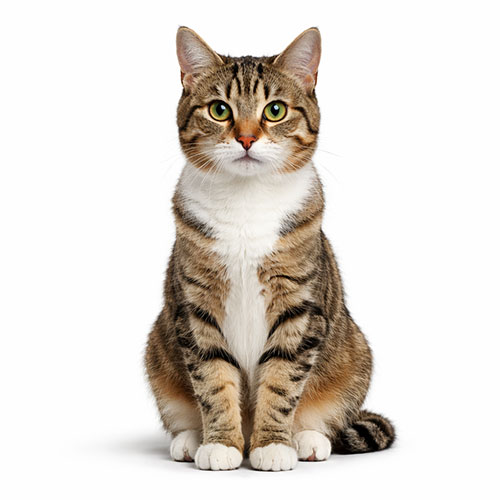





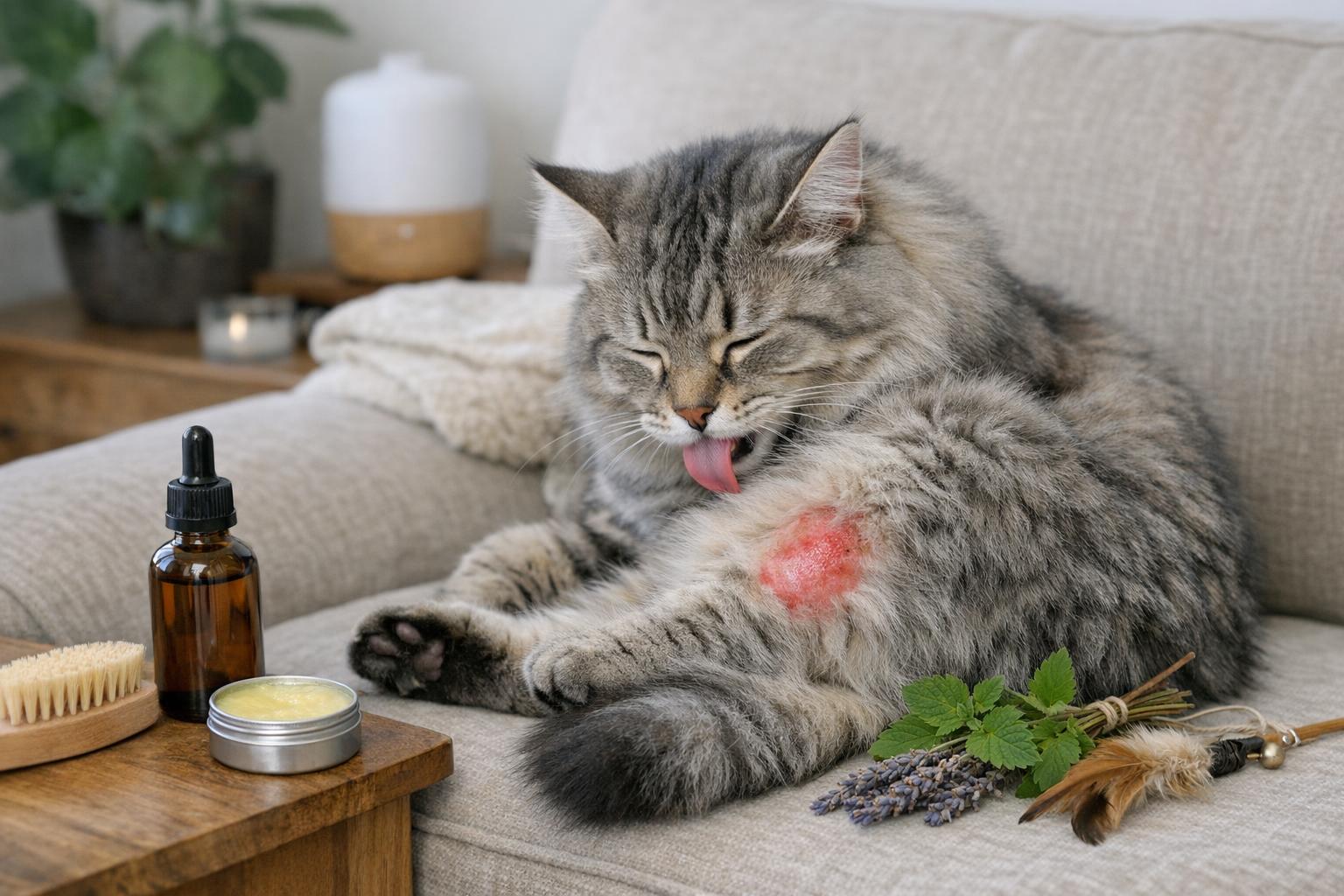
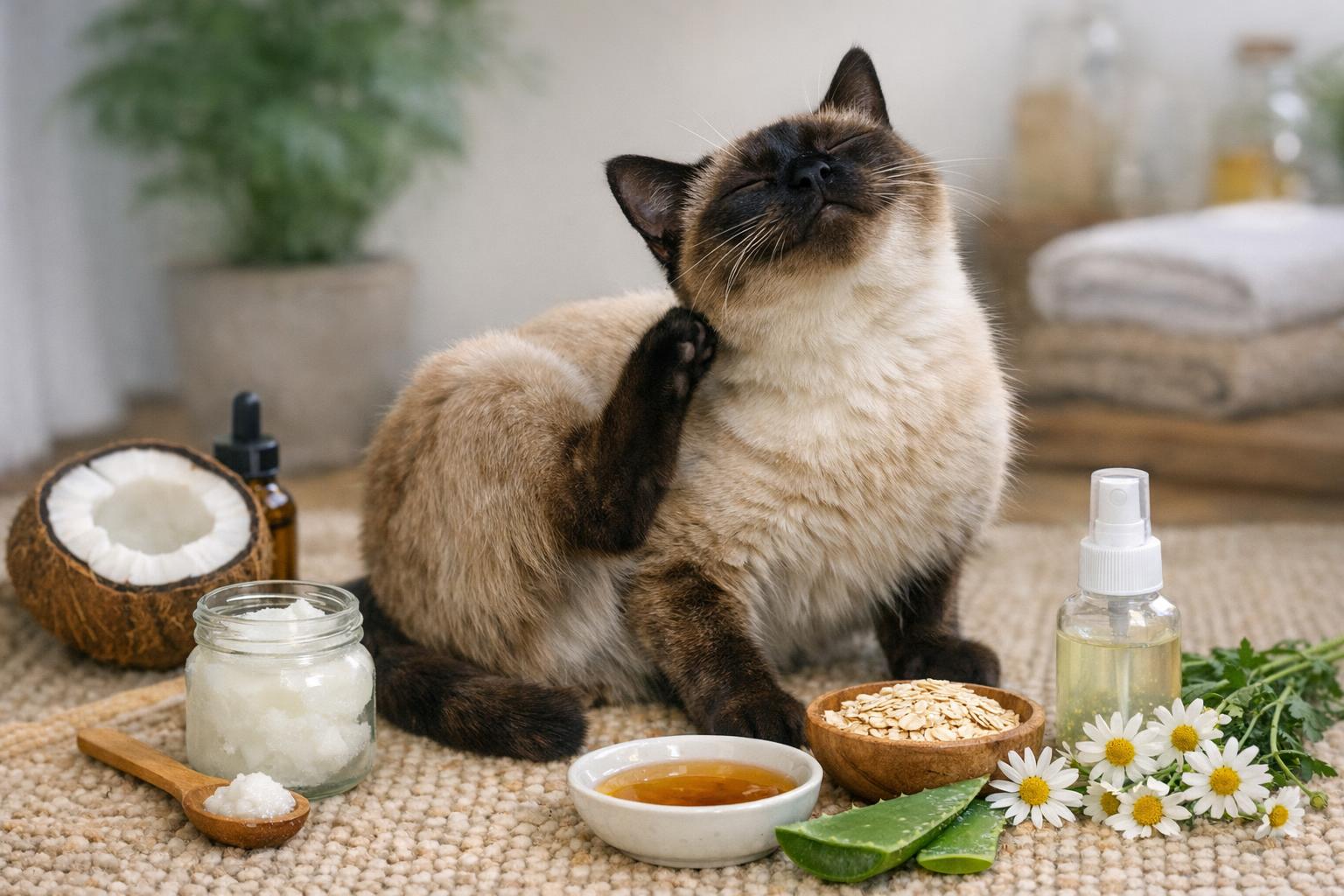
If your cat is licking the same spot until the fur thins, don’t assume it will pass. This is a behavior that often gets worse if ignored, and you can start making sensible changes today.
## How To Stop Cat Overgrooming Behavior: Practical Home Steps
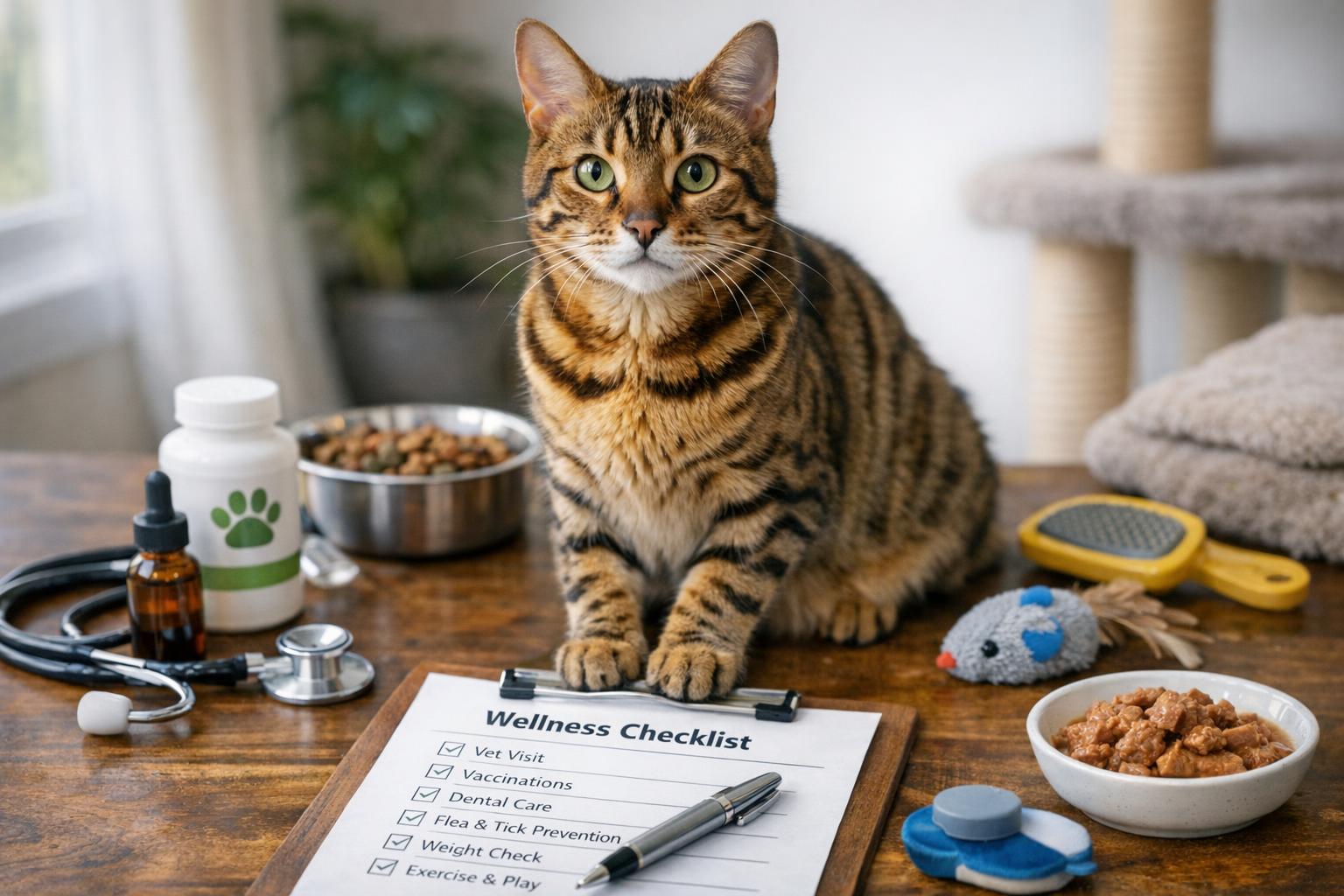
Start with the easiest, least risky moves. First, rule out pain or parasites by seeing your vet. If the vet clears your cat, you can begin changing the environment and routines that maintain the problem.
### Check For Medical Causes First
Overgrooming can be driven by allergies, fleas, fungal infections, or arthritis. A vet exam, skin scrape, and a simple flea check will tell you whether this is a medical issue. If medication is needed, treat the cause. No amount of environmental fixes will help if the skin is painful or inflamed.
### Understand Why Cats Groom Excessively
Cats groom to stay clean and to soothe themselves. When grooming turns into overgrooming it’s often stress, boredom, or irritation. Changes in the household, a new pet, or even a noisy neighbor can push a nervous cat into compulsive licking. Pay attention to when and where it happens. The pattern tells you whether the trigger is environmental or internal.
#### Keep A Simple Log
Note times of day, places on the body, and any household events that precede episodes. A short log for a week gives real clues. You’ll see whether it’s afternoon restlessness, post-meal agitation, or a bedtime habit.
### Create A Calmer, More Interesting Home
Boredom and stress are common drivers. You don’t need elaborate gear. Try these practical changes:
– Two 10–15 minute active play sessions daily with a wand toy to burn off nervous energy.
– Food puzzle feeders at mealtime to slow eating and mentally engage the cat.
– High perches and hiding spots so the cat can control its environment.
Also look for small stressors: a new scent from a detergent, a neighbor’s dog in the yard, or a houseguest who handles the cat roughly. Reducing triggers is often the fastest way to reduce cat grooming behavior.
### Replace The Habit With Gentle Alternatives
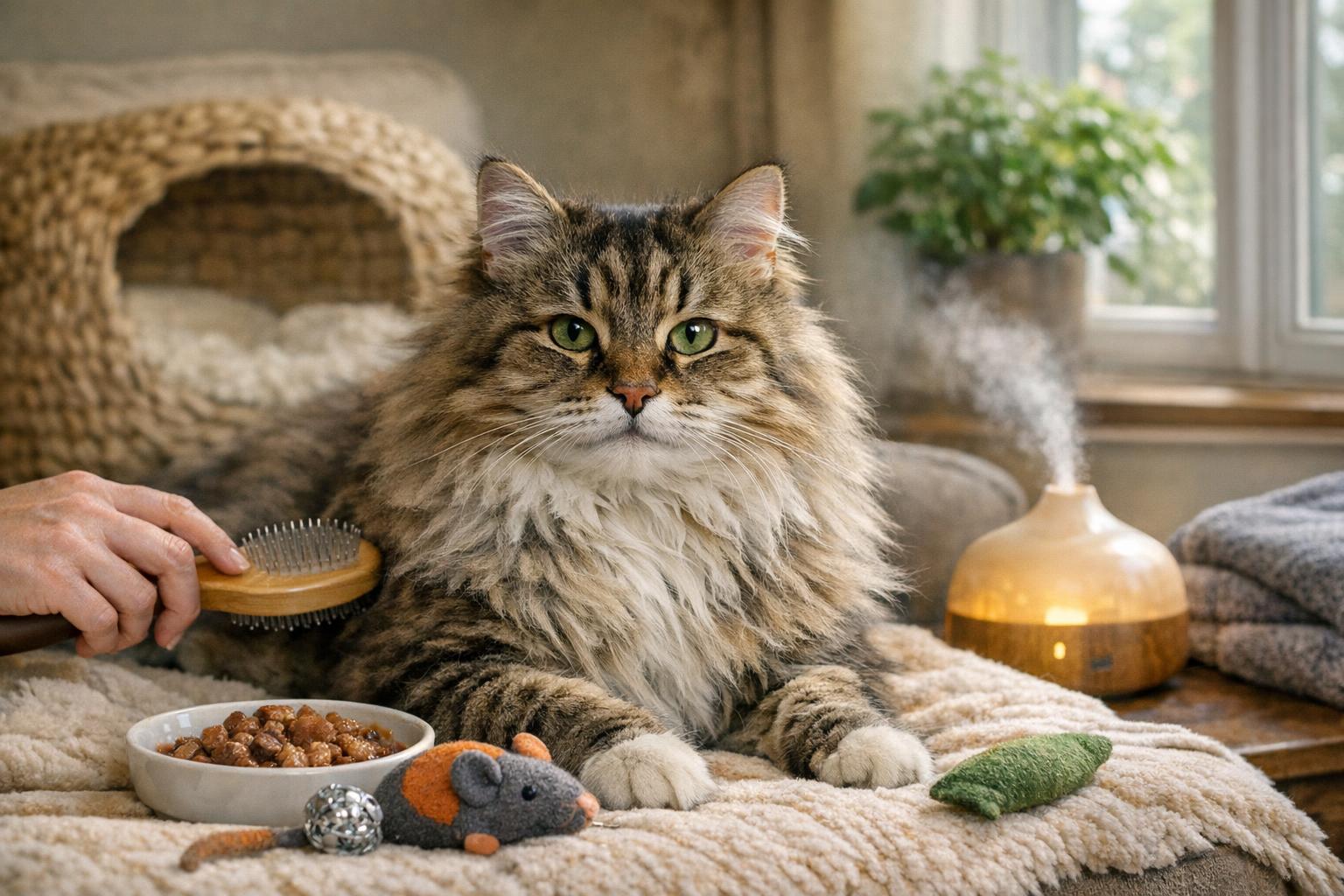
When you see the cat starting to obsess over a spot, redirect. Offer a grooming brush, a chewy toy, or start a short play burst. For some cats, a soft massage can substitute for the sensory comfort they seek. Be consistent. If you intervene sometimes and ignore it other times, the habit strengthens.
#### Use Pheromones And Comfort Tools
Synthetic feline pheromone diffusers can lower anxiety for many cats. Try them in the rooms where overgrooming happens. An inflatable collar or soft recover shirt can prevent damage while you work on behavior, but choose those options carefully so the cat isn’t more stressed by the restraint.
### Adjust Diet And Supplements Carefully
Food allergies and nutrient imbalances sometimes show up as overgrooming. Your vet can advise on an elimination diet. Fish oil supplements with omega-3s often reduce flaky skin and itchiness. Introduce anything new slowly and watch the response. Don’t double up supplements without guidance.
### Grooming Changes That Help
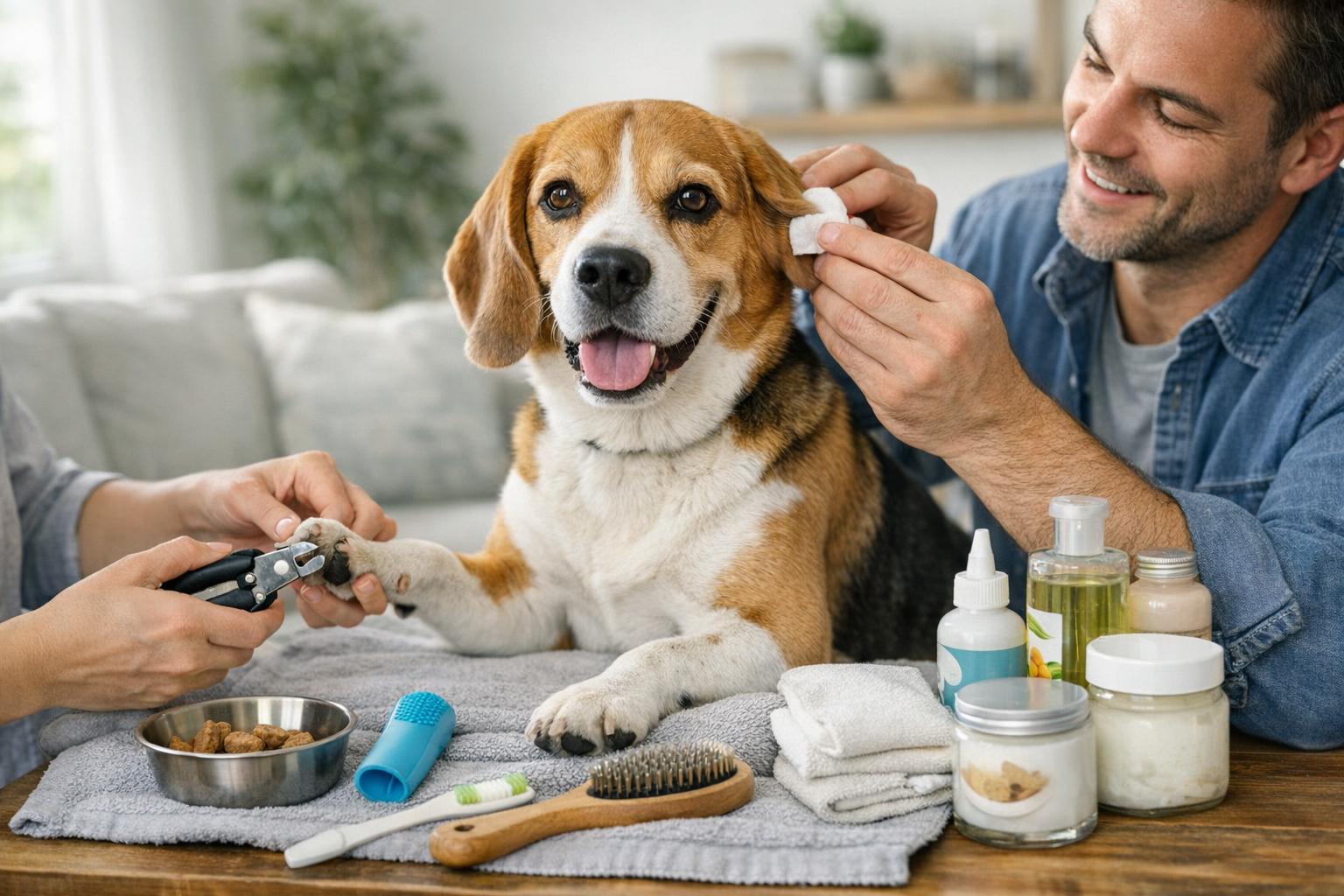
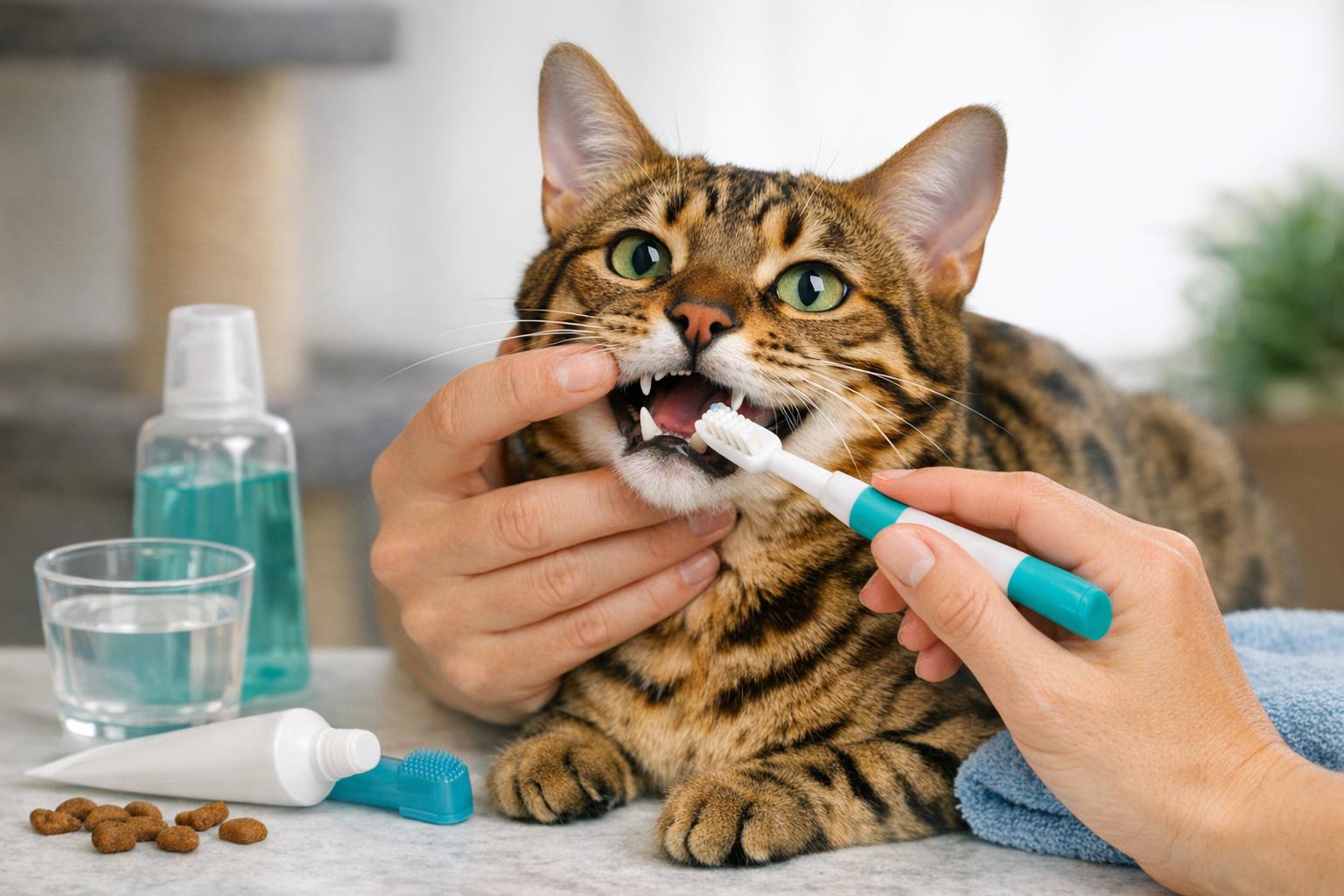
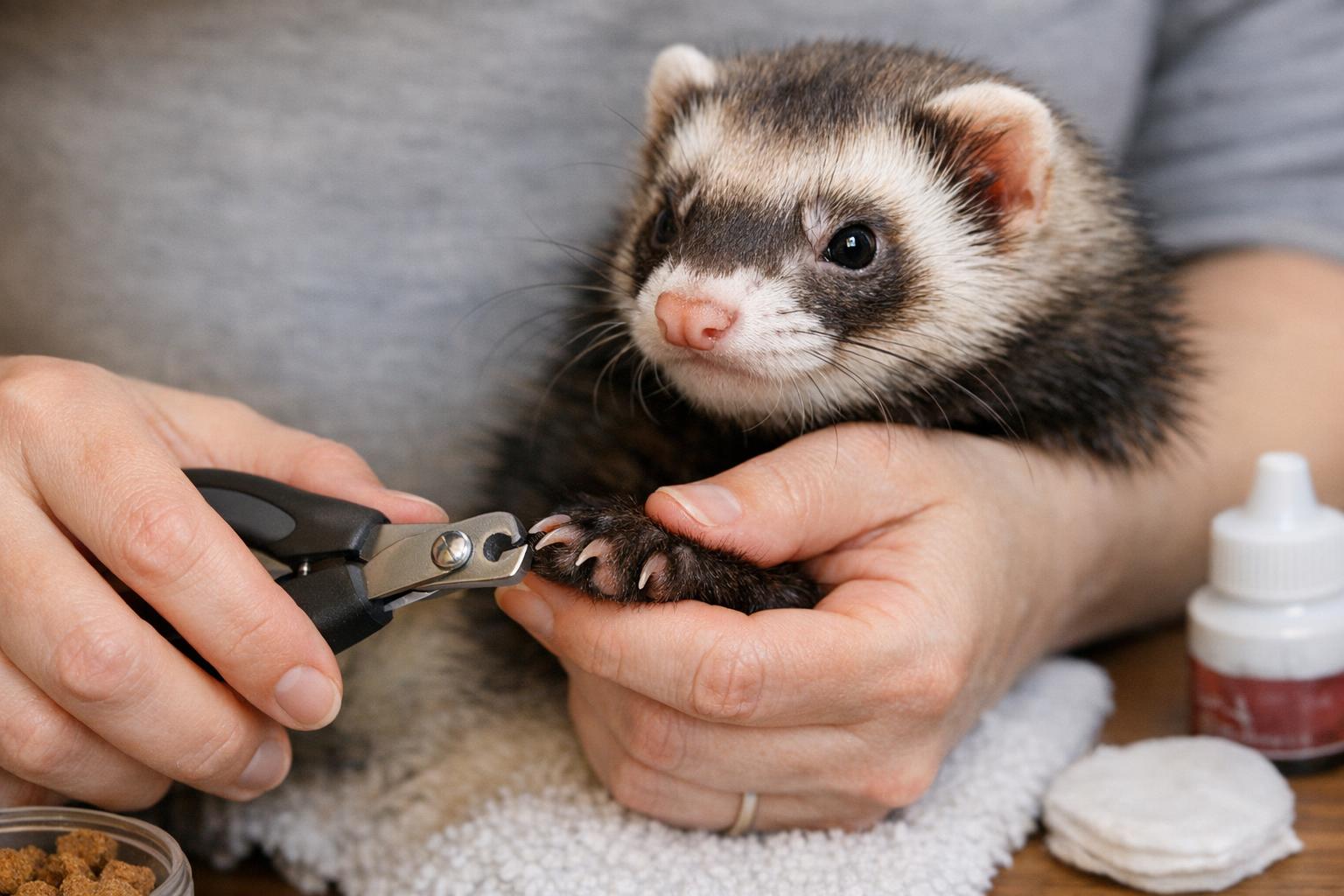
Regular, gentle brushing removes loose hair and can satisfy a cat’s need to groom. Cats that have teeth or jaw pain may overgroom because they can’t groom comfortably with their mouths. Brushing, nail trims, and occasional baths for mats can reduce the opportunity to obsess over one spot. If mats are a problem, have a professional groomer handle them to avoid shaving mistakes.
### When To Consider Behavioral Help
If medical causes are ruled out and home changes don’t help in a few weeks, talk to a veterinary behaviorist. They can suggest a behavior modification plan and, when appropriate, short-term medication to break the cycle. Medication isn’t failure. It’s a tool to help your cat relearn calm.
### Small, Consistent Changes Work Best
Jumping from zero to a full schedule of enrichment and treatments rarely sticks. Start with two things: a timed play session and a pheromone diffuser. Give each change two to three weeks. If you find progress, add another measure. The goal is to shift routines so the cat stops needing the grooming ritual.
If you want a quick checklist to try this week, focus on vet clearance, two daily play sessions, a food puzzle at one meal, and swapping laundry detergent for a fragrance-free option. Track changes and tweak. You’ll learn which small moves reduce overgrooming and which don’t, letting you build a plan that actually fits your cat and household.
Seperate out noisy at-home chores and low-traffic zones so your cat can choose calmer spaces.



























Leave a Reply