
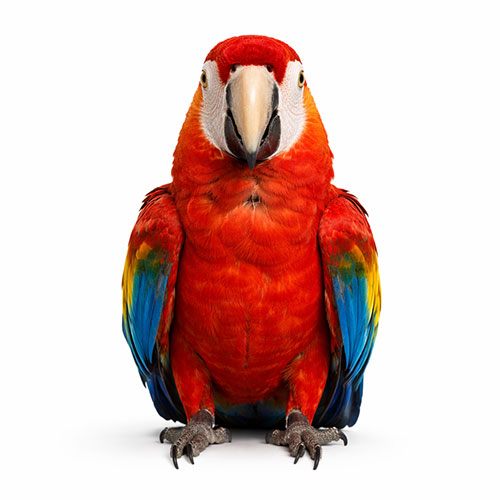

Birds talk for reasons we can usually figure out. They want food, company, alarm, or they’re bored. If you care about keeping a pet bird calm and mentally healthy, you have to treat those sounds like useful data, not noise to tolerate. That shift changes everything.
## Vocalization Strategies For Pet Birds In Practice
Tuning into what your bird is saying is the first step toward better behavior. “Vocalization strategies for pet birds” isn’t a slogan, it’s a plan: observe, respond selectively, and add options that replace excessive calling. For example, a young cockatiel that screeches every morning for attention might need a consistent cue for breakfast and more morning play instead of being picked up the instant it yells.
### Read The Signals First
Not all squawks are the same. Short, repeated chirps can mean curiosity. Long, loud screams often mean frustration or demand. Many parrots will escalate a pattern if it works for them. Watch posture, pupils, and feather position. A bird puffing and bobbing near the cage door may be asking for interaction. One that fluffs and tucks one leg might be telling you it’s resting. Learn your bird’s baseline and you’ll spot trouble sooner.
#### Body Language Clues That Pair With Sound
– Wide eyes and raised crest = high arousal.
– Stiff tail wagging with loud vocalizing = possible annoyance.
– Relaxed stance with soft chatter = content.
## Build A Predictable Routine
Birds do better with rhythm. Set regular wake, feeding, and out-of-cage times. Predictability reduces anxiety calls. If you can’t be home at the same hour every day, use an automatic feeder for small treats or a safe foraging toy that dispenses seeds at intervals. That gives the bird something to anticipate and reduces demand vocalizations.
### Quiet Cue Training Works
Teach a simple “quiet” or “enough” command and reward silence immediately. Start small: ask for a single soft chirp, mark it, and reward. Gradually increase the silence duration. Timing matters. If you reward during a loud scream, you teach the bird that screaming pays. With consistent practice, the quiet cue becomes a reliable tool.
## Use Soundscapes Deliberately
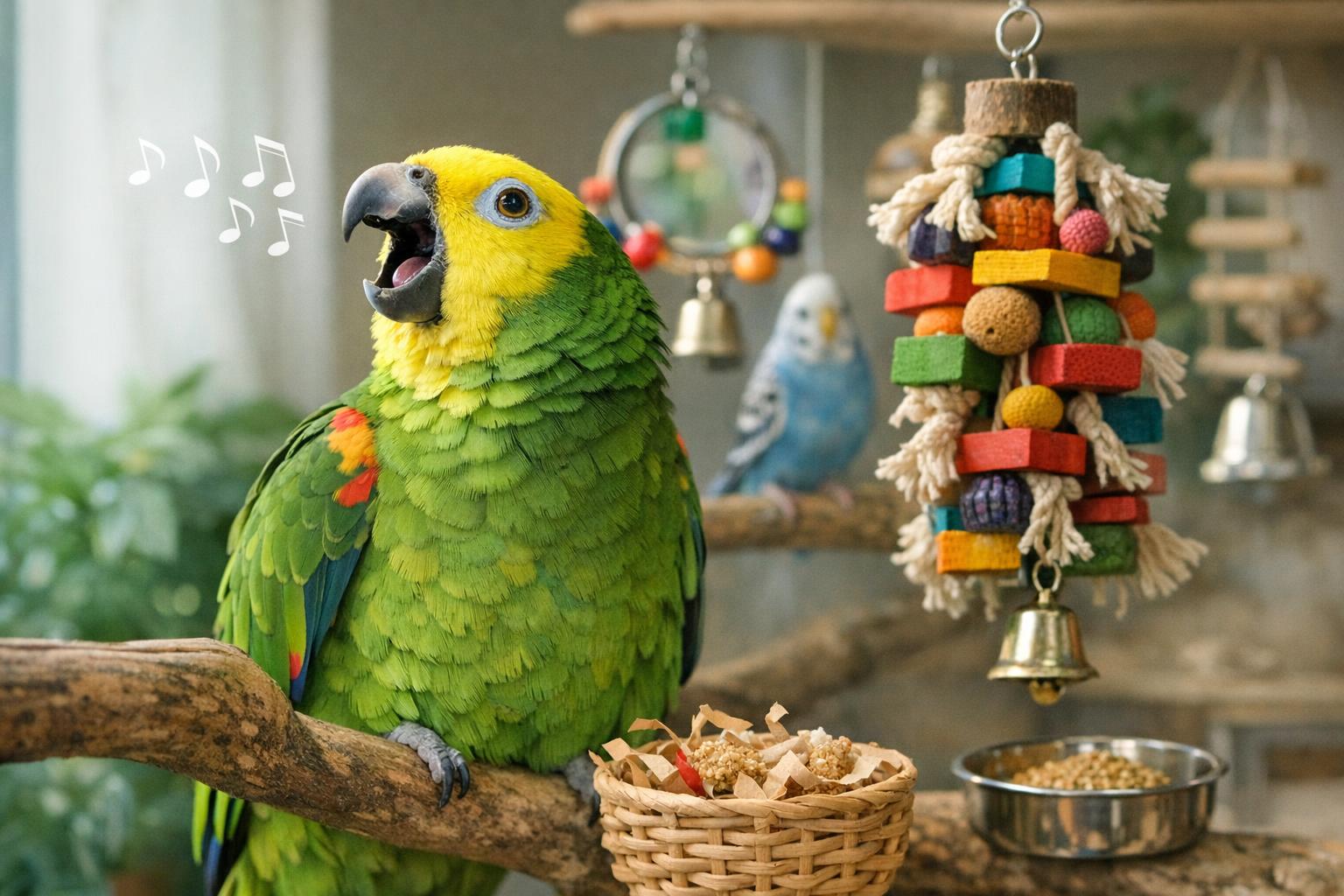
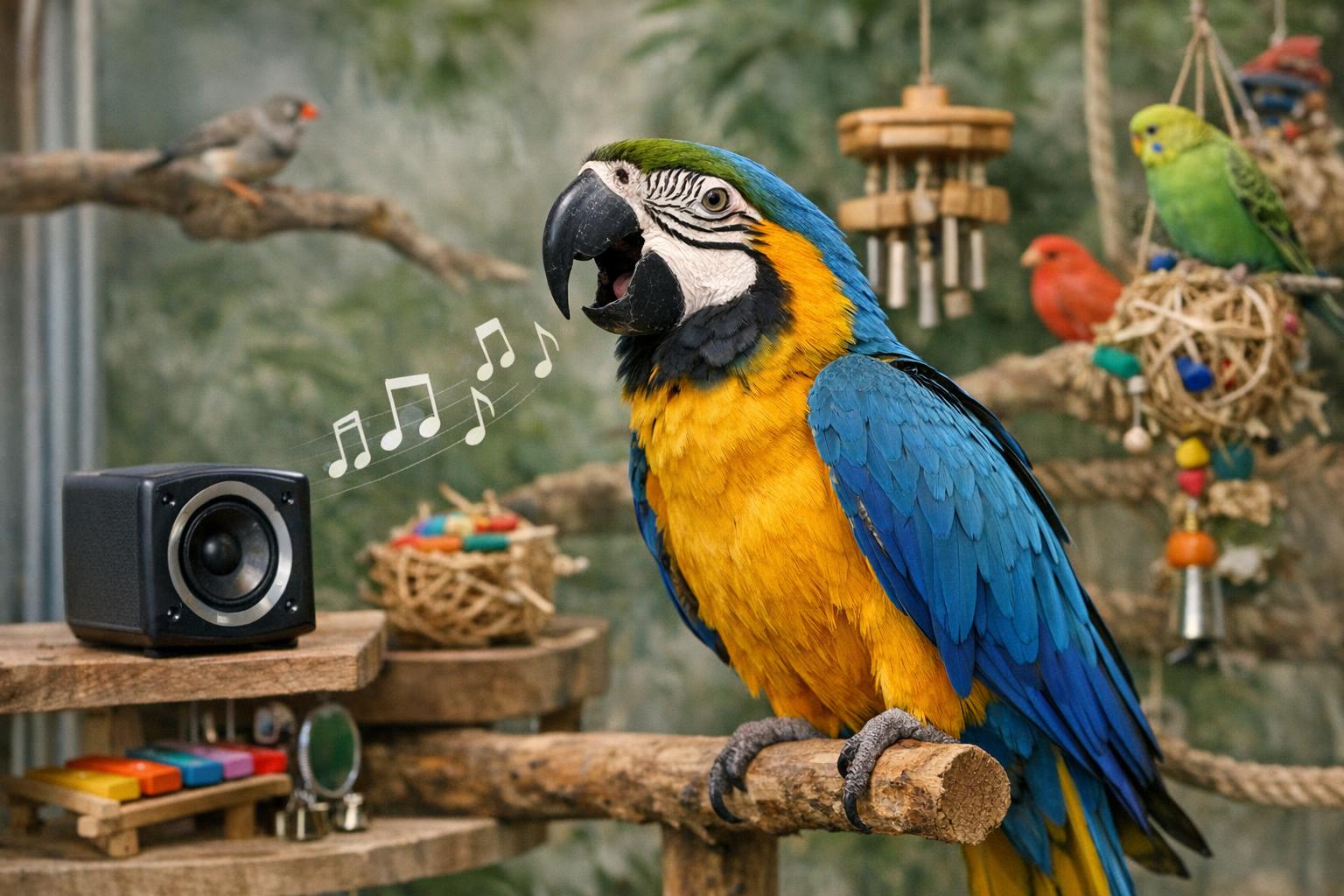
Controlled background sound can soothe many species. A steady low-volume radio with nature recordings, or playlists of gentle humming and soft human voices, often reduces isolated screams. Avoid sudden, loud noises and tracks with sharp peaks. Experiment and watch for reactions. Some parrots mimic and will incorporate certain rhythms into their own calls. That can be useful or annoying depending on your tolerance.
### Mimicry As Training, Not Reward
When you encourage mimicry, do it with intention. Model short phrases or whistles, then reward imitation. This is a core element of parrot enrichment. It channels that natural tendency to copy into pleasant behaviors and strengthens your bond. Keep sessions brief — five to ten minutes a few times a day works well.
## Swap Attention For Enrichment
If your parrot learned that screaming brings you, change the equation. Don’t rush to hands-on attention when the bird yells. Instead, offer alternative activities: new foraging challenges, puzzle toys, or supervised out-of-cage exploration. That’s the practical side of vocalization strategies for pet birds — replacing attention-driven calls with engagement that doesn’t rely on you.
### Foraging And Toy Rotation
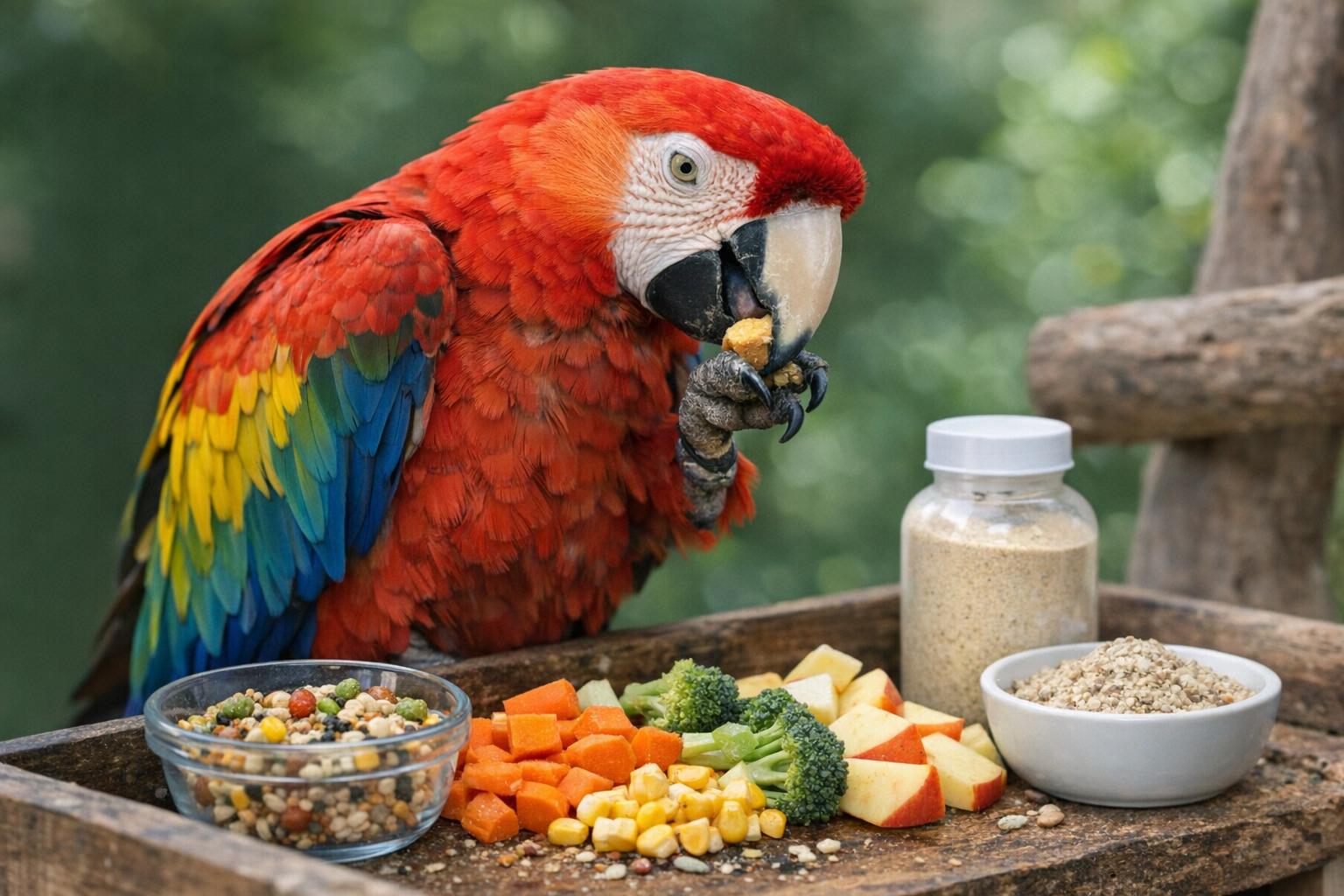
Rotate toys so nothing becomes stale. Give destructible items like paper or wooden blocks for biting and shredding. Hide treats inside foraging toys to make the bird work a bit. This taps into natural behaviors and reduces boredom calls. You’ll need to swap items every few days to keep interest high.
## Manage Problem Vocalization Without Punishment
Punishment backfires. Yelling, tapping the cage, or eye-pinching makes many birds louder or fearful. Use brief time-outs from attention instead. If your bird screams for you, calmly cover the cage for a short period to remove visual stimulation and your immediate response. Not forever, just a minute or two until the intensity drops. Once calm, resume normal interaction on a predictable schedule.
### When To Involve A Pro
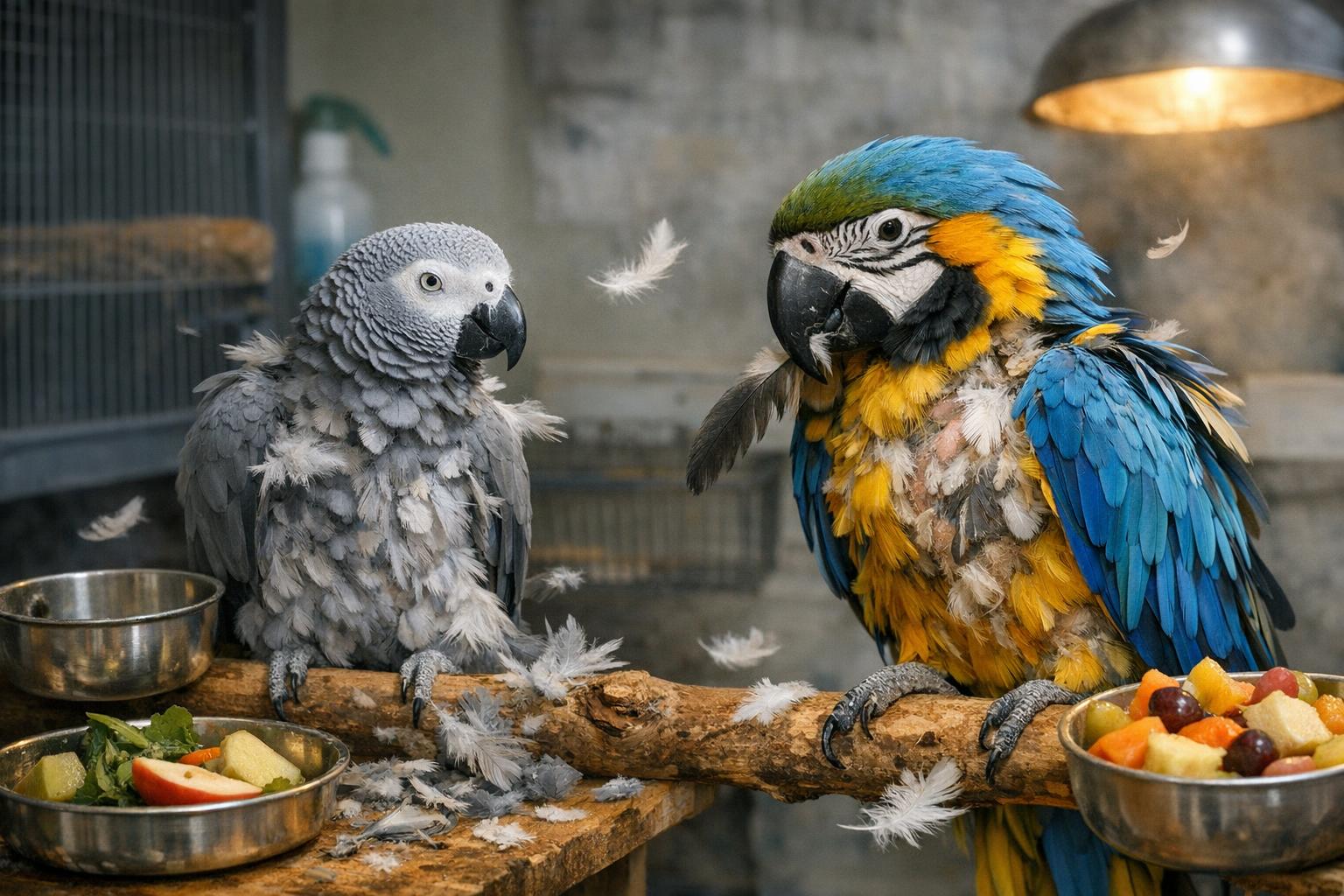
If screaming is paired with self-harm, feather plucking, or sudden behavioral shifts, consult an avian vet or behaviorist. Medical issues often masquerade as behavioral problems. A vet will check for pain, nutrient deficiencies, or infections that can increase distress calls. Early professional input saves a lot of grief later.
## Use Social Techniques Wisely
Many parrots and cockatoos are social creatures who do best with companionship. That doesn’t always mean another bird. A stable human routine, supervised play, and opportunities to watch household activity can help. For multi-bird households, manage interactions so one bird isn’t constantly reinforcing another’s loud calls. If a single bird learns to get the top perch, for example, it might scream until it wins that spot. Work on sharing and alternate rewards.
### Training Exercises To Try Today
– Call-and-response: Give a short whistle, pause, reward the bird for answering softly.
– Target training: Teach the bird to touch a stick or hand — useful for shifting it away from the cage calmly.
– Step-up with calm cues: Move through transitions deliberately so the bird learns calm equals movement.
## Safety And Sleep Basics
A rested bird is quieter. Ensure darkness and uninterrupted sleep — generally 10 to 12 hours for many parrots. Covering the cage too early can trigger anxiety, so start slowly. Make sure the room temperature and lighting are stable. Avoid overnight noise that might startle them into repeated calls.
## Record And Adjust
Keep a simple log for a few weeks: time of day, type of vocalization, prior activity, and your response. Patterns emerge quickly. Maybe the screaming always happens after a vacuuming session. Or maybe your budgie sings during TV commercials. Once you know the triggers, apply the appropriate vocalization strategies for pet birds: predictable routine, distraction with enrichment, and selective response.
Mix these tactics and be patient. Change rarely happens overnight, but consistent, thoughtful steps reduce stress for you and your bird. And remember, this is about giving your pet more choices to express itself in ways you can live with — not silencing the bird completely. The goal is a calmer home and a happier avian companion, one soft chirp at a time.













Leave a Reply