
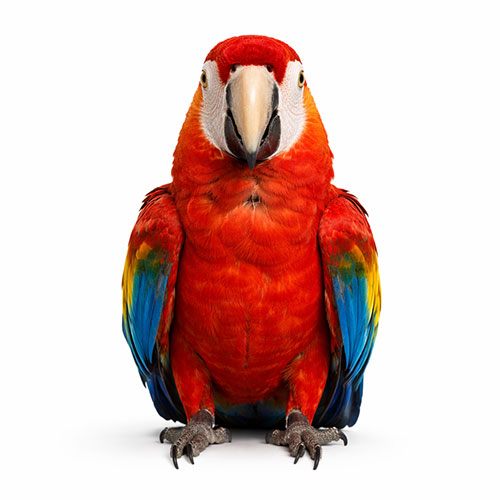

Start by assuming a bird’s respiratory system is delicate. Unlike ours, a bird’s lungs are small and rigid, and air sacs play a huge role. That means small changes in air quality or humidity can have outsized effects. If you want to keep a companion parrot, cockatiel, or finch thriving, practical bird respiratory support should be part of your routine.
## Bird Respiratory Support At Home
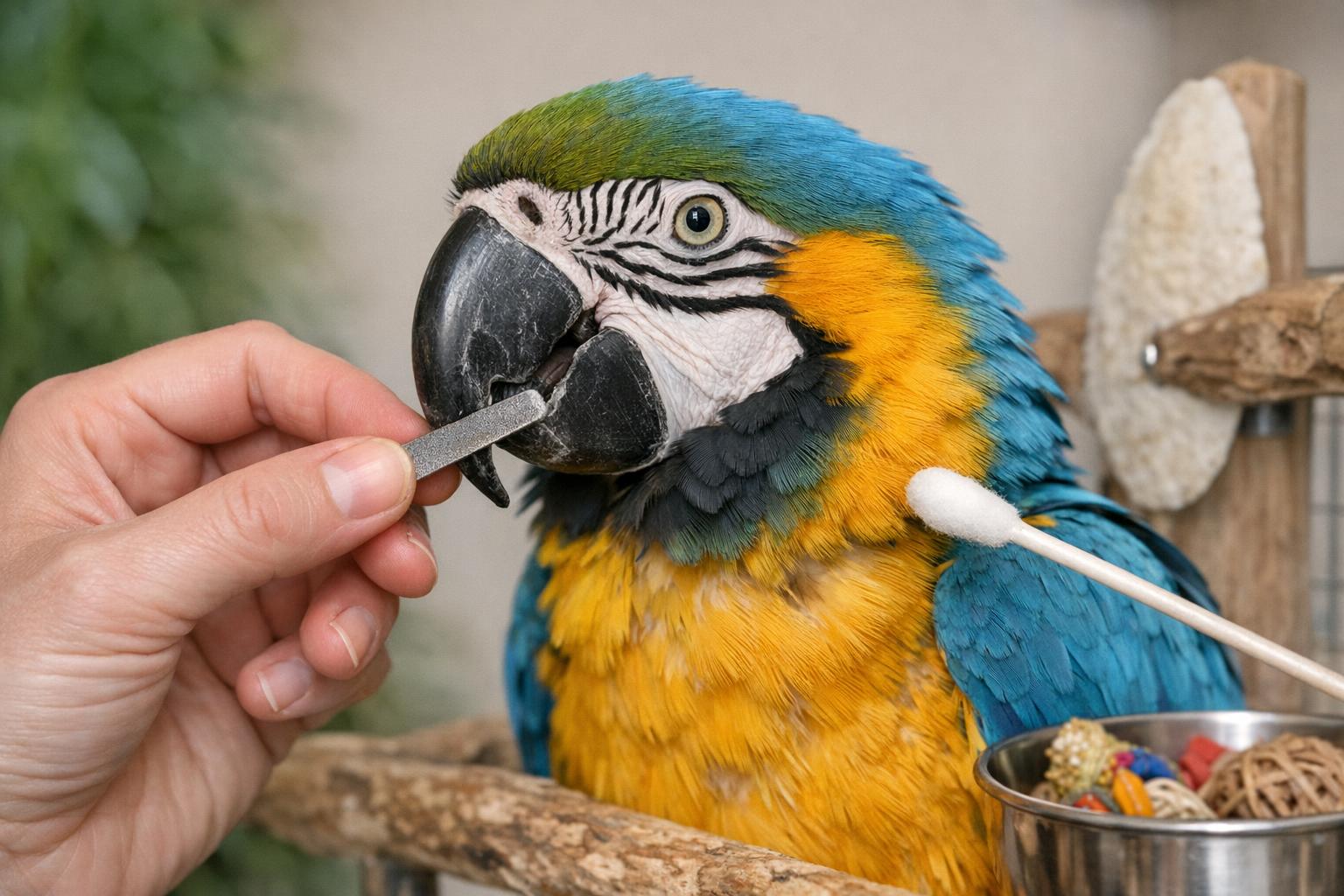
Simple, daily choices add up. A cockatiel’s tiny nares and a parrot’s long trachea don’t tolerate fumes or dust well. Start with the obvious: keep the living area clean, dry, and free of smoke or aerosolized chemicals. Wipe food debris from the cage regularly, change liners, and vacuum the surrounding floor to reduce feather dander. Those steps are the backbone of everyday bird respiratory support.
### Air Quality And Ventilation
Good ventilation doesn’t mean drafts. Birds need steady, gentle airflow. Place cages where stale air doesn’t sit — a high shelf near a window that opens occasionally is better than a closed-in corner. But don’t park a cage directly in a draft from an air conditioner or an open door. Monitor for visible dust and musty odors. If you can smell something, your bird is inhaling it.
#### Avoiding Airborne Toxins
Teflon-coated pans, scented candles, aerosol sprays, and cigarette smoke are dangerous. Even small amounts can trigger severe respiratory issues. Use unscented, bird-safe cleaning products. When painting or deep-cleaning, remove birds from the house entirely. Check heating elements and humidifiers for mold, and replace filters on air purifiers regularly. One tiny source of fumes can undo weeks of good care.
### Humidity And Steam
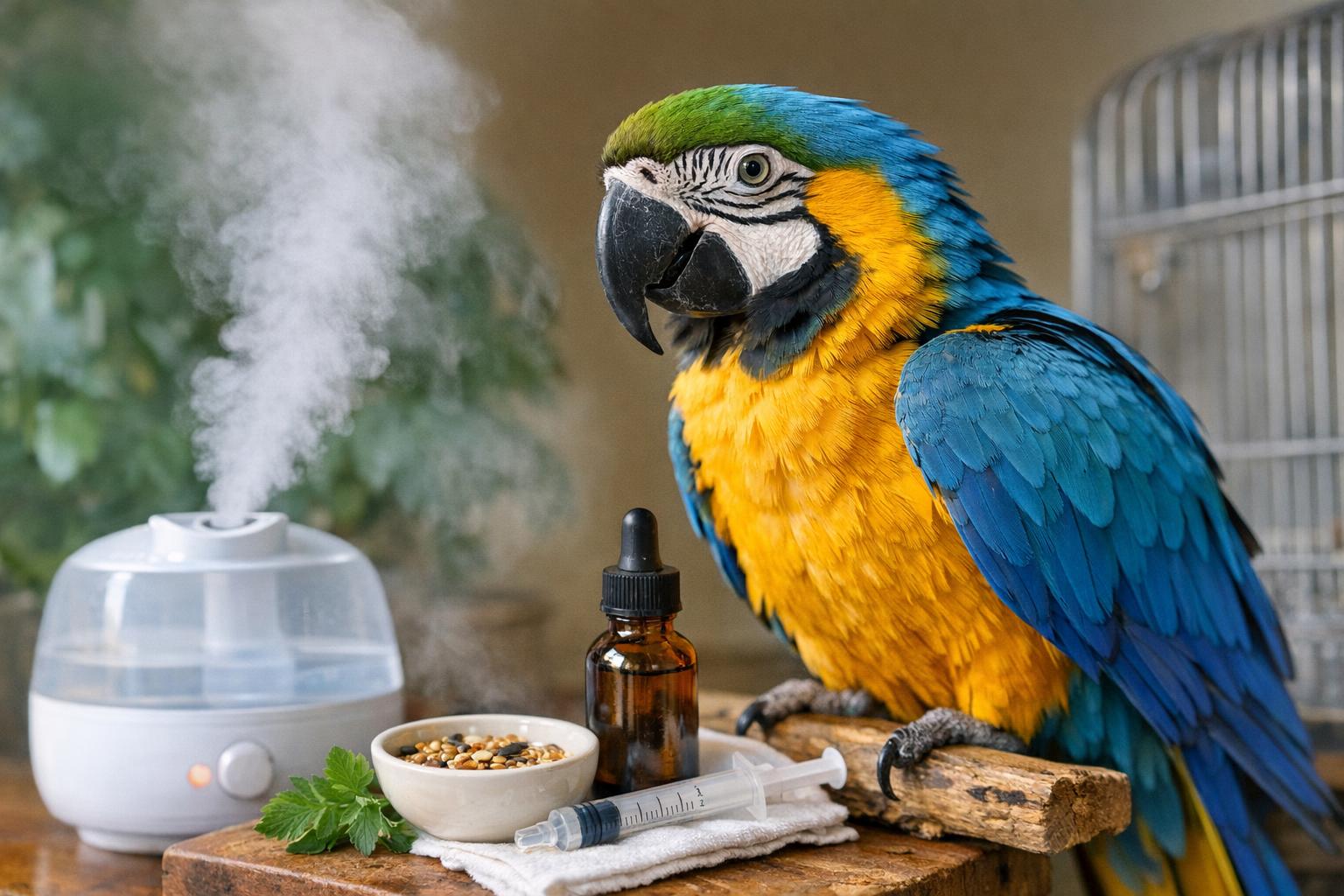
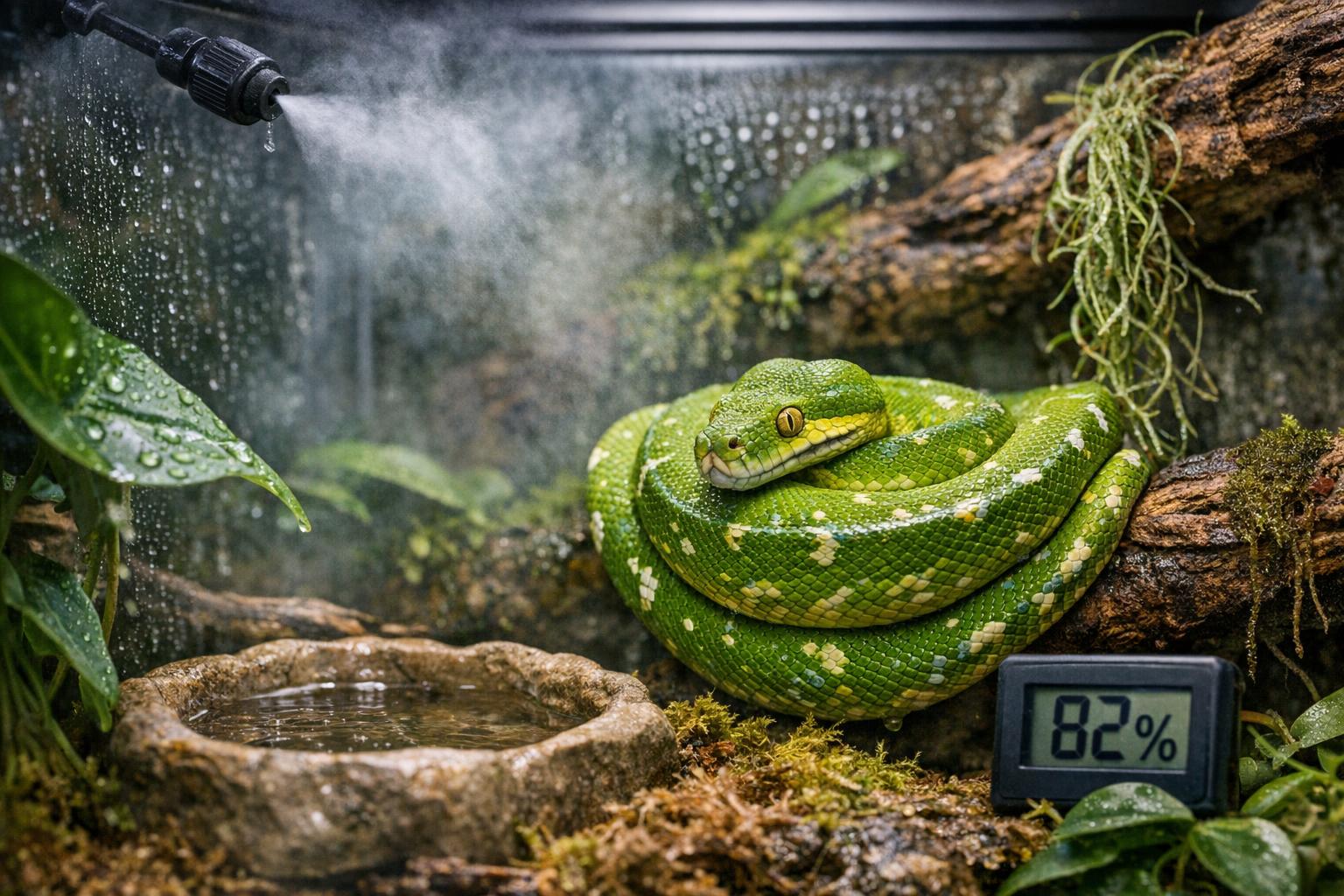
Humidity matters because birds don’t have diaphragms; their air sacs and lungs rely on subtle pressure changes. In dry winter air, mucus can thicken and make breathing harder. Aim for moderate humidity — roughly 40–60% — but avoid a constantly damp cage that fosters mold. A cool-mist humidifier in a nearby room helps, but keep the bird out of direct mist.
#### Safe Steam Practices
If a bird seems congested, short, gentle exposure to warm steam can loosen mucus. Sit with the bird in a bathroom with a hot shower running, but don’t subject the bird to direct heat or prolonged sessions. Always watch for signs of stress. Never use menthol or eucalyptus products around birds — they’re too strong.
## Recognizing Early Warning Signs
Knowing what’s normal for your species makes it easier to spot trouble. Parrots and cockatiels vary widely in their breathing sounds and patterns, so learn your bird’s baseline.
### Common Signs
– Subtle open-mouth breathing during normal activity.
– Tail-bobbing with each breath; that’s work, not a quirk.
– Reduced vocalization or sudden quietness.
– Nasal discharge, crusting around the cere, or watery eyes.
– Decreased appetite or fluffed feathers when awake.
If you notice wheezing, prolonged open-mouth breathing at rest, or blue-tinged skin near the beak, act quickly. These signs suggest oxygenation problems that need a vet.
### When To Call A Vet
Minor sneezes now and then aren’t always alarming, but persistent changes in avian respiration warrant professional attention. Respiratory infections, fungal problems like aspergillosis, and environmental toxicities can look similar at first. A vet can run tracheal or air sac exams, imaging, and cultures. Don’t wait for the classic dramatic collapse; early intervention improves outcomes.
## Nutrition And Hydration To Support The Lungs
Diet shows up in respiratory health. A bird that’s poorly nourished or dehydrated is less able to clear infections and maintain healthy mucous membranes.
### Foods That Help
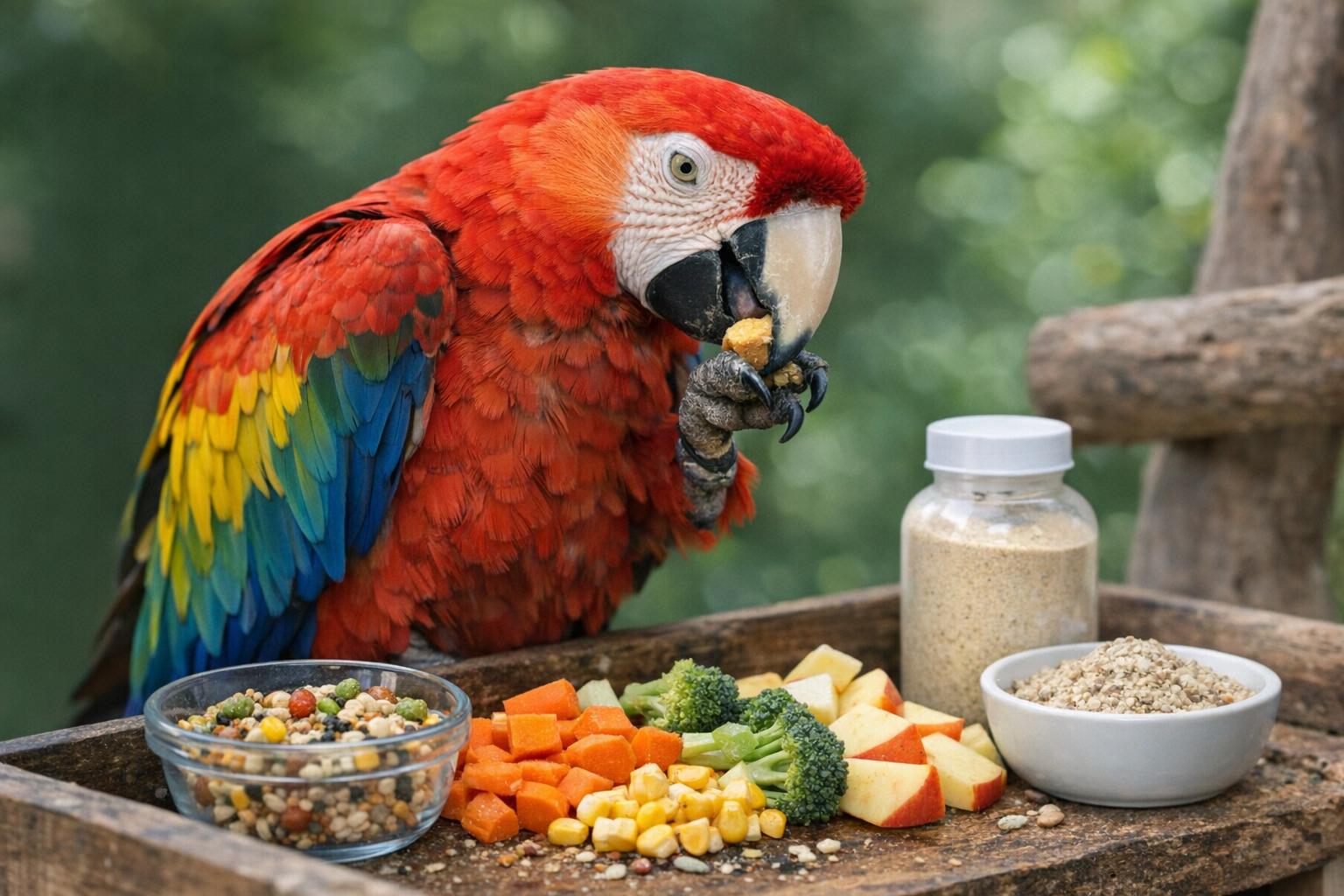
Provide fresh water daily and a varied diet that includes pellets, a controlled portion of seeds, and safe fresh vegetables. Foods rich in vitamin A — like sweet potato and carrot in small amounts — support mucosal health. Avoid sudden dietary changes that stress the bird and suppress its immune defense.
## Practical Tools And When To Use Them
You don’t need a clinic setup to provide good care, but a few items help.
### Humidifiers, Air Purifiers, And Nebulizers
– A cool-mist humidifier helps in dry climates.
– A HEPA air purifier reduces dust and dander in rooms where birds spend time.
– Nebulizers are useful but should be used under veterinary guidance; they deliver medication and saline directly to the respiratory tract and can be a powerful part of bird respiratory support when prescribed.
Use equipment regularly, not sporadically. A dusty fan filter or an ignored humidifier with stagnant water can do more harm than good. Keep the enviroment monitored and clean.
### Perches, Baths, And Physical Comfort
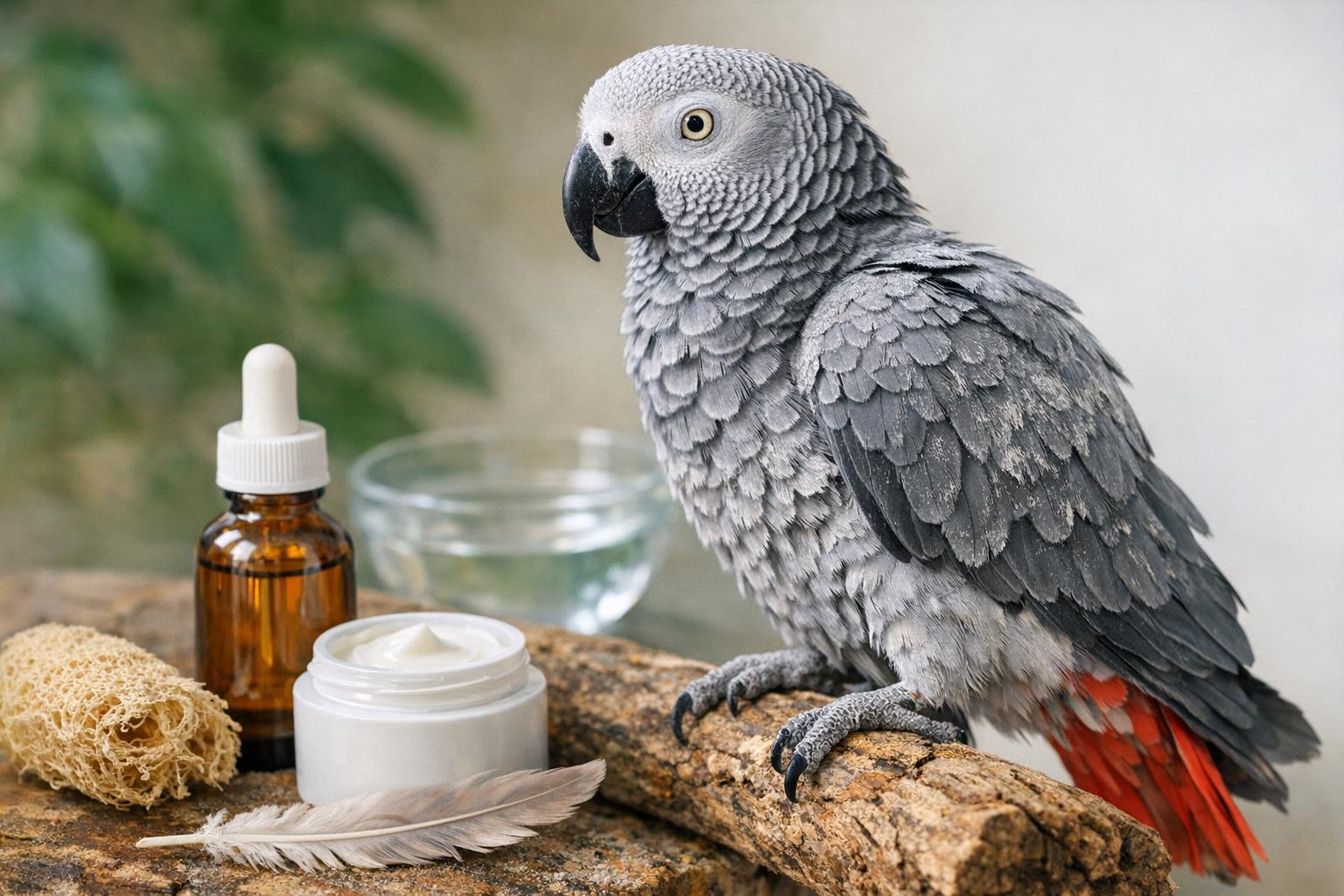
Varied perch textures promote foot health and encourage movement, which helps overall circulation and effective breathing. Regular baths or misting sessions can keep feathers and skin in good condition and help clear dust. Some birds prefer shallow baths; others like a light mist from a spray bottle. Watch their response.
## Reducing Stress To Improve Avian Breathing
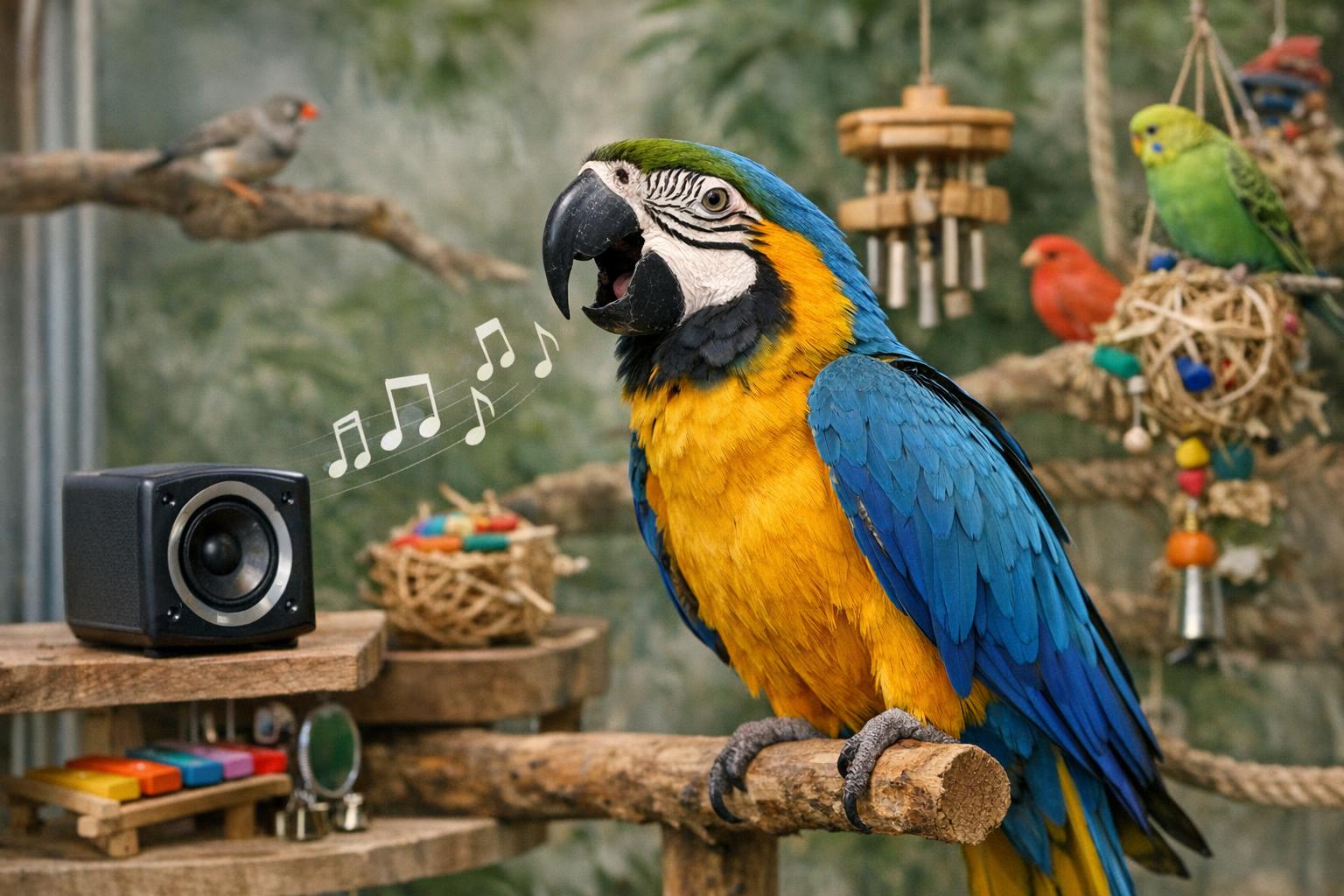
Stress raises metabolic rate and can exacerbate breathing difficulties. Maintain a predictable routine: feeding times, quiet hours, and controlled interaction. Sudden household changes, new pets, or loud renovations can trigger stress-related respiratory flare-ups. If you must introduce a new element, do it gradually and provide extra hiding spots so your bird can escape if it needs to.
### Handling And Transportation Tips
Transport is when birds often show symptoms. Use a well-ventilated carrier, avoid extreme temperatures, and minimize travel time. If a bird has known respiratory issues, consult your vet before travel; sometimes a short pre-trip nebulization is appropriate, but only with professional advice.
## Routine Veterinary Care And Testing
Annual checkups should include questions about breathing and environment. If your bird is prone to respiratory problems, more frequent rechecks, cultures, or imaging may be necessary. Tests that seem invasive in theory are quick and reveal infections or obstructions early, which can save lives.
A practical approach to bird respiratory support is steady, not dramatic: control the air, minimize toxins, keep humidity reasonable, feed well, and get vet input when something changes. Small daily habits prevent a lot of trouble, and when problems do arise, timely action matters.







Leave a Reply