

## When To Seek Avian Dry Skin Relief For Your Bird
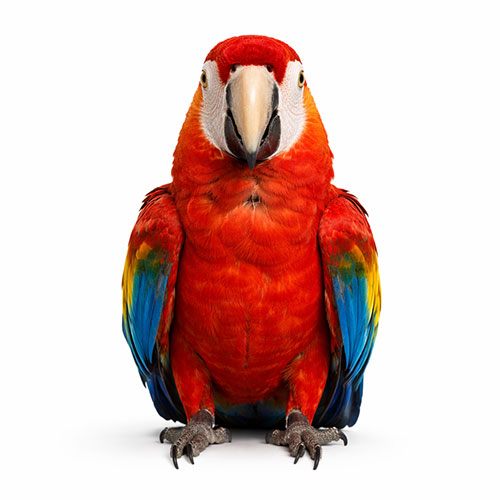
Dry, scaly skin on a parrot or canary isn’t just ugly. It can signal dehydration, poor diet, parasites, or simply the wrong environment. If you notice flaky patches, excessive preening, broken feathers, or birds rubbing themselves against cage bars, it’s time to think about avian dry skin relief. Don’t wait for raw spots or behavior changes; early fixes are easier and less stressful for the bird.
### Common Causes Owners Overlook
Many owners assume dry skin is normal. It’s not. Heat from space heaters or central heating removes moisture from the air and from feathers. A seed-only diet often lacks the essential fatty acids birds need. Mites and lice can cause intense itching and visible skin damage. Even frequent bathing with the wrong products can strip natural oils. Look at the whole picture: diet, humidity, environment, grooming, and medical issues.
#### Specific Environmental Triggers
– Low indoor humidity, especially in winter.
– Dusty cages or bedding that irritates the skin.
– Direct sun on a birdcage all day can dry skin out.
– Household cleaners, aerosols, or scented candles.
– Smoking in the house.
## Practical Steps For Immediate Avian Dry Skin Relief
This is not rocket science. Start with the basics and work outward. A few targeted changes often bring fast improvement.
### Adjust Humidity And Bathing Habits
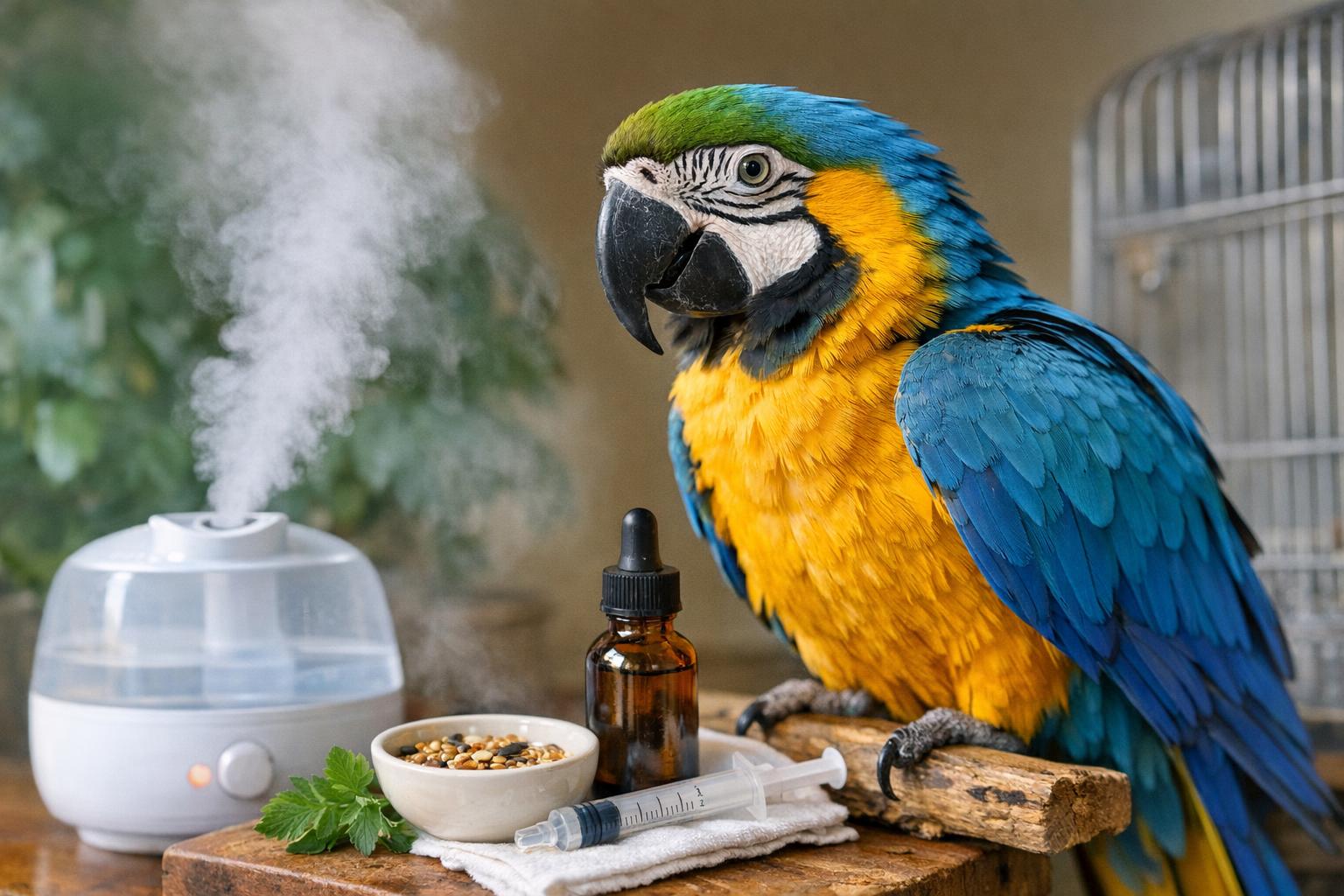
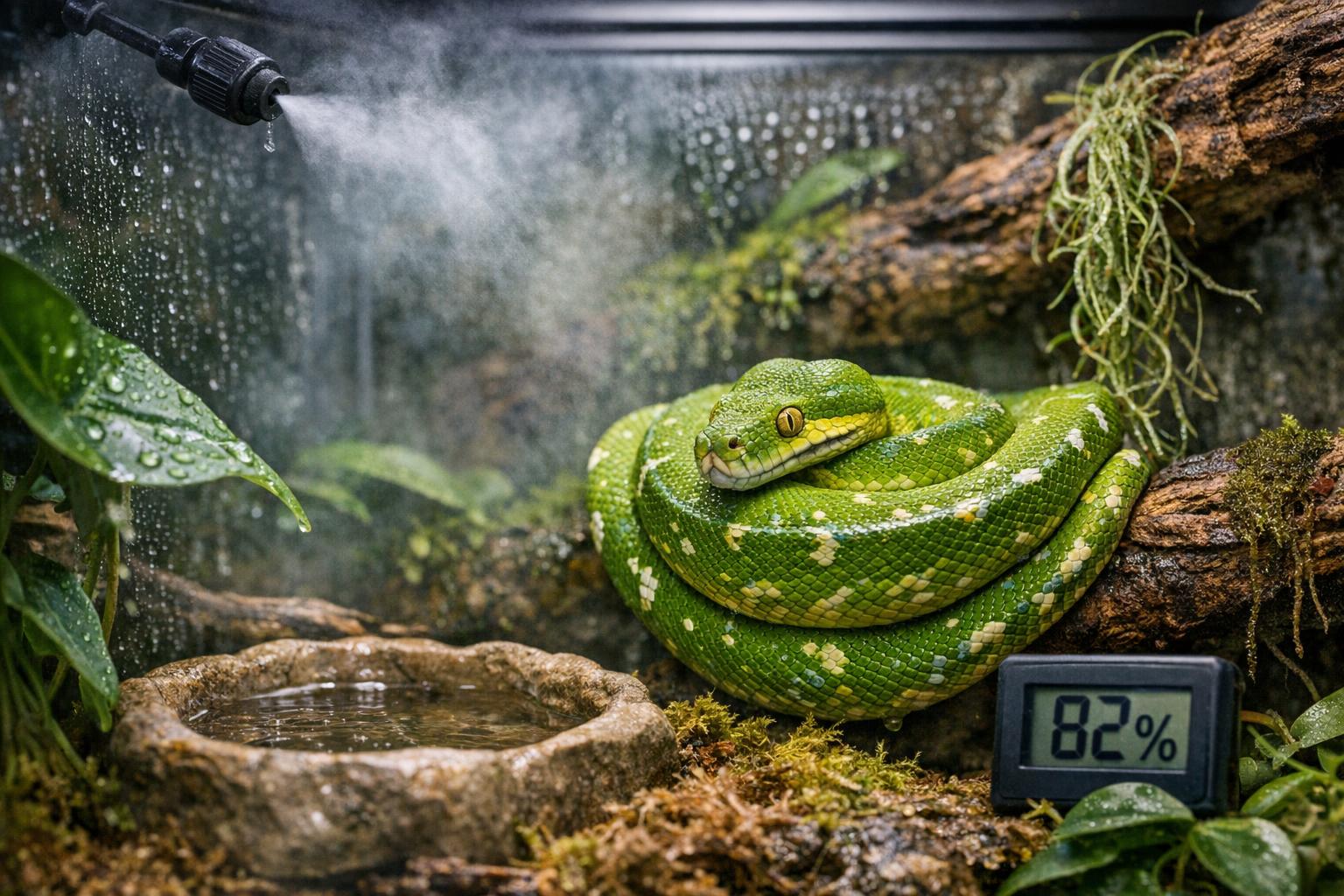
Most companion birds benefit from humidity in the 40–60% range. A small room humidifier on a low setting can make a surprising difference. Misting with clean, lukewarm water once daily helps some species; others prefer a shallow bath they can jump into. Watch the bird’s reaction. If it preens happily after a mist or bath, you’re doing it right. If the bird seems stressed, back off and try less frequent sessions.
#### Bathing Tips That Work
Keep water clean and slightly warm, not hot. Avoid soaps unless a vet prescribes a bird-safe cleanser. Drying should be gentle: room temperature or a soft towel. Never use human lotions or creams. They can clog feathers and upset the natural oil balance.
### Fix The Diet For Healthier Skin And Feathers
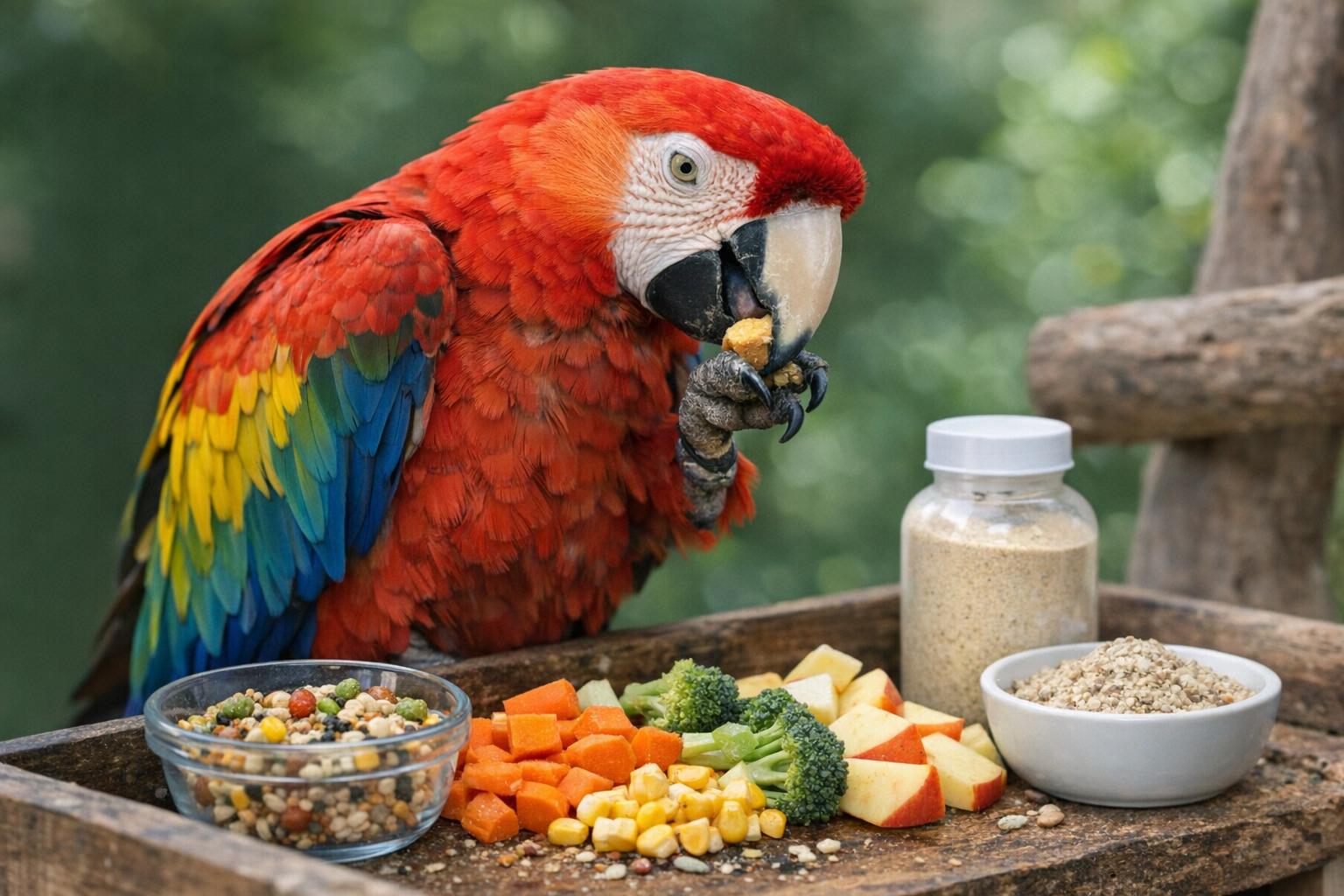
Diet is where many owners can make the biggest change. Pelleted diets designed for your species provide baseline nutrition. Add fresh vegetables daily: dark leafy greens, carrots, bell peppers. Seeds are fine as treats, not the main course. For essential fatty acids, offer small amounts of flaxseed, chia, or a sprinkle of shelled hemp seed if appropriate for the species. Consult your avian vet before adding supplements.
### Check For Parasites And Infections
If flaking is focal—around the vent, neck, or under wings—or if you spot small moving dots, see a vet. Mites are treatable, but you need proper diagnosis and bird-safe medications. Some fungal or bacterial infections look like dry skin too; those need targeted therapy. A quick skin/feather exam under a light or a feather cytology test at the clinic clears things up fast.
## Safe Topical Options And Products
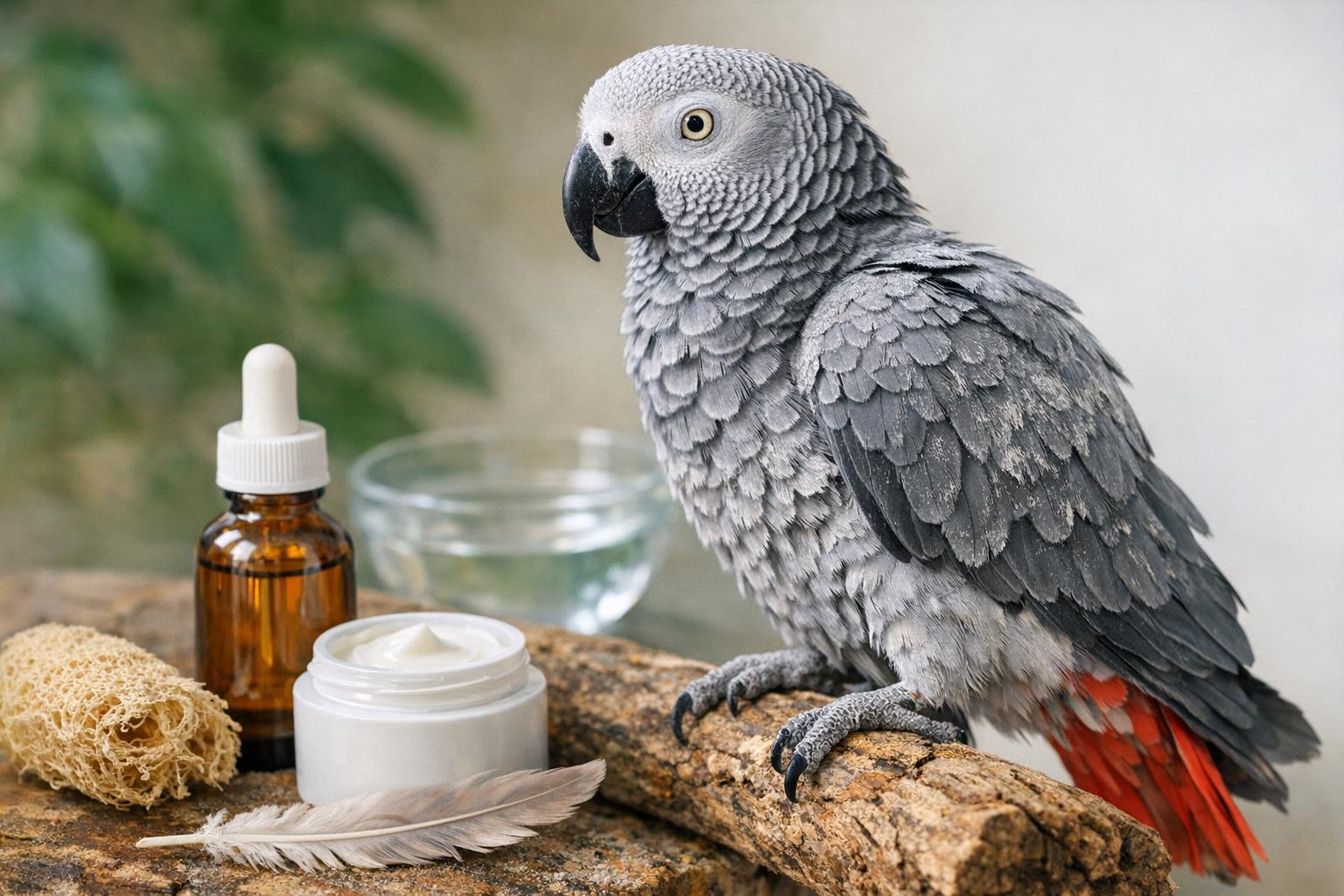
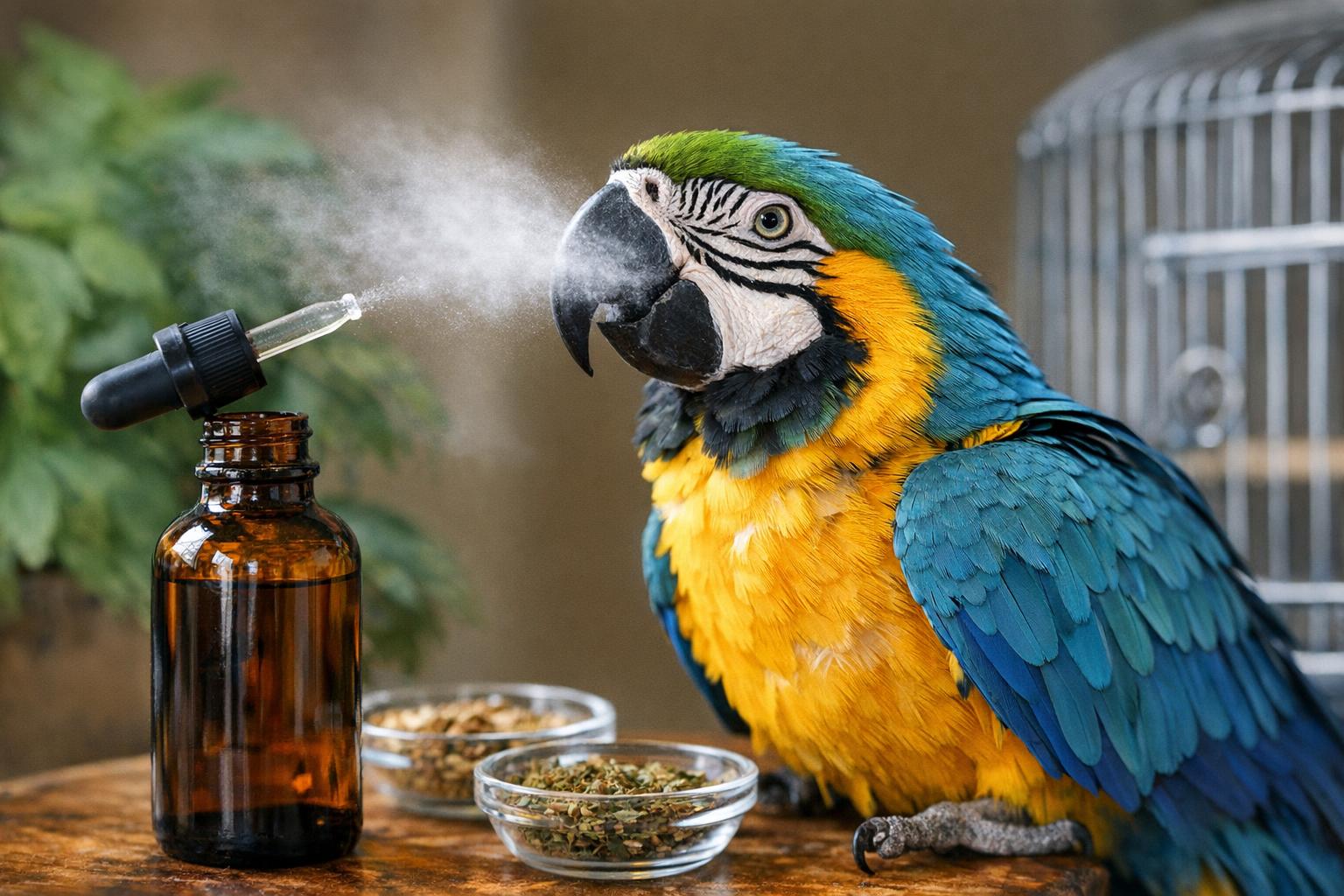
Not all topical fixes are safe. Human creams, petroleum jelly, and essential oils can be toxic. There are bird-formulated emollients and skin conditioners available; only use products labeled for avian use or recommended by an avian veterinarian.
### What To Avoid
Avoid any product with strong fragrances, menthol, or tea tree oil. Essential oils are concentrated and can harm a bird’s respiratory system. Likewise, zinc or lead-containing cage accessories can complicate skin problems by causing systemic toxicity.
#### Vet-Approved Topical Care
Your vet might recommend a light mineral oil application to soften scabs or a medicated shampoo for mites. Follow instructions exactly. Minimal, targeted use is better than constant slathering. Remember: when in doubt, bring a photo and the product label to the vet.
## Grooming And Feather Care That Helps Skin
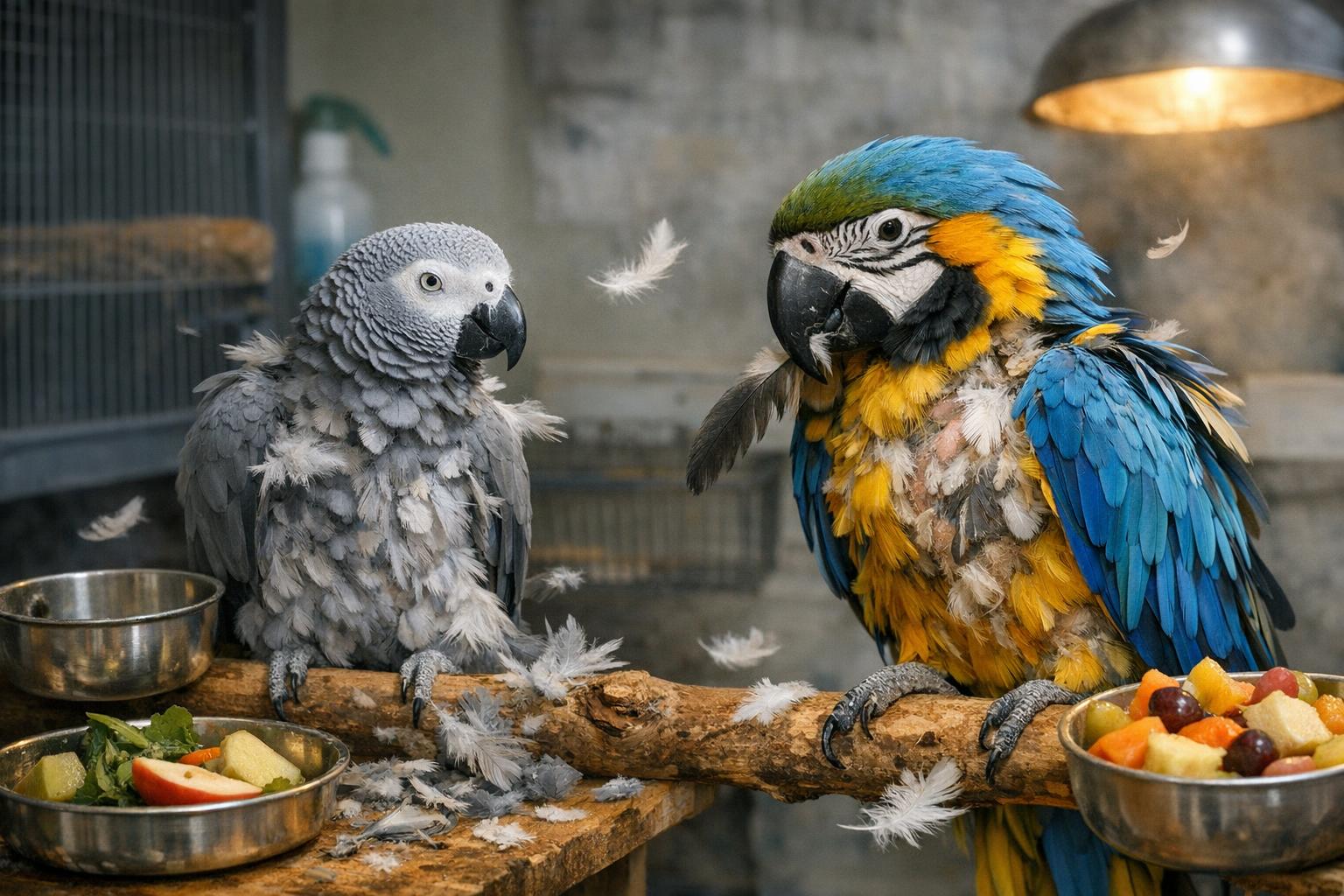
Feather care isn’t just about looks. Feathers help regulate temperature and protect skin. Encourage natural preening by providing bathing options and perches of different textures. Molting stresses the system; during molts you may see more flakes and broken feathers. Extra nutrition and low-stress handling during molts can reduce secondary skin problems.
### Nail And Beak Care
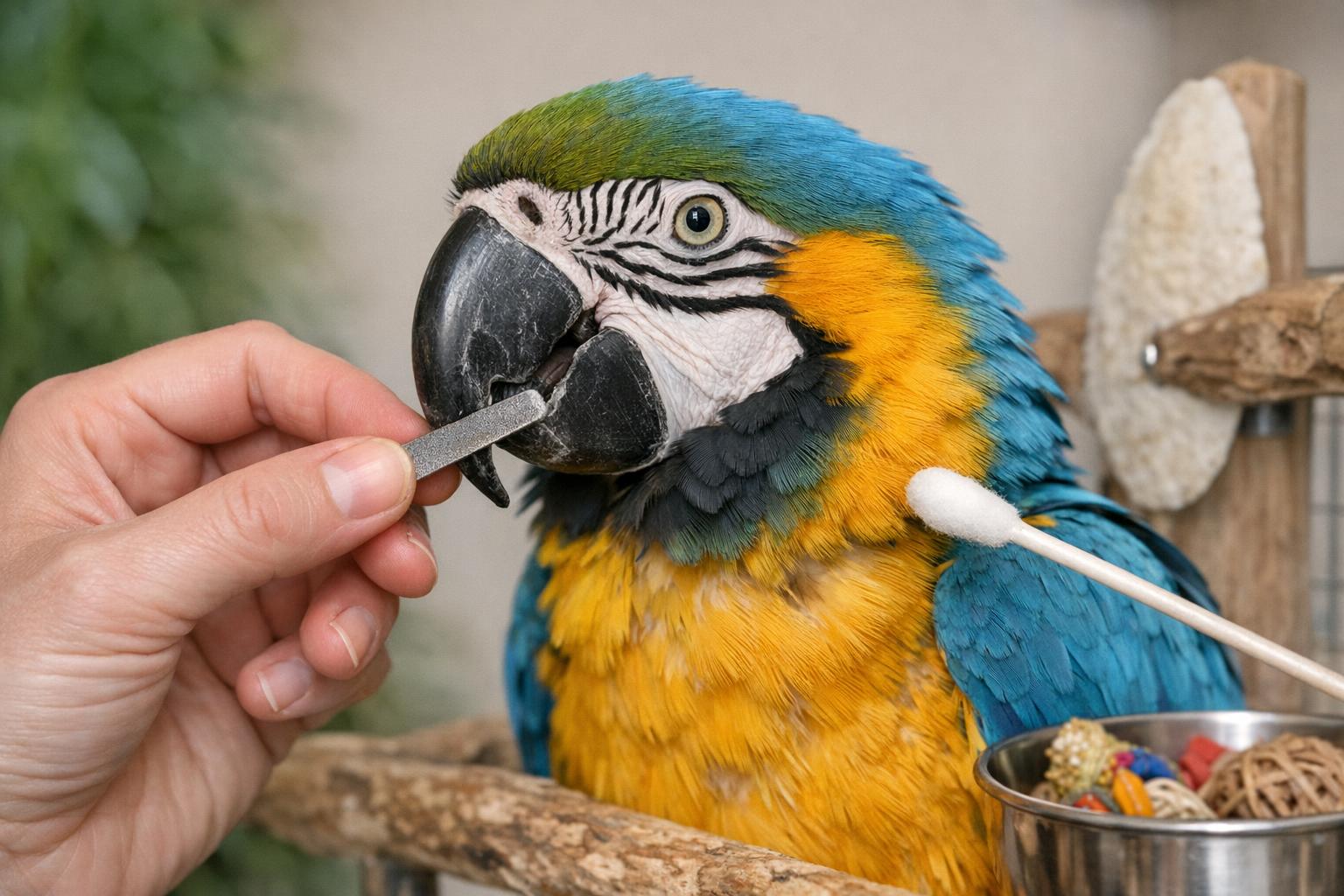
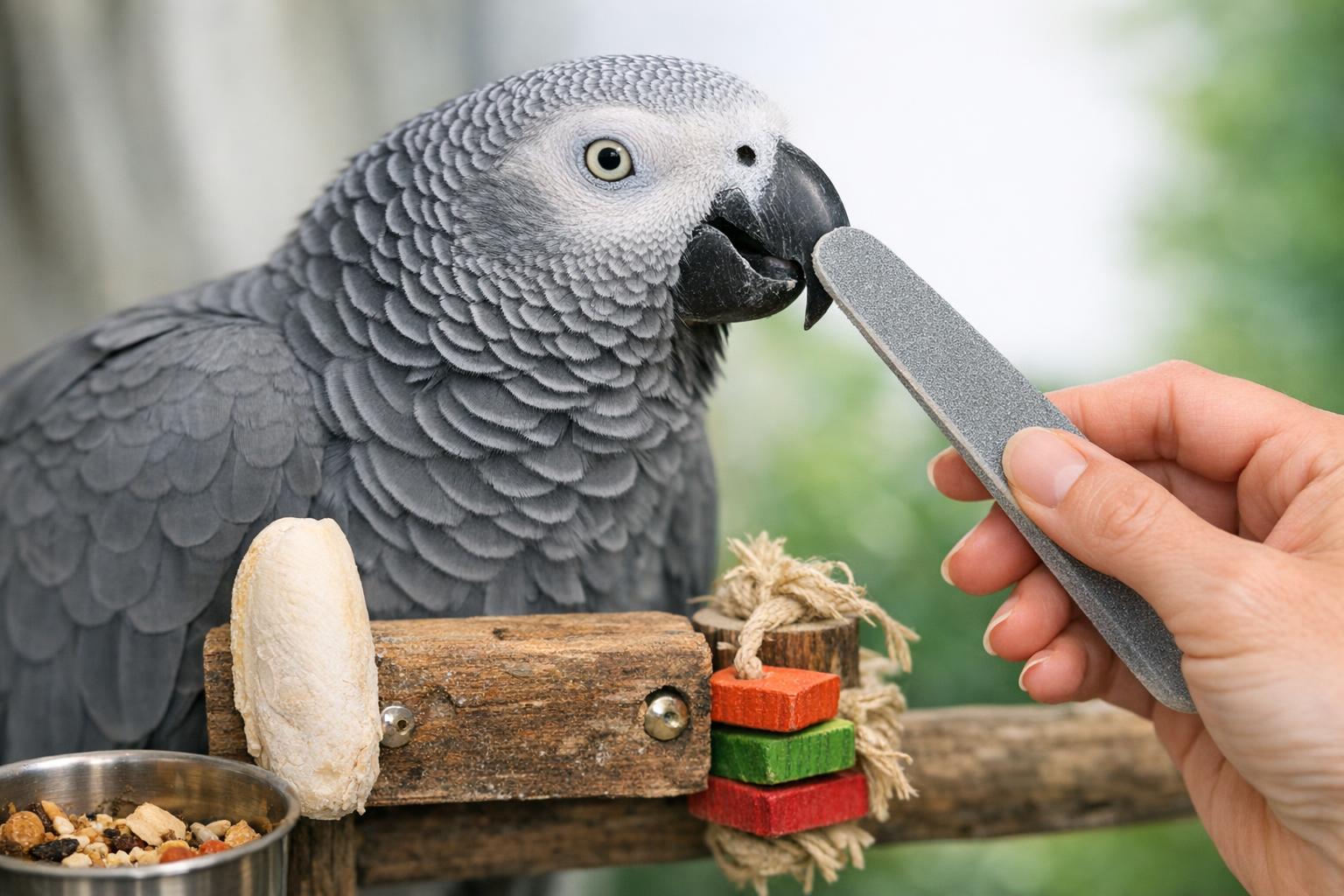
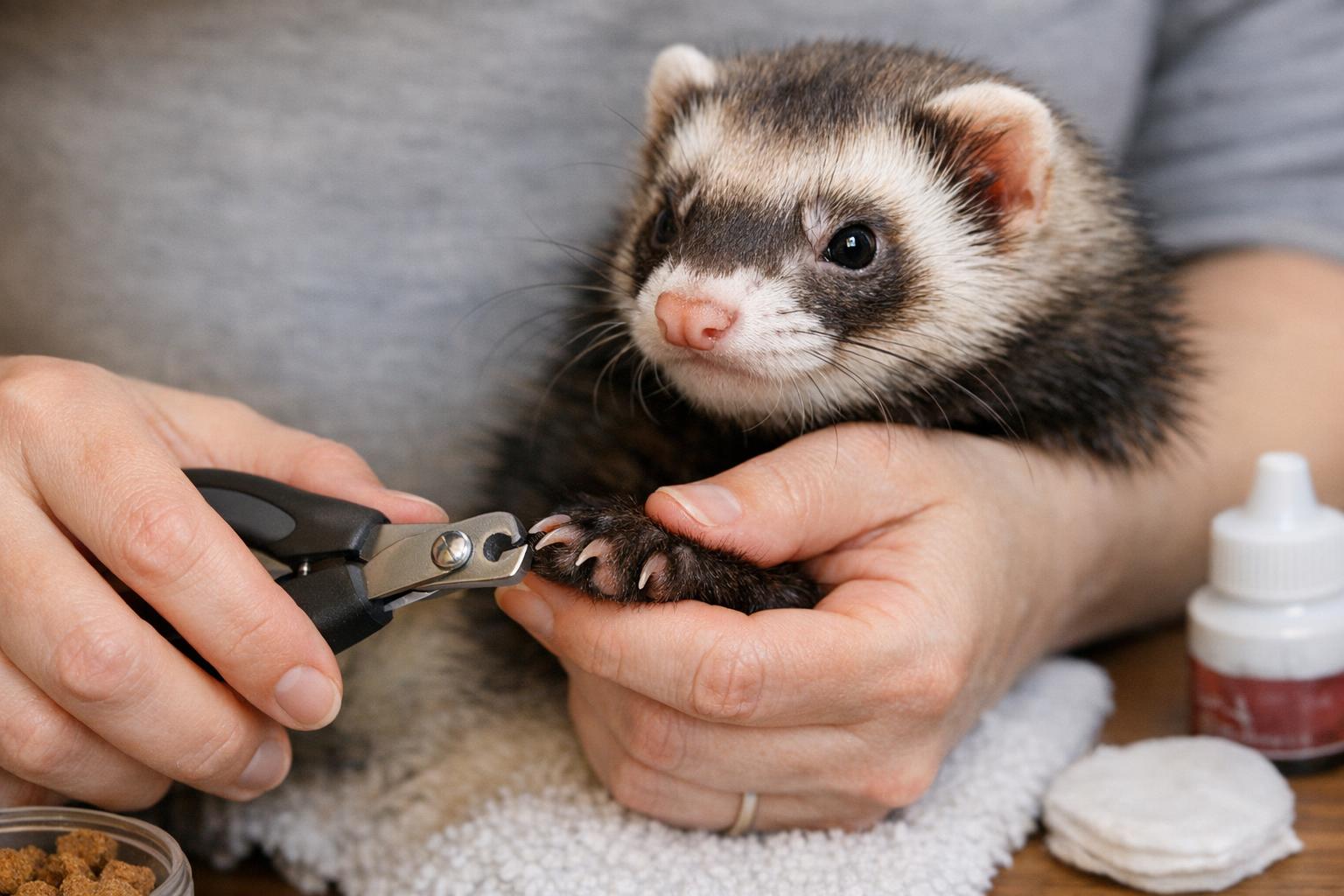
Poorly trimmed nails or an overgrown beak can change how a bird perches and preens, leading to rubbing or feather damage that aggravates dry skin. Routine grooming by a trained person keeps things balanced. Don’t attempt beak work at home unless you’ve been shown how.
## When Medical Intervention Is Necessary
If humidity and diet changes don’t help within a couple weeks, or if lesions, bleeding, or lethargy appear, see an avian vet. Bloodwork can reveal vitamin or organ issues that manifest as dry skin. Skin scraping or feather plucks under anesthesia may be needed for diagnosis. Early veterinary care stops small problems from becoming severe.
### Long-Term Prevention Strategies
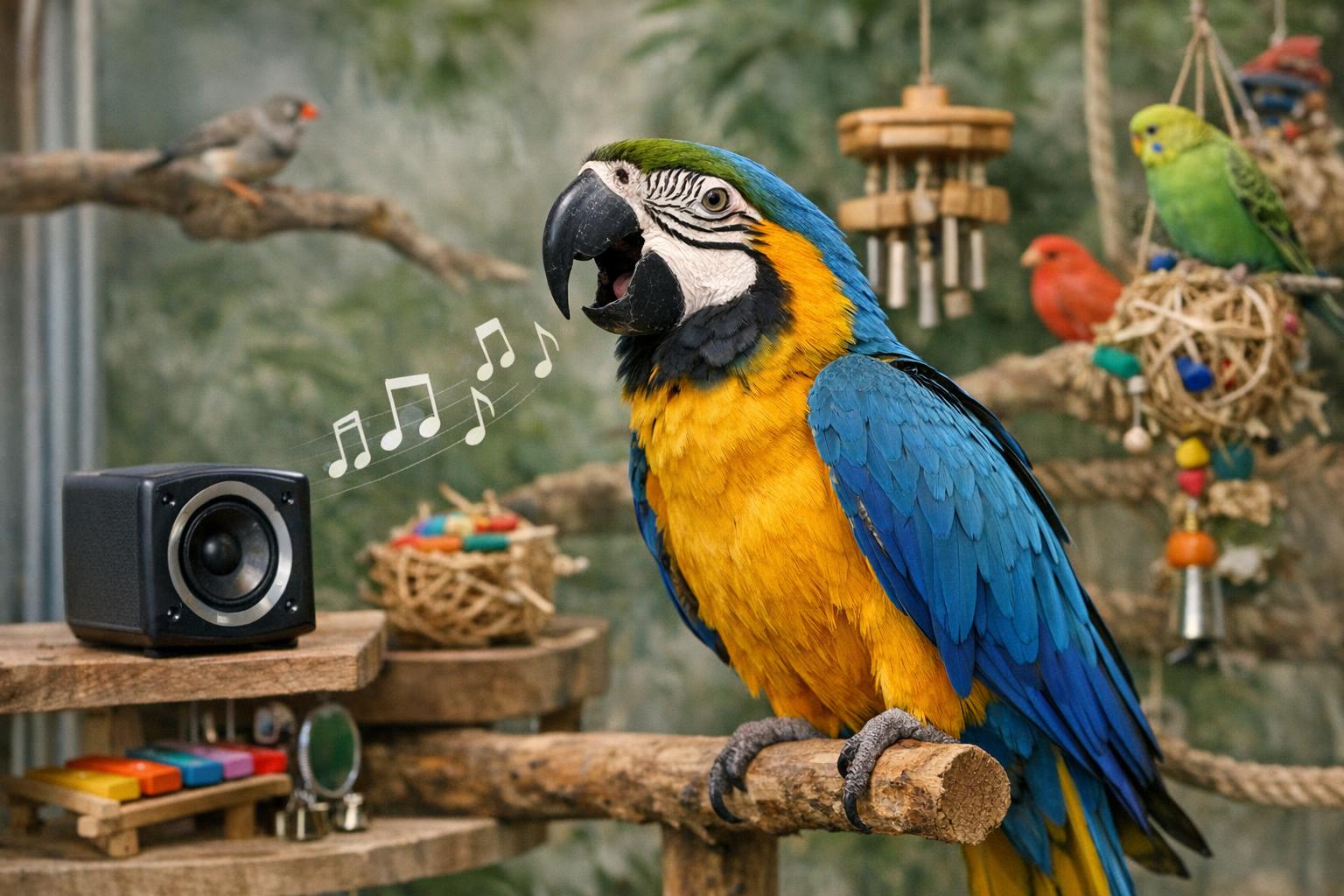
Think of avian skin care as routine maintenance, not an emergency measure. Keep the bird’s environment clean and varied. Rotate perches and toys to prevent repetitive feather wear. Maintain a balanced diet year-round. Schedule annual vet exams that include a feather and skin assessment. These simple steps drop the odds of chronic dry skin.
## Handling Seasonal Changes And Travel
Seasonal shifts throw birds off. In winter, add humidity and reduce heating. In summer, avoid overexposure to air conditioning which dries air quickly. When traveling, try to maintain the bird’s routine and avoid smoky or dusty environments. Frequent small flights within the home or supervised out-of-cage time improves circulation and supports skin health.
### What To Do After Rescue Or Stressful Events
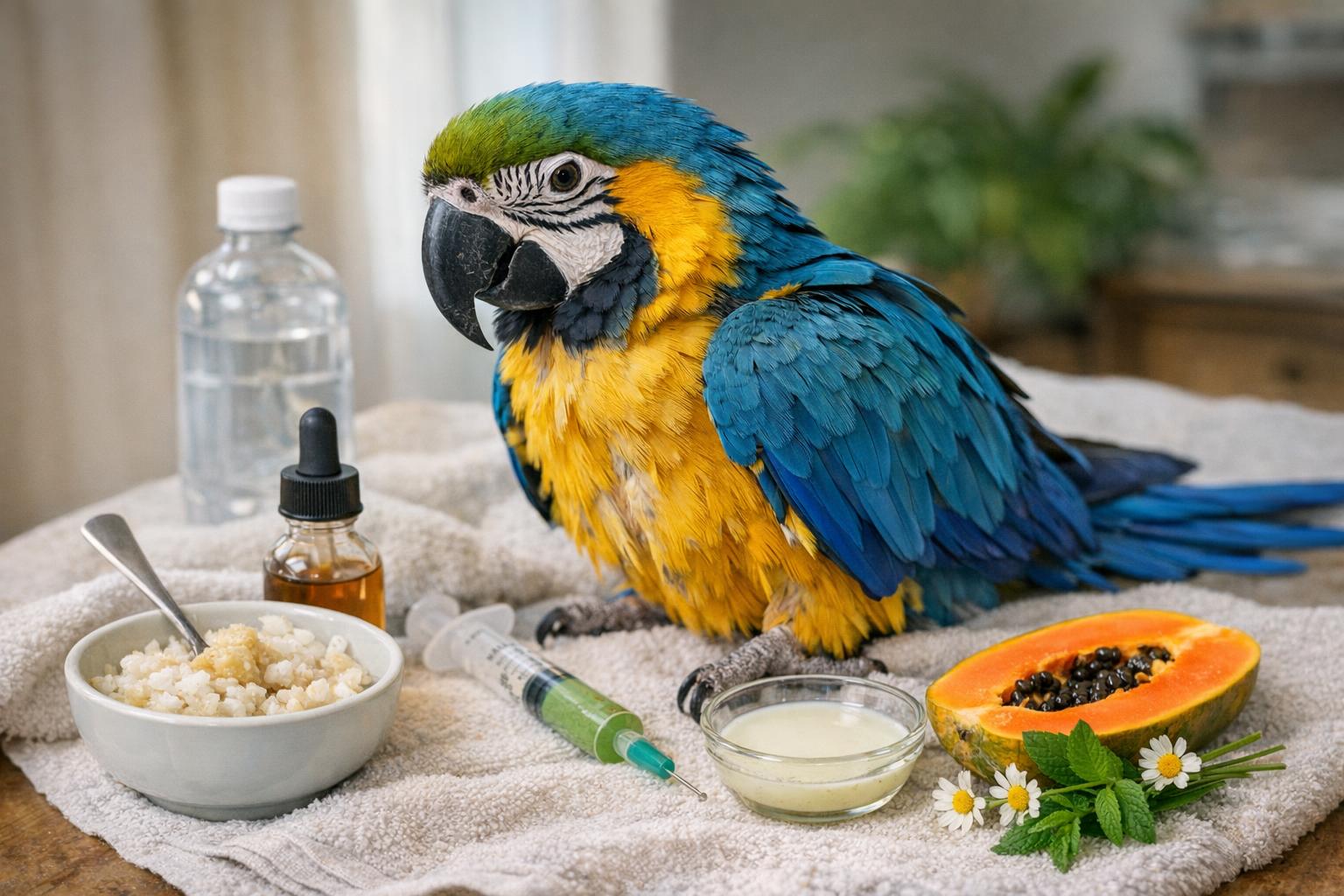
Rescued or recently stressed birds often show dry skin because their immune system is taxed. Stabilize diet, minimize handling, and consult an avian vet for a wellness check. A slow, steady routine rebuilds resilience. Give them time and consistent care. It usually pays off.
## Spotting Subtle Improvement
Look for softer skin at the feather bases, fewer flakes on the cage bottom, and more normal preening without frantic scratching. New feathers that grow in with clean shafts and intact sheaths are a good sign. Keep a simple journal: note changes in diet, humidity, and products so you can see what helps and what doesn’t. A small log helps when you consult your vet.
There are no miracle cures, but consistent attention to humidity, diet, grooming, and vet input will most often provide reliable avian dry skin relief. Be patient. Small, sensible changes add up, and your bird will show it in brighter behavior and stronger plumage. Occassional setbacks happen; handle them calmly and return to the basics.



Leave a Reply