
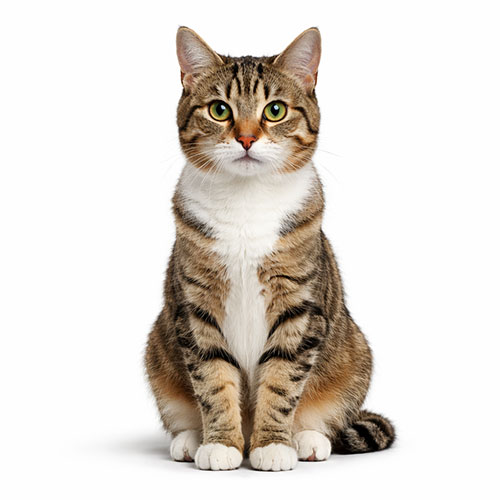





Cats get itchy. It’s not dramatic—just constant scratching, patchy fur, greasy skin. Left alone, it becomes uncomfortable and can lead to infections or behavior changes. You don’t need a prescription for every step. A lot of relief comes from low-cost, sensible home care that keeps irritants away, calms inflamed skin, and makes your cat feel like itself again.
## Home Remedies For Cat Allergies That Ease Symptoms
When a cat is scratching, sneezing, rubbing at its face, or developing red, scaly patches, you’re dealing with a cat allergy problem in the pet itself, not just a human allergic reaction to cats. These home remedies for cat allergies focus on reducing exposure, supporting the skin barrier, and using safe soothing techniques at home. They won’t replace a vet’s diagnosis, but they’ll often cut severity and speed recovery.
### Understand What Triggers It
Allergic reactions in cats usually come from one of three sources: food, environmental allergens (pollen, dust mites, molds), or parasites like fleas. A cat allergy to dust or pollen looks different from a flea-driven reaction. Flea allergy often centers over the back by the tail. Food-related issues tend to show as chronic ear and face inflammation or ongoing gastrointestinal upset.
Keep a running note. When symptoms flare, what changed? New food, new cat litter, an open window in spring, a visit outdoors? Tracking makes it much easier to apply the right home remedy.
### When To See The Vet
If scratching is intense, open sores appear, or the cat loses weight or becomes listless, call the vet. Also check with the vet before starting medications. Many human antihistamines and creams can harm cats in the wrong dose. Basic tests—skin scrapings, ear cytology, or a food elimination trial—are often done at the clinic. Those steps narrow down the cause so your home remedies can be targeted rather than guesswork.
## Practical At-Home Steps To Reduce It
These are actions you can start tonight. They’re cheap, straightforward, and often give visible improvement within days.
### Grooming And Bathing: Keep Irritants Off The Coat
An irritated cat’s coat collects pollen, dust, and dander. Regular grooming removes that surface load.
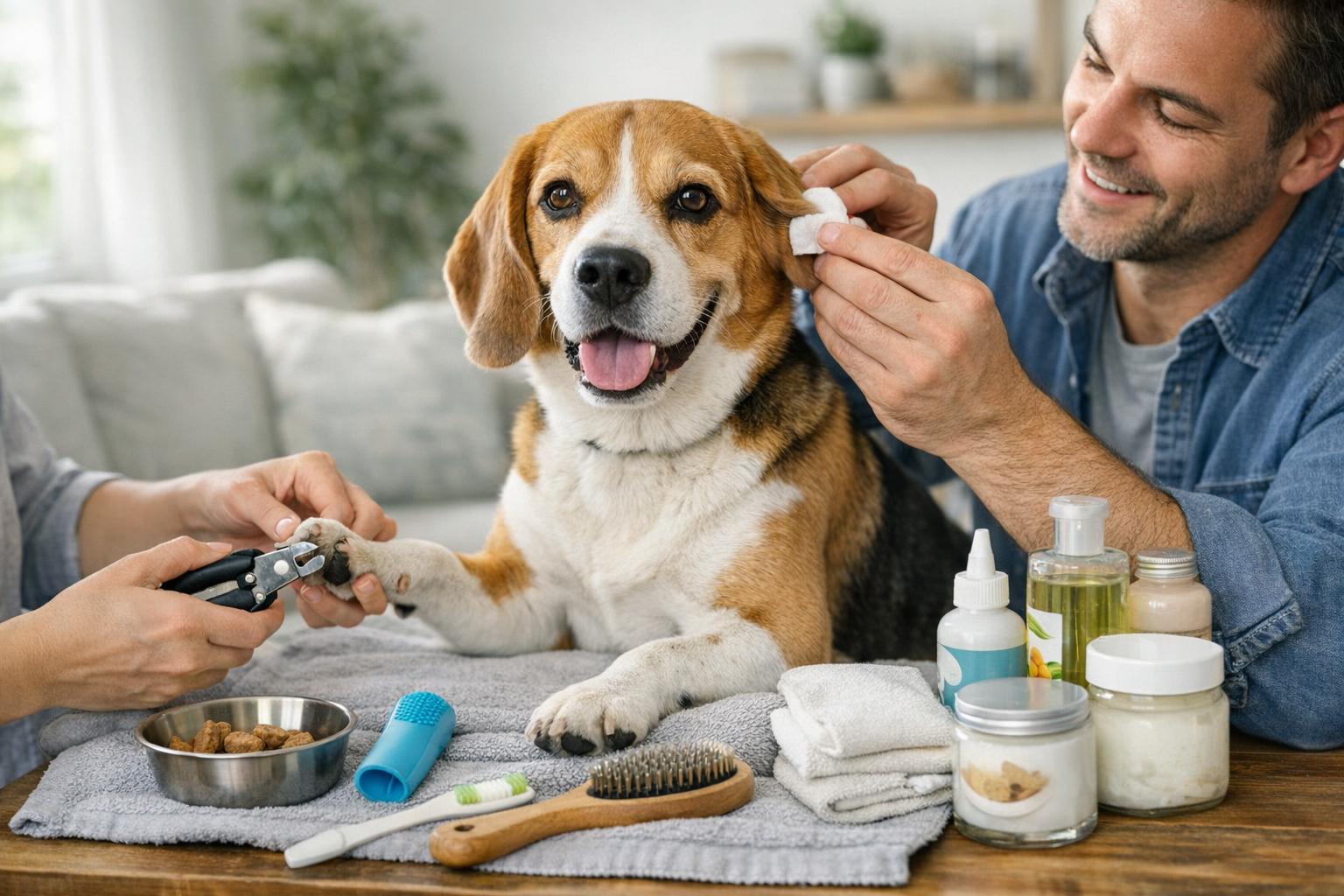
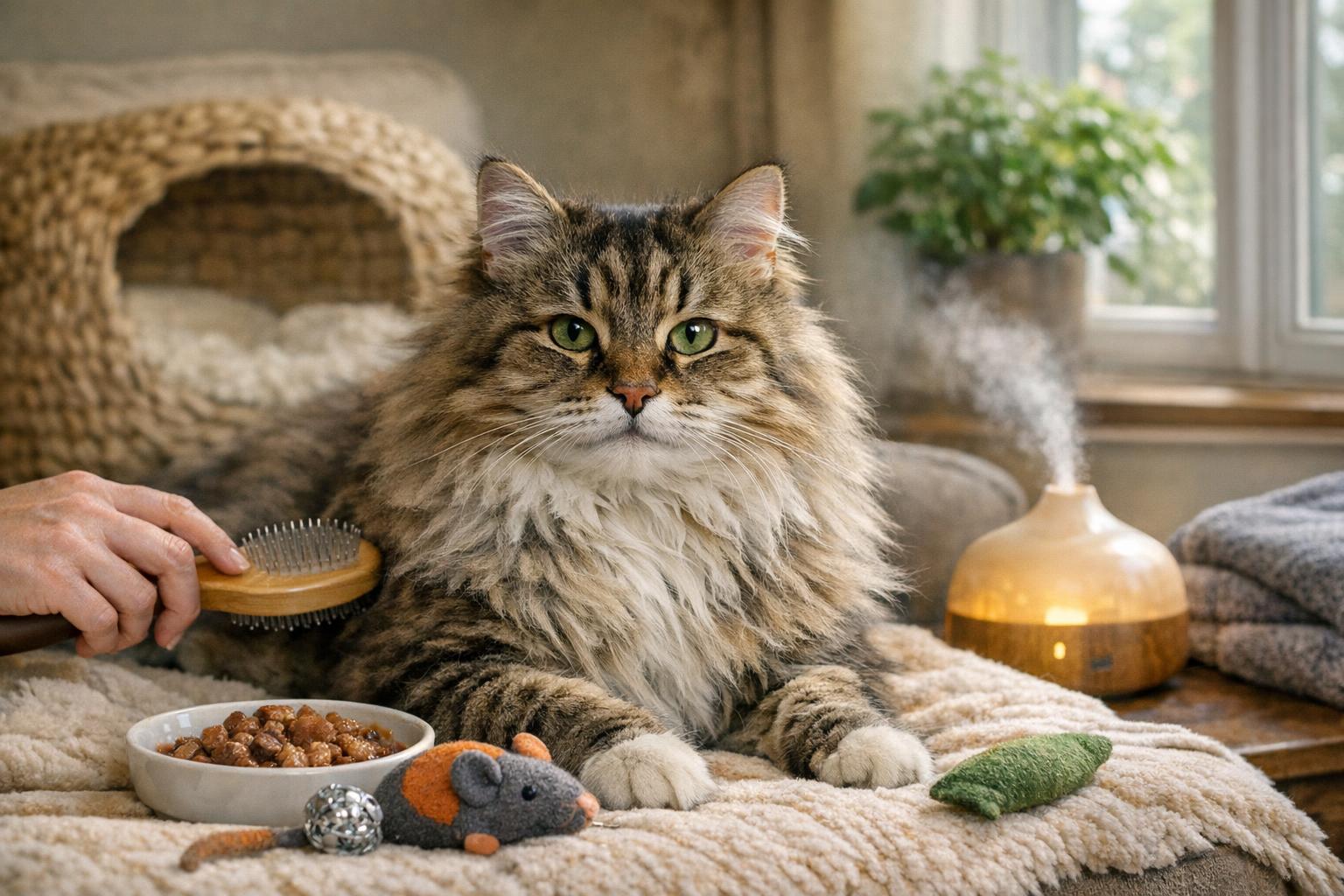
– Brush daily: short sessions remove loose hair and allergens, reduce matting, and give you a chance to inspect the skin.
– Use grooming wipes: if your cat hates baths, unscented, cat-safe wipes clean paws and face.
– Bathe when needed: for many cats that’s once every 2–4 weeks during flare seasons. Use a mild, hypoallergenic shampoo formulated for cats. A colloidal oatmeal shampoo calms and moisturizes skin.
Start slow with brushing; many cats only tolerate a few minutes at a time. Over time you can build up to longer sessions. Make brushing a relaxing ritual—treats help.
#### How Often And What To Use
Choose shampoos labeled for cats. Avoid human products. Rinse thoroughly; shampoo residue can irritate skin. If you use medicated shampoos (for yeast or bacterial overgrowth), follow vet instructions on frequency. Apply conditioner sparingly; some cats do fine without.
Note: if you rely on monthly medicated treatments, check how they interact with other topical flea preventives.
### Diet Changes And Supplements
Food is an underrated source of chronic allergy symptoms. If your vet suspects food sensitivity, an elimination diet—feeding a single novel protein or hydrolyzed diet for 8–12 weeks—can be revealing. No treats, no flavored toothpaste, nothing else.
Supplements that support skin health:
– Omega-3 fatty acids (fish oil) can reduce inflammation and improve coat quality. Dose under vet guidance.
– Probiotics sometimes help gut-skin connections, especially if your cat has minor GI symptoms.
– Quercetin or “natural antihistamines” show anecdotal benefit, but discuss with your vet before starting.
Diet fixes aren’t instant. Expect gradual improvement over weeks. Keep feeding records so you can spot trends.
### Topical Treatments And Medications At Home
Some topical measures give fast relief:
– Cool compresses applied to irritated spots will reduce heat and inflammation for a short time.
– Short courses of vet-prescribed topical steroids can bring down intense flares; use exactly as directed.
– Antiseptic rinses or wipes help prevent secondary infections on broken skin.
Avoid home creams or essential oils. Many essential oils are toxic to cats. Plain items—clean water, saline, and vet-approved products—are usually safer.
Do not dose your cat with over-the-counter human medications without veterinary approval. A cat’s reactions to drugs can be unpredictable.
## Environment Tweaks That Make A Tangible Difference
Nothing beats reducing what the cat breathes and coats itself with.
### Control Indoor Allergens
– Air filters: A HEPA air purifier in the room where your cat spends most time reduces airborne pollen and dust.
– Humidity: Keep indoor humidity moderate. Too dry, and skin gets flaky; too humid, and molds thrive.
– Regular vacuuming: Use a vacuum with a HEPA filter. Focus on furniture and carpets where your cat rests.
You don’t need to renovate the whole home. Start in one or two high-use areas like the bedroom and living room.
### Bedding, Fabrics, And Furniture
Wash the cat’s bedding weekly in hot water to remove dander and pollen. Replace plush beds for a while with washable, tightly woven fabrics. Minimize heavy drapes and wall-to-wall carpets if you can; they trap allergens.
If your cat spends time outdoors, wipe its paws and belly after coming inside to limit pollen transfer.
### Litter And Household Products
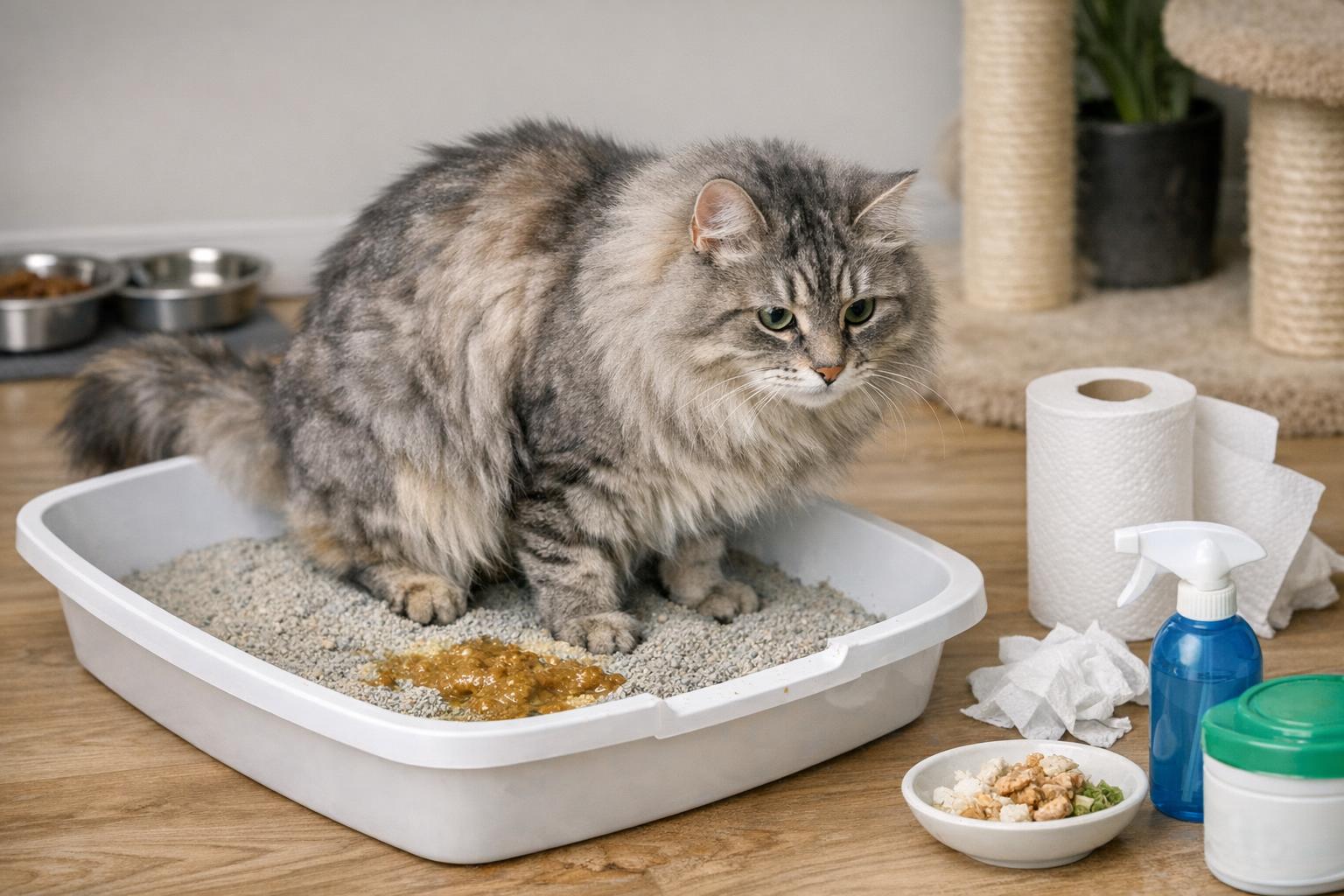
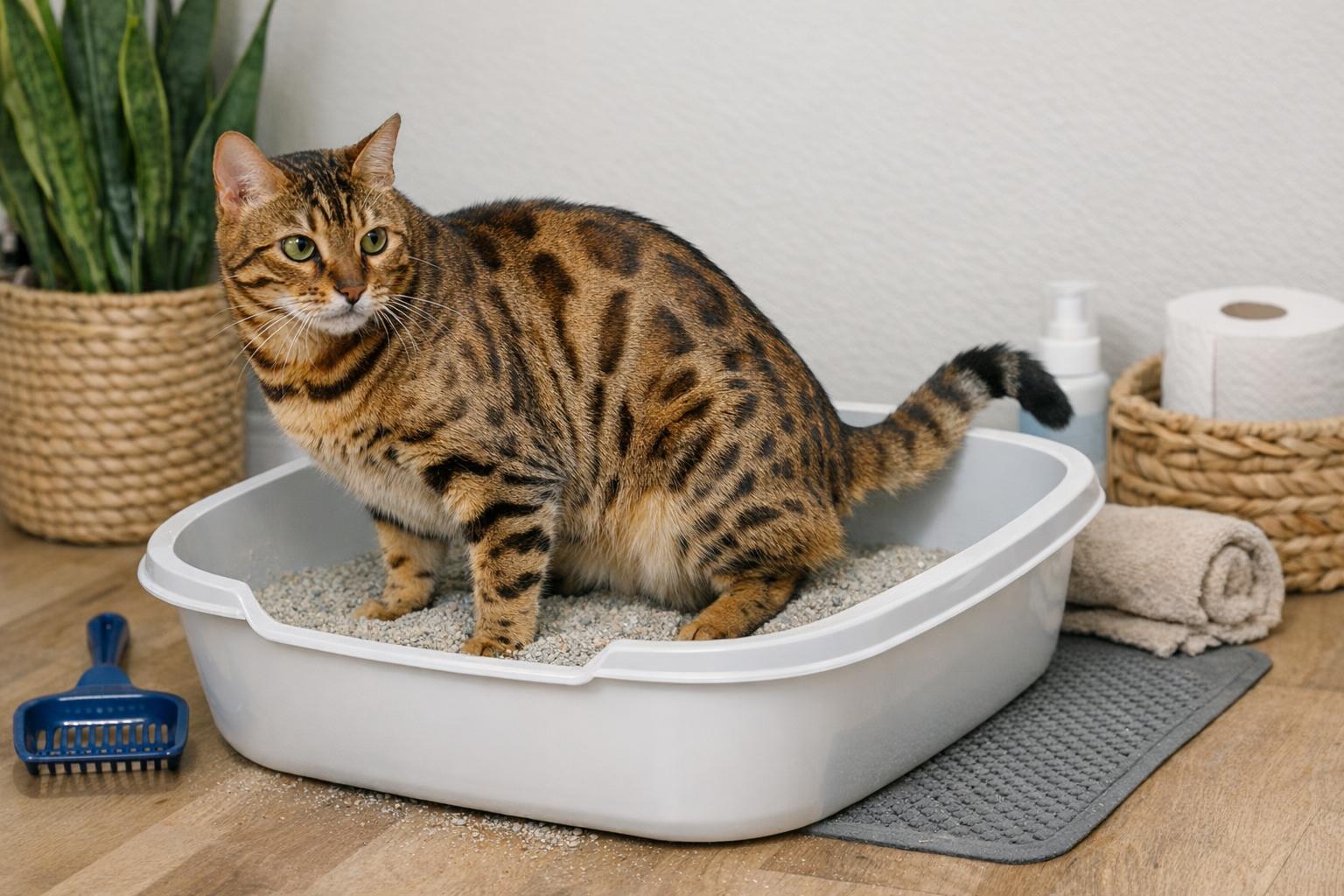
Switch to low-dust, unscented litter. Scented litters and household cleaners often aggravate sensitive skin and airways. Use vinegar-based cleaners or mild, fragrance-free products around litter areas.
## Control Fleas And Parasites
Flea allergy is a common, intensely itchy condition. It only takes a few bites for a susceptible cat to flare.
Treat all pets in the household with vet-recommended flea prevention year-round. Check bedding and carpets for flea dirt. If fleas are present, environmental treatment and washing bedding are essential. Even if you see no fleas, a history of seasonal itchiness near the tail suggests you should act as if fleas are the cause until proven otherwise.
## Comfort Measures For Itchy Cats
When the itching is severe, comfort matters more than complex interventions.
### Soothing Baths And Compresses
A simple oatmeal soak can soothe inflamed skin. Use colloidal oatmeal mixed in warm water; wet the coat, lather gently, and rinse. For spot relief, cool compresses applied for 10 minutes can reduce heat and calm the urge to scratch.
Avoid excessive bathing; over-bathing strips oils and can worsen itching. The goal is to clean and soothe, not to dry out the skin.
### Safe Home Ointments And Protectors
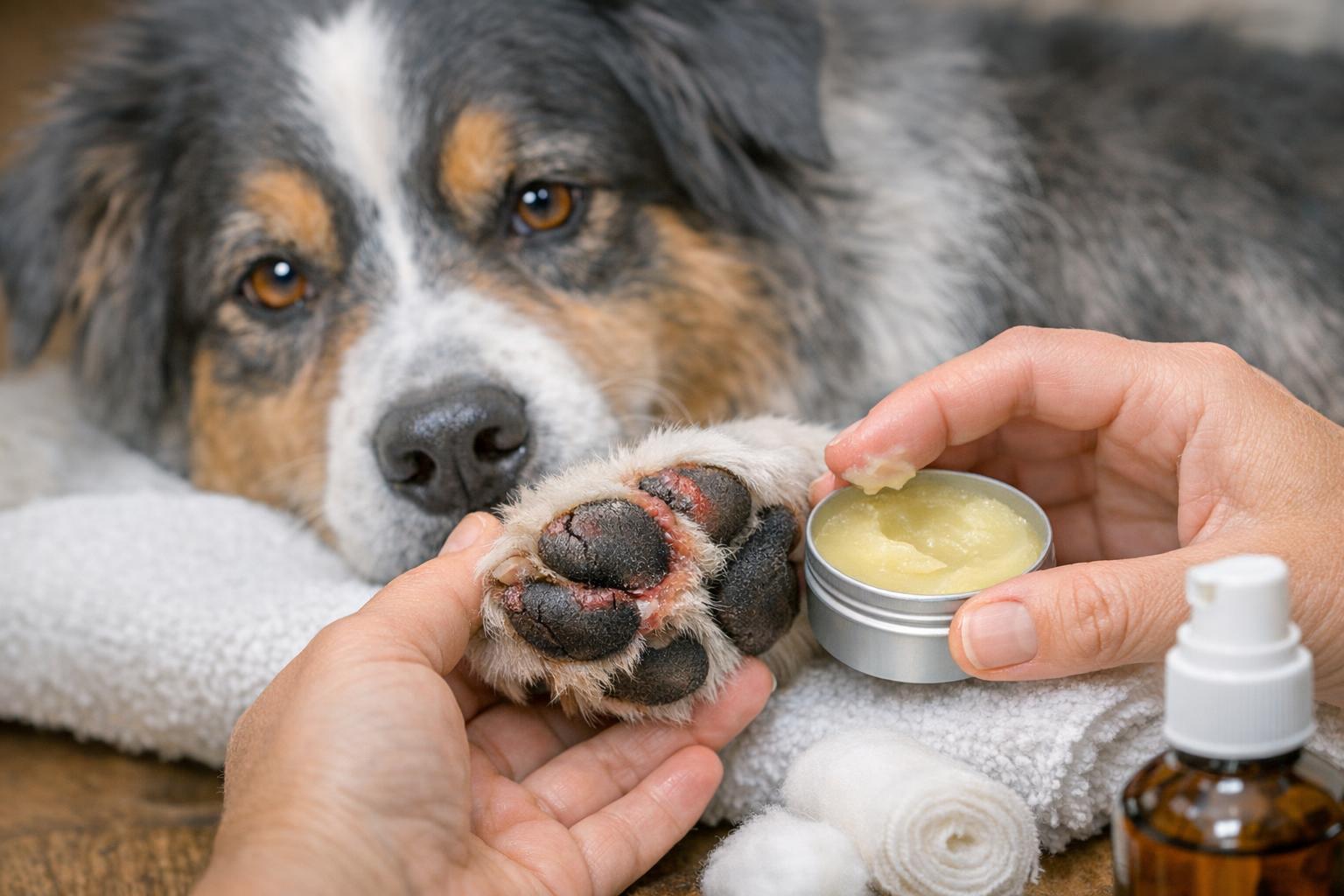
If a cat is licking a sore raw, a protective barrier can prevent infection and allow healing. Vet-approved ointments do the job. Avoid human antibiotic creams unless explicitly recommended.
An Elizabethan collar or soft recovery collar prevents destructive licking while topical treatments work. For some cats, an inflatable collar is less stressful.
### Make The Cat’s Space Predictable
Stress amplifies itchiness. Changes in routine, new pets, or noisy household events can make reactions worse. Keep feeding times, litter cleaning, and play sessions consistent. A calm environment is an underrated home remedy for cat allergies.
## When Owners Are Allergic Too
If you (or someone in the home) have a cat allergy, your steps will also protect the cat, and vice versa.
– Declared “no-go” zones: Keep at least one room—often the bedroom—cat-free to give both the person and the cat a controlled sanctuary.
– Clean hands after petting: This reduces transfer of pet dander around the house.
– HEPA filters and frequent vacuuming help both human allergies and the cat’s skin environment.
Remember that reducing human allergy symptoms often means reducing the cat’s dander spread as well. The measures overlap.
## Long-Term Strategies To Reduce Relapses
Acute fixes are useful, but consistent maintenance prevents recurring flares.
### Routine Skin Care
A light maintenance grooming schedule—brushing weekly, bathing monthly when needed, and monitoring for fleas—keeps baseline allergen load low. Skin-friendly diets and periodic omega-3 supplementation can maintain coat condition and reduce the frequency of flares.
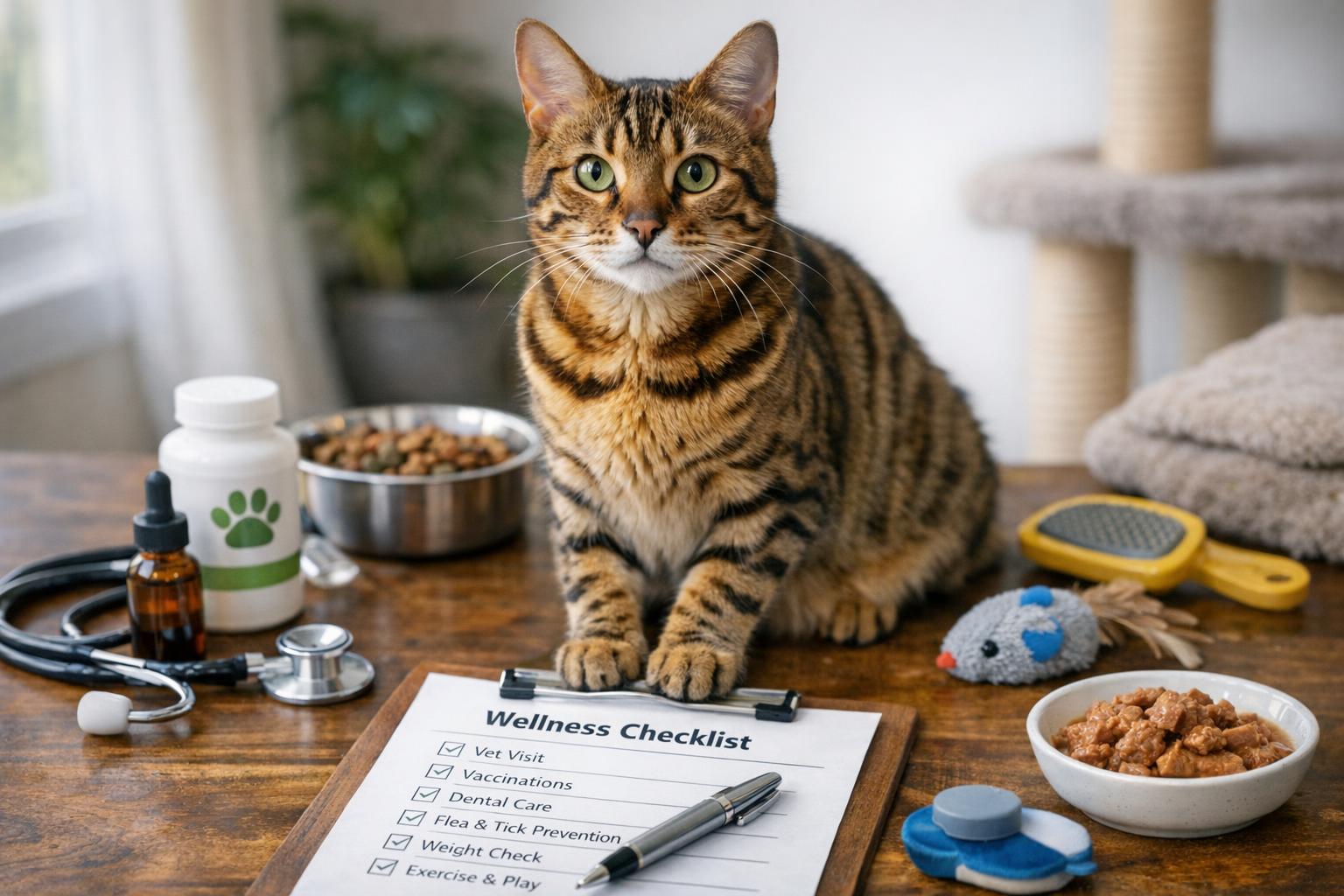
Keep a simple calendar or app note of treatment start dates and symptom changes. That record helps you and your vet evaluate what’s working.
### Allergy Testing And Immunotherapy
If home remedies reduce symptoms but don’t stop them, allergy testing followed by immunotherapy (allergy shots) can be effective. This is not a DIY option. Still, it’s worth knowing as a next step when home measures are insufficient.
### Practical Record Keeping
When you try a new shampoo, diet, or environmental control, track the date and outcome. If a flare recurs, the timeline helps identify causes. Less guesswork. Faster fixes.
## Simple Homemade Remedies That Are Safe
Some things you can make at home that are generally low-risk and can soothe skin.
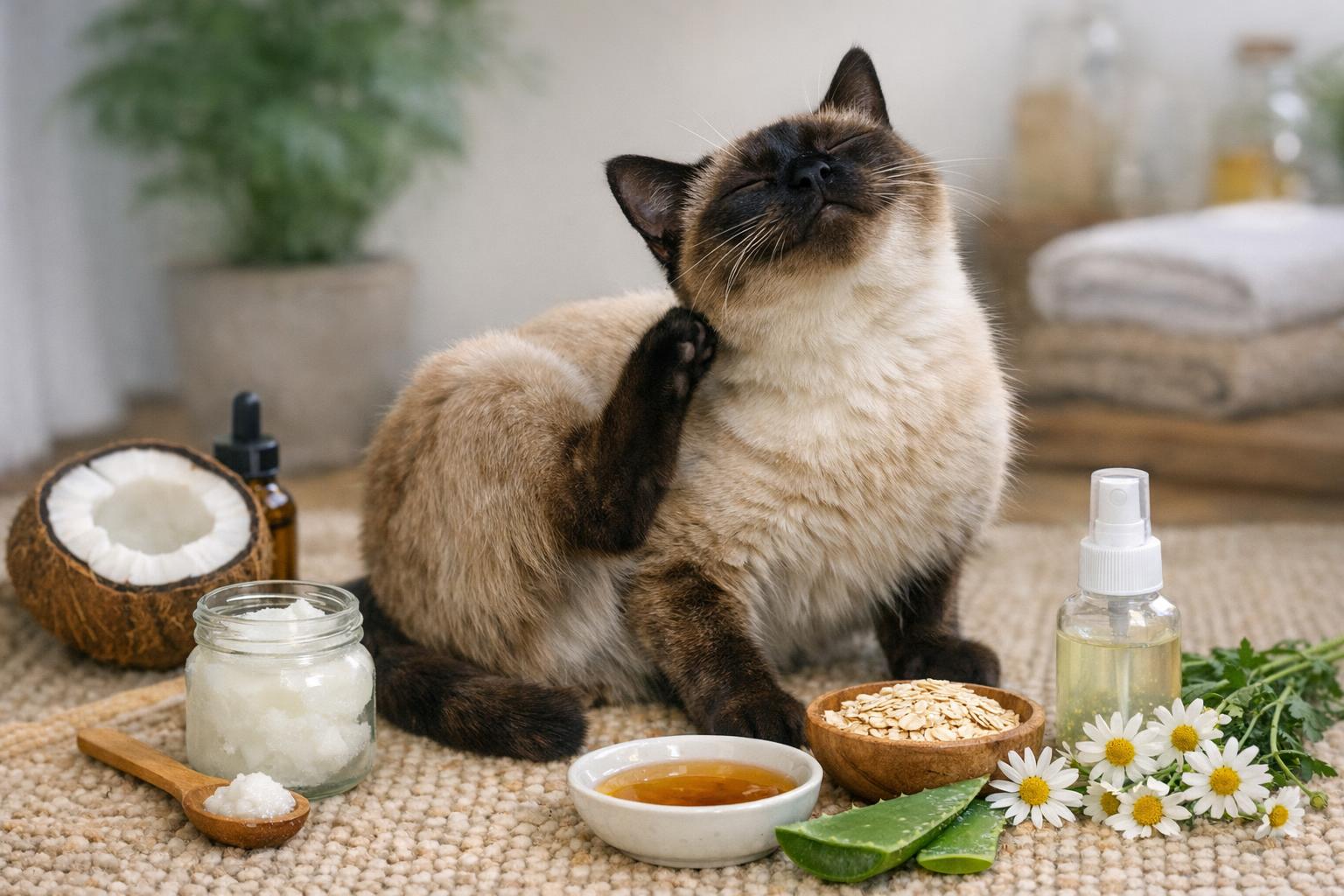
– Oatmeal Rinse: Grind plain oats into a fine powder (colloidal oatmeal), mix with warm water, and apply to wet fur. Rinse completely.
– Saline Eye Wash: For mild eye discharge, use a sterile saline solution and a clean cloth to gently wipe the eyes. Don’t force it—if eyes are red and painful, see the vet.
– Cool Compress: Soak a cloth in cool water and apply for short periods to reduce local inflammation.
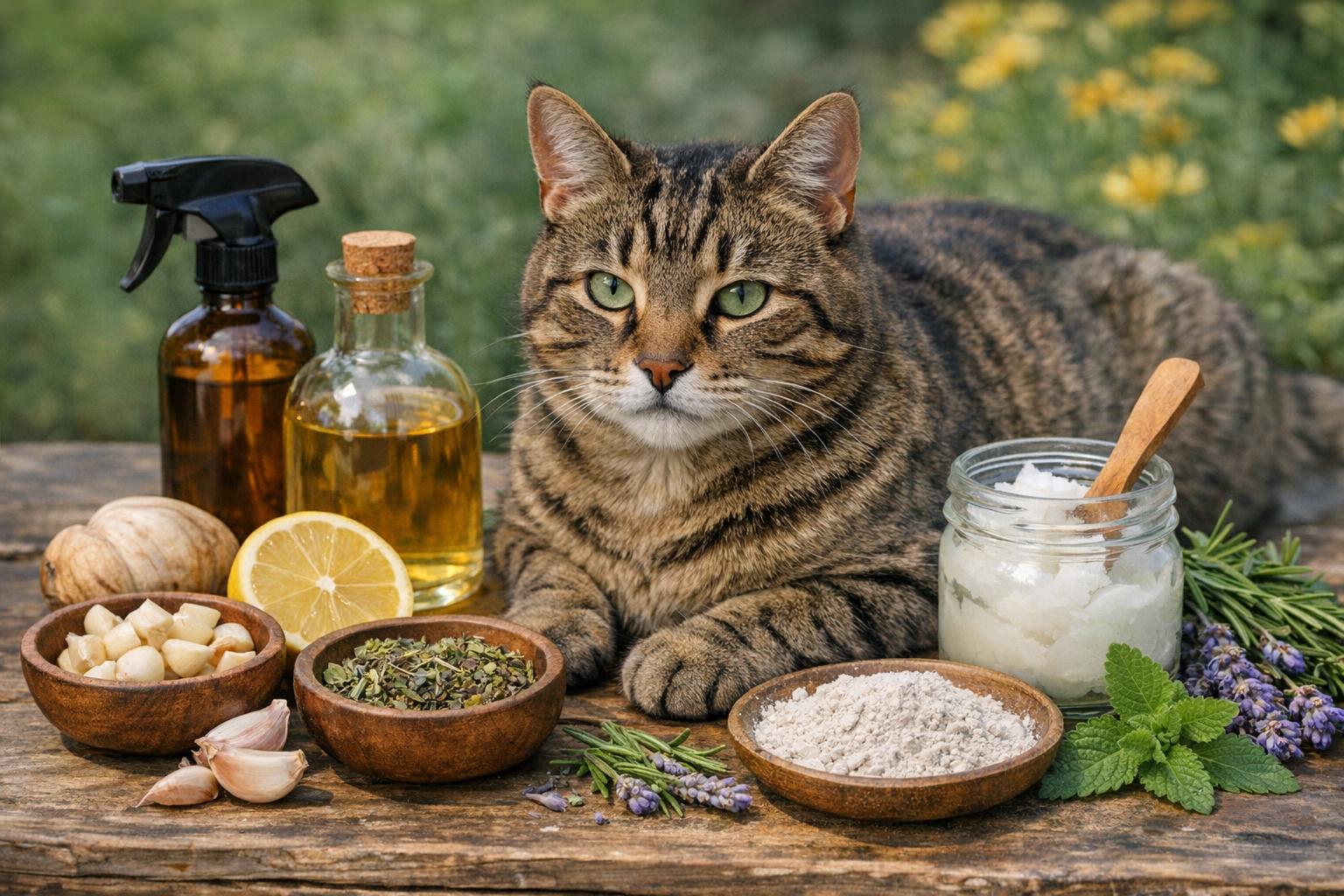
Avoid herbal or essential oil concoctions. Many plants and oils are toxic to cats even in small amounts. Keep it simple and safe.
## When Home Remedies Aren’t Enough
If symptoms persist despite careful home management—if the cat is losing fur, has recurrent ear infections, or is behaviorally changed—deeper intervention is needed. That could be medicated shampoos, systemic medications, or diagnostic testing. Your vet can turn home progress into a longer-term plan: identify the allergen, prescribe the correct medicine, and advise which home remedies to continue.
Treating allergies in cats is rarely a single fix. It’s a combination: remove triggers, soothe the skin, maintain good grooming, and use targeted vet care when required. Little, consistent changes add up fast. Start with what’s easiest: cleaner bedding, a short grooming routine, and a vet call if anything looks infected. Your cat will show you the difference—less scratching, softer fur, more relaxed naps. And that’s what matters.





















Leave a Reply