




If your cat hasn’t pooped in a day and is circling the litter box like it’s a haunted house, do something about it. Constipation is common, especially in older, overweight, or long-haired cats. It’s also one of those problems that starts small and can become urgent fast if you ignore the early signs.
## Constipation Relief For Cats: Simple Home Steps
You don’t always need a clinic visit right away. There are gentle, practical things you can try at home that often make a real difference. The aim is to soften and move the stool, reduce discomfort, and address whatever caused the slowdown in the first place.
### Recognize The Real Signs
Cats are good at hiding pain, so look for small changes. These are the red flags:
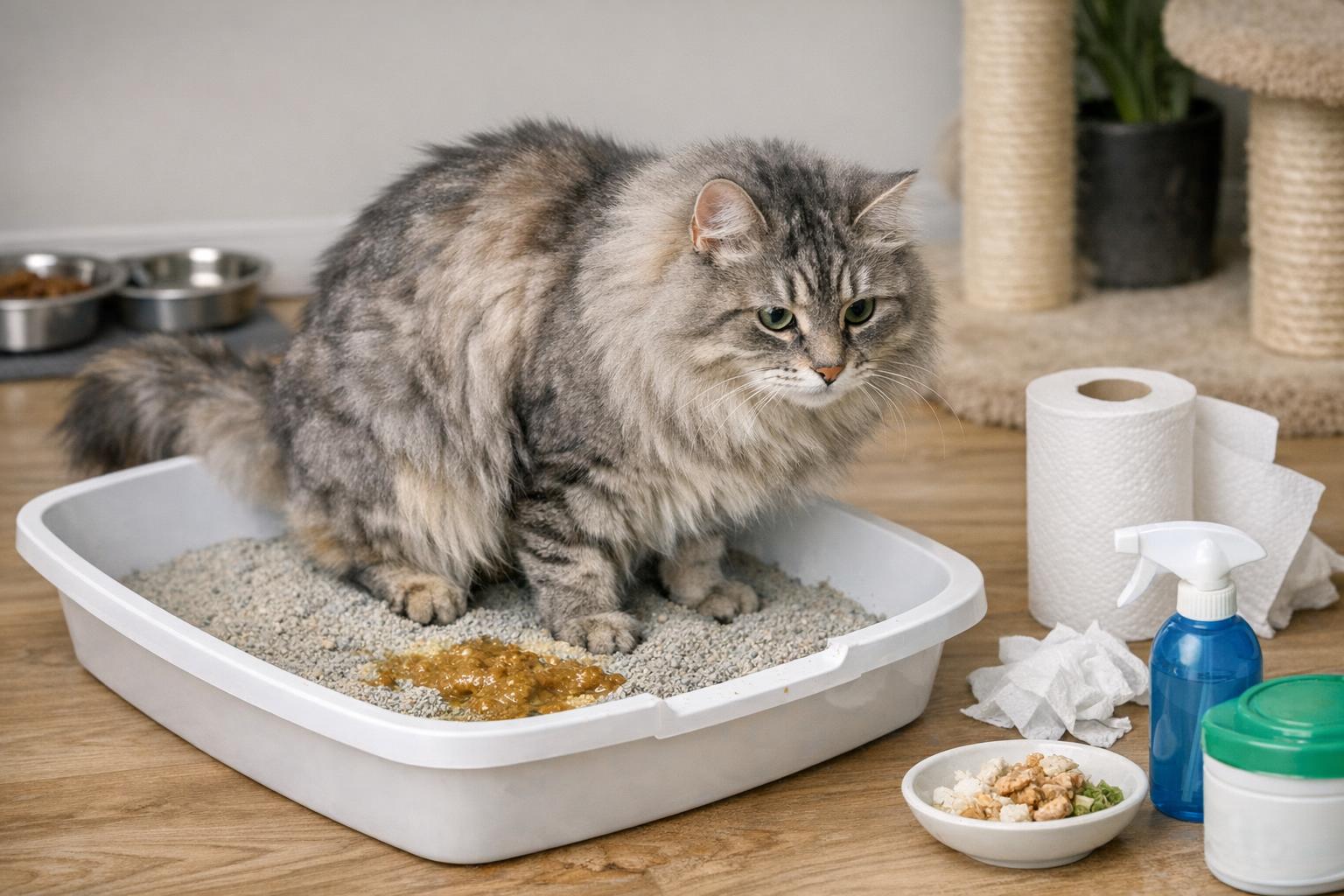
– Straining in the litter box with little or no output.
– Small, hard pellets or dry stools.
– Sitting in the box longer than usual, crying, or walking away frustrated.
– Lethargy, decreased appetite, or vomiting.
– A tense, uncomfortable belly or reluctance to jump.
When you see those signs, don’t assume it’s “normal old cat stuff.” Feline constipation can progress to obstipation or megacolon, which demand veterinary care.
### Why Cat Digestion Gets Sluggish
Several simple factors interfere with cat digestion. Older cats lose muscle tone; fewer bowel contractions mean slower transit. Hairballs are an obvious culprit — lots of hair in the gut can form clumps that trap stool. Low-fiber diets, chronic dehydration, obesity, and certain medications also slow things down. Less commonly, underlying problems like pelvic injuries, nerve damage, or metabolic disease are to blame.
Understanding the trigger matters, because the wrong treatment can do more harm than good. If your cat has been constipated repeatedly, you need a vet to check for structural or neurologic causes.
#### Gentle Hydration Boosts Everything
Water is the simplest fix and it’s underrated. Dry kibble can leave stools hard; extra moisture softens them. Ways to increase hydration without a fight:
– Switch more meals to canned or pouched wet food. A 5–7 day trial will show if stool consistency improves.
– Offer a cat water fountain — many cats drink more from moving water.
– Add a tablespoon or two of warm (not hot) water to canned food.
– If the cat refuses, syringe-feed small amounts of water into the cheek pouch in brief sessions; ask your vet to show you the technique.
Subcutaneous fluids are an option for chronically dehydrated cats but must be done under veterinary guidance.
#### Fiber: Use It, But Slowly
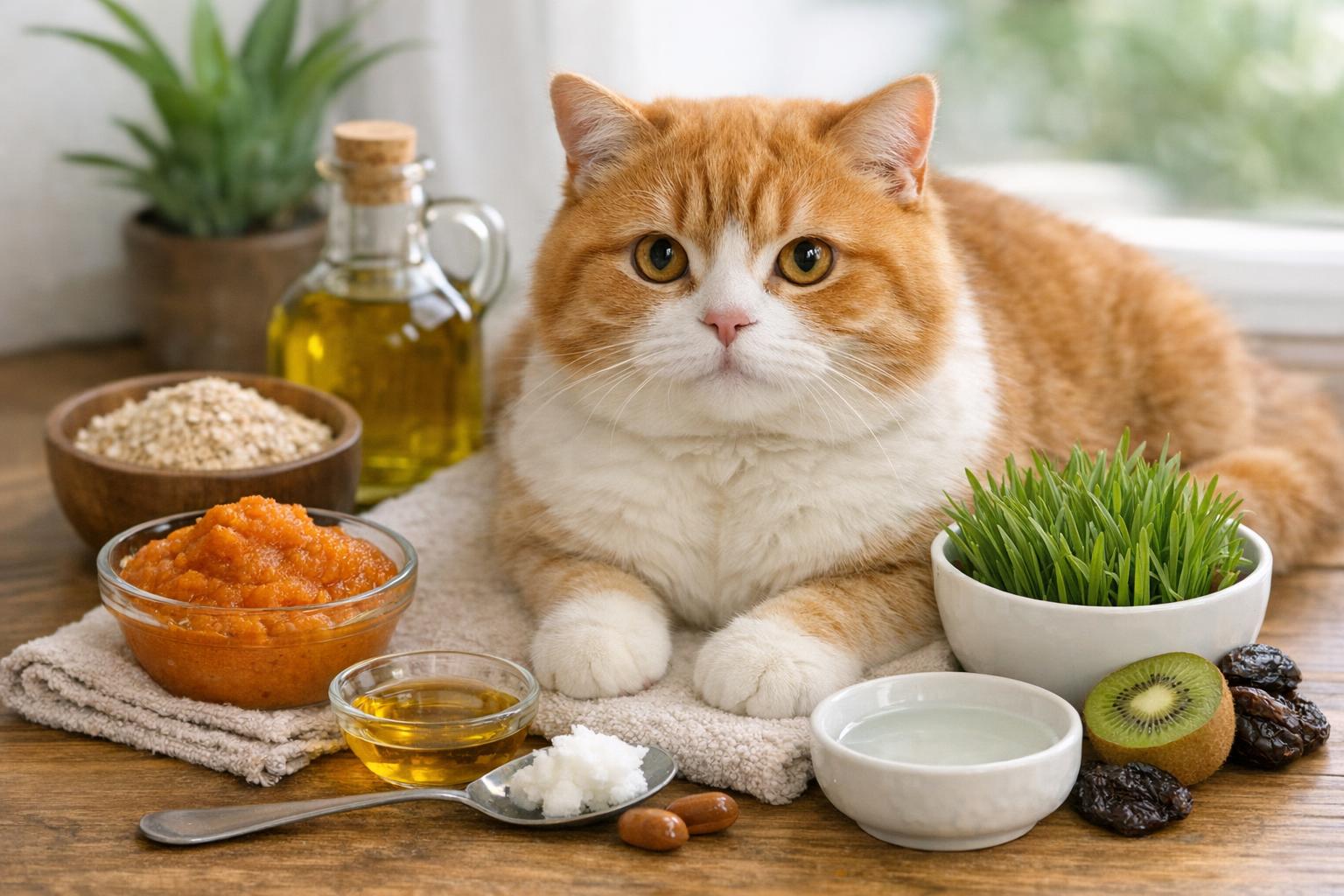
Pumpkin puree (plain, unsweetened) is the go-to home remedy for fiber. A teaspoon for a small cat, up to a tablespoon for a larger cat, mixed into wet food once a day can help. Psyllium husk is another source, but you must mix it with plenty of water and introduce it gradually to avoid gas and bloating.
Don’t overload fiber in a dehydrated cat — that can make stools firmer. In other words: hydrate first, then add fiber. Track stool changes over several days. If you see no improvement, stop and call your vet.
#### Oils And Lubricants: Proceed With Caution
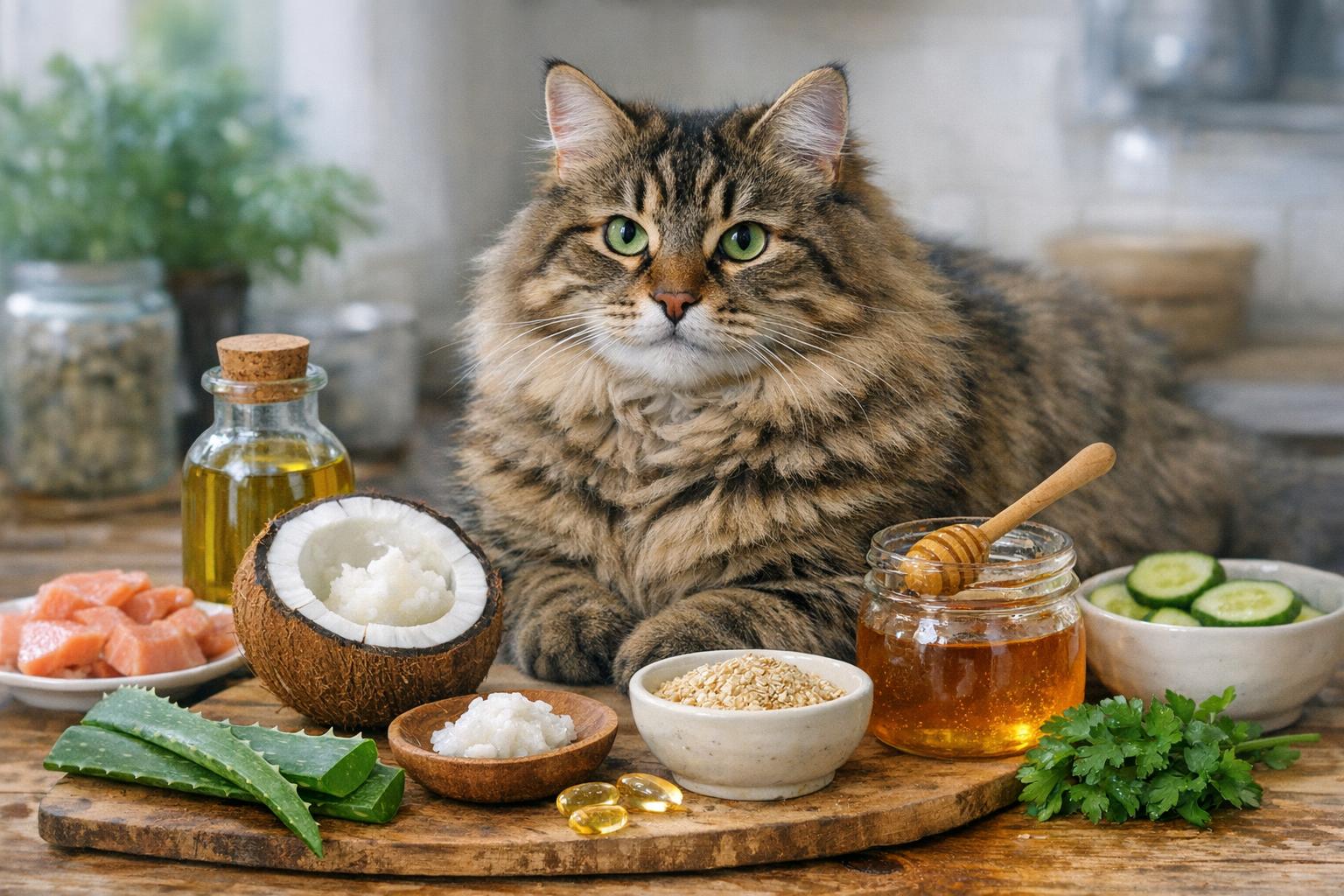
A small amount of olive oil or fish oil mixed into food can sometimes ease passage by lubricating the colon. Many cat owners report success with a teaspoon or so, but I won’t tell you to try mineral oil at home. Mineral oil can be aspirated if a cat vomits and cause pneumonia. If you’re tempted to use any oil or laxative, check with your vet first. There are safe, veterinarian-prescribed stool softeners (like lactulose) that do the job without the same risks.
### Hands-On Techniques That Help
There are a few low-tech, hands-on methods that often speed recovery.
#### Gentle Abdominal Massage
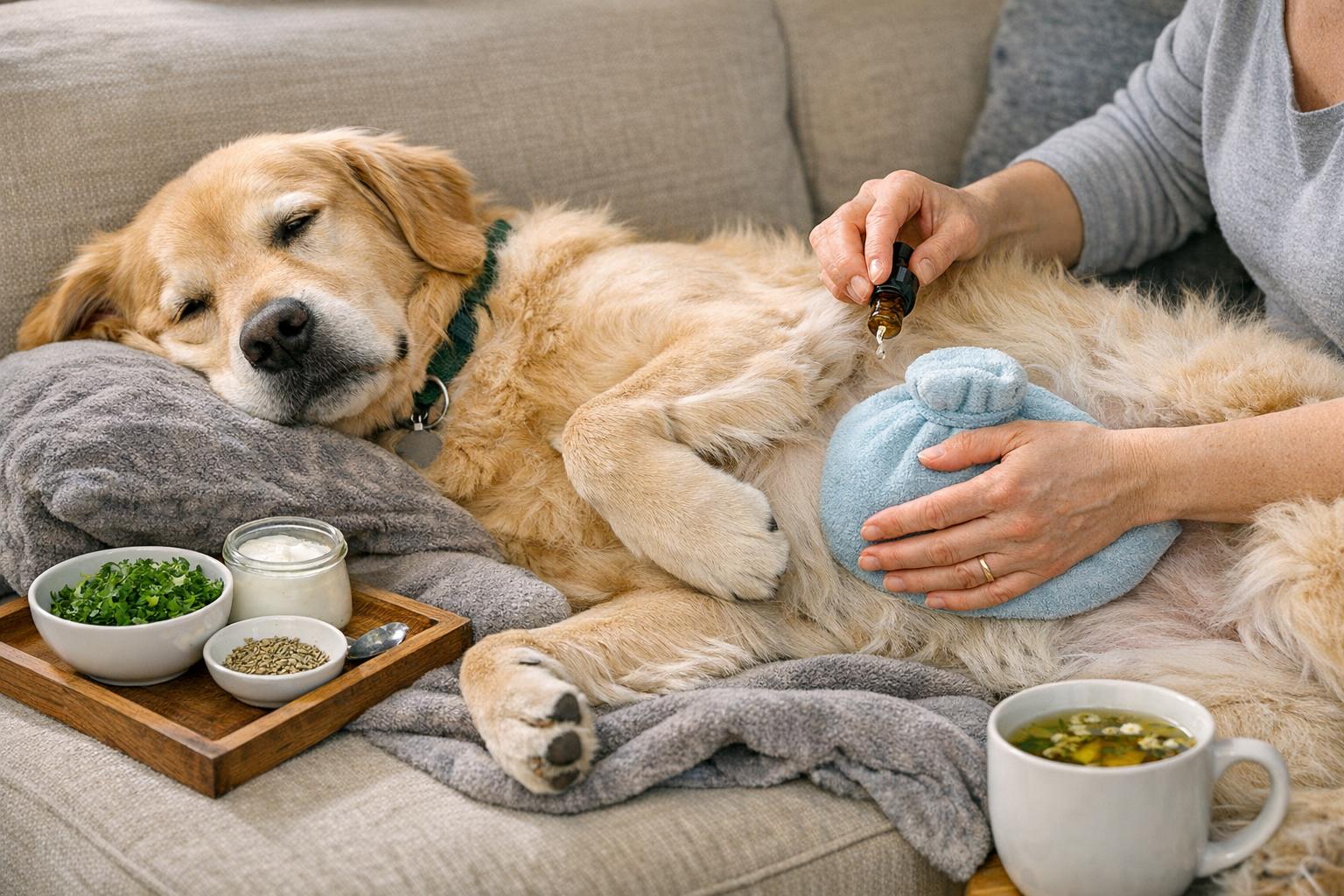
Place your cat on a towel and gently massage the abdomen in small, clockwise circles. Use light pressure. You’re trying to stimulate bowel movement, not give a deep tissue rub. Ten minutes, a couple of times a day, can be useful. If your cat resists or shows pain, stop.
#### Encourage Movement
Exercise stimulates gut motility. Play for short, frequent intervals. Use a laser pointer or a feather toy. If your cat is overweight, start slow and be consistent. Five minutes of activity after a meal can do wonders for digestion.
#### Help With Hairballs
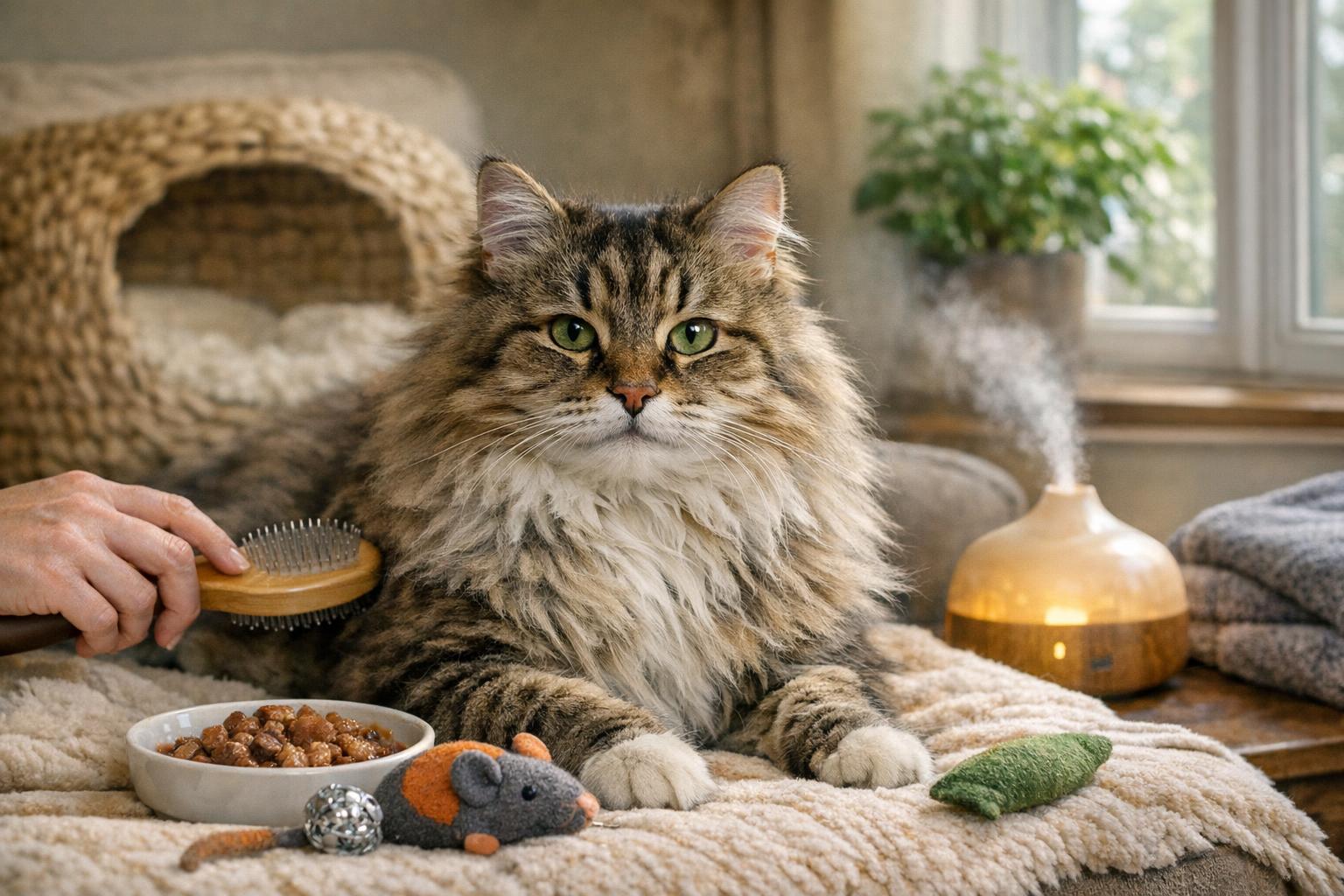
If long hair contributes to the problem, increase grooming. Daily brushing removes loose fur before your cat swallows it. Use a slicker brush or a rubber grooming glove. Hairball formulas in treat or paste form can also lubricate the gut and move hair through; follow package directions and monitor response.
### Diet Tweaks That Work
Diet is the long-term fix for many cats with chronic slow transit.
– Move to a high-quality canned food if you haven’t already. It increases moisture and usually improves stool quality within days.
– Consider a diet formulated for digestive health or weight control if obesity is part of the picture.
– If your cat has food sensitivities, inconsistent stool can follow. An elimination trial under a vet’s guidance can help.
Any diet change should be gradual over 5–7 days to avoid GI upset.
#### Probiotics And Digestive Support
Probiotics can help rebalance gut flora and improve motility. Look for products formulated for cats; many contain strains shown to support cat digestion. Introduce probiotics for at least two to four weeks to see changes. Prebiotics, like small amounts of plain pumpkin, feed the good bacteria and complement probiotics.
### What Not To Try At Home
Don’t give human laxatives, stool softeners, or enemas without explicit veterinary instruction. Household remedies like castor oil, bisacodyl, or suppositories can be dangerous. Enemas in particular risk colon damage if done improperly.
If your cat shows bloody stool, severe pain, fever, or persistent vomiting, get to an emergency vet. Those aren’t home-remedy cases.
## When To Call The Vet For Constipation Relief For Cats
If your home measures don’t work within 24–48 hours, or your cat becomes lethargic or stops eating, call your veterinarian. Signs that need prompt professional care include:
– No bowel movement for more than 48 hours.
– Frequent, intense straining with little to no output.
– Vomiting or abdominal pain.
– Blood in the stool or a very hard, palpable mass in the abdomen.
The vet may perform abdominal palpation, X-rays, or bloodwork to find blockages, thickened colons, or other causes. Treatment can range from gentle oral medications to manual removal of impacted feces under sedation, to enemas or surgery in severe cases.
### Chronic Feline Constipation: Long-Term Management
Some cats develop chronic problems like megacolon, where the colon becomes stretched and loses function. Management here is about steady care:
– Regular vet checkups and imaging when recommended.
– A tailored diet, often high in moisture and sometimes with added fiber.
– Routine stool softeners or motility drugs prescribed by your veterinarian.
– Weight control and daily activity plans.
Owners of senior cats should be especially vigilant. Muscle tone and nerve function change with age, and early intervention preserves quality of life.
#### Litter Box Logistics Matter
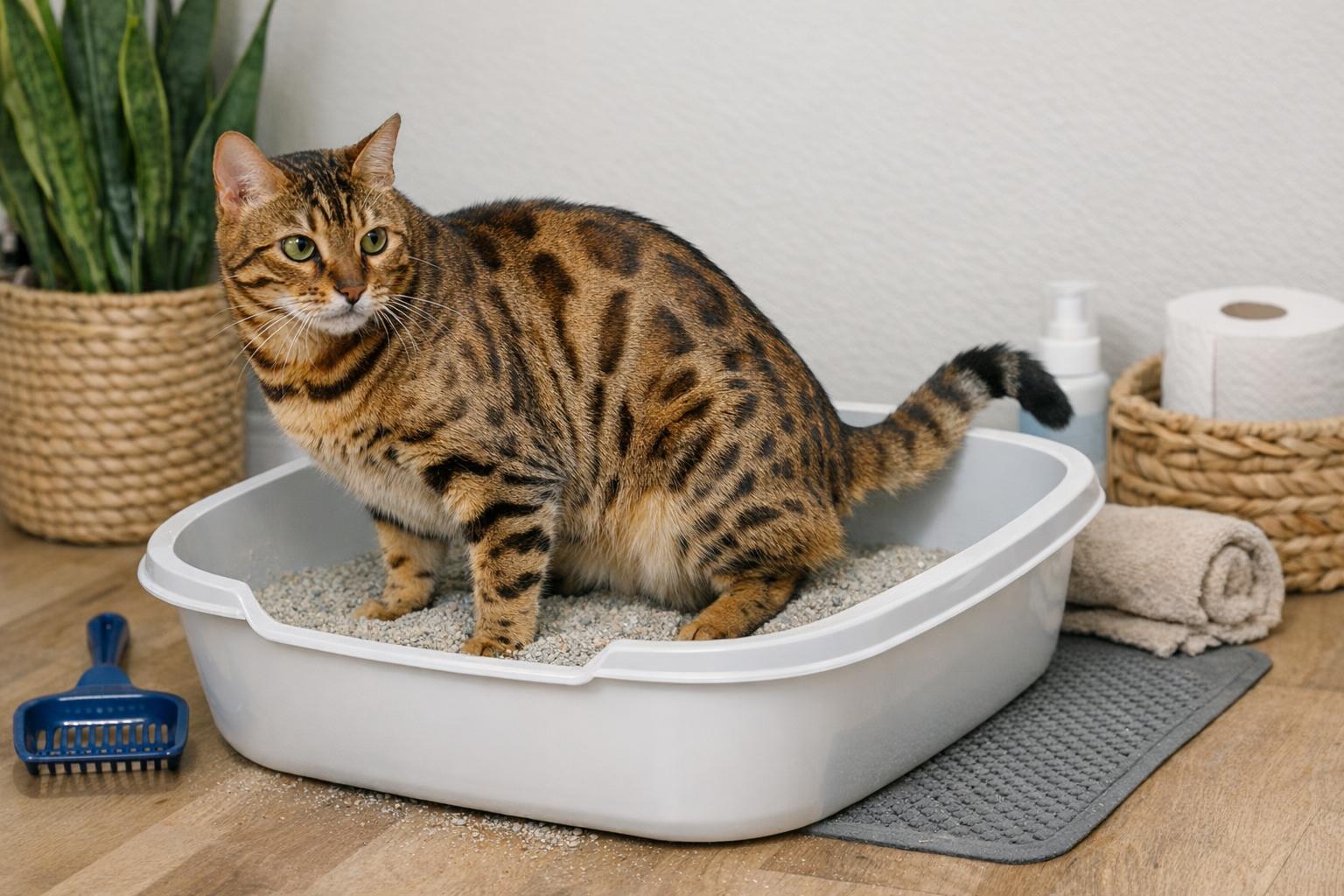
Make it easy for a constipated cat to use the toilet. Low-sided boxes, multiple boxes placed in quiet spots, and clean litter all increase the chances your cat will go when needed. If a cat avoids the box due to pain or difficulty climbing in, you’ll never know they’re straining.
#### Stress And Environment
Stress slows digestion. Changes in household routines, new pets, or moving can trigger constipation in sensitive cats. Keep feeding times consistent, provide hiding spots, and use pheromone diffusers if your cat is nervous. Sometimes addressing stress is the missing piece in improving cat digestion.
### Medication Options A Vet May Prescribe
If home remedies aren’t enough, vets have safe medications designed for cats. Commonly used options include:
– Stool softeners like lactulose.
– Lubricants used under careful dosing.
– Prokinetics that increase intestinal motility.
– Prescription diets for chronic cases.
These are dosed specifically for cats and often paired with hydration and dietary changes. Don’t try to dose human medications on your own.
### Practical Examples From Real Cats
A friend’s ten-year-old indoor tabby started skipping litter box visits. She’d become constipated a couple of times before, so we tried pumpkin and more wet food first. Within three days her stools were softer and she stopped straining. In another case, a neutered male with a history of obesity needed more: a diet change, a short course of lactulose prescribed by the vet, and a consistent play routine. Problem solved.
Don’t gloss over repeated episodes though. Recurrent problems almost always need diagnostics — X-rays, bloodwork, or a vet specialist consult — to rule out things like a narrowed pelvic canal from an old injury or a neurologic issue.
### Quick Home Checklist For The First 48 Hours
– Increase wet food and water intake.
– Add a small amount of plain pumpkin once daily.
– Gentle abdominal massage twice daily.
– Short, frequent play sessions.
– Monitor appetite, urine output, and litter box behavior closely.
If you see improvement, keep the routine for a week and slowly taper any short-term aids only if stool quality remains good. If there’s no change or your cat worsens, pick up the phone.
#### When Surgery Becomes Necessary
Surgery is a last resort but sometimes essential, especially in severe megacolon or when structural problems prevent normal passage. It’s not common, but it’s better to catch problems early before surgical options become the only solution.
There’s no reason to beleive a single dietary tweak will fix every case of feline constipation. Be methodical, observe closely, and don’t be stubborn about seeking veterinary help.
### Final Practical Notes For Owners
Keep a log for your vet: how often your cat poops, stool size and texture, appetite, and any interventions you tried. Photos of the stool and a brief video of your cat in the litter box can be very informative. Treat home remedies as first aid: useful, helpful, and often effective — but not a replacement for veterinary assessment when things are serious.
If you need a quick script to follow at home: hydrate, soften, stimulate movement, and monitor. Be cautious with oils and avoid human meds. And groom. Daily brushing is cheap prevention that saves a lot of trouble down the line.







Leave a Reply