




If your dog is doing the pogo dance on the carpet or performing the less-graceful version of a one-paw tap, you’re probably dealing with itchy paws. It’s an all-too-common annoyance for pups and their people. Luckily, one kitchen staple—apple cider vinegar—can be a gentle, natural way to soothe irritated toes when used correctly. Below I’ll walk you through what’s going on, when ACV can help, and a careful, step-by-step remedy you can try at home.
## Apple Cider Vinegar For Itchy Dog Paws: How It Helps
Dogs lick and dig with those paws a lot, and their pads are exposed to dirt, pollen, grasses, chemicals, and sometimes yeast. Apple cider vinegar for itchy dog paws works primarily because of its acidity and mild antimicrobial properties. The low pH creates an environment that discourages some bacteria and yeast species, and a diluted ACV rinse can help remove allergens and residue from the pads and fur between toes.
A quick note on expectations: apple cider vinegar for itchy dog paws is best for mild, non-infected irritation—think seasonal allergy itch, mild yeast flair, or residue-driven itchiness. It won’t fix a deep infection, a foreign object embedded in the paw, or a serious allergy without vet guidance.
### Common Causes Of Itchy Paws
– Environmental allergies (pollen, grasses, mold)
– Contact irritants (road salt, lawn treatments, household cleaners)
– Yeast or bacterial overgrowth on the skin
– Dry skin from weather or frequent washing
– Parasites (fleas, mites) or foreign bodies (thorns, glass)
If you spot swelling, pus, bleeding, severe limping, or your dog’s temperature is off, skip home remedies and contact your veterinarian.
### Signs To Watch For
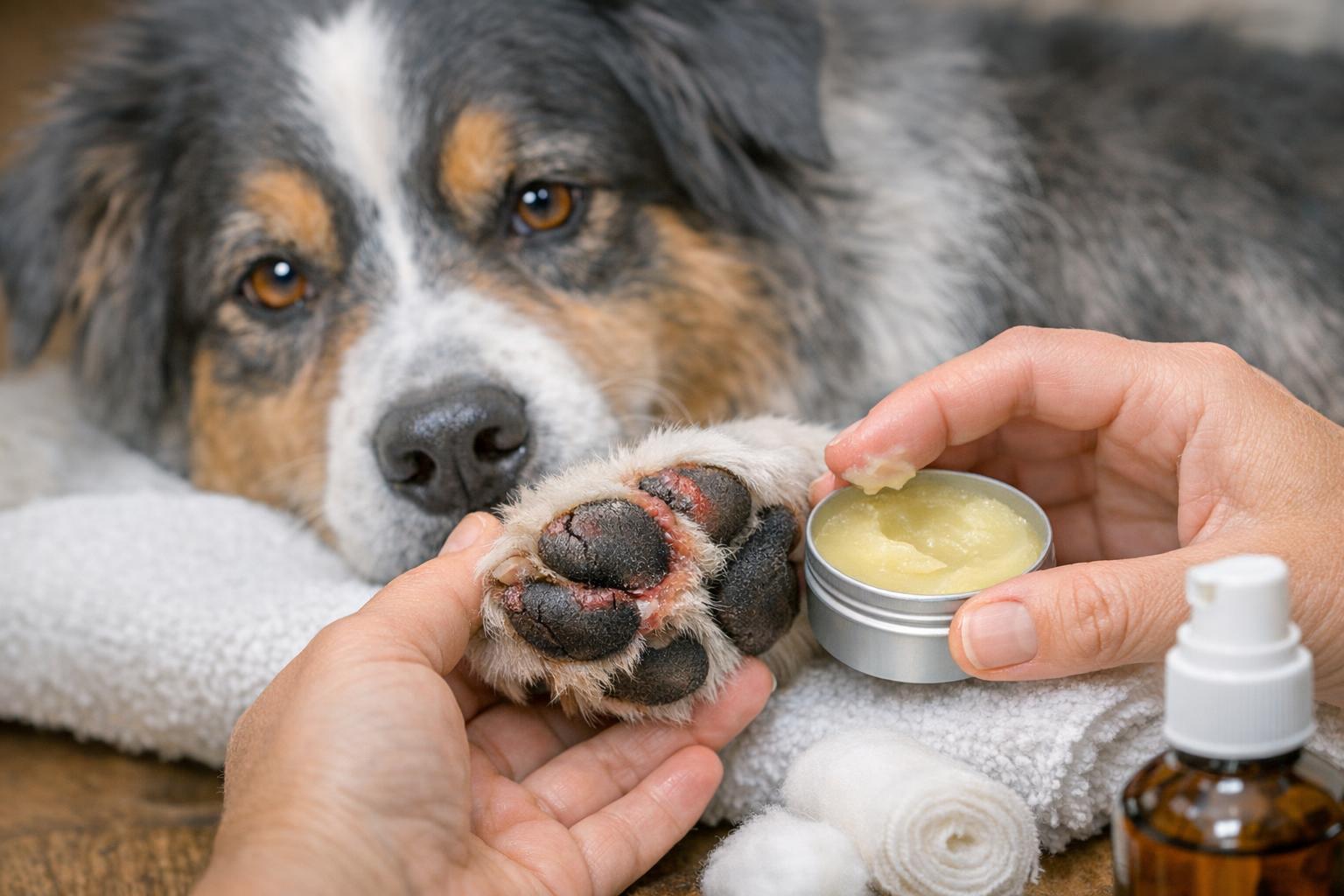
Look for repeated licking, chewing, red or raw skin between toes, scabs, or a foul odor (often yeast-related). If the paw is warm to the touch or your dog is in clear pain, seek professional care. Otherwise, a careful ACV treatment can be a helpful first-line, at-home approach.
## Ingredients And Materials
(Keep this list short and simple—no magic potions required.)
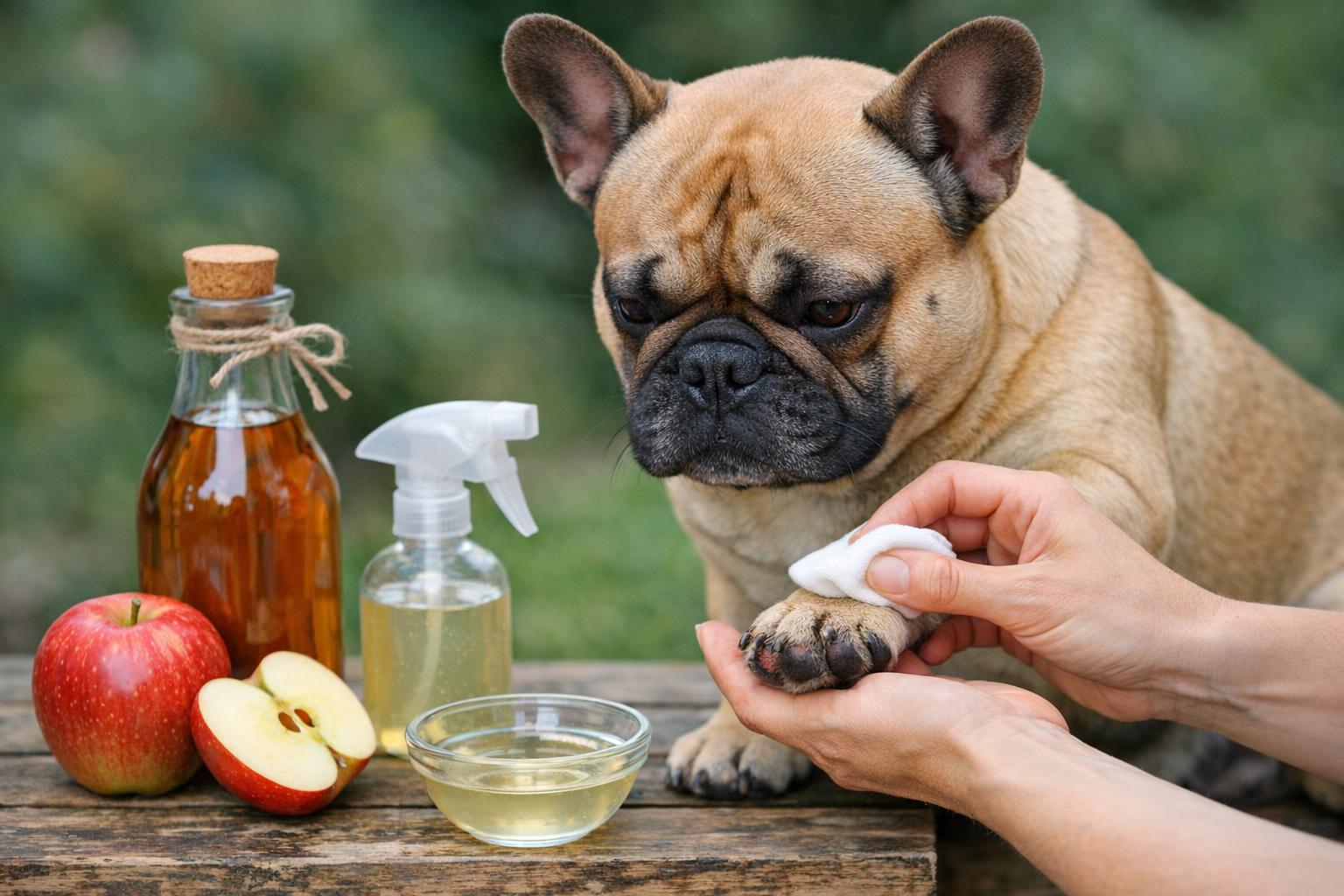
– Raw, unfiltered apple cider vinegar (with the “mother” preferred)
– Clean water (tap is fine; filtered if your water is very hard)
– A clean bowl or basin large enough for a paw soak
– A spray bottle (optional, for quick spritzes)
– Clean towels
– Cotton balls or pads
– Rubber gloves (optional, for your comfort)
### Where To Buy And What To Choose
Choose organic, unfiltered apple cider vinegar if possible—these varieties contain the “mother” and are less processed. Avoid flavored ACV or any with added sugar. Most grocery stores carry suitable bottles; you don’t need the most expensive one, just the raw type.
#### Dilution Ratios And When To Use Each
– For mild irritation: 1 part apple cider vinegar to 3 parts water (1:3). This is gentle and suitable for routine rinses.
– For stronger yeast or bacterial overgrowth (not open wounds): 1:1 dilution can be used, but only on healthy, intact skin and for short durations.
– For sensitive skin, do a patch test on a small area first and prefer a 1:4 or 1:5 dilution.
Do not use undiluted apple cider vinegar directly on the skin, and avoid ACV on raw, bleeding, or severely cracked skin.
### Step-By-Step Application (Formal And Clear)
1. Prepare The Area: Choose a spot you don’t mind getting damp—bathroom or kitchen tile works well. Keep towels handy.
2. Mix The Solution: Combine apple cider vinegar and water in the chosen ratio in a bowl or basin. For a spray, mix in a clean spray bottle and shake gently.
3. Test A Small Patch: Dab a cotton ball soaked in the diluted ACV on a small area of the paw pad for 30–60 seconds. Wait 5–10 minutes and observe for redness, swelling, or discomfort.
4. Apply If Tolerated: If there’s no adverse reaction, proceed. For a soak: gently submerge the affected paw in the bowl for 2–5 minutes. For the spray method: spray the solution onto the paw pads and between toes and let sit for 1–2 minutes.
5. Cleanse And Dry: After soaking or spraying, rinse the paws with clean water if your dog dislikes the smell or if you used a stronger dilution. Pat dry thoroughly—moisture trapped between toes encourages yeast.
6. Repeat As Needed: For mild issues, repeat once daily for up to 7 days. If using a 1:1 dilution, limit use to 2–3 times per week unless directed otherwise by a vet.
7. Monitor Progress: If there’s no improvement in 48–72 hours, or if the condition worsens, stop treatment and consult your veterinarian.
Do not let your dog lick the treated area excessively immediately after application; a few gentle licks are fine, but discourage persistent licking until the area is dry.
#### Practical Tips For Picky Dogs
If your dog hates baths, try the spray method or do quick short soaks and make it a positive experience with treats and praise. For small dogs you can do the soak in your lap using a bowl; for large dogs, use a basin on the floor. Keep sessions calm and brief.
### Safety Precautions And When Not To Use ACV
– Never apply apple cider vinegar for itchy dog paws to open wounds, raw skin, or blistered pads.
– Stop use and seek veterinary advice if you notice increased redness, swelling, pain, or any signs of systemic illness.
– Avoid contact with your dog’s eyes and nasal mucosa—these areas are more sensitive to acidity.
– If your dog has a known severe allergy or has a history of severe reactions, consult your vet before trying home remedies.
– ACV is not a substitute for flea control, antiparasitics, or prescription medications for bacterial infections or serious dermatitis.
## Managing Recurrence And Prevention
Keep paw fur trimmed between toes to reduce matting and moisture retention. Wipe paws after walks, especially after exposure to grass, salt, or chemicals. Regular rinses with diluted apple cider vinegar for itchy dog paws can be part of a maintenance routine in allergy seasons, but don’t overdo it—over-acidifying the skin can dry and irritate over time. Rotate with gentle, dog-specific moisturizers if pads become dry.
### When To See The Vet
– Rapidly worsening condition or severe limping
– Signs of systemic illness (fever, lethargy, loss of appetite)
– Persistent or recurring infection despite home care
– Deep puncture wounds, embedded foreign objects, or severe swelling
A vet can perform skin cytology, allergy testing, or prescribe topical or systemic meds if needed. Home care with apple cider vinegar for itchy dog paws is often supportive, but not always curative.
## Frequently Asked Questions
Can I Use Apple Cider Vinegar For Itchy Dog Paws Daily?
Yes, in mild cases with a gentle dilution (1:3 or 1:4). If you see dryness or worsening, reduce frequency and consult your vet.
Will ACV Burn My Dog’s Paws?
Pure ACV can sting on raw skin. Proper dilution minimizes discomfort. Always do a patch test first.
Is Drinking ACV Helpful For Skin Issues?
Some owners try diluted oral ACV, but there’s limited evidence and it’s not a substitute for topical care. Always check with your vet before giving anything internally.
How Fast Will I See Results?
You may notice reduced licking and irritation within 48–72 hours for mild issues. For underlying allergies or chronic yeast, expect longer-term management.
Many owners swear by apple cider vinegar for itchy dog paws as a safe, inexpensive, and readily available first aid for mild paw itch. It’s not a miracle cure, but when used thoughtfully—diluted, tested, and monitored—it can be a soothing tool in your pet first-aid kit. If apple cider vinegar for itchy dog paws doesn’t improve the condition or if signs escalate, professional veterinary care is the best next step—because no one wants a paw-blemished drama queen or king ruling the couch.



















Leave a Reply