
## How To Keep Dogs Paws Healthy At Home: Essential Maintenance
Learning how to keep dogs paws healthy at home requires consistent, informed attention to anatomy, environmental risks, and routine grooming. Owners who adopt a structured care plan reduce the incidence of injury, infection, and chronic discomfort. This article outlines practical, evidence-informed measures for routine cleaning, trimming, seasonal protection, and specific home remedies that support paw pad integrity and healthy nails.
### Anatomy And Common Problems Of Dog Paws
Dog paws include pads, webbing, claws, and surrounding skin. The pads are thick, but still vulnerable to abrasions, burns, frostbite, and chemical irritation. Nails that are too long alter gait and weight distribution, increasing the risk of joint strain. Observed problems frequently include cracked pads, interdigital dermatitis, foreign bodies lodged between toes, and overgrown nails. Regular inspection is fundamental to how to keep dogs paws healthy at home.
### Daily And Weekly Care Practices
A predictable regimen mitigates many paw disorders. Daily visual and tactile checks, combined with weekly cleaning and trim sessions, maintain function and prevent painful complications.
– Perform a daily visual inspection for cuts, swelling, or foreign material beneath the pads and between toes. Use a light source if necessary.
– Clean the paws after walks in urban areas, after hikes, or when the dog contacts de-icing salts or agricultural chemicals that can cause irritation.
– Schedule nail trims when the claws extend beyond the pad and touch the ground when the dog is standing. This helps maintain healthy nails and a correct stance.
Routine care is a cornerstone of how to keep dogs paws healthy at home and should be integrated into weekly household pet care.
### Trimming Nails And Filing Technique
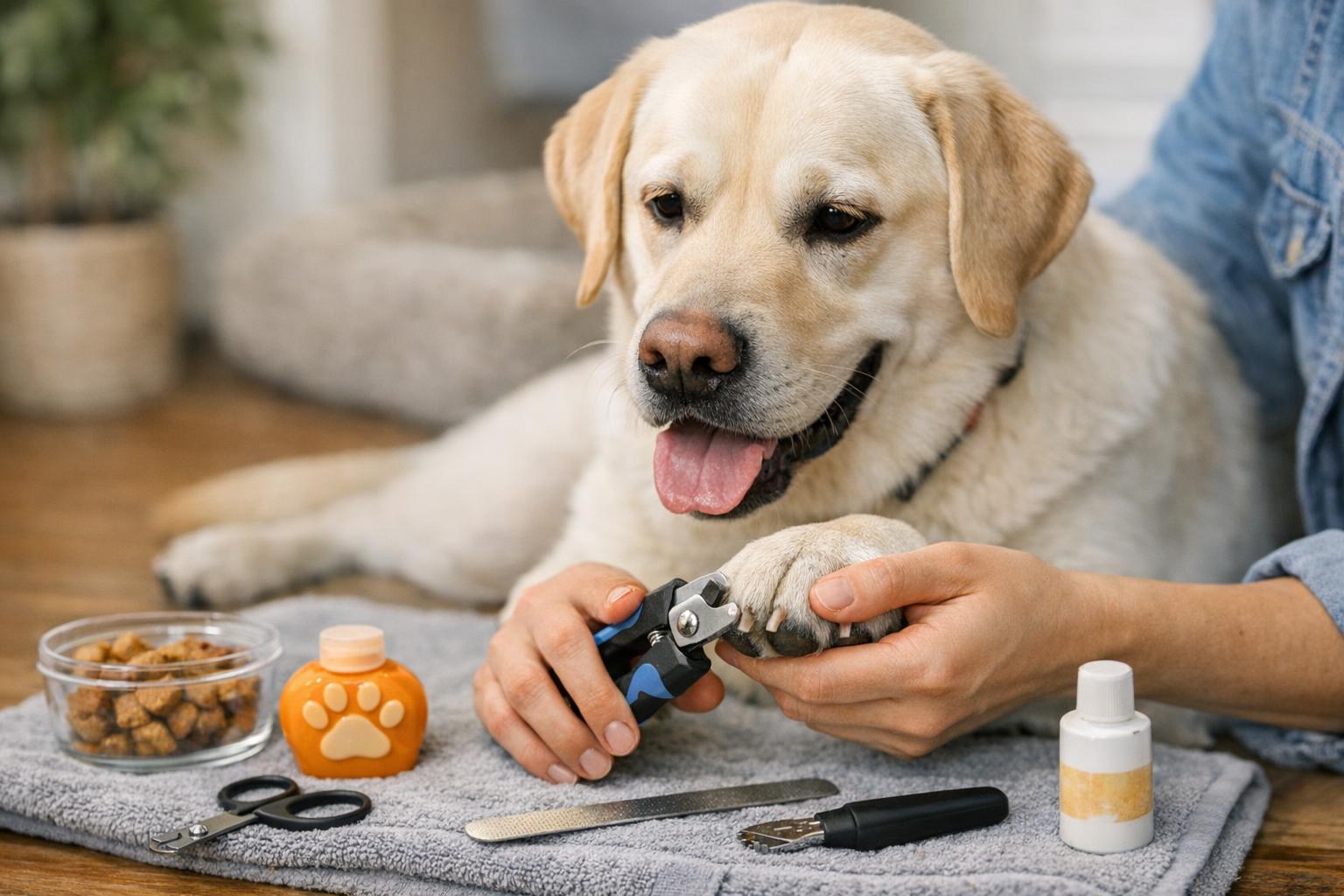
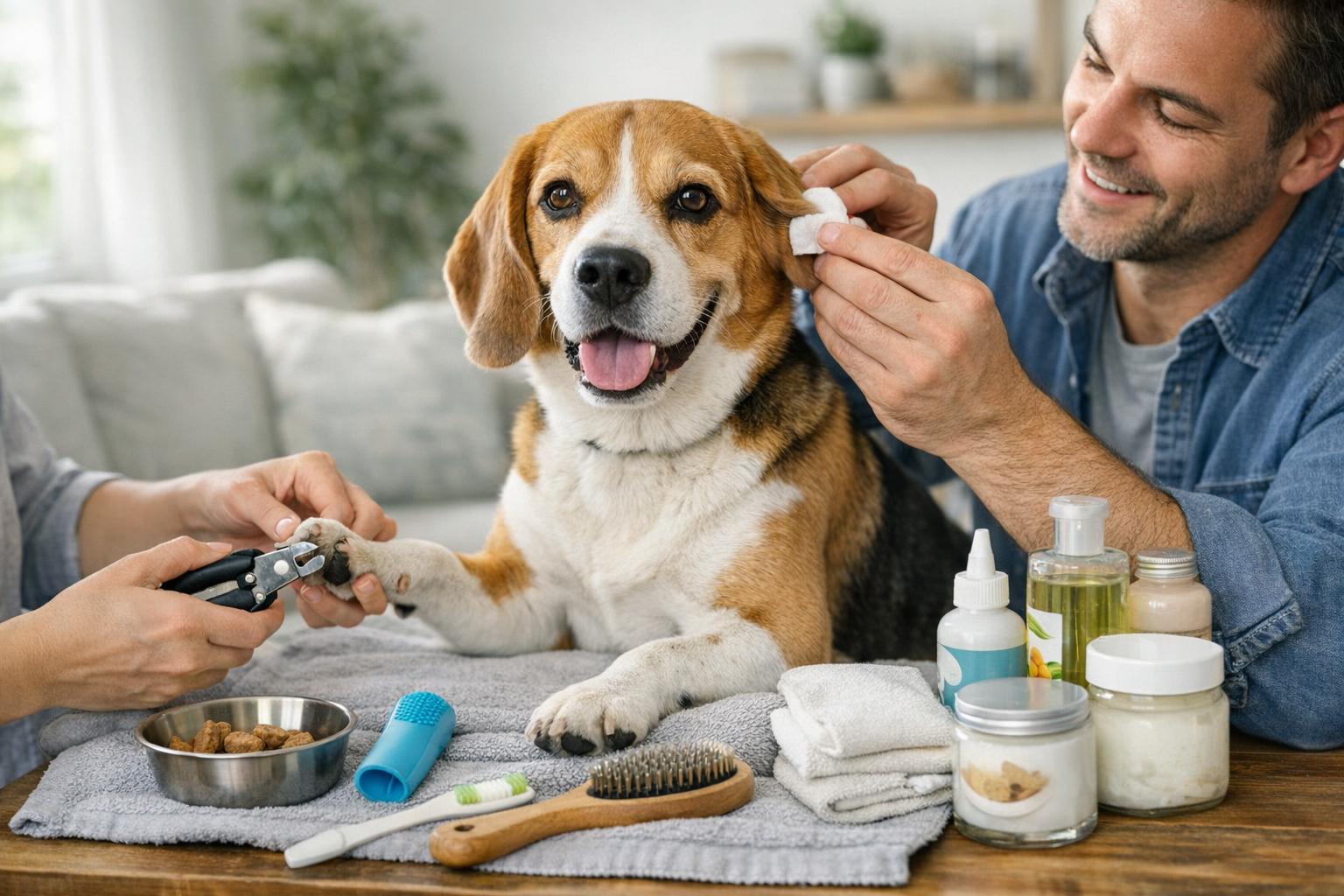
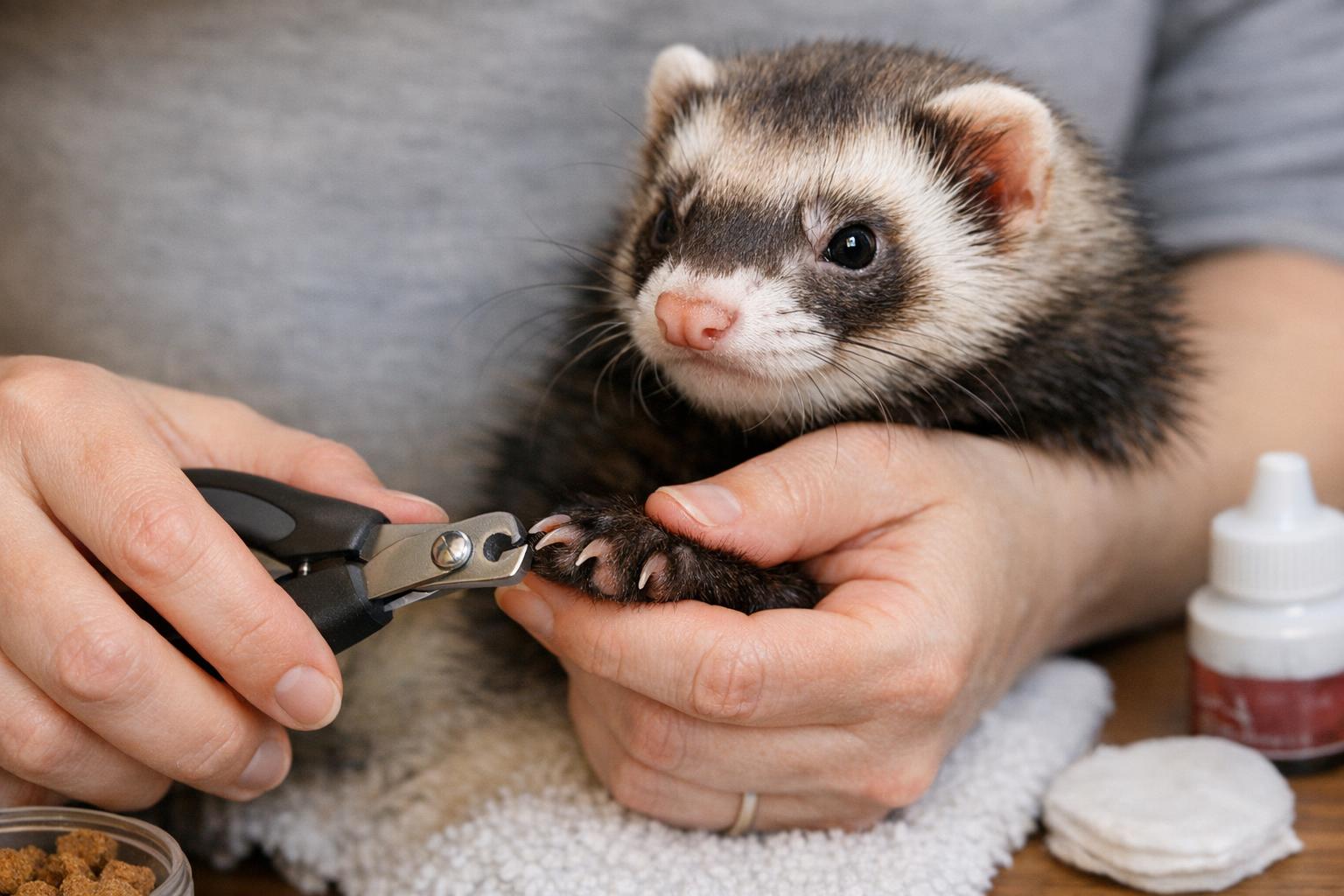
Proper nail care requires more than periodic clipping. Use a high-quality clipper or grinder designed for pets and ensure you can see the quick (the vascular core) in light-colored nails. For dark nails, remove small amounts gradually to avoid cutting the quick.
– Trim with steady, even motions; avoid crushing the nail.
– File to smooth sharp edges and to prevent snagging on fabrics or vegetation.
– If bleeding occurs, apply styptic powder or cornstarch and maintain pressure until bleeding stops.
Adherence to careful technique preserves the comfort of the animal and reduces the danger of damaging the quick, which is central to how to keep dogs paws healthy at home.
### Seasonal Considerations For Protection
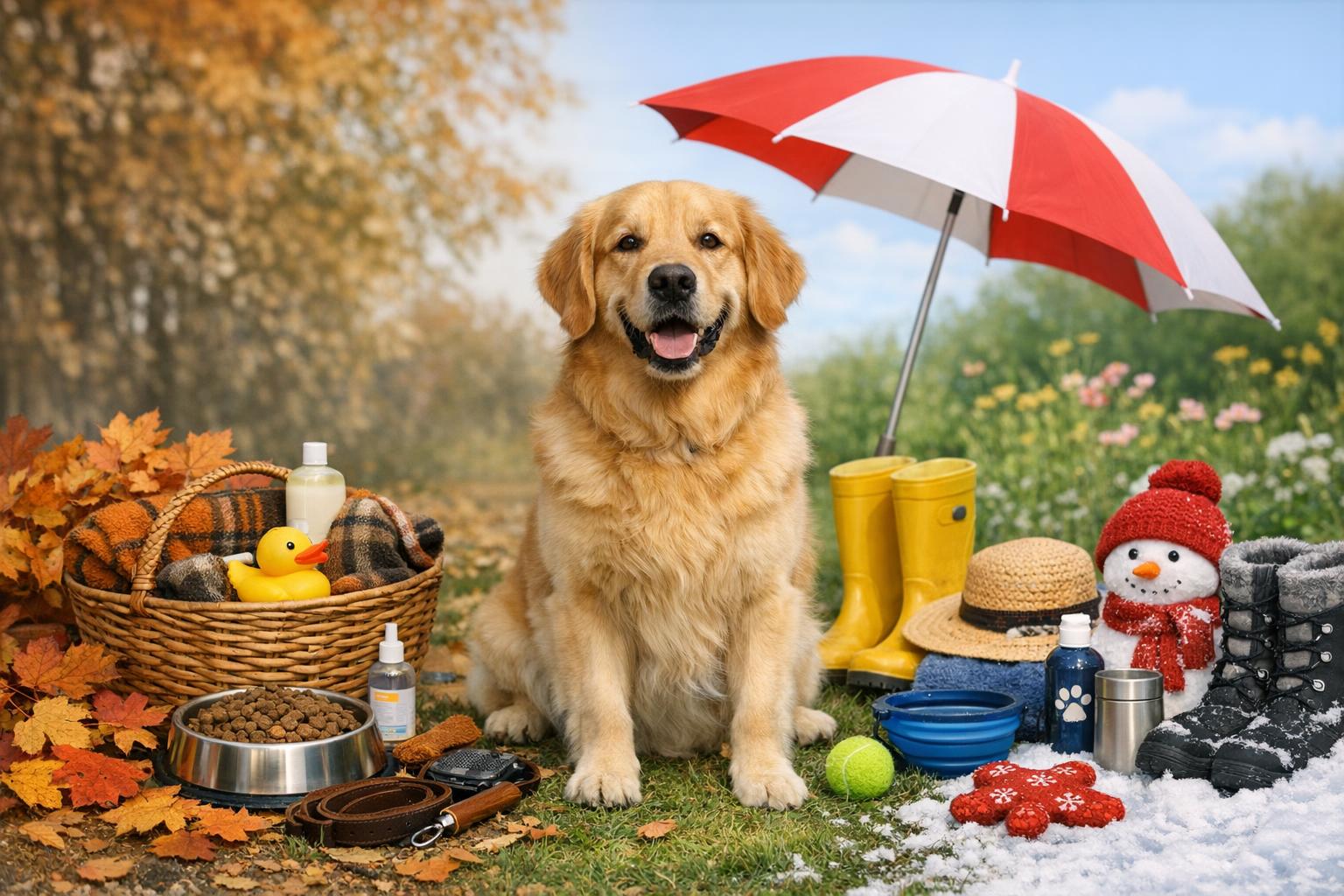
Seasonal hazards necessitate adaptation. In winter, de-icing salts and ice may abrade pads; in summer, hot pavement and sand can cause thermal injury.
– In cold weather, rinse paws after walks to remove salts; apply a barrier balm prior to exposure.
– In heat, test pavement with the backside of the hand for 7–10 seconds; if it is too hot for you, it is too hot for the dog.
– Consider protective booties for long treks or extreme conditions.
Adjusting care to seasonal risks is a practical element of how to keep dogs paws healthy at home.
### Signs That Require Veterinary Attention
Certain findings demand prompt professional assessment: persistent lameness, deep puncture wounds, cellulitis, recurrent interdigital infections, or an inability to bear weight. If claws are deformed, discolored, or the dog shows systemic signs such as fever or lethargy, seek veterinary care.
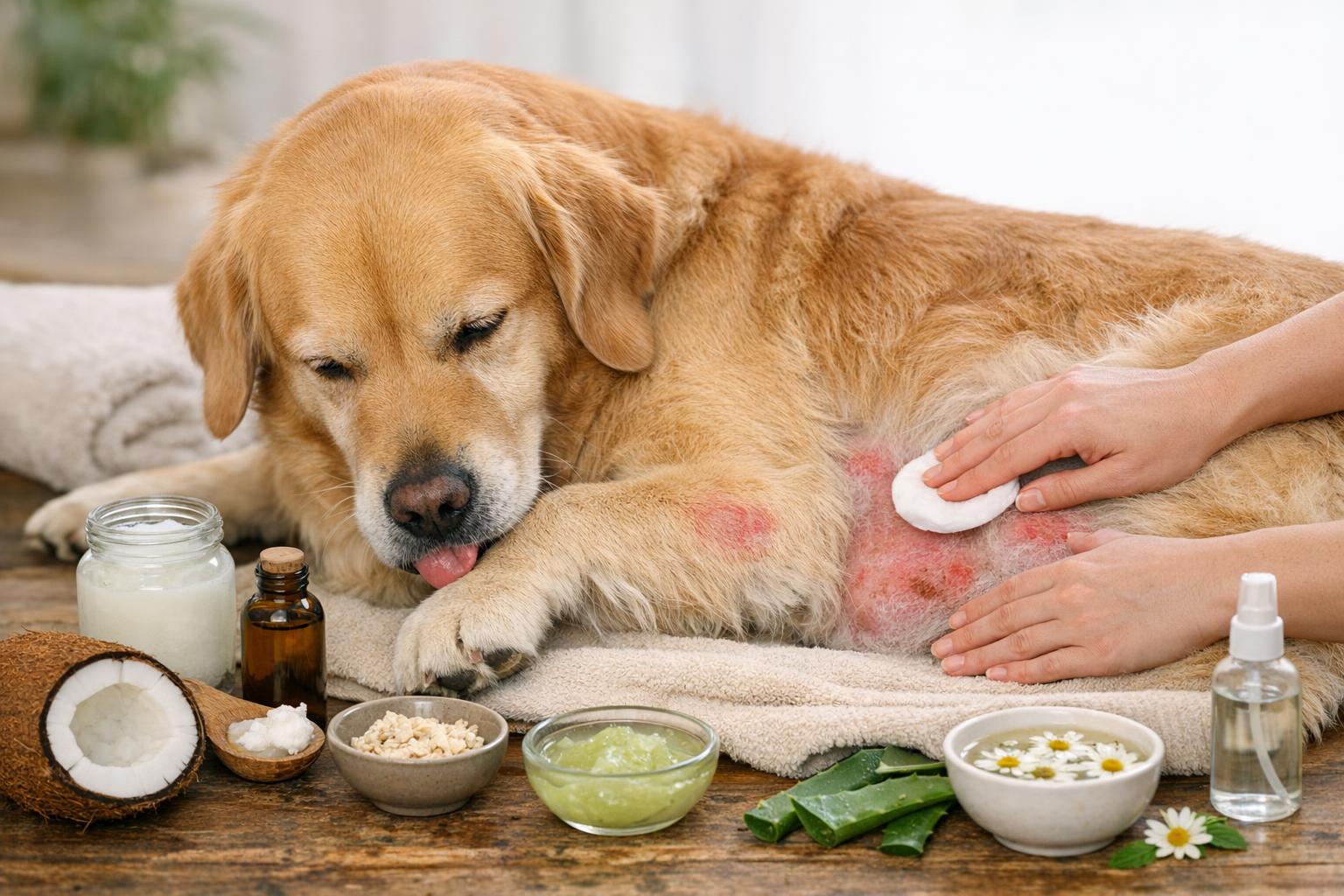
### Remedy 1: Moisturizing Paw Balm For Dry Or Cracked Pads
#### Ingredients Or Materials
1. 1/4 cup unrefined shea butter
2. 2 tablespoons coconut oil
3. 1 tablespoon beeswax pastilles
4. 1 teaspoon vitamin E oil
5. Small sterile container for storage
6. Double boiler or heat-safe bowl and saucepan
7. Spoon and measuring tools
8. Clean cloth for application
#### Steps For Creation And Application
1. Prepare a double boiler: fill a saucepan with a few centimeters of water and place the heat-safe bowl on top without touching the water.
2. Combine shea butter, coconut oil, and beeswax in the bowl. Heat gently until fully melted, stirring to homogeneity.
3. Remove from heat and stir in vitamin E oil. Allow the mixture to cool for a few minutes but not solidify.
4. Pour into a sterile container and allow to set at room temperature until firm.
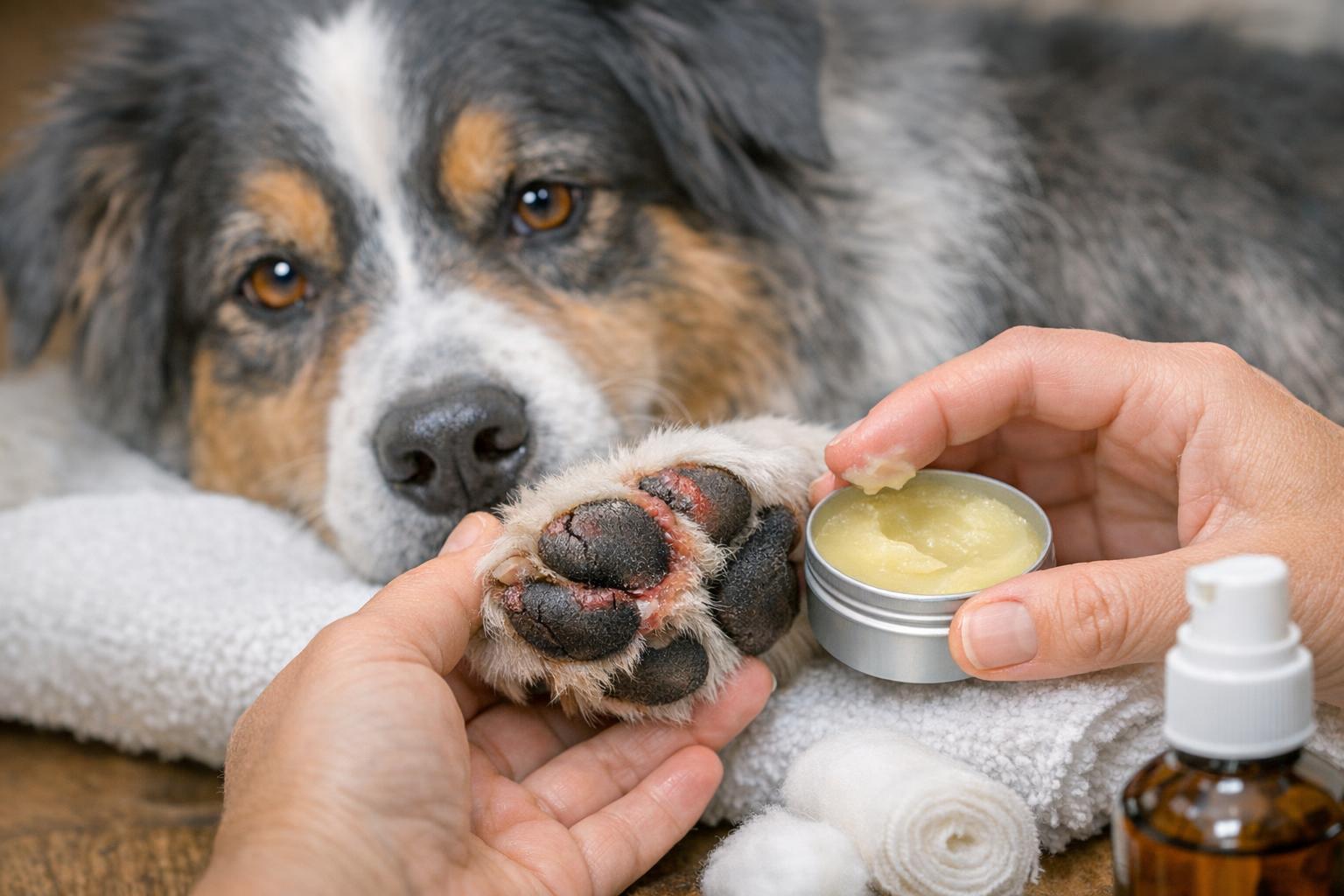
5. For application, clean the paw thoroughly and dry completely. Using a clean finger or cloth, apply a thin layer of balm to the pads and between the toes, massaging gently until absorbed.
6. Use once daily for two weeks, then as needed for maintenance. For acute fissures, apply twice daily and protect the paw with a light dressing for several hours to permit absorption.
This remedy represents a formal, topical intervention to support the barrier function of paw pads and contributes to the general strategy of how to keep dogs paws healthy at home.
### Remedy 2: Nail Soak For Healthy Nails And Softening Cuticle
#### Ingredients Or Materials
1. Warm water (enough to submerge nails)
2. 1 tablespoon Epsom salt per cup of water
3. 2 teaspoons mild, pet-safe antiseptic shampoo (optional)
4. Bowl large enough to accommodate a paw
5. Towel and clean gauze
6. Nail clippers or grinder, styptic powder
#### Steps For Creation And Application
1. Prepare a warm soak by dissolving Epsom salt in water at a temperature comfortable to the touch (approximately 37–40°C; test prior to use).
2. Optionally add a small amount of pet-safe antiseptic shampoo to help cleanse the interdigital spaces.
3. Submerge the paw for 5–10 minutes to soften the nail and surrounding tissues; ensure the animal is calm and secured to prevent sudden movement.
4. Gently pat the paw dry with a towel and inspect the nail for the quick and any signs of infection.
5. Proceed with careful clipping or filing as indicated; remove small amounts to avoid contacting the quick.
6. If any bleeding occurs, apply styptic powder immediately and maintain pressure until bleeding stops.
7. Repeat once weekly for three weeks when first addressing overgrown nails, then maintain at intervals determined by the dog’s nail growth rate.
This procedure promotes healthy nails, reduces the likelihood of splitting, and is an important component in protocols for how to keep dogs paws healthy at home.
### Managing Allergies, Infections, And Foreign Bodies
When allergic dermatitis or recurrent infections affect the paw, identify and remove contact allergens where possible, maintain strict hygiene, and consider topical veterinary therapies. For interdigital fur mats or embedded foreign bodies, carefully remove hair and debris and flush with sterile saline. Persistent or severe cases should be evaluated by a veterinarian, who may prescribe medicated rinses, systemic antibiotics, or antifungal therapy.
### Preventive Hygiene And Environmental Control
Household factors influence outcomes. Keep floors clean of chemical residues, trim landscape plants to reduce burrs and stickers, and avoid walking on chemically treated lawns. Provide soft resting areas to reduce abrasion from hard surfaces. These measures are practical aspects of how to keep dogs paws healthy at home and contribute to long-term paw integrity.
### Behavioral Conditioning For Grooming And Home Care
Introduce paw handling early or use positive reinforcement to acclimatize adult dogs. Desensitization, short sessions, and reward-based training improve cooperation during inspection, cleaning, and trimming. Safe handling reduces stress and facilitates consistent maintenance, which directly supports both healthy nails and overall paw health.
### Documentation And Monitoring
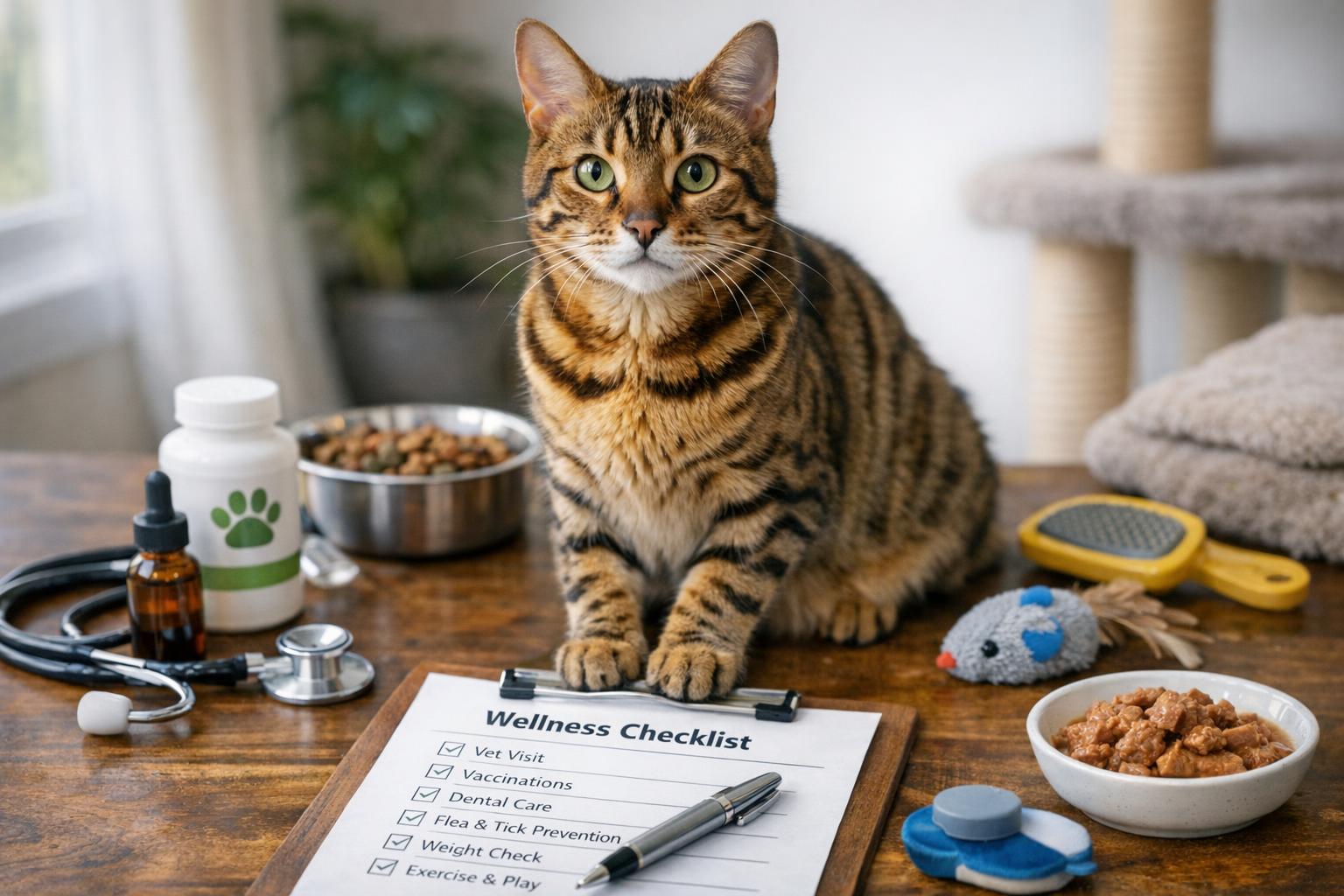
Maintain a log of any paw care performed, including dates of trims, application of balms, observed reactions, and veterinary visits. Regular monitoring yields early detection of trends and clarifies the effectiveness of interventions, a disciplined approach that aligns with the objective of how to keep dogs paws healthy at home.

Leave a Reply