




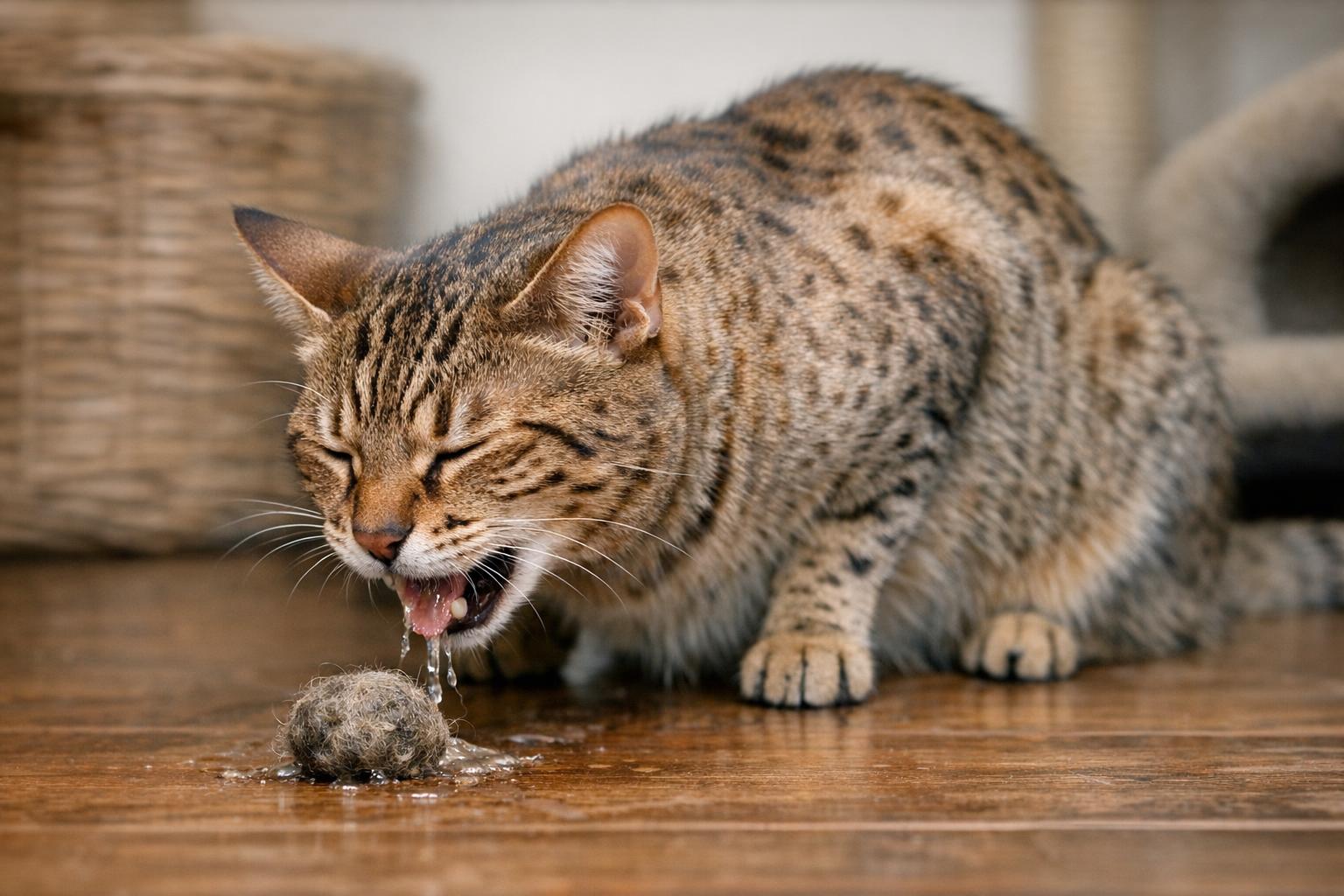
If your cat has ever regifted a tuft of fur in the middle of the night, you’re in familiar (if slightly gross) company. Hairballs are common, but that doesn’t mean they’re fun. This guide walks through why it happens, what’s normal, and practical, natural support you can try at home — with easy-to-follow remedies when your cat needs a little extra help.
## Hairball Support Guide: Cat Throwing Up Hairballs Naturally
If you’re dealing with a cat throwing up hairballs, first know this: repetition doesn’t make your cat any less dramatic, but it often is manageable. Many cats will cough up a hairball occasionally; what we want to prevent is frequent vomiting, constipation, or signs of distress. This guide focuses on natural approaches to ease the process and reduce frequency without jumping straight to medicines.
## Cat Throwing Up Hairballs: What’s Normal
Cats are meticulous groomers. When they lick and clean themselves, loose fur passes through the digestive tract. Most of it travels through normally, but some hair accumulates in the stomach and forms a hairball that the cat then retches up.
A few key points about normal hairball behavior:
– Occasional hairballs (once every few weeks) are typical, especially in long-haired breeds or during seasonal shedding.
– Kittens and older cats may cough or gag more often because they’re less efficient at clearing fur.
– Frequent vomiting, lethargy, loss of appetite, or straining in the litter box are signs to seek veterinary care promptly.
### Why Grooming Leads To Hairballs
When a cat grooms, barbules on the fur trap other hairs and form small clumps that resist digestion. Stomach movement can’t always push these clumps into the intestines, so the cat expels them by retching. Indoor cats that don’t shed out old fur via outdoor activity may accumulate more loose hair that becomes hairballs.
### Signs To Watch Beyond A Single Hairball
If your cat is doing more than the occasional upchuck, pay attention to these red flags: consistent vomiting, bloody vomit, persistent coughing, changes in stool frequency or consistency, or visible discomfort. Those signs mean it’s time to involve your vet.
## Remedy 1: Lubricating Gel For Easier Passage
When a cat throwing up hairballs is a recurring problem, a gentle internal lubricant can help hair pass through the gut rather than forming a lodged mass. Use only cat-safe formulations and follow dosing guidance.
Ingredients/Materials:
– Over-the-counter petroleum-based hairball paste formulated for cats (latex-free applicator) OR liquid mineral oil (only under veterinary guidance)
– Syringe or applicator (if using liquid and recommended by vet)
– Treats for positive reinforcement
Preparation And Application (Formal Instructions):
1. Choose A Cat-Safe Product: Purchase a hairball paste designed for felines. Avoid human laxatives or oils unless explicitly directed by a veterinarian.
2. Read The Label For Dosing: Weight-based dosing is standard. Measure carefully — do not estimate.
3. Administer With Care: If using paste, apply the recommended pea-sized amount directly onto the cat’s paw or into a treat to encourage licking. If syringe administration is needed, gently hold the cat and place the paste at the corner of the mouth; avoid forcing the jaw.
4. Frequency: Use according to label — often once every 1–2 weeks during heavy shedding, or as directed by your vet for more frequent issues.
5. Monitor Response: Over the next 24–48 hours, observe stool and behavior. If vomiting increases or bowel movement changes dramatically, stop use and call your veterinarian.
Notes: Lubricants are a supportive measure, not a cure. Long-term reliance without addressing grooming and diet may mask underlying problems.
## Remedy 2: High-Fiber Food Swap To Move Fur Along
Dietary fiber increases bulk and stimulates intestinal motility, helping hair move through the digestive tract. A gradual, controlled switch to a fiber-enhanced diet can reduce hairball formation.
Ingredients/Materials:
– Commercial cat diet formulated for hairball control or high-fiber formula
– Measuring cup for accurate portions
– Transition plan (7–10 days)
Preparation And Application (Formal Instructions):
1. Select An Appropriate Diet: Choose a reputable brand’s hairball-control formula or a fiber-enriched veterinary diet if recommended by your vet.
2. Plan A Gradual Transition: Day 1–3 mix 75% current food with 25% new food; Day 4–6 mix 50/50; Day 7–9 mix 25/75; by Day 10 feed 100% new food. Rapid changes can cause GI upset.
3. Monitor Intake And Stool: Track appetite and fecal consistency. Increased fiber can alter stool; it should remain formed but softer. Persistent diarrhea or constipation requires veterinary reassessment.
4. Adjust Portions For Weight Maintenance: High-fiber foods may differ in caloric density. Maintain your cat’s target weight by adjusting portion sizes using label guidance or vet advice.
5. Reevaluate After 4–8 Weeks: If hairball frequency decreases, continue. If not, consult your vet for alternatives or additional diagnostics.
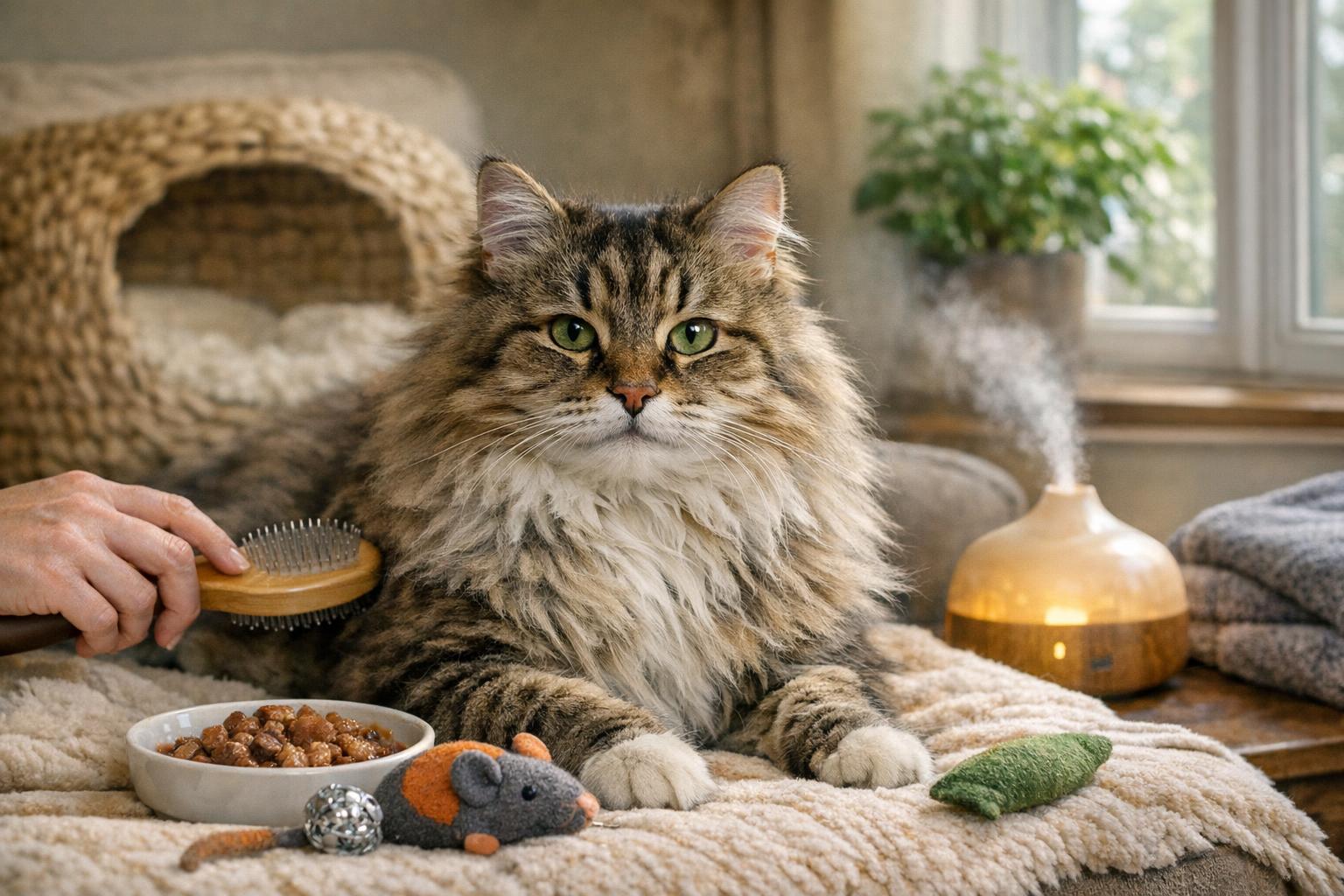
## Remedy 3: At-Home Brushing Routine To Reduce Ingestion
Reducing the amount of loose hair your cat swallows is the most direct preventive measure. A consistent grooming routine tailored to your cat’s coat type can make a measurable difference.
Ingredients/Materials:
– Slicker brush or grooming glove (long-haired cats benefit from a wide-toothed comb)
– Dematting tool for any small tangles (use gently)
– Quiet space and treats
– Optional: pet-safe anti-static spray for long coats
Preparation And Application (Formal Instructions):
1. Establish A Regular Schedule: Brush short-haired cats several times a week; long-haired breeds daily. Consistency reduces seasonal peaks.
2. Use The Right Tool: Slicker brushes remove loose undercoat, while grooming gloves are excellent for anxious cats who dislike formal brushing.
3. Start Gently And Reward: Begin sessions short (3–5 minutes) and offer treats to create a positive association. Gradually increase length as the cat relaxes.
4. Remove Loose Fur Immediately: Dispose of collected fur rather than letting it re-cling to furniture.
5. Check For Skin Issues: While brushing, look for hotspots, parasites, or mats that could increase grooming and fur ingestion. Address problems with your vet if found.
### When To Call The Vet
If your cat throwing up hairballs becomes frequent or is accompanied by sickness, immediate veterinary attention is warranted. The vet may perform imaging (X-rays, ultrasound) to rule out obstruction, inflammatory bowel disease, or other causes that mimic hairball symptoms.
#### Red Flags
– Repeated vomiting more than once a week
– Weakness, dehydration, or pale gums
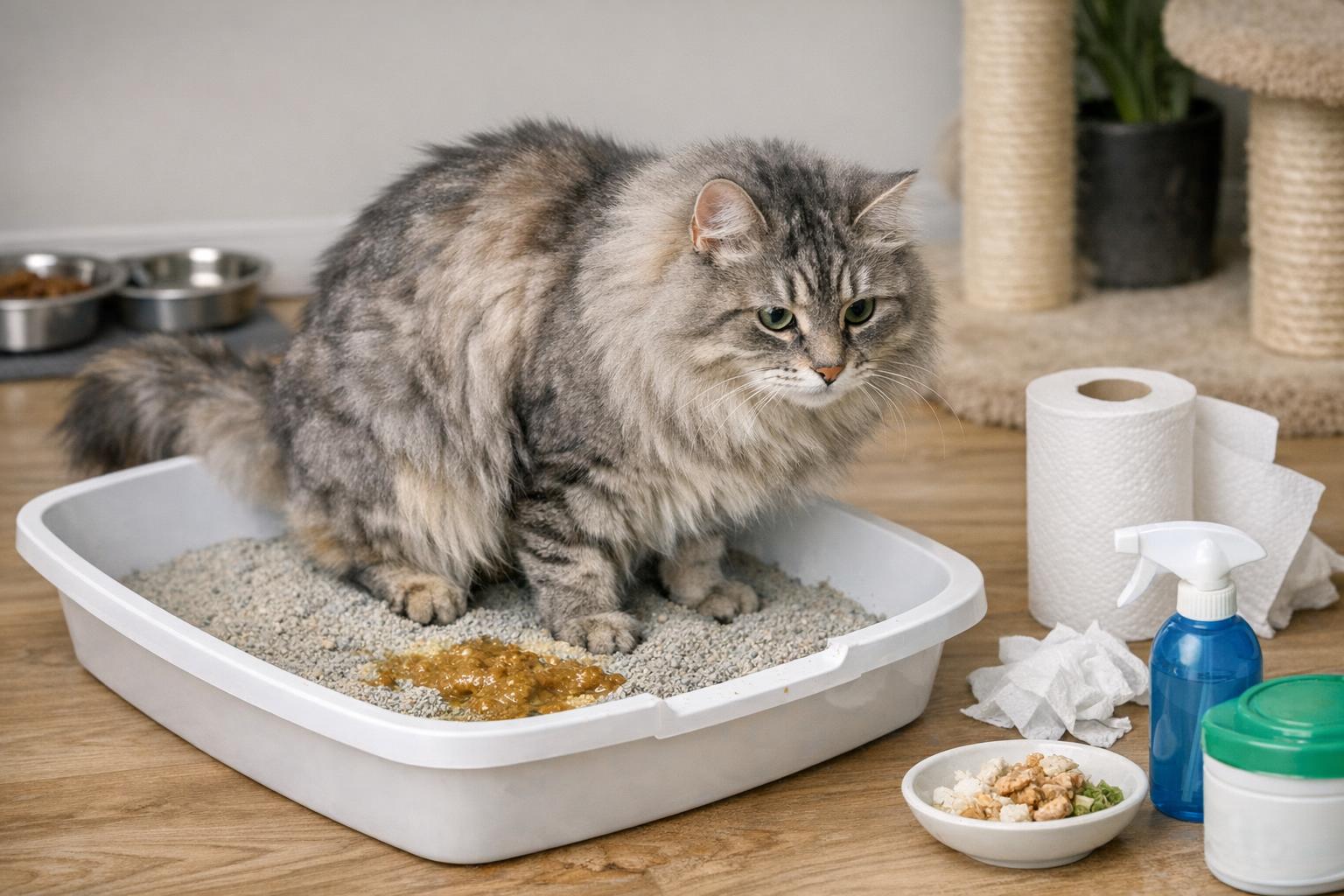
– Straining in the litter box with little to no stool passed
– Sudden weight loss or refusal to eat
### Preventive Lifestyle Tips
Small daily habits reduce long-term hairball risk. Encourage hydration with fresh water or a cat fountain, maintain a healthy weight (overweight cats groom more), and keep play sessions active to stimulate normal gut motility. A clean environment with frequent vacuuming lowers airborne and shed fur.
#### Tools And Supplies That Make Life Easier
Keep a grooming kit, hairball paste (for occasional needs), and a quality high-fiber food on hand during shedding seasons. A designated brushing spot with a comfy mat or towel helps your cat relax, and small, consistent treats make grooming a party your cat actually attends.
If you try these steps and the problem persists, or if your cat shows the red-flag symptoms listed above, professional assessment will protect your pet. Natural at-home care is an effective first line, but it’s not a replacement for veterinary diagnostics when serious problems arise.


















Leave a Reply