
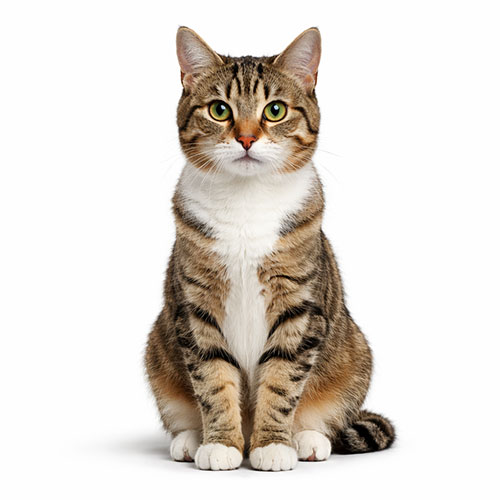

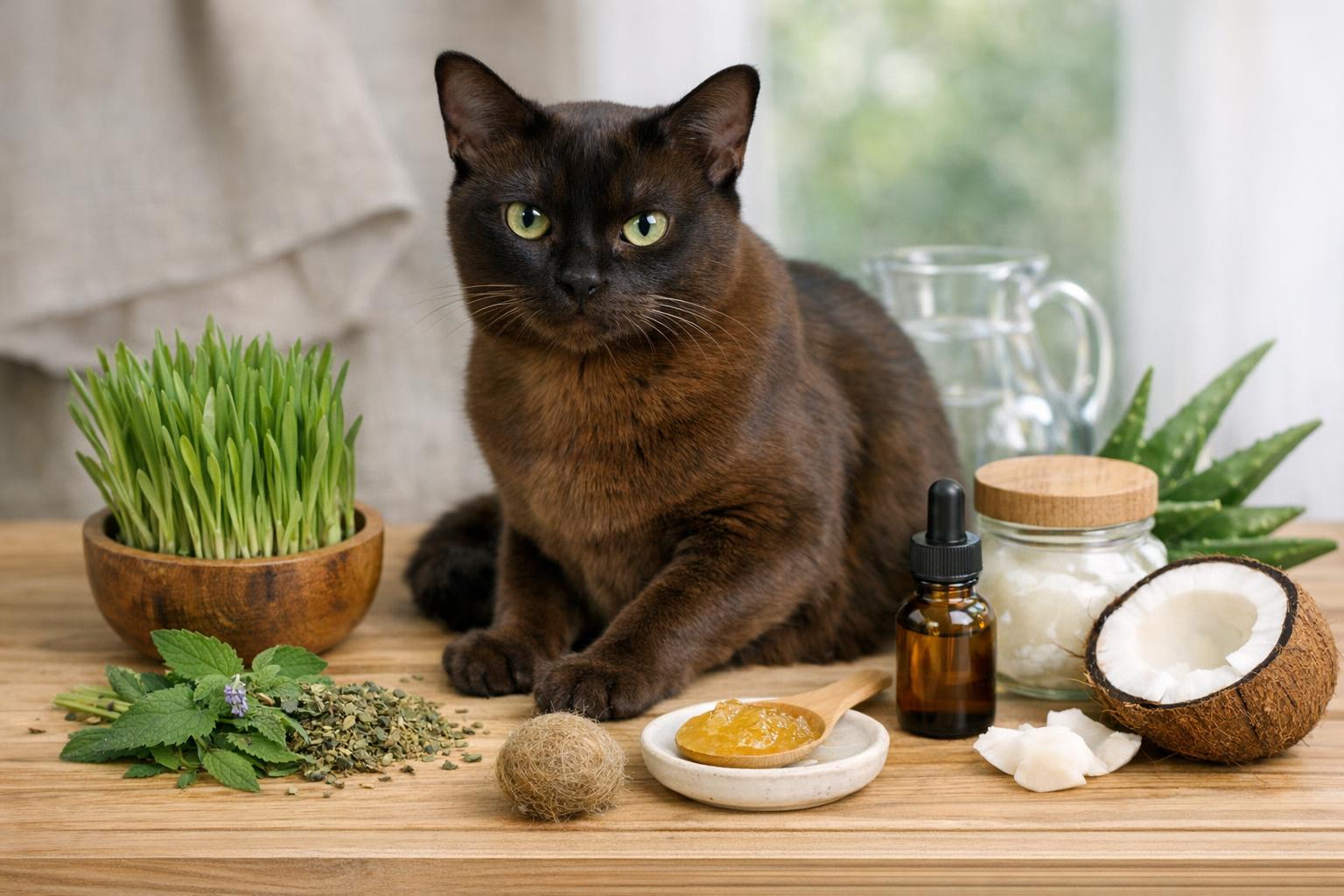
Most cat parents have witnessed the dramatic hairball moment: a weird gag, a little turkey-shaped hair sculpture, and then that look of feline nonchalance like nothing happened. Hairballs are normal, but when they become frequent, large, or cause constipation or vomiting, they stop being quaint and start being worrisome. This article lays out gentle, natural options to support your cat and reduce those unglamorous moments — think of it as a friendly toolkit for a less hairy household.
## Cat Hairball Remedy: 3 Natural Remedies
Each of the three remedies below is designed to be safe for most healthy cats, easy to prepare or implement at home, and focused on prevention as much as on relief. If your cat is coughing a lot, showing lethargy, refusing food, or having trouble passing stool, contact your veterinarian immediately.
### Remedy 1: Pumpkin Fiber Blend
Pumpkin is a fiber superstar for cats: it helps regularize digestion and moves fur through the gut more effectively. This is a gentle, food-based cat hairball remedy that many felines tolerate well.
#### Ingredients Or Materials
– 1 tablespoon plain canned pumpkin (not pumpkin pie filling)
– 1/2 teaspoon pure olive oil or fish oil (optional)
– 1 teaspoon plain wet cat food or a bit of tuna water to mix (optional)
#### Step-By-Step Creation And Application
1. Measure out 1 tablespoon of plain canned pumpkin. Use a separate spoon reserved for your pet.
2. If your cat is picky, stir in a teaspoon of wet food or a splash of tuna water to make it more appealing.
3. For added lubrication, mix in 1/2 teaspoon of olive oil or a vet-approved fish oil once or twice a week.
4. Offer this mixture once daily for up to two weeks and observe stool consistency and hairball frequency.
5. If stools become loose, reduce the amount of pumpkin; if no change after two weeks, consult your vet about other options.
Notes: Pumpkin provides soluble and insoluble fiber, which helps bind and move hair. Olive oil acts as a mild lubricant but should be used sparingly because excess fat can cause diarrhea.
### Remedy 2: Slippery Elm Paste (Natural Soothing Lining Support)
Slippery elm is an herb used in herbal veterinary care to soothe irritated digestive tracts and help fur slide through the gut. This remedy is more of a targeted therapeutic support and should be used with a bit more formality regarding dosing.
#### Ingredients Or Materials
– Slippery elm powder (food-grade)
– Warm water
– Small bowl and spoon
– Syringe without needle (optional, for picky eaters)
#### Step-By-Step Creation And Application
1. Mix slippery elm powder with warm water at a ratio of approximately 1/2 teaspoon powder to 1 tablespoon water, stirring until a smooth paste forms.
2. Allow the paste to cool to room temperature.
3. Offer a pea-sized amount to a small cat or 1/4 teaspoon for kittens; for medium to large adult cats, offer 1/2 to 1 teaspoon. Use a syringe (without needle) to administer if the cat refuses to lick it.
4. Administer once or twice daily for up to one week, monitoring appetite and bowel movements.
5. Discontinue and consult a veterinarian if vomiting increases, appetite decreases, or if there is any sign of distress.
Notes: Slippery elm is generally well tolerated, but because herbal supplements can interact with medications or underlying conditions, check with your vet first if your cat is taking other drugs or has a chronic illness.
### Remedy 3: Home Grooming Routine And Hydration Plan
Prevention is often the best remediation. Reducing the amount of loose hair your cat ingests cuts hairball formation at the source. This remedy is behavioral and environmental, with a few simple tools and steps.
#### Ingredients Or Materials
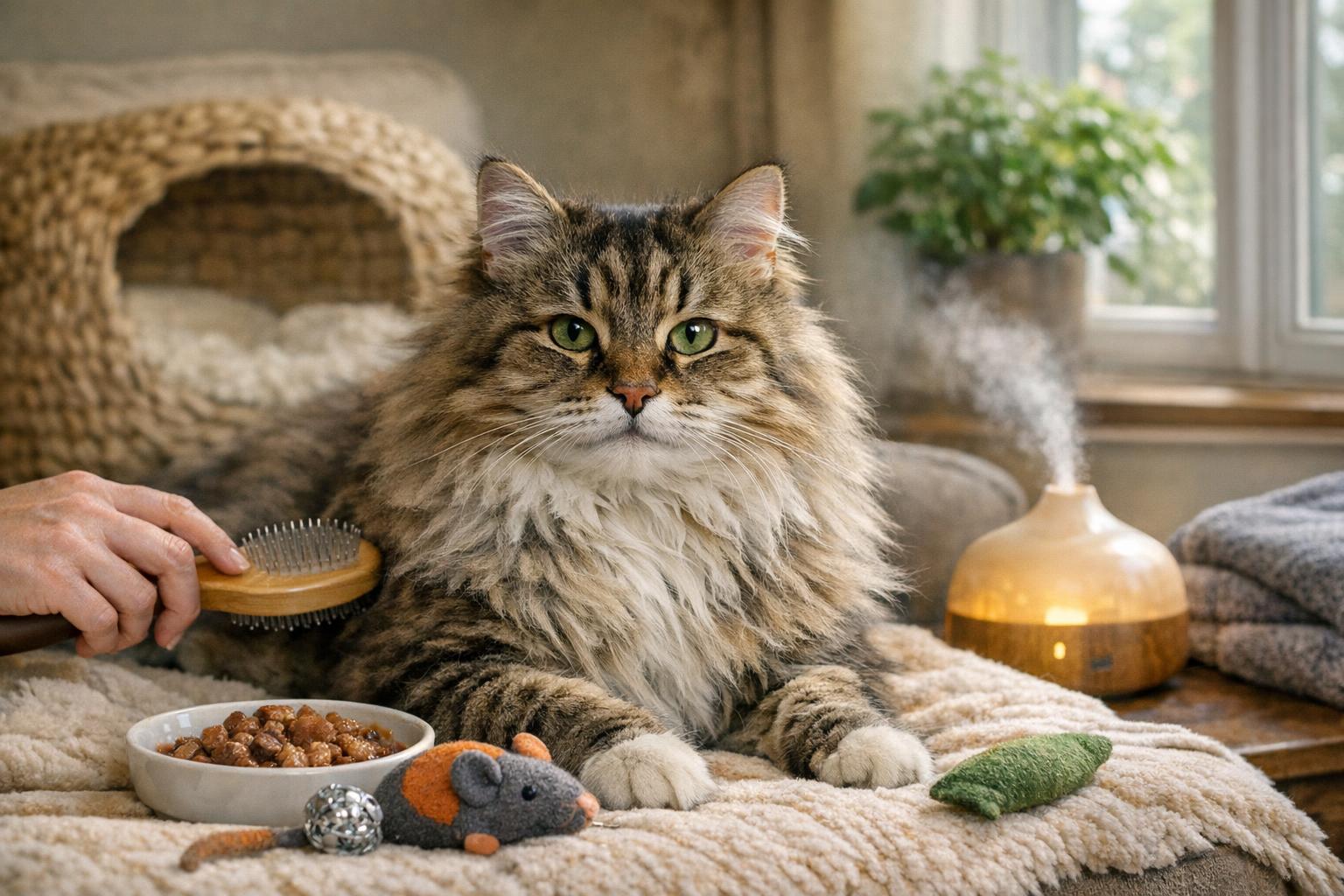
– A high-quality slicker brush and a rubber grooming mitt
– A wide, shallow water bowl or cat water fountain
– High-moisture wet food or a mousselike feeding routine
– Optional: short grooming sessions with a friend or professional groomer during heavy-shedding seasons
#### Step-By-Step Creation And Application
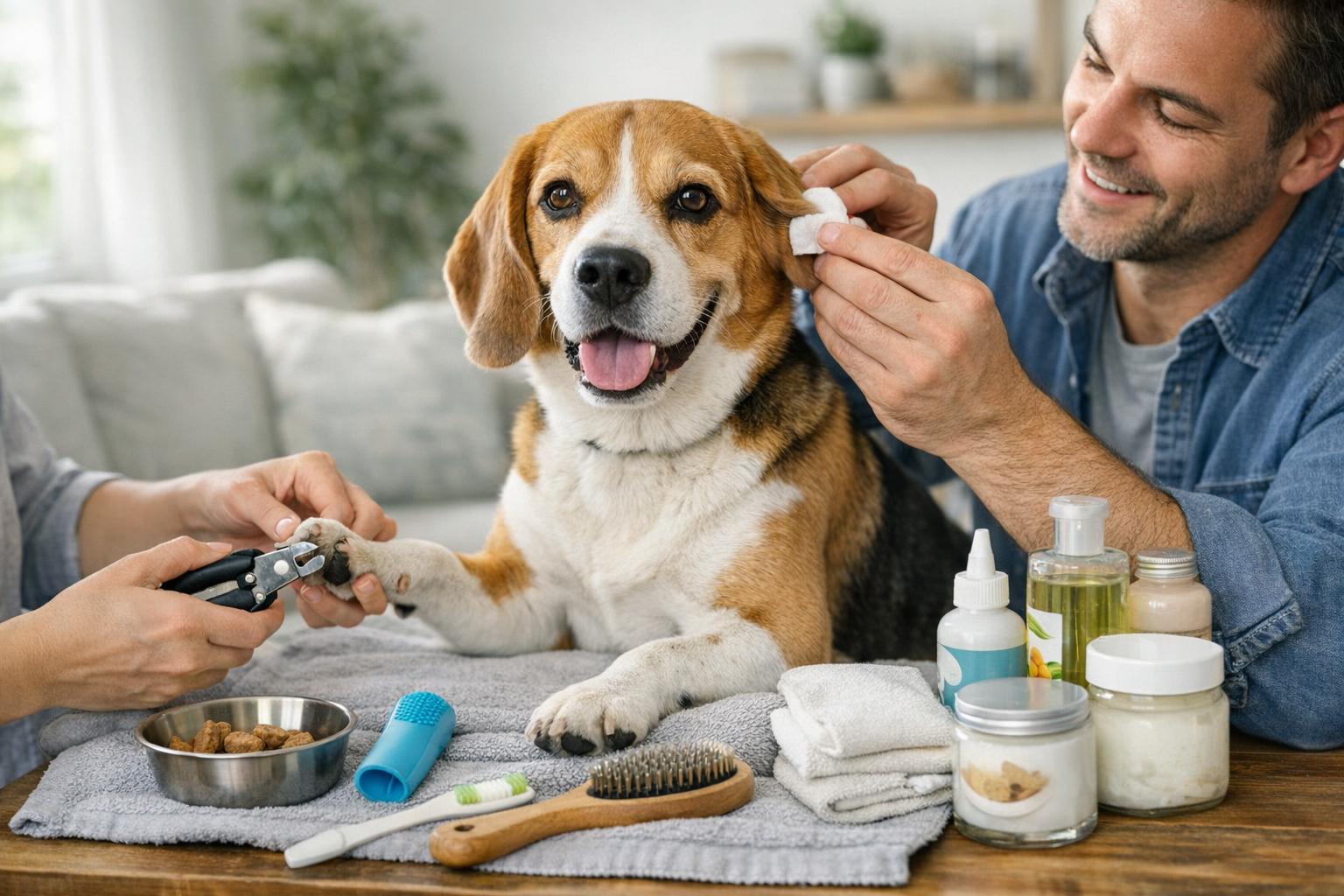
1. Establish a daily or every-other-day grooming routine. For long-haired breeds, brush more frequently. Use the slicker brush to remove tangles and the rubber mitt to pick up loose hair.
2. Groom over a towel or outside to minimize indoor fur accumulation. Reward your cat with a treat or affection to make the process positive.
3. Increase hydration by switching part of the diet to canned wet food and providing a fountain to encourage drinking. Hydrated intestines move things along better.
4. During seasonal molts, consider short, consistent trimming sessions of particularly dense fur, or schedule a professional grooming appointment for deshedding.
5. Monitor for improvements in hairball frequency; many owners see a reduction within a few weeks of consistent grooming and increased moisture intake.
Notes: Some cats tolerate grooming only in short increments; work up to longer sessions. Hydration helps keep stools soft so hair can pass more easily.
## Understanding Why Hairballs Form
A little anatomy and behavior can make the solutions make more sense. Cats groom to keep clean, distribute natural oils, and regulate scent — they’re doing what cats do. The barbs on try to catch loose fur during grooming, which then accumulates in the stomach. Normally, small amounts pass through the intestines and out in stool. But when overindulgence, heavy shedding, or digestive sluggishness occurs, those clumps form into hairballs that the cat may regurgitate.
### Signs Hairballs Might Be A Serious Problem
If your cat shows these signs, seek veterinary care rather than trying more home remedies:
– Repeated hacking without producing a hairball
– Loss of appetite or lethargy
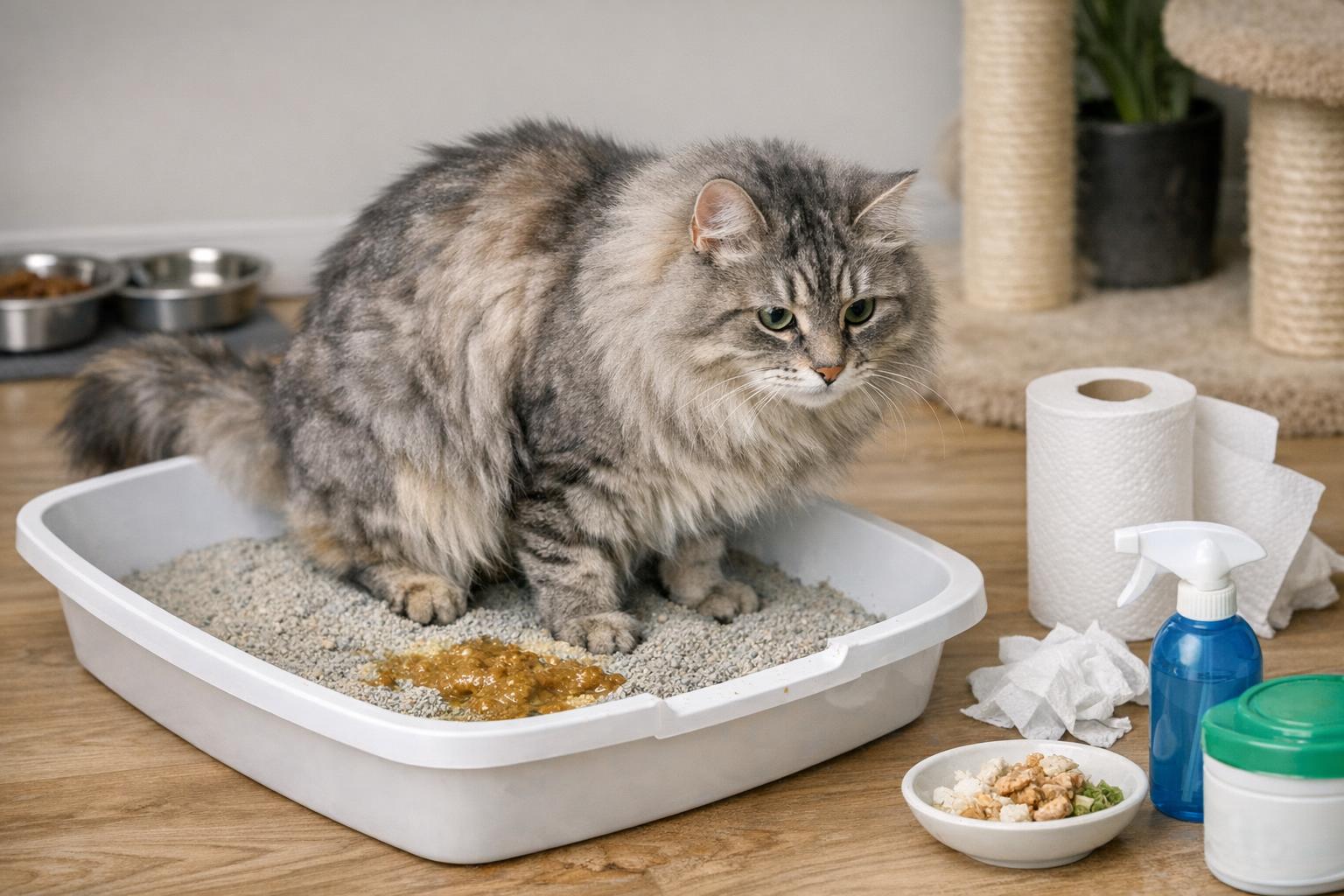
– Straining in the litter box or infrequent, small stools
– Persistent vomiting or weight loss
### Diet And Digestion Tips
A fiber-friendly diet can be useful, but don’t expect instant miracles. Look for high-quality protein sources and moderate fiber. Avoid sudden diet switches — introduce changes over 7–10 days and monitor stool quality. Some commercial hairball-control diets and gels exist; many contain lubricants and soluble fiber. If you prefer to keep things natural, the pumpkin and slippery elm approaches above are solid options.
#### When To Use A Commercial Hairball Product
If natural home care hasn’t reduced hairball frequency after a month, or if your cat is a chronic hairball producer, a vet-prescribed or vet-recommended commercial gel may be appropriate. These often contain paraffin-like lubricants; use under guidance for correct dosing and safety, especially in multi-cat households where curious kitties may sample extra.
## Seasonal And Breed Considerations
Long-haired breeds like Maine Coons and Persians naturally produce more hair. Short-haired cats can still suffer during heavy molting seasons. During spring and fall molts, increase grooming and consider one of the dietary or supplement remedies for a few weeks to support digestive clearance.
### Lifestyle And Household Tips
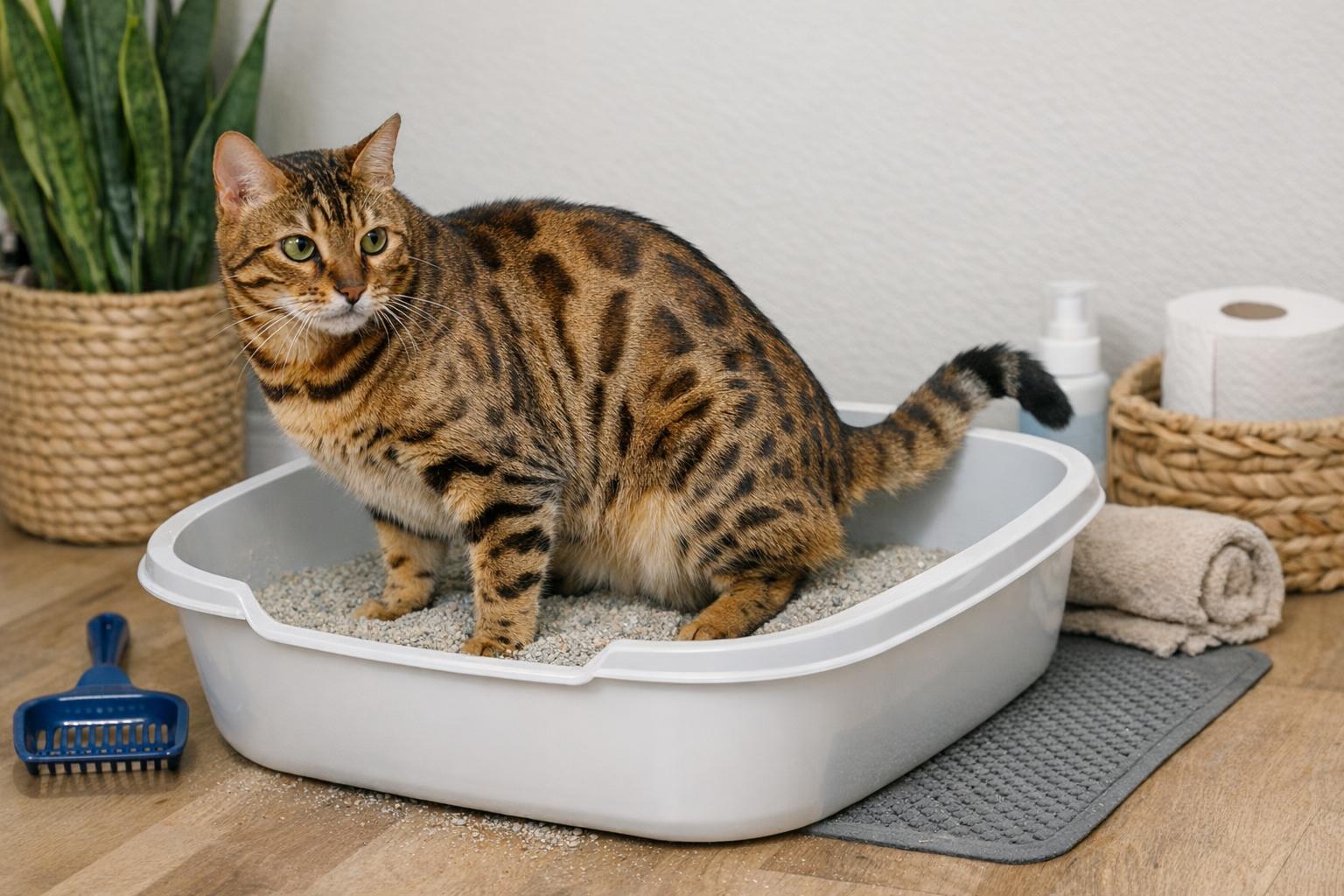
– Keep litter boxes clean and accessible; constipation can exacerbate hairball problems.
– Consider a humidifier in very dry homes to support skin health (less flaky skin = less loose hair).
– Offer safe chew toys and cat-safe grasses (like wheatgrass) that can stimulate swallowing and mild digestive activity.
## When Supplements Might Help
Some natural supplements, such as certain fiber mixes or petroleum-free lubricants, can be helpful short-term. Always choose products formulated for cats, and follow dosage instructions carefully. Herbs and supplements should be used cautiously—start small and observe for adverse effects.
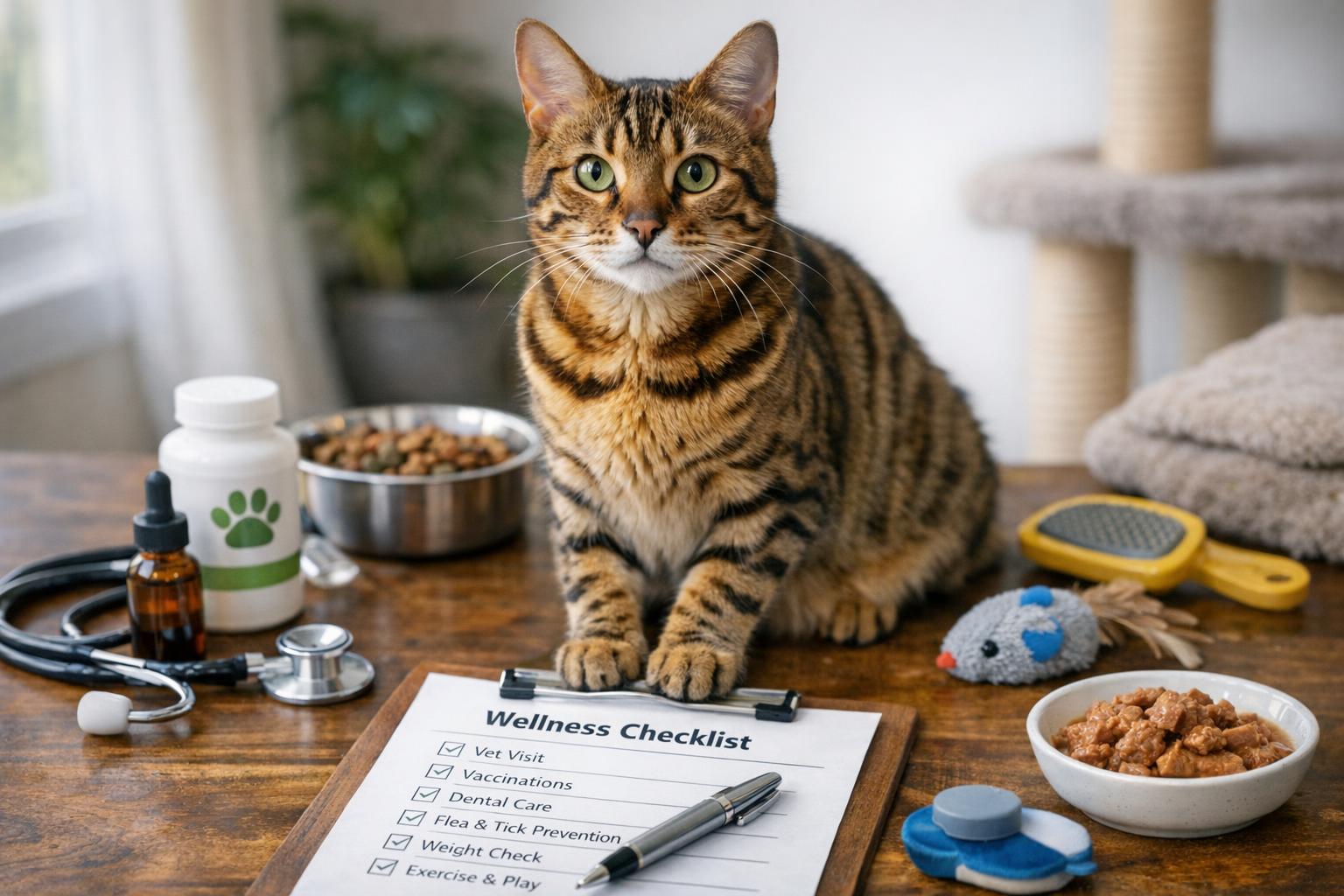
### Vet Consultation Checklist
Before introducing a new supplement or herbal remedy, have these details ready for your vet:
– Age, weight, and breed of your cat
– Frequency and appearance of hairballs
– Recent diet and any medications
– Any changes in behavior, appetite, or litter box habits
A quick chat with your veterinarian can prevent interactions and identify underlying causes such as intestinal motility issues, skin disease causing overgrooming, or parasites increasing hair loss.
Sprinkle these remedies into your routine, be patient, and remember: a perfectly hairball-free life is unlikely (cats are proud flossers by nature), but you can reduce frequency and keep your cat more comfortable. If things escalate or you’re ever unsure, a vet’s advice is the best next step — because even the most charming cat hairball saga deserves a happy ending.








Leave a Reply