





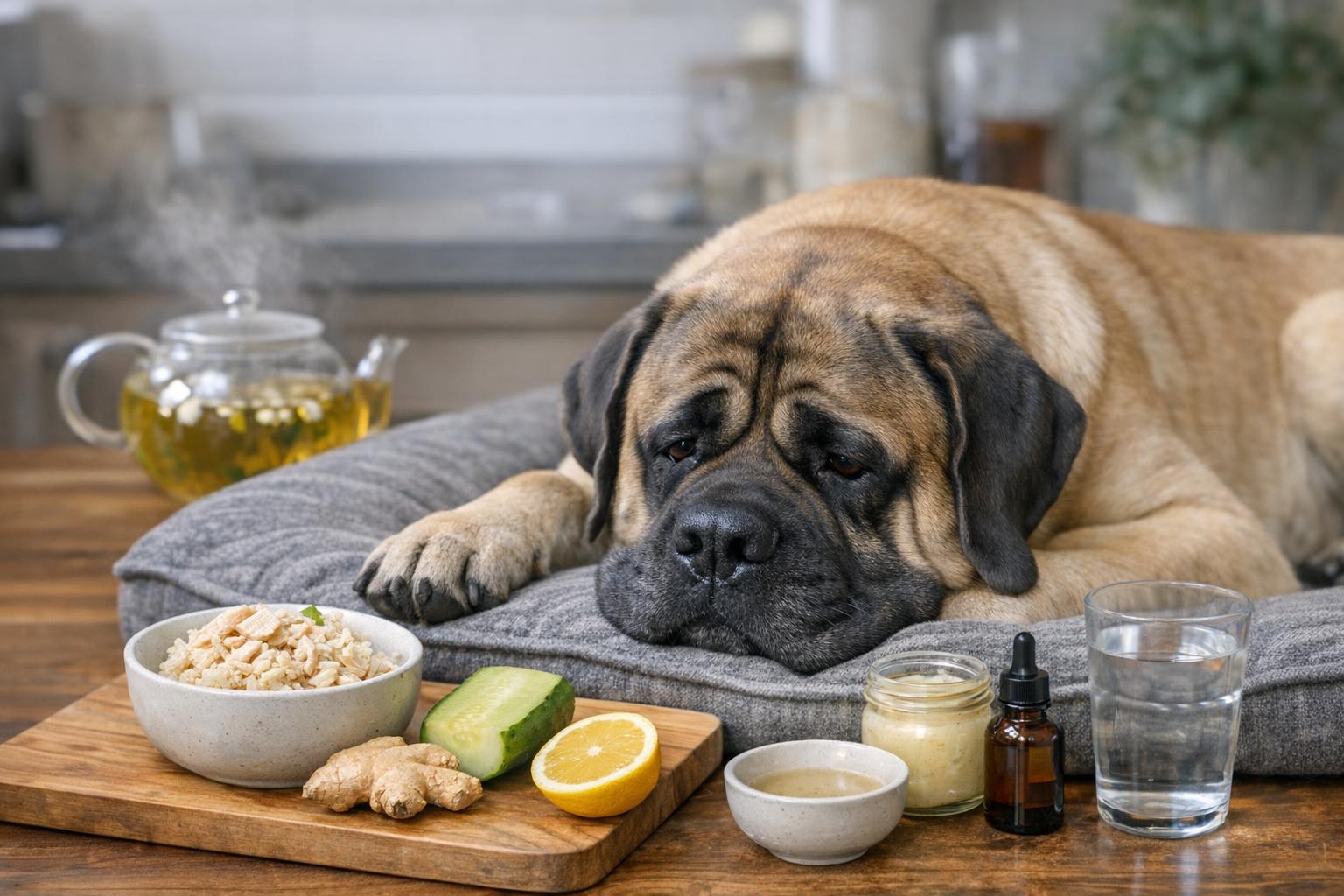
If your pup is feeling off, you might be frantically searching for how to calm a dog’s upset stomach — and that’s okay. Dogs get tummy troubles for the same reasons we do: a weird new snack, too-fast eating, stress, or occasionally a misadventure like eating a sock. The good news: many mild stomach upsets can be managed safely at home with a few gentle remedies, good observation, and sensible care. Below are practical, mostly food-based options and clear steps so you can help your dog feel better without turning your kitchen into a laboratory.
## When To Call The Vet
### Core Warning Signs To Watch For
If you suspect something more serious than a temporary tummy ache, don’t delay. Seek immediate veterinary care if your dog has any of these signs:
– Repeated vomiting or diarrhea lasting more than 24 hours
– Blood in vomit or stool
– Severe abdominal pain, bloating, or a distended belly
– Lethargy, collapse, or refusing water for many hours
– Fever or rapid breathing
### Why A Vet Visit Might Be Necessary
Some causes of stomach upset (ingested toxins, intestinal blockages, pancreatitis) can be life-threatening and won’t improve with home care. Think of home remedies as first-aid for mild problems, not a substitute for diagnostics when the situation is serious.
## 1. Bland Diet (The Classic Reset)
### Ingredients Or Materials
– Lean boiled chicken (no skin, no seasoning) OR plain boiled white rice
– Clean water
– Measuring cup and small bowls
### Step-By-Step Creation And Application
1. Withhold food for 8–12 hours for adult dogs (shorter for puppies; check with your vet). Continue offering small amounts of fresh water to avoid dehydration.
2. Prepare the bland meal: boil chicken breast until fully cooked, shred into small pieces, and mix with an equal volume of plain boiled rice. No butter, oil, salt, or spices.
3. Offer 1–2 tablespoons per 10 lbs of bodyweight every 3–4 hours. Monitor tolerance; if vomiting resumes, stop and contact your vet.
4. After 24–48 hours of improvement, slowly reintroduce the dog’s regular food over a 3–5 day period by mixing increasing amounts of regular kibble with the bland mix.
This approach addresses the most common question: how to calm a dog’s upset stomach without medicating. The bland diet mitigates irritation, provides easy-to-digest calories, and reduces the workload on the digestive tract.
## 2. How To Calm A Dog’s Upset Stomach With Canned Pumpkin (Remedy 2)
### Ingredients Or Materials
– 100% canned plain pumpkin puree (not pumpkin pie filling)
– Measuring spoon
– Small bowl
### Step-By-Step Creation And Application
1. For diarrhea: mix 1 teaspoon per 10 pounds of body weight into your dog’s food once or twice daily. For constipation: you may increase to 1 tablespoon per 10 pounds once daily, but consult your vet for persistent constipation.
2. Ensure fresh water is available at all times; fiber will draw water into the stool.
3. Continue for up to 5 days as needed. Discontinue use if symptoms worsen.
Pumpkin is a gentle, natural source of soluble and insoluble fiber that helps normalize stool consistency. It’s a commonly recommended remedy for both diarrhea and constipation when using the correct form and dose.
## 3. Probiotics And Yogurt (Remedy 3)
### Ingredients Or Materials
– Vet-recommended probiotic for dogs OR plain, unsweetened yogurt with live cultures (check lactose tolerance)
– Measuring spoon
### Step-By-Step Creation And Application
1. If using an over-the-counter canine probiotic, follow the manufacturer’s dosing instructions or your vet’s recommendation.
2. For yogurt: offer 1 teaspoon per 10 lbs of body weight, mixed into food once daily for short-term use. Monitor for signs of lactose intolerance (gas, increased diarrhea).
3. Use probiotics for 5–7 days to help repopulate healthy gut flora after an upset.
Probiotics can reduce the duration and severity of diarrhea by restoring balance to gut bacteria. When treating dogs, choose products formulated for pets when possible — human formulas can work but may have strains that aren’t ideal.
## 4. Bone Broth And Hydration Support (Remedy 4)
### Ingredients Or Materials
– Plain homemade bone broth (no onions/garlic, low salt) OR low-sodium, store-bought broth with no onion/garlic
– Clean water and bowl
– Optional: pediatric electrolyte solution (vet-approved)
### Step-By-Step Creation And Application
1. Prepare or purchase bone broth that contains no seasoning, onion, or garlic (both are toxic to dogs). Strain out all solids and cool thoroughly.
2. Offer small amounts frequently — 1–2 tablespoons every 30–60 minutes for small dogs, more for larger dogs, as tolerated.
3. If your dog is reluctant to drink, mix a small amount of broth with water to entice them. If dehydration is a concern, ask your vet about an oral electrolyte solution suitable for dogs.
Bone broth is soothing, palatable, and helps maintain fluid and electrolyte balance. It’s especially useful when a dog is reluctant to drink plain water after vomiting.
## Soothing For Nausea: Ginger And Small Meals
### Ginger Tea Ingredients Or Materials
– Fresh ginger root or ginger tea bags
– Warm water
– Small bowl or cup
### Step-By-Step Creation And Application
1. Make a mild ginger infusion by steeping a small slice of fresh ginger in warm water for 5–10 minutes. Strain and cool.
2. Offer a teaspoon of cooled ginger water to small dogs and up to a tablespoon for larger dogs. Do not exceed small doses without veterinary guidance.
3. Combine with the bland diet approach — tiny, frequent meals — to help reduce nausea.
Ginger has mild antiemetic properties and can help calm stomach motility. Use cautiously and avoid any sugary or caffeinated teas.
## Managing Feeding Habits And Prevention
### Practical Tips To Prevent Future Upsets
– Slow feeding: use puzzle feeders or scatter feeding to prevent gulping.
– Avoid table scraps and sudden diet changes; transition new diets over 7–10 days.
– Keep trash and small objects out of reach; many stomach upsets are caused by foreign bodies.
– Maintain regular deworming and parasite checks, as parasites can cause chronic intestinal issues.
Being proactive with feeding routines and supervision goes a long way toward reducing the “oops” moments that lead to tummy trouble. If you’re wondering how to calm a dog’s upset stomach after each adventure, these preventative measures will cut down repeat visits to the medicine cabinet.
## When Home Remedies Aren’t Enough
### Red Flags And Next Steps
If your dog exhibits any red-flag signs mentioned earlier, or if multiple home remedies fail to improve symptoms within 24–48 hours, contact your veterinarian. They can perform diagnostics, prescribe medications like antiemetics or antibiotics if appropriate, and provide supportive care such as fluids.
You asked how to calm a dog’s upset stomach, and many times the answer lies in simple, careful home care: rest, hydration, gentle food, and a little patience. But remember the boundary between “mild” and “medical” — knowing when to escalate to professional care is part of responsible pet parenting.
## Safe Medication Alternatives And Notes
### Over-The-Counter Meds And Veterinary Guidance
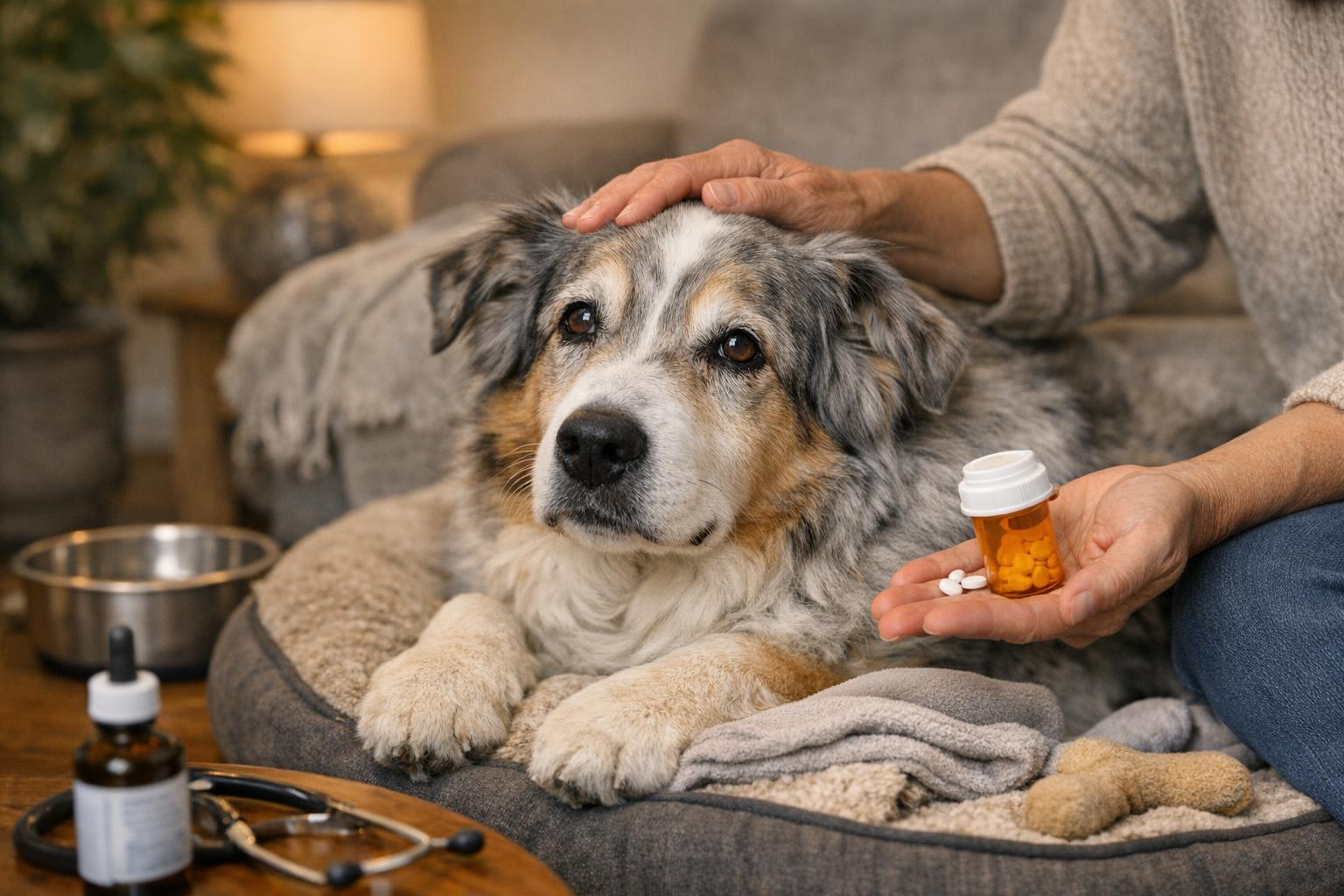
Do not give your dog human anti-diarrheal or anti-nausea medications unless directed by your veterinarian. Some human drugs are dangerous for dogs. Your vet may recommend safe pharmaceuticals or supplements based on diagnosis and severity.
### Final Practical Advice
Keep a small “tummy kit” at home: plain canned pumpkin, an easily digestible kibble or prescription diet (if advised), a probiotic for dogs, and a container for broth. Being prepared will make it easier to act quickly and calmly next time your dog’s belly acts up — and that’s exactly what you need when you’re trying to figure out how to calm a dog’s upset stomach without turning into a nervous wreck.








Leave a Reply