






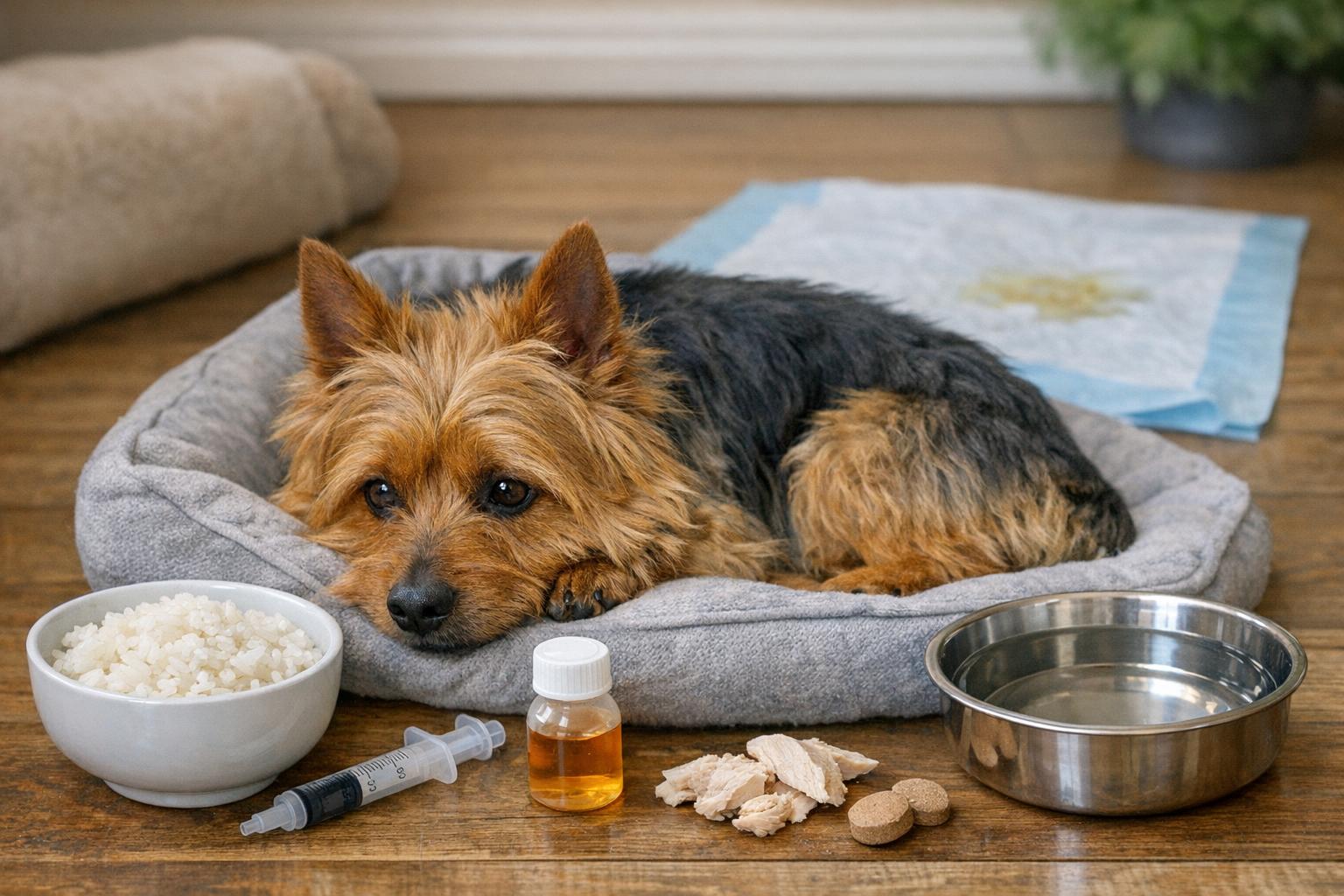
Ever had that moment when your dog gives you the soulful eyes and then — uh oh — produces questionable results from the other end? It’s stressful, but also a very common part of pet parenthood. Below are calm, clear, and practical ways to answer the question: how do you help a dog with an upset stomach, using safe home care and signs to watch so you know when to call the vet.
## How Do You Help A Dog With An Upset Stomach: First Steps And Immediate Care
When you wonder how do you help a dog with an upset stomach, start by assessing severity. Mild upset tummies are often transient and respond to conservative care. Severe signs—repeated vomiting, bloody stool, lethargy, collapse, or a distended abdomen—are emergencies and require immediate veterinary attention.
### Assessing Symptoms
Look for:
– Frequency of vomiting or diarrhea (one episode vs. many).
– Presence of blood or dark, tarry stool.
– Behavior changes: anxiety, whining, hiding.
– Appetite and water intake.
– Any recent dietary changes, new treats, plants, or access to trash/toxic items.
### Common Causes
Knowing why helps decide how do you help a dog with an upset stomach:
– Diet indiscretion (table scraps, garbage).
– Sudden diet change.
– Food intolerances or allergies.
– Parasites, infections, or toxins.
– Stress or motion sickness.
– Underlying medical conditions (pancreatitis, organ disease).
## 1. Bland Diet Remedy: Gentle Refeeding (Remedy 1)
When the upset stomach is mild and your dog is otherwise bright and alert, the bland diet is a classic, evidence-based approach. This is often the first thing veterinarians recommend.
Ingredients / Required Materials:
– Plain boiled white rice (no salt or butter).
– Lean boiled chicken breast or ground turkey (no skin, bones, or seasoning).
– Plain canned pumpkin (100% pumpkin, not pie mix).
– Clean water for hydration.
Step-by-Step Creation And Application:
1. Withhold Food Briefly: If your dog has vomited but is otherwise stable, withhold food for 6–12 hours for adult dogs (no food for puppies longer than 4–6 hours—contact your vet earlier). Continue offering small amounts of water.
2. Prepare Bland Mix: Boil the rice and chicken separately until fully cooked. Chop or shred the chicken finely. Mix a ratio of about 2 parts rice to 1 part chicken.
3. Start Small: Offer a teaspoon to a tablespoon (depending on size) every 30–60 minutes. If tolerated without vomiting for 6–8 hours, increase serving size.
4. Transition: Feed the bland diet in small, frequent meals for 2–3 days. Gradually reintroduce the regular diet over 3–5 days by mixing increasing amounts of their regular food with the bland mix.
5. Monitor: Watch stool consistency and appetite. If vomiting recurs or diarrhea worsens, stop home feeding and contact your veterinarian.
Be precise and measured when implementing this remedy; overfeeding or returning to rich foods too fast will delay recovery.
## 2. Probiotic And Pumpkin Support (Remedy 2)
Probiotics and pumpkin can regulate digestion, firm up stools, and restore healthy gut flora. This approach is useful for mild diarrhea and can support recovery after vomiting.
Ingredients / Required Materials:
– Canine-specific probiotic supplement (follow manufacturer dosing for weight).
– Plain canned pumpkin (100% pumpkin).
– Measuring spoon.
Step-by-Step Creation And Application:
1. Choose A Probiotic: Use a product formulated for dogs or a veterinary-recommended human probiotic that lists strains shown safe for canines. Confirm dosage on the label or with your vet.
2. Dose Pumpkin: For small dogs, begin with 1/2 teaspoon to 1 teaspoon of pumpkin twice daily. Medium dogs: 1–2 teaspoons; large dogs: 1–2 tablespoons. Pumpkin is high in fiber and helps normalize stool.
3. Administer Together: Mix the probiotic and pumpkin into a small portion of the bland diet or plain food. Deliver twice daily until stools firm for 48–72 hours.
4. Monitor Effects: Expect improvement within 24–72 hours for mild cases. If no improvement or signs worsen, discontinue and seek veterinary advice.
Use precise dosing; too much pumpkin can produce constipation or more gas. The probiotic choice matters—consult your vet for chronic or recurrent issues.
## 3. Hydration Support: Oral Electrolyte Solution (Remedy 3)
Dehydration is the main danger with gastrointestinal upset. Supporting fluid and electrolyte balance is often more critical than feeding initially.
Ingredients / Required Materials:
– Pedialyte (unflavored) or a veterinary oral electrolyte solution.
– Syringe without needle (5–20 ml) or small bowl.
– Clean water.
Step-by-Step Creation And Application:
1. Assess Hydration: Gently lift the skin over the shoulder blades; if it snaps back slowly, dehydration may be present. Dry gums and sunken eyes are more severe signs.
2. Offer Small Sips: If the dog is alert and able to swallow, offer small amounts of water frequently. For reluctant drinkers, use a syringe to deliver 5–10 ml every few minutes.
3. Provide Electrolytes: Use unflavored Pedialyte at room temperature in small amounts—5–10 ml every 10–15 minutes for small dogs, proportionally more for larger dogs. Continue if tolerated.
4. Veterinary Case: If the dog cannot keep fluids down, is severely lethargic, or shows signs of significant dehydration, intravenous fluids at the clinic are necessary.
Hydration management must be careful and steady—forcing large volumes can cause aspiration or induce vomiting.
### Medications, Herbs, And OTC Considerations
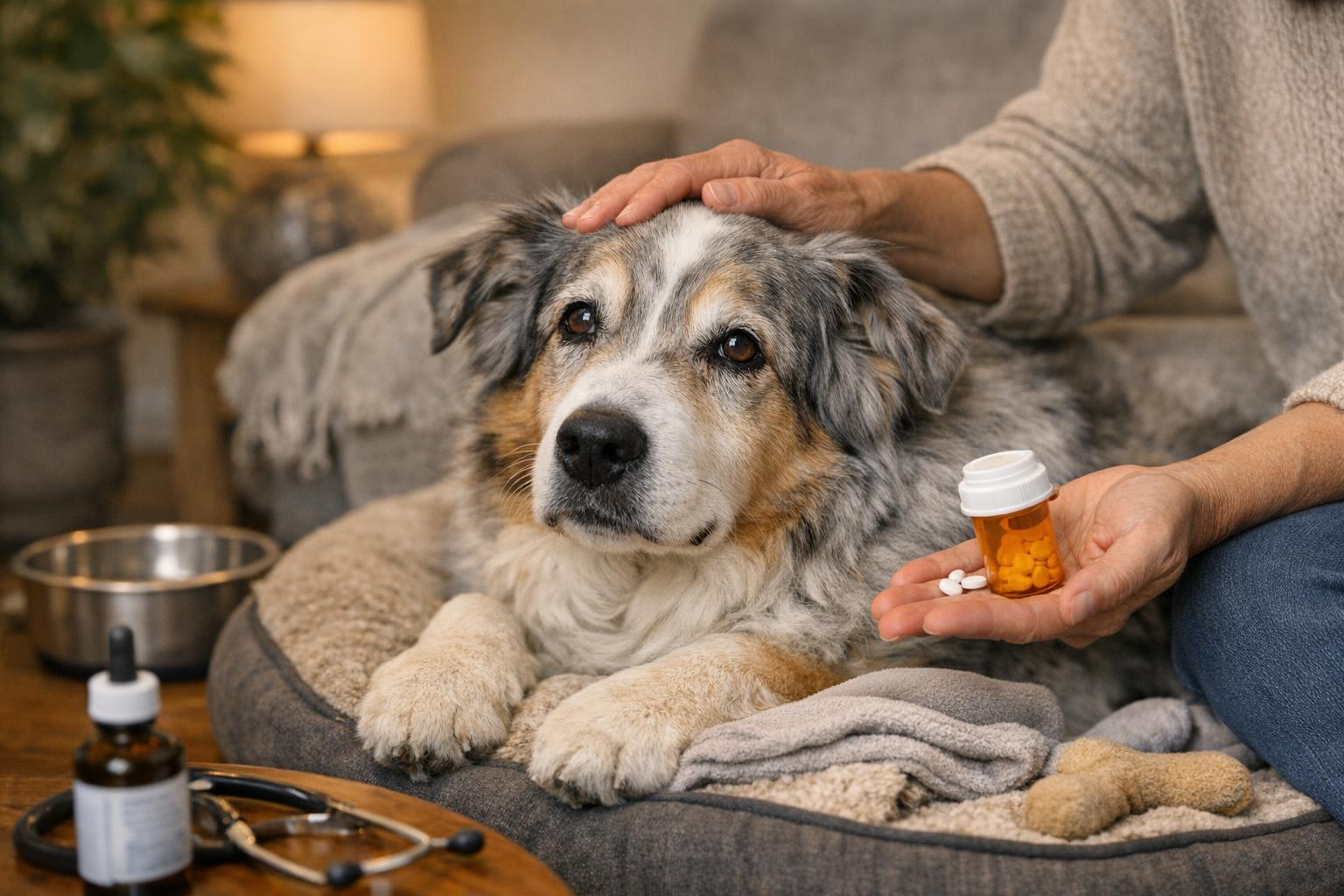
When people ask how do you help a dog with an upset stomach, they sometimes consider over-the-counter meds. Do not give acetaminophen, ibuprofen, or human anti-diarrheals without veterinary guidance. Some vets may recommend famotidine or ondansetron, but these require a prescription and proper dosing.
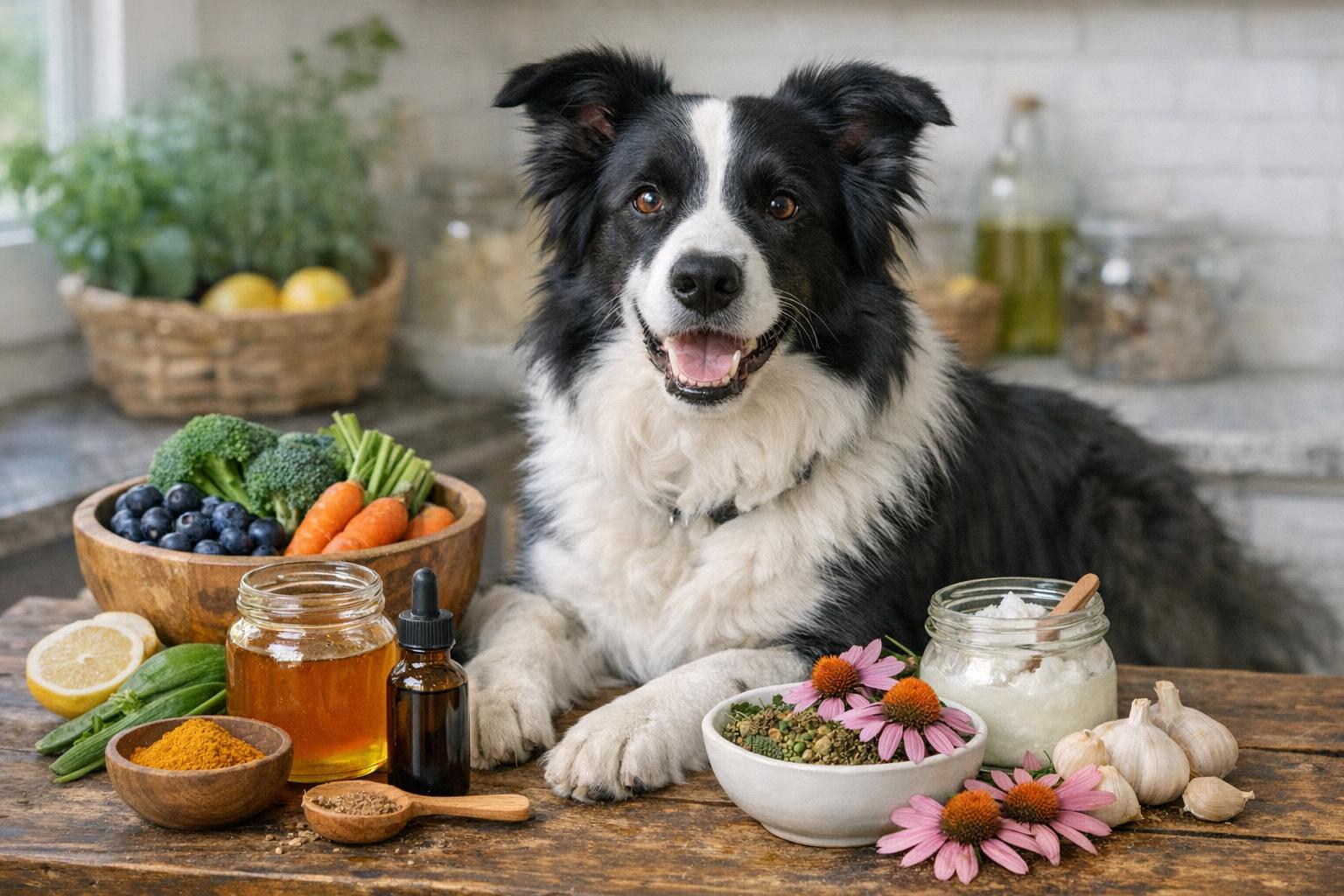
Safe, natural adjuncts:
– Slippery elm: Powdered bark can be mixed into food to soothe GI mucosa. Use vet-recommended dosing.
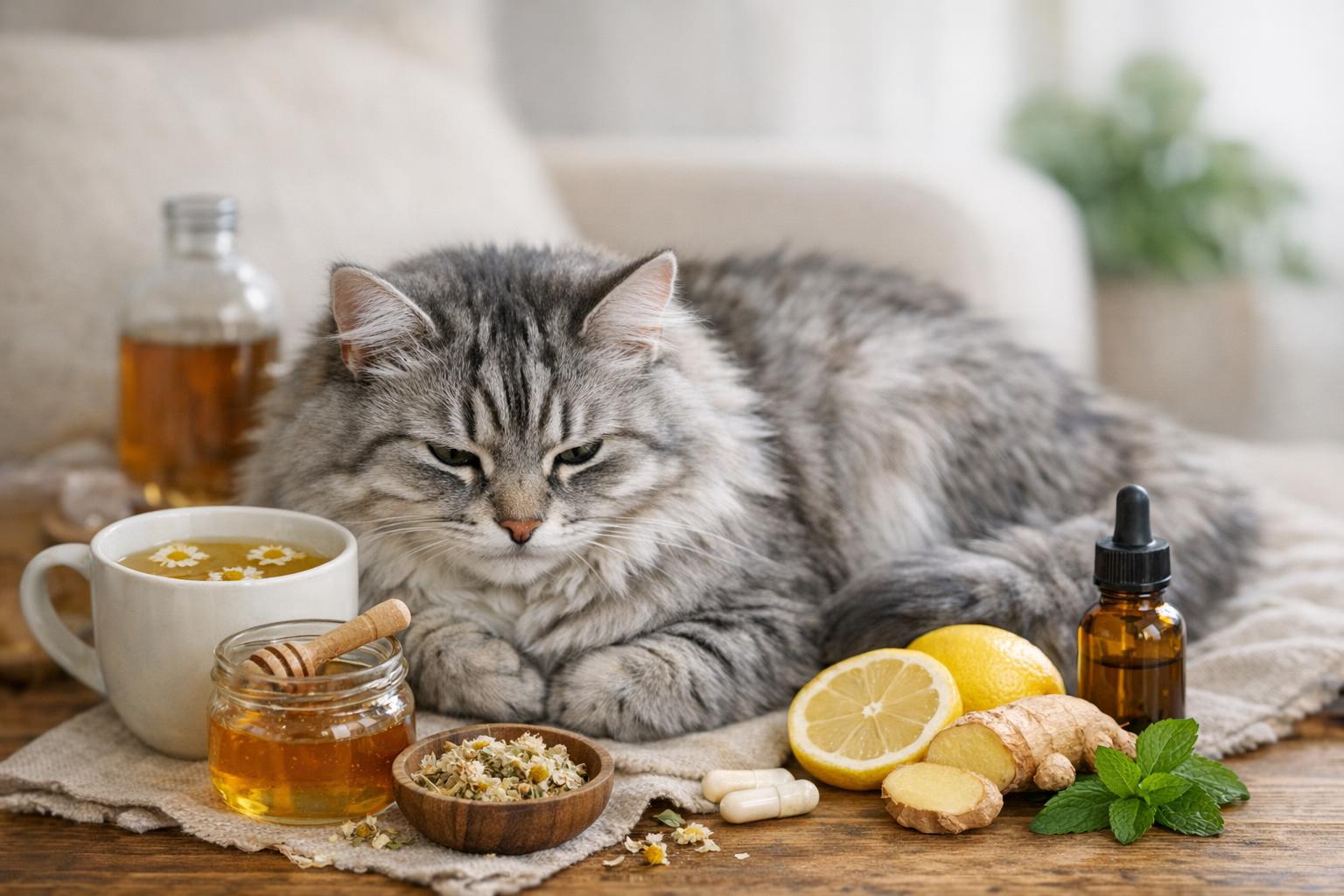
– Chamomile tea (cooled): A small amount may calm stomach discomfort; consult vet for appropriate use.
Always discuss herbal or OTC use with your veterinarian to avoid interactions or contraindications.
### When To Call The Vet Immediately
If you’re asking how do you help a dog with an upset stomach but see any of these, get urgent care:
– Persistent vomiting (more than 2–3 episodes in a few hours).
– Repeated, severe diarrhea.
– Blood in vomit or stool.
– Signs of abdominal pain or bloating.
– Severe lethargy, collapse, or seizures.
– Inability to keep water down.
– Puppies, seniors, or dogs with chronic illness showing any severe signs.
### Preventive Tips To Reduce Recurrence
Prevention answers part of the question how do you help a dog with an upset stomach before it happens:
– Avoid table scraps and fast transitions between foods.
– Use slow feeders if your dog gulps food.
– Secure trash and limit access to houseplants and toxic foods.
– Keep up with parasite prevention and regular check-ups.
– Introduce new foods gradually over 7–10 days.
### Safe Handling And Comfort Care
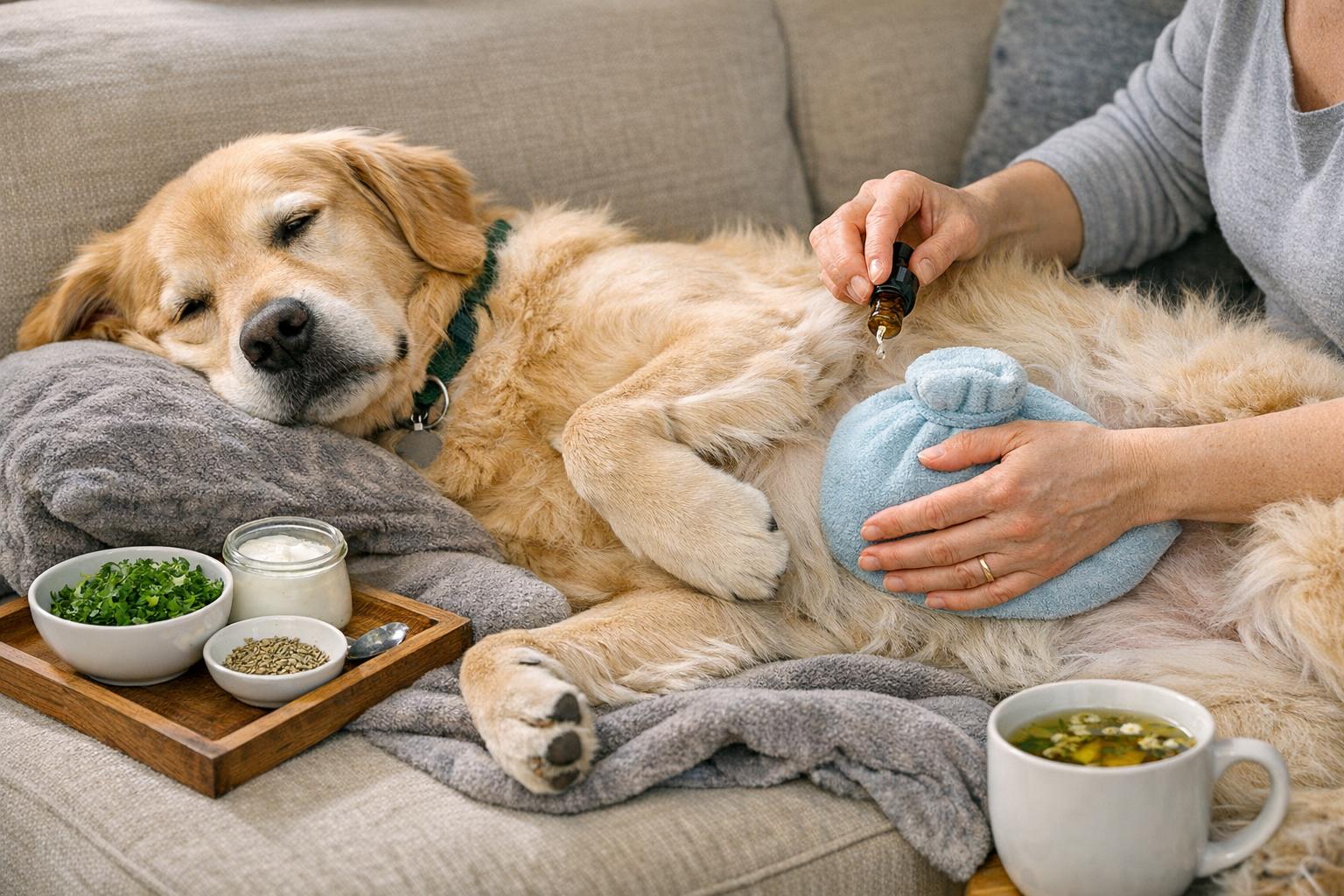
Comfort goes a long way. Maintain a quiet, warm resting spot and keep bedding clean. Offer small, frequent doses of water and the bland diet when appropriate. Use patience and gentle reassurance; dogs often relax when their humans are calm.
## Dos And Don’Ts When Managing A Dog’s Upset Stomach
Dos:
– Do monitor closely and keep a log of vomiting/diarrhea episodes.
– Do provide small, frequent fluids and bland food when appropriate.
– Do consult your vet for uncertain or worsening cases.
Don’ts:
– Don’t give human painkillers or anti-inflammatories (they can be toxic).
– Don’t force large meals or large volumes of water.
– Don’t ignore severe or prolonged symptoms.
If you’re still wondering how do you help a dog with an upset stomach after trying these measures, keep in mind that professional veterinary care may include diagnostics (bloodwork, fecal tests, x-rays) and tailored treatment for infections, pancreatitis, or other diseases.
There’s a comforting truth in pet care: many tummy troubles are resolvable with simple, attentive home care and a little time. If the situation looks severe or doesn’t improve in the expected window, your veterinarian is the best next step—think of them as the director of this digestive drama, and you’re their excellent stage manager.







Leave a Reply