





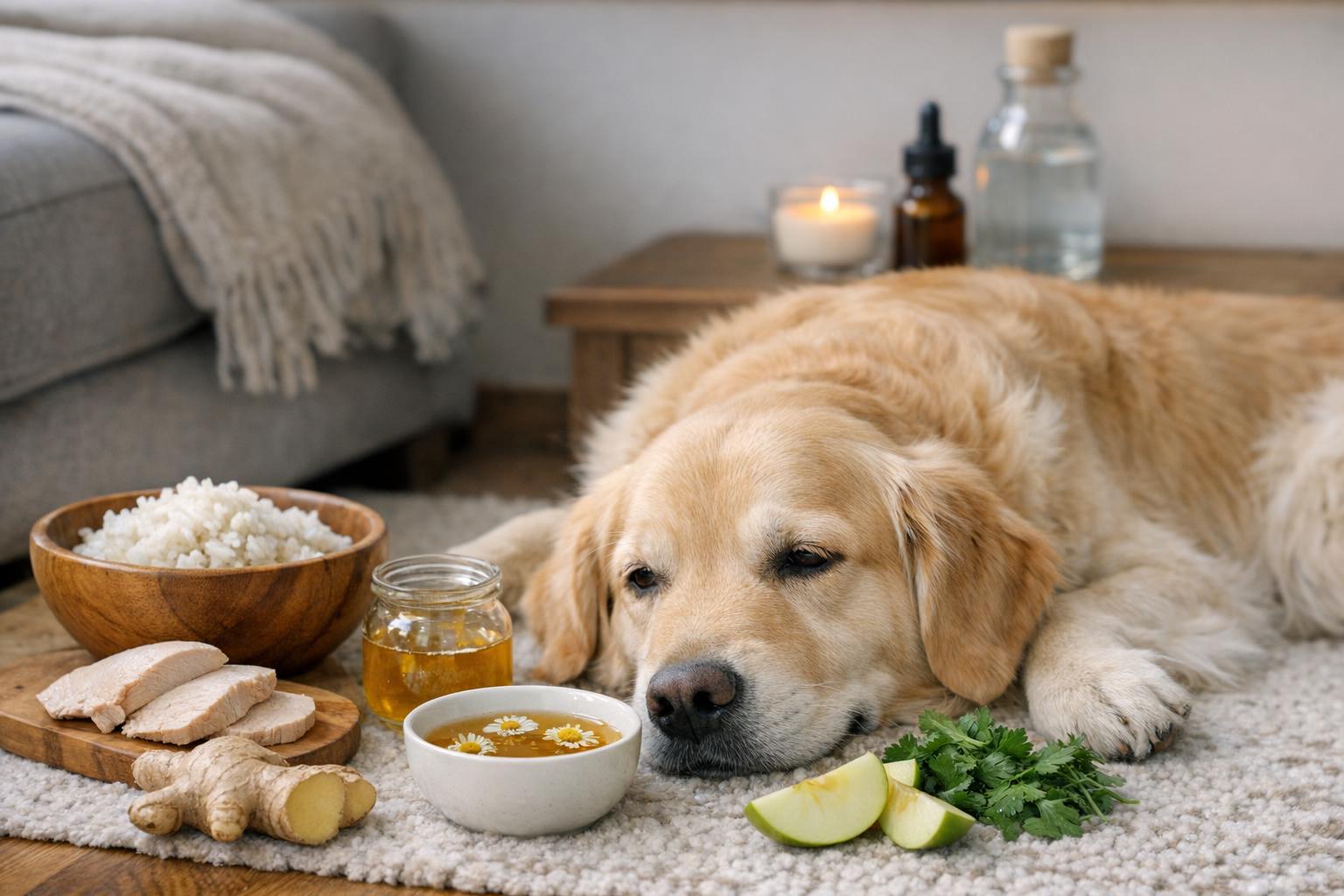
A warm hand on a tucked-in belly, soft breathing, a worried tilt of the head — when our canine friends are unsettled, we feel it. Learning how to soothe dog stomach discomfort naturally at home can turn panic into calm, helping your dog recover with gentle, evidence-based steps and pantry-friendly remedies.
## How To Soothe Dog Stomach Discomfort Naturally At Home
Dogs get the occasional tummy ache for many reasons: a sudden diet change, a mischevious snack raid, mild food intolerance, or stress. Knowing the signs of stomach discomfort and having a few safe, natural tools — a reliable dog digestion aid or two — can keep small issues from becoming emergencies.
### Read The Signs Of Stomach Discomfort
Watch for restlessness, repeated licking at lips, drooling, soft or frequent stools, dry heaving without vomiting, or decreased appetite. Diarrhea, vomiting, or lethargy deserve more attention; these are more than simple stomach discomfort and may not respond to home care alone. A sensitive nose and close observation are your first supports.
### Common Causes And When To Worry
Mild stomach upset often follows dietary indiscretion (table scraps, garbage, or new treats), sudden diet change, or stress. Parasites, infections, toxins, pancreatitis, obstructive foreign bodies, and systemic disease are more serious causes. If your dog is vomiting repeatedly, has bloody stools, a distended abdomen, severe pain, or shows signs of collapse, contact a veterinarian immediately. For mild, stable cases you can safely explore natural measures while monitoring closely.
### Gentle First Steps To Stabilize
Start with rest, access to small amounts of fresh water, and a brief fast for adult dogs (generally 8–12 hours) to let the gut settle. Puppies, very small breeds, or dehydrated animals should not fast without veterinary guidance. After the fast, reintroduce bland food in small, frequent portions. These initial steps are a core part of how to soothe dog stomach discomfort naturally at home.
## Remedy 1: Bland Refeed (Chicken And Rice) To Soothe Dog Stomach Discomfort
Ingredients / Materials:
– 1 cup cooked white rice (plain, no seasoning)
– 100–200 g boiled, skinless, boneless chicken breast (shredded)
– Clean pot and utensils
– Measuring cup
Step-By-Step Creation And Application:
1. Prepare plain white rice according to package directions; do not add salt, butter, or oil.
2. Boil chicken breast until fully cooked and shred into small pieces.
3. Mix a 2:1 ratio of rice to chicken for the first meal (e.g., 2/3 cup rice to 1/3 cup chicken for a small dog).
4. Offer a small portion (about one-quarter of the dog’s normal meal size) every 3–4 hours. If well tolerated for 24–48 hours, gradually increase portions and transition back to regular food over 3–5 days.
5. Discontinue if vomiting resumes or diarrhea worsens, and consult your veterinarian.
This structured bland refeed is a simple, formal dog digestion aid: low-fat, easily digestible, and gentle on the irritated stomach lining.
## Remedy 2: Pumpkin And Probiotic Dog Digestion Aid
Ingredients / Materials:
– Canned plain pumpkin puree (not pumpkin pie filling)
– Canine-specific probiotic powder or paste (follow product dosing)
– Measuring spoon
– Small bowl
Step-By-Step Creation And Application:
1. Confirm your dog’s weight and the probiotic manufacturer’s recommended dose. Use only probiotics formulated for dogs when possible.
2. For dogs under 10 kg (22 lb), offer 1–2 teaspoons of pumpkin mixed into a small portion of food; for larger dogs, 1–2 tablespoons.
3. Add the prescribed probiotic dose to the same serving and mix thoroughly.
4. Administer once or twice daily as directed. Pumpkin adds soluble fiber to help firm stool and is a gentle, natural dog digestion aid; probiotics help rebalance gut flora.
5. Monitor stool consistency and appetite over 48–72 hours. Stop if there’s any allergic reaction or worsening symptoms.
Use pumpkin only as a short-term measure unless advised otherwise by a professional.
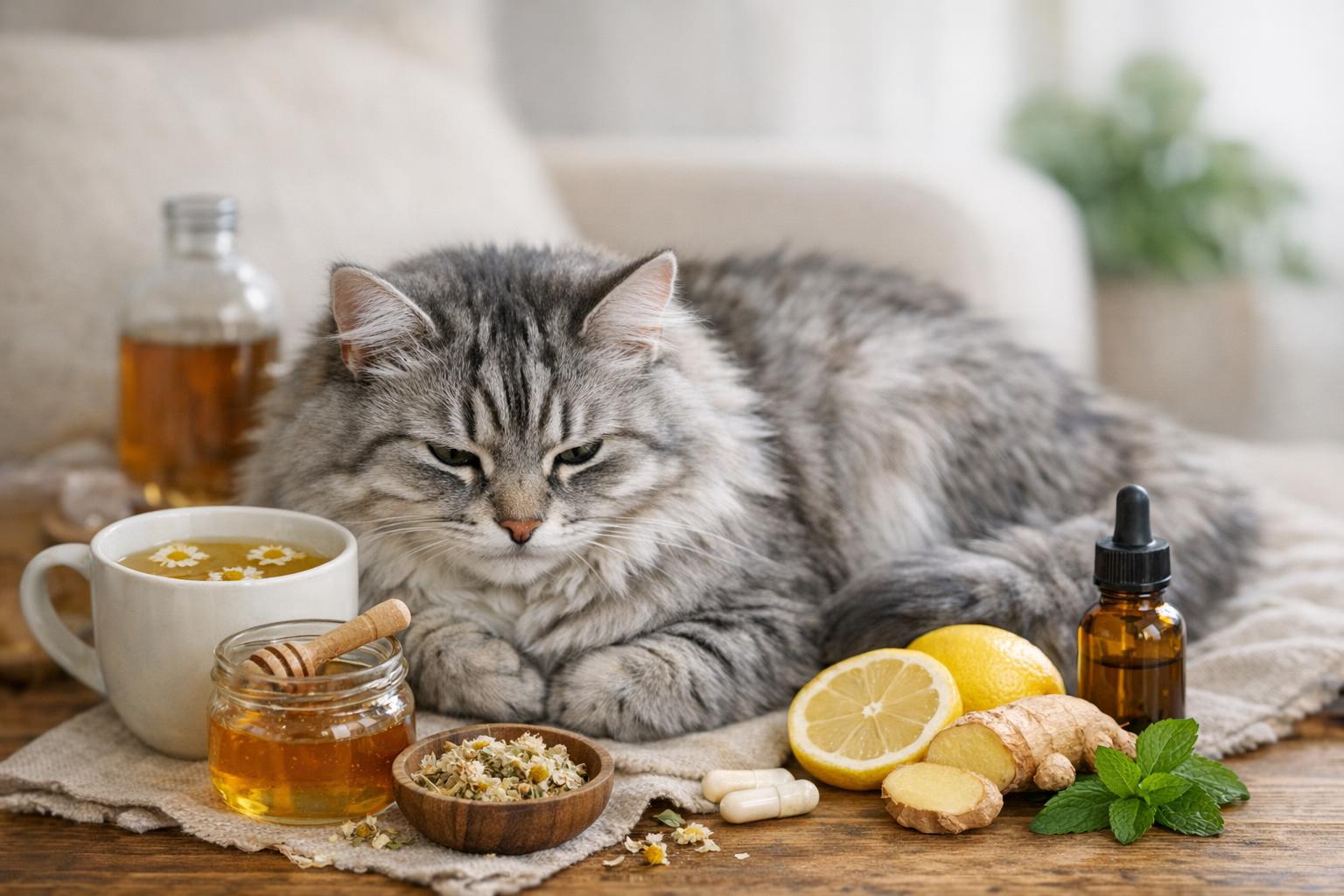
## Remedy 3: Ginger Or Chamomile Tea For Mild Nausea
Ingredients / Materials:
– Fresh ginger root (small piece) or a chamomile tea bag
– 1 cup water
– Tea strainer
– Syringe or small cup for dosing
Step-By-Step Creation And Application:
1. For ginger: slice a 1–2 cm piece and simmer in 1 cup of water for 10 minutes. For chamomile: steep one tea bag in 1 cup of hot water for 5–7 minutes.
2. Allow the liquid to cool to room temperature and strain out solids.
3. Dose conservatively: 1–2 teaspoons for small dogs, up to 1–2 tablespoons for larger dogs, offered slowly. Use a syringe for precise delivery if the dog refuses to lap it.
4. Give no more than 2–3 doses in 24 hours. Ginger can help reduce nausea and support motility; chamomile has mild antispasmodic properties.
5. Do not use these remedies if your dog is on blood-thinning medications or if you suspect an internal obstruction or severe illness.
Administer these teas in a controlled, measured way—formal dosing and caution keep natural remedies safe.
## Remedy 4: Slippery Elm Paste For Soothing The Gut
Ingredients / Materials:
– Slippery elm powder (herbal grade for pets)
– Warm water
– Measuring spoon
– Small bowl and spoon
Step-By-Step Creation And Application:
1. Mix 1 teaspoon of slippery elm powder with enough warm water to form a spoonable paste for small dogs; use up to 1 tablespoon paste for large dogs.
2. Offer the paste directly or mix into a small portion of bland food.
3. Administer 2–3 times daily for up to 3–5 days while monitoring improvement.
4. Slippery elm coats and soothes mucous membranes; it can reduce irritation and provide gentle relief from stomach discomfort.
5. Pause use and consult a veterinarian if symptoms persist or worsen.
Use only pet-safe herbal preparations and confirm no drug interactions with current medications.
### Home Comfort Measures To Support Any Remedy
– Maintain hydration by offering small, frequent amounts of fresh water. If your dog refuses to drink, offer ice chips or diluted, unsalted bone broth (see caution).
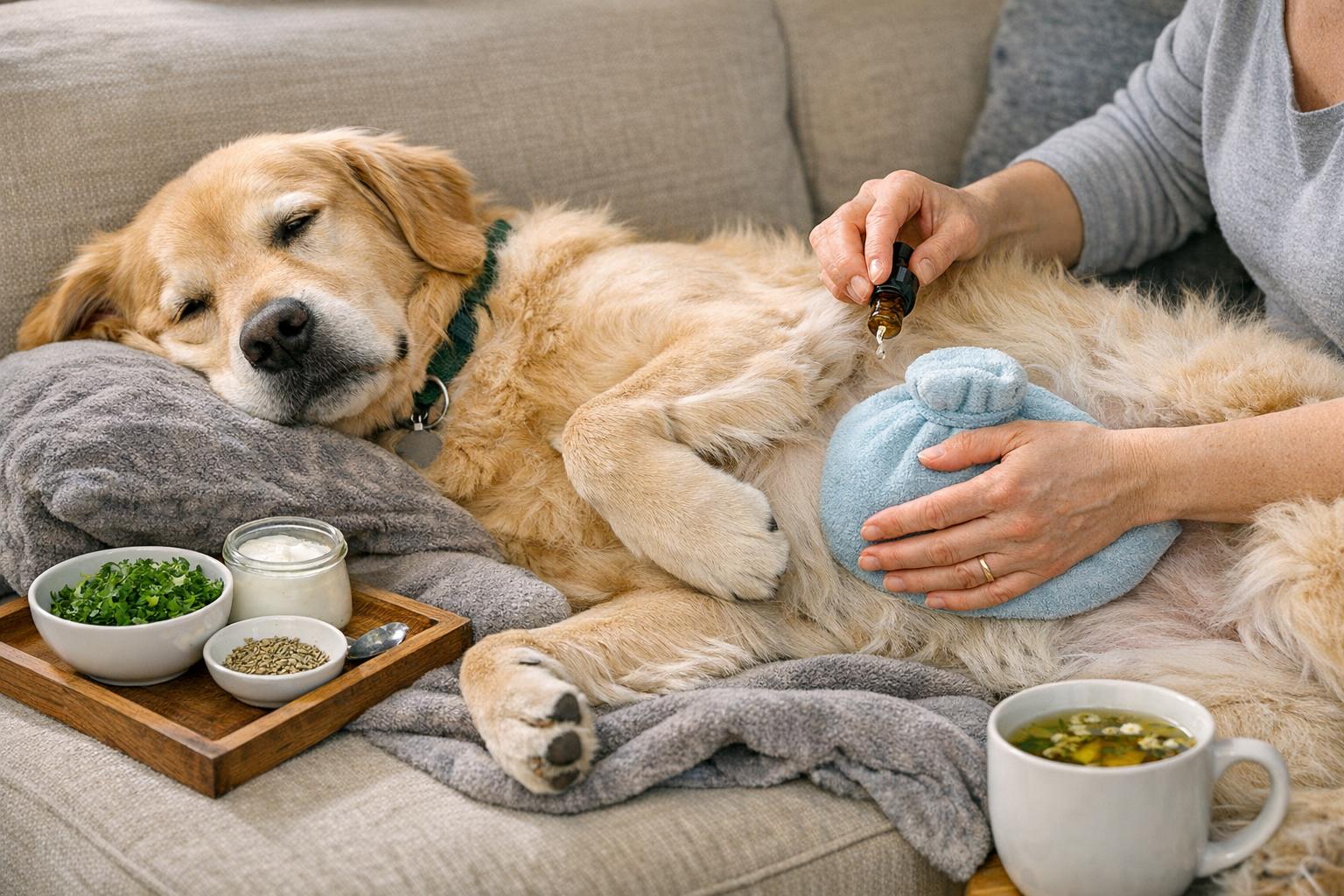
– Apply a warm (not hot) compress or heating pad set to low over the belly for short periods (10–15 minutes) to ease cramping. Supervise closely.
– Feed small, frequent meals rather than one large meal until recovery is clear.
– Keep the environment calm to reduce stress-related stomach upset. Quiet, dim spaces and gentle petting can be surprisingly therapeutic.
– Avoid OTC human anti-nausea or anti-diarrheal medications unless prescribed by a veterinarian — they can be toxic or mask serious conditions.
### Monitoring And When To Seek Veterinary Care
If your dog’s condition fails to improve within 24–48 hours, or if any of the following occur, seek veterinary care: persistent vomiting, high fever, bloody stools, signs of severe abdominal pain, lethargy or collapse, repeated inability to keep fluids down, or any suspicion your dog ingested a toxic substance or foreign object. Knowing how to soothe dog stomach discomfort naturally at home helps with minor episodes, but it is not a replacement for veterinary diagnosis and treatment when symptoms are severe.
### Practical Notes On Using Natural Aids
Natural does not automatically mean safe; appropriate dosing, quality of ingredients, and awareness of your dog’s medical history matter. Products marketed as a dog digestion aid vary in potency and research backing. Choose reputable brands, follow dosing instructions, and consult your veterinarian if your dog is pregnant, nursing, on medication, or has chronic health issues.







Leave a Reply