




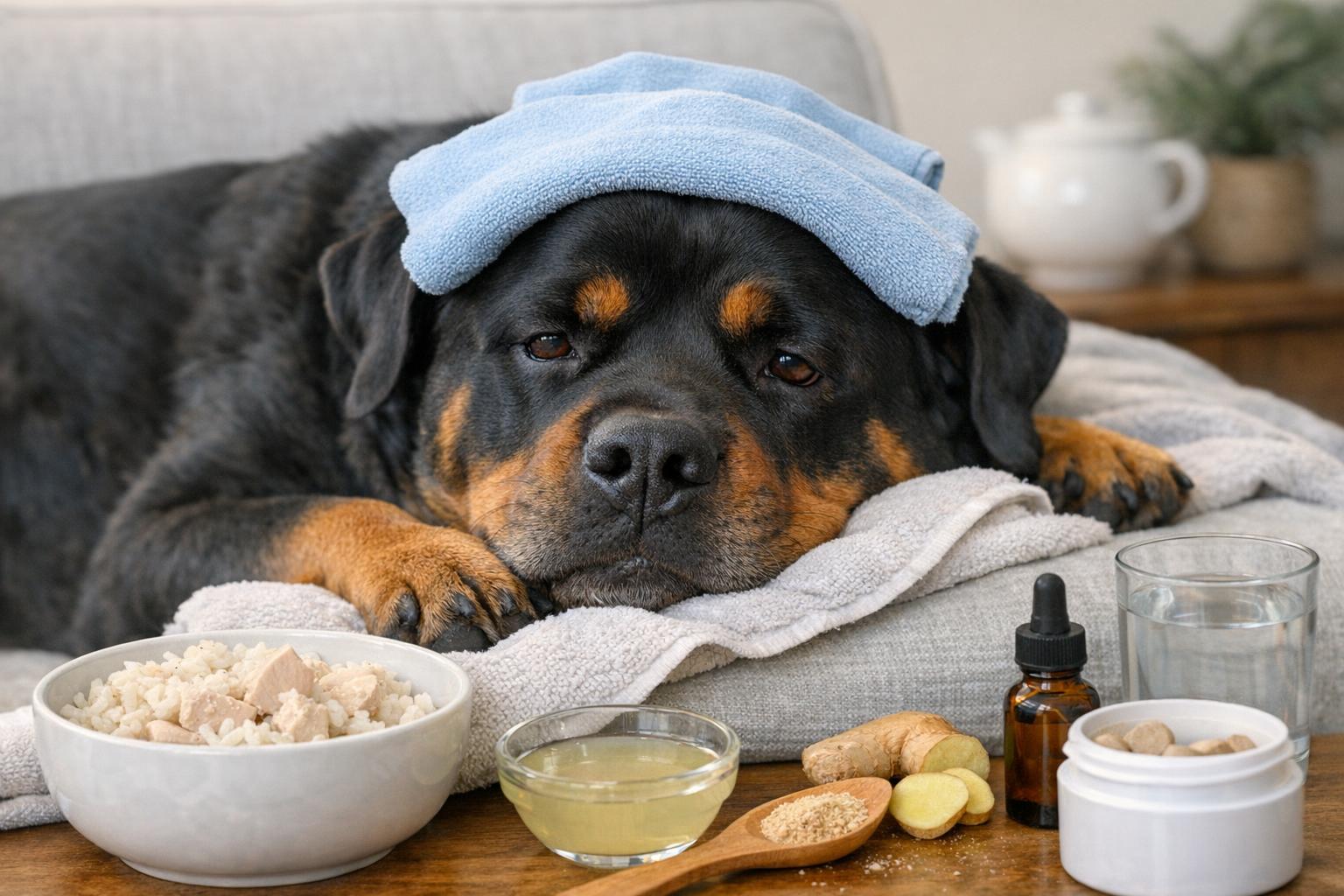
If your pup is doing the dramatic belly flop from the couch or giving you the sad-eyed stare, you’re probably wondering how to help a dog with an upset tummy — fast, gently, and without costing a small fortune. This guide walks you through simple explanations, safe at-home remedies, and clear signs for when the vet needs to step in. Think of it as a calm, practical friend who also bakes chicken and rice on demand.
## Why Dogs Get Tummy Troubles
Dogs, like humans, can get stomach upset for a bunch of reasons: sudden diet changes, eating garbage or table scraps, infections (viral, bacterial, or parasitic), food intolerances, stress, or even medication reactions. Puppies are notorious for their curiosity and will happily sample things they shouldn’t. A little gas or one-off diarrhea is fairly common; persistent vomiting, severe pain, or bloody stool are not.
### Key Symptoms To Watch For
– Vomiting (single episode vs. repeated)
– Diarrhea or loose stool
– Decreased appetite
– Lethargy or weakness
– Excessive drooling or swallowing
– Abdominal pain (whining, guarding belly)
#### When A Quick Home Fix Is Okay
If symptoms are mild, your dog is alert and drinking water, and there’s no blood in vomit or stool, many cases can be managed at home. Always be prepared to call your vet if you’re unsure — and remember, knowing how to help a dog with an upset tummy is about gentle care and sensible limits.
## How To Help A Dog With An Upset Tummy: Quick Steps
Below are numbered remedies you can try. Each remedy section lists ingredients or materials and clear step-by-step instructions for preparation and application. When following these, be conservative and observe your dog closely.
## 1. Bland Diet (Rice And Boiled Chicken) Remedy
Ingredients / Materials
– 1 cup white rice
– 2 boneless, skinless chicken breasts (or thigh meat, no skin)
– Water for boiling
– Clean bowls and measuring cup
Preparation And Application (Formal Instructions)
1. Rinse the rice under cold water.
2. Bring 2 cups of water to a boil, add rice, then reduce heat to low and simmer covered for ~15 minutes until soft. Remove from heat and let stand.
3. Place chicken in a pot, cover with water, bring to a gentle simmer. Cook until the chicken reaches an internal temperature of 165°F (74°C) and is fully cooked through (about 15–20 minutes).
4. Remove chicken, let cool, then shred into small pieces; discard bones and skin.
5. Mix rice and chicken in a roughly 2:1 rice-to-chicken ratio for the first feed. Serve room temperature.
6. Feed small portions — about 1/3 to 1/2 of normal meal size — every 4–6 hours. Gradually increase portion size and transition back to regular food over 2–3 days once stools normalize.
Notes: White rice is binding and bland, making it easy to digest. Avoid fatty or seasoned foods. If your dog is diabetic, elderly, or has a special diet, consult your vet before making changes.
## 2. Pumpkin Puree And Hydration Support
Ingredients / Materials
– Canned plain pumpkin puree (not pumpkin pie filling)
– Clean bowl and spoon
– Fresh water or oral electrolyte solution for dogs
Preparation And Application (Formal Instructions)
1. Ensure pumpkin is 100% plain pumpkin puree. Read label for added sugars or spices—those are not acceptable.
2. For small dogs (under 20 lbs): mix 1 teaspoon of pumpkin into the food once or twice daily.
For medium dogs (20–50 lbs): mix 1–2 tablespoons.
For large dogs (over 50 lbs): mix 2–4 tablespoons.
3. Offer fresh water at all times. For dogs mildly dehydrated, consider a veterinarian-approved canine electrolyte solution; follow dilution and dosing instructions on the product.
4. Continue pumpkin supplementation for 2–3 days or until stool firms up.
Notes: Pumpkin is high in soluble fiber that helps both diarrhea and constipation by regulating stool consistency.
## 3. Probiotic Boost (Dog-Specific)
Ingredients / Materials
– Canine-specific probiotic supplement (powder or capsule form)
– Measuring spoon or capsule opener
Preparation And Application (Formal Instructions)
1. Select a probiotic formulated for dogs with guaranteed CFU counts and strains listed.
2. Dose according to product instructions and your pet’s weight. Typical guidance: small dogs 1/2–1 scoop, medium 1 scoop, large 1–2 scoops daily.
3. Mix probiotic into a small portion of the bland meal to ensure consumption.
4. Continue for 5–7 days or as advised by your veterinarian.
Notes: Probiotics help restore healthy gut flora after an upset. Avoid human probiotics unless directed by a vet.
## 4. Ginger For Mild Nausea (Use Cautiously)
Ingredients / Materials
– Fresh ginger root or vet-approved ginger supplement for dogs
– Grater or capsule
Preparation And Application (Formal Instructions)
1. For fresh ginger: finely grate a tiny amount. For small dogs, use no more than 1/8 teaspoon; for medium dogs 1/4 teaspoon; for large dogs up to 1/2 teaspoon mixed into food.
2. Alternatively use a dog-safe ginger supplement and follow package dosing or vet recommendations.
3. Administer once and observe for improvement. Do not exceed recommended dosing, and avoid if your dog is on blood-thinning medication.
Notes: Ginger can ease nausea but should be used conservatively. Confirm safety with your veterinarian for dogs with medical conditions.
### Avoid These Home “Fixes”
– Human anti-nausea or anti-diarrheal medications without vet approval.
– Bone broth with high salt, added onions, garlic, or heavy fats.
– Home enemas or other invasive methods.
## Monitoring And When To Call The Vet
If you’re wondering how to help a dog with an upset tummy and the at-home measures aren’t improving things within 24–48 hours, or if any of the following occur, contact your veterinarian immediately:
– Repeated vomiting (more than twice in a few hours)
– Lethargy or collapse
– Dehydration (dry gums, decreased skin elasticity)
– Blood in vomit or stool
– Painful abdomen, bloating, or distended belly
– Fever or inability to keep water down
#### Emergency Signs That Require Immediate Care
Signs like severe abdominal distension, unproductive retching (could indicate bloat), or sudden weakness are emergencies. In such cases, head to an emergency clinic without delay.
### Preventing Future Tummy Upsets
A few simple habits prevent many stomach troubles:
– Keep garbage, compost, and toxic plants out of reach.
– Avoid sudden food changes; transition over 5–7 days.
– Don’t feed table scraps, especially fatty foods, sweets, or dairy if intolerant.
– Keep a consistent feeding schedule and measured portions.
– Maintain parasite prevention and regular vet checks.
## Practical Tips For Comforting Your Dog
– Offer small amounts of fresh water frequently. Avoid forcing large gulps.
– Provide a quiet, comfortable resting spot away from other pets.
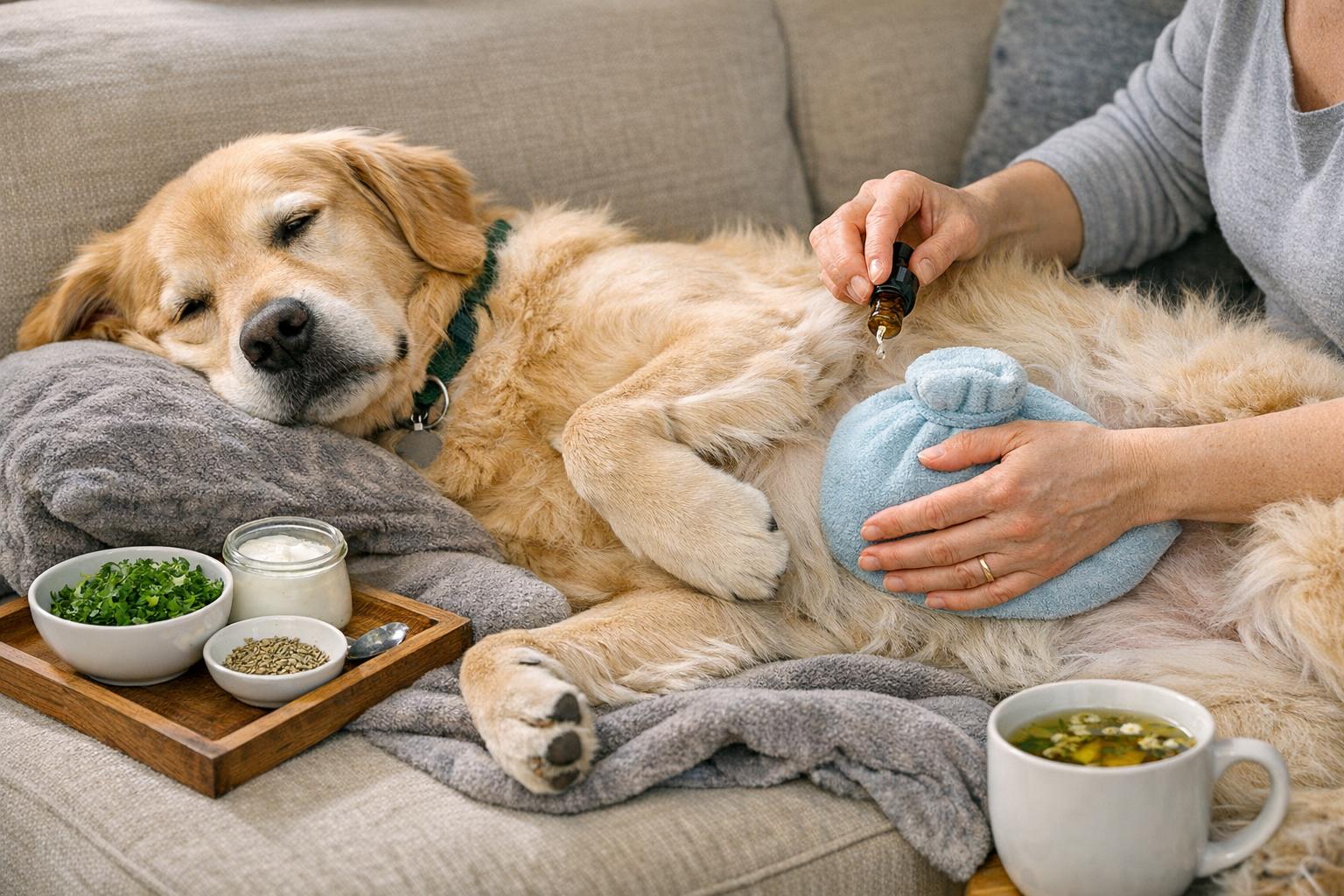
– Gentle belly massages are okay if your dog tolerates touch; otherwise, give space.
– If your dog loves treats, temporarily switch to bland snack options like plain boiled chicken.
If you recall only one line from this article, make it this: knowing how to help a dog with an upset tummy is partly about calm, conservative care and partly about recognizing when a problem has crossed from “annoying” to “medical.” Keep an eye on behavior, hydrate, use simple remedies responsibly, and call your vet if things don’t improve.







Leave a Reply