




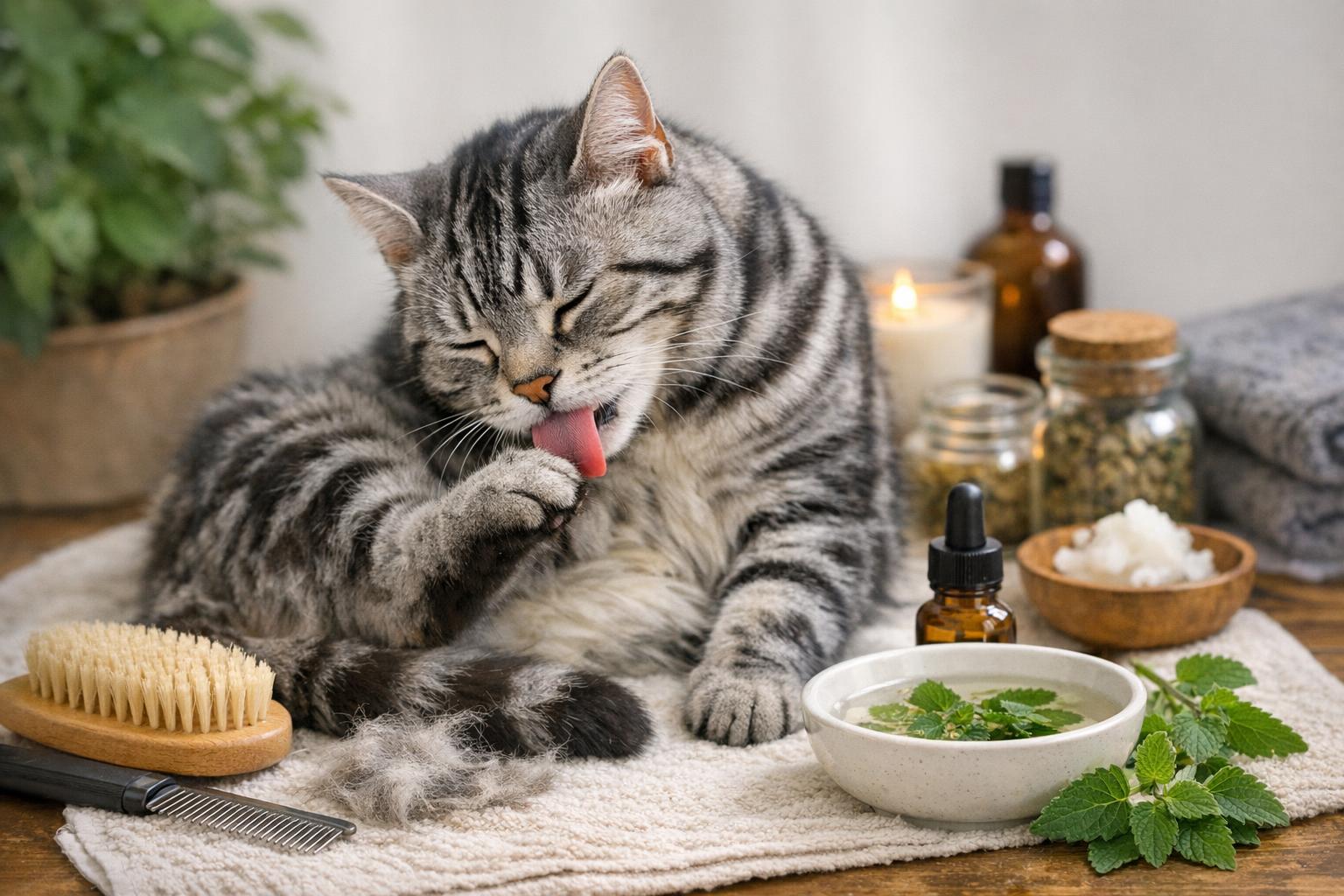
Cats are famously fastidious — but when your purring pal turns their cleaning habit into a self-inflicted problem, it’s time to pay attention. This guide gently walks you through why over-grooming happens, what signs to watch for, and practical natural remedies and care strategies to help your cat feel comfortable again. A little patience and a few home-safe solutions can go a long way.
## Understanding Cat Excessive Grooming
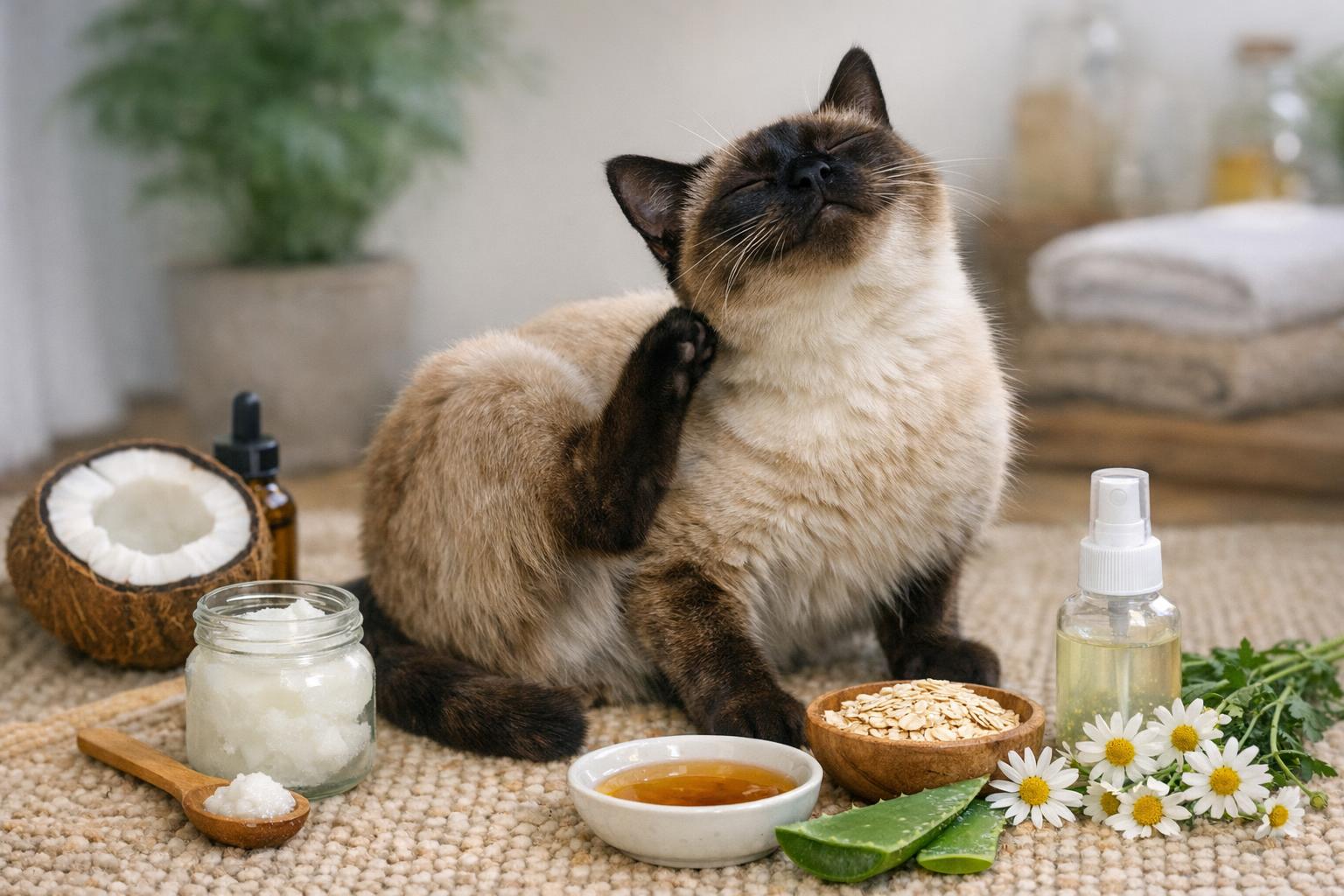
Cat excessive grooming, or psychogenic alopecia in some cases, is when grooming goes beyond normal upkeep and becomes a health or behavioral issue. It’s important to distinguish quick, routine licking from repetitive, intense grooming that leaves bald patches, sores, or scabs. The behavior might be obvious immediately, or develop slowly.
### Common Causes Of Over-Grooming
– Medical issues: fleas, allergies (food or environmental), parasites, skin infections, or pain from arthritis or injury.
– Stress and anxiety: changes in the household, a new pet or baby, moving, loud noises, or boredom.
– Behavioral displacement: when a cat redirects stress into grooming because it’s a self-soothing behavior.
– Grooming compulsions: less common, but some cats develop compulsive disorders that need intervention.
### Signs You Shouldn’t Ignore
Look for hairless patches, raw or scabby skin, excessive shedding, or frequent licking of a particular area. If the cat grooms so much that fur is visibly thinned or skin is broken, the issue is beyond normal maintenance.
#### Quick Home Observation Tips
– Note when grooming spikes (time of day, after specific events).
– Check the skin for redness, fleas, or irritation.
– Monitor appetite, litter box habits, and energy levels; systemic illness often shows elsewhere.
## 1. Remedy: Calming Diffuser Blend And Environment Adjustments
This remedy aims to reduce stress-related grooming by improving the environment and adding gentle aromatherapy through a veterinary-approved diffuser. Follow guidelines strictly; essential oils must be used with caution around cats.
Ingredients / Materials:
– Cat-safe pheromone diffuser (Feliway Optimum or similar)
– Quiet hiding spots (cardboard boxes, covered beds)
– Vertical spaces (cat shelves, tall scratching posts)
– Regular play toys (wand toys, puzzle feeders)
– Soft music or white noise machine (optional)
Creation And Application (Formal Instructions):
1. Install a commercial cat pheromone diffuser per manufacturer instructions in the room your cat frequents most. Replace refills according to schedule.
2. Create additional safe zones: place at least one covered bed and one high perch away from loud appliances or busy pathways.
3. Maintain predictable routines: feed and play your cat at consistent times to reduce anxiety.
4. Increase interactive play to at least two 10–15 minute sessions daily using wand toys to redirect grooming energy.
5. Introduce puzzle feeders during meals to provide mental stimulation and reduce frustration.
6. If household stressors are temporary (e.g., houseguests), consider using pheromone spray before stressful events and confining your cat to a calm room with enrichment.
Notes: Use only diffusers and products marketed as safe for cats. Avoid essential oil diffusers without veterinary approval; many oils (tea tree, eucalyptus, citrus) are toxic to cats.
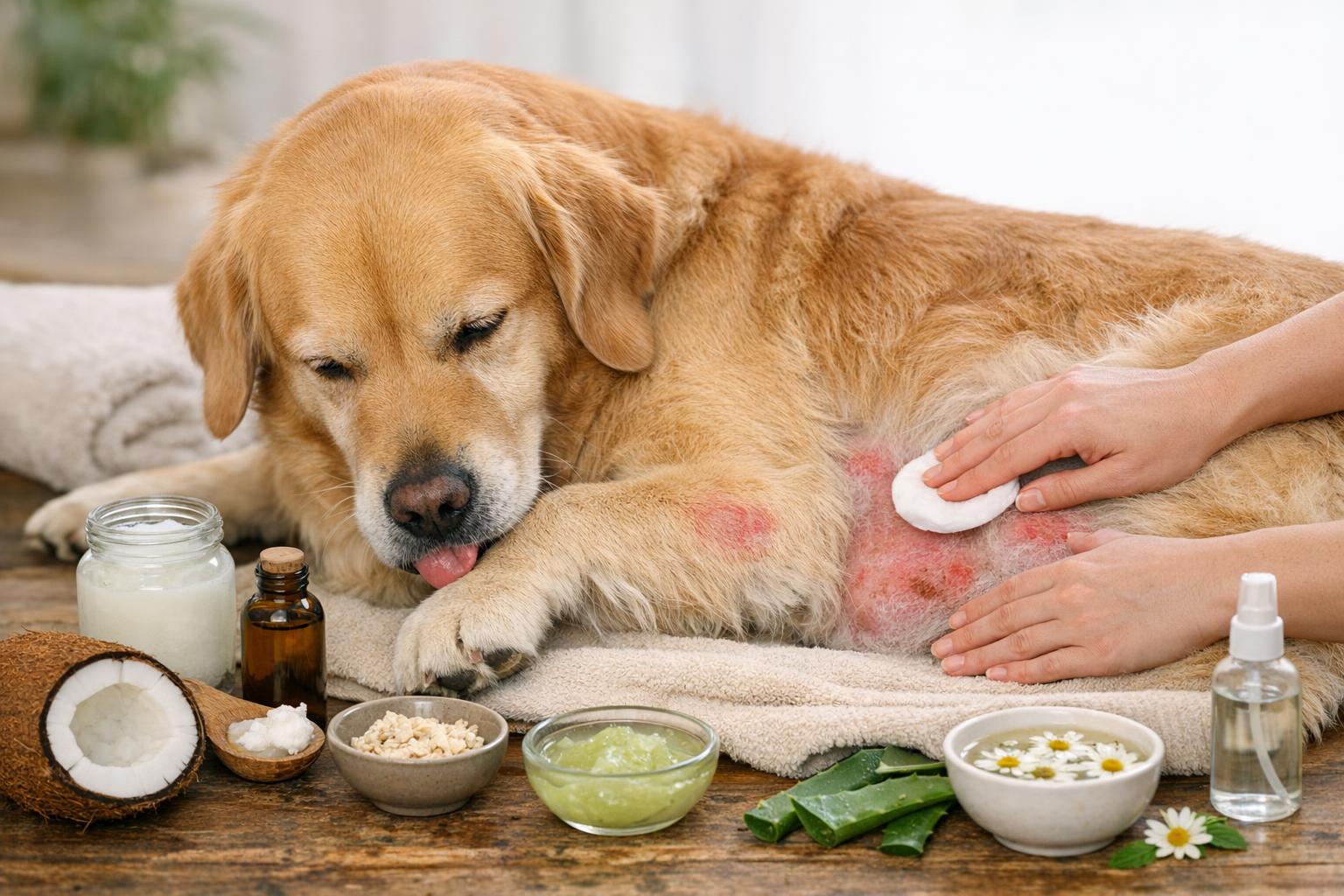
## 2. Remedy: Homemade Soothing Oatmeal Spray For Irritated Skin
A topical remedy can soothe mild irritation but should not replace veterinary care for infections, heavy flea infestations, or open wounds. Use this for itchy, inflamed but intact skin.
Ingredients / Materials:
– 1 cup colloidal oatmeal (or finely ground plain oats)
– 4 cups distilled water
– 1 teaspoon aloe vera gel (pure, without additives)
– Clean spray bottle
– Cheesecloth or fine strainer
Creation And Application (Formal Instructions):
1. Boil the distilled water. Slowly whisk in colloidal oatmeal to avoid clumping.
2. Simmer for 5–10 minutes, allowing the mix to thicken slightly. Remove from heat and cool to lukewarm.
3. Strain the mixture through cheesecloth into a clean container. Add aloe vera gel and mix thoroughly.
4. Pour the liquid into a sterilized spray bottle and label with date (use within 5–7 days; refrigerate).
5. Test a small area first: spray lightly on a non-irritated patch and wait 24 hours to ensure no adverse reaction.
6. Apply to irritated areas 2–3 times daily by lightly misting; do not soak. Gently pat (don’t rub) with a soft cloth if needed.
7. Discontinue if skin worsens or if your cat shows signs of distress. Seek veterinary attention for signs of infection or persistent irritation.
Safety: Avoid ingredients with fragrances, alcohol, or essential oils. If your cat licks the area, the ingredients listed are generally safe in small amounts but the goal is limited ingestion.
## 3. Remedy: Behavioral Enrichment Plan To Redirect Grooming
This is a multi-step behavioral plan designed to reduce cat excessive grooming by addressing boredom, anxiety, and learned habits.
Materials:
– A variety of toys: wand toys, balls, soft toys, and puzzle feeders
– Scratching posts and different textured mats
– Timer or schedule sheet
– Treats for positive reinforcement
Creation And Application (Formal Instructions):
1. Assessment Phase (Days 1–3): Keep a grooming diary. Note frequency, duration, triggers, and context. This provides baseline data.
2. Immediate Redirection (Weeks 1–2): When you notice pre-grooming behavior (restlessness, pawing at fur), interrupt with a 5–10 minute interactive play session using a wand toy. Reward calm behavior with treats.
3. Enrichment Scheduling (Ongoing): Implement at least three enrichment activities daily: two short play sessions, one puzzle feeding session, and free exploration time on vertical spaces.
4. Environmental Complexity (Weeks 2–6): Rotate toys weekly to maintain novelty. Add scent-based enrichment by placing safe items with familiar household scents in new locations.
5. Positive Reinforcement And Desensitization (Ongoing): Gradually expose your cat to mild stressors in short, controlled bursts while offering treats and play, building resilience to triggers.
6. Re-evaluation: After 4–6 weeks, review the grooming diary. If grooming frequency has decreased, continue the plan and slowly phase out intensive interventions. If no improvement, consult your veterinarian for further assessment.
### When To Seek Veterinary Care Immediately
If you observe bleeding, large open sores, severe hair loss, signs of infection (pus, foul odor), lethargy, loss of appetite, or dramatic behavior changes, contact your veterinarian right away. These signs indicate medical causes that require professional treatment.
#### Small Tips For Daily Care
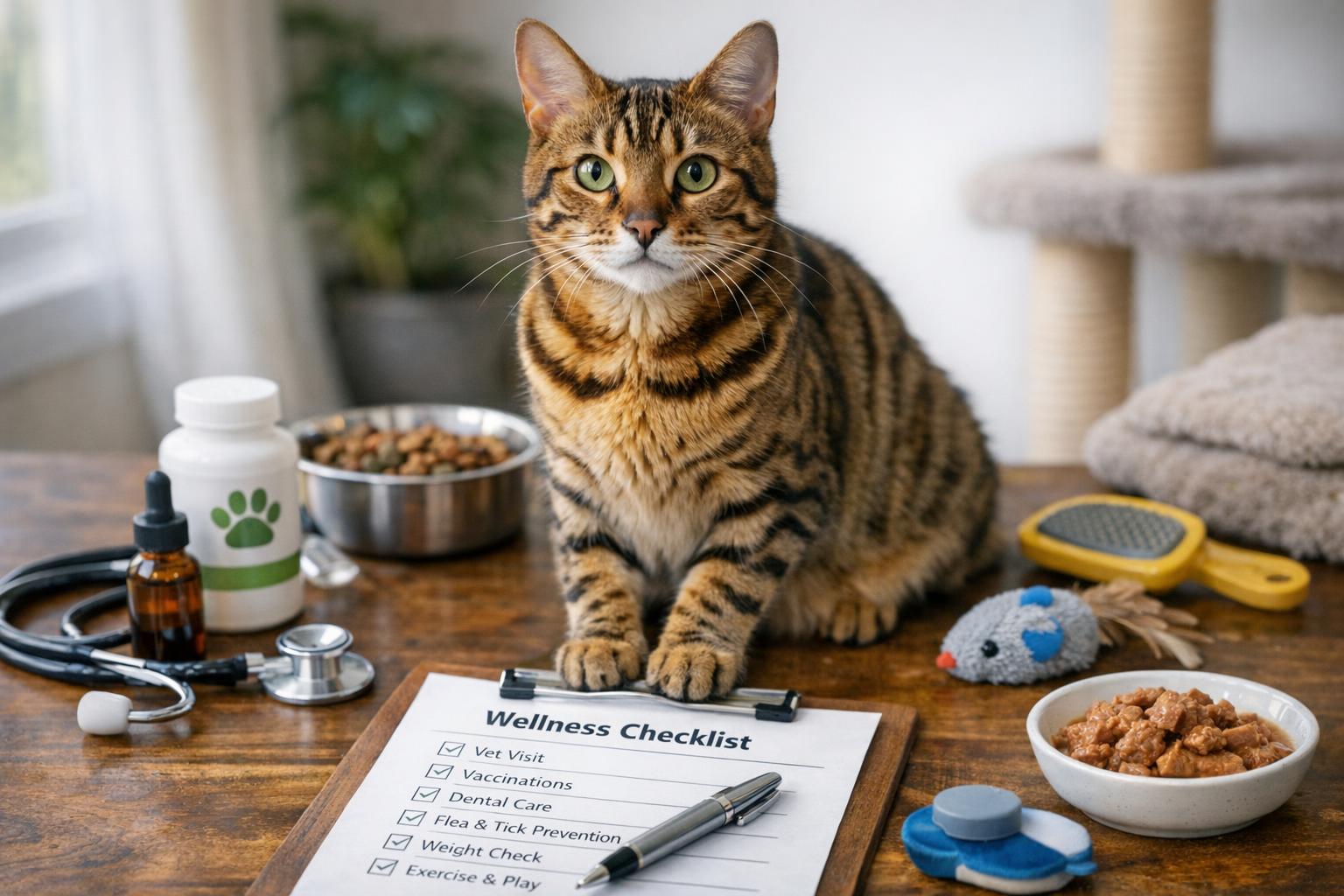
– Regularly check for fleas; even one flea can trigger excessive grooming.
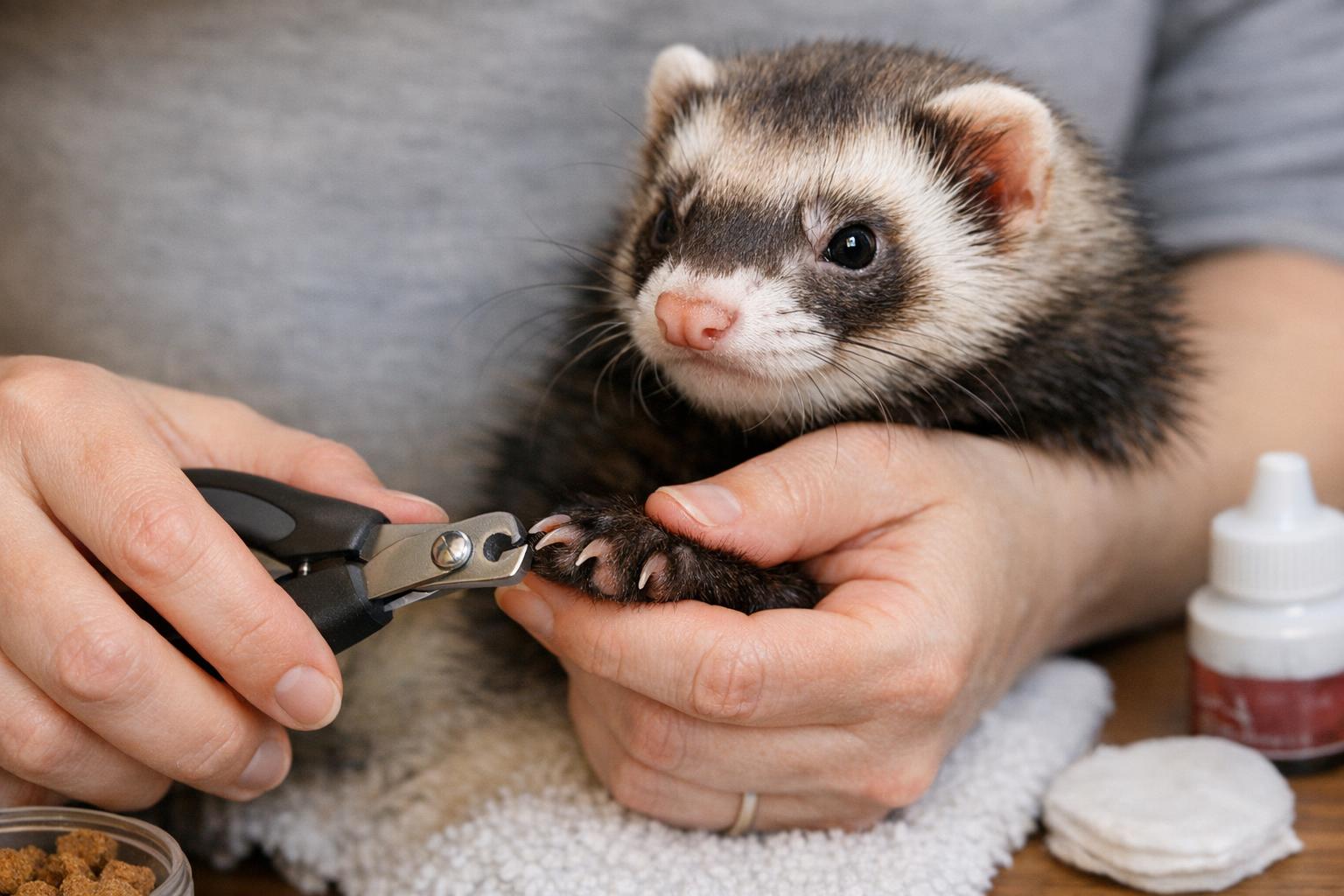
– Keep nails trimmed to reduce self-inflicted injury.
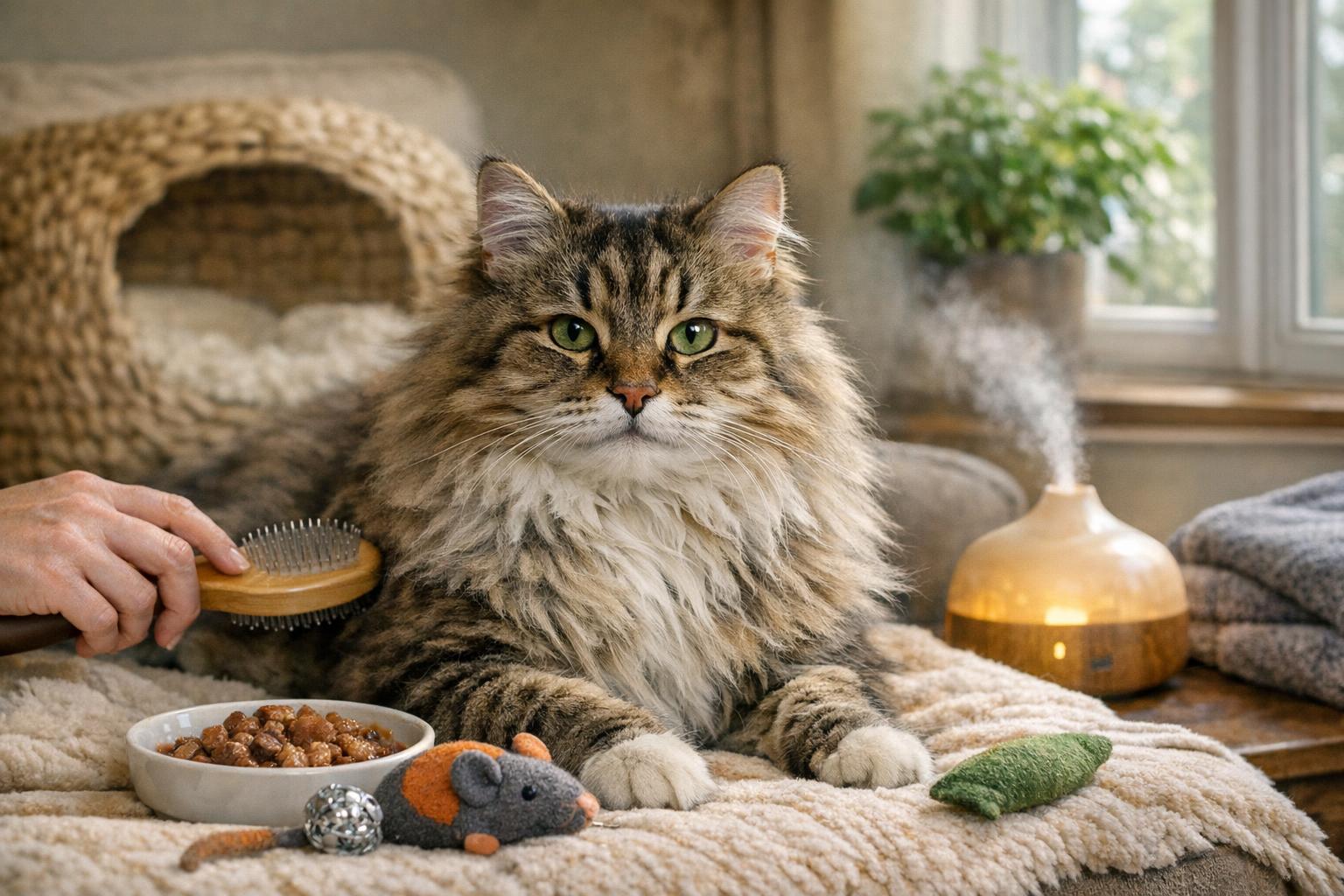
– Use a soft brush to groom daily; some cats find brushing calming and it reduces the need to over-lick.
– Maintain clean bedding and vacuum regularly to minimize allergens in the environment.
Use these approachable, natural strategies alongside veterinary guidance. When you pair attentive care with safe, targeted remedies, many cats regain comfortable, happy grooming routines — and you reclaim peace, fur, and perhaps a sofa that no longer looks like a shedding battlefield.














Leave a Reply