

Nice to meet you and your scaly roommate. If your leopard gecko has started shedding like it’s trying out a new wardrobe every week or is developing dry, flaky patches, this guide will give you friendly, practical, and safely evidence-based help to get things back to smooth scales and mellow vibes.
## Understanding Leopard Gecko Dry Skin
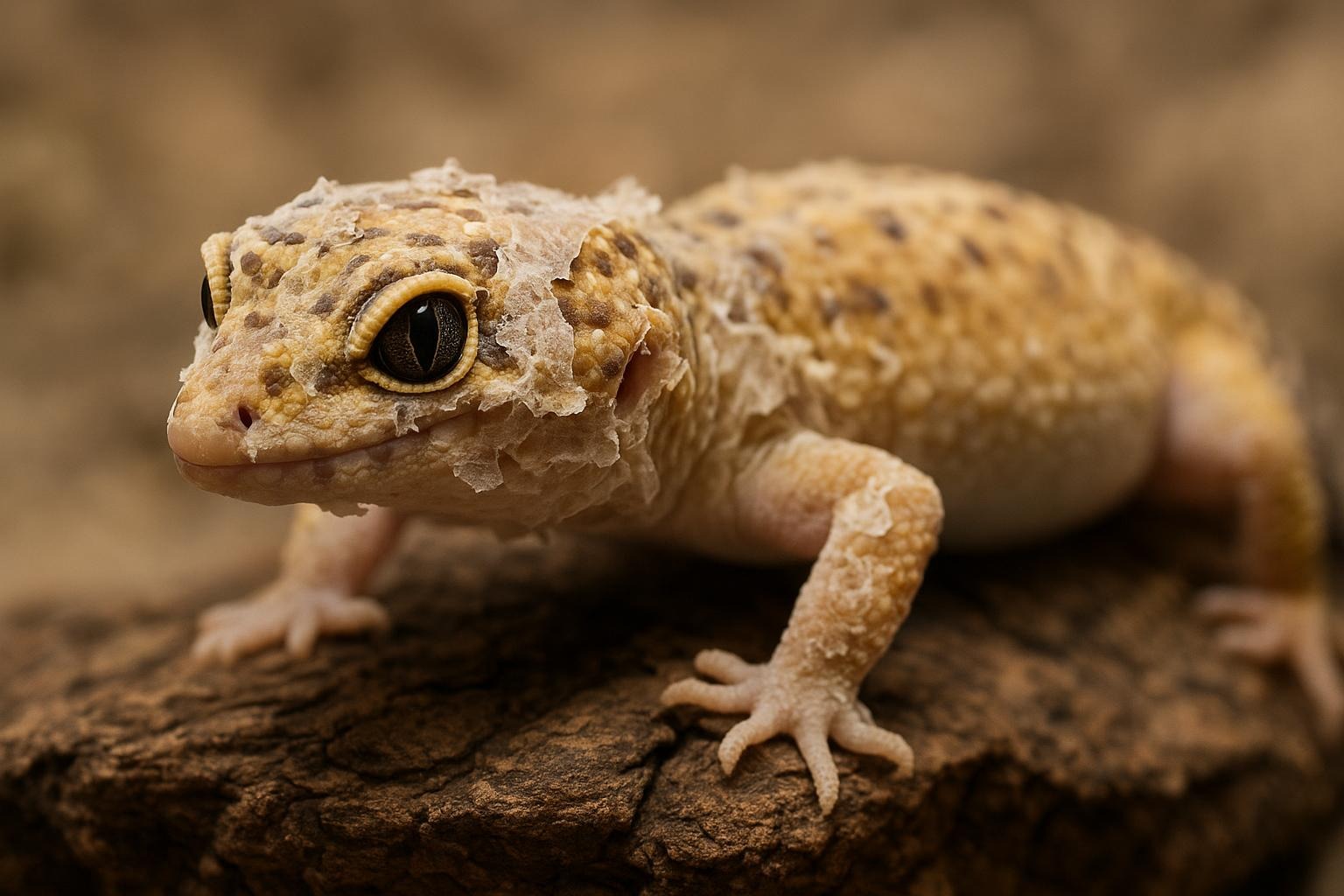
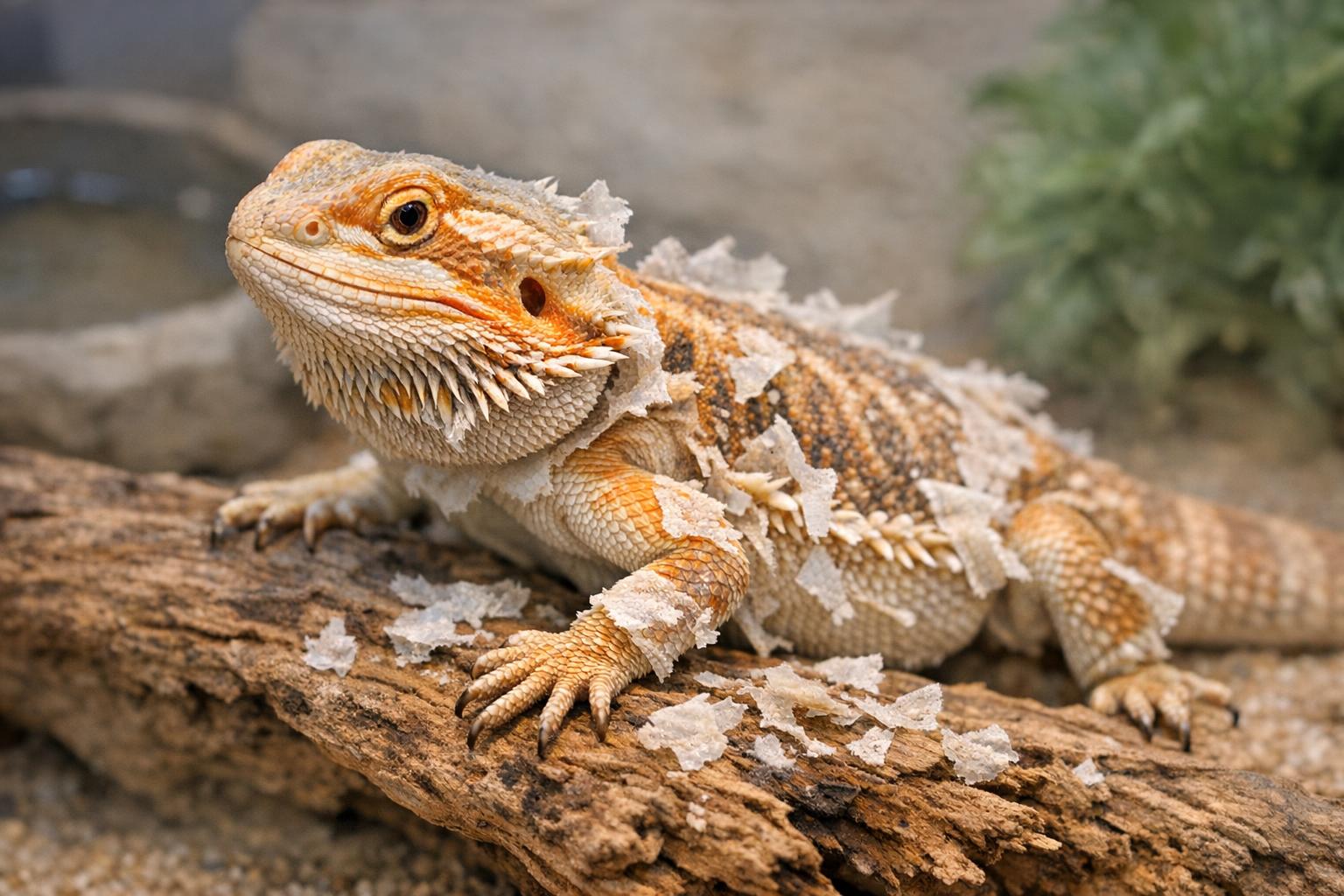
Leopard geckos naturally shed their skin regularly, but “leopard gecko dry skin” becomes a problem when sheds are incomplete, skin cracks, or the reptile seems uncomfortable. Dry skin is often less about the skin itself and more about environment, hydration, or occasional health hiccups. Think of it like your gecko needing a small spa day — sometimes daily care fixes it, and sometimes you’ll need a targeted treatment.
### Why Dry Skin Happens
Dry skin in leopard geckos is usually driven by one or more of these causes: low ambient humidity, insufficient access to a humid microhabitat, dehydration, nutritional gaps (especially vitamin A and fatty acids), retained shed from eye caps or toes, or less commonly, parasites or fungal issues. Young geckos and animals preparing to shed are more vulnerable. In short: if your gecko is in the Sahara (figuratively) inside its tank, it’s going to show.
### Signs To Watch For
You’ll want to notice the subtle stuff before it becomes a problem. Common signs include dull or whitish skin that flakes instead of peeling cleanly, bits of shed stuck around toes, eyes, and tail, small cracks or red areas, decreased activity, loss of appetite, or frequent rubbing against decor. If you see swollen toes or open wounds, treat those as urgent.
## Practical Preventive Care
Prevention is the most stress-free route. Tending to basic husbandry and diet prevents most cases of leopard gecko dry skin.
### Habitat Humidity And Temperature
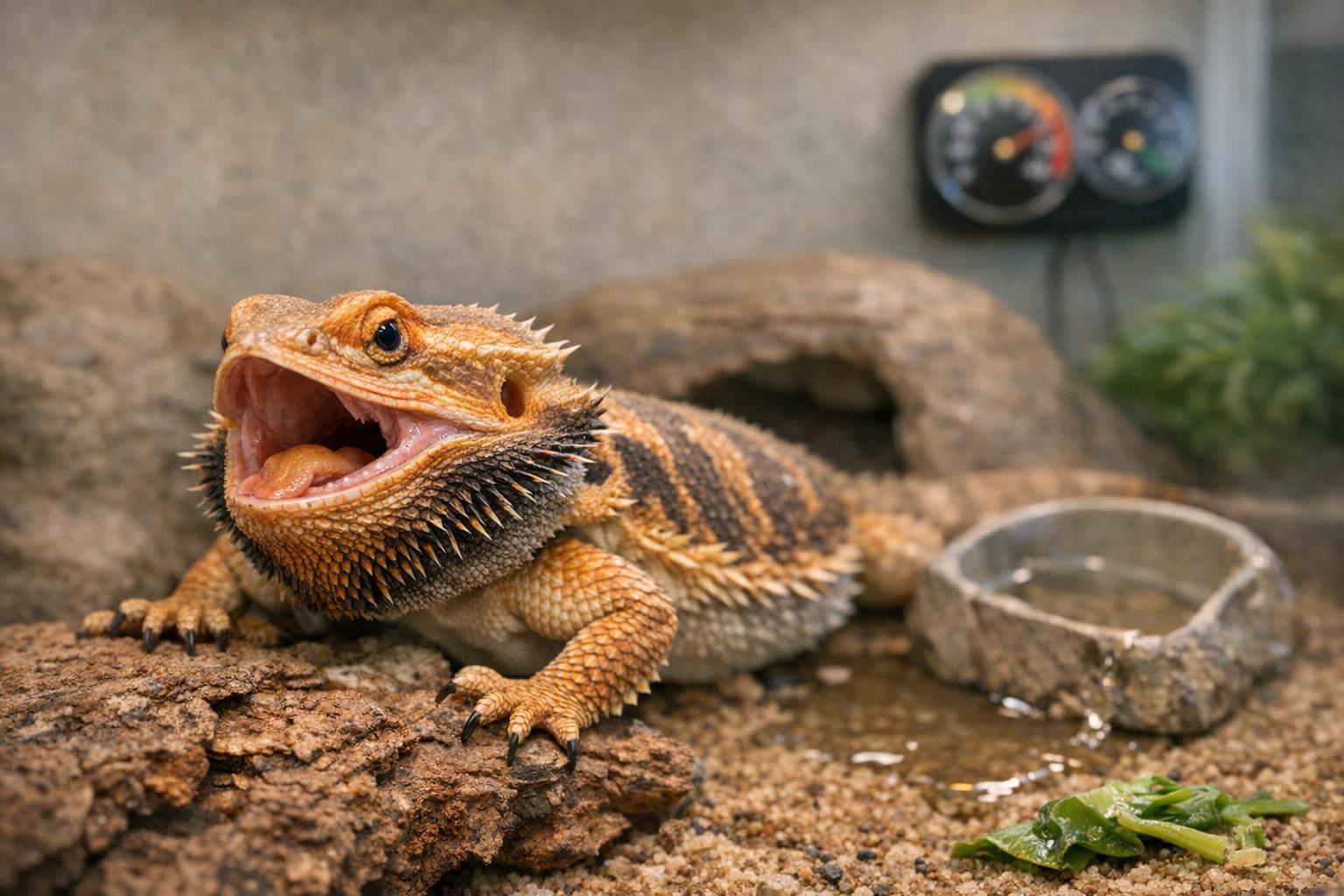
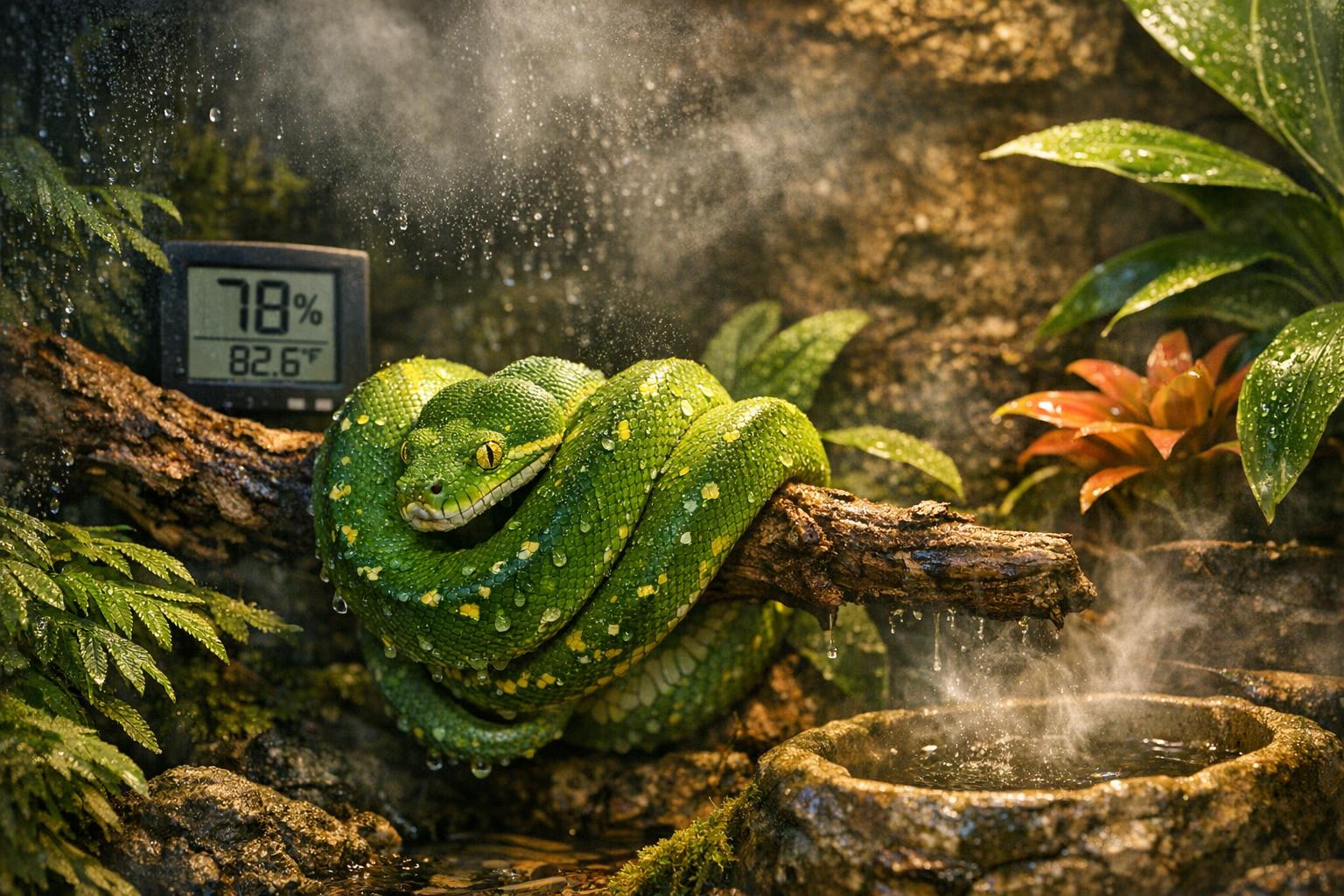
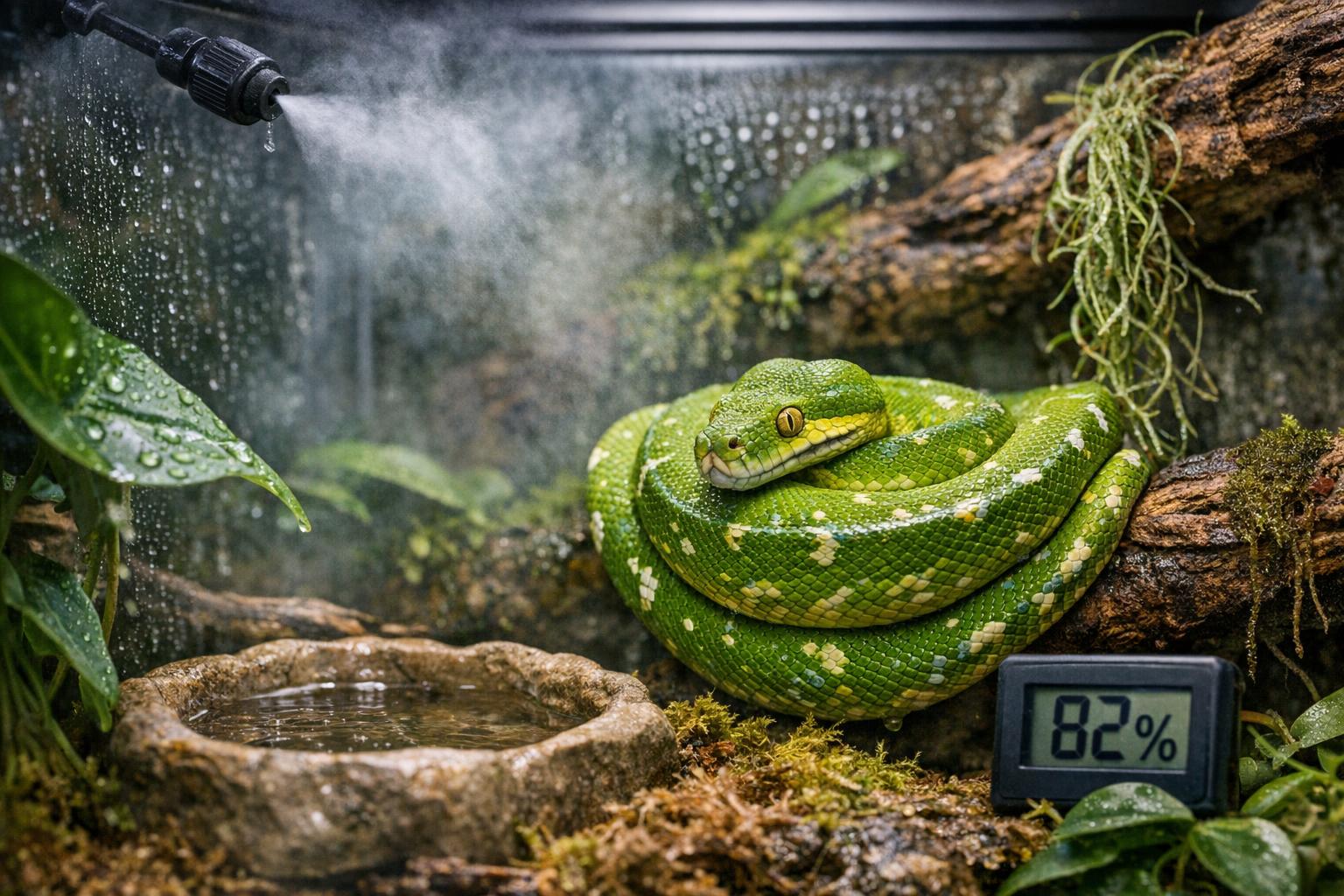
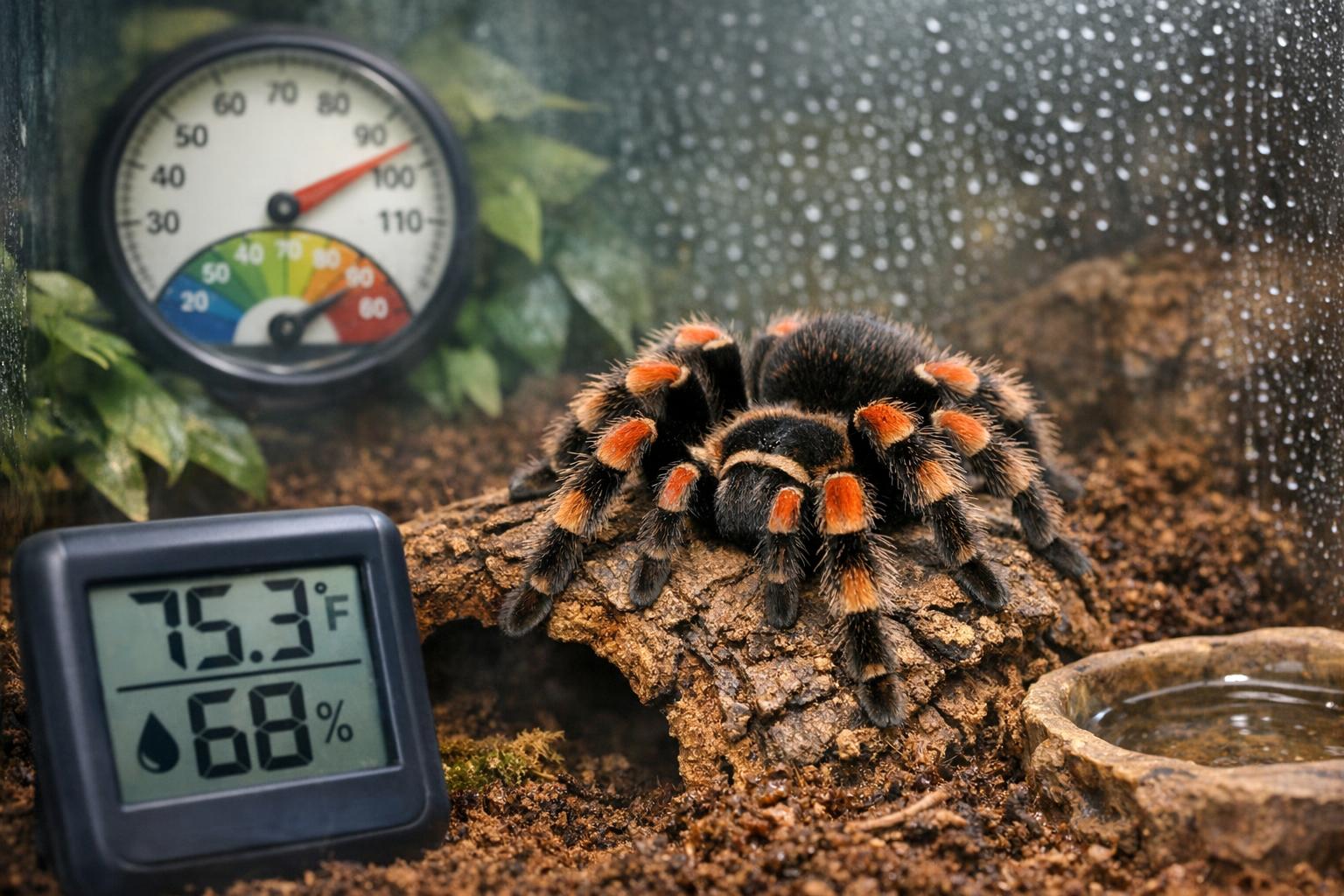
Leopard geckos do best with a temperature gradient (warm side 88–92°F, cool side 75–80°F) and a general low-moderate ambient humidity (30–40%). Crucial, though, is providing at least one humid hide that reaches 70–90% RH for occasional moisture. Without a humid hide, geckos can’t properly loosen old skin during sheds, and that’s a prime instigator for dry or retained skin.
### Diet And Hydration
Offer fresh water daily and feed a gut-loaded, calcium-dusted diet. Proper vitamins and a diet rich in gut-loaded insects help skin health. If you suspect nutritional deficits, adjust diet rather than relying solely on topical fixes.
## Remedy 1: Humidity Boost (Simple Moist Hide)
When you see stubborn flaking or an upcoming shed, a moist hide is the safest, most effective first-line remedy.
Ingredients / Materials:
– Small hide box or coconut shell hide
– Substrate: clean sphagnum moss or paper towels
– Warm water
– Hygrometer (optional but recommended)
Step-by-Step Creation and Application:
1. Prepare the Hide: Place a thin layer of damp sphagnum moss (wrung out so it’s moist, not dripping) or folded damp paper towels into the hide. The hide should retain moisture but not be soggy.
2. Position: Place the humid hide at the warm end of the enclosure to encourage use during shedding, or provide two hides so your gecko can choose.
3. Monitor Duration: Leave the hide in place until the shed is complete—this could be 24–72 hours depending on the animal. Check humidity with a hygrometer if available; aim for a microclimate around 70–90% RH inside the hide.
4. Clean Regularly: Replace or re-moisten the substrate every 24–48 hours to avoid mold growth. Wash the hide weekly.
Remarks: This method supports natural shedding and lowers stress. It’s the least invasive remedy for typical leopard gecko dry skin issues.
## Remedy 2: Gentle Soak For Stuck Shed
If a shed is partially adhered — especially around toes, eyes, or tail — a controlled soak can safely loosen retained skin. This is a more hands-on step and should be carried out with care and calm.
Ingredients / Materials:
– Shallow bowl or container (low sides)
– Lukewarm water (about 90–95°F / 32–35°C)
– Clean towel
– Optional: reptile-safe electrolyte solution (very diluted) or a pinch of aquarium salt if advised by a vet
Step-by-Step Creation and Application:
1. Prepare Water: Fill a shallow container with 1–2 inches of lukewarm water. It should be shallow enough that the gecko can sit with its head above water.
2. Soak Session: Gently place the gecko in the water and allow it to sit for 10–15 minutes. Stay calm, speak softly, and don’t hold the animal underwater.
3. Inspect: After soaking, check the area with retained skin. If the skin is loose, use a damp cotton swab or your moistened fingers to very gently roll the shed off in the direction it would naturally peel. Never pull forcefully.
4. Repeat If Needed: If the skin is still tight, return the gecko to its humid hide and repeat the soak within 24 hours. Persistent adhered shed requires a vet visit.
Caution: Avoid soaps, oils, or human lotions. If any bleeding or raw skin appears, stop and consult a vet.
#### Soak Frequency And Safety Notes
Limit soak treatments to once daily and no more than a few consecutive days. Over-soaking can stress the gecko and increase infection risk. Keep sessions short and monitor body temperature and breathing.
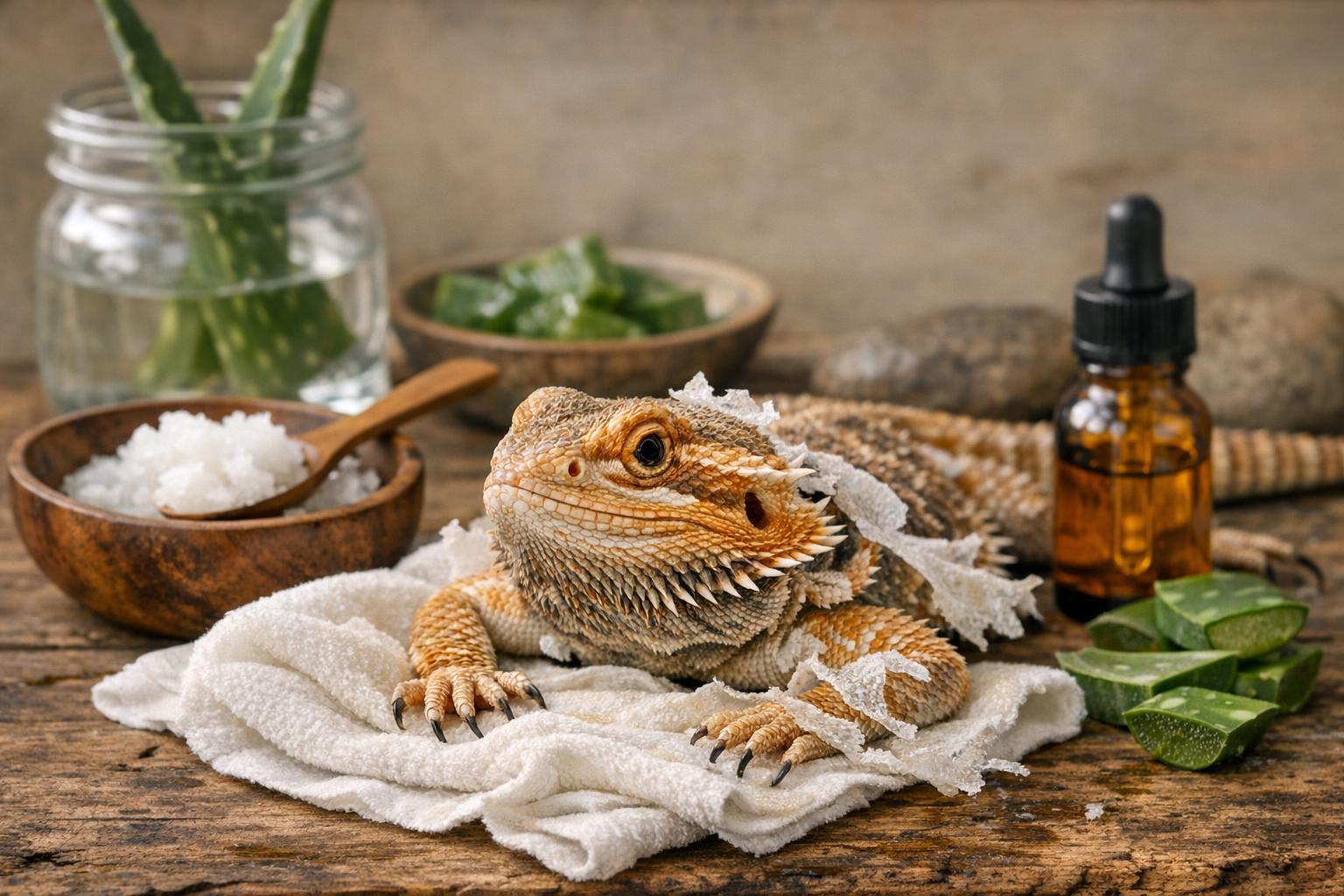
## Remedy 3: Spot Treatment For Cracked Or Flaky Patches
For localized dry, cracked, or rough patches that aren’t improving with humidity, a gentle topical approach can help skin heal. This is for minor issues, not open wounds.
Ingredients / Materials:
– Reptile-safe, water-based wound gel (often marketed as reptile aloe gel) or pure, preservative-free aloe vera gel (ensure 100% aloe without additives)
– Cotton swabs
– Clean gloves (optional)
Step-by-Step Creation and Application:
1. Clean Area: Gently clean the affected area with a damp, warm cloth to remove loose scales and debris. Pat dry.
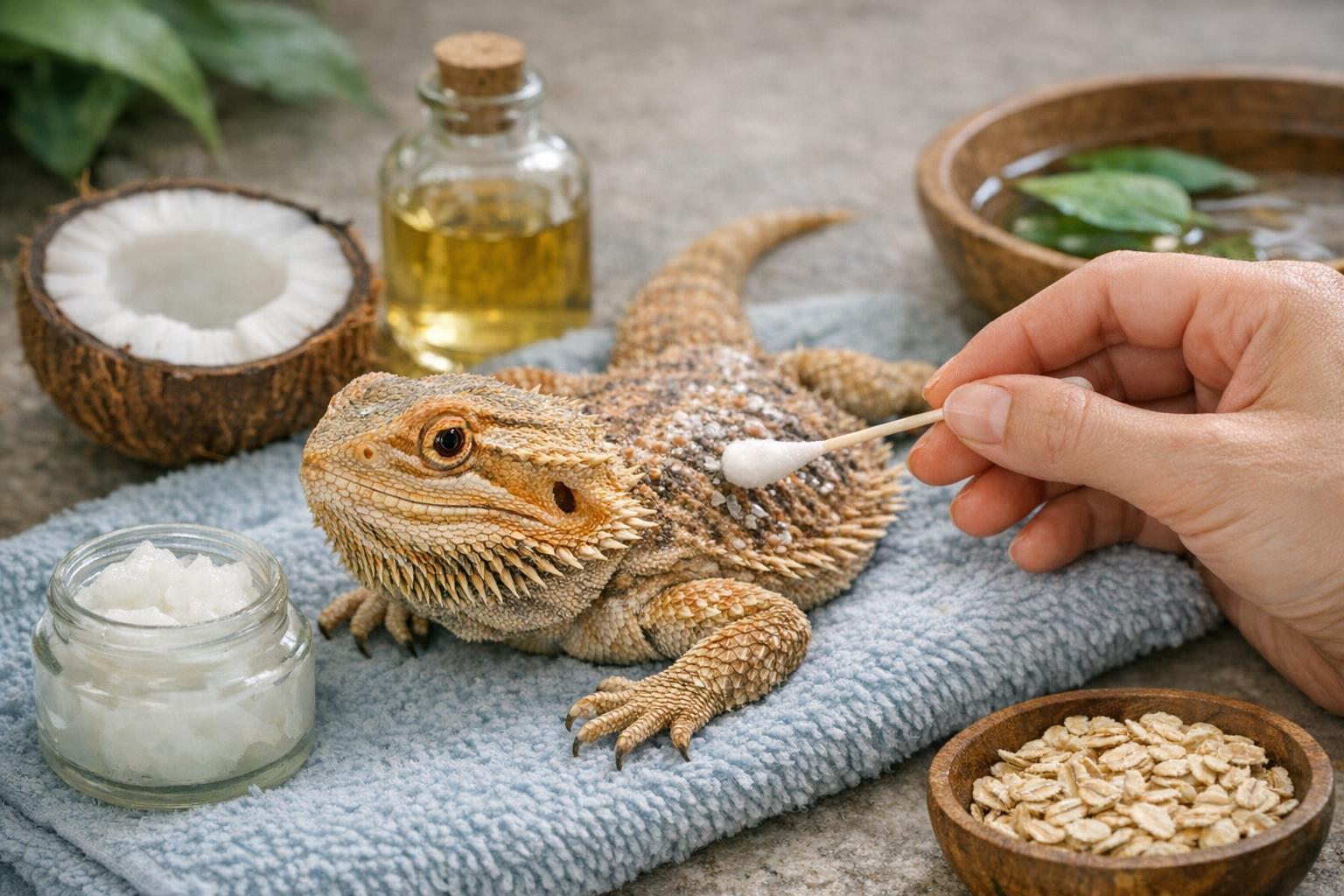
2. Apply Gel Sparingly: Using a clean cotton swab, apply a thin layer of the reptile-safe wound gel or aloe to the cracked patch. Do not over-apply.
3. Frequency: Apply once or twice daily for up to a week, monitoring for improvements or any signs of irritation.
4. Observe: If the area worsens, shows pus, or the gecko becomes lethargic, discontinue use and consult a vet.
Note: When in doubt, use products labeled for reptiles. Human ointments with fragrances, antibiotics, or steroids can be harmful.
## When To See A Veterinarian
If home remedies aren’t improving fine-scale dryness, or if you see severe signs, seek professional help.
### Red Flags
Immediate vet attention is warranted for:
– Open sores, bleeding, or pus
– Swollen toes or tail base
– Persistent loss of appetite or weight loss
– Repeated failed sheds over several cycles
– Lethargy or respiratory distress
### What Your Vet May Do
A reptile vet will examine skin, possibly perform skin scrapings or cultures to rule out mites, fungal, or bacterial infections. They may prescribe topical or systemic medications, perform careful manual shedding removal under anesthesia if needed, and recommend dietary or husbandry corrections. Follow their aftercare instructions precisely.
### Chronic Care Adjustments
If leopard gecko dry skin keeps returning, reevaluate enclosure setup, humidity options, and diet with the vet’s guidance. A few small, consistent changes often make a big difference over time.
Keep the mood light, but take skin problems seriously — with proper habitat tweaks and the remedies above you’ll resolve most cases without drama. If anything looks severe or you’re unsure, your reptile-savvy vet is the best next call.



Leave a Reply