




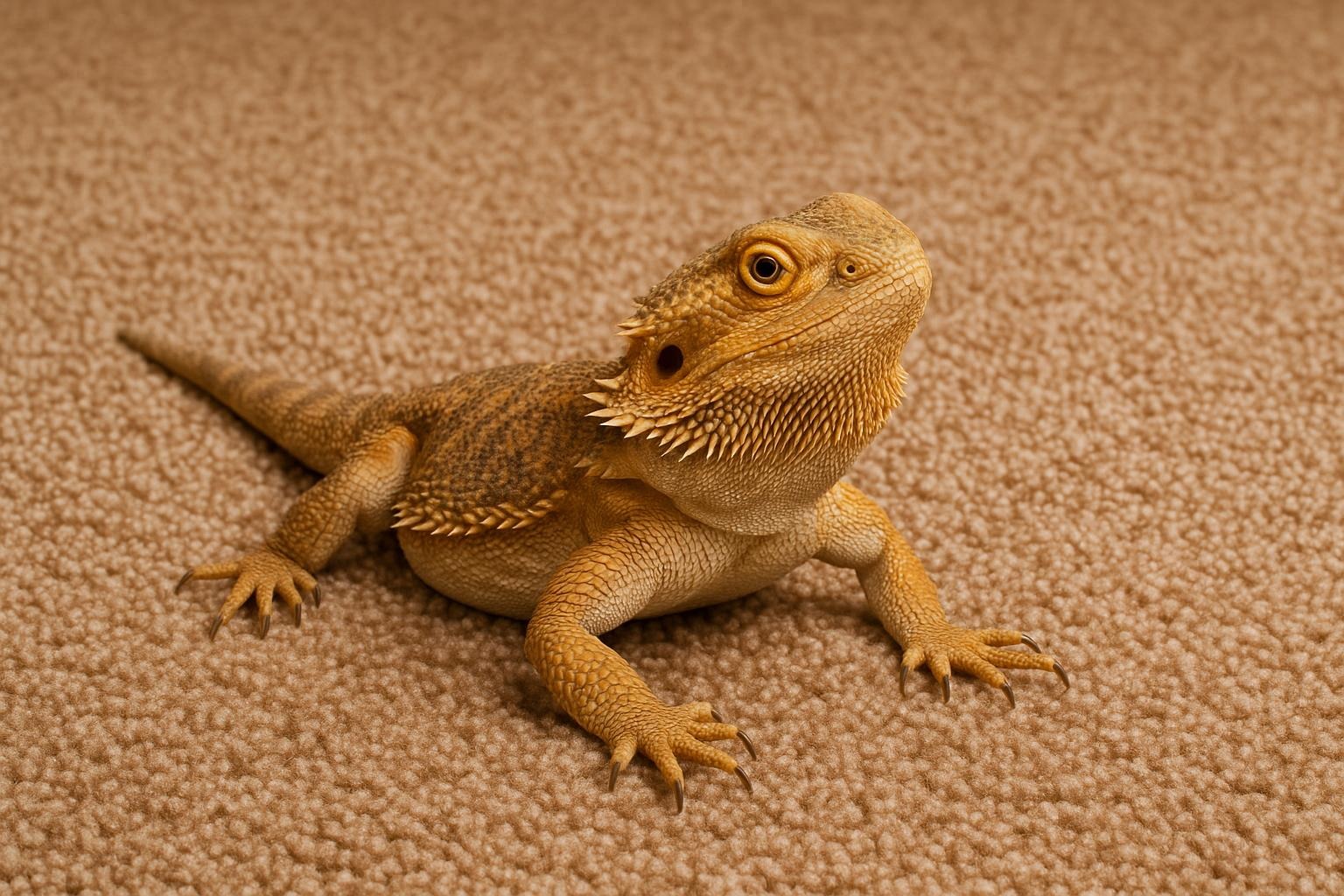
Keeping a bearded dragon happy and healthy starts at the ground level—literally. The substrate you choose affects hygiene, comfort, and safety. If you’re leaning toward a carpet option (because tile is chilly or loose substrates are a no-go), this guide will walk you through practical choices, safety tips, and two clear remedies: installing and maintaining a proper reptile carpet setup. Expect friendly vibes, but when we get to recipes and procedures, I’ll switch to a more formal, informative tone. No fluff—just good scaly care.
## Reptile Carpet For Bearded Dragon: Substrate Remedies
### Why Owners Choose Carpet
Reptile carpet for bearded dragon enclosures is popular for good reasons: it’s washable, reduces impaction risks compared to loose sands, and can be cut to fit. It’s also non-abrasive for toes and good for older or injured dragons who need stable footing. But not every “carpet” is created equal—some are hazardous, others are fine if used properly.
### Safety Considerations
#### Avoid Loose Fibers And Rubber Backing
Loose threads can be ingested, and rubber or foam backing can trap moisture and harbor bacteria. Always choose carpets labeled pet-safe and designed specifically for reptile use, or a synthetic turf with a non-rubber, trimmed backing.
#### Temperature And Placement
Place the carpet only in areas where substrate temperatures remain within recommended bounds (basking spot up to about 100–110°F for adults, cooler elsewhere). Never use carpets that will degrade or release fumes at higher temperatures.
## Remedy 1: Prepare And Install Reptile Carpet For Bearded Dragon
(Ingredients / Materials)
– Reptile-specific carpet panel or pet-safe synthetic turf (no rubber/foam backing)
– Measuring tape and marker
– Sharp scissors or utility knife with straight edge
– Nylon or stainless-steel binder clips (or aquarium-safe silicone adhesive where clips aren’t possible)
– Optional: cutting board or scrap cardboard to protect the tank floor during cutting
Procedure (Steps)
1. Measure the enclosure interior carefully. Record the length and width and note obstacles like hides or heating fixtures.
2. Lay the carpet panel flat on a clean surface and mark dimensions slightly inside tank measurements to allow for snug fit without upward edges.
3. Cut the carpet with sharp scissors or a utility knife, using a straight edge for clean lines. Trim any loose fibers.
4. Place the carpet inside the enclosure and verify fit. Re-trim as needed to ensure edges sit flat.
5. Secure edges with binder clips on the outside rim of the tank glass. If clips can’t be used, apply small strips of aquarium-safe silicone in the corners only—avoid large areas, and allow full curing per manufacturer instructions before reintroducing the dragon.
6. Arrange hides, water bowls, and decor on top to help weigh the carpet down and reduce lifting.
7. Perform a final inspection: no loose threads, no exposed backing, and no adhesive residue accessible to your dragon.
Notes (Formal)
– Do not use household carpets, rugs, or carpets with latex/rubber backing. These materials retain moisture and can degrade.
– Replace carpet when edges fray, odors persist after cleaning, or you observe discoloration or mold growth.
– Reptile carpet for bearded dragon should be used in a way that minimizes ingestion risk and maximizes ease of cleaning.
### How Often To Replace Or Rotate
Rotate or wash sections weekly for spot cleaning and plan to fully replace the carpet every 6–12 months depending on wear and sanitation history. Heavy smell or persistent urine stains signal immediate replacement.
## Remedy 2: Clean, Treat And Refresh Reptile Carpet For Bearded Dragon
(Ingredients / Materials)
– Mild dish soap (unscented)
– White vinegar
– Household bleach (if needed for disinfection)
– Soft brush or sponge
– Large tub or basin (big enough to soak the carpet piece)
– Clean water for rinsing
– Disposable gloves
– Towels and a sunny spot or dryer safe line for air-drying
Procedure (Steps)
1. Remove droppings and loose debris daily by scooping into a trash receptacle. Spot-clean urine marks immediately with paper towel.
2. Weekly Washing: Take the carpet out and shake off loose debris. Fill a tub with warm water and a small amount of mild dish soap. Submerge the carpet and gently scrub with a soft brush.
3. Rinse thoroughly in clean water until all soap suds are gone.
4. Disinfect Monthly Or When Needed: Prepare a bleach solution (formal dilution: 1 part household bleach to 32 parts water—about 1/2 cup bleach per gallon). Submerge the carpet for 10–15 minutes. Alternatively, for a less harsh approach, use a 1:1 white vinegar to water soak for 30 minutes, then rinse.
5. Rinse again thoroughly to remove disinfectant residues. Smell-check: there should be no bleach odor before reintroducing the carpet.
6. Air-dry completely—sunlight is ideal because UV helps reduce microbes and speeds drying. Do not return damp carpet to the enclosure.
7. Reinstall and monitor for odors or loose fibers.
Notes (Formal)
– Use bleach disinfectant only when necessary (illness in the enclosure, confirmed bacterial contamination) and always rinse thoroughly. Bleach is effective against pathogens but can be hazardous if not handled properly.
– Vinegar is a milder option for routine refreshing and helps break down mineral deposits and light organic buildup.
– Never use fabric softeners, scented detergents, or products with essential oils when washing reptile carpet.
### Handling Stuck Shed On Carpet
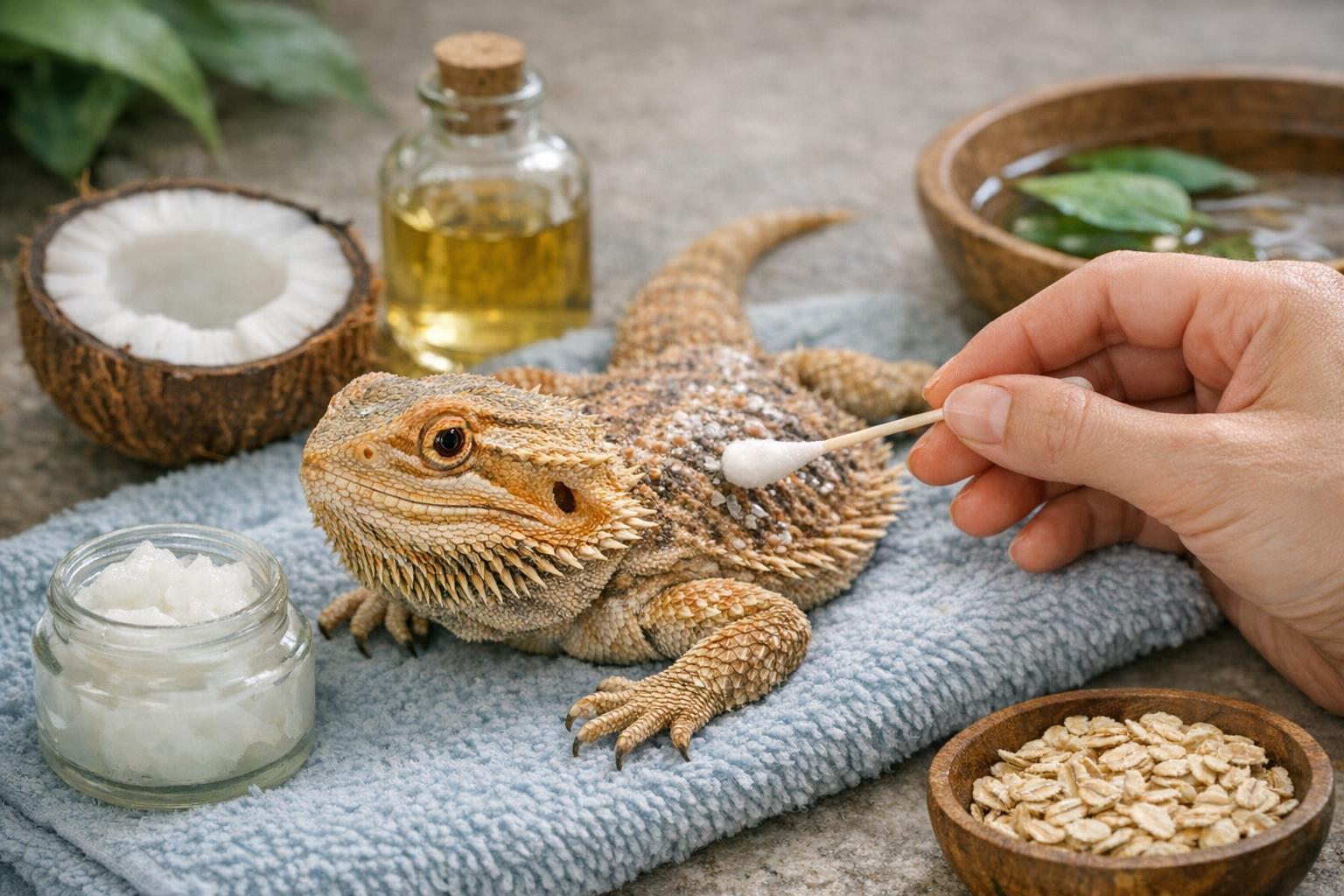
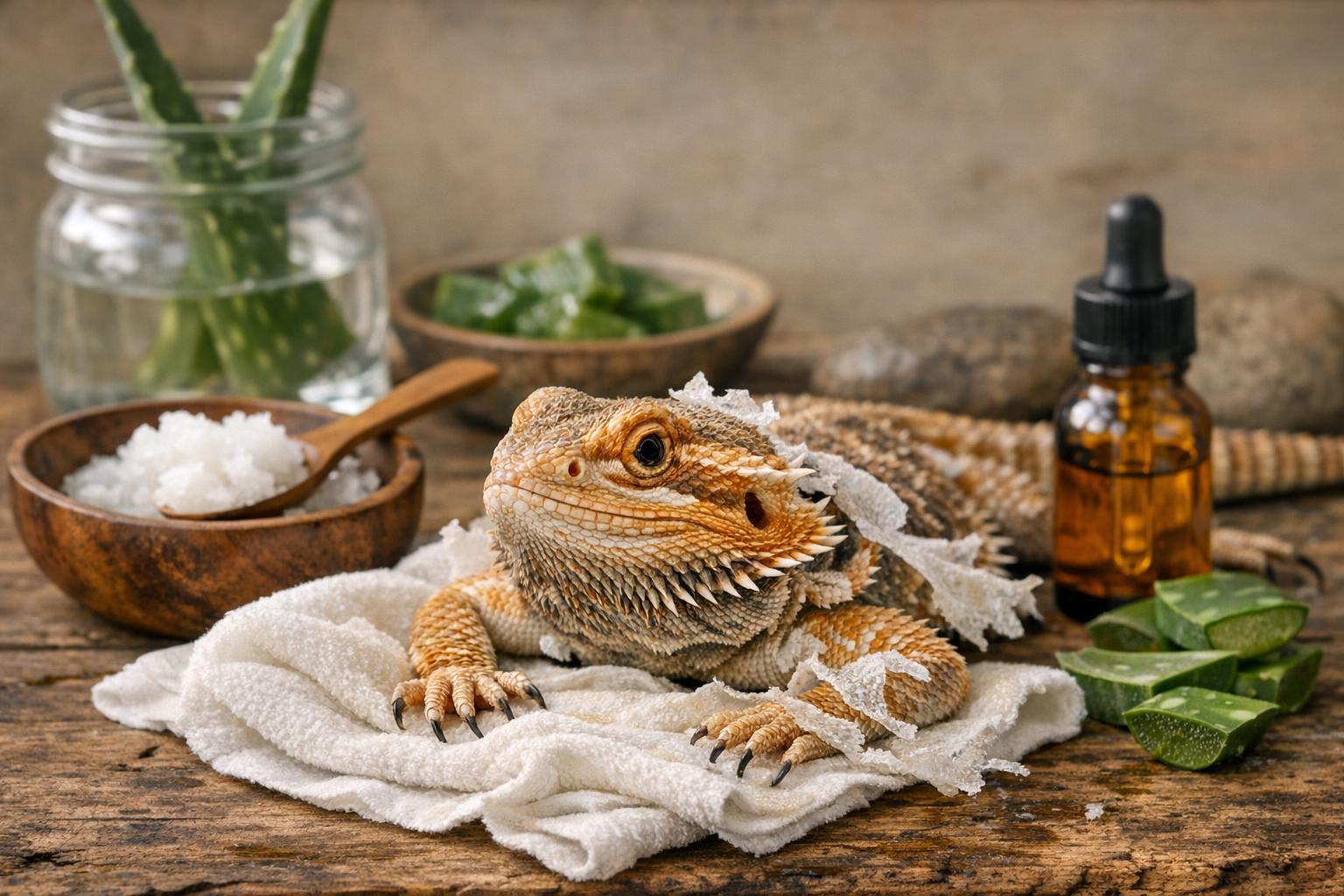
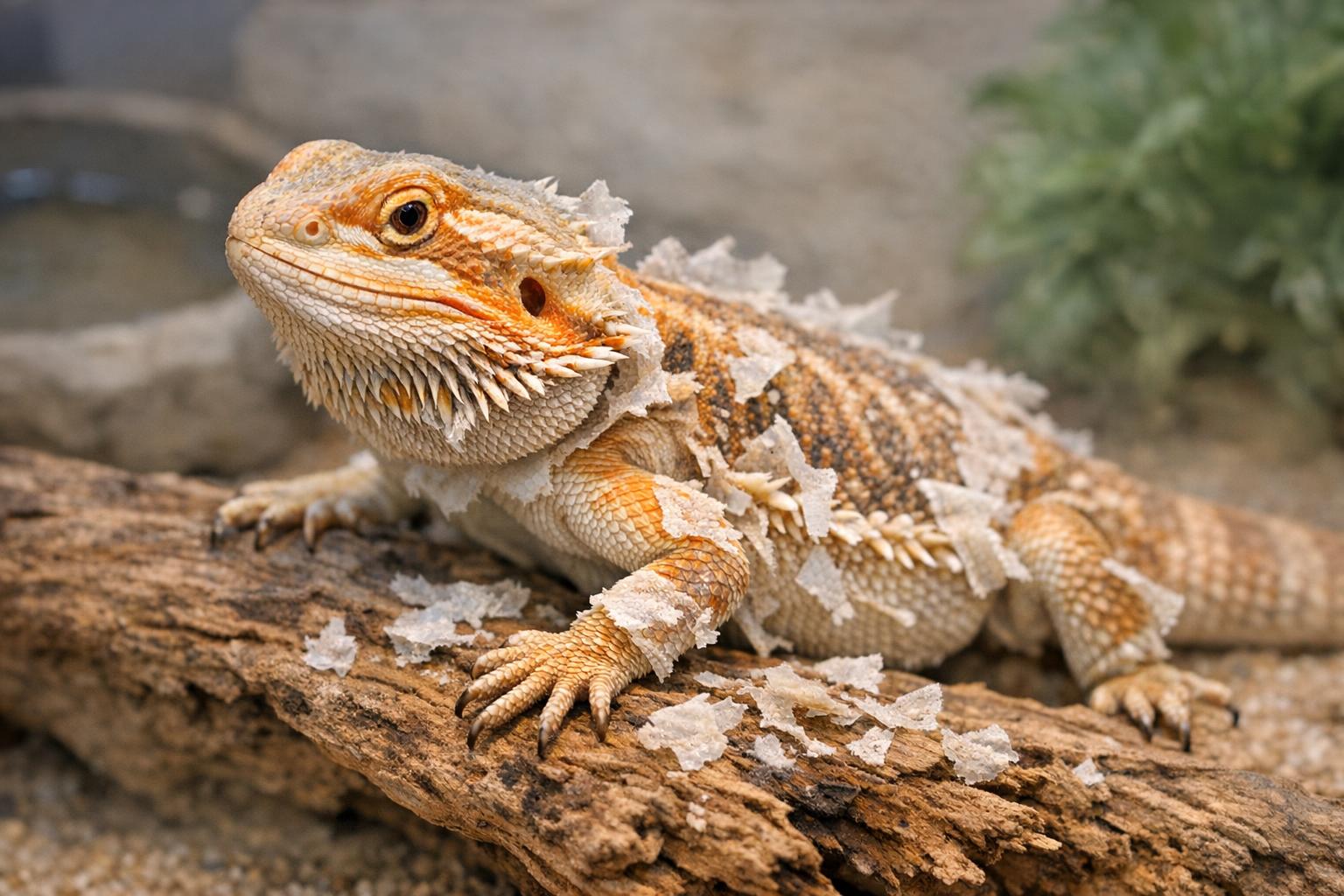
If your dragon leaves shed stuck to the carpet, do not pull hard. Soak a cloth in lukewarm water and hold it gently against the area for several minutes to soften the shed. Once relaxed, superficial pieces can be teased off with tweezers. For stubborn patches, remove the carpet and perform a full soak cycle as above.
## Choosing The Right Carpet Material
### Synthetic Turf Vs Reptile-Labeled Carpet
Reptile-labeled carpets are designed for easy washing and low fiber loss. Synthetic turf can be acceptable if it lacks rubber backing and the fibers are short and dense. Look for products that state “non-toxic” and “machine washable.” Read customer reviews for longevity and wash performance.
### Thickness And Texture
Thinner carpets dry faster and collect less debris but provide less cushioning. Thicker carpets give more comfort but can retain moisture longer—balance according to your local humidity and how often you’ll clean.
## Monitoring Health Indicators Related To Substrate
### Signs Something’s Off
– Decreased appetite or weight loss
– Frequent digging at the carpet edge or trying to ingest fibers
– Repeated shedding issues, or retained shed
– Persistent odors despite cleaning
These signs may indicate substrate-related irritation, bacterial buildup, or a need to replace the carpet. Consult a veterinarian for persistent health concerns.
### When To Switch Substrates
If your bearded dragon repeatedly eats pieces of carpet, shows gastrointestinal symptoms, or if fibers become a recurring problem, switch to a safer alternative such as slate tile or large, easy-to-clean ceramic that eliminates ingestion risk.
## Practical Tips And Troubleshooting
#### Preventing Lifting Edges
Place heavy decor like flat rocks or hides near edges. Binder clips on the outside rim work wonders. If edges still lift, trim to fit tighter or add discreet clips inside corners.
#### Odor Management
Spot-clean daily. Use a shallow water bowl large enough for drinking—sometimes bearded dragons defecate nearby when thirsty; moving them to a larger water area can change patterns. Perform monthly disinfecting so odors don’t build up.
#### Travel And Temporary Substrate
For vet visits or temporary enclosures, cardboard or a towel works in a pinch. Don’t use long-term—they retain moisture and bacteria quickly.
## Final Practical Checklist Before You Call It Done
– No loose fibers or exposed backing
– Carpet fits snugly and stays flat
– All adhesives, if used, are cured and out of reach
– Regular cleaning plan in place (daily spot, weekly wash, monthly disinfect)
– Replacement schedule known (6–12 months or sooner if worn)
There you go—practical, usable steps to buy, install, and keep a clean reptile carpet for bearded dragon enclosures. Your dragon will appreciate the steady footing, and you’ll appreciate a substrate that’s easier to maintain than drawing battle plans to scoop sand out of every crevice.
























Leave a Reply