




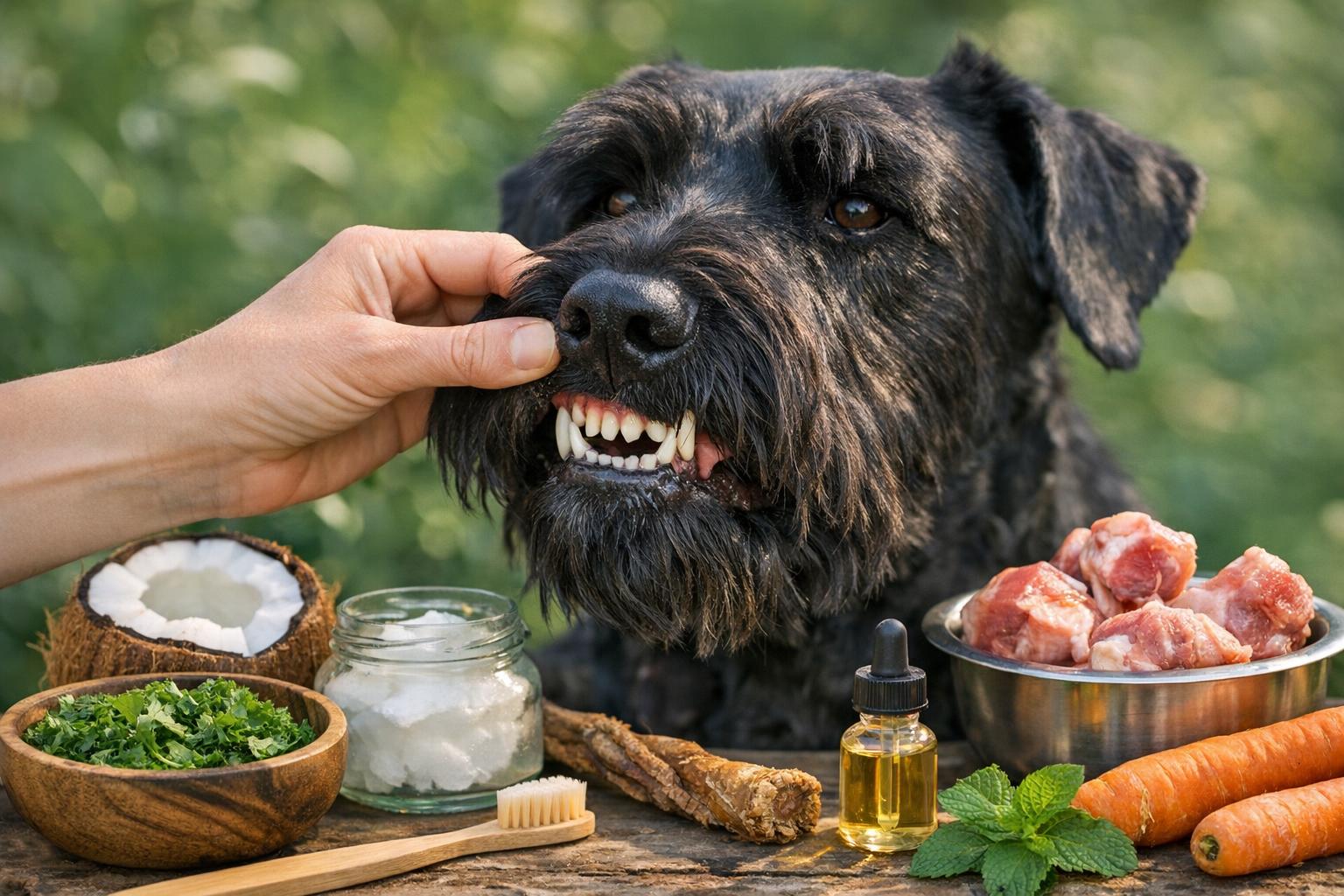
Hey there—if you’ve noticed your dog’s breath could clear a room or their gums are looking a little sore, you’re in the right place. Below are friendly, practical dental health tips and natural care strategies to help prevent and manage gum disease in dogs. Read with a cup of tea (or a squeaky toy) nearby.
## Dental Health Tips For Gum Disease In Dogs Naturally
Gum disease in dogs is one of the most common health issues pet owners face. Plaque builds up, then mineralizes into tartar, bacteria proliferate, and inflammation sets in. Left untreated, this can lead to pain, tooth loss, and even systemic problems affecting the heart and kidneys. The good news: many simple, low-risk practices can slow progression and improve comfort for your pup.
### What Causes Gum Disease In Dogs
The process is straightforward: bacteria, food debris, and saliva create plaque. If plaque isn’t regularly removed, it calcifies into tartar that sticks to teeth and irritates the gums. Breed, age, diet, chewing habits, and genetics all play roles—small breeds and older dogs are often more vulnerable. Regular home care plus selective natural remedies can make a measurable difference.
### Signs To Watch For
Keep an eye out for:
– Red, swollen, or bleeding gums
– Persistent bad breath
– Difficulty chewing or dropping food
– Loose or missing teeth
– Pawing at the mouth or decreased appetite
If you notice any of these, don’t ignore them—gum disease in dogs can escalate silently.
## Why Early Care Matters For Gum Disease In Dogs
Intervening early prevents irreversible damage. Treating early-stage gingivitis at home is reasonable; advanced periodontal disease requires professional veterinary care. Early home care reduces bacterial load, decreases inflammation, and helps maintain healthy tooth attachment. Always combine home strategies with regular vet checkups to ensure your interventions are appropriate.
### How Professional And Home Care Work Together
A veterinarian can perform professional cleanings and assess bone loss or infection. Between visits, your role is daily prevention: brushing, safe chews, diet tweaks, and targeted natural remedies. Think of it as teamwork—vet for the heavy lifting, you for daily maintenance.
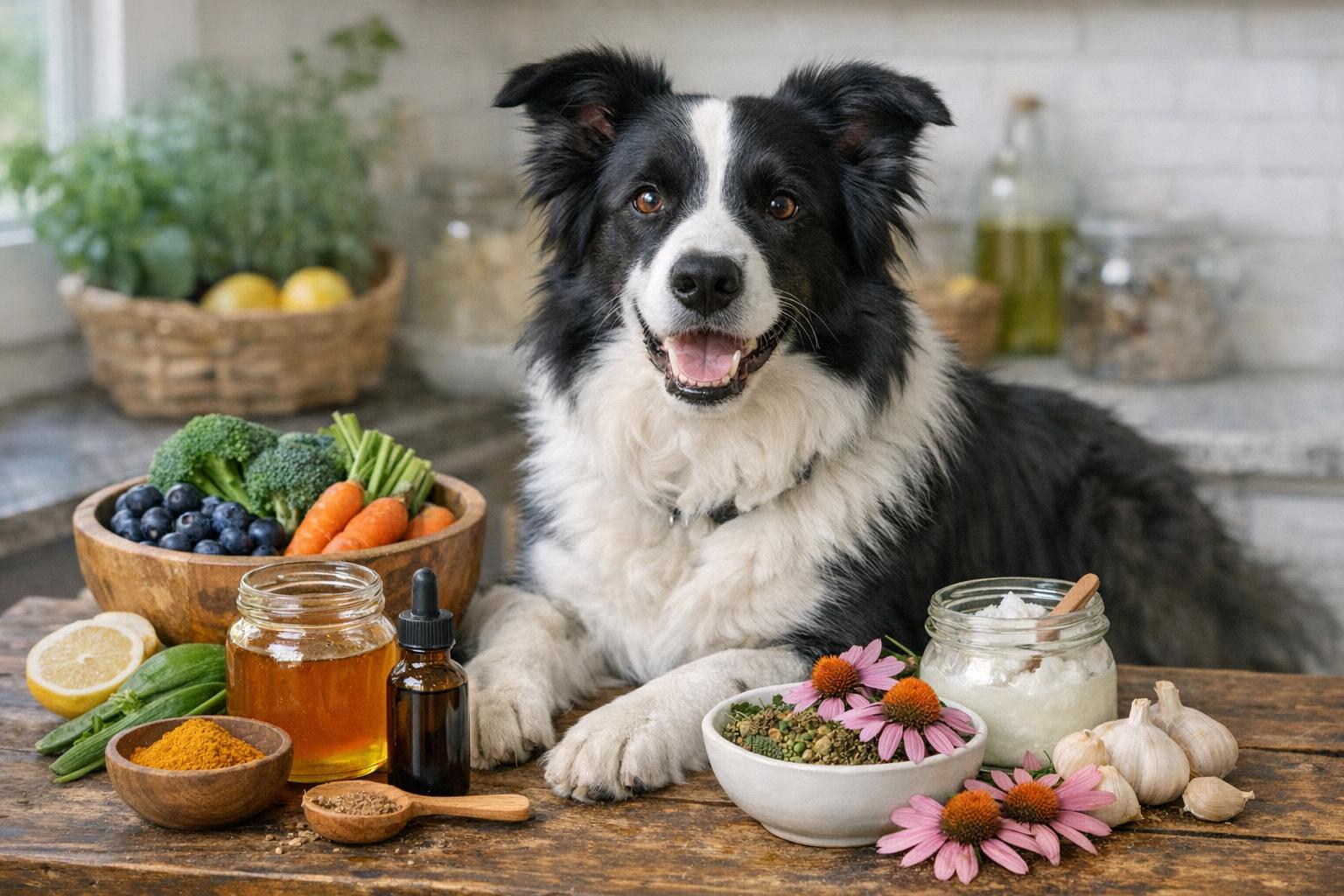
## 3 Natural Remedies For Gum Disease In Dogs
Below are three remedies that are generally safe and can help reduce inflammation and bacterial load. Be aware: if your dog has a known allergy or a medical condition, consult your vet before trying any new treatment. The information below is provided in a formal, evidence-informed style to help you apply each remedy safely and effectively.
### Remedy 1: Coconut Oil And Parsley Dental Paste
#### Ingredients
– 2 tablespoons virgin coconut oil (solid)
– 1 teaspoon finely chopped fresh parsley (antioxidant and breath freshener)
– 1 teaspoon plain, unsweetened Greek yogurt (optional, probiotic support)
#### Steps
1. Gently warm the coconut oil until slightly soft but not liquid—just kneadable.
2. Mix in chopped parsley and yogurt until homogeneous.
3. Apply a small dab to your finger or to a soft dog toothbrush.
4. Gently brush the outer surfaces of teeth and the gumline for 30–60 seconds, focusing on areas with visible tartar or redness. Use daily or at least three times per week.
5. Store the remainder in an airtight container in the refrigerator for up to one week.
Notes: Coconut oil has mild antimicrobial properties and can make brushing more palatable. Use sparingly for dogs prone to pancreatitis or on calorie-restricted diets.
### Remedy 2: Turmeric And Coconut Antiinflammatory Gel
#### Ingredients
– 1 teaspoon turmeric powder
– 2 tablespoons coconut oil
– Pinch of black pepper (to increase turmeric absorption)
– Optional: 1 teaspoon Manuka honey (if your vet approves; antimicrobial)
#### Steps
1. Combine turmeric and coconut oil in a small bowl; add black pepper and honey if using.
2. Stir to a smooth paste. If too dry, add a little more coconut oil.
3. Using a cotton pad or toothbrush, gently apply the gel to inflamed gum areas once daily.
4. Continue for up to 10 days, then reassess. If irritation increases or your dog resists strongly, stop and consult your vet.
Notes: Turmeric is anti-inflammatory; black pepper enhances curcumin absorption. Avoid prolonged use without veterinary guidance, and do not use if your dog is on anticoagulant medication.
### Remedy 3: Sea Salt Rinse For Short-Term Bacterial Control
#### Ingredients
– 1 cup warm distilled water
– 1/4 teaspoon fine sea salt (non-iodized)
#### Steps
1. Dissolve salt into warm water completely.
2. Moisten a clean cloth or cotton pad with the solution.
3. Gently wipe the gumline and teeth once daily for 5–7 days. Do not force the rinse if your dog panics—comfort first.
4. Discard remaining solution and prepare fresh daily.
Notes: Salt water reduces bacterial counts and soothes inflamed tissue. This is a short-term, supportive measure—not a replacement for brushing or veterinary care.
## Daily Habits To Prevent Gum Disease In Dogs
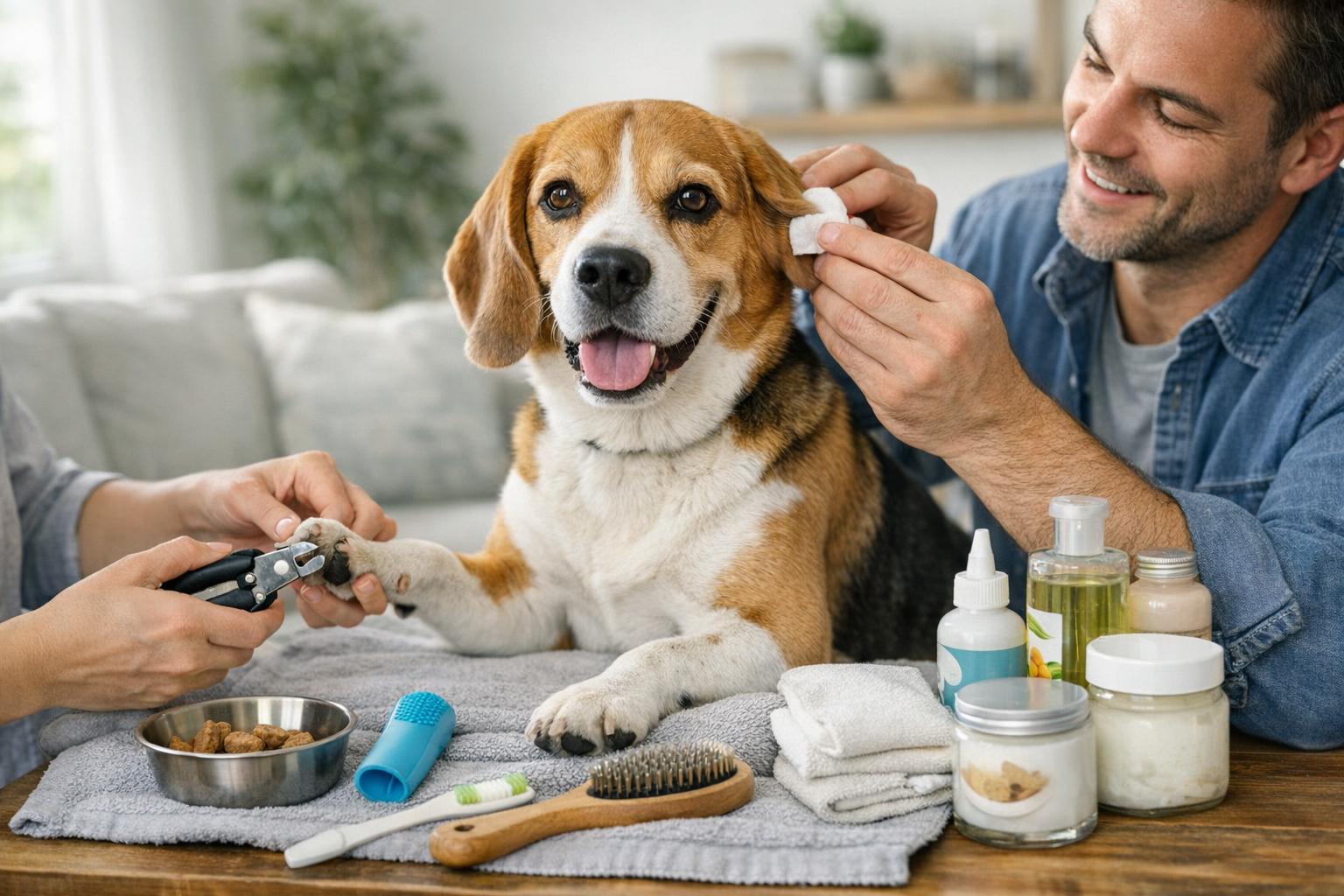
Consistent daily habits are the foundation of preventing and managing gum disease in dogs. Little investments of time yield big dividends in comfort and oral health.
### Brushing Correctly
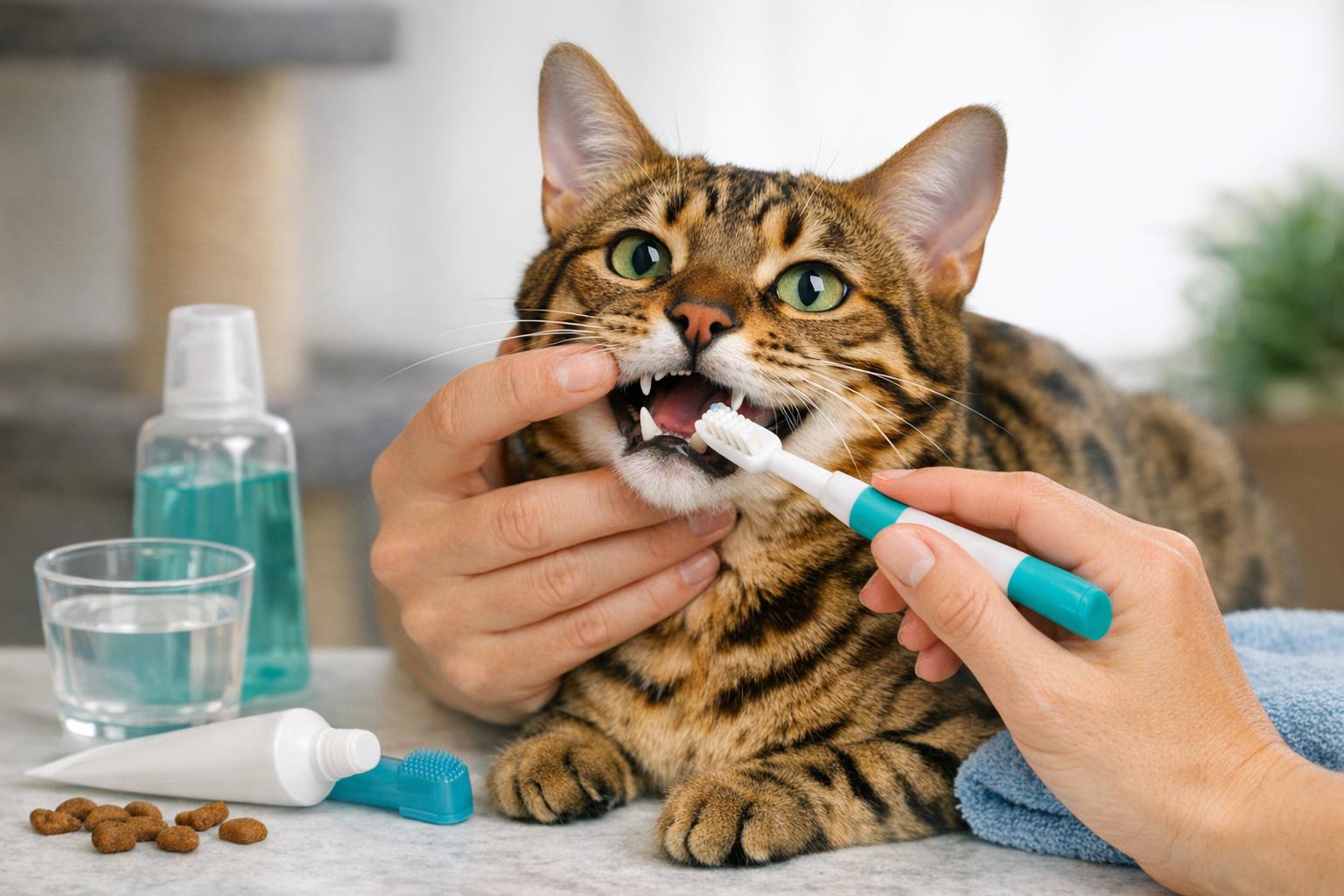
Brushing is the gold standard. Use a dog-specific toothbrush and toothpaste—human toothpaste often contains xylitol or foaming agents that are unsafe for pets. Start slow: let your dog sniff the brush and paste, then gradually introduce short, gentle brushing sessions. Aim for 2–3 times per week at minimum; daily is ideal. Focus on the outside surfaces where plaque accumulates most.
### Safe Chews And Toys
Chewing helps mechanically remove plaque. Choose durable rubber toys, nylon chews sized appropriately, or specially designed dental chews. Avoid cooked bones, rawhide that can splinter, and very hard chews that can fracture teeth (e.g., some antlers). Look for chews with the Veterinary Oral Health Council (VOHC) seal when available.
### Dental Diet Adjustments
Some diets and kibble formulations reduce plaque adhesion through texture or added enzymes. Consider dental-specific diets or mixing in wet food for older dogs who have trouble chewing. Always transition slowly and consult your vet if your dog has dietary restrictions.
### Professional Cleanings And When To See The Vet
Even with excellent home care, some dogs will need periodic professional dental cleanings under anesthesia. See your vet if you notice signs of advanced disease: loose teeth, severe drooling, weight loss, persistent oral pain, or facial swelling. Early vet intervention can prevent systemic complications.
#### Monitoring For Systemic Effects
Left unchecked, gum disease can allow bacteria to enter the bloodstream, affecting the heart, liver, and kidneys. Regular wellness checks and dental exams help catch problems before they become systemic.
## Gentle Tips For Making Home Care Easier
– Start young when possible; puppies easily accept routines.
– Use positive reinforcement: treats, praise, and brief sessions.
– Make tools familiar: leave brush or cloth near feeding area so it becomes a normal object.
– Keep sessions short and calm; quality beats quantity during training.
If you follow steady home care, apply appropriate natural remedies when needed, and maintain regular veterinary oversight, you can significantly reduce the risk and impact of gum disease in dogs. Your dog will thank you with a happier mouth—and fewer vet bills down the road.














Leave a Reply