




Hey there — glad you’re thinking about adding a little cleaning crew to your aquarium. Cleaner fish can be charming, hard-working little residents, but they aren’t magic. This guide will help you pick suitable cleaner fish for freshwater tank setups, set them up responsibly, and use them as part of a balanced maintenance plan so your tank stays healthy and your scum-free hopes don’t implode. A touch of personality, a lot of practical advice, and yes, a wink or two at algae’s expense.
## Cleaner Fish For Freshwater Tank: Who To Consider
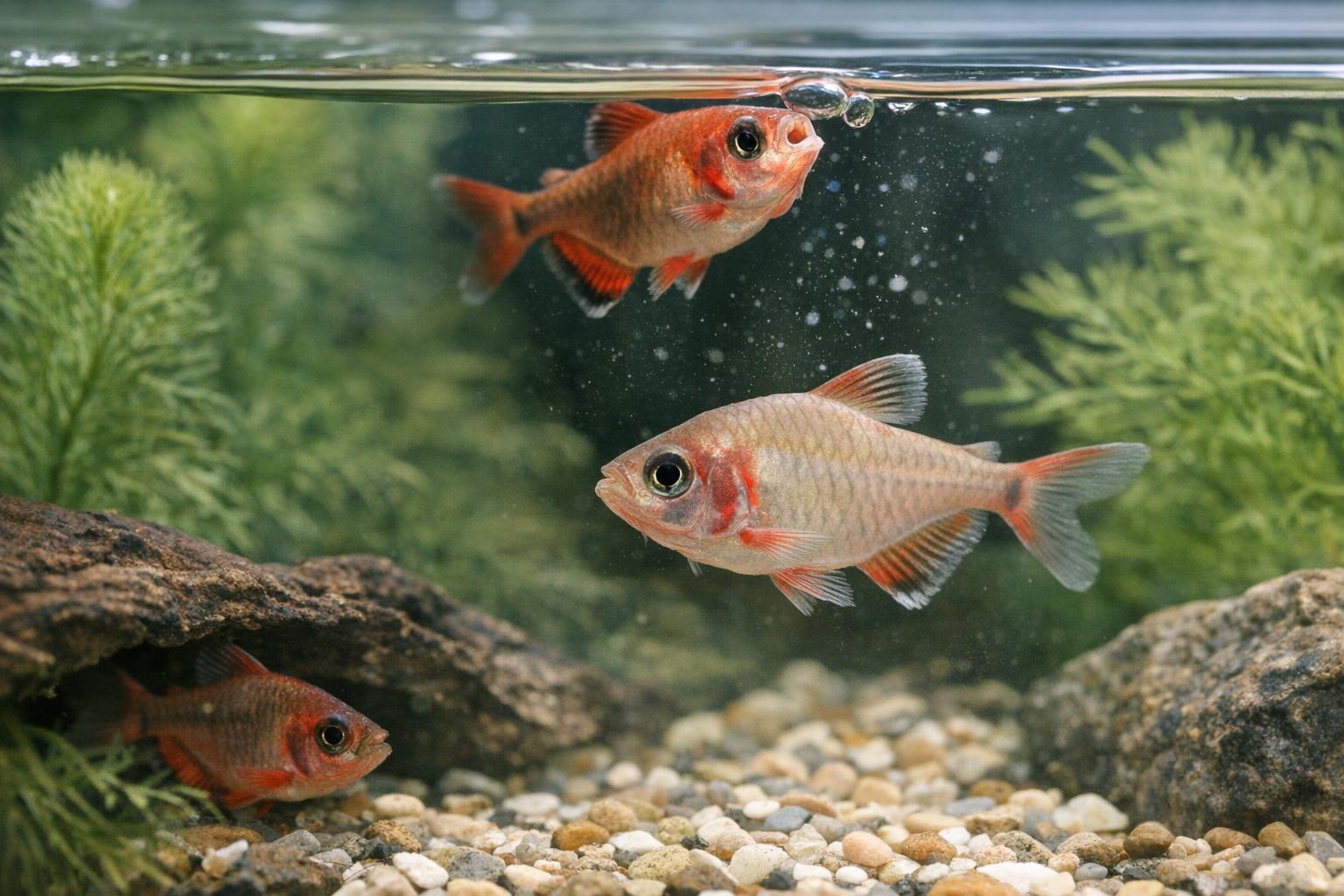
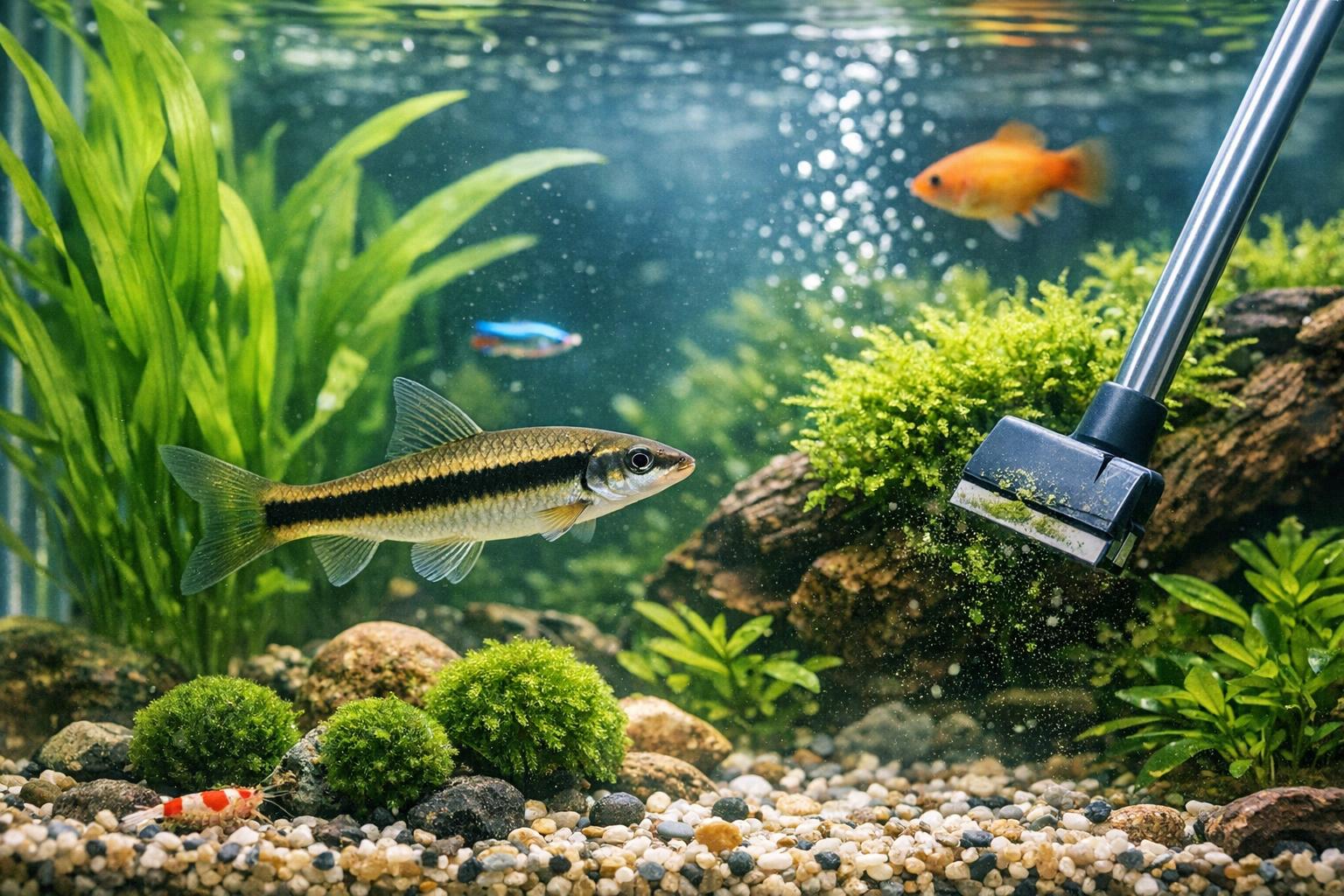
Cleaner fish for freshwater tank options vary by tank size, water chemistry, and the type of algae or detritus you’re battling. Here are popular, realistic picks:
– Otocinclus (Otos): Small, peaceful, and excellent algae grazers for planted tanks. They prefer mature tanks with stable water and lots of biofilm.
– Amano Shrimp (Caridina multidentata) — technically not fish, but often lumped into “cleaner crew” talk because of their extraordinary algae-eating ability.
– Bristlenose Pleco (Ancistrus spp.): Great for tanks that can support their bio-load. They eat many types of algae and wood.
– Siamese Algae Eater (Crossocheilus spp.): Efficient on hair and red algae but can be nippy if stressed or kept singly with incompatible tankmates.
– Hillstream Loach (Sewellia and relatives): Good for diatom and biofilm control in cooler, well-oxygenated setups.
Cleaner fish for freshwater tank selection should be realistic: small tanks suit Otos and shrimp, while medium to large tanks can support plecos or Siamese algae eaters. Don’t buy the “miracle cleaner” your LFS swears by without checking compatibility and long-term care requirements.
### Matching Fish To Tank Conditions
Think about size, water parameters, temperament, and the tank’s existing community. If your tank has delicate tetras, a large boisterous pleco or a fin-nipping Siamese strain could cause trouble. If you have extensive plants, Otos and Amanos are kind to foliage. If your tank temperature trends cool, hillstream loaches prefer lower temps and high flow.
#### Water Parameters At A Glance
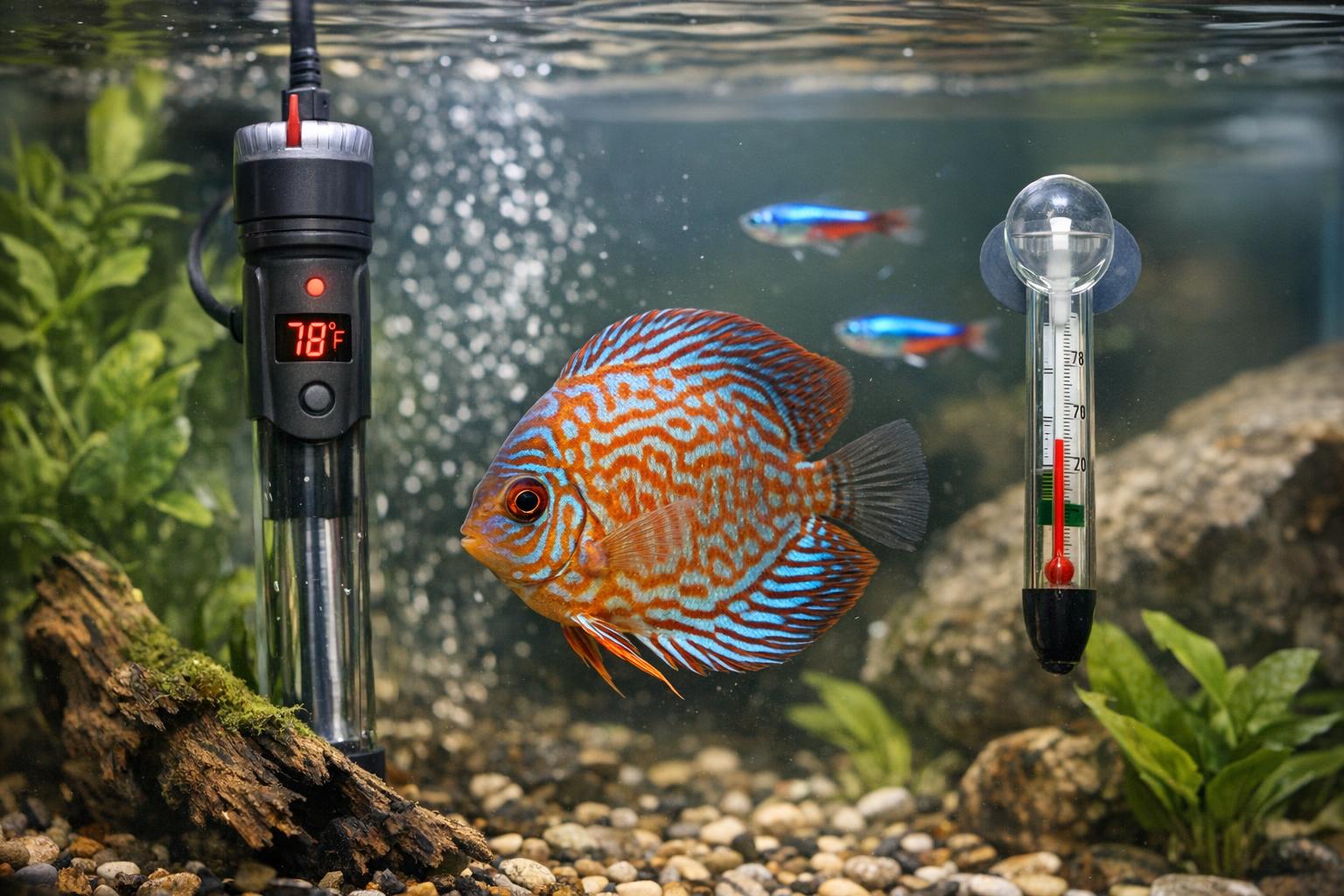
– Temperature: Otos and Amanos: 72–78°F; Bristlenose Pleco: 72–80°F; Hillstream Loaches: 68–75°F.
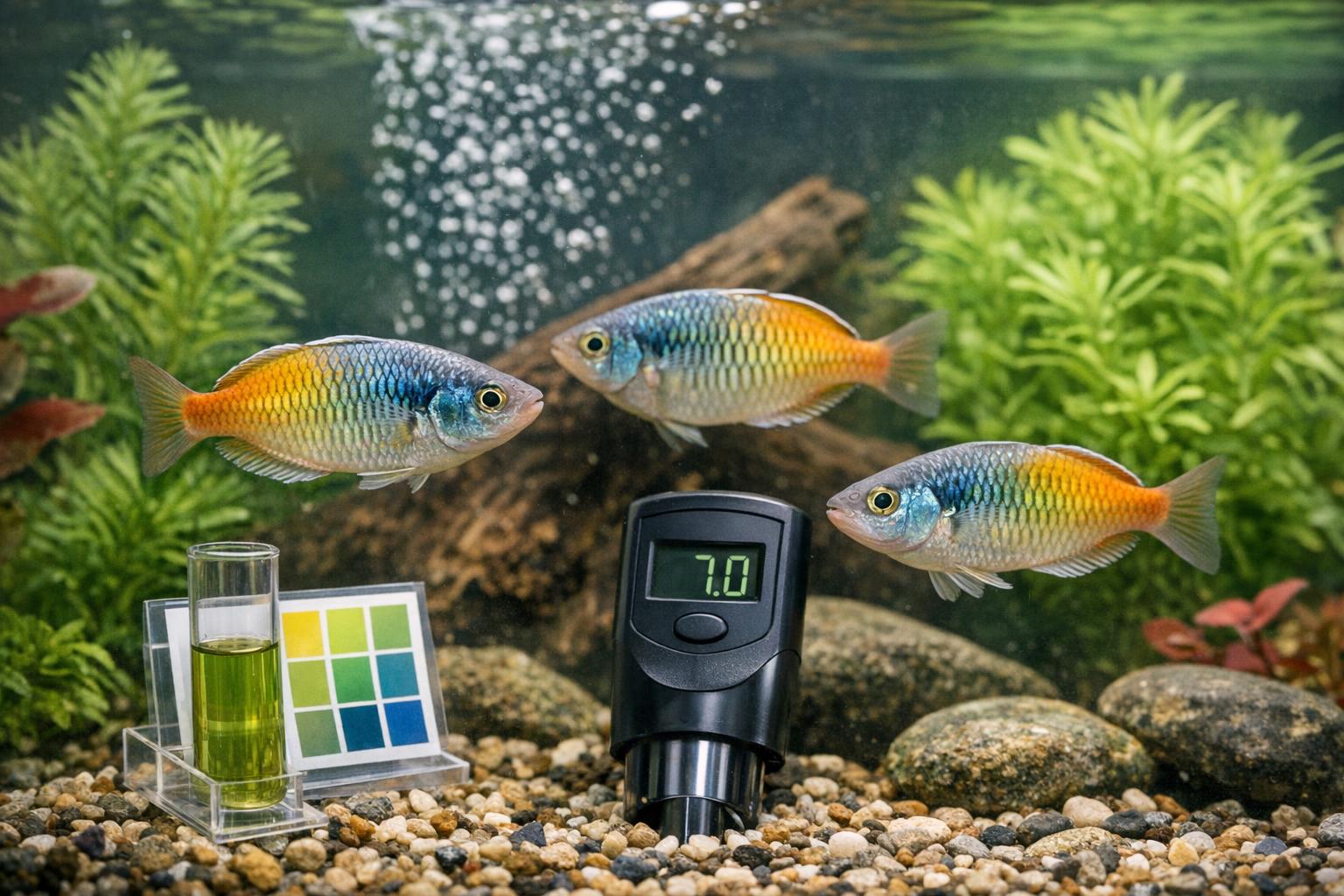
– pH: Most cleaners tolerate 6.5–7.8, but check species specifics.
– Hardness: Otos like soft to moderate; plecos can handle wider ranges.
– Tank Maturity: Otos need established tanks with biofilm; don’t add them to brand-new systems.
### Common Misconceptions About Cleaner Fish For Freshwater Tank
Cleaner fish are not replacements for regular maintenance. They help manage algae and detritus but produce waste, need feeding, and can be stressed or starve if expected to do all the cleaning. Also, not every “algae eater” will focus on your specific algae problem—red brush algae and green spot algae require different strategies.
## Remedy 1: Fish-Based Cleaning Crew Setup (Numbered Remedy 1)
This remedy describes a formal, replicable setup using cleaner fish for freshwater tank algae management and tank hygiene. Follow the materials list and steps exactly to minimize stress and maximize success.
### Ingredients / Required Materials
– Appropriate cleaner fish species selected for tank size (e.g., Otocinclus: groups of 6–8 for 20+ gallon tanks; Bristlenose Pleco: 1 per 20–30 gallons)
– Quarantine tank (minimum 10 gallons) with heater, sponge filter, and hiding places
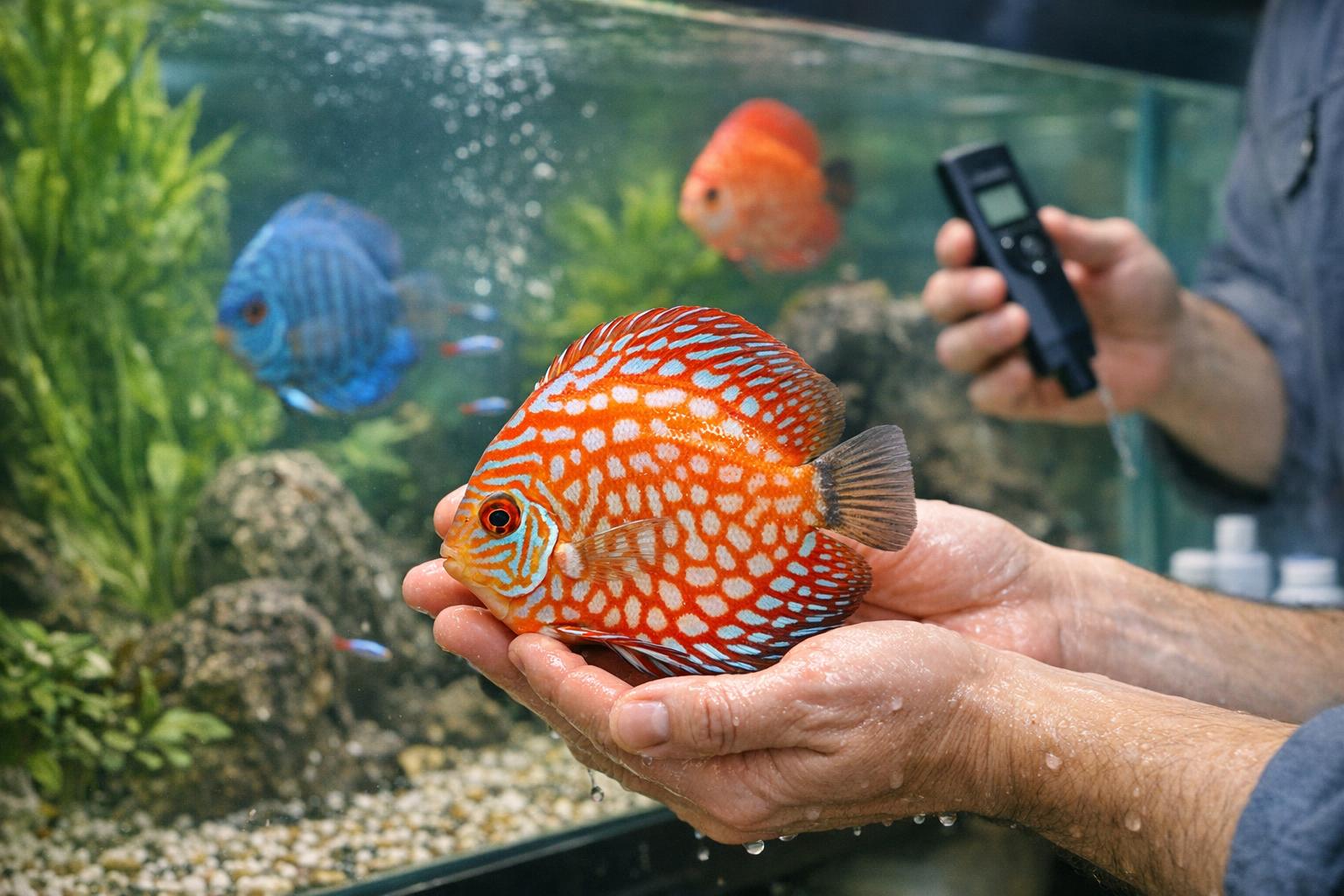
– Water test kit (ammonia, nitrite, nitrate, pH)
– Aquarium-safe driftwood or algae wafers (for plecos)
– Fine-mesh net and acclimation drip line or airline tubing
– Thermometer and hydrometer as needed
### Step-By-Step Creation And Application
1. Assess Tank Readiness: Verify stable water parameters for at least 4–6 weeks. Ammonia and nitrite must read zero; nitrates ideally under 40 ppm.
2. Choose Compatible Species: Match cleaner fish to the existing community and algae type. Research social needs (Otos need groups; some loaches need fast flow).
3. Quarantine New Additions: Place new animals in the quarantine tank for 10–14 days. Monitor for disease, and perform two water tests during quarantine to confirm stability.
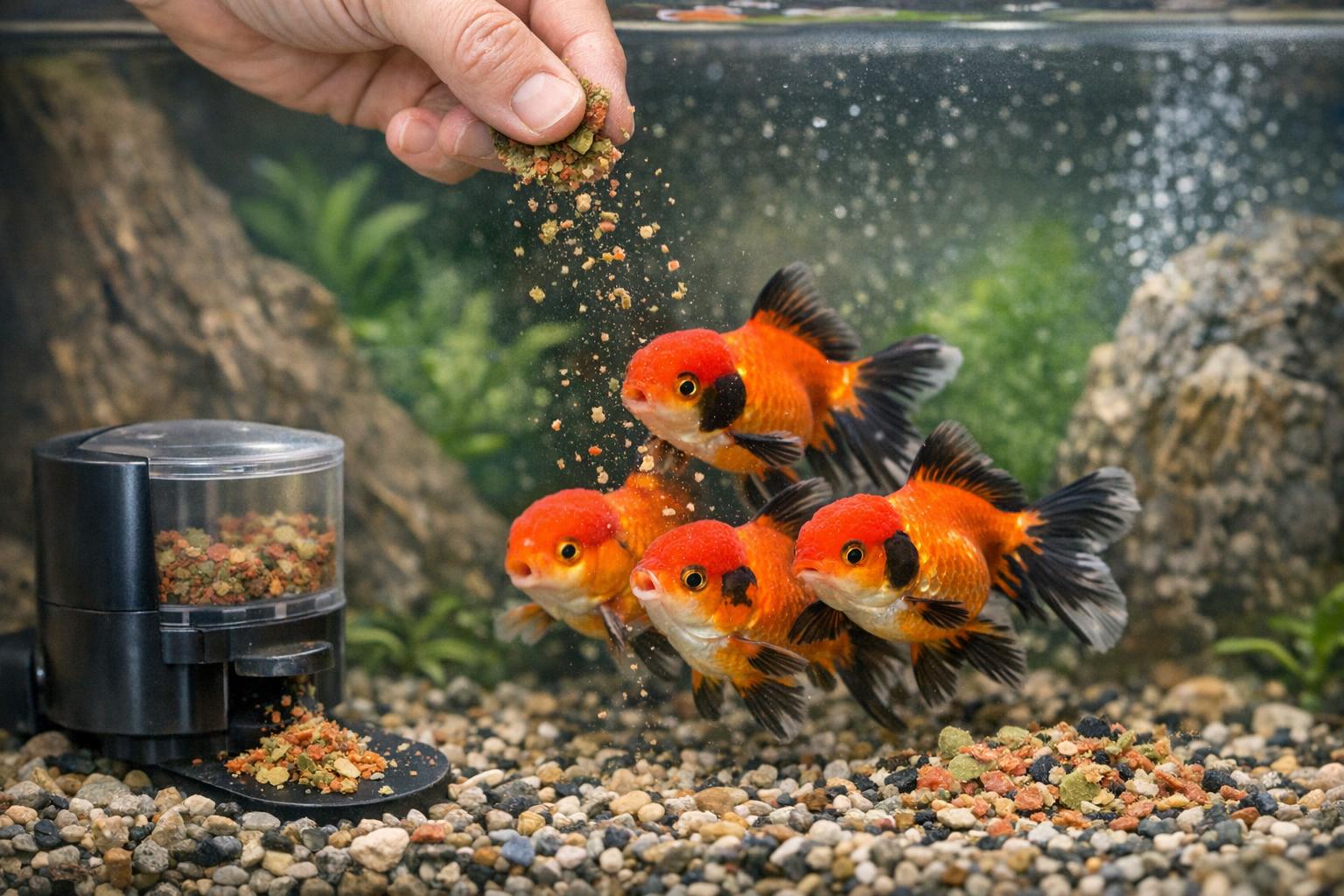
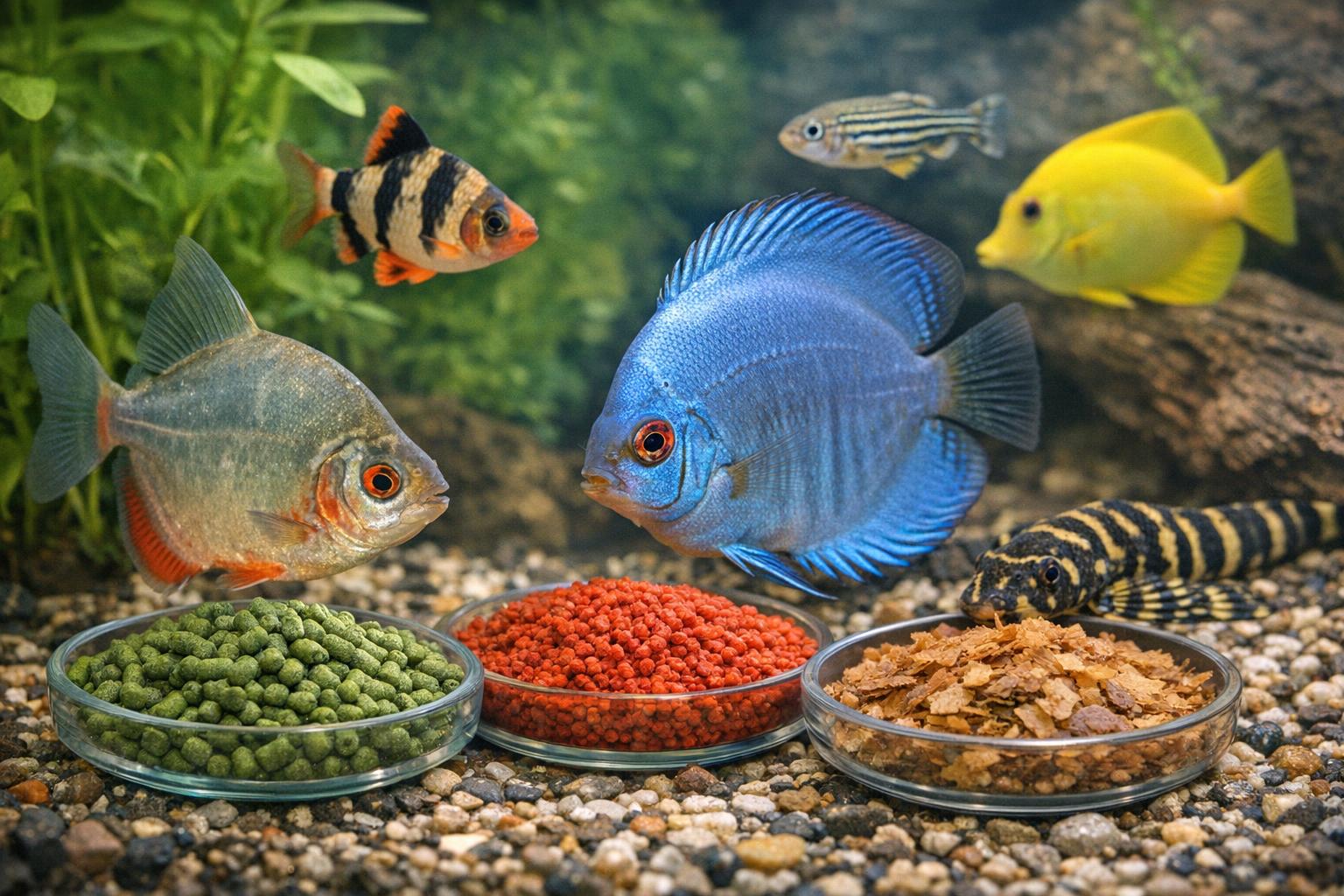
4. Prepare Feeding Plan: While cleaners eat algae, provide supplemental diets (algae wafers, blanched zucchini, high-quality sinking pellets) to prevent starvation and maintain coloration.
5. Acclimate Carefully: Use a slow drip acclimation over 45–60 minutes when transferring from quarantine to display tank to prevent shock from minor parameter differences.
6. Introduce Gradually: Add cleaner fish in small groups rather than all at once. Monitor behavior for aggression or hiding—this indicates compatibility problems or unsuitable water conditions.
7. Monitor And Adjust: Test water weekly for ammonia/nitrite/nitrate and observe fish condition. If cleaner fish aren’t foraging, check for adequate biofilm or provide supplemental food.
8. Maintain Regular Husbandry: Continue routine water changes and substrate cleaning. Cleaner fish reduce maintenance burden but do not eliminate the need for regular care.
This method is formal and methodical because biological introductions should be treated like surgical procedures for best outcomes: calm, precise, and monitored.
## Remedy 2: Supplemental Cleaners — Shrimp And Snails (Numbered Remedy 2)
If algae persists or you want a low-profile team player, add invertebrate cleaners. This remedy outlines a combined approach that complements cleaner fish for freshwater tank populations.
### Ingredients / Required Materials
– Amano shrimp (3–5 for a 20–30 gallon tank) or Bamboo shrimp for larger tanks
– Nerite snails (1–2 per 10 gallons) for persistent spot algae
– Separate acclimation containers
– Blanched vegetables (zucchini, spinach) and algae wafers
– Optional: small caves or spawning mops for shrimp security
### Step-By-Step Creation And Application
1. Check Compatibility: Ensure no predatory fish will consume shrimp or snails. Large aggressive cichlids, for example, are not suitable tankmates.
2. Quarantine Invertebrates Briefly: A short quarantine (3–7 days) reduces the risk of hitchhiking pests and lets you observe activity.
3. Provide Hiding Places: Add moss, plants, or caves so shrimp can hide while establishing. This reduces stress and molting losses.
4. Supplement Feedings: Offer blanched veggies and sinking wafers regularly. Invertebrates need extra food if natural algae is insufficient.
5. Observe Water Chemistry: Shrimp and snails are sensitive to copper and ammonia spikes. Avoid copper-based medications and maintain excellent water quality.
6. Monitor Population Balance: If snail numbers explode, remove egg clutches or control feeding. If shrimp decline, investigate predators, copper, or poor water quality.
These supplemental cleaners are low-maintenance allies that fill niches fish sometimes miss. They won’t eliminate the need for water changes, but they reduce microalgae and biofilm steadily.
## Maintenance, Feeding And Monitoring
Feeding and monitoring are the backbone of any successful cleaner fish for freshwater tank plan. Feed cleaners a balanced mix of algae and supplemental foods, and stick to a maintenance schedule:
– Weekly partial water changes (20–30%).
– Weekly or biweekly glass/algae scrubbing in problem areas.
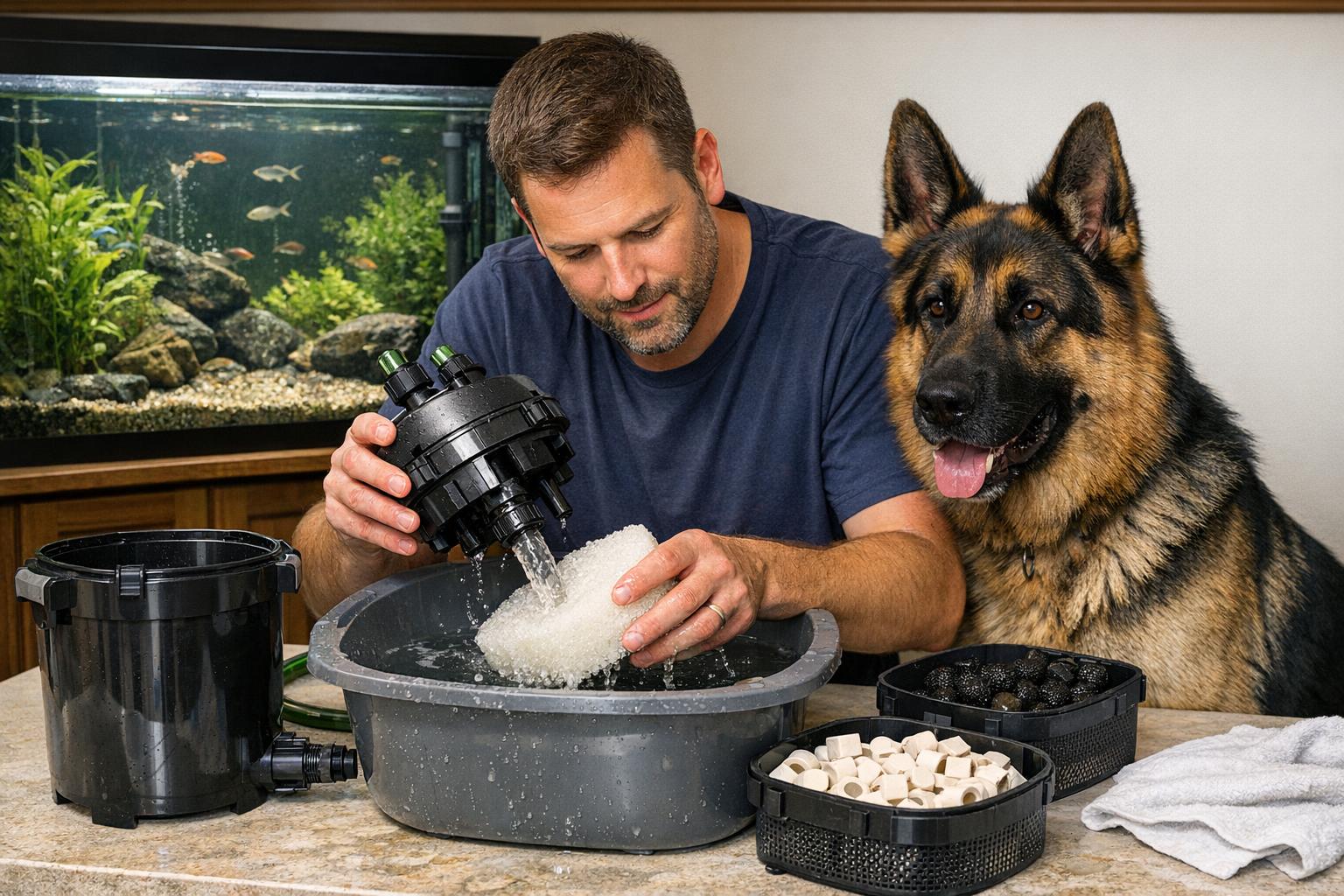
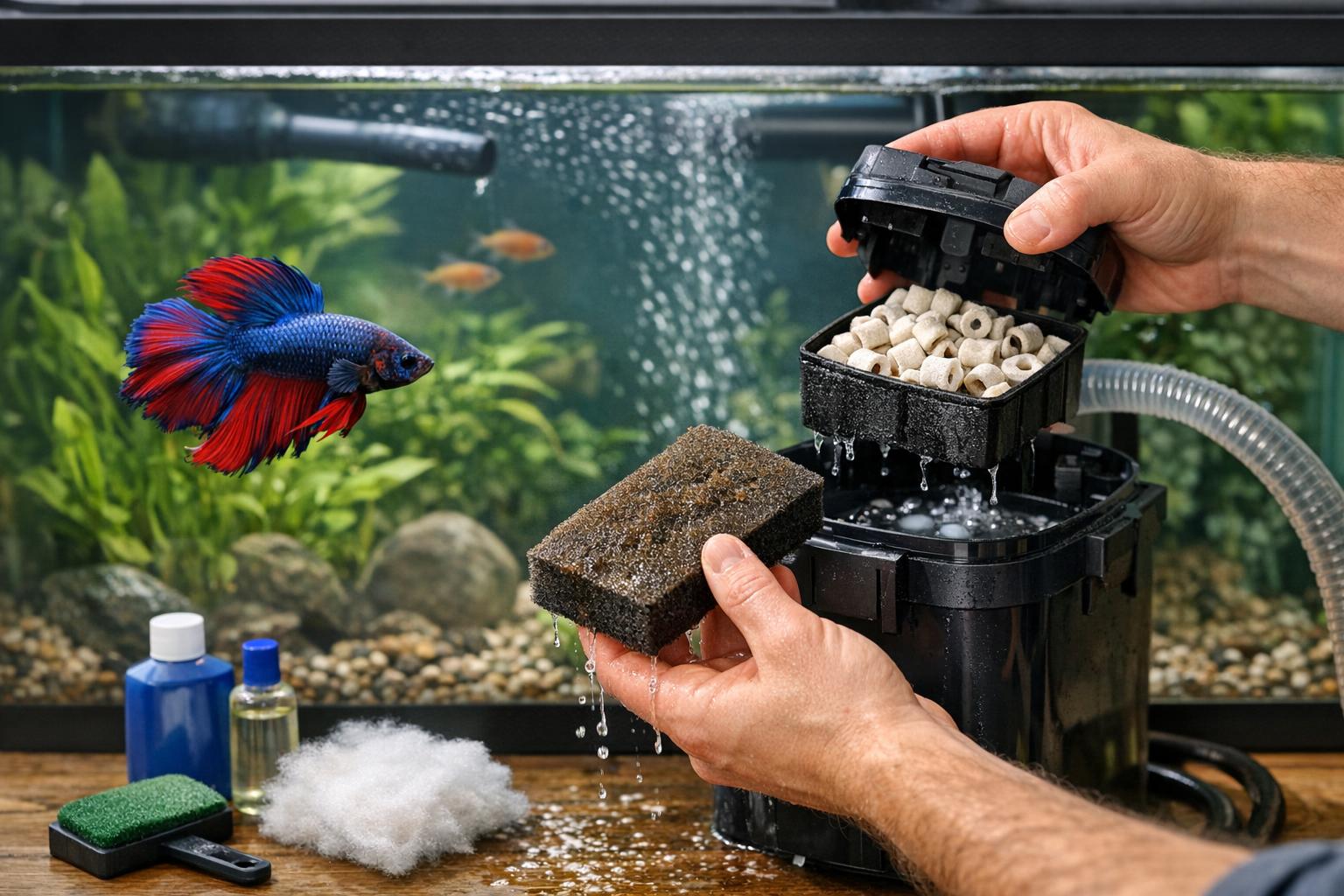
– Monthly filter checks—clean or replace mechanical media as needed but retain some biological media to preserve colonies.
– Observe cleaner behavior daily: active foraging, healthy fins, and consistent color are good signs. Lethargy, clamped fins, or refusal to eat indicate stress or water-quality problems.
When cleaner fish won’t solve the problem, do a reality check: stubborn red algae, nutrient imbalances, and insufficient light control often need parameter correction (reduce excess phosphate/nitrate), adjust lighting duration/intensity, or address source-water nutrients.
### Signs You Need To Rethink The Cleaner Approach
– Algae persists despite a healthy cleaner population.
– Cleaners lose weight, fade in color, or die unexpectedly.
– Aggression from tankmates increases after introducing new cleaners.
If any of these occur, pause additions and troubleshoot water chemistry, feeding, and compatibility before further changes.
Keep in mind that cleaner fish for freshwater tank setups are best thought of as part of an ecosystem approach: they reduce symptoms but healthy water quality, proper feeding, and regular maintenance cure the disease. If you want, I can help pick species for your exact tank size and current livestock — tell me tank volume, temperature, and who’s already living there and I’ll sketch a custom cleaner crew.



















Leave a Reply