



Algae is practically the houseplant of the aquarium world: persistent, sometimes attractive, and occasionally outstaying its welcome. If you’re tired of scraping green fuzz from your glass at midnight—or just want a more natural way to control it—introducing algae grazers and making a few simple husbandry changes can turn your tank from jungle to gallery.
## Choosing The Right Algae Eater Fish For Your Tank
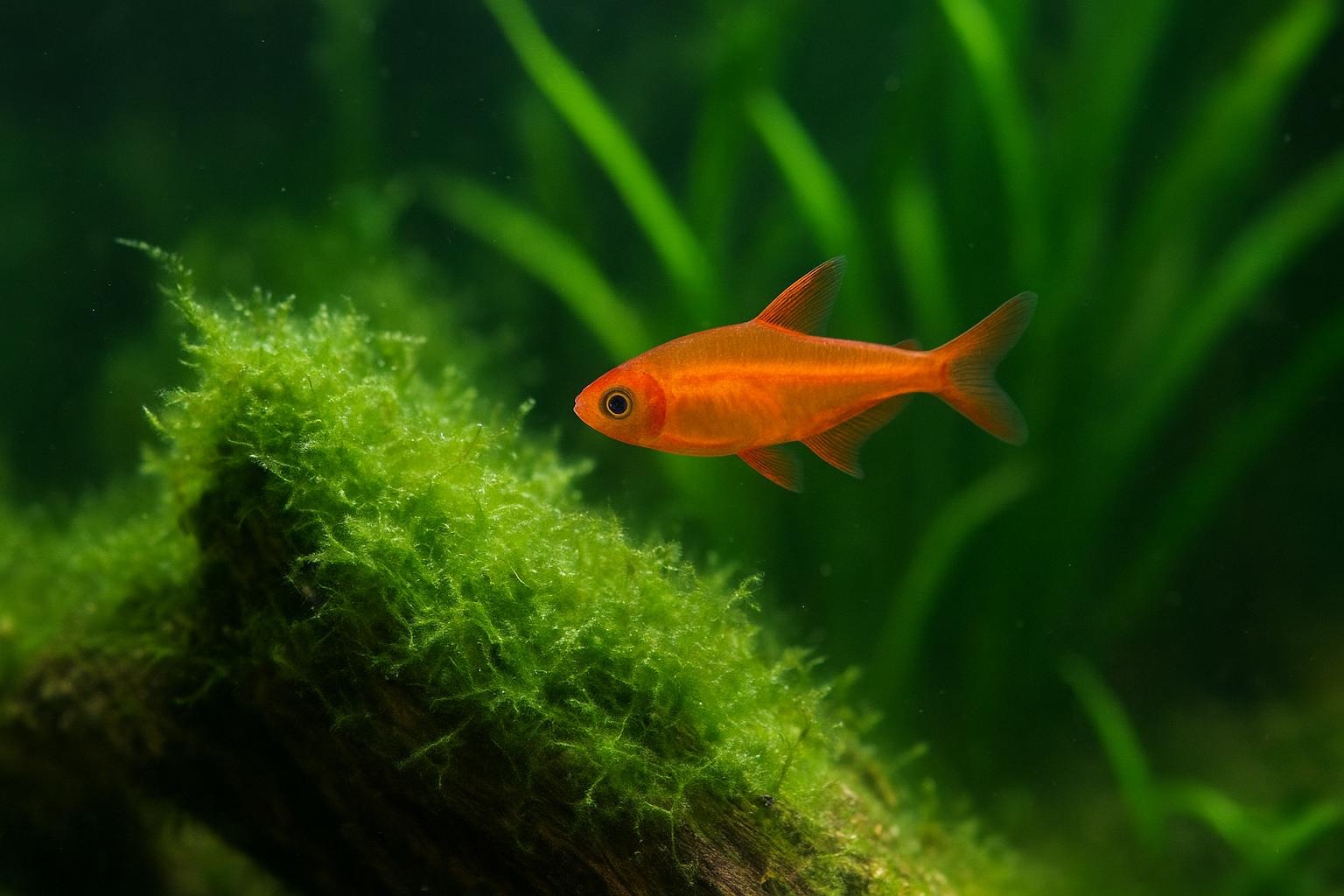
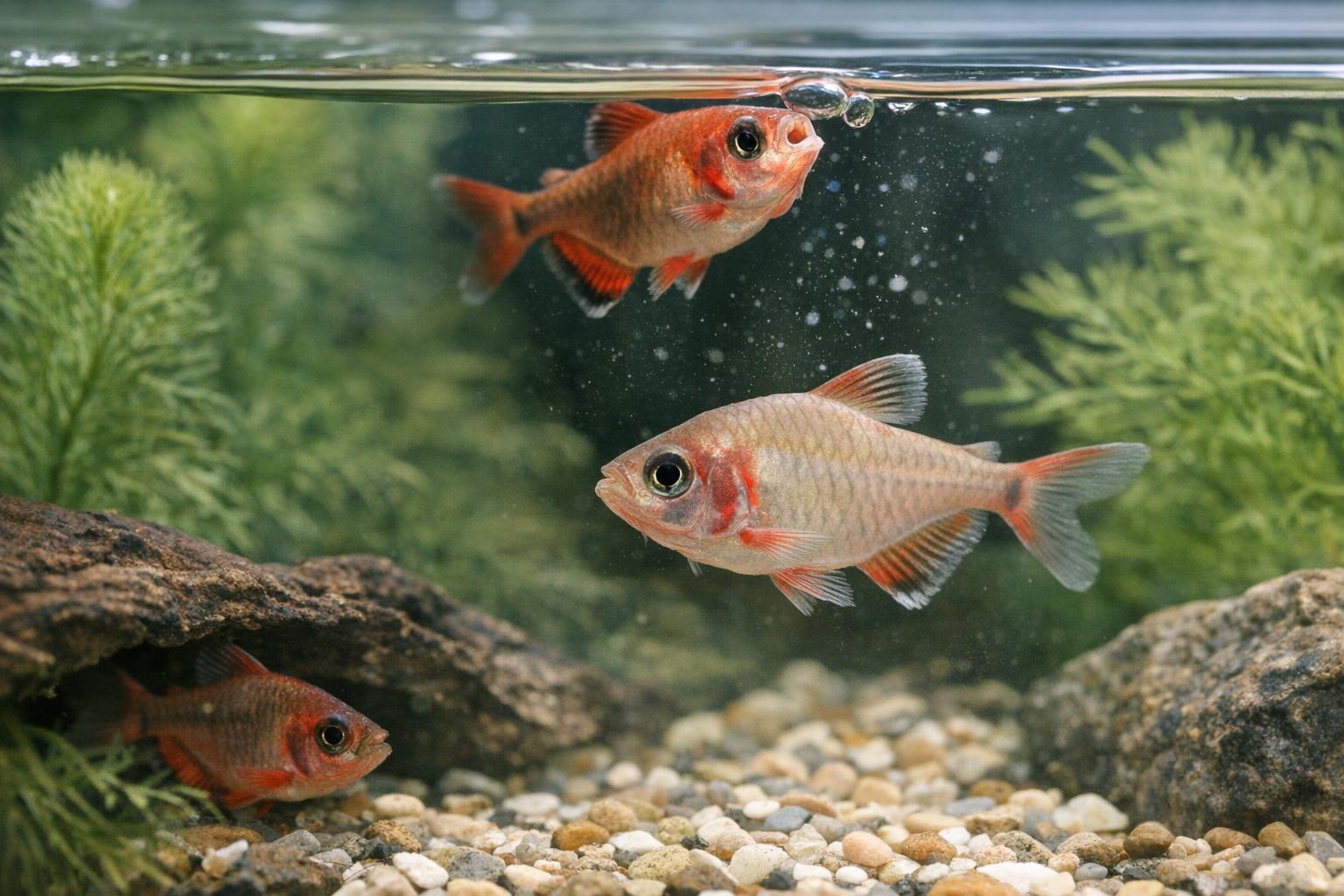
Picking an algae eater fish is more than choosing the cutest sucker-mouth. Different species target different kinds of algae, have varying social needs, and demand specific tank sizes and water conditions.
Algae eater fish options to consider:
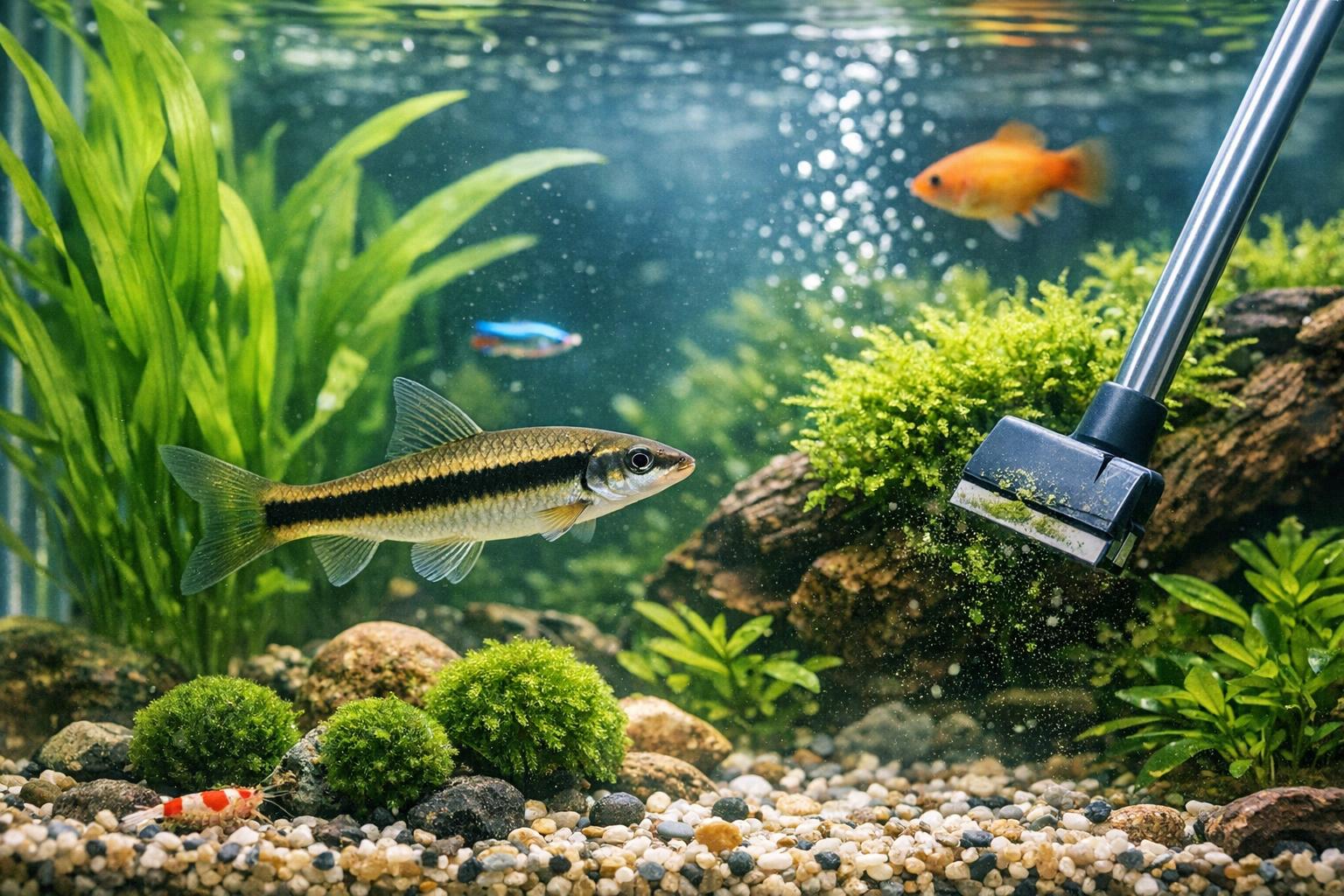
– Otocinclus (small, peaceful, perfect for planted tanks).
– Amano shrimp (not a fish, but excellent; mention later).
– Siamese algae eater (good for larger tanks; may become territorial).
– Bristlenose pleco (compact pleco species that eats soft algae).
– Twig catfish and other loaches (specialized feeders in some setups).
Match species to tank parameters: Otos need stable, high-oxygen water and frequent grazing surfaces. Bristlenose plecos require hiding places and driftwood. Siamese algae eaters prefer larger community tanks and can grow bigger than expected. Every time you say “I’ll just grab one,” remember the long-term commitment: research water temperature, pH, adult size, and companion compatibility before buying.
### How Much Will They Eat And When
Algae eater fish are grazers, not miracle workers. They soften up algae growth and help control film and soft green algae, but they won’t eliminate entrenched issues like high phosphate or excessive light. Expect steady nibbling throughout the day, with peaks after lights-on. Supplement their diet to keep them healthy and prevent them from turning to live plants.
### Compatibility And Tankmates
Some algae eater fish are compatible with shrimp and snails; others may prey on them. Avoid keeping aggressive or very territorial species in small tanks. Pair small Otos with peaceful community fish; larger plecos may upset small schooling fish if you skimp on hiding spots.
## Remedy 1: Natural Grazers (Algae Eater Fish) And Tank Adjustments
When using an algae eater fish as part of an algae-management strategy, a formal approach works best. This remedy focuses on biological control plus husbandry tweaks to make the environment less hospitable to nuisance algae.
Ingredients / Materials Required:
– Properly sized algae eater fish suited to your tank (species chosen after research).
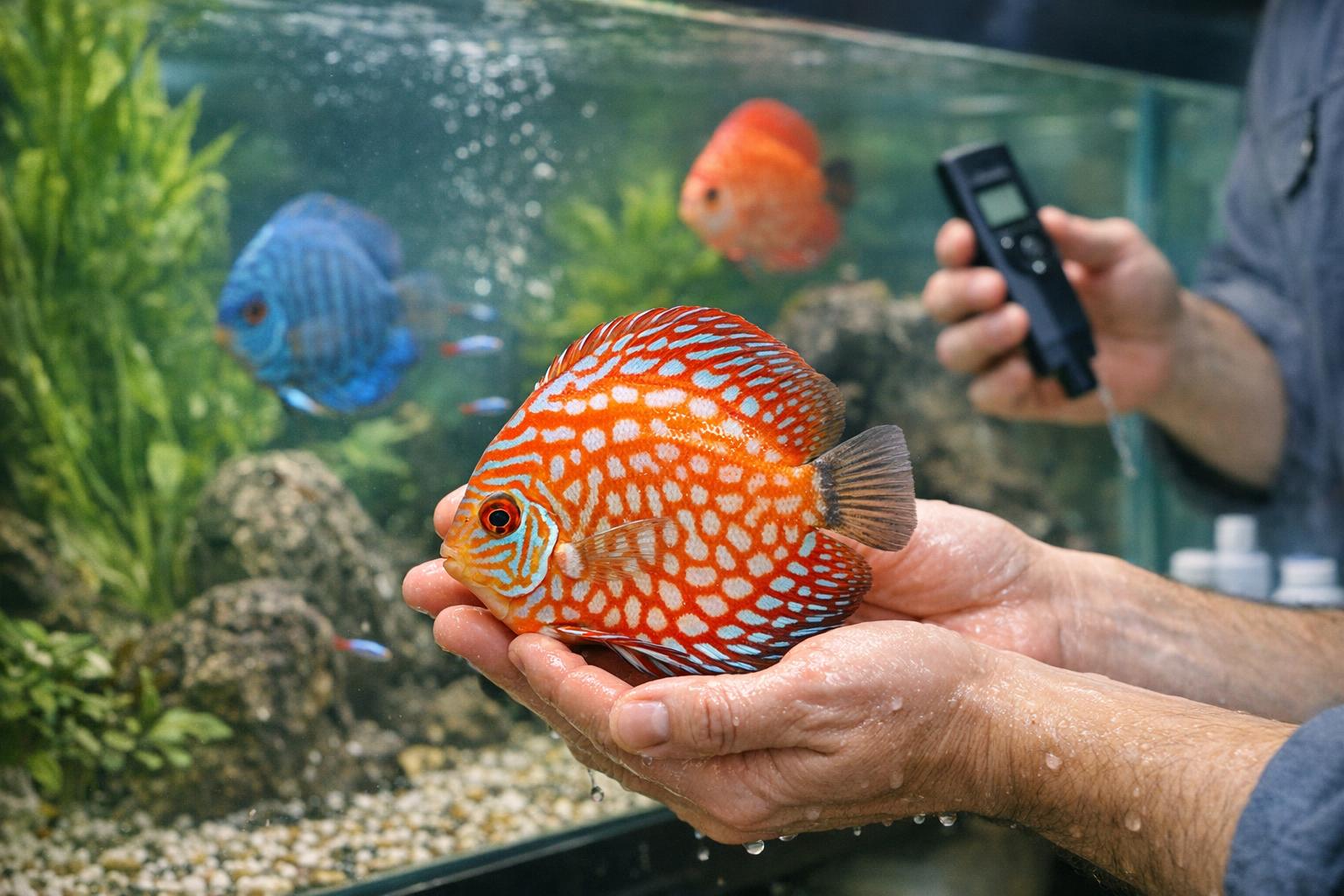
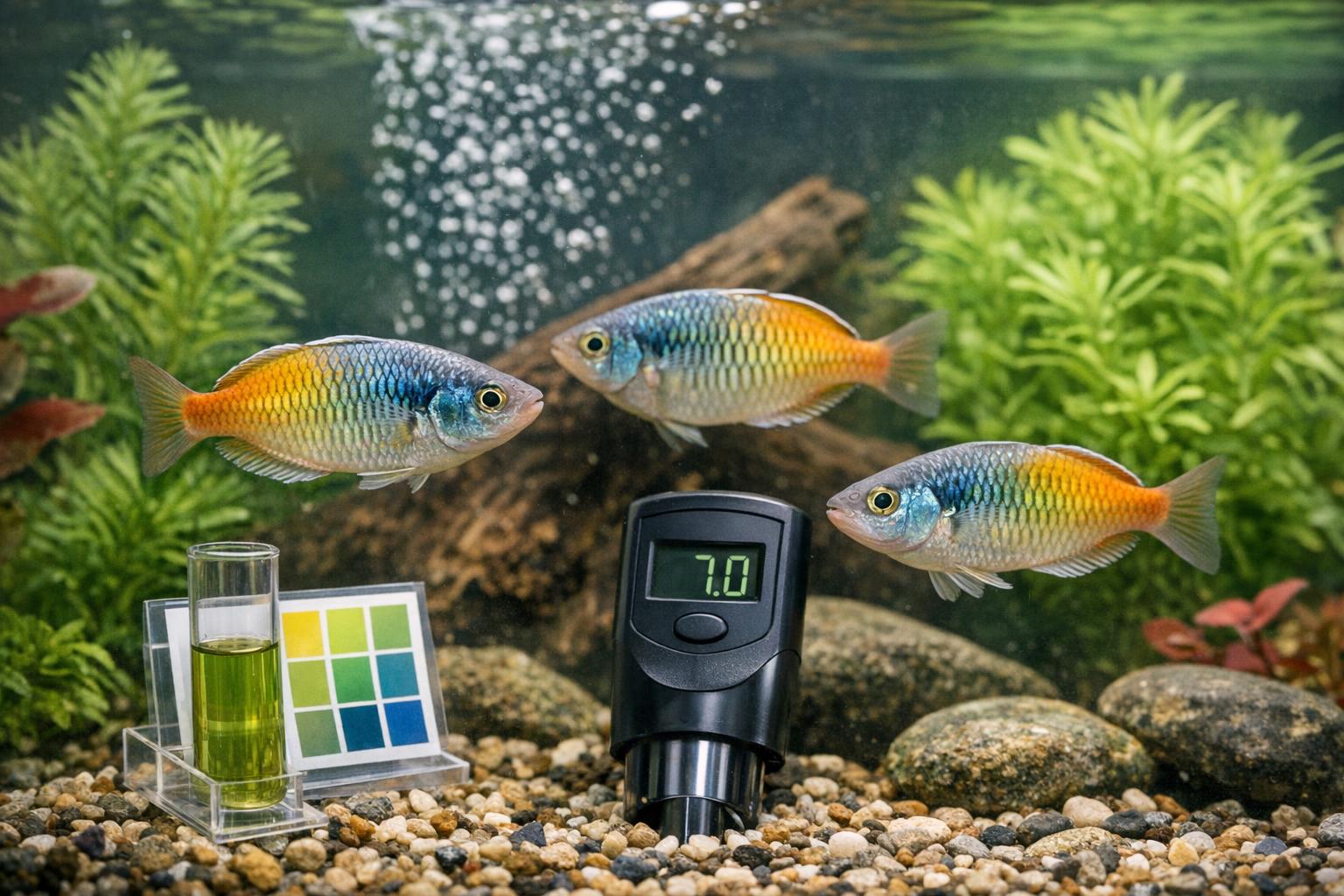
– Water test kit (ammonia, nitrite, nitrate, phosphate).
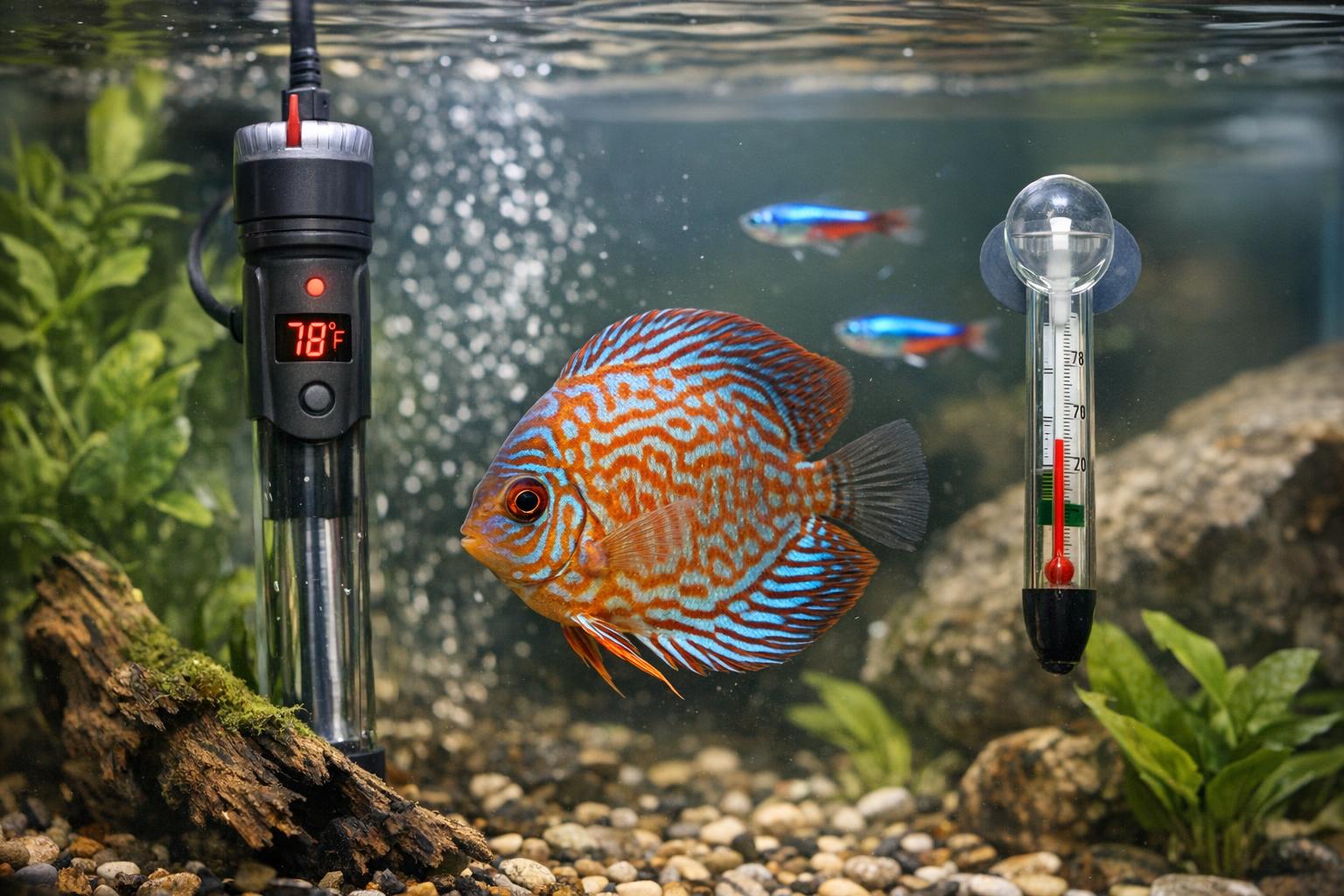
– Aquarium thermometer and heater (if needed).
– Aquarium-safe driftwood or stone surfaces for grazing.
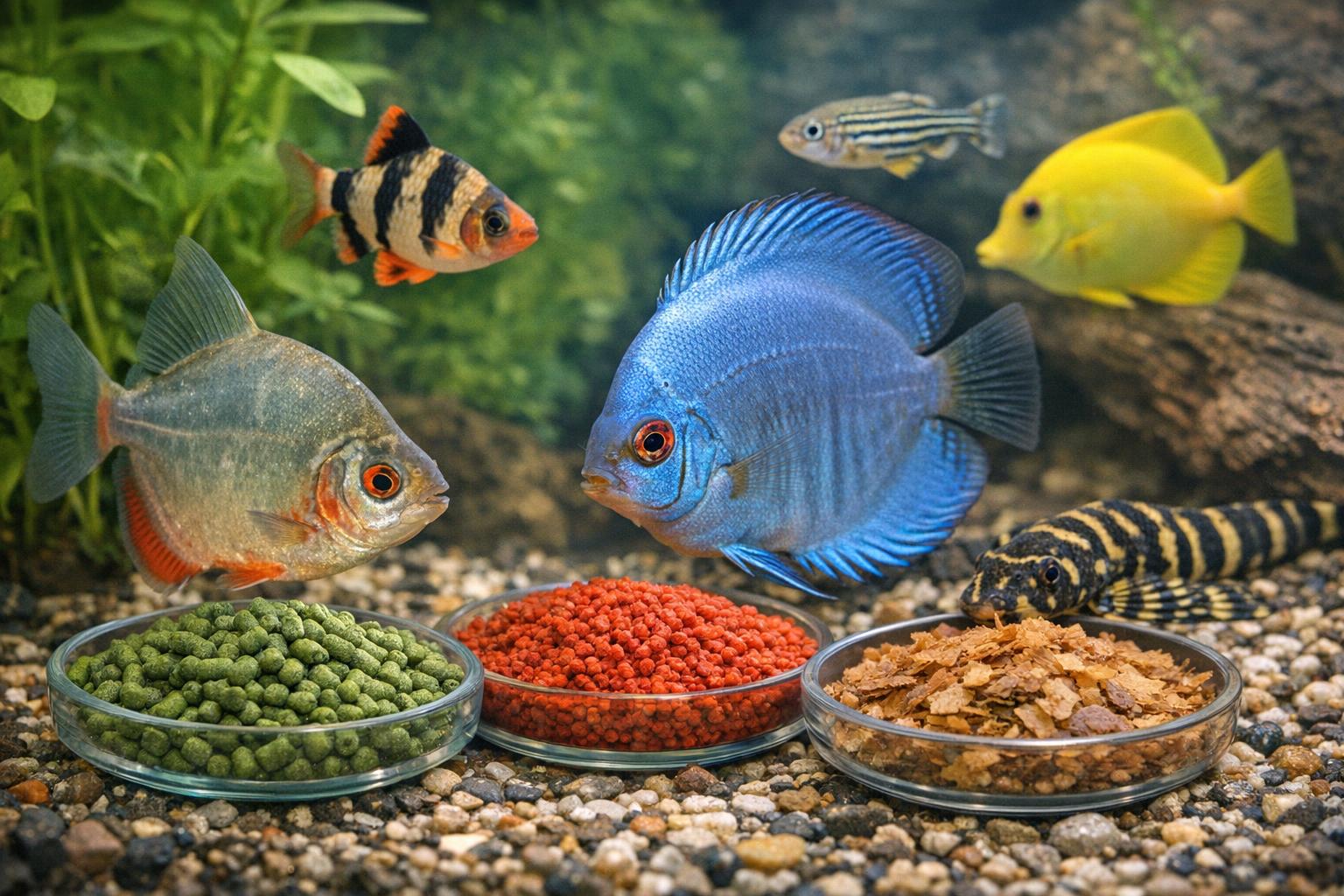
– Supplemental algae wafers or blanched vegetables (zucchini, spinach).
– Plants (fast-growing species like hornwort, water wisteria).
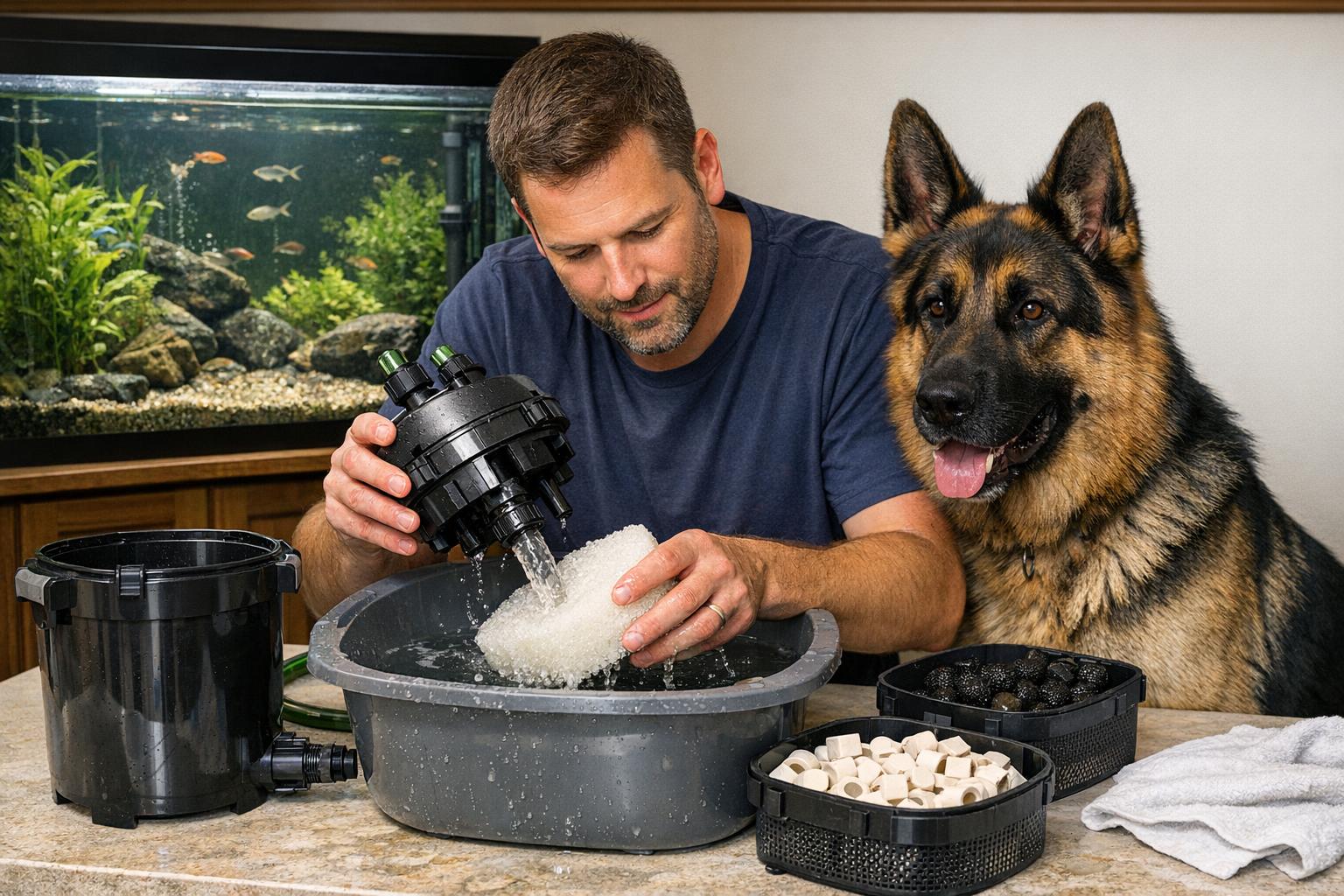
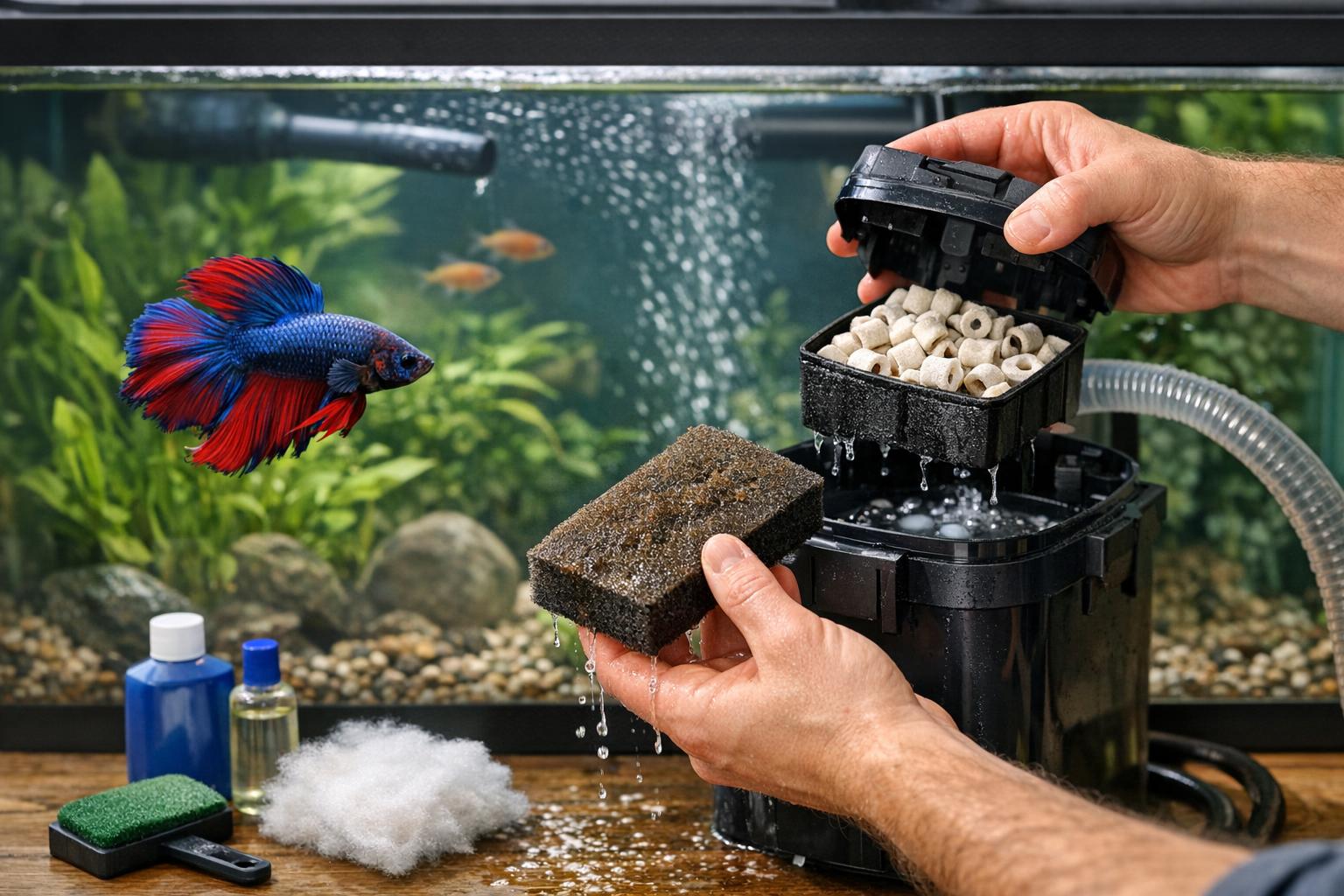
– Sponge or hang-on-filter prefilter media (to reduce particulate nutrients).
Step-by-Step Creation And Application:
1. Test and Record Baseline Water Parameters: Measure ammonia, nitrite, nitrate, and phosphate for one week to establish a baseline. Keep a log.
2. Choose The Right Species: Based on tank size, water chemistry, and existing inhabitants, select an algae eater fish species. Quarantine new arrivals for at least 2 weeks to prevent disease transfer.
3. Prepare Grazing Surfaces: Add driftwood, rocks, or ceramic tiles to give the algae eater fish ample surfaces for grazing. These surfaces also act as supplemental biofilm habitats.
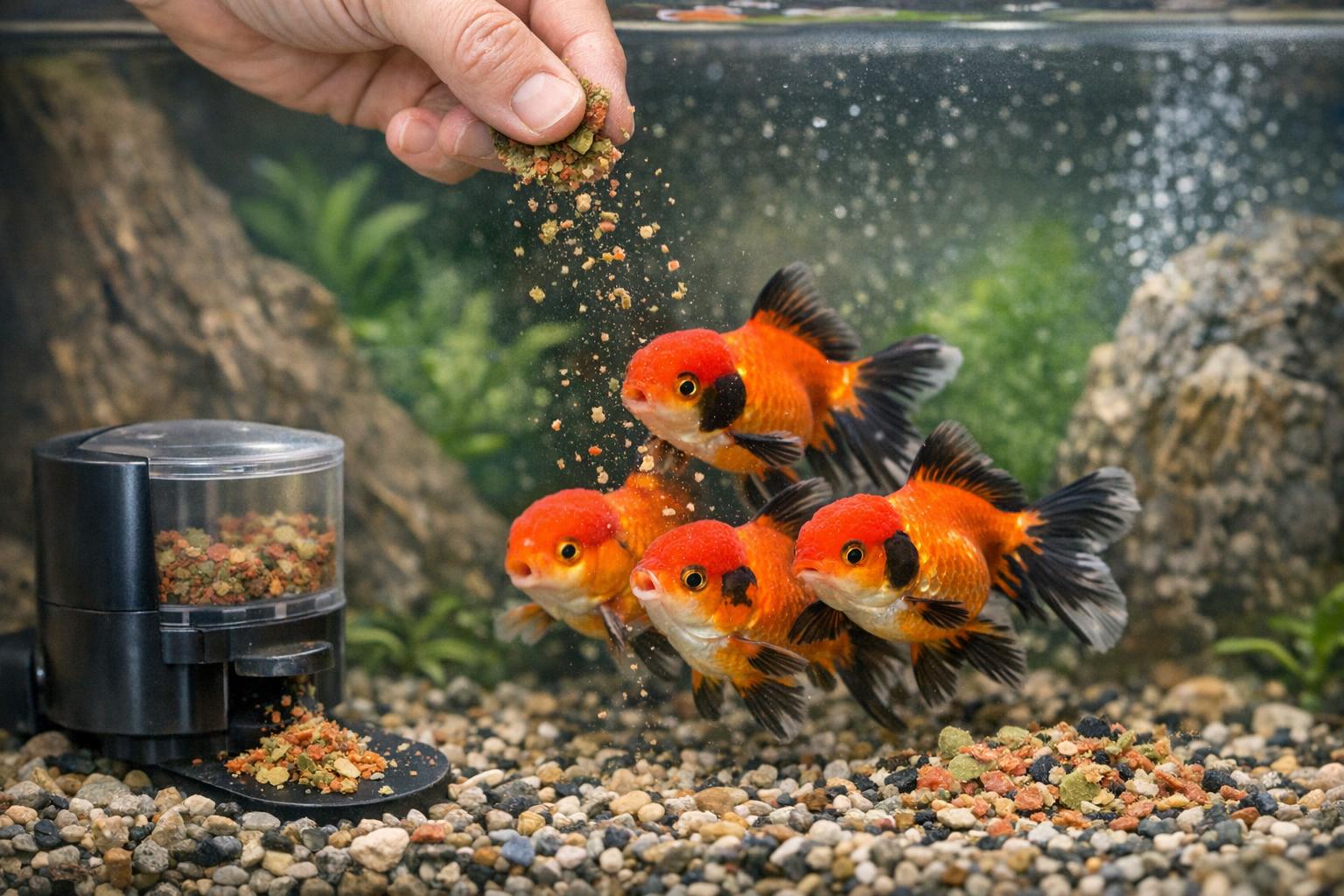
4. Adjust Feeding Regimen: Feed a balanced diet. Provide algae wafers or blanched vegetables 2–3 times per week in addition to regular food. Overfeeding causes algae blooms; remove uneaten food promptly.
5. Optimize Filtration And Flow: Ensure adequate mechanical and biological filtration. Increase water flow slightly if safe for your chosen species to keep oxygen levels high and discourage stagnant algal mats.
6. Plant Competition: Introduce fast-growing plants to outcompete algae for nutrients. Monitor plant health and trim as necessary.
7. Monitor And Maintain: Continue water testing weekly. Perform 20–30% water changes weekly or biweekly depending on nitrate and phosphate levels. If algae reappears, reassess lighting duration and nutrient inputs.
When implemented consistently, this biological strategy—anchored by the algae eater fish—reduces algal pressure while improving overall aquarium stability.
## Remedy 2: Manual And Chemical Controls (When Natural Grazers Aren’t Enough)
Sometimes the algae eater fish and husbandry changes need backup. Use manual removal and targeted, aquarium-safe chemical controls only when necessary and follow exact dosages.
Ingredients / Materials Required:
– Magnetic algae scraper or algae pad.
– Soft toothbrush for spot cleaning.
– Activated carbon (for temporary chemical polishing).
– Phosphate-absorbing resin (if tested phosphate is high).
– Algae-specific treatment (use brand designed for freshwater use only).
– Protective gloves and dosing syringe.
Step-by-Step Creation And Application:
1. Mechanical Removal: Before dosing any chemical, remove as much algae as possible manually. Use a magnetic scraper for glass and a soft toothbrush for plants and decorations.
2. Test Water Parameters: Confirm nitrate and phosphate levels. If phosphate is elevated, pause chemical treatments and address nutrient sources (overfeeding, tap water, decaying organic matter).
3. Use Targeted Chemical Control (If Needed): Choose a freshwater-safe algae treatment designed for the type of algae present (e.g., green spot, hair algae, cyanobacteria). Follow manufacturer dosing instructions exactly. Treat only in well-oxygenated tanks. Remove carbon during treatment, then reintroduce afterward.
4. Apply Phosphate Removers If Required: If phosphate levels remain high despite water changes, install a resin in-line with your filter or place it in a media bag. Replace per product instructions.
5. Post-Treatment Maintenance: After treatments, run activated carbon for 48–72 hours to remove residues. Perform a partial water change and continue close monitoring for the next two weeks.
6. Minimize Repeat Use: Chemical controls are corrective, not preventive. Return to biological and husbandry measures to prevent recurrence.
### When To Avoid Chemical Treatments
Do not use chemical algae killers in heavily stocked or delicate-community tanks (shrimp, sensitive species) unless no other options remain. Chemicals can stress or kill biological filter bacteria and sensitive inhabitants.
## Maintaining A Balanced Aquarium Ecosystem
Biological balance is the long-term answer. An algae eater fish helps, but the tank’s invisible ecosystem—nutrients, light, and bacteria—needs tending.
### Lighting: How Much Is Too Much
Excessive light fuels algae growth. Aim for 6–8 hours of light per day for most planted aquaria. Use a timer. If green algae appear, reduce light by 30–60 minutes and observe for two weeks before changing more.
### Nutrient Management
Algae flourish on nitrates and phosphates. Avoid overfeeding and remove decaying leaves and uneaten food promptly. Regular water changes (20–30% weekly) help maintain low nutrient loads. Consider running a refugium, adding fast-growing plants, or using a small nitrate- or phosphate-removing media if levels are persistently high.
#### Feeding Practices That Help
Feed only what your fish will consume in 2–3 minutes. Split daily portions into smaller feedings to lower leftover waste. When you add an algae eater fish, remember to supplement their grazing with appropriate foods so they aren’t tempted to eat soft plants or become malnourished.
### Monitoring And Routine
Keep a simple log: water tests, feeding amounts, lighting hours, and algae observations. Small trends caught early are easier to correct than full-blown blooms.
## Troubleshooting Common Problems With Algae Eater Fish
If your algae eater fish is not looking healthy or the algae is persisting, check common pitfalls:
– Wrong water parameters for the species (soft vs. hard water, temperature).
– Inadequate grazing surfaces or hiding spots.
– Overcrowded tank—stress reduces grazing.
– Poor diet—supplement with suitable vegetables and wafers.
– Misidentified algae—some species (like many green spot algae) resist grazing and need manual or chemical attention.
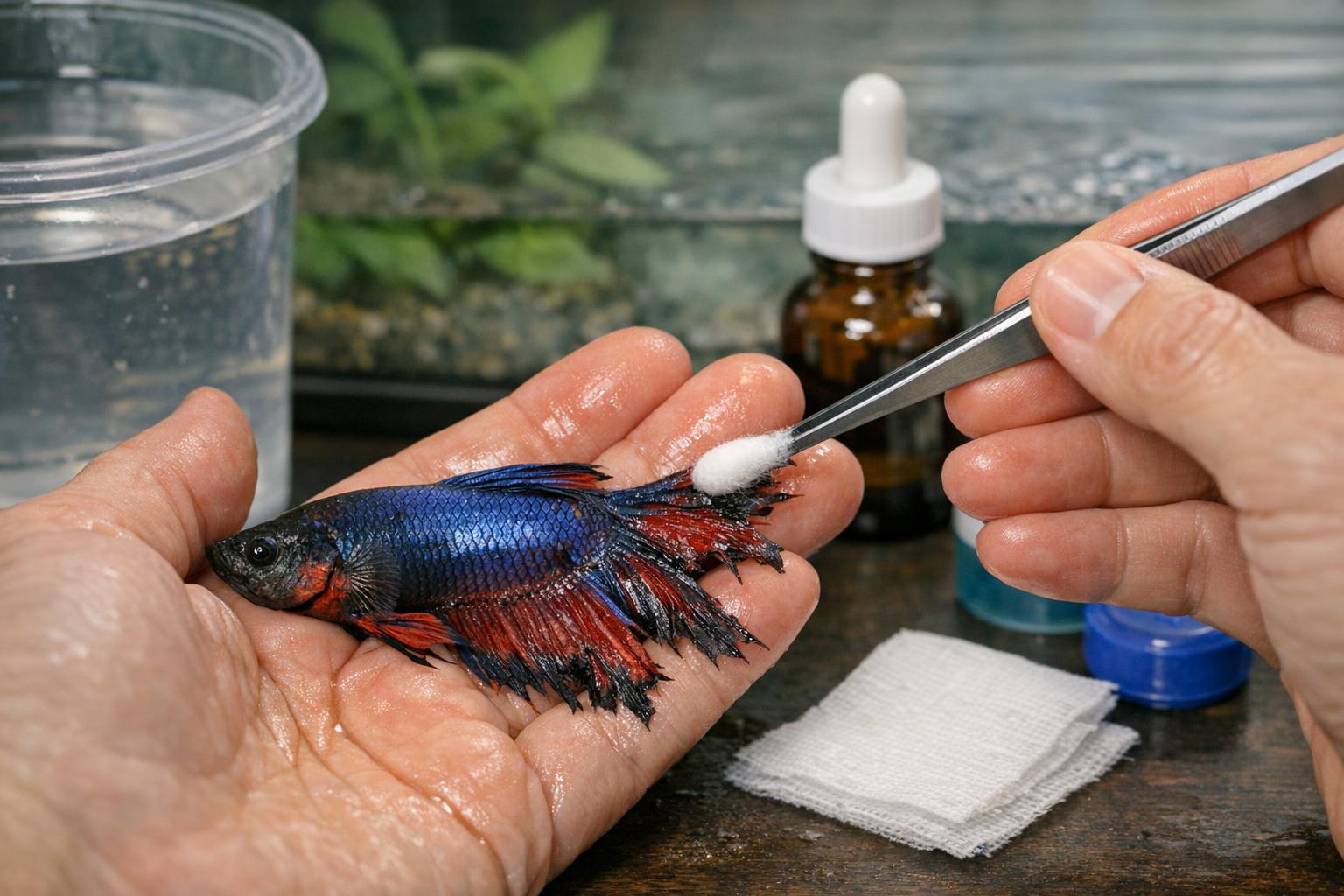
If you see unusual behavior—lethargy, not eating, clamped fins—pull water for testing, review recent changes, and consider a short quarantine for new additions.
A well-informed purchase, careful matching of species to tank conditions, and steady maintenance will let your algae eater fish be the helpful little janitor you hoped for—without turning your tank into a nature documentary where algae always win.






























Leave a Reply