
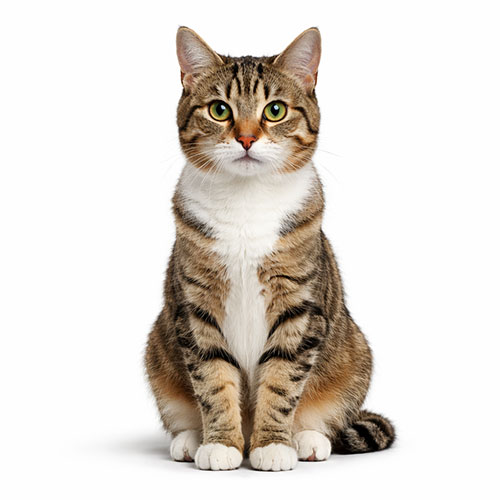


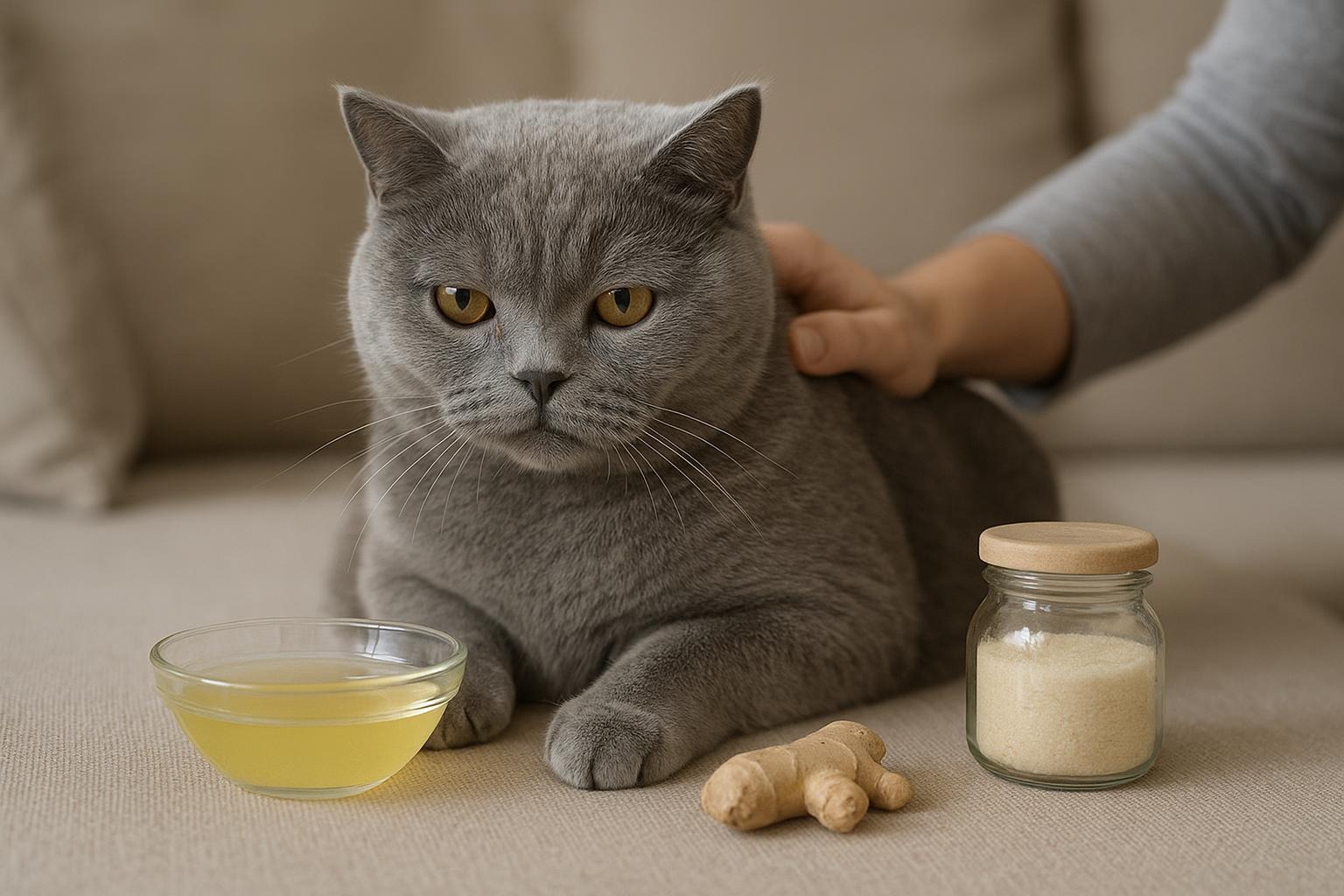
A warm sunbeam, a lazy purr, and the quiet choreography of whiskers—cats carry a little storm of fur inside them. Sometimes that storm wants out, and what follows is the rueful, rattling business of a cat hairball. For many felines and their humans, the hunt for gentle, reliable home remedies becomes an act of care as tender as fluffing a favorite blanket. Below are creative, practical, and vet-aware approaches you can safely try at home to ease your cat’s upset stomach and help move or prevent a troublesome cat hairball.
## Remedy 1: Pumpkin Paste For Cat Hairball Relief
### Ingredients Or Materials
– 1 tablespoon plain canned pumpkin (not pumpkin pie filling)
– 1 teaspoon extra-virgin olive oil or fish oil (for palatability and lubrication)
– A small bowl and spoon
– Optional: 1/4 teaspoon pureed cooked chicken for picky eaters
### Step-By-Step Creation And Application
1. Measure 1 tablespoon of plain canned pumpkin into the small bowl.
2. Add 1 teaspoon of extra-virgin olive oil or a high-quality fish oil and stir until well combined. The oil provides a mild lubricant; the pumpkin offers gentle fiber to bulk and move ingested hair through the digestive tract.
3. If your cat is hesitant, fold in a tiny amount of pureed cooked chicken to increase appeal.
4. Offer the mixture on a clean fingertip or mixed into a tablespoon of your cat’s regular wet food. Monitor to ensure the cat consumes the full dose.
5. Repeat once daily for up to three days. If your cat shows improvement (less gagging, reduced retching), continue routine preventive use as recommended below. Discontinue and consult a veterinarian if vomiting persists or if there is any sign of distress, lethargy, or reduced appetite.
## Remedy 2: Olive Oil Dosage Method To Encourage Passage
### Ingredients Or Materials
– 1 teaspoon extra-virgin olive oil (small cats) or 1–2 teaspoons (larger cats)
– Syringe without needle or a treat-coated spoon
– Towel for gentle restraint if necessary
### Step-By-Step Creation And Application
1. Confirm no known sensitivities to olive oil. Use a high-quality culinary olive oil only.
2. For small cats or kittens, measure 1 teaspoon; for medium to large adult cats, measure up to 2 teaspoons.
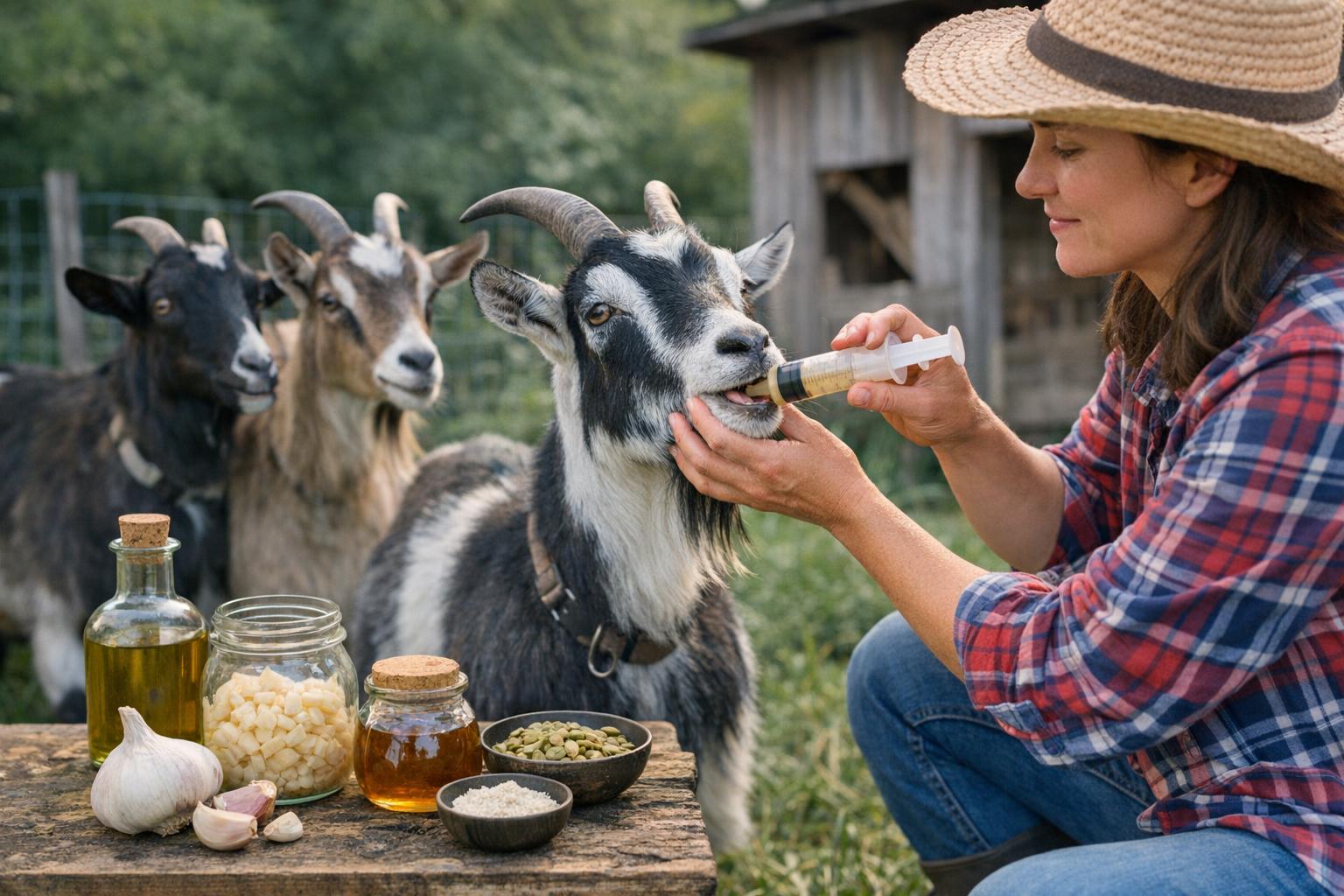
3. If administering via syringe, draw the oil into the syringe and gently place at the side of the cat’s mouth, allowing the cat to swallow. Avoid forcing oil into the throat; keep movements calm and slow.
4. Alternatively, coat a small treat or a spoon with the oil and offer it for voluntary consumption.
5. Administer once in a 24-hour period. Observe stools for softer consistency and for the passage of the hairball. Do not exceed recommended frequency without veterinary guidance.
6. If symptoms escalate or the cat displays signs of abdominal pain, stop oil administration and contact your veterinarian immediately.
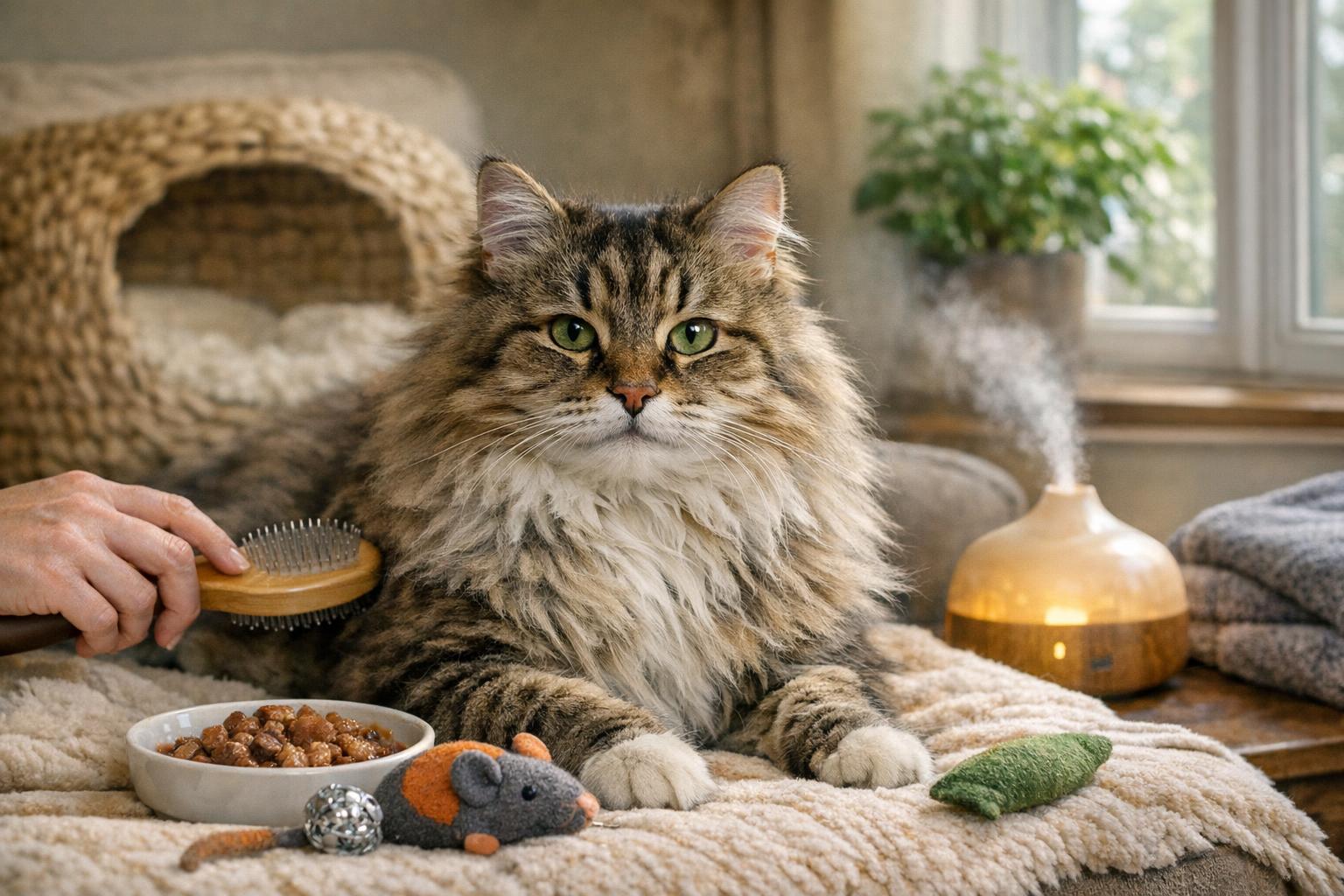
## Remedy 3: Routine Brushing Protocol To Prevent A Cat Hairball
### Tools And Materials
– Slicker brush or fine-toothed comb suited to your cat’s coat length
– Soft rubber grooming mitt for sensitive areas
– Treats for positive reinforcement
– Schedule (chart or app reminder)
### Step-By-Step Creation And Application
1. Select the correct grooming tool for your cat’s coat—slicker brushes for medium to long hair, fine-toothed combs for short hair; a rubber mitt can lift loose undercoat without irritating skin.
2. Begin with short, calm sessions: 3–5 minutes daily. Increase frequency if your cat tolerates longer grooming sessions.
3. Focus on the areas with the most shedding (flanks, base of tail) and be gentle around sensitive zones.
4. Remove collected fur from the brush and dispose of it rather than leaving it accessible to the cat.
5. Pair grooming sessions with a small treat afterward so your cat associates brushing with pleasant outcomes. Regular grooming reduces the amount of fur swallowed and therefore the frequency of a cat hairball forming.
### When To Adjust Frequency
– Increase brushing to twice daily during seasonal shed cycles.
– For long-haired cats, incorporate a full grooming session several times per week.
– Kittens may require shorter, more frequent sessions to build tolerance.
## Holistic Dietary Supports For Hairball Management
Cats fed exclusively dry kibble often have lower moisture intake and less dietary fiber, both factors that can influence hairball formation. Consider these dietary adjustments as part of a preventive approach:
– Introduce a high-moisture wet food once or twice daily to improve digestion and intestinal transit.
– Offer a veterinary-formulated hairball control diet if recommended by your vet; these diets contain a measured increase in soluble fiber to help move ingested hair through the gut.
– Supplementation (only under veterinary guidance): a small, measured dose of a veterinary-grade fiber supplement or a cat-specific lubricant gel can be used periodically to reduce recurrence of a cat hairball.
### Practical Implementation Tips
Introduce diet changes gradually over 7–10 days to minimize stomach upset. Monitor fecal consistency and appetite; revert to previous feeding if adverse signs develop. Keep fresh water available at all times, and consider a cat fountain to encourage drinking.
### Safety Precautions And Contraindications
– Never give human laxatives, mineral oil, or petroleum-based products; these can be toxic or cause aspiration pneumonia if vomited.
– Avoid administering multiple home remedies simultaneously without guidance—overlapping oils and fiber supplements can disrupt digestion and caloric balance.
– If your cat shows persistent vomiting, bloody stool, abdominal distension, lethargy, or refuses food for 24 hours, treat these as red flags and seek immediate veterinary attention. Persistent blockage from a cat hairball can be an emergency.
### Veterinary Guidance And When To Seek Help
If you try the above home measures and your cat continues to gag, retch, or has reduced bowel movements, consult a veterinarian promptly. A professional exam may include abdominal palpation, X-rays, or ultrasound to determine whether a hairball is passing or if a dangerous gastrointestinal obstruction is present. In cases of impaction, medical or surgical intervention may be required; do not delay.
### Managing Chronic Hairball Tendency
For cats with recurring cat hairball episodes, develop a long-term plan with your veterinarian that may include:
– A tailored grooming schedule managed by you or a professional groomer.
– Long-term diet strategies and periodic use of vet-approved hairball pastes or lubricants.
– Evaluation for underlying dermatologic or behavioral causes of excessive grooming leading to increased ingestion of hair.
## Recognizing The Difference Between Normal And Concerning Behavior
It’s common for cats to cough or retch occasionally during hairball discharge. However, note these concerning signs:
– Repeated, non-productive retching with no hairball expelled.
– Acute changes in behavior, such as hiding, reluctance to move, or fever.
– Visible distress, hunched posture, or inability to pass stool.
If you observe any of the above, contact your veterinarian without delay. These may indicate an obstructive cat hairball or other serious gastrointestinal condition.
### Additional Home Comfort Measures
– Provide elevated, warm resting spots so your cat can relax digestive muscles after meals or grooming.
– Keep a calm, stable routine during recovery from any upset stomach episode; stress can compound gastrointestinal symptoms.
– Use pet-safe enzymatic cleaners to remove fur clumps from common areas to limit re-ingestion.
Playful imagery of a cat tidying its whiskers can soften the worry of a single episode, but consistent care and informed remedies are the true balm. Implement the above remedies carefully, respect dosing and safety notes, and partner with your veterinarian to keep your feline companion cozy, purring, and free of repeated cat hairball woes.










Leave a Reply