



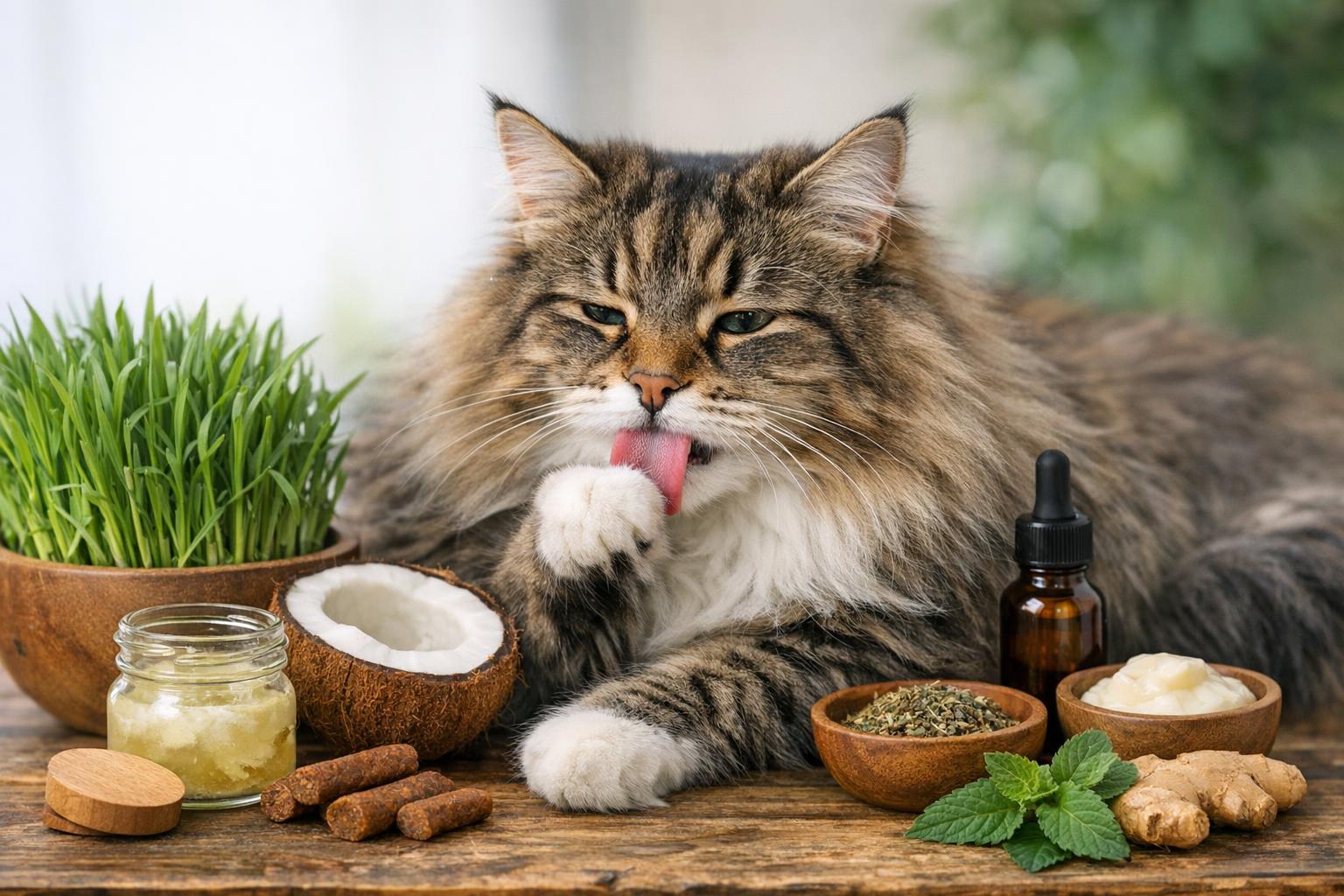
If your cat ruffles itself into a chewy little fur biscuit and leaves it where you least expect it, you’re not alone — hairballs are a common, if messy, part of life with feline friends. Fortunately, there are gentle, natural approaches that can help with hairball relief for cats without resorting immediately to commercial gels or aggressive treatments. This article walks through why hairballs happen, practical daily habits, and three numbered natural remedies you can try at home — all with clear ingredients and step-by-step instructions.
## Why Hairballs Happen And What To Watch For
Cats are meticulous groomers. As they lick, loose fur gets trapped in the mouth, swallowed, and moves through the digestive tract. Most of it passes in stool, but some accumulates in the stomach and becomes a hairball that gets regurgitated. Long-haired breeds, heavy shedders, and cats with fastidious grooming routines are most likely to produce hairballs.
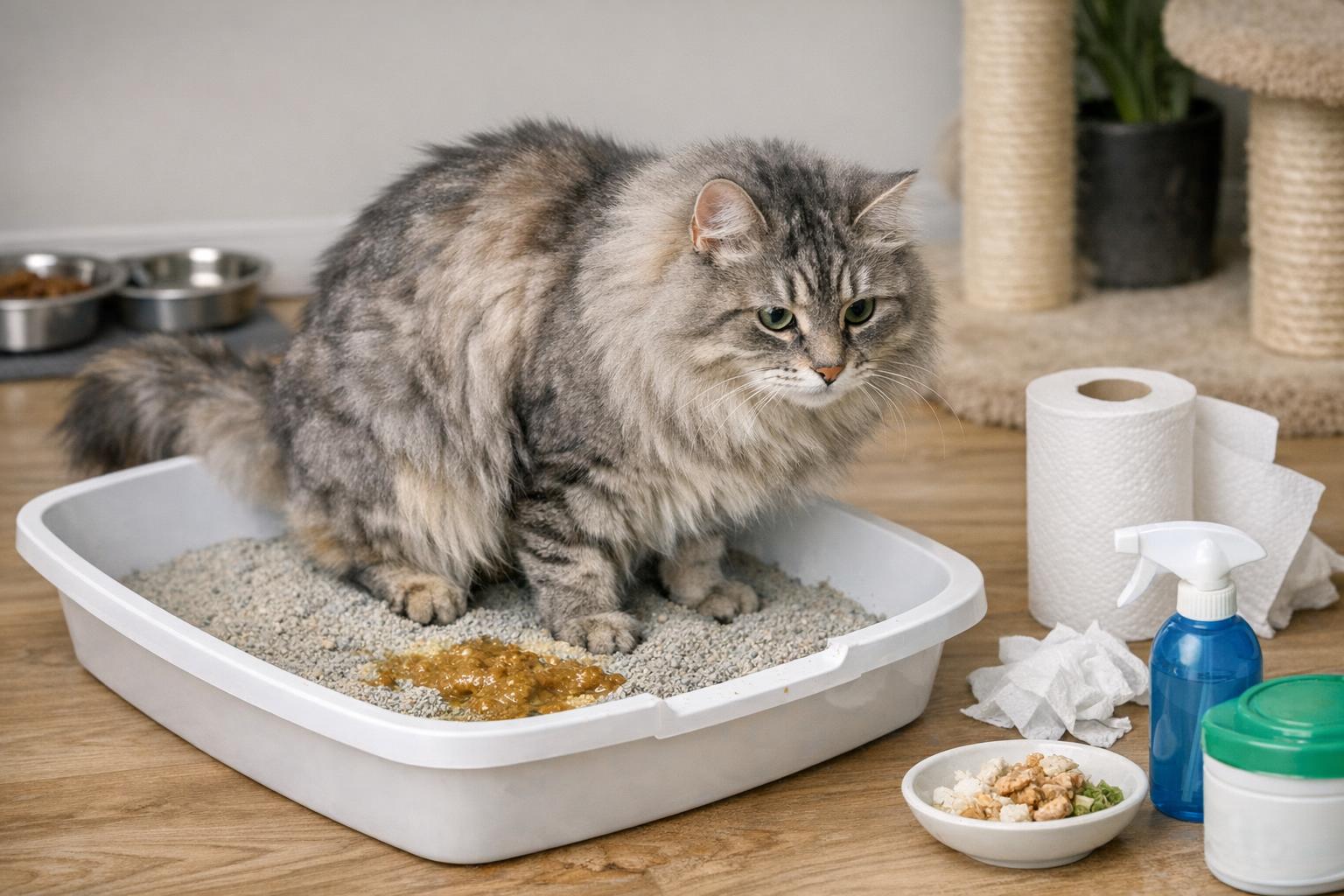
Typical signs that you’re dealing with a hairball problem include repeated hacking or retching, visible fur in vomit, reduced appetite, constipation, or a change in litter-box habits. Occasional hairball expulsion is normal, but frequent episodes or signs of distress mean it’s time to act — and to consider targeted hairball relief for cats.
## Hairball Relief For Cats: 3 Natural Remedies
Below are three safe, natural remedies you can use at home. Each remedy includes materials or ingredients and step-by-step instructions for creation and application. When following any new regimen, introduce changes gradually and consult your veterinarian if your cat has underlying health issues or is on medication.
### 1. Grooming Routine To Reduce Swallowed Hair
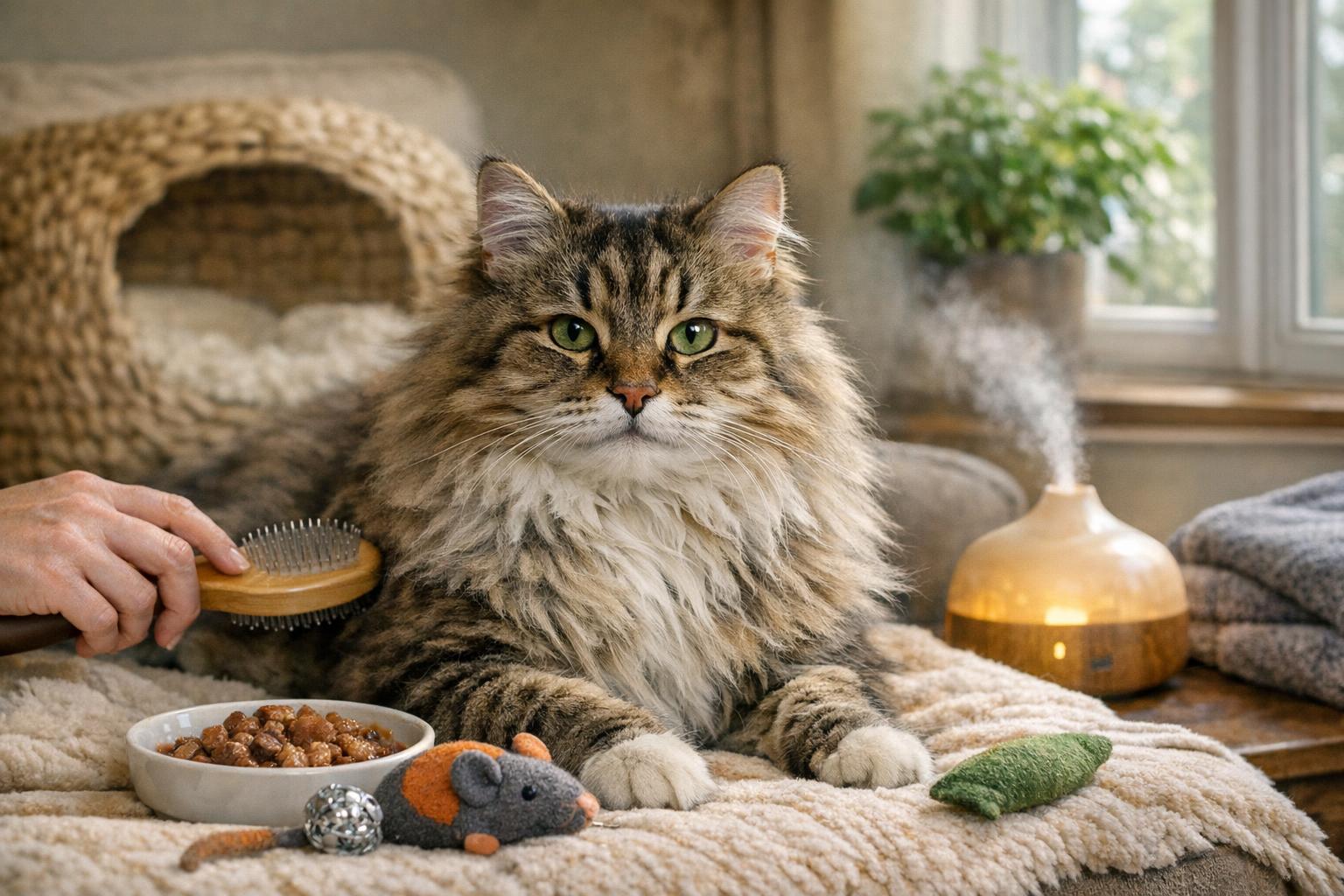
Grooming is the first and most effective line of defense for hairball relief for cats. Regular removal of loose hair reduces how much your cat swallows.
#### Materials
– Soft bristle brush or a de-shedding tool appropriate for your cat’s coat
– Rubber grooming mitt (optional)
– Towel (to wrap a nervous cat)
– Treats for positive reinforcement
#### Steps
1. Pick a calm time when your cat is relaxed. Offer a treat and gentle praise to set a positive tone.
2. Start with short sessions (2–5 minutes) and increase to 10–15 minutes a few times per week for long-haired cats.
3. Use long, gentle strokes in the direction of hair growth. If using a de-shedding tool, don’t press hard; let the blade do the work.
4. Remove collected fur from the tool often to avoid re-depositing it on the cat.
5. If your cat dislikes brushes, try a rubber grooming mitt; many cats perceive it as petting and tolerate it better.
6. Dispose of fur away from the cat’s environment so it won’t be re-ingested.
Notes: Consistent grooming reduces the amount of fur available to accumulate into hairballs and helps you bond with your cat — plus fewer tumbleweeds rolling across the living room.
### 2. Canned Pumpkin Fiber Mix (Dietary Remedy)
Increasing soluble fiber helps hair move through the gut rather than forming a mat in the stomach. Plain canned pumpkin (not pumpkin pie filling) is a safe, natural source of soluble fiber and is well tolerated by most cats.
#### Ingredients
– Plain canned pumpkin (100% pumpkin)
– Your cat’s usual wet food (or a small portion to mix the pumpkin into)
– Measuring spoon
#### Steps
1. Start small: add 1/4 teaspoon of plain canned pumpkin to your cat’s wet food once daily.
2. Monitor stool consistency for 48–72 hours. If stools are normal and your cat tolerates the pumpkin, increase to 1/2 to 1 teaspoon per day for an average adult cat.
3. Continue daily as needed for hairball relief for cats. Some cats do well with pumpkin several times per week rather than daily.
4. If diarrhea or soft stools occur, reduce or stop and consult your veterinarian.
5. For kittens or very small cats, halve the starting amounts and consult your vet before regular use.
Formal notes: Plain canned pumpkin is a source of soluble fiber that can improve gastrointestinal transit time. Avoid sweetened or spiced varieties. Always monitor hydration and stool quality when altering fiber intake.
### 3. Coconut Oil Lubricant (Occasional Use)
A small amount of edible coconut oil can act as a gentle lubricant to help hair pass through the digestive tract. This is an occasional aid, not a daily staple, because of the fat content.
#### Ingredients
– Virgin (unrefined) coconut oil
– Measuring spoon
– Small dish or spoon for serving
#### Steps
1. Begin conservatively: offer 1/8 teaspoon of coconut oil mixed into a small portion of wet food or on a spoon once per week.
2. Observe your cat’s response for 24–48 hours. If stools remain normal and there is no vomiting, you may increase to 1/4 teaspoon once or twice weekly for an adult cat.
3. If your cat refuses it on a spoon, mix the oil into a bit of wet food to mask texture.
4. Do not exceed the recommended amounts; excessive fat can cause gastrointestinal upset or contribute to pancreatitis in predisposed cats.
5. If you notice diarrhea, vomiting, or changes in appetite, discontinue immediately and contact your veterinarian.
Formal notes: Coconut oil is a dietary fat that can act as a mild lubricant. Because it is calorie-dense and can affect stool consistency, use it sparingly and under veterinary guidance for cats with metabolic issues or a history of pancreatitis.
## Daily Habits That Support Long-Term Hairball Relief For Cats
Small daily changes can make a big difference. Feed higher-moisture diets (canned food or adding water to dry food) to keep the gut moving; increased hydration supports healthy digestion and stool passage. Consider rotating in a veterinarian-recommended hairball-formula food for cats that have persistent issues; those recipes usually include extra fiber and lubricants formulated specifically for feline digestion.
Encourage light activity: play sessions help stimulate the gut and reduce hair accumulation. Keep litter boxes clean and watch stool patterns — a sudden change can be the first sign that hair is causing a blockage.
## When To See The Vet About Hairballs
Occasional hairballs are normal, but persistent retching, repeated unsuccessful vomiting, loss of appetite, lethargy, weight loss, or constipation lasting more than 24–48 hours require veterinary attention. An intestinal blockage is a medical emergency.
If you try the natural remedies above and don’t see improvement within a few weeks, or if you’re unsure about dosing or interactions with medications, consult your veterinarian. They may recommend a commercial hairball paste, medicated diet, or diagnostics (X-rays, ultrasound) if obstruction is suspected. Properly applied, natural options often provide effective hairball relief for cats while keeping your home fur-bounty-free.
A little regular grooming, a dab of dietary fiber, and cautious, occasional lubrication can go a long way toward managing hairballs — and give you more time to enjoy your cat’s purring and less time to pick up surprise woolly souvenirs.








Leave a Reply