


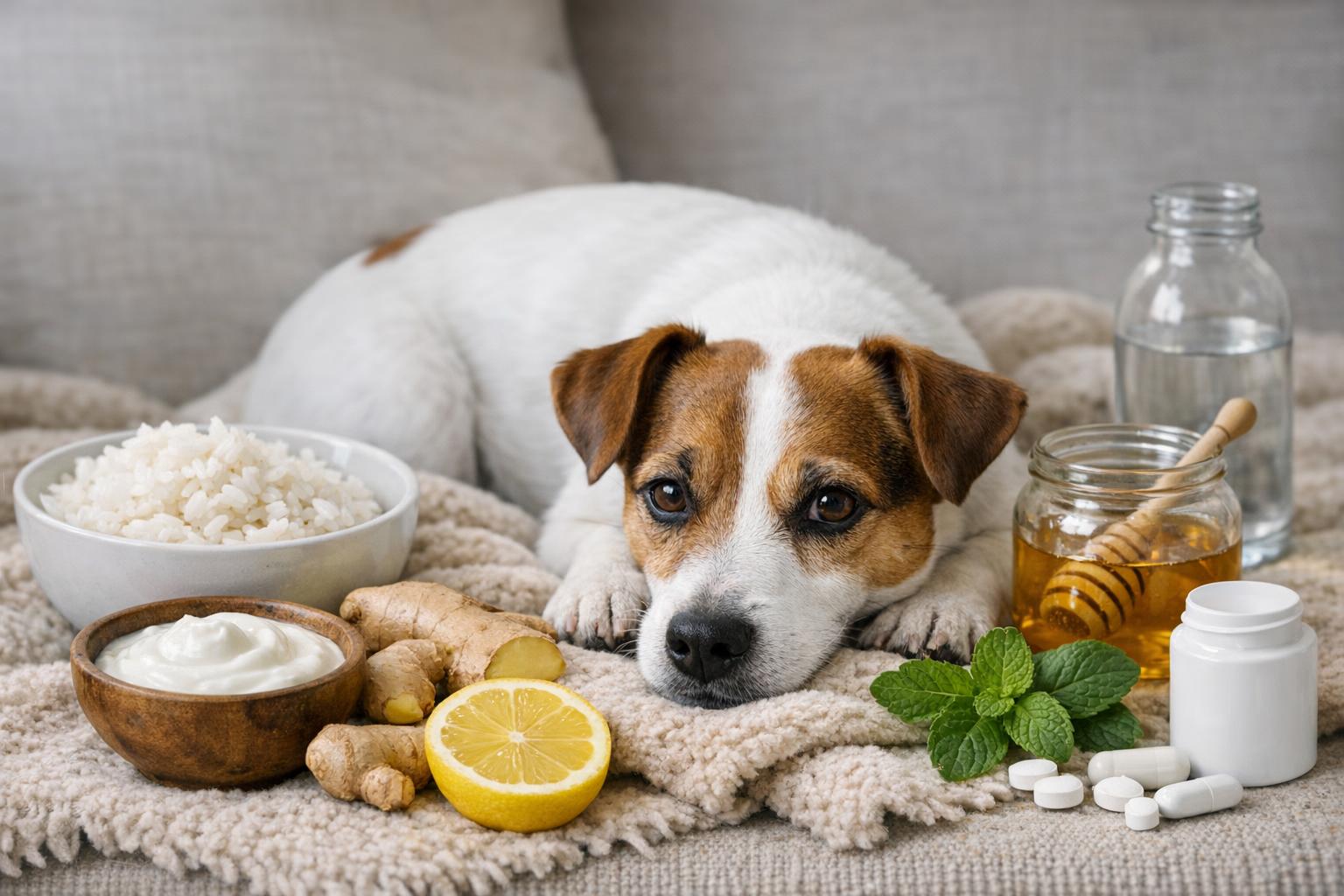
## 5 Quick DIY Remedies For What Helps A Dogs Upset Stomach
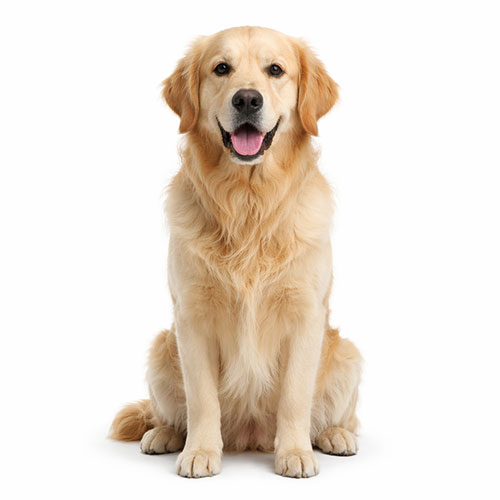
If you’ve Googled what helps a dogs upset stomach at 2 a.m. while your pup contemplates another dramatic hunch over the water bowl, you’re not alone. Upset tummies in dogs are common — from minor diet upsets to more concerning issues — and there are several safe, gentle home remedies you can try before (or while) you call the vet. I’ll keep things relaxed and a bit friendly, but when we get to the actual remedies I’ll be more formal and specific so you can follow directions confidently.
### Common Causes Of A Dog’s Upset Tummy
Dogs get tummy troubles for lots of reasons: sudden diet changes, eating garbage or table scraps, food sensitivities, stress, infections, parasites, or even swallowing non-food items. Knowing the likely cause helps pick the best remedy. If your dog has severe vomiting, bloody diarrhea, lethargy, repeated retching, or signs of pain, contact your veterinarian immediately — these can be signs of serious illness.
### When To Call The Vet
Knowing when to escalate is part of learning what helps a dogs upset stomach. Call your vet right away if you see:
– Persistent vomiting or diarrhea for more than 24 hours
– Blood in vomit or stool
– Signs of dehydration (dry gums, reduced skin elasticity)
– Weakness, collapse, or severe abdominal pain
– A puppy, senior, or dog with other health conditions
Now for the practical stuff. Below are five safe, evidence-informed, and easy-to-make remedies. Follow the ingredient lists and step-by-step instructions. If your dog is on medication or has a chronic condition, check with your vet first.
### 1. Bland Diet Fast (Fast Then Reintroduce)
Ingredients / Materials
– Plain boiled white rice
– Plain boiled skinless, boneless chicken breast (no seasoning or oils)
– Clean bowls and a spoon
Creation And Application
1. Stop feeding for 8–12 hours for adult dogs (shorter for puppies — consult vet). This gives the gut a rest. Always provide fresh water to avoid dehydration.
2. After the fast, offer a small portion (about 1–2 tablespoons for small dogs, 1/4–1/2 cup for medium, 1–1.5 cups for large) of plain boiled white rice mixed with shredded plain chicken.
3. Feed this bland meal 2–3 times over 24–48 hours, monitoring stool and vomiting. If improving, gradually mix in their regular food over 2–3 days.
4. If symptoms worsen or do not improve within 48 hours, contact your veterinarian.
Notes: The bland diet reduces digestive workload and helps firm stools. Avoid fatty foods, dairy (except a tiny amount of plain yogurt for some dogs — see below), and rich human foods.
### 2. Canned Pumpkin Puree (Not Pumpkin Pie Filling)
Ingredients / Materials
– Plain canned 100% pumpkin puree (no sugar, spices, or additives)
– Measuring spoons
Creation And Application
1. For constipation or mild diarrhea, give an amount based on size: 1 teaspoon–1 tablespoon per 10 pounds of body weight, once or twice daily. For example, a 30-lb dog might get 1–3 teaspoons.
2. Mix into their food or offer directly. Pumpkin adds fiber, which helps normalize stool consistency and soothes the gut lining.
3. Use for up to a few days, monitoring stool. If diarrhea contains blood or if there’s no improvement in 48 hours, seek veterinary care.
Safety: Pumpkin is safe and widely used for digestive support, but avoid spiced or sweetened varieties.
### 3. Bone Broth For Hydration And Healing
Ingredients / Materials
– Raw beef or chicken bones (no cooked bones)
– Water
– Optional: small piece of ginger (see caution), carrot, celery (optional)
– Large pot or slow cooker
– Fine strainer
Creation And Application
1. Place bones in a pot, cover with water, and simmer gently for 12–24 hours (use a slow cooker set low if preferred). Add a splash of apple cider vinegar to help extract minerals.
2. Strain broth through a fine sieve and chill. Remove any fat layer that solidifies on top; too much fat can worsen diarrhea.
3. Offer broth warm (not hot) in small amounts to encourage hydration and soothe the stomach: 1–3 tablespoons for small dogs, up to 1/2 cup for larger dogs, several times daily.
4. Use in place of water temporarily or mix a small amount into bland food.
Notes: Bone broth is supportive but should be fat-degreased. Do not give cooked bones.
### 4. Plain Yogurt Or Canine Probiotic (Use Carefully)
Ingredients / Materials
– Plain, unsweetened yogurt with active cultures or a veterinarian-recommended canine probiotic
– Measuring spoon
Creation And Application
1. For mild digestive disturbance, give a small amount of plain yogurt: approximately 1 teaspoon–1 tablespoon depending on dog size.
2. If using a probiotic, follow manufacturer or vet dosing. Can help restore beneficial gut bacteria after upset or antibiotic use.
3. Introduce probiotics for a short course (3–7 days) and observe stool consistency.
Caution: Some dogs are lactose intolerant; if yogurt worsens gas or diarrhea, discontinue immediately. Prefer dog-specific probiotics when possible.
### 5. Ginger Water (For Mild Nausea Only)
Ingredients / Materials
– Fresh ginger root or ginger powder
– Boiling water
– Measuring spoon and cup
Creation And Application
1. Steep a small slice of fresh ginger (about 1/2 inch) in 1 cup of boiling water for 10 minutes. Cool thoroughly and discard solids.
2. Offer a teaspoon (small dogs) to a tablespoon (large dogs) of the cooled liquid. Repeat up to 3 times daily if it helps reduce nausea.
3. If ginger causes stomach upset or worsens symptoms, stop use.
Cautions: Ginger can interact with blood-thinning medications—avoid if your dog is on such drugs. Only use small, occasional doses.
### How These Remedies Help And When They Don’t
If you’re trying to decide what helps a dogs upset stomach right now, think hydration first, then gentle foods, then supportive supplements. The bland diet and pumpkin regulate the GI tract, broth helps hydration and mucosal healing, probiotics restore flora, and ginger can calm nauseous dogs. These approaches are for mild, short-lived issues. Red flags like persistent vomiting or blood require urgent care.
#### Tips For Safe Home Care
– Always keep fresh water available and monitor intake. Dehydration is the most urgent risk.
– Introduce any new food slowly and in small quantities.
– Avoid human OTC anti-nausea drugs; never give aspirin, ibuprofen, acetaminophen, or other human meds unless directed.
– Record frequency and character of vomiting/diarrhea to report to your vet.
– Keep trash, toxic plants, and small objects out of reach — prevention is the best remedy.
#### Monitoring And Follow-Up Steps
If you use these tips and still wonder what helps a dogs upset stomach after 24–48 hours, write down what you gave, how often, and any change in behavior or stool. That information helps your vet assess the situation more quickly. For puppies, elderly dogs, or those with chronic disease, don’t delay contacting a veterinary professional.
One last friendly reminder: home remedies are helpful for many mild problems, but they aren’t a replacement for veterinary care when things look serious. If you’re ever unsure, a quick call to your vet can save a lot of worry and keep tails wagging.




Leave a Reply