




Hello there — if you’re reading this, you probably care about your dog’s smile (or you were curious what that mysterious dog-breath smell was). Periodontal problems are one of the most common health issues dogs face, so it’s great you’re looking for sensible, safe ways to help.
## What Is Periodontal Gum Disease In Dogs?
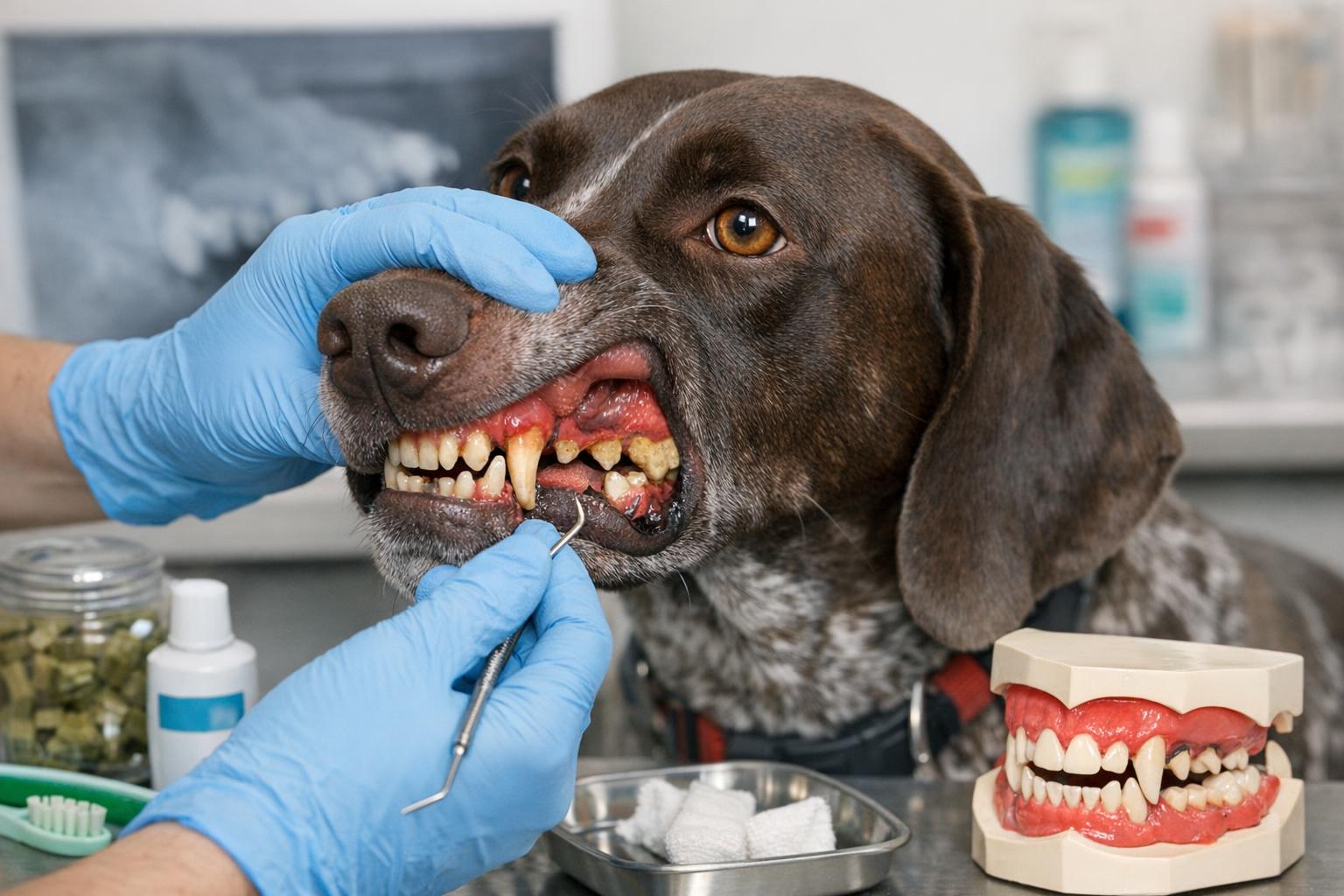
Periodontal gum disease in dogs is the progressive inflammation and infection of the tissues that hold teeth in place. It starts as plaque (that fuzzy stuff you can scrape off with your fingernail) and can harden into tartar. Over time bacteria migrate below the gumline, causing gingivitis, pocketing, and eventually bone loss and loose teeth if left untreated.
Signs you might notice include bad breath, reddened or bleeding gums, reduced appetite, pawing at the mouth, visible tartar, and loose or missing teeth. If you suspect periodontal gum disease in dogs, an early check by your veterinarian can save a lot of future discomfort and expense.
### Why Dogs Get It
Several contributors make periodontal gum disease in dogs so common:
– Bacteria build-up from food and saliva.
– Poor or no regular dental cleaning.
– Breed predispositions (small breeds commonly have tighter jaw spacing that traps debris).
– Age — the older the dog, the higher the risk.
– Underlying immune or metabolic issues that reduce oral defense.
### Stages To Watch For
– Stage 1: Gingivitis — gum redness, maybe slight bleeding.
– Stage 2: Early Periodontitis — pocket formation, early bone loss.
– Stage 3: Moderate Periodontitis — more bone loss, possible tooth mobility.
– Stage 4: Advanced Periodontitis — severe bone loss, pain, systemic infection risks.
## How To Recognize Early Signs
Early detection is the best chance for home care and prevention. Look for:
– Breath that smells unusually strong or foul.
– Gums that appear swollen, red, or bleed during gentle brushing.
– Visible tartar buildup on the tooth surface.
– Reluctance to chew crunchy toys or food.
– Changes in eating behavior or facial sensitivity.
If you’re not sure whether what you see is normal, take a photo and compare it to previous pictures — dogs love showing their teeth, so you might already have a reference. If photos show progressive changes, document it and bring it to your vet.
## 3 Natural Remedies For Periodontal Gum Disease In Dogs
These remedies are for mild, early-stage periodontal gum disease in dogs or as supportive care after professional treatment. They are not substitutes for veterinary dental cleanings when bone loss or infection is present. If your dog has loose teeth, swelling, or ongoing pain, please prioritize veterinary care.
### Remedy 1: Daily Brushing With An Enzymatic Toothpaste
Daily mechanical cleaning is the single best home tactic.
Ingredients / Materials
– Dog-safe enzymatic toothpaste (commercial; do not use human toothpaste).
– Soft-bristled dog toothbrush or finger brush.
– Healthy treats for positive reinforcement.
Creation And Application — Step By Step
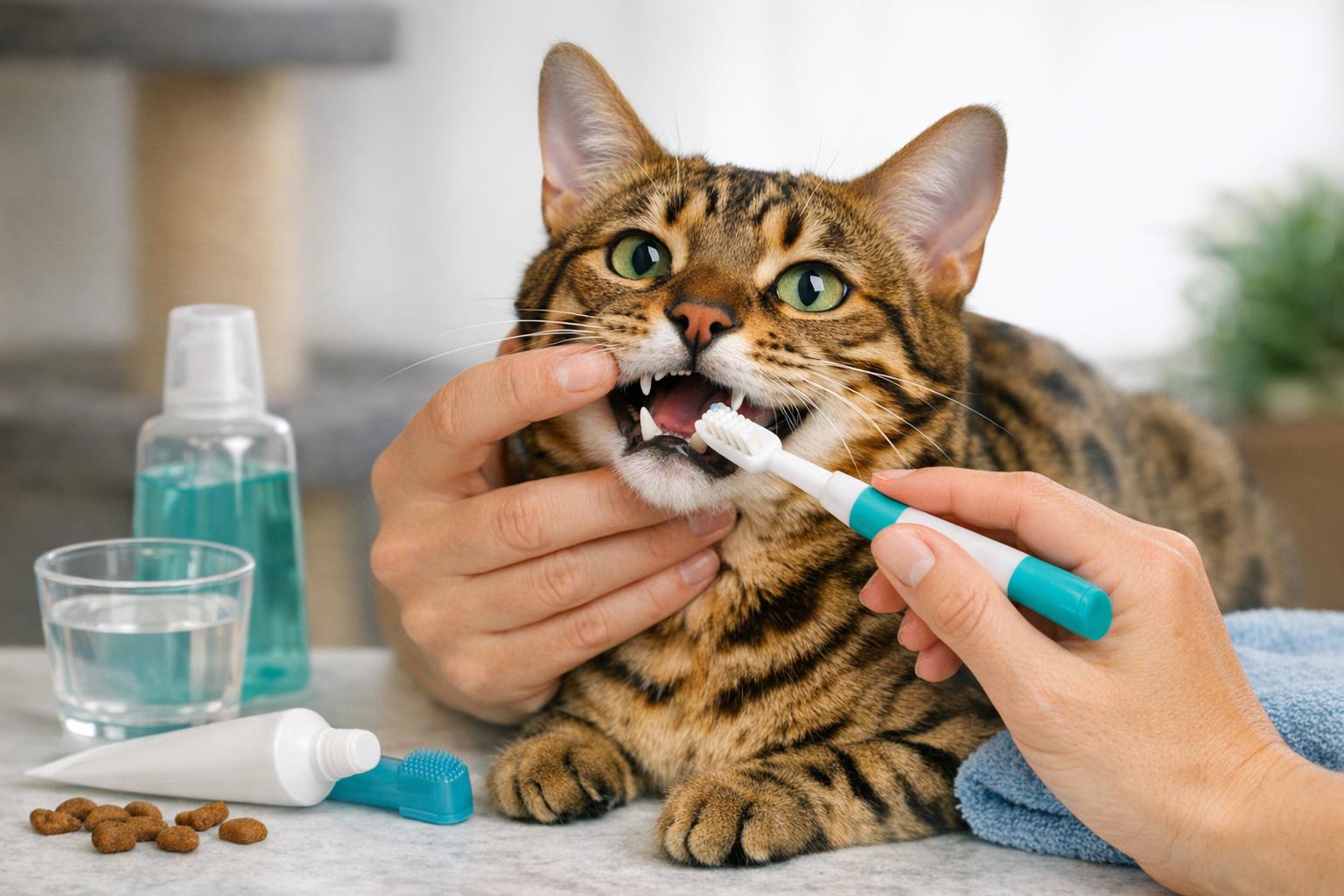
1. Introduce Slowly: Let your dog sniff the toothpaste. Offer a tiny lick as a reward to create a pleasant association.
2. Position Comfortably: Sit beside your dog on the floor or a stable surface. Keep the mood calm and upbeat.
3. Apply Toothpaste: Put a pea-sized amount on the brush or finger brush.
4. Brush Gently: Hold lips away from teeth and use small circular motions, focusing on the outside surfaces where plaque builds most. Spend about 30–60 seconds per side if possible.
5. Reward: Give a treat and praise. Repeat once daily, gradually working up to more complete coverage.
Notes: Enzymatic toothpastes break down plaque proteins and are safe to swallow. Brushing mechanically disrupts the biofilm and is more effective than rinses alone. For dogs that resist brushing, start with very short sessions and build up.
### Remedy 2: Soothing Herbal Oral Rinse (Chamomile + Green Tea)
A gentle oral rinse can reduce bacterial load and soothe irritated gums. This should be used as an adjunct to brushing.
Ingredients / Materials
– 1 chamomile tea bag (or 1 teaspoon dried chamomile flowers).
– 1 green tea bag (antioxidant, mild antibacterial).
– 1 cup boiling water.
– Clean syringe (without needle) or spray bottle for application.
– Refrigeration-safe container.
Creation And Application — Step By Step
1. Brew: Steep chamomile and green tea together in 1 cup boiling water for 8–10 minutes. Cooler, longer steeping extracts more beneficial compounds.
2. Cool & Strain: Allow to cool completely to room temperature, then strain if using loose herbs.
3. Store: Keep in refrigerator up to 48 hours. Use only chilled or room-temp liquid.
4. Apply: Gently squirt small amounts around the gumline using a syringe (0.5–2 ml per quadrant) once or twice daily after brushing. Alternatively, lightly spray the solution into the mouth from a safe distance.
5. Observe: If your dog dislikes the taste, reduce use. Stop if you see increased irritation or adverse reactions.
Notes: Avoid adding salt, alcohol, or essential oils. This rinse is intended to soothe and reduce surface bacteria; it does not replace professional scaling when pockets and tartar have formed below the gumline.
### Remedy 3: Homemade Anti-Inflammatory Dental Treats
Crunchy chews that mechanically abrade plaque, plus anti-inflammatory ingredients, can help maintain gum health when used regularly.
Ingredients / Materials
– 1 cup oat flour (or finely ground oats).
– 1/2 cup plain pumpkin puree (not pumpkin pie filling).
– 2 tbsp coconut oil (solid at room temp).
– 1 tbsp fresh chopped parsley (breath-freshening).
– 1/2 tsp turmeric (anti-inflammatory) — optional and low dose.
– Baking sheet and oven.
Creation And Application — Step By Step
1. Preheat Oven: Set to 325°F (160°C).
2. Mix Dry Ingredients: Combine oat flour and turmeric in a bowl.
3. Add Wet Ingredients: Stir in pumpkin and coconut oil until dough forms. Fold in parsley.
4. Shape: Roll into small chew-sized discs or use a cookie cutter. Flatten slightly to increase crunch.
5. Bake: Place on baking sheet and bake 18–25 minutes until firm and lightly browned.
6. Cool & Store: Let cool completely. Store in an airtight container for up to 7 days or freeze for longer storage.
7. Use: Offer as part of daily dental routine — not as a substitute for brushing. Supervise chewing and adjust size to your dog’s breed to prevent choking risk.
Notes: Turmeric at small amounts is generally safe; avoid if your dog is on blood-thinning medication without vet approval. These treats support frictional cleaning and add anti-inflammatory compounds to the diet.
### Practical Tips For Application And Safety
#### When To Avoid Home Remedies
– Dogs with loose teeth, visible pus, facial swelling, or persistent pain should not be treated at home — these signs may indicate advanced infection requiring veterinary care.
– If your dog has systemic illness or is on immunosuppressive therapy, check with your vet before introducing herbal or dietary remedies.
#### Frequency And Monitoring
– Brushing: Aim for daily. If that’s impossible, 3–4 times weekly still helps.
– Rinse: Use 1–2 times daily as an adjunct.
– Treats: Use sparingly (treats should not exceed 10% of daily calories).
– Reassess every 2–4 weeks: track gum color, breath, and tartar progression. Left untreated, periodontal gum disease in dogs can progress to systemic effects like kidney, liver, or heart strain.
### When To See Your Veterinarian
If you notice persistent bleeding, bad-smelling discharge, loose teeth, weight loss, drooling, or a reluctance to eat, schedule a veterinary appointment. Professional dental cleaning under anesthesia may be necessary to remove subgingival calculus and perform periodontal therapy. Early intervention yields the best outcomes.
If you’re unsure whether a home remedy will help your dog’s specific situation, call your vet — better to ask than to guess when it comes to teeth and mouths.













Leave a Reply