






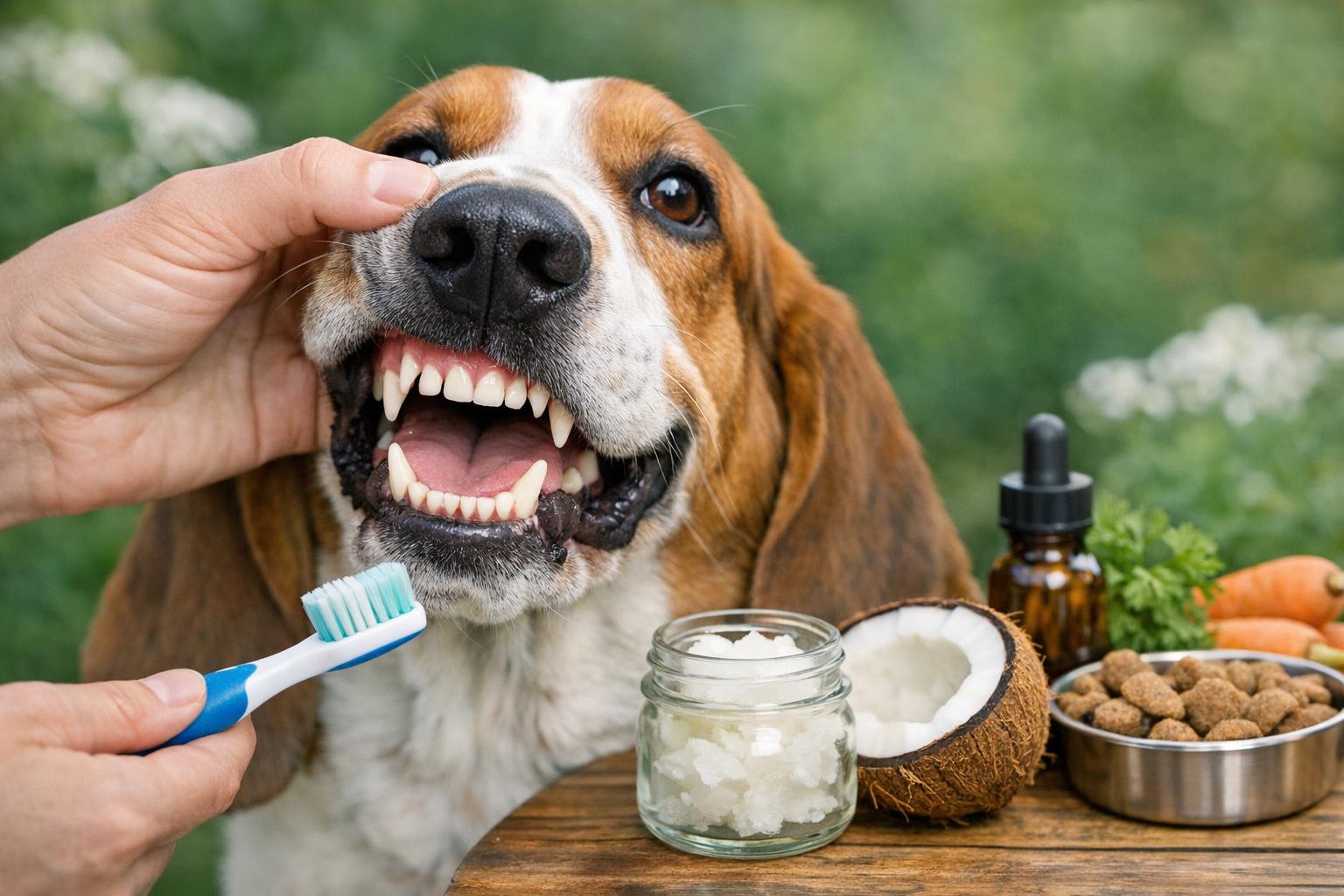
Keeping your pup’s grin bright isn’t just about cuteness — healthy dog gums are a cornerstone of overall canine health. Bad breath, drooling, or red, receding gums can mean discomfort and underlying problems. Relax — this guide offers friendly, practical advice and three DIY remedies (with clear ingredients and step-by-step instructions) to help maintain gum health at home. A touch of humor: a slobbery kiss is adorable, but gum disease? Not so much.
## Healthy Dog Gums: Why They Matter
Healthy dog gums indicate good oral circulation and a lower risk of periodontal disease, which has been linked to heart, liver, and kidney problems in dogs. Checking gums regularly is like reading your dog’s inner health memo — pale, blue, bright pink, or bleeding all send messages. Early detection means simpler fixes.
### Normal Versus Unhealthy Gums
Healthy dog gums should be a consistent pink (though pigment varies by breed) and feel moist and smooth. Unhealthy signs include:
– Persistent redness or swelling.
– Receding gum lines exposing tooth roots.
– Persistent bad breath (beyond the occasional doggy eau de toilette).
– Bleeding during play or brushing.
If you notice these, act promptly — long-term inflammation can become painful and destructive.
#### Color And Texture Indicators
Press your finger gently on the gum and release: color should return quickly (capillary refill). Pale gums can indicate anemia; bluish hues suggest oxygen problems. Spotting or lumps warrant a vet visit.
## Daily Habits To Maintain Healthy Dog Gums
Routine care prevents many problems. Brushing with canine-formulated toothpaste, providing appropriate chew toys, and feeding a balanced diet all support gum tissue. Incorporate short, positive brushing sessions a few times weekly and swap sugary human treats for crunchier, tooth-friendly snacks. Remember: consistency beats intensity — a little every day keeps the vet’s chair visits reasonable.
### Brushing Basics And Positive Training
Introduce the toothbrush slowly. Let your dog sniff and lick the paste first, praise generously, and only gently work around the teeth for the first week. For stressed pups, start with finger rubbing using a soft cloth. Use treated toothpaste made for dogs: human toothpaste often contains xylitol and foaming agents that are unsafe for pets.
### When Chews Help — And When They Don’t
Hard chews can reduce tartar but avoid extremely hard bones or antlers that risk tooth fracture. Look for rubber toys that flex and clean as your dog chews. Monitor chew time and replace toys once worn.
## Remedy 1: Homemade Canine Dental Gel
This gentle paste helps reduce plaque buildup when used as part of a brushing routine. Formal note: this remedy is intended as a supportive hygiene measure and not a substitute for professional dental work.
Ingredients/Materials:
1. 2 tablespoons virgin coconut oil (antimicrobial, safe if ingested).
2. 1 teaspoon baking soda (mild abrasive; keep quantity low).
3. 1 teaspoon finely chopped fresh parsley (breath freshener).
4. Soft toothbrush or finger brush.
5. Small airtight container.
Step-By-Step Creation:
1. Slightly warm the coconut oil until soft but not hot (use a warm water bath).
2. Stir in the baking soda and chopped parsley until evenly combined.
3. Transfer the mixture to the airtight container and cool to solidify.
Application:
1. Introduce the gel by letting your dog lick a tiny bit from your finger to sample.
2. Apply a pea-sized amount to the toothbrush or finger brush.
3. Gently brush in small circular motions along the gum line for 30–60 seconds per side, working up to a full minute as your dog tolerates.
4. Use 2–3 times weekly as a maintenance supplement to regular brushing with a canine toothpaste. Do not overuse baking soda — keep to the recipe amounts.
## Remedy 2: Herbal Soothing Rinse For Gum Inflammation
This diluted herbal rinse can soothe irritated gums and reduce mild inflammation. Formal application: Use as an adjunctive measure; discontinue if irritation worsens. Avoid if your dog has known allergies to herbs listed.
Ingredients/Materials:
1. 1 cup strong chamomile infusion (made from 1 chamomile tea bag steeped in 1 cup boiling water for 10 minutes, cooled).
2. 1 cup boiled, cooled water (to dilute).
3. 1 teaspoon raw apple cider vinegar (optional — helps clean but omit for sensitive dogs).
4. Clean squeeze bottle or small spray bottle.
5. Cotton pad or soft cloth.
Step-By-Step Creation:
1. Brew chamomile tea and allow it to cool completely.
2. Combine cooled chamomile and boiled cooled water in a clean container.
3. Add apple cider vinegar if using and mix gently.
4. Pour into a squeeze or spray bottle for easy application. Store in the refrigerator and use within 3–4 days.
Application:
1. Swab the gum area with a cotton pad soaked in the rinse once daily if gums are mildly inflamed.
2. Alternatively, gently spray the rinse into the mouth, aiming for the gum line, and allow the dog to swallow — chamomile is generally safe.
3. Use for up to one week and monitor for improvements. If no change or if condition worsens, stop use and consult a vet.
## Remedy 3: Edible Dental Chews And Nourishing Diet Adjustments
Chews and diet changes can help reduce plaque and support gum tissue health. This remedy includes two parts: a frozen bone-broth chew and baked sweet potato chews.
Ingredients/Materials — Frozen Bone Broth Chews:
1. 2 cups low-sodium unsalted bone broth (no onion/garlic; commercial low-sodium beef or chicken broth ok).
2. 1 medium carrot, sliced into sticks.
3. Kong or ice-cube molds.
Ingredients/Materials — Baked Sweet Potato Chews:
1. 2 medium sweet potatoes.
2. Baking sheet and parchment paper.
3. Sharp knife and oven.
Step-By-Step Creation — Frozen Bone Broth Chews:
1. Place carrot sticks inside Kong or molds.
2. Pour cooled low-sodium bone broth over carrots, filling molds.
3. Freeze until solid.
Application:
1. Offer the frozen chew under supervision for 10–15 minutes as a playful clean-and-soothe snack — the cold reduces gum inflammation and chewing action scrubs teeth gently.
2. Remove when softened or if your dog starts to bite aggressively to avoid ingestion of large chunks.
Step-By-Step Creation — Baked Sweet Potato Chews:
1. Preheat oven to 250°F (120°C).
2. Wash and slice sweet potatoes into 1/4-inch thick strips.
3. Place strips on parchment-lined baking sheet and bake for 2–3 hours, flipping halfway, until leathery and chewy.
4. Cool completely; store in an airtight container.
Application:
1. Give as an occasional chew to encourage chewing action that helps scrape plaque.
2. Use as a treat replacement for sugary snacks; monitor calorie intake.
### Safety Notes For All Home Remedies
– Never use xylitol-containing products.
– Avoid essential oils in homemade pet products unless prescribed by your veterinarian.
– Introduce new treats and protocols slowly and watch for digestive upset or allergic reactions.
– Homemade measures support care but do not replace veterinary dental exams and professional cleanings when needed.
## Signs That Home Care Isn’t Enough And When To See A Vet
If you notice persistent bad breath, pus, loose teeth, significant bleeding, difficulty eating, or swelling under the jaw, these are red flags. Professional scaling, dental X-rays, or extractions may be necessary. Encourage an annual dental check as part of regular preventive care — catching an infection early often spares your dog pain and complex surgery later.
### Preparing For The Vet Visit
Bring a list of home remedies you’ve tried and any change in diet or behavior. Photograph any visible lesions if your dog is anxious at the clinic — images can be helpful for monitoring progression. If your dog is a nervous patient, ask the clinic about low-stress handling and whether sedation will be needed for a full oral exam and cleaning.





























































Leave a Reply