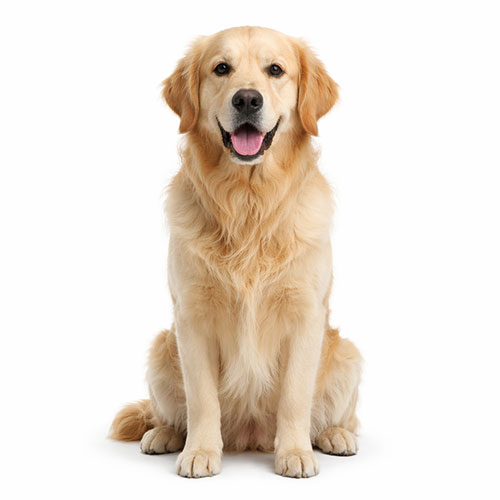



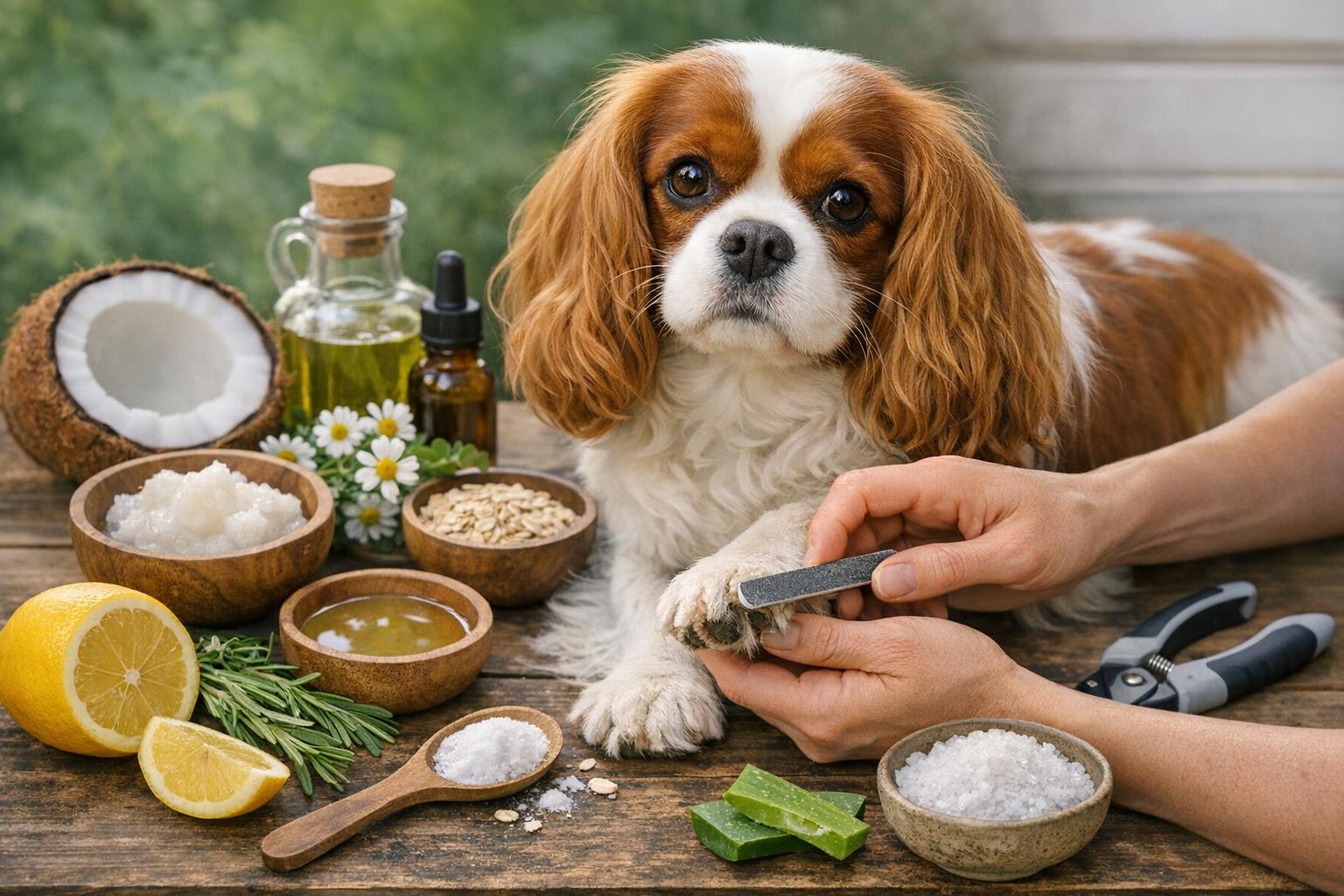
Hey there — glad you stopped by. If you’re the proud human of a pawed pal who thinks trimming time is the worst kind of betrayal, you’re in the right place. Below are friendly, practical, natural approaches to keep those claws in great shape without turning your living room into a veterinary boot camp.
## Natural Home Remedies For Healthy Dog Claw Care And Nails
### Why Healthy Claws Matter (And Why Your Dog Might Not Tell You)
Healthy nails support proper gait, prevent snags, and reduce the risk of painful breaks or infections. Good dog claw care keeps toe pads comfortable and limits joint strain caused by overlong nails. Dogs with long nails may alter how they walk, leading to long-term issues that are much harder (and pricier) than a little routine maintenance.
### Simple Signs You Need To Pay Attention To
Watch for clicking on hard floors, snagged nails, visible cracks, black or green discharge, swelling, sudden limping, or chewing at the toes. These are common prompts that your dog claw care routine needs some immediate TLC — not drama, just action.
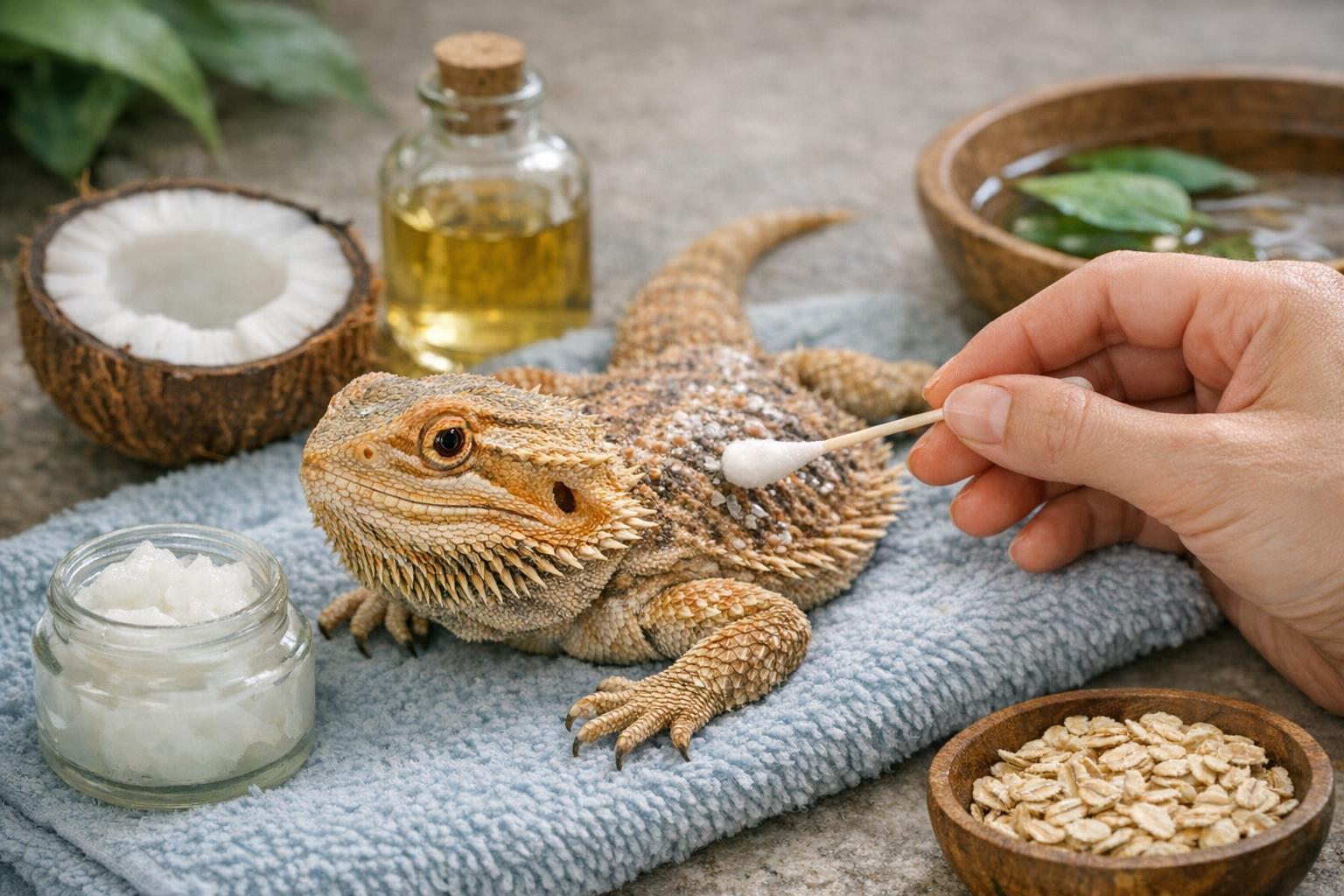
## 1. Coconut Oil Soak For Flexible, Moisturized Claws
### Ingredients Or Materials
– 1/2 cup organic, virgin coconut oil (solid at room temp)
– Warm water (enough to make a shallow soak)
– A shallow basin or tub
– A soft towel
– Optional: a teaspoon of vitamin E oil
### Step-By-Step Creation And Application
1. Warm the coconut oil gently in a bowl until it is liquid (use a warm water bath; do not microwave to avoid hot spots).
2. Fill the basin with warm (not hot) water to create a shallow soak — just enough to cover the nails and part of the paw pads.
3. Add a tablespoon of the warmed coconut oil to the water and stir so it disperses. For extra conditioning, mix in vitamin E oil.
4. Gently hold your dog and submerge one paw at a time for 3–5 minutes. Keep the session calm and talk soothingly.
5. Remove the paw and pat dry with a towel. Massage any remaining oil into the nail and pad area; do not wipe it all off — the thin oil film helps moisturize.
6. Repeat 2–3 times per week for brittle or dry nails. For maintenance, once weekly is usually sufficient.
Notes: Coconut oil has anti-microbial properties and hydrates cuticle tissues. If your dog is allergic or has a history of fatty stool with coconut oil ingestion, consult your vet first.
## 2. Apple Cider Vinegar Dip For Mild Fungal Or Bacterial Control
### Ingredients Or Materials
– Raw, unfiltered apple cider vinegar (ACV)
– Distilled water
– A spray bottle or shallow dish
– Cotton balls or soft cloths
– Treats for cooperation
### Step-By-Step Creation And Application
1. Mix ACV and distilled water at a 1:3 ratio (one part ACV to three parts water) for a gentle solution. For more sensitive skin, dilute further to 1:4.
2. Pour the solution into a spray bottle or a shallow dish.
3. If using a spray, lightly mist the nails and surrounding skin. If using a dish, dip a cotton ball and gently wipe the nail surfaces and around the pads.
4. Allow the area to air-dry. Repeat once daily for up to a week when mild discoloration or odor is present; reduce to 2–3 times weekly for maintenance.
5. Discontinue if irritation, redness, or excessive licking develops.
Notes: ACV creates an unfavorable environment for some fungi and bacteria while being generally safe at the dilutions recommended. Never apply full-strength ACV to open wounds.
## 3. Oatmeal And Chamomile Poultice For Irritated Nail Beds
### Ingredients Or Materials
– 1/2 cup finely ground colloidal oatmeal
– 1 cup strong chamomile tea (cooled)
– A clean cloth or gauze
– Bandage tape (optional)
– A bowl
### Step-By-Step Creation And Application
1. Brew a cup of chamomile tea and let it cool to lukewarm.
2. Stir the ground oatmeal into the tea to create a thick, spreadable paste.
3. Apply the poultice to the affected nail beds or pads and cover with a clean cloth or gauze to keep it in place.
4. Leave on for 10–15 minutes. Use this time to offer treats and calm praise.
5. Rinse gently with warm water and pat dry. Repeat daily for up to 5 days for inflamed, itchy, or temporarily irritated skin.
Notes: Chamomile has soothing anti-inflammatory properties; oatmeal helps relieve itching. This is supportive care, not a cure for deep infections.
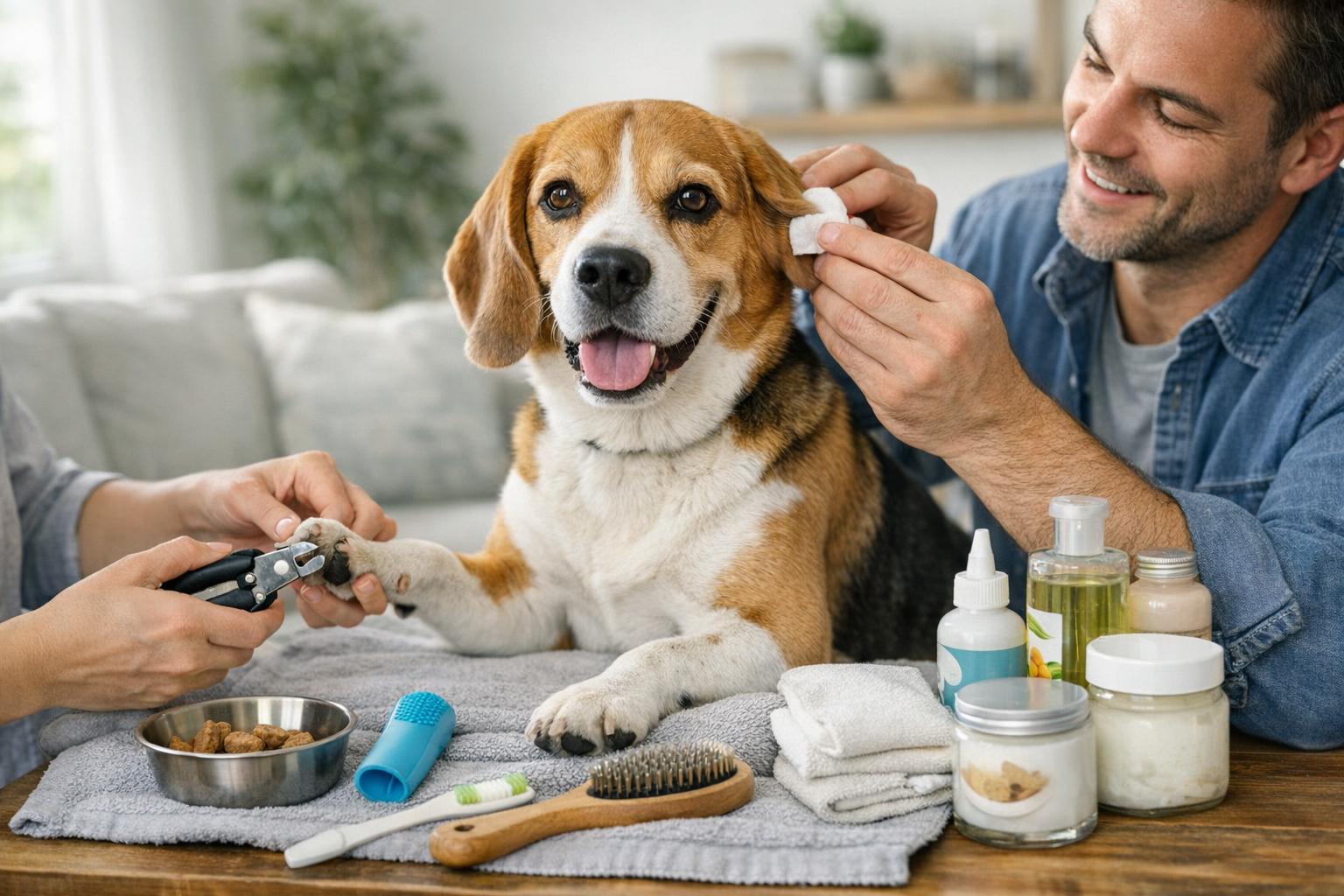
### How To Trim Nails Safely: A Short Guide For the Nervous Human
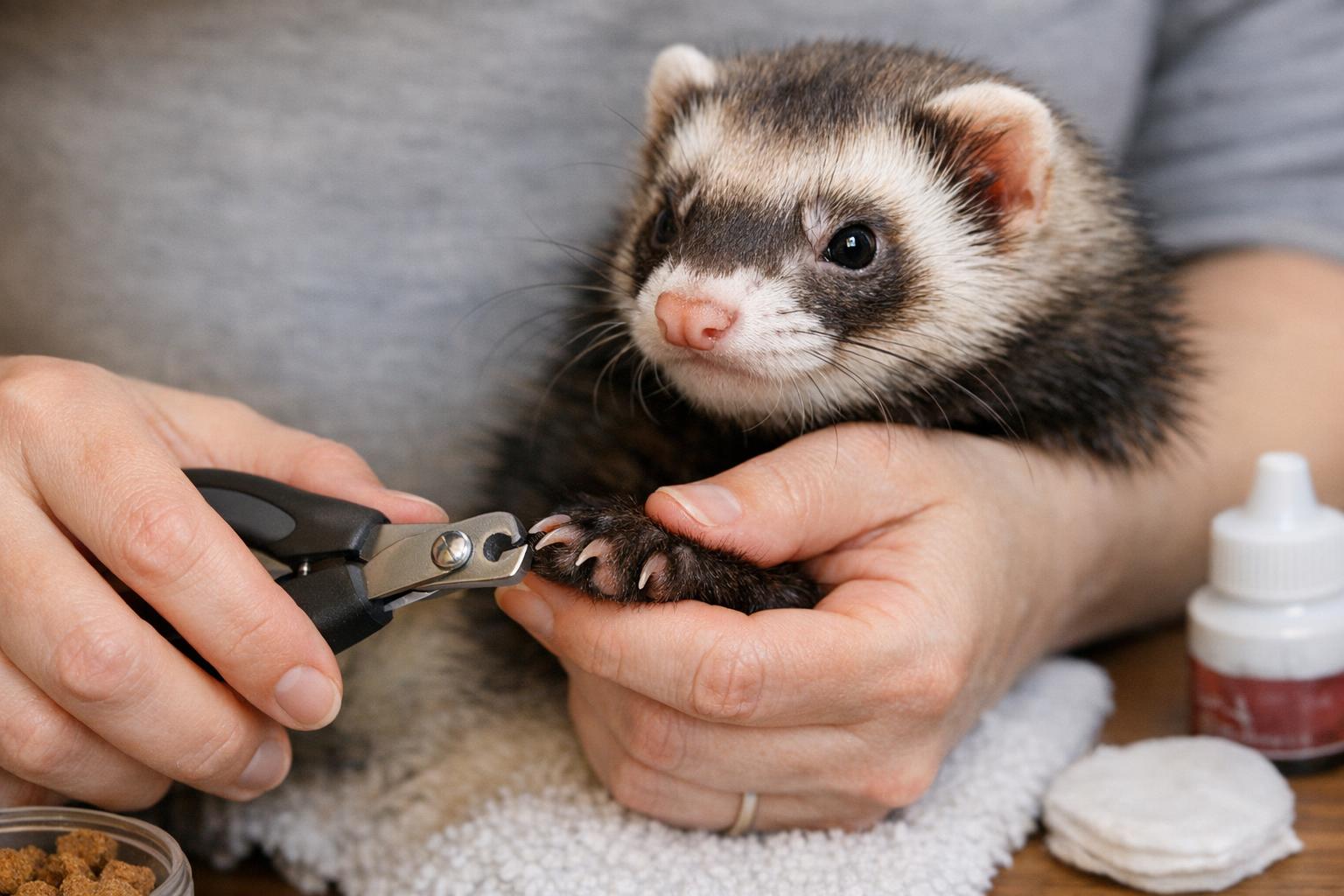
– Use proper nail clippers (guillotine-style for small dogs, scissor-style for larger breeds) and keep them sharp.
– Find a calm, quiet spot and have treats ready. Enlist a helper if your dog is wiggly.
– Clip only the tip. For light-colored nails, look for the translucent area and avoid cutting into the pink quick. For dark nails, trim in small increments — stop if you see a gray or black dot in the center.
– Use a nail file or Dremel to smooth rough edges and prevent snagging.
– If you accidentally clip the quick, apply styptic powder or cornstarch to stop bleeding and reassure your dog.
This is the practical core of good dog claw care: trimming regularly (every 3–6 weeks depending on activity and growth) and maintaining moisture.
#### When To Call The Vet
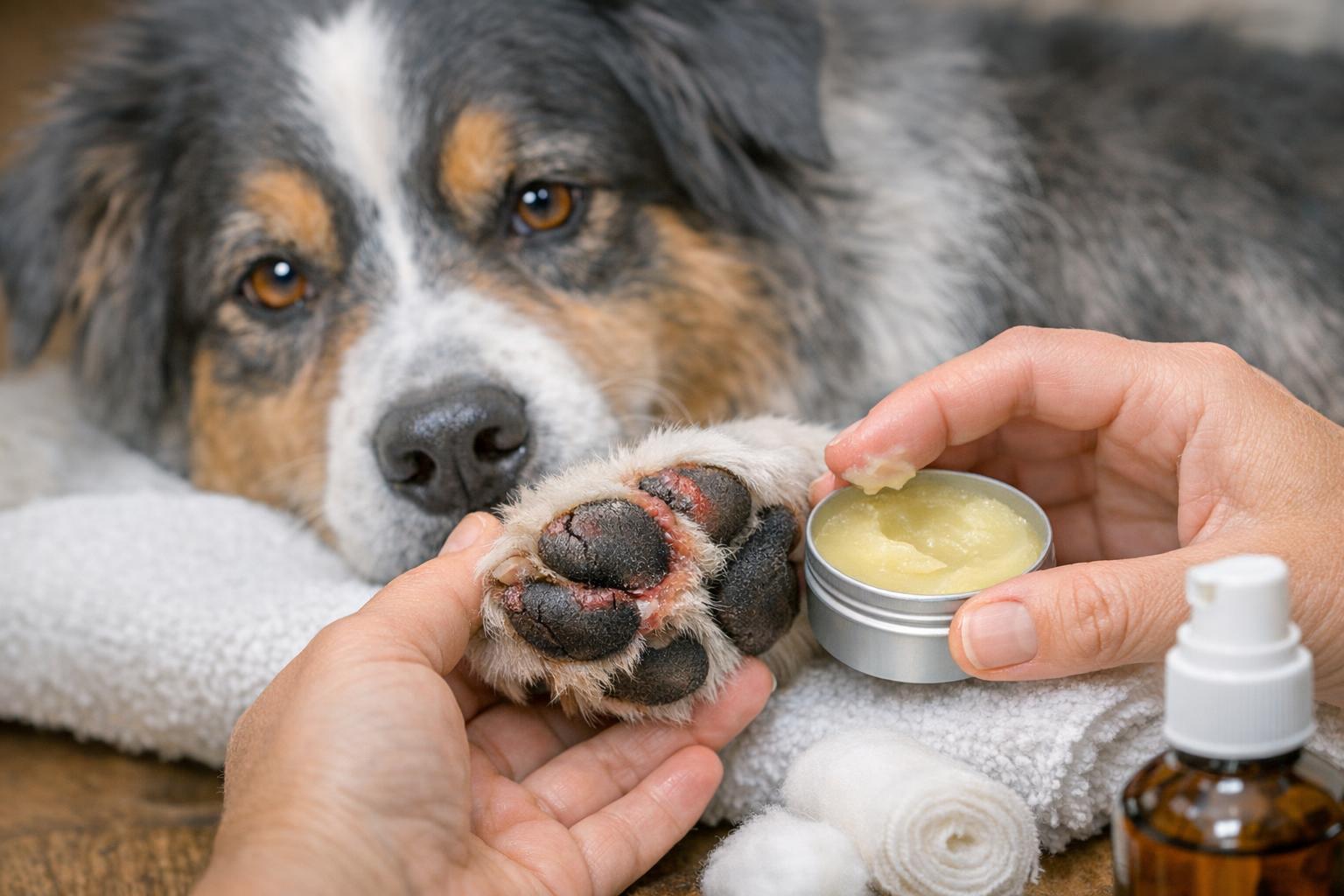
If you notice persistent swelling, deep cracks, pus, severe discoloration, a foreign body embedded in the nail, or repeated bleeding, please contact your veterinarian promptly. Home remedies support healthy nails but do not replace professional treatment for severe conditions.
### Preventive Habits That Keep Nails Happy
– Walks on varied surfaces (gravel and concrete) can naturally file nails, but don’t rely on this alone.
– Regular play that encourages natural wear — zoomies are functional sometimes.
– Keep weight healthy; overweight dogs place more pressure on nails and claws.
– Inspect paws weekly to catch early signs of trouble.
### Common Mistakes And How To Avoid Them
– Waiting until the nails click on the floor. That’s too late; aim for regular checks.
– Using kitchen scissors. Invest in proper pet clippers — they make a huge difference.
– Over-medicating with topical human antibiotics or creams without vet guidance. Many products are not formulated for dogs and can cause reactions.
## Tips For Making Grooming Less Traumatic
– Start paw handling from puppyhood, but it’s never too late to build tolerance. Short, positive sessions are better than long, stressful ones.
– Pair every grooming moment with treats, praise, and a calm voice.
– Introduce the sound of a nail grinder slowly, with small rewards, to desensitize noise-sensitive dogs.
– If your dog is extremely anxious, consult a trainer or behaviorist for gradual desensitization techniques.
### Natural Extras That Complement Dog Claw Care
Small dietary supports like omega-3 fatty acids (fish oil), biotin supplementation when recommended by your vet, and adequate hydration can all contribute to stronger nails and healthier skin. Always consult your veterinarian before beginning a supplement regimen.
A final note: home remedies are supportive and excellent for routine maintenance or minor issues, but persistent or severe problems require professional diagnosis. Keep the atmosphere calm, use the remedies consistently, and your dog’s claws will thank you — probably by demanding more treats, which is a reasonable trade-off.








Leave a Reply