




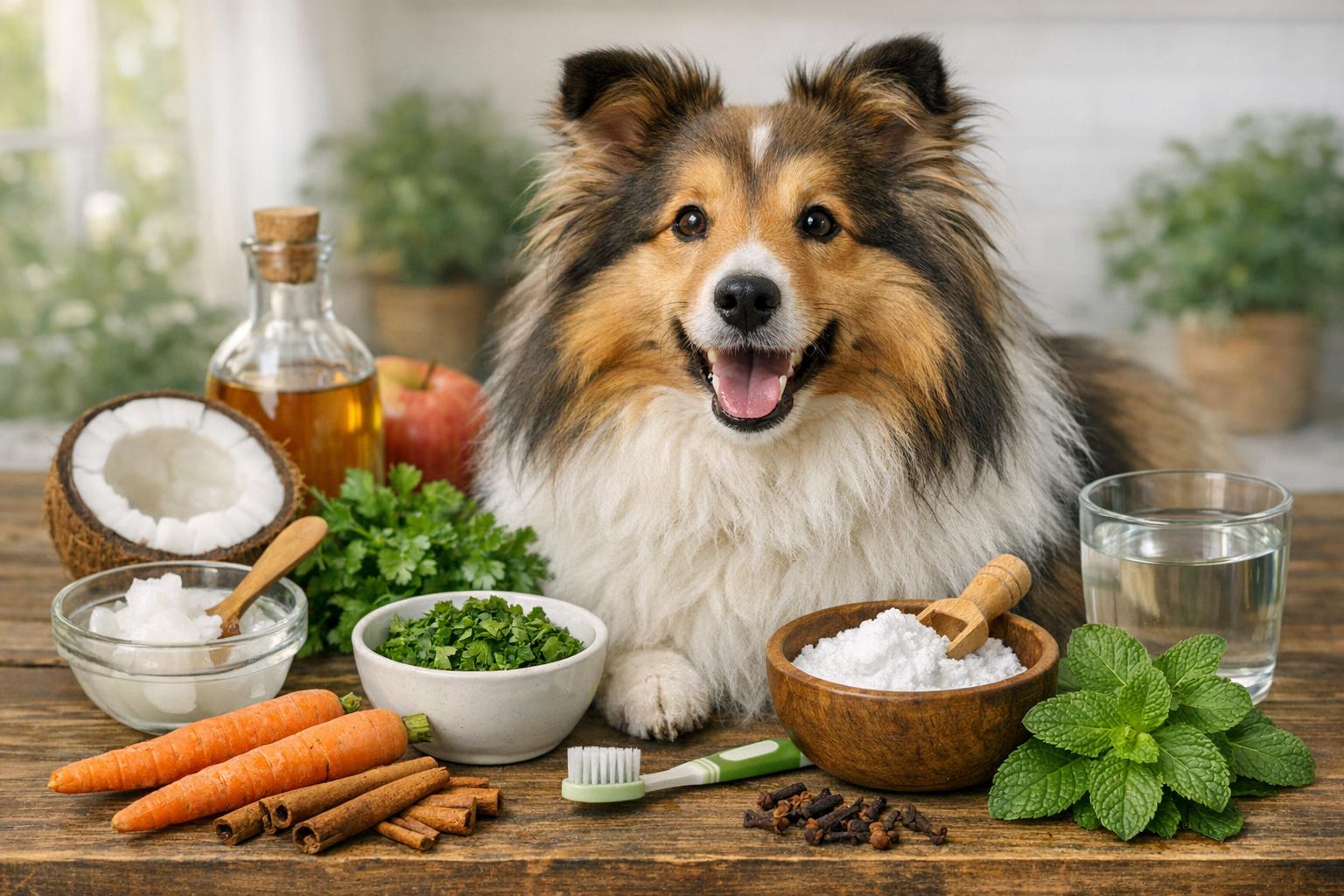
Hey there—if your pup’s breath could clear a room and you suspect their gums are staging a protest, you’ve come to the right place. This article offers friendly, realistic home care and safe DIY remedies that support oral health and fresh breath. While these suggestions can help mild cases and maintenance, serious or advanced issues always need a veterinarian’s attention.
## Canine Gum Disease: What It Is And Why It Matters
Canine gum disease is inflammation and infection of the gums and supporting structures around the teeth. It starts as gingivitis—red, swollen gums that may bleed—and can progress to periodontitis, where bone and connective tissues are damaged. Bacteria in plaque are the main culprits, and left unmanaged, canine gum disease can cause pain, tooth loss, and even contribute to systemic problems.
Recognizing early signs matters. Look for bad breath, red or receding gums, drooling, difficulty chewing, or pawing at the mouth. Regular at-home checks and prompt care reduce the chance that a small problem becomes a big one. If there’s persistent bleeding, loose teeth, pus, or lethargy, get your dog to a vet.
## Home Remedies For Canine Gum Disease And Fresh Breath
These home remedies are intended as supportive care for mild gingivitis and for helping keep plaque at bay. They’re not a replacement for professional dental cleanings when needed. For any remedy, stop if your dog shows signs of discomfort, vomiting, diarrhea, or allergic reaction, and consult your veterinarian.
### Remedy 1: Coconut Oil Toothpaste (DIY Brushing)
Coconut oil can be a gentle base for a dog-friendly toothpaste and may help reduce some oral bacteria when used properly. Brushing mechanically removes plaque, which is the most effective at-home prevention for canine gum disease.
Ingredients/Materials:
– 1 tablespoon virgin coconut oil
– 1/2 teaspoon baking soda (optional; keeps paste slightly abrasive)
– 1/2 teaspoon finely ground, unsweetened, dog-safe parsley (optional for breath)
– Soft dog toothbrush or finger brush
– Small container with lid
Step-By-Step Creation And Application:
1. Preparation: Warm the coconut oil slightly until it’s spreadable but not hot. Combine coconut oil, baking soda, and parsley in the container and mix thoroughly.
2. Introduce Gradually: Allow your dog to taste a small dab. Praise and keep the session calm. Let them lick some to build positive association.
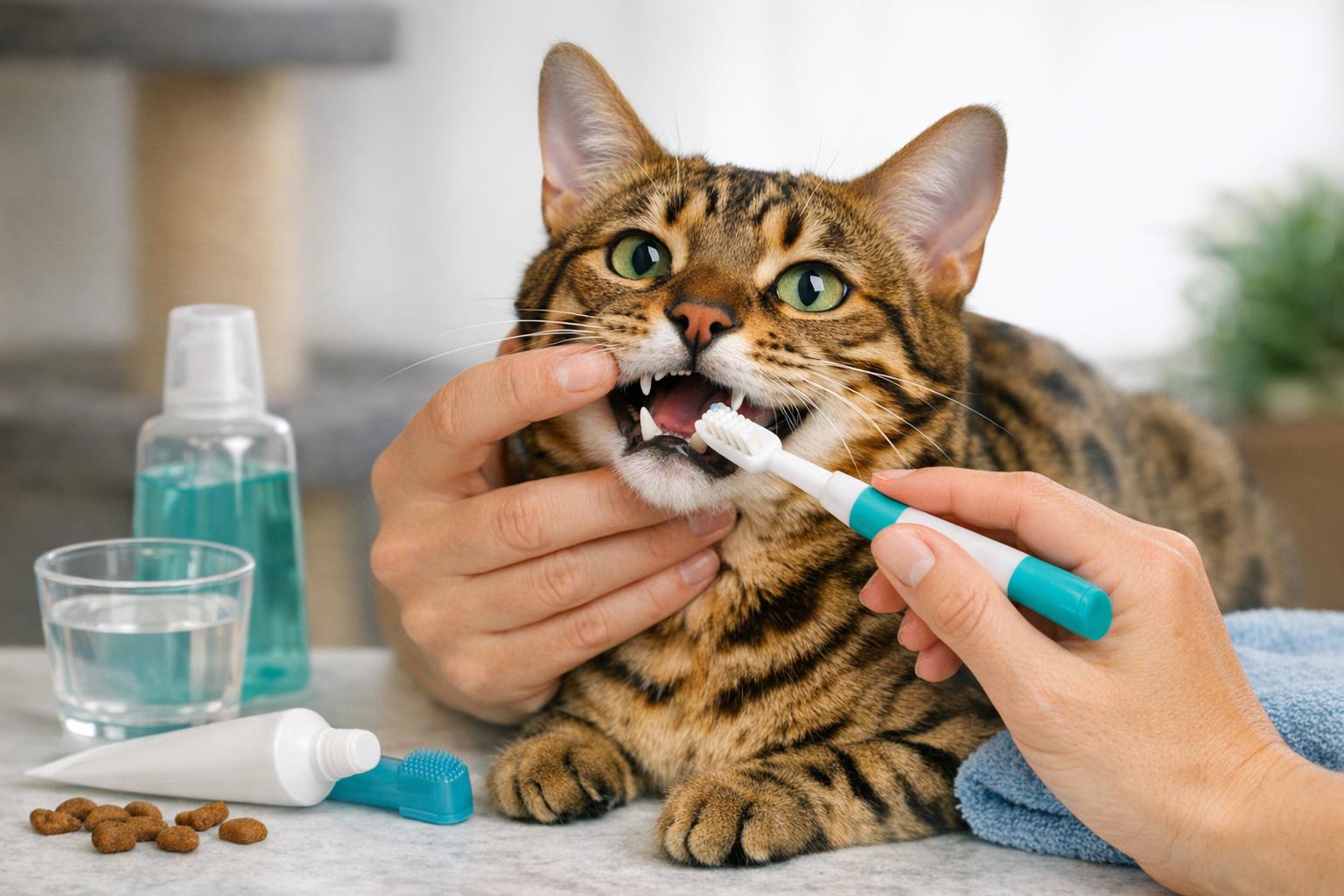
3. Brushing Technique: Apply a pea-sized amount to the toothbrush. Lift the lip gently and brush in small circular motions along the gumline—where plaque accumulates. Aim for 1–2 minutes total if your dog tolerates it.
4. Frequency: Brushing 3–5 times per week is a realistic target; daily is best if you can manage it.
5. Storage: Keep the paste covered; coconut oil solidifies at cooler temperatures but melts at warm room temps. Replace every 2–3 weeks.
Notes: Do not use human toothpaste containing xylitol or fluoride. Baking soda is optional and should be used sparingly—excessive ingestion is not recommended.
### Remedy 2: Green Tea And Parsley Oral Rinse
Green tea contains polyphenols that may help reduce oral bacteria and inflammation. Used as a mild rinse or spray, it can be a gentle adjunct to mechanical cleaning.
Ingredients/Materials:
– 1 cup brewed unsweetened green tea, cooled completely
– 1 tablespoon finely chopped fresh parsley
– Clean spray bottle or glass jar
– Fine mesh strainer or cheesecloth
Step-By-Step Creation And Application:
1. Brew And Cool: Brew a single cup of green tea and let cool to room temperature. Avoid heavily caffeinated or concentrated brews; a gentle infusion is enough.
2. Infuse With Parsley: Add the chopped parsley to the tea and let steep for 10–15 minutes, then strain out solids.
3. Application Options:
a. Spray: Pour into a clean spray bottle. Gently spray into the mouth (one or two short sprays) once daily after meals.
b. Wipe: Alternatively, moisten a clean cloth with the mixture and wipe along the gumline and teeth.
4. Frequency: Use this rinse 1–2 times per day as an adjunct to brushing.
5. Storage: Refrigerate and use within 48 hours.
Notes: Parsley can freshen breath and offers modest antibacterial action; do not overdo parsley in dogs predisposed to certain metabolic conditions. Skip this remedy if your dog is sensitive to caffeine (very small residual caffeine exists in green tea; for very small or sensitive dogs, use decaffeinated green tea).
### Remedy 3: Homemade Sweet Potato Dental Chews (Dehydrated)
Chewing helps scrape plaque mechanically. Dehydrated sweet potato strips are a safe, long-lasting chew option that many dogs enjoy. They’re simple to make and avoid harmful additives.
Ingredients/Materials:
– 1–2 large sweet potatoes, washed
– Sharp knife or mandoline
– Oven or food dehydrator
– Baking sheet and parchment paper (oven method)
Step-By-Step Creation And Application:
1. Slice: Preheat oven to the lowest setting (170–200°F / 75–95°C) or prepare your dehydrator. Slice sweet potatoes into long strips about 1/4 inch thick.
2. Blanch (Optional): Blanch slices briefly in boiling water for 1–2 minutes to reduce starchiness and promote even drying, then pat dry.
3. Arrange: Place slices on a dehydrator tray or parchment-lined baking sheet without overlapping.
4. Dehydrate: Dry in a dehydrator for 6–12 hours or in the oven for 4–6 hours, flipping halfway, until chewy and pliable but not brittle. Time varies by thickness.
5. Cool And Store: Let cool completely. Store in an airtight container for up to two weeks or refrigerate for longer shelf life.
6. Supervised Chewing: Offer one at a time and supervise for the first few sessions to ensure safe chewing habits.
Notes: These chews are not indestructible—monitor to avoid choking or swallowing large pieces. Adjust size and thickness by dog size.
## Daily Fresh Breath And Preventative Tips
Good daily habits go a long way in preventing canine gum disease and maintaining fresh breath. Here are supportive, practical steps that don’t require a microscope or a degree in dog dentistry.
### H3: Diet And Chew Choices
Feed high-quality dog food appropriate for your dog’s life stage. Crunchy kibble and vet-recommended dental formulas can help reduce plaque. Fresh vegetables like carrot sticks, apple slices (no seeds), and safe dental chews provide mechanical cleaning. Avoid sugary human foods and anything with xylitol.
### H3: Water Additives And Oral Gels
Pet-safe water additives and oral gels formulated for dogs can reduce bacterial load. Follow label directions precisely. These products are supplements to brushing, not replacements.
### H3: Routine Inspections And Professional Care
Check your dog’s mouth weekly. Lift the lips and look for redness, swelling, bad odor, tartar buildup, or loose teeth. Schedule professional dental cleanings as advised by your veterinarian. Early vet intervention prevents progression from mild gingivitis to advanced canine gum disease.
#### H4: What To Avoid
Never use human dental products that contain xylitol, clove oil, or other essential oils that are toxic to dogs. Avoid hard bones or antlers with brittle splinter risk, and don’t force a mouth exam—if your dog resists, seek professional help.
#### H4: When To See The Vet Immediately
Seek immediate veterinary care for severe swelling, bleeding that doesn’t stop, broken teeth, visible pus, or signs of systemic illness (fever, lethargy, loss of appetite). These are red flags that home care can’t fix.
## Making Home Care Work Long-Term
Consistency beats intensity. Short, frequent, positive interactions (a minute of brushing, a quick wipe, a chew after meals) add up. Pair oral care with treats, praise, and calm petting so your dog associates it with good things. Keep expectations realistic: home care reduces risk and supports gum health but doesn’t cure advanced disease.
If you’re ever unsure about a product or remedy, or if your dog has preexisting conditions, chat with your veterinarian before trying new oral care strategies. Good home habits, safe DIY remedies, and timely professional care form the best defense against canine gum disease—and that means fewer smelly surprises and more kisses from your furry friend.












Leave a Reply