




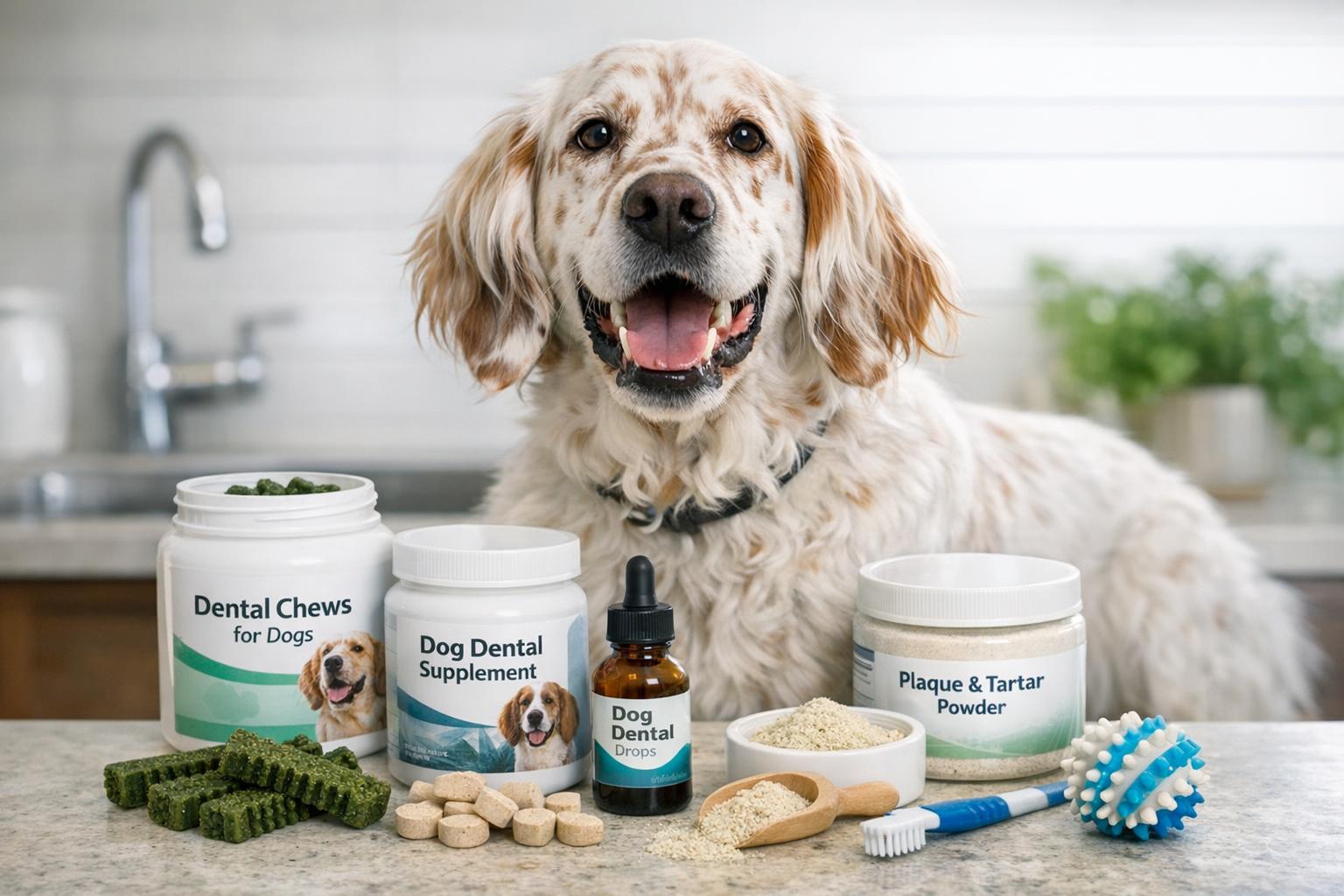
Good oral care makes a huge difference in a dog’s comfort, appetite, and even lifespan. Plaque and tartar don’t just cause bad breath—they can lead to gum disease, pain, and systemic infections. Besides brushing and professional cleanings, dental supplements can be a gentle, ongoing support to keep mouths healthier between brushings. This guide will walk you through how they work, what to look for, and two practical DIY options you can safely try at home (with appropriate vet approval).
## Why Dental Health Matters
Dogs with poor dental health often show subtle signs before obvious problems appear: slightly decreased appetite, reluctance to chew hard toys, or faintly offensive breath. Dental disease is also linked to heart and kidney issues because bacteria from the mouth can enter the bloodstream. Good at-home care plus targeted supports can reduce bacterial load, slow tartar formation, and help maintain healthy gums.
### Signs Of Dental Trouble To Watch For
– Persistent bad breath or a sudden change in odor.
– Red, swollen, or bleeding gums.
– Difficulty eating, dropping food, or favoring one side.
– Excessive drooling or pawing at the mouth.
– Buildup of yellow/brown tartar along the gum line.
## Choosing Safe Dental Supplements For Dogs
There are many products labeled as dental supplements, but not all are created equal. When evaluating options, prioritize transparency, evidence, and safety. Look for products with clear ingredient lists, reputable manufacturers, and ideally third-party testing. Supplements are adjuncts to — not replacements for — regular brushing and professional dental care.
### Types Of Supplements And What They Do
Dental supplements fall into a few broad categories:
– Enzymatic supplements: Often contain glucose oxidase or lactoperoxidase systems intended to reduce oral bacteria.
– Probiotic chews or powders: Aim to support a healthy oral microbiome by introducing beneficial bacteria that compete with pathogens.
– Marine algae/kelp: Some products use kelp for mineral content and natural compounds that may reduce plaque adhesion.
– Natural chews with mechanical action: Ingredients that encourage chewing (and thus scraping) plus breath-freshening herbs like parsley.
– Powdered mineral formulations: Aim to bind or neutralize compounds contributing to tartar formation.
Each type has pros and cons. Enzymes can be effective but may be sensitive to storage conditions. Probiotics should specify strains and CFU counts. Kelp is helpful in moderation, but it contains iodine—so consult your vet if your dog has thyroid disease.
#### Safety Considerations
– Avoid products containing xylitol (toxic to dogs).
– Be cautious with essential oils—many are unsafe for pets in concentrated form.
– Discuss iodine-containing supplements (like kelp) with your veterinarian if thyroid disease or certain medications are present.
– Watch caloric load: some chews add up in calories and can affect weight.
## 1. Homemade Dental Supplement Chews
These chews are designed as an adjunctive oral support: they provide mild mechanical action, breath-freshening herbs, and dog-safe binding ingredients. They’re not a therapeutic substitute for veterinary treatment.
Ingredients / Required Materials:
– 1 cup oat flour (or ground rolled oats)
– 1/2 cup pure pumpkin puree (not pumpkin pie filling)
– 2 tbsp finely chopped fresh parsley
– 1 tbsp powdered kelp (food grade) — optional; consult your vet first
– 1 tbsp coconut oil (melted)
– 1 egg (or flax egg for egg sensitivities: 1 tbsp ground flax + 3 tbsp water, set 5 minutes)
– Dehydrator or oven + baking sheet and parchment paper
– Cookie cutter or knife for shaping
Step-By-Step Creation (Formal Instructions):
1. Preheat oven to 325°F (160°C). Line a baking sheet with parchment paper.
2. In a medium bowl, mix oat flour, powdered kelp (if using), and chopped parsley until evenly distributed.
3. In a separate small bowl, whisk together pumpkin puree, melted coconut oil, and egg (or flax egg) until smooth.
4. Combine wet and dry ingredients. Stir until a firm, slightly sticky dough forms. If too wet, add a tablespoon of oat flour at a time; if too dry, add a teaspoon of water.
5. Roll the dough between two sheets of parchment to about 1/4 inch thickness. Use cookie cutters or a knife to cut into chew-sized shapes appropriate for your dog.
6. Place chews on the baking sheet and bake for 20–30 minutes, flipping halfway, until firm and slightly dry. For a firmer, longer-lasting chew, reduce oven temperature to 200°F (95°C) and dehydrate for 2–3 hours.
7. Allow chews to cool completely. Store in an airtight container in the refrigerator for up to 7 days or freeze for longer storage.
Application / Feeding Instructions (Formal Dosage Guidance):
1. Offer one chew per day for small dogs, up to two for medium/large dogs, depending on size and caloric needs.
2. Monitor your dog while they chew to ensure safe consumption, especially with breeds that swallow large chunks.
3. Treat these as supplements; do not exceed recommended frequency and adjust if you see any digestive upset.
4. If your dog has thyroid disease or is on medication, avoid kelp-containing versions unless approved by your veterinarian.
## 2. DIY Herbal Oral Spray
An oral spray can be a gentle, non-invasive way to support oral hygiene between brushings. This formulation focuses on mild antimicrobial properties and soothing agents without strong essential oils.
Ingredients / Required Materials:
– 1 cup brewed green tea (cool to room temperature; use one tea bag per cup)
– 1/2 cup distilled water
– 1/4 tsp powdered kelp (optional — consult vet for thyroid concerns)
– 1 tsp food-grade vegetable glycerin (helps suspend kelp and soothe mucosa)
– Small sterile spray bottle (2–4 oz)
– Fine mesh strainer or coffee filter
Step-By-Step Creation (Formal Instructions):
1. Brew the green tea for 5 minutes, then remove the tea bag and allow the tea to cool to room temperature.
2. If using powdered kelp, dissolve it into the warm tea, stirring until fully incorporated. Note: do not use kelp for dogs with iodine sensitivity without veterinary approval.
3. Add distilled water and vegetable glycerin. Stir thoroughly to achieve a uniform solution.
4. Filter the mixture through a fine mesh strainer or coffee filter into a clean container to remove any particulates that could clog the spray.
5. Pour the filtered solution into the sterile spray bottle. Label with date made.
Application / Usage (Formal Directions):
1. Spray 3–4 pumps into the dog’s mouth once daily, focusing on the cheek and gum line. For small dogs, reduce to 1–2 pumps.
2. After spraying, avoid feeding hard chews or brushing for 15 minutes to allow ingredients to act.
3. Store refrigerated and discard after 7–10 days. Make fresh batches weekly.
4. If you notice oral irritation, drooling, or reduced appetite after use, discontinue immediately and consult your veterinarian.
## How To Choose And Use Commercial Supplements Safely
When selecting commercial dental supplements for dogs, check for:
– Full ingredient disclosure and absence of xylitol.
– Clear dosing instructions by weight.
– Veterinary endorsements or third-party testing where possible.
– Appropriate probiotic strains and CFU counts if probiotics are claimed.
Always introduce new supplements gradually and monitor for GI upset or allergic reactions. Keep a record of products you try and their effects on your dog’s breath, chewing comfort, and tartar buildup to discuss with your vet.
### Integrating Supplements With Daily Care
Supplements work best as part of a multi-pronged approach:
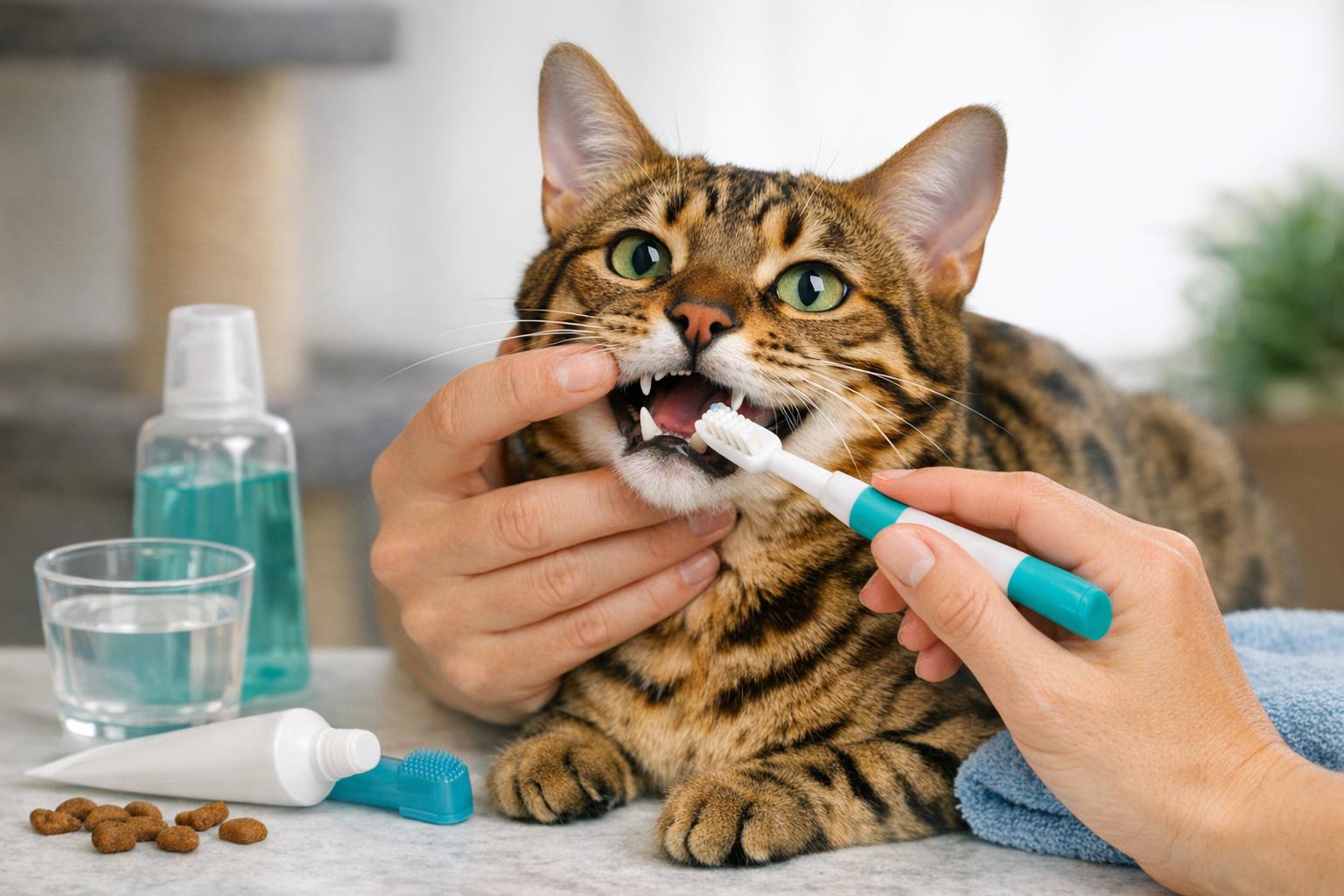
– Daily or frequent tooth brushing with dog-safe toothpaste.
– Chew toys that promote mechanical cleaning.
– Regular dental checkups and professional cleanings as recommended.
#### When Supplements Aren’t Enough
If your dog has advanced periodontal disease, loose teeth, or significant oral pain, supplements are not a replacement for veterinary intervention. Professional assessment and treatment are crucial in those cases.
## Monitoring Results And When To See A Vet
Track changes over 4–8 weeks after starting a supplement regimen. Look for:
– Fresher breath.
– Reduced visible tartar or slower accumulation.
– Improved willingness to chew and eat.
If you see no improvement, signs worsen, or your dog develops oral pain, swelling, or behavioral changes, consult your veterinarian promptly.
### Frequently Asked Questions
Q: Can I use dental supplements for dogs instead of brushing?
A: No. Supplements can complement brushing but are not a substitute. Brushing physically removes plaque in ways supplements cannot.
Q: Are homemade dental remedies safe for all breeds?
A: Most are safe for typical breeds, but brachycephalic dogs or dogs with swallowing issues need supervision. Always consult your vet for breed- or health-specific advice.
Q: Can puppies use dental supplements for dogs?
A: Puppies can often use mild supplements, but check dosing and ingredients with your vet—especially regarding kelp/iodine and probiotic strains. Introduce new products slowly.
Q: How long before I see benefits from dental supplements for dogs?
A: You may notice fresher breath within days, but measurable tartar reduction or gum health improvements typically require consistent use for 4–8 weeks alongside brushing.
If you try either DIY approach, consider keeping a simple log of what you used, dose, and any changes—this helps you and your vet make informed choices about long-term oral care.


























Leave a Reply