






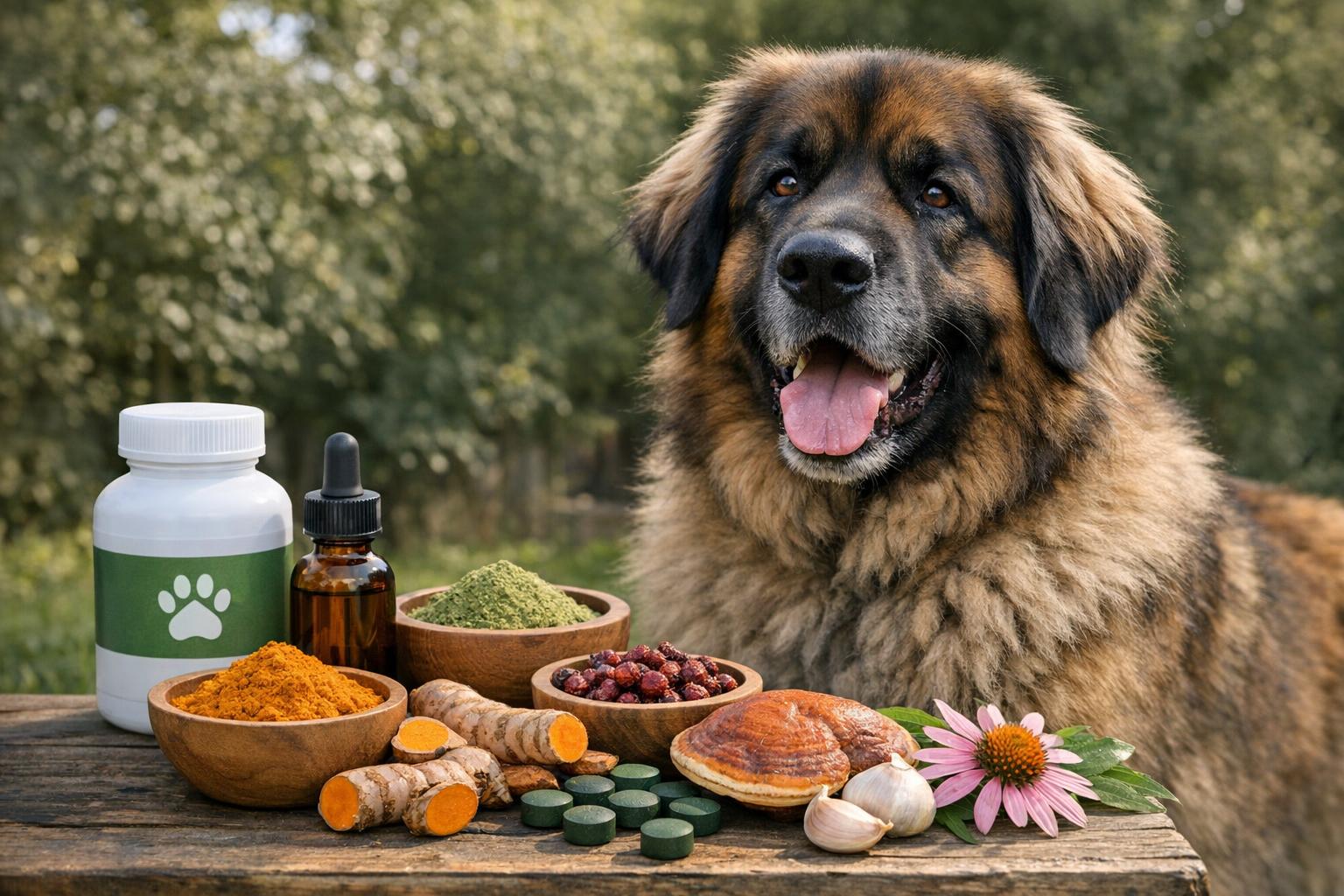
If you love your dog like family (and let’s be honest, they probably rule the house), keeping their immune system strong is one of the best things you can do for long-term health and fewer vet surprises. An immune supplement for dogs can be a helpful tool in that kit, but it’s not the only one — food, lifestyle, and a few safe homemade supports can make a big difference.
## Why Canine Immunity Matters
A dog’s immune system defends them from infections, cancers, and inflammation. As dogs age, take medications, or recover from illness, immune function can dip. Strengthening immune resilience helps them bounce back faster and enjoy more active, happy years. Think of it as giving their natural defense team better uniforms and a stronger lunch — morale improves, performance follows.
### How The Immune System Works
White blood cells, antibodies, and the lymphatic system coordinate to identify and remove invaders. Nutrition supplies the building blocks (like vitamins A, C, D, and minerals such as zinc and selenium). Gut health also plays a pivotal role; a balanced microbiome trains the immune system to respond appropriately instead of overreacting or ignoring threats.
### Common Signs Of A Weakened Immune System
Watch for recurring infections (ears, skin, urinary), slow wound healing, chronic diarrhea, excessive fatigue, or frequent sneezing/coughing. If you notice these, it’s time to review diet, lifestyle, and consider safe immune-support strategies — and yes, consult your vet.
## Immune Supplement For Dogs: Safe Homemade Options
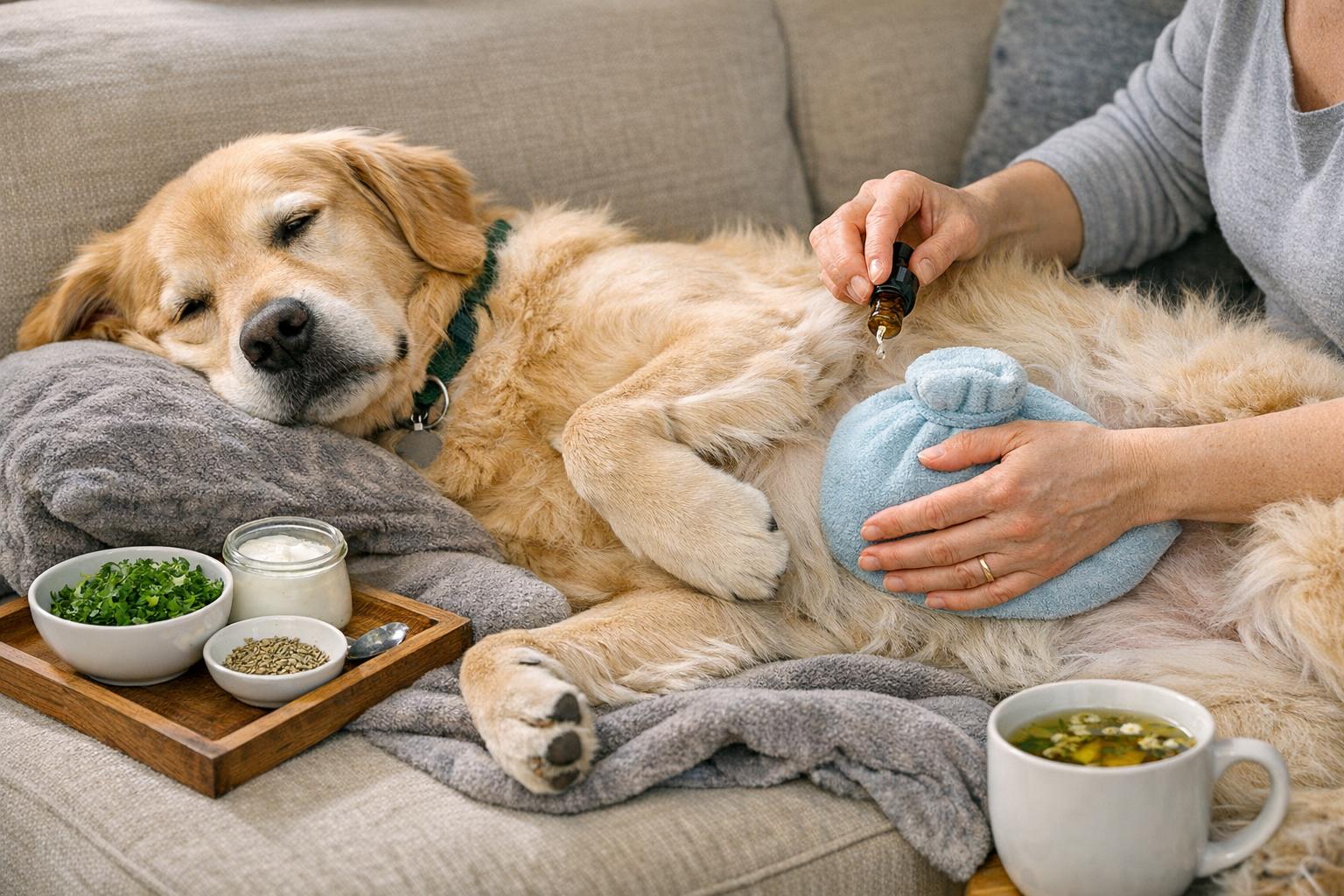
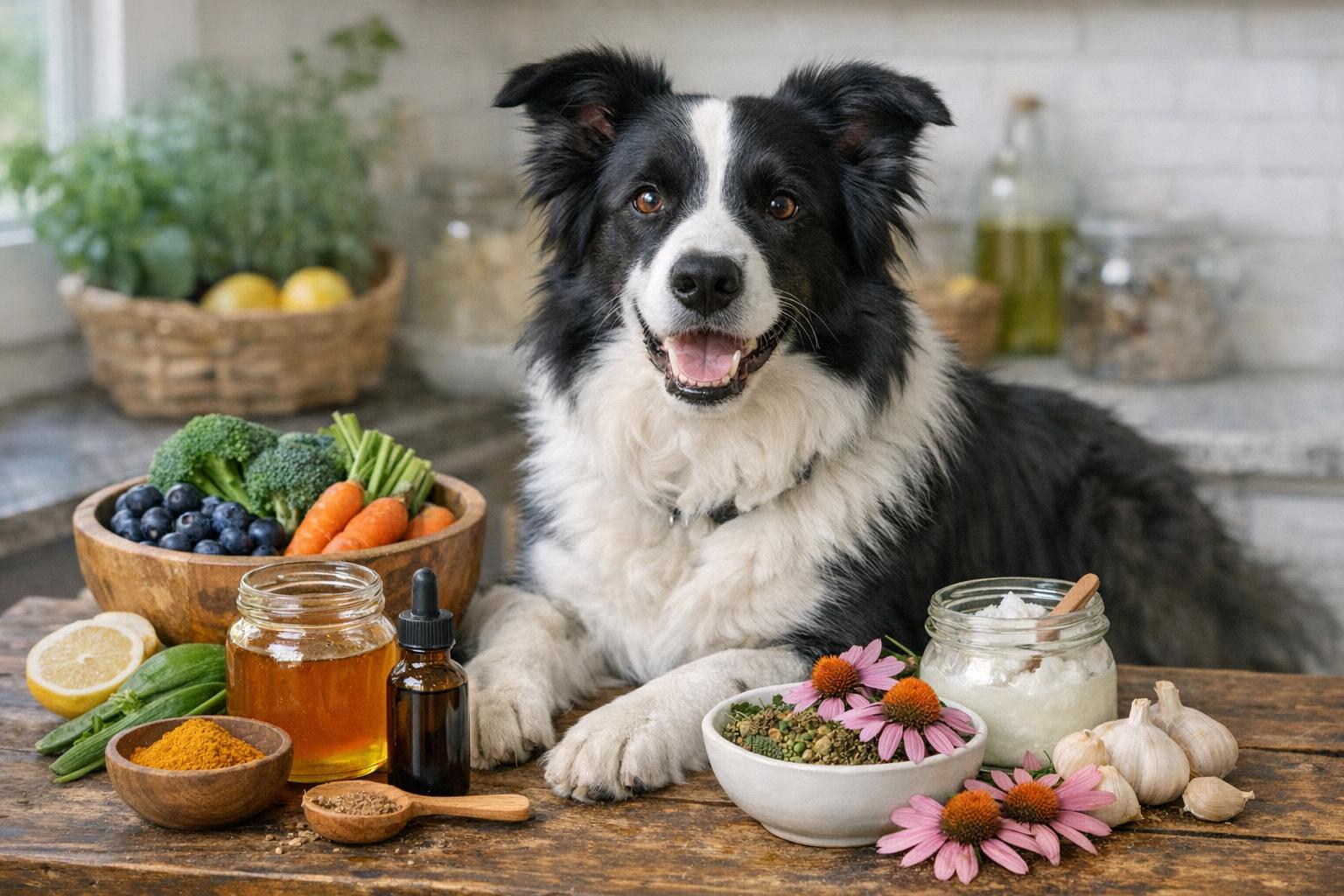
If you prefer natural, DIY approaches before reaching for commercial products, there are safe, evidence-backed options you can prepare at home. Always introduce any new supplement slowly and check with your veterinarian, especially for dogs on medications or with chronic conditions. The phrase “immune supplement for dogs” often brings to mind capsules or powders, but whole-food, gentle preparations can act as effective, low-risk supports.
## 1. Homemade Immune Tonic
This gentle daily tonic supports antioxidant defenses and offers mild anti-inflammatory support.
Ingredients
– 1 cup low-sodium bone broth (homemade or no-salt store-bought)
– 1/4 cup pure mashed pumpkin (not pie filling)
– 1/2 teaspoon turmeric powder
– Pinch of black pepper (helps turmeric absorption — very small amount)
– 1/4 teaspoon raw honey (only for dogs over 1 year old)
– Optional: 1/4 teaspoon unflavored, veterinarian-approved fish oil (for omega-3s)
Step-By-Step Creation And Application
1. Warm the bone broth in a small pot over low heat; do not boil. Gentle warmth is best.
2. Stir in the pumpkin until smooth.
3. Add turmeric and the tiny pinch of black pepper; mix thoroughly.
4. Remove from heat and let cool until lukewarm. If using honey and fish oil, stir them in once the tonic is below 100°F (38°C).
5. Serve 1–2 tablespoons for small dogs, 2–4 tablespoons for medium dogs, and 4–6 tablespoons for large dogs, once daily. Use as a topper over meals or as a stand-alone treat.
6. Store leftovers in the refrigerator for up to 3 days; rewarm gently before serving.
Notes: Turmeric is supportive but can interact with some medications (like anticoagulants). Keep doses modest and check with your vet.
## 2. Probiotic Yogurt Treat (Numbered Remedy)
Really, your dog’s gut is a VIP lounge for immune cells. This treat uses plain, unsweetened yogurt containing live cultures to introduce friendly bacteria.
Ingredients
– 1 cup plain, unsweetened yogurt (preferably goat or sheep milk yogurt if lactose-sensitive)
– 1/2 cup mashed banana or stewed apple (no added sugar)
– 1 tablespoon raw, unfiltered honey (dogs over 1 year)
– Optional: 1/4 teaspoon ground cinnamon (for flavor and mild antioxidant effect)
Step-By-Step Creation And Application
1. Combine yogurt and mashed fruit in a bowl; mix until smooth.
2. Stir in honey and cinnamon if using.
3. Scoop into silicone molds or ice cube trays for portion control and freeze for a cooling treat, or serve fresh as a meal topper.
4. Serve no more than one small spoonful per 10 lbs of body weight daily as a probiotic boost. If it’s a new food for your dog, start with half the portion for three days and monitor for digestive upset.
Caution: Avoid yogurt with artificial sweeteners (xylitol is toxic to dogs).
## 3. Bone Broth And Mushroom Broth Boost
Bone broth is nourishing and hydrating; certain medicinal mushrooms (reishi, shiitake, turkey tail) have immune-modulating properties when used appropriately. This option is supportive, not a cure.
Ingredients
– 2–3 lbs beef or chicken bones (with some marrow if possible)
– 1 tablespoon apple cider vinegar
– 1 carrot, roughly chopped
– 1 small piece of kombu or kelp (optional for minerals)
– 1/2 cup cooked, finely chopped medicinal mushrooms (obtain dried or powdered from vetted suppliers; ensure species are dog-safe)
Step-By-Step Creation And Application
1. Place bones in a large pot or slow cooker. Cover with water and add apple cider vinegar; let sit 30 minutes to help draw minerals.
2. Add vegetables and optional kelp. Simmer gently for 12–24 hours (longer yields richer broth). Skim foam occasionally.
3. Add pre-cooked medicinal mushrooms in the last hour of simmering.
4. Strain and cool completely. Remove fat layer from the top if you want a lower-fat option.
5. Serve 1–2 tablespoons as a daily topper for small dogs, 2–6 tablespoons for larger dogs. Freeze portions for convenience.
Important: Only use mushrooms known to be safe for dogs, sourced from reputable suppliers. Medicinal mushroom extracts should be dosed according to manufacturer guidance and veterinarian input.
## Feeding Strategy And When To Use An Immune Supplement For Dogs
A thoughtful approach combines whole-food supports with targeted supplements when needed. If a commercial immune supplement for dogs is part of your plan, pick formulas with transparent ingredients (probiotics with CFU counts, vitamin D in safe amounts, zinc, omega-3s, and mushroom extracts if used). Avoid vague “proprietary blends” and unnecessary fillers. Always introduce one change at a time and monitor appetite, stool, energy, and any skin reactions.
### Supporting Lifestyle Factors
– Diet: High-quality protein, vegetables safe for dogs (like carrots, green beans, pumpkin), and limited processed kibble can lower inflammatory load.
– Exercise: Regular, breed-appropriate activity keeps circulation and immune surveillance active.
– Stress Reduction: Enrichment, consistent routines, and good sleep support immune balance.
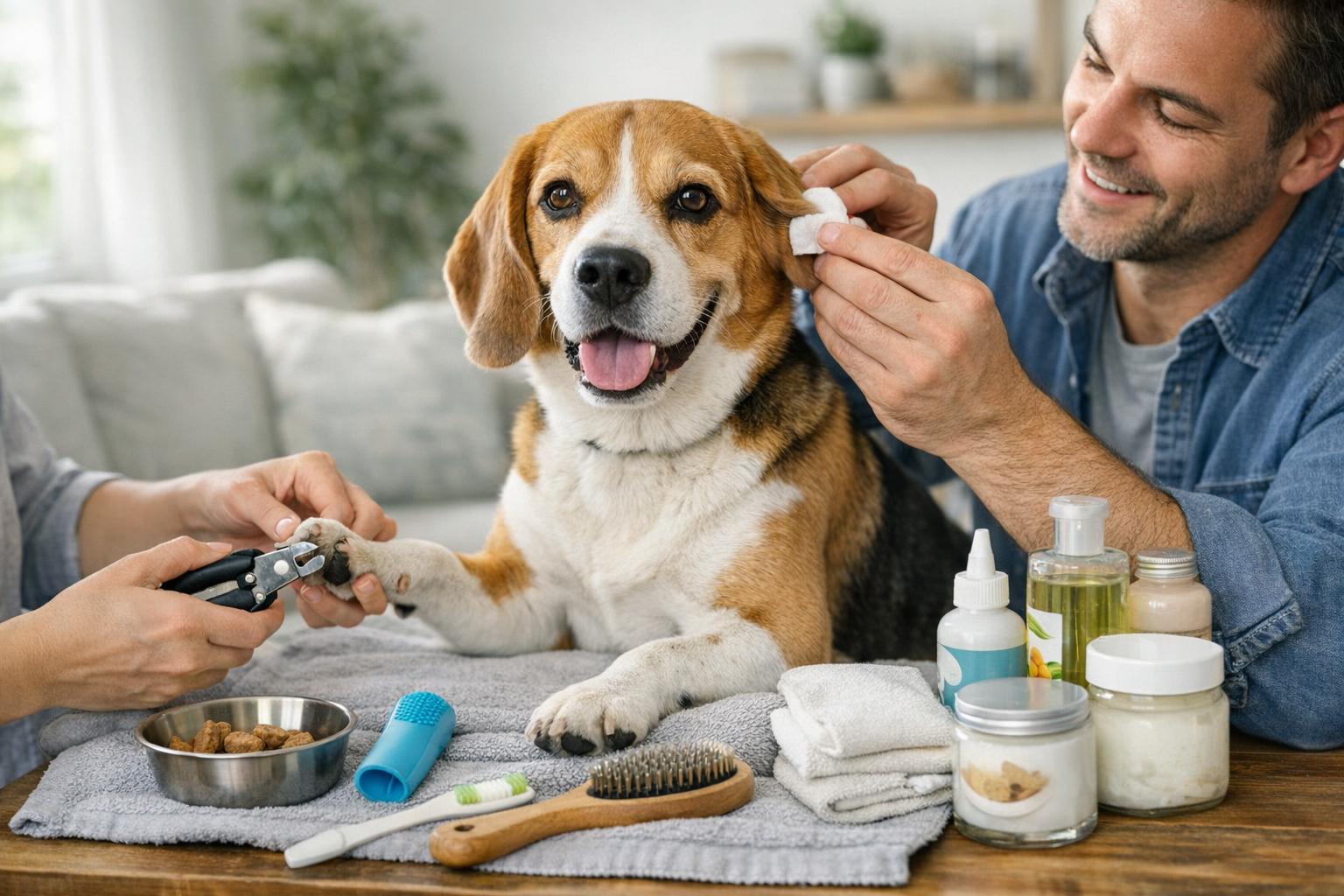
– Dental Care: Gum disease adds chronic inflammation; simple brushing or dental chews helps.
### When To Consult Your Veterinarian
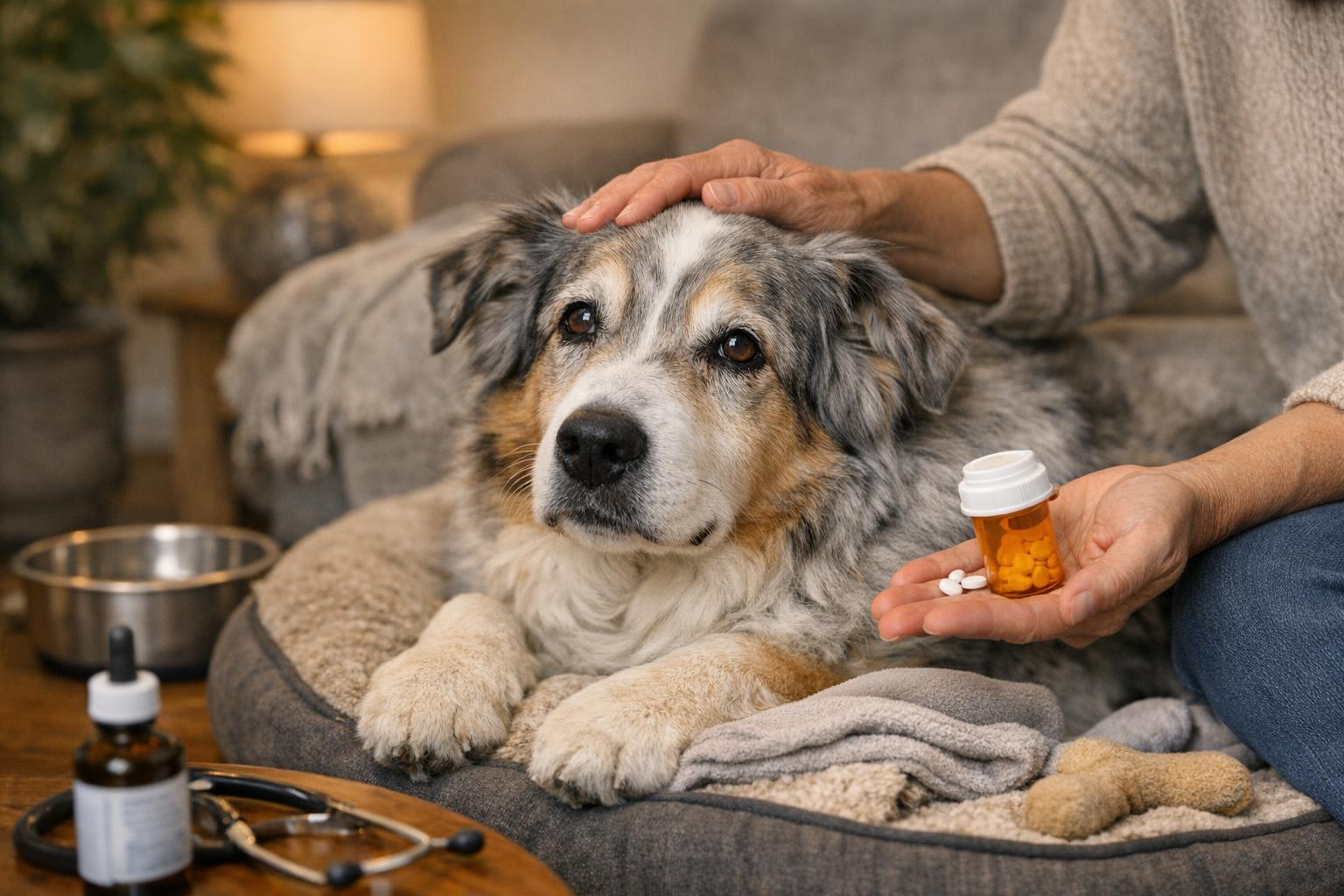
If your dog has allergies, autoimmune disease, is on immunosuppressive medication, is pregnant, or has a chronic illness, speak with your vet before starting any new supplement or homemade remedy. Your vet can recommend appropriate testing (like titers or bloodwork), safe dosages, and monitor interactions.
## Safety Notes And Practical Tips
– Start Slowly: Introduce new foods or supplements over 5–7 days to watch for intolerance.
– Watch Portion Sizes: More is not always better. Immune modulation requires balance, not megadoses.
– Quality Matters: Use organic or high-quality ingredients when possible, especially for items like fish oil or medicinal mushroom extracts.
– Keep Records: Note what you introduce and when, so you can identify what’s helping (or not).
Sprinkle these supports into your dog’s routine, and you’ll likely see steadier health, fewer sniffles, and maybe even an extra zoomie or two. If you’re thinking of a commercial product, remember that “immune supplement for dogs” is an umbrella term — look for evidence-based ingredients, clear dosing, and professional backing. And if in doubt, ask your veterinarian; they’re on your team (even if your dog has higher billing privileges).


















Leave a Reply