







## Why Dog Immunity Matters
Every dog relies on a balanced immune system to fight infections, support recovery and maintain long-term health. Strong dog immunity reduces the frequency and severity of common illnesses, improves vaccine responses and helps pets tolerate environmental stressors. Understanding and supporting this system with safe, practical home remedies can make a significant difference to your companion’s resilience.
### How The Canine Immune System Works
The canine immune system has two primary layers: innate defenses that act immediately (skin, mucous membranes, phagocytic cells) and adaptive responses that learn and remember specific pathogens (T and B lymphocytes, antibodies). Nutrition, stress, age and underlying disease all influence how effectively these systems perform. Home-based strategies should aim to strengthen barriers, supply essential nutrients and reduce chronic stressors that wear the system down.
### Signs Of A Compromised Immune System
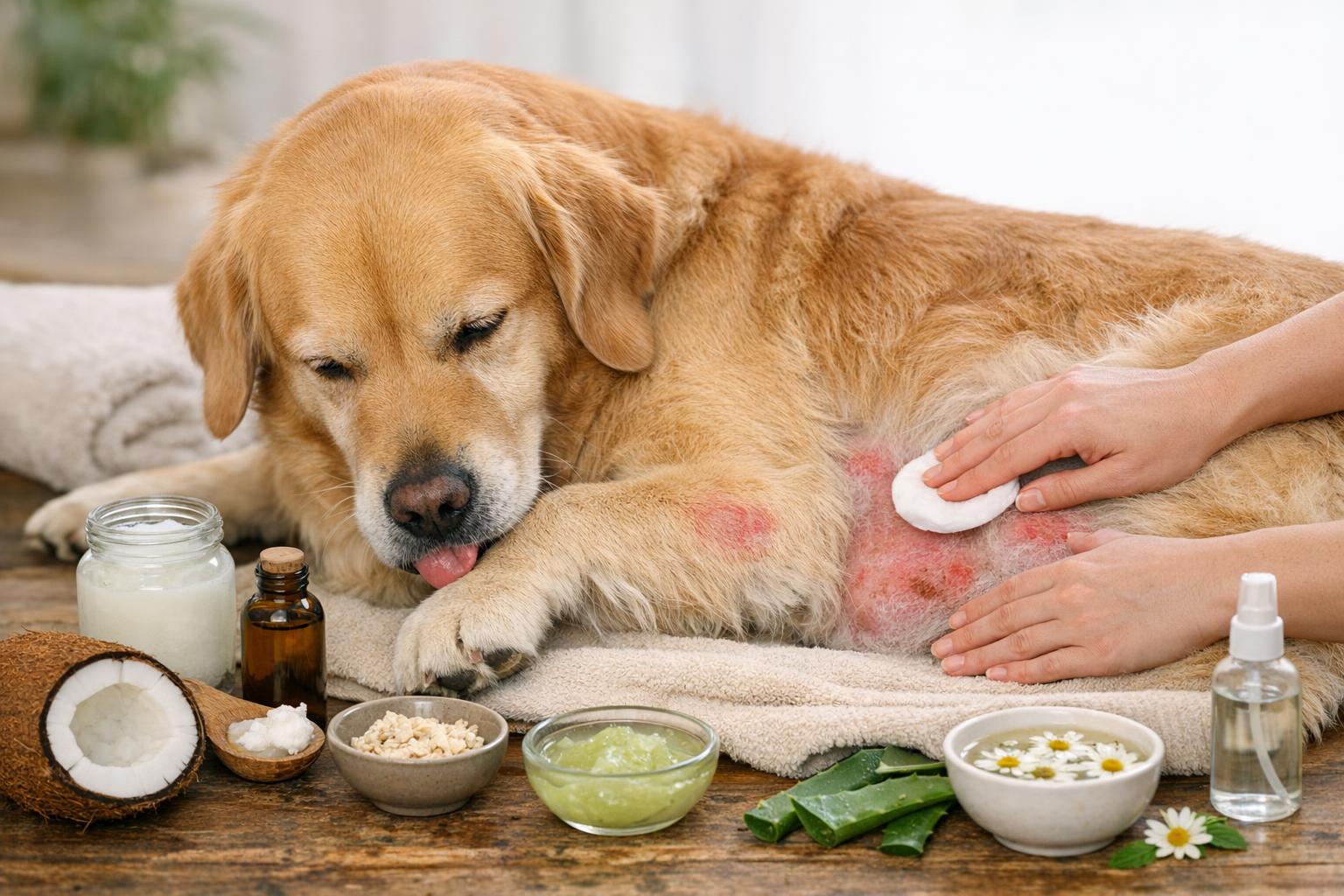
Watch for persistent or recurrent issues such as frequent ear or skin infections, chronic gastrointestinal upset, poor wound healing, lethargy, or recurrent respiratory problems. If your dog shows these signs, improving general care and targeted supportive remedies can be helpful, but professional diagnostic testing is often necessary to identify underlying causes.
#### When Age Or Disease Reduce Defenses
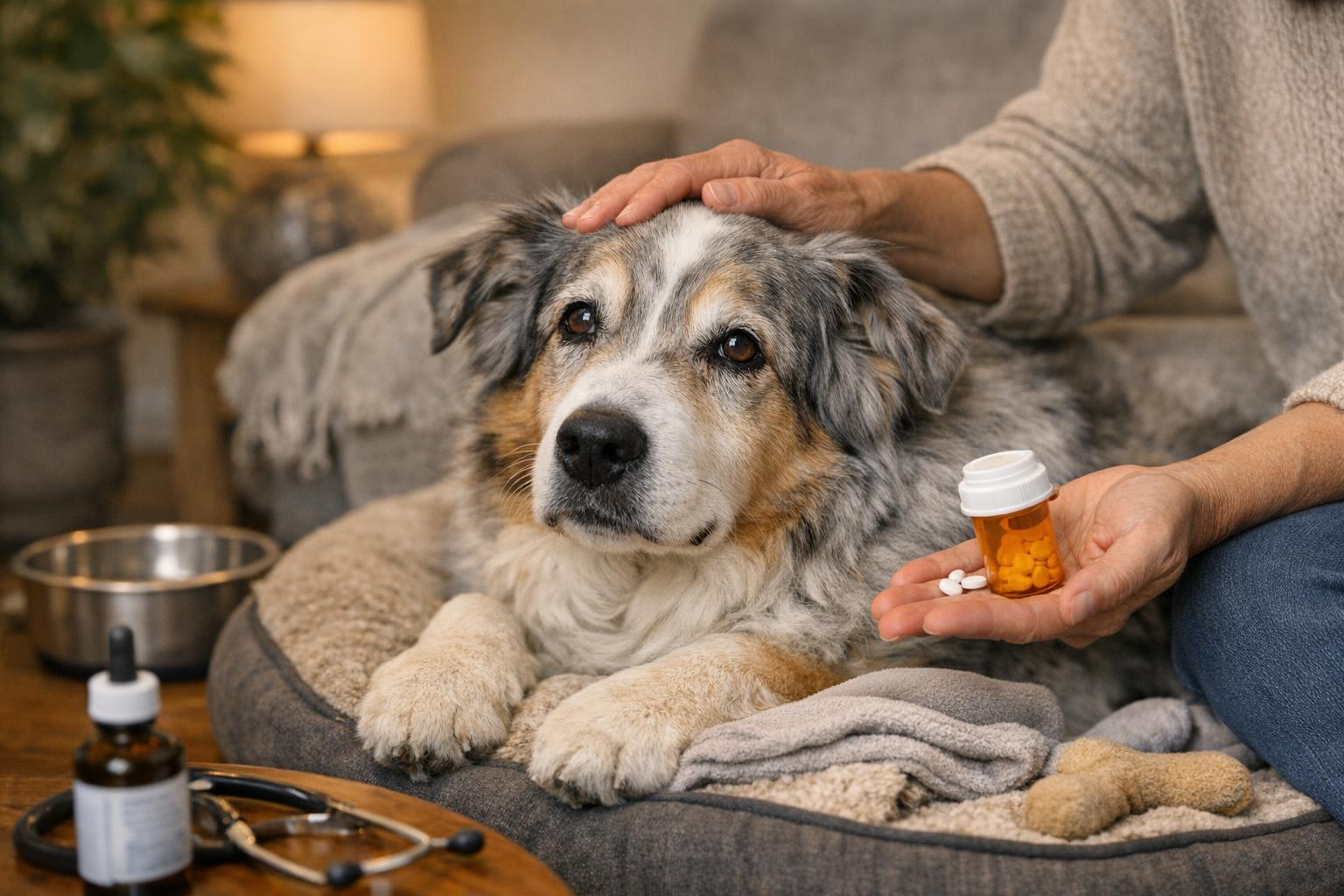
Young puppies and senior dogs naturally have weaker responses. Chronic conditions—such as endocrine disorders, autoimmune diseases or cancer—or medications like immunosuppressants and steroids will reduce resistance. In these situations, carefully selected supportive measures can improve quality of life but should be coordinated with veterinary care.
## 1. Strengthening Dog Immunity With Nutrition
Food is one of the most powerful levers to influence dog immunity. A complete and balanced diet that emphasizes bioavailable nutrients, healthy fats, and gut-supporting ingredients gives the immune system the substrates it needs to operate efficiently.
### Ingredients And Required Materials
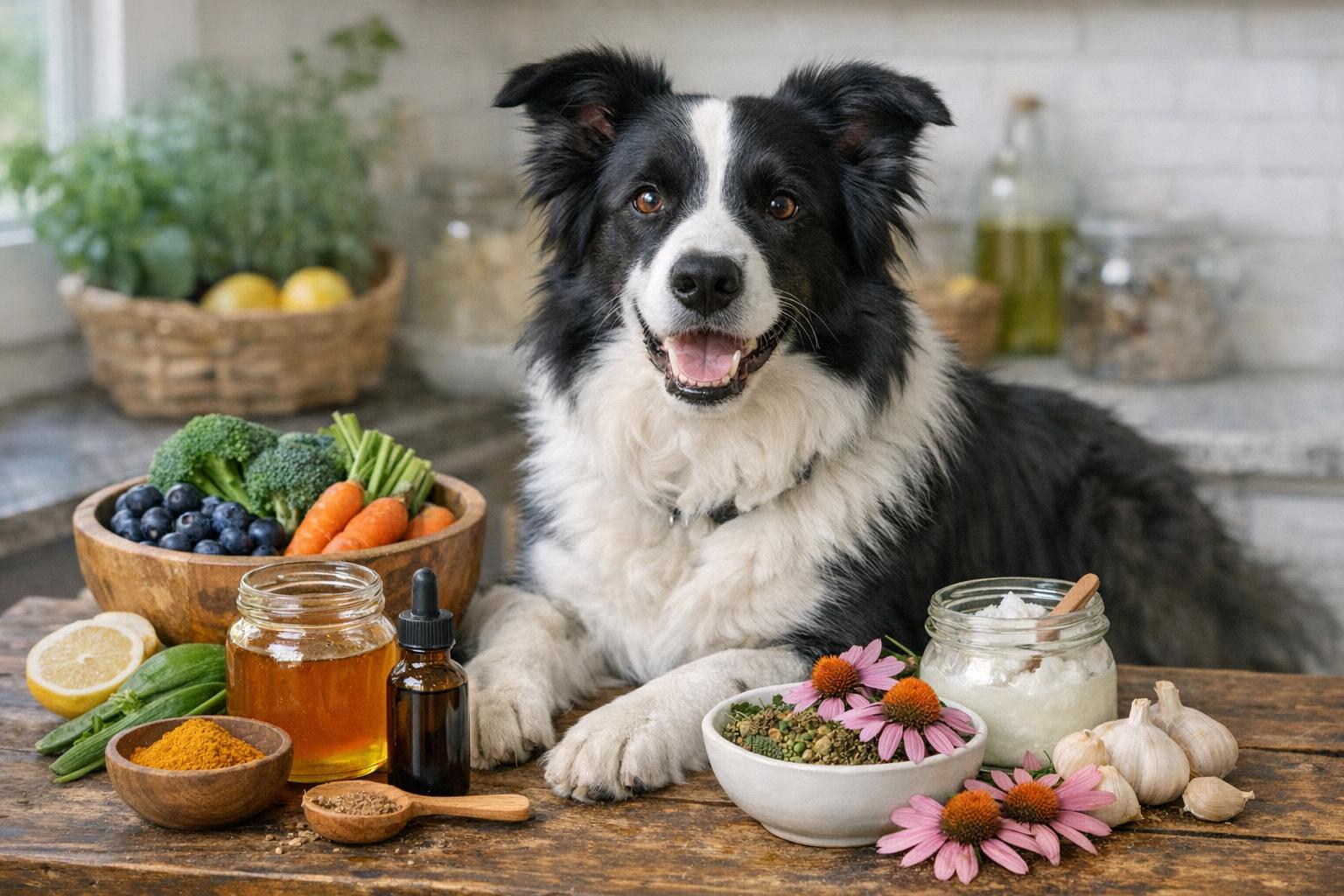
– High-quality commercial diet formulated for your dog’s life stage (adult, puppy, senior) OR a veterinarian-approved home-prepared base.
– Cooked lean protein (chicken, turkey, lean beef) or fish (low mercury like sardines) — about 10–20% of the daily meal.
– Small amounts of cooked vegetables (carrots, pumpkin, green beans) for fiber and antioxidants.
– Plain probiotic yogurt or canine-specific probiotic powder (CFU appropriate for size and age).
– Homemade bone broth (no onions, garlic, or added salt) — 1/4 to 1/2 cup per meal as a topper.
– Cold-pressed fish oil or algal omega-3 supplement (dose per vet recommendation).
### Creation And Application Steps
1. Establish a complete base: Choose a high-quality commercial diet or formulate a balanced homemade diet with guidance from a veterinary nutritionist. Do not alter core calories drastically without consultation.
2. Prepare additions: Cook lean protein thoroughly, steam or boil vegetables until soft, and cool all components. Make bone broth by simmering bones in water for 12–18 hours, skimming fat and avoiding seasonings; refrigerate and skim excess fat before use.
3. Introduce probiotics: Mix a measured dose of probiotic yogurt or supplement into a portion of food once daily. Follow manufacturer instructions for dosage; consider a multi-strain canine-specific product.
4. Add omega-3s: Administer fish oil or algal oil with food according to weight-based dosing; typical ranges are 20–55 mg EPA+DHA per kg body weight, but confirm with your veterinarian.
5. Monitor and adjust: Observe stool quality, energy and coat condition. If gastrointestinal upset occurs, pause additions and consult your veterinarian. Gradually introduce changes over 7–10 days.
When implemented consistently, these nutritional steps support gut health and systemic defenses, improving metrics associated with dog immunity.
## 2. Supportive Herbs And Supplements For Dog Immunity
Certain botanicals and supplements have evidence for immune-modulatory effects in dogs and can be safely integrated when used properly. Use formal dosing protocols and source high-quality products to avoid contaminants.
### Ingredients And Required Materials
– Echinacea (canine-formulated tincture or tablet)
– Reishi or turkey tail mushroom extract standardized for beta-glucans
– Colostrum powder (bovine, low-lactose, clinical grade)
– Zinc chelate or zinc sulfate (veterinary-formulated supplement)
– Vitamin C (ascorbic acid) — only when recommended by a vet
– Measuring spoons, dropper, or pill pouches for administration
### Creation And Application Steps
1. Choose evidence-based products: Select supplements labeled for canine use from reputable manufacturers with third-party testing. Avoid human herbal products unless veterinary-approved.
2. Determine appropriate dosing: Follow product labels designed for dogs or rely on veterinary guidance. For example, colostrum is commonly dosed at 20–50 mg/kg once to twice daily in some protocols; mushroom extracts vary by concentration—adherence to recommended dosing is essential.
3. Start singly and observe: Introduce one supplement at a time and monitor for adverse reactions for 5–7 days before adding another. Record any changes in appetite, stool, behavior or skin.
4. Formal administration: Administer with food to reduce gastric irritation. For tinctures, use a calibrated dropper and mix into a small amount of food; for tablets, use treats or pill pouches.
5. Reassess with clinical markers: If using these supplements for chronic immune support—such as in senior dogs or those on long-term therapies—schedule periodic veterinary evaluations and blood work to monitor effects and prevent nutrient excesses, particularly with trace minerals like zinc.
These supplements, when used responsibly, can serve as targeted adjuncts to a holistic plan to enhance dog immunity. Avoid combining multiple immune-stimulating products without professional oversight.
## 3. Daily Lifestyle Remedies To Boost Dog Immunity
Lifestyle factors often have the biggest cumulative impact on immune resilience. Consistent, low-risk interventions can be implemented at home and maintained long-term.
### Practical Steps To Reduce Stress And Improve Resilience
– Establish predictable routines for feeding, exercise and rest to reduce chronic stress that undermines immunity.
– Provide regular moderate exercise tailored to breed, age and health status—short daily walks and play sessions support circulation and lymphatic flow.
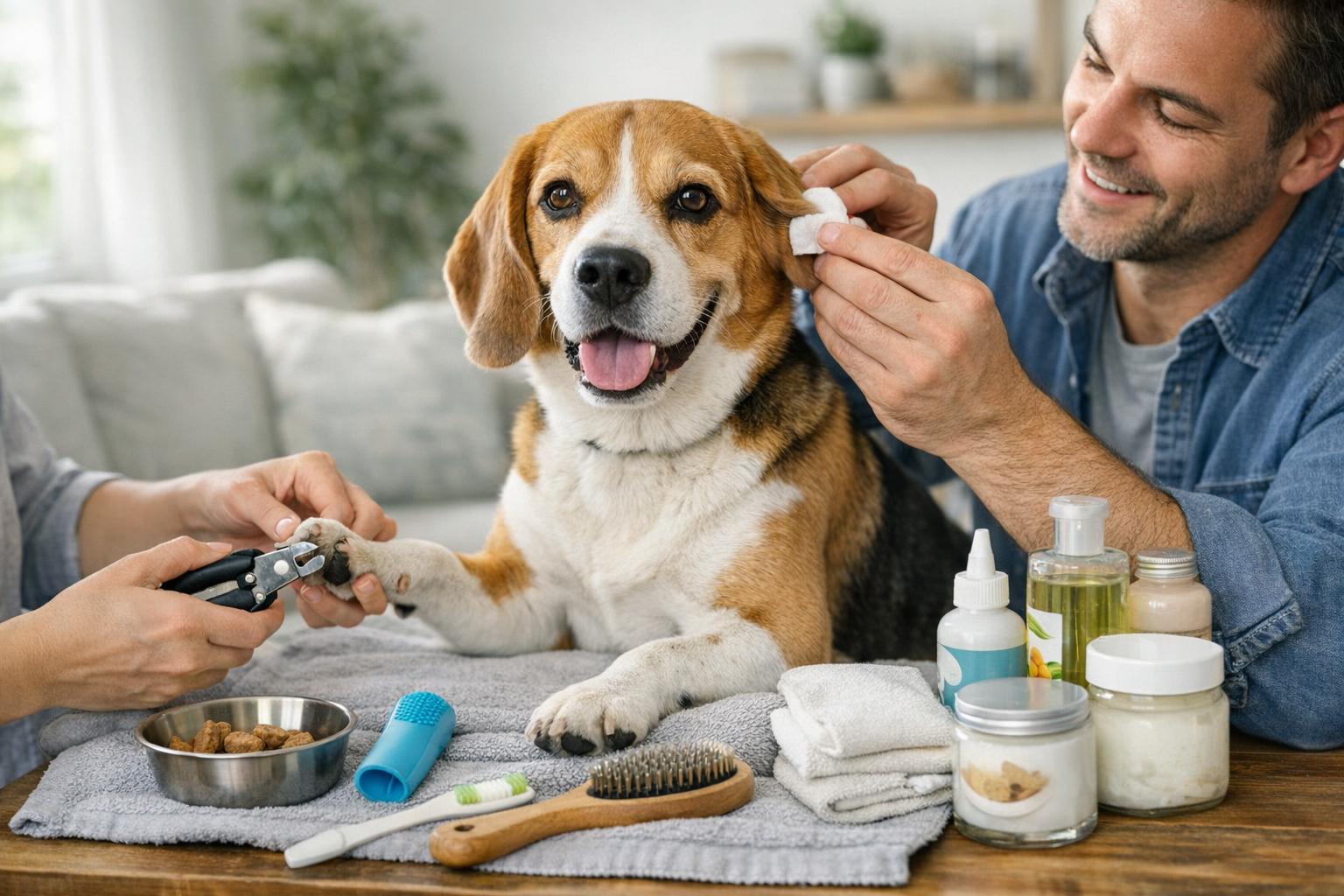
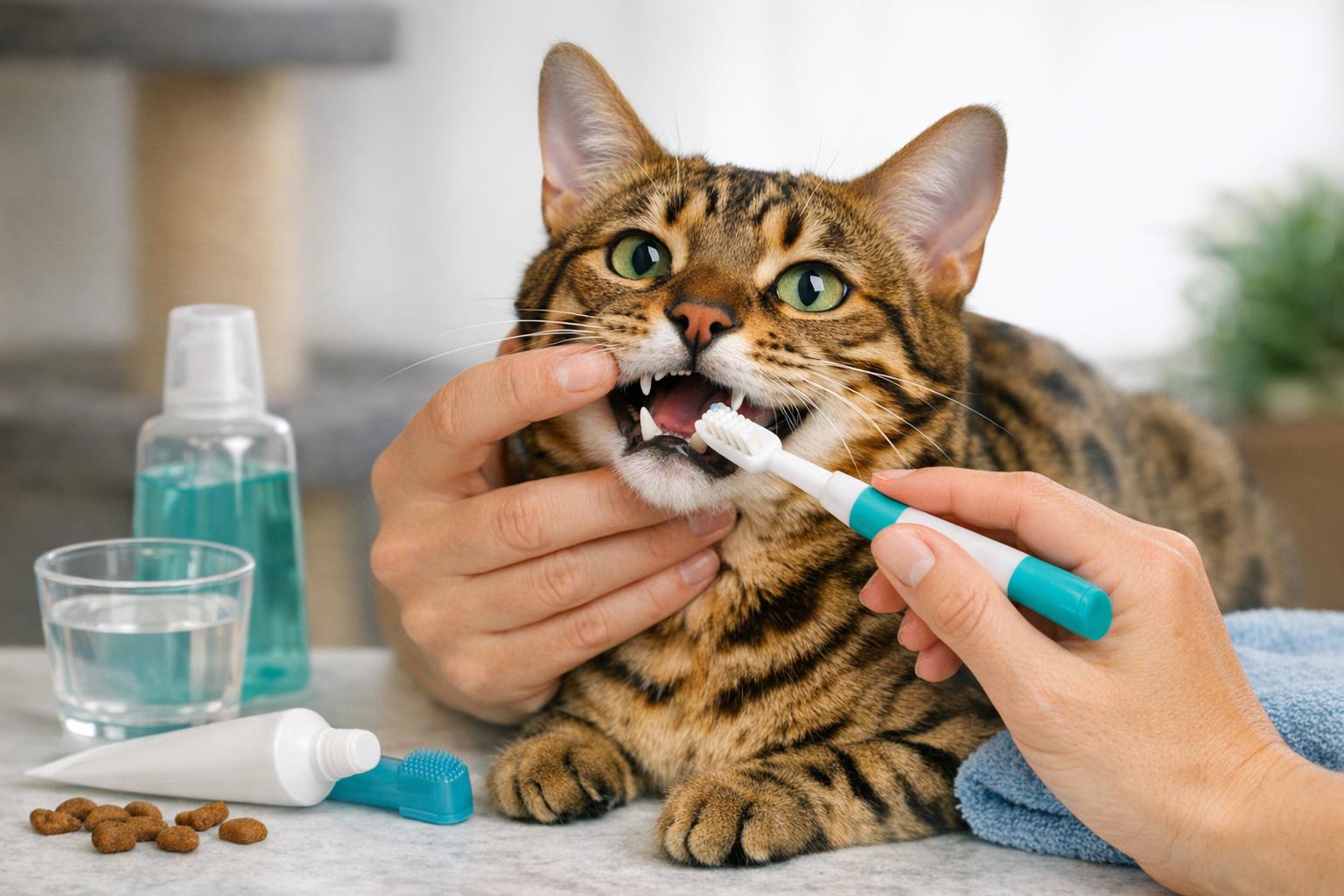
– Maintain good dental hygiene: Brushing teeth and dental chews reduce the bacterial load that can lead to systemic inflammation.
– Ensure restful sleep in a quiet, comfortable space; chronic sleep disruption impairs immune cell function.
– Keep the living environment clean with minimal toxic exposure (avoid heavy-duty chemical cleaners where dogs roam) and control parasites with vet-recommended preventives.
### Step-By-Step Implementation
1. Create a weekly schedule that balances activity and rest. Start with 20–30 minutes of graded exercise daily for most adult dogs and adjust for breed-specific needs.
2. Designate a calm sleeping area and limit nighttime disturbances. Reinforce a quiet routine 30 minutes before bedtime to signal rest.
3. Integrate dental care three times per week at minimum; use toothpaste formulated for dogs and follow instruction for safe oral care.
4. Implement parasite control per veterinarian guidance; fleas, ticks and intestinal parasites place chronic immune demand on the body.
5. Evaluate home chemical use and switch to pet-safe, fragrance-free cleaning products where possible.
Regular application of these measures lowers chronic inflammatory burden and supports the physiological conditions in which dog immunity can function optimally.
### Monitoring And When To Escalate Care
If you observe persistent signs of illness despite implementing nutritional, herbal and lifestyle remedies—such as recurring fever, severe weight loss, or marked behavior changes—seek veterinary assessment promptly. Some immune challenges require diagnostics, targeted therapy or prescription medications that home care cannot replace.
### Frequently Asked Practical Questions
How quickly will these measures influence dog immunity? Nutritional and lifestyle changes can yield measurable improvements in weeks to months, while supplements and herbs may show effects within days to weeks depending on the agent and the dog’s baseline condition. Always allow a graded trial and maintain records to assess benefit.
Can puppies receive these remedies? Puppies have specific nutritional and immunological needs. Use puppy-formulated diets and consult your veterinarian before introducing supplements or herbs to ensure safety during development.
What about dogs on medication? Coordinate with your veterinarian to avoid interactions. Certain herbs and supplements can alter drug metabolism or immune responses and should be used only under professional guidance.
Implementing thoughtful, evidence-informed home remedies—focusing on nutrition, targeted supplementation and consistent lifestyle practices—provides a realistic path to supporting dog immunity. These strategies are complementary to veterinary care and help reduce susceptibility to common health problems when applied responsibly.














Leave a Reply