



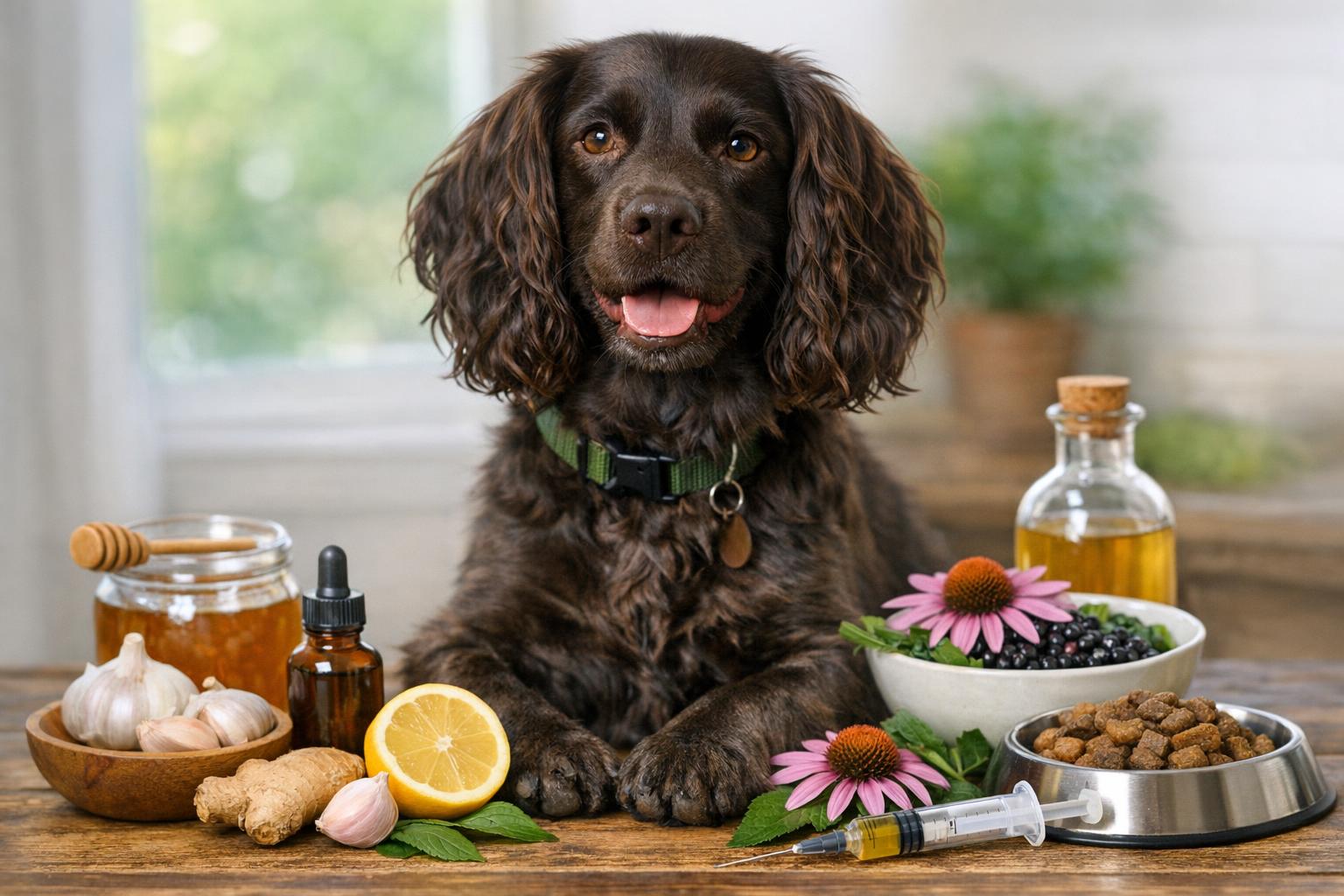
Hello there — glad you’re reading up on ways to keep your pup’s defenses in tip-top shape. Whether your dog is heading to the boarding kennel, the groomer, or just spends time with other sniffy pals, understanding how the bordetella vaccine in dogs fits into an overall immunity plan helps you make smarter, safer choices. I’ll keep this friendly, a little cheeky at times, and firmly practical when it comes to remedies and steps you can actually use at home.
## Bordetella Vaccine In Dogs: What It Does And Why It Matters
Bordetella bronchiseptica is one of the main bacteria behind “kennel cough.” The bordetella vaccine in dogs reduces the risk and severity of infection, helping your dog mount a faster immune response if exposed. It’s not a magical force field — it’s part of a layered strategy: vaccination plus good nutrition, stress reduction, environmental control, and—when appropriate—home remedies to support recovery or immune strength.
### How Immunity Works And When To Boost It
Immunity is more than antibody titers and shots. There are innate defenses (mucus, skin, coughing) and adaptive responses (antibodies and memory cells). The bordetella vaccine in dogs trains that adaptive system to recognize the bacteria so the body responds quicker. Boosting general immunity helps these systems work better: fewer prolonged illnesses, less severe symptoms, and faster recovery.
Generally, boost immunity before high-risk events (boarding, dog daycare, group training) and support recovery after exposure. If your dog already has signs of respiratory illness—coughing, sneezing, nasal discharge—talk with your vet before giving any remedies. Some treatments are supportive; others must be avoided if the dog is on medication or has underlying disease.
### Natural Ways To Support Immune Health
Think of home remedies as supportive care rather than replacements for vaccines or veterinary treatments. Good baseline practices:
– Balanced diet high in quality protein and digestible fats.
– Fresh water always available.
– Adequate sleep and gentle daily exercise.
– Low-stress routines — chronic stress suppresses immunity.
– Clean living spaces to reduce pathogen load.
– Probiotic support for gut health, which strongly influences systemic immunity.
## 1 Immune-Boosting Chicken Bone Broth
This is a classic: nourishing, anti-inflammatory, hydrating, and gentle on the digestive tract. It supports recovery and helps keep mucous membranes moist.
### Ingredients Or Required Materials
– 4–5 pounds (about 2 kg) raw chicken carcasses or necks/wings (no added salt or seasonings).
– 1–2 carrots, roughly chopped.
– 1–2 celery stalks, roughly chopped (optional).
– 1–2 tablespoons apple cider vinegar (helps extract minerals).
– 8–10 cups filtered water.
– Large stockpot or slow cooker.
– Fine mesh strainer and storage jars.
#### Step-By-Step Creation And Application
1. Place chicken carcasses, vegetables, and apple cider vinegar into the pot. Add cold water to cover by an inch or two.
2. Bring to a gentle simmer, then reduce heat to low. Skim foam during the first 30 minutes.
3. Simmer for 8–24 hours on low (slow cooker works well). Longer simmer extracts more minerals and gelatin.
4. Strain the liquid through a fine mesh strainer into a container. Discard bones and solids safely (do not give cooked bones to dogs).
5. Cool and refrigerate. A layer of fat will form on top; you can remove some if your dog needs a lower-fat option.
6. Offer 1–4 tablespoons per meal for small dogs, up to 1/2–1 cup for larger dogs, once or twice daily as a topper or warm hydrating drink. For sick dogs, offer frequently in small amounts to encourage hydration and appetite.
Notes: Avoid adding onions, garlic, or excessive salt — these are harmful. Use plain broth; if your dog has pancreatitis or special diet needs, check with your vet.
## 2 Probiotic Yogurt And Fermented Veg Blend
Gut health = immune health. A modest probiotic boost can help rebalance the microbiome during and after illness.
### Ingredients Or Required Materials
– Plain, unsweetened yogurt with live cultures (no xylitol or artificial sweeteners).
– Small amount of mashed plain pumpkin or cooked sweet potato (fiber).
– Optional: pet-safe probiotic powder (veterinary-recommended).
#### Step-By-Step Creation And Application
1. Mix 1 teaspoon (small dogs) to 1 tablespoon (large dogs) of plain yogurt with 1–2 teaspoons (small dogs) to 1–2 tablespoons (large dogs) mashed pumpkin or sweet potato.
2. If using a pet probiotic powder, sprinkle according to label instructions and mix thoroughly.
3. Serve as a small daily topper for 5–7 days during recovery or periodically as part of maintenance.
4. Monitor stool consistency; if loose stools develop, reduce frequency or volume.
Notes: Avoid yogurt containing artificial sweeteners (xylitol is toxic to dogs). For dogs with lactose intolerance, use specially formulated canine probiotics instead.
## 3 Steam, Humidifier And Gentle Nasal Care For Symptom Relief
Respiratory irritation often worsens when the air is dry or dusty. Supportive humidification and gentle nasal care can ease coughing and clear mucus.
### Ingredients Or Required Materials
– Cool-mist humidifier or steam from a closed bathroom during shower.
– Clean towel.
– Sterile saline nasal drops (veterinary or pharmacy grade).
– Soft cloth or paper towels.
#### Step-By-Step Creation And Application
1. For humidification, run a cool-mist humidifier in the room where your dog rests for several hours daily, keeping it clean to avoid mold growth.
2. Alternatively, sit with your dog in a bathroom with a hot shower running (closed door) for 10–15 minutes to let steam loosen secretions.
3. Use sterile saline drops by applying 1–2 drops into each nostril of small dogs (up to 3–4 drops for large dogs) to loosen crusted discharge. Wipe gently with a soft cloth.
4. Keep the head slightly elevated while the dog relaxes to encourage drainage.
5. Repeat 2–4 times daily as needed, but stop if breathing worsens, and call your vet.
Notes: Do not use essential oils in humidifiers or around dogs; many are toxic to pets (e.g., tea tree, eucalyptus).
### Vaccination Timing, Exposure Management And When To Consult Your Vet
If your dog is due for the bordetella vaccine in dogs, schedule it well before an expected exposure (ideally at least two weeks prior). The vaccine may be intranasal, injectable, or oral depending on product and vet preference; each has pros and cons. Intranasal products often induce local immunity faster, but you should follow your clinic’s guidance.
Reduce exposure risk by avoiding crowded dog areas during outbreaks, informing boarding/grooming facilities of vaccination status, and keeping sick dogs separated. If your dog develops high fever, labored breathing, persistent coughing, nasal or eye discharge that worsens, lethargy, or loss of appetite, seek veterinary care promptly — antibiotics or other interventions may be necessary.
### Cautions, Contraindications And Practical Tips
– Always check with your veterinarian before starting supplements or herbal remedies; some can interfere with medications or be inappropriate for puppies, elderly dogs, or those with autoimmune disease.
– Do not substitute home remedies for recommended vaccinations. The bordetella vaccine in dogs is a key preventive measure for many social and boarding scenarios.
– Keep portion sizes and ingredient choices suitable for your dog’s size, age, and health status.
– Maintain hygiene: wash bedding, sanitize food bowls, and limit shared toys when recovery is underway.
A well-rounded plan — vaccination, sensible exposure control, and supportive home care — gives your dog the best shot at staying healthy and happy. If you want, I can tailor the broth recipe and probiotic doses to your dog’s weight and health profile.



Leave a Reply