





Keeping your dog’s chompers in tip-top shape doesn’t have to be a chore or a wallet-busting vet dash every other month. With a few simple habits and safe, DIY helpers, you can make a big dent (pun intended) in plaque, bad breath, and gum disease. Here’s a friendly, practical guide to improving canine dental health without turning your living room into a dental clinic.
## Why Canine Dental Hygiene Matters
Dogs don’t brush their own teeth, and a lot of owners assume that food and chew toys will handle everything. The truth is that neglected oral care can lead to periodontal disease, tooth loss, chronic pain, and even systemic health problems (the mouth is linked to the heart, kidneys, and liver). Good canine dental hygiene reduces bad breath, prevents tooth decay and gum inflammation, and keeps your pup comfortable and playful well into their golden years.
### Signs To Watch For
Early detection keeps treatments simple. Watch for:
– Persistent halitosis (bad breath)
– Yellow or brown buildup (tartar) at the gumline
– Red, swollen, or bleeding gums
– Drooling, reluctance to chew, or dropping food
– Pawing at the mouth or decreased appetite
If you notice any of these signs, don’t panic—but do act. Many dental issues are manageable if caught early.
### When To See A Vet
If signs are moderate to severe—loose teeth, significant swelling, pus, or sudden changes in eating behavior—seek veterinary care promptly. Professional cleaning under anesthesia may be necessary to remove tartar below the gumline safely. Canine dental hygiene done at home is preventive and supportive, not a replacement for veterinary diagnosis and treatment when disease is present.
## Canine Dental Hygiene Routine: Daily To Weekly
A consistent routine is your best defense. Aim for daily or near-daily measures, and combine multiple approaches for best results.
### Daily
– Brush teeth with a pet-safe toothpaste or recommended homemade option (see remedies below).
– Offer crunchy, dental-safe treats or toys to help mechanically remove soft plaque.
### 2–3 Times Weekly
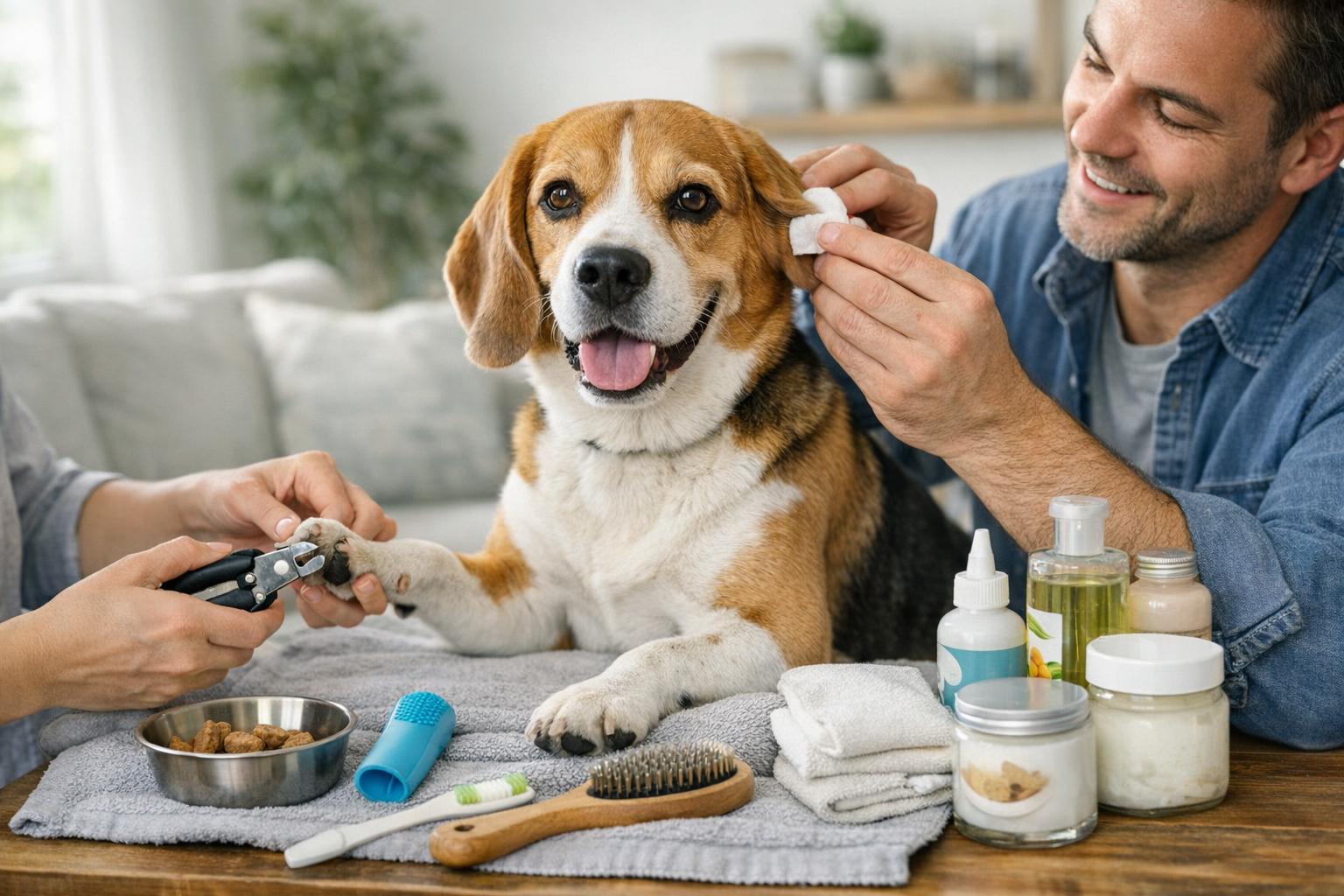
– Use a silicone finger brush or gauze wrap with a cleaning agent to reach molars and the gumline.
– Check the mouth for new spots of tartar or irritation.
### Weekly
– Inspect chew toys for excessive wear or sharp edges that could damage teeth.
– Note any persistent bad breath or changes and log them for your vet.
## Remedy 1: Homemade Enzymatic Toothpaste (Numbered Remedy 1)
This enzymatic-style paste supports plaque control without harsh abrasives. It’s safe for daily use and palatable for most dogs.
### Ingredients Or Materials
– 1 tablespoon plain, unsweetened yogurt (contains natural enzymes)
– 1 teaspoon baking soda (mild abrasive; optional for heavy tartar—omit for sensitive gums)
– 1/2 teaspoon coconut oil (antimicrobial and a carrier)
– 1–2 drops of poultry or beef broth (low-sodium) for flavor, optional
– Small jar with lid and a small spoon or silicone spatula
### Steps For Creation And Application
1. Sanitize your jar and utensils to ensure cleanliness.
2. In the jar, combine yogurt and coconut oil until smooth. If using baking soda, add and mix thoroughly.
3. Add 1–2 drops of broth to increase palatability, mix, and close the lid. Store refrigerated and use within 7–10 days.
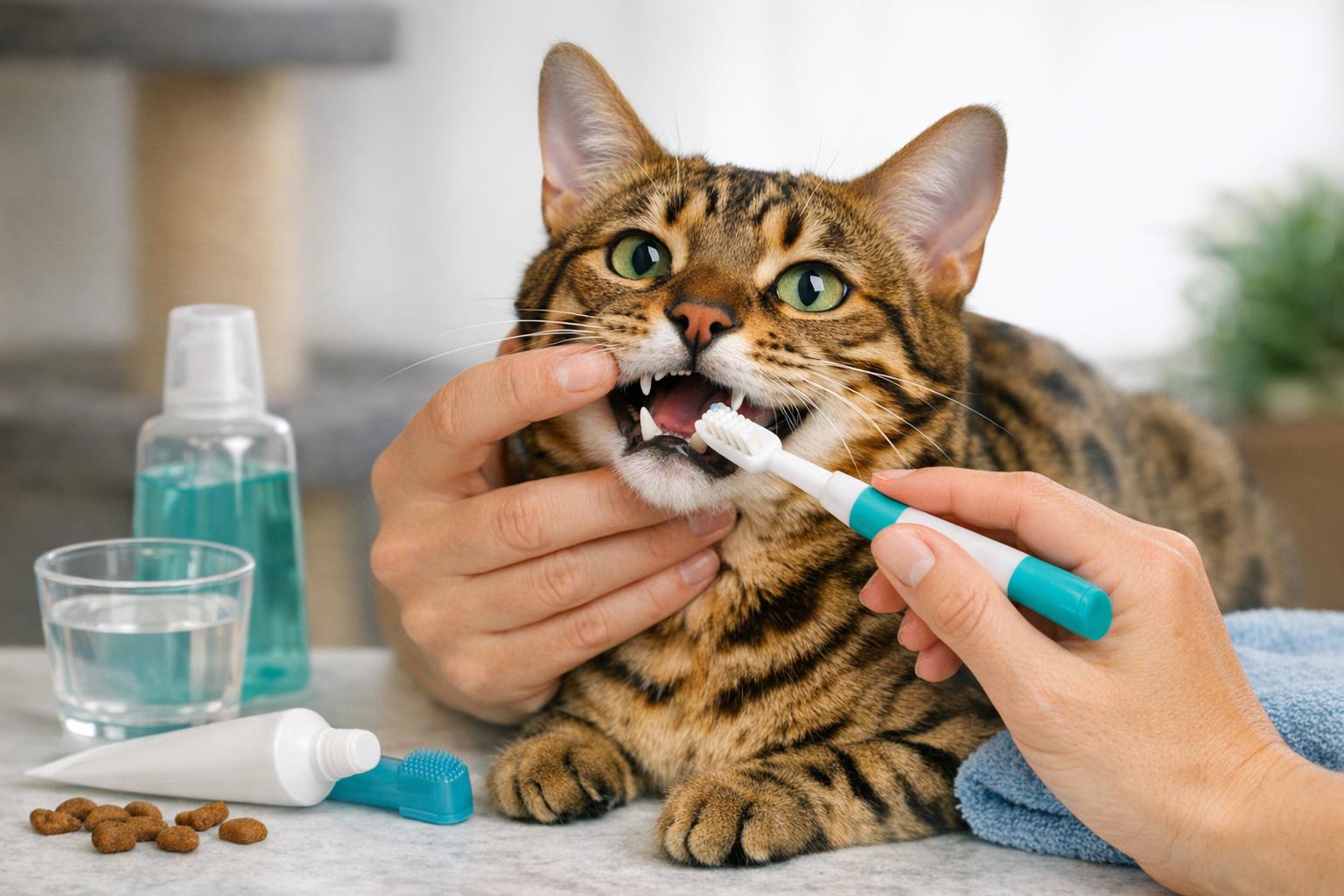
4. Application: Place a small smear on your finger or on a soft canine toothbrush. Gently lift your dog’s lip and brush at a 45-degree angle to the gumline, using small circular motions. Spend about 30 seconds per side for a total of 2 minutes.
5. Frequency: Use once daily or at minimum every other day to maintain effect.
Notes: The yogurt base supplies mild enzymes and friendly texture that encourages acceptance. If your dog has a dairy sensitivity, replace the yogurt with a teaspoon of unsweetened applesauce and consult your vet.
#### Safety Notes
Avoid recipes with xylitol, garlic, onion, or large amounts of baking soda. Always introduce new products gradually and monitor for GI upset.
## Remedy 2: Coconut Oil Tooth Rub (Numbered Remedy 2)
Coconut oil can reduce bacterial load and is often well tolerated. This method is especially useful for dogs who resist brushing.
### Ingredients Or Materials
– 1 tablespoon virgin coconut oil (food grade)
– Clean cotton gauze pads or a soft finger brush
– Small, clean container for storage
### Steps For Creation And Application
1. Warm the coconut oil slightly if solid (place the jar in warm water until softened).
2. Soak a piece of gauze or your finger brush in a thin coating of oil.
3. Gently rub the oil over teeth and along the gumline for 30–60 seconds per side. Focus on areas of visible plaque.
4. Repeat daily or at least 3–4 times per week.
Notes: The lauric acid in coconut oil has antimicrobial activity and can help freshen breath and reduce surface bacteria. This is supportive care and best paired with a mechanical cleaning method (brushing or chew toys) to remove plaque.
#### Safety Notes
Coconut oil is calorie-dense—account for the extra calories if your dog is on a strict diet. Monitor for loose stools when first introduced.
## Remedy 3: Natural Dental Chews And Toy Protocol (Numbered Remedy 3)
Chewing is a dog’s favorite pastime and a useful tool for dental maintenance when done right. This protocol outlines safe choices and a rotation schedule to maximize benefit.
### Required Materials
– Rawhide alternatives (dental-grade nylon chews, bully sticks, or vegetable-based chews)
– Nylon or rubber toys with ridges designed for dental abrasion
– Supervised play space and timer
– A bowl of fresh water
### Steps For Selection And Use
1. Choose the right size: chews and toys should be larger than the dog’s mouth to prevent swallowing whole.
2. Select low-residue, digestible options like bully sticks or vegetable chews for lighter chewers; use durable nylon or rubber for more aggressive chewers.
3. Rotate toys weekly to maintain interest and prevent wear. Replace any chew toy that becomes sharp, splits, or small enough to be swallowed.
4. Supervise chewing sessions and limit to 10–20 minutes to avoid overconsumption of calories and to reduce fracture risk.
5. Combine with toothbrushing or oil rubs for comprehensive care.
Notes: Chewing provides mechanical abrasion that can reduce soft plaque. However, chews alone won’t reach the subgingival areas where periodontal problems begin. Use chews as part of a broader canine dental hygiene plan.
#### Safety Notes
Avoid cooked bones and hard chews that can fracture teeth. Be cautious with rawhide in dogs that gulp aggressively—opt for digestible alternatives.
## Practical Tips For Making Oral Care Easier
– Start young when possible; puppies adapt quicker to brushing and tooth rubs.
– Make sessions short and positive: two minutes of calm attention beats a stressful 10-minute wrestle.
– Offer a high-value treat or play session immediately after to build positive association.
– Keep a log: note dates of treatments and any changes in breath, gum color, or eating habits.
– If your dog resists, try a staged approach: first get comfortable with lip lifting, then with touch, then with gauze, and finally with a brush.
## Troubleshooting Common Roadblocks
If your dog won’t tolerate a brush, begin with fingers and gauze. If plaque is heavy and home remedies show little improvement after several weeks, schedule a vet visit. Persistent bleeding or apparent pain are red flags for professional care. Remember: home measures are preventive and supportive; they aren’t a cure for established periodontal disease.
## When To Integrate These Remedies Into A Veterinary Plan
Discuss your home regimen with your veterinarian, especially for dogs with preexisting health issues (kidney or heart disease) or those on special diets. Your vet can recommend frequency, safe products, and when professional cleaning under anesthesia is warranted. Regular dental exams and professional cleanings, combined with the at-home strategies above, form the most effective approach to canine dental hygiene.
Now grab the treats, pick a comfy spot, and make this a small, daily ritual—your dog’s smile (and your nose) will thank you.











Leave a Reply