






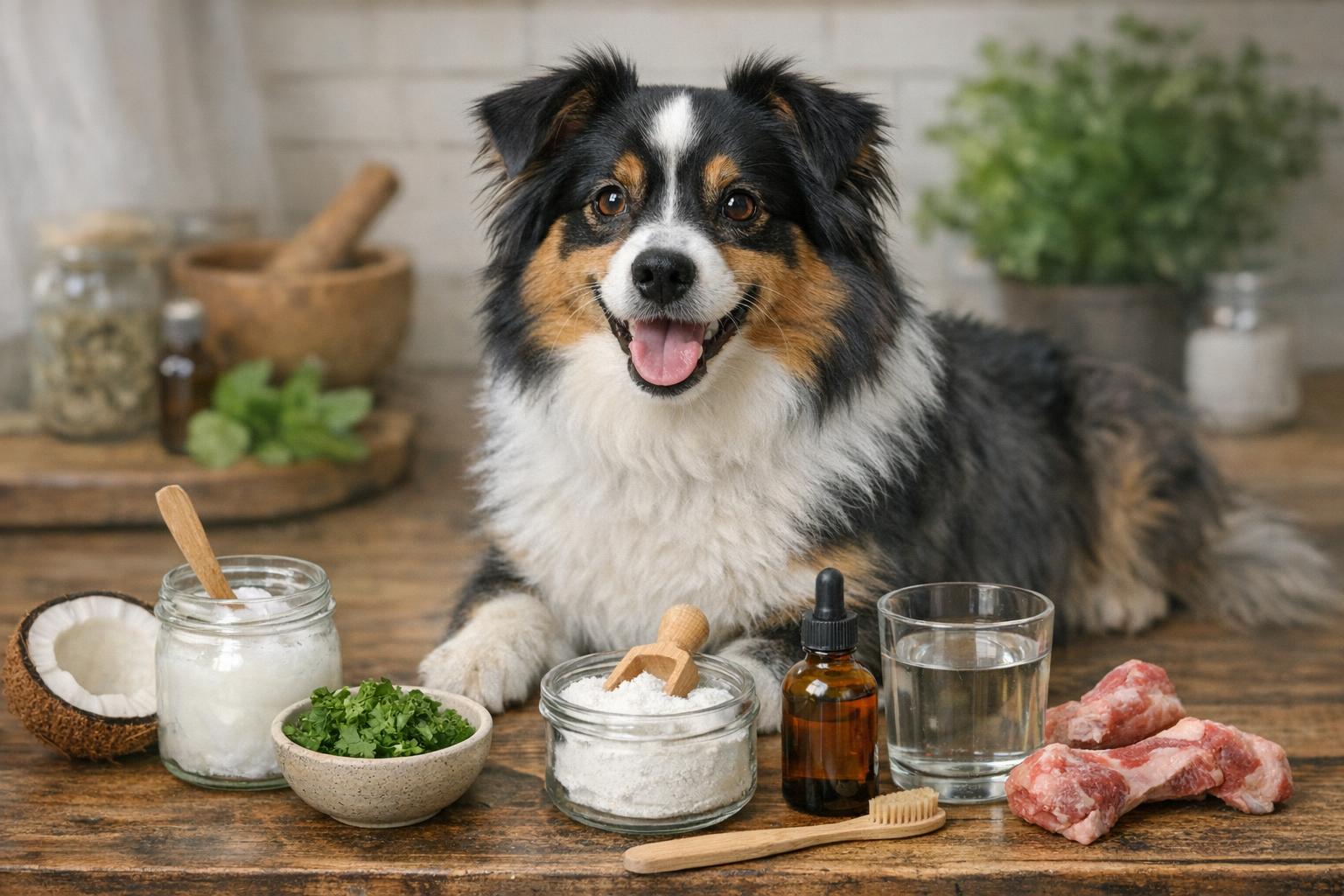
Dental health is one of those areas where dogs are surprisingly stoic — they’ll keep wagging while their mouth is quietly staging a protest. If you’ve noticed bad breath, discolored teeth, or your pup favoring one side while chewing, tooth decay might be the culprit. This article gives natural, safe home approaches to help reduce plaque and discomfort, and supports ongoing dental care. These solutions are supportive, not a replacement for vet care — if your dog has severe pain, bleeding, loose teeth, or fever, call the vet.
## 1. Home Remedies For Tooth Decay In Dogs
Tooth decay in dogs comes from the same basic problems as in people: bacteria, food residue, and time. Early-stage tooth decay (plaque and mild tartar) can often respond to improved home care and gentle natural treatments. Below is a practical, vet-friendly remedy you can prepare at home to help reduce bacterial load and freshen breath.
### Ingredients And Supplies
#### Materials
– 1 tablespoon virgin coconut oil (organic preferred)
– 1 teaspoon food-grade baking soda (use sparingly)
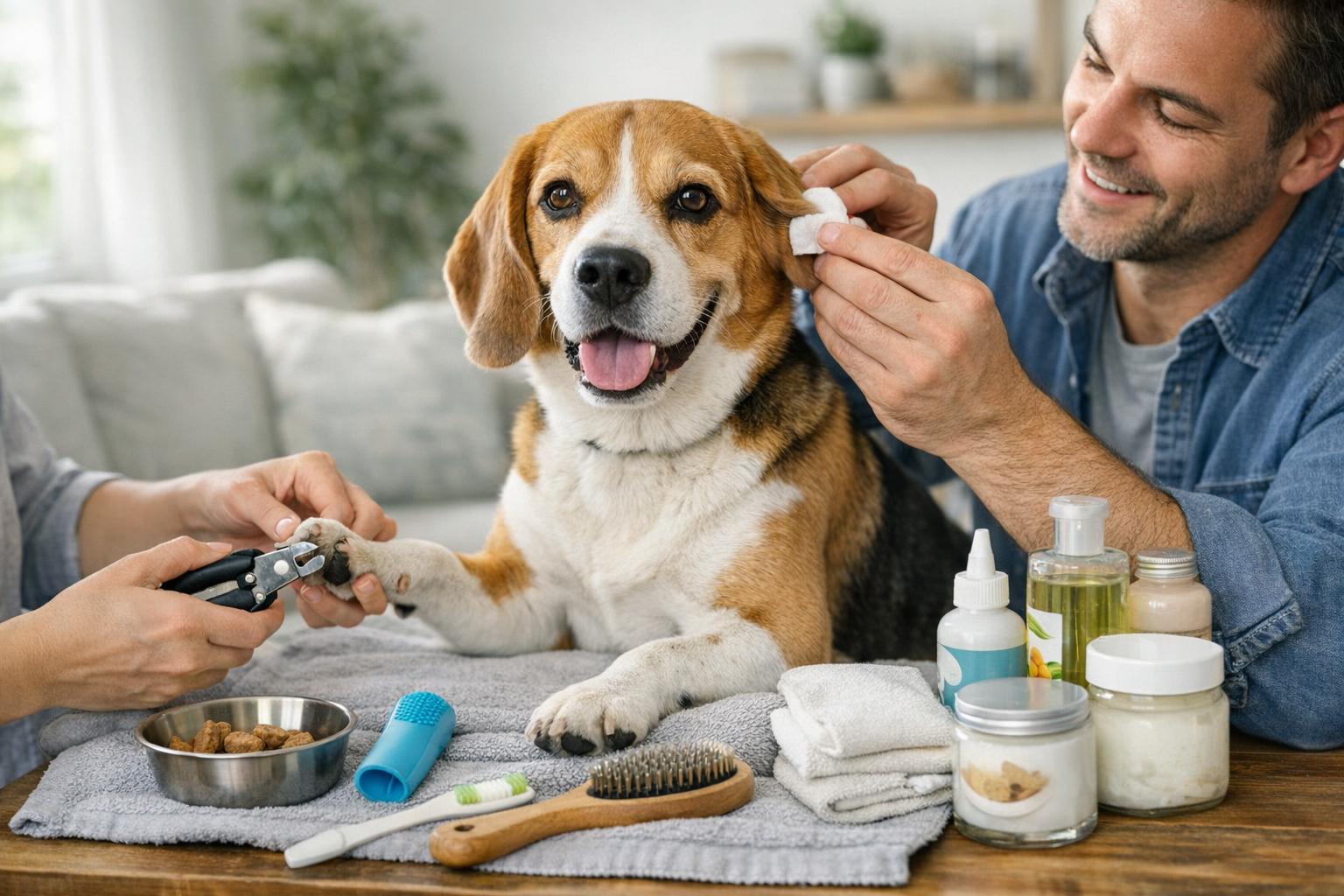
– A soft dog toothbrush or a finger brush
– A small glass jar with lid
– Clean towel
#### Steps To Create And Apply
1. In the jar, mix the coconut oil and baking soda until a smooth paste forms. Coconut oil helps reduce bacteria and acts as a carrier; baking soda provides gentle abrasion and neutralizes acids. Use only sparingly because baking soda is high in sodium.
2. Before brushing, let your dog sniff the jar and offer a small lick to confirm they like the scent/taste.
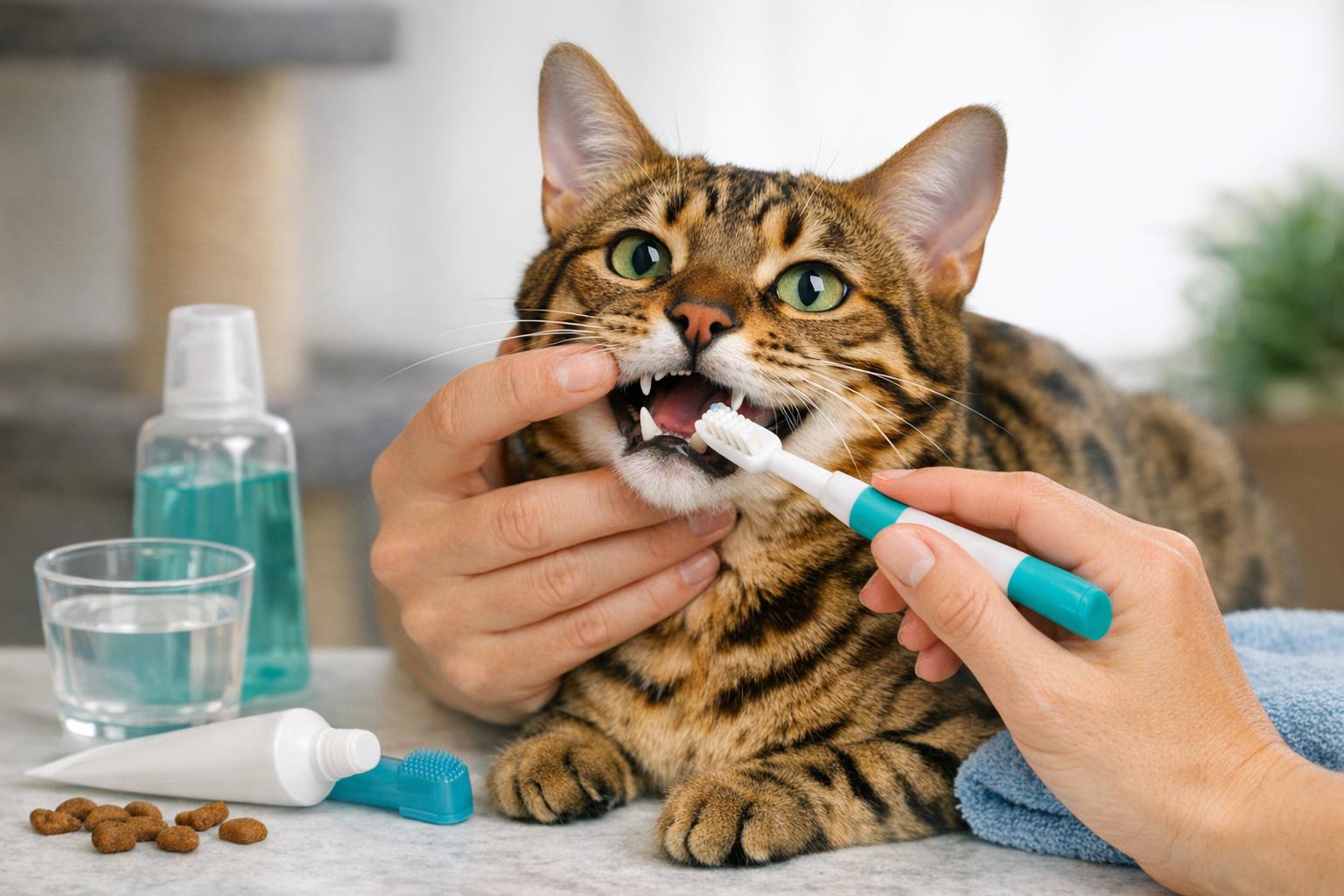
3. Gently lift the lip and apply a pea-sized amount to the toothbrush or finger brush.
4. Brush using small circular motions along the gum line and teeth for 30–60 seconds per quadrant, avoiding force on any sore spots.
5. If your dog resists, focus on a few teeth each day and praise generously; consistency beats a single heroic brushing.
6. Store paste in a cool place; replace every two weeks.
Notes: Use this method 2–3 times per week. Do not let dogs ingest large amounts of baking soda; keep quantities minimal. If your dog has known sodium-restricted diet needs, skip the baking soda and use plain coconut oil.
## 2. Turmeric Anti-Inflammatory Paste For Minor Decay
Turmeric is an anti-inflammatory with some antimicrobial properties. Used cautiously and in small, precise doses, it may help manage mild gum inflammation associated with early tooth decay in dogs. This is a supportive topical application, not a cure for advanced decay.
### Ingredients And Supplies
#### Materials
– 1 teaspoon turmeric powder (organic preferred)
– 1/2 teaspoon ground black pepper (tiny amount helps curcumin absorption)
– 1 teaspoon coconut oil or plain unsweetened yogurt (as the carrier)
– Small spoon and clean container
– Cotton swabs or soft gauze pad
#### Steps To Create And Apply
1. Combine turmeric, a tiny pinch of black pepper, and the carrier to form a thick paste.
2. Dip a cotton swab or gauze into the paste. Apply directly to the affected tooth and adjacent gum for 20–30 seconds.
3. Allow the paste to sit for up to 5 minutes, then gently wipe away with a damp cloth. Turmeric can stain fur and surfaces, so protect collars and counters.
4. Repeat once daily for up to 7–10 days while monitoring for improvement. Discontinue if you notice vomiting, increased drooling, or any allergic reaction.
Caution: Turmeric can stain and may upset some dogs’ stomachs. Use in small amounts and consult your vet if your dog is on medications (turmeric can affect blood clotting and interact with certain drugs).
## 3. Raw Veggie Chews And Diet Adjustments To Reduce Decay Risk
Preventing tooth decay in dogs is often as much about what they chew and eat as topical treatments. Offering the right textures and nutrients supports mechanical plaque removal and oral health over time. This remedy is behavioral plus dietary and requires no cooking or mixing.
### Materials And Supplies
#### Items To Use
– Raw carrot sticks or large apples (no seeds)
– Natural rubber chew toys or dental-grade chew bones designed for dogs
– High-quality kibble or dental-formulated dog food (consult label/vet)
– Fresh water
#### Steps To Implement
1. Introduce raw carrot sticks or large apple slices as supervised chew treats. These provide a mild abrasive that helps scrape plaque from teeth surfaces. Avoid giving small pieces that could be choking hazards.
2. Rotate in dental chew toys or veterinarian-recommended dental chews (look for VOHC approval). Give these under supervision and follow manufacturers’ age/size guidelines.
3. Consider switching to a dental-formulated kibble or incorporating dry kibble to help with abrasive cleaning during chewing. Always transition diets gradually over 7–10 days.
4. Ensure fresh water is always available; hydration helps saliva flow which neutralizes bacteria.
5. Combine these adjustments with regular at-home brushing for best results.
Notes: Not all chews are equal — avoid cooked bones and hard chews that can fracture teeth. If your dog has heavy tartar or tooth pain, soft diets and veterinary dental care are more appropriate.
## 4. Chamomile Soothing Rinse For Gums And Mild Inflammation
Chamomile is gentle, calming, and can be used as a mild antiseptic rinse to soothe inflamed gums. This method helps with comfort and reduces surface bacteria without harsh chemicals.
### Ingredients And Supplies
#### Materials
– 1 chamomile tea bag (pure chamomile)
– 1 cup boiling water
– Small cooled reservoir (glass)
– Syringe without needle or small spoon
– Soft cloth
#### Steps To Create And Apply
1. Steep the chamomile tea bag in 1 cup boiling water for 10 minutes. Remove the bag and let the infusion cool completely until lukewarm.
2. Strain if necessary and pour into a clean container.
3. Using a syringe (no needle) or a spoon, gently apply a small amount of the cooled chamomile liquid into the mouth and aim near the gum line. Do not force-flush the mouth; use only 1–2 milliliters per application for small dogs, up to a tablespoon for large dogs.
4. Alternatively, soak a soft cloth in the liquid and gently wipe the gums and teeth for 30–60 seconds.
5. Repeat 1–2 times daily for up to 7 days. Monitor for signs of improvement or adverse reaction.
Cautions: If your dog is allergic to ragweed or related plants, avoid chamomile. This is not a deep-cleaning solution but a gentle, soothing adjunct to brushing and proper diet.
### When To See The Vet For Tooth Decay In Dogs
Tooth decay in dogs should be taken seriously. Home remedies can help early-stage plaque and mild inflammation, but they don’t replace dental exams, professional cleanings, or extractions when needed. If you see persistent bad breath, visible holes or dark spots on teeth, severe bleeding, difficulty eating, facial swelling, or changes in behavior, schedule a veterinary dental evaluation promptly. Anesthesia-based cleaning and imaging are sometimes necessary to fully resolve deeper decay.
A final practical note: consistency is the secret sauce. A small, regular routine — gentle brushing, weekly natural support, good chews, and periodic vet checks — keeps mouths healthy and breath less nose-offending. Your dog will appreciate the attention, and you’ll appreciate the fewer surprises at dinner time.




















Leave a Reply