






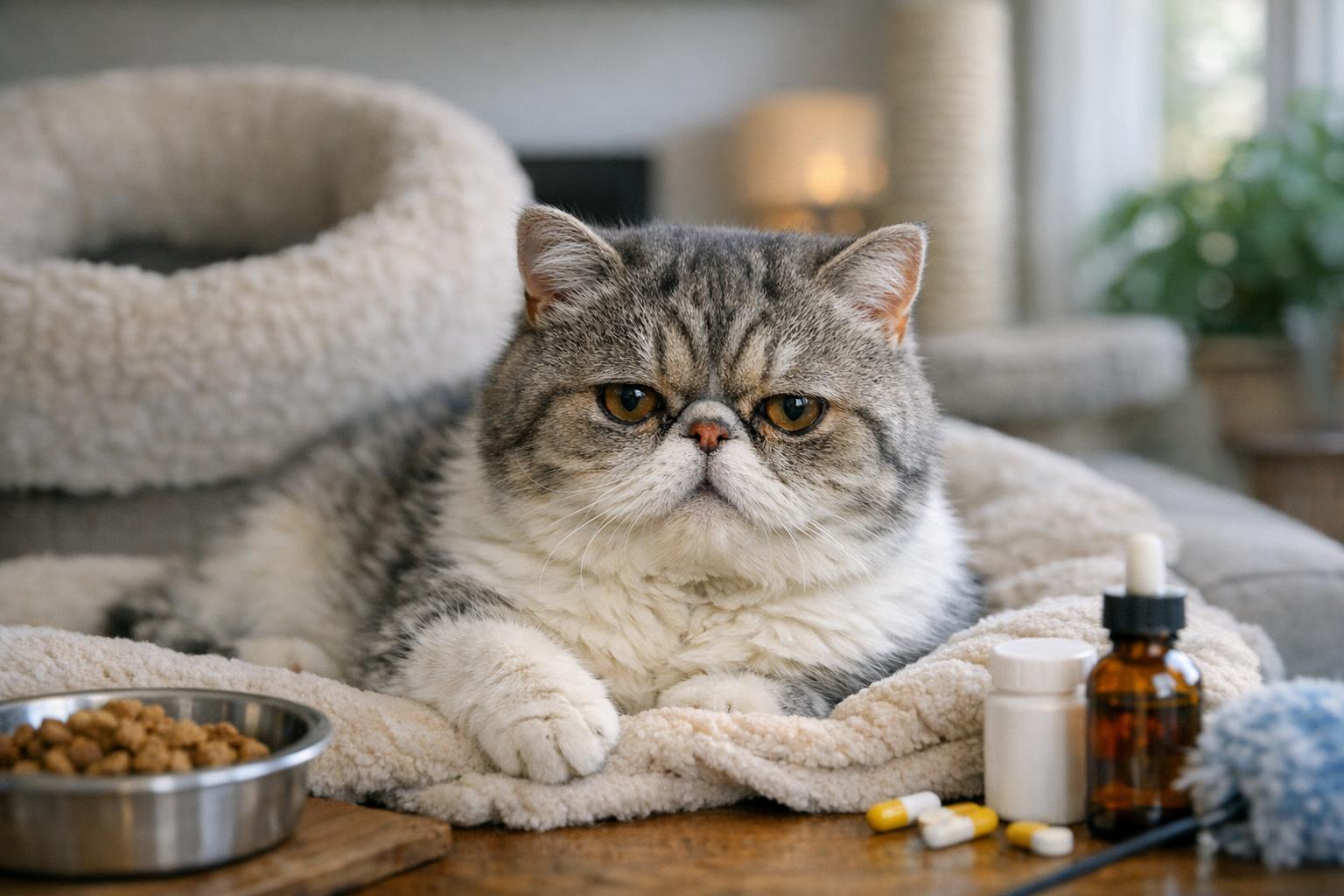
You might notice your fluffy roommate sleeping more, demanding gourmet meals at odd hours, or giving you that slow-blink that says, “I’m not as spry as I used to be.” Understanding the pace and signs of aging helps you keep them comfortable and thriving. Here’s a friendly guide full of practical tips and a couple of careful, home-based remedies to support your senior cat.
## Understanding How Cats Age In Human Years
Many of us wonder the same thing: how cats age in human years? A useful rule of thumb is that cats mature quickly in their first two years and then age more slowly. The commonly accepted conversion is: the first cat year equals approximately 15 human years, the second about 9 more (so two years ≈ 24 human years), and each additional year roughly equals 4 human years. This gives you a general idea — a 10-year-old cat corresponds to around 56 human years.
Keep in mind that “how cats age in human years” is a simplified comparison. Breed, size, genetics, indoor versus outdoor life, and preventive care play huge roles. For example, an indoor cat with regular vet care and a stable diet might show far fewer signs of aging than an outdoor cat of the same chronological age. Think of the human years conversion as a helpful map, not a strict timetable.
### Why The First Years Count
A cat’s first two years cover a huge development span — kittenhood to young adulthood — which is why that first year maps to so many human years. After that, physiological weathering slows, but cumulative wear and tear (teeth, joints, metabolism) becomes more noticeable.
### Factors That Speed Or Slow Aging
– Genetics and breed predispositions
– Diet quality and body condition
– Activity level and environmental enrichment
– Dental care and parasite prevention
– Chronic illnesses (kidney disease, hyperthyroidism, diabetes)
## Recognizing Senior Signs At Home
Not every older cat looks or acts elderly the same way. Spotting early changes makes a big difference.
### Mobility And Joint Changes
Stiffness when jumping, reluctance to use high spots, and slower starts are common. You might notice decreased playfulness. Mobility changes reflect the musculoskeletal aging process and can be managed at home with environmental tweaks and, when needed, vet-directed therapies.
### Appetite, Weight, And Hydration
Weight loss can be subtle. Senior cats may also drink more or less than usual — both can be signs of underlying disease. Tracking food intake and weighing your cat monthly helps catch trends early.
### Dental And Mouth Health
Bad breath, drooling, or reluctance to chew hard food often point to dental disease. Dental problems can affect appetite and overall wellness.
### Litter Box Habits And Cognitive Shifts
More accidents, changes in litter preferences, or confusion at night (disorientation, increased vocalization) may indicate cognitive dysfunction. Gentle routine and enrichment help reduce stress.
## Practical Home Wellness Tips For Senior Cats
These approachable strategies help you support comfort and longevity.
### Diet And Nutritional Considerations
Senior cats often benefit from diets tailored to aging concerns: controlled calories (to prevent obesity), higher-quality protein to preserve muscle, and nutrients that support joint and kidney health. Talk to your vet before switching foods; gradual transitions reduce GI upset.
#### Small Frontline Changes
– Offer multiple shallow bowls for easier access.
– Provide small, frequent meals if appetite wanes.
– Warm wet food slightly to enhance aroma and interest.
### Comfortable Environment And Safe Mobility
Help your cat conserve energy and avoid risky jumps. Install low-entry litter boxes, ramps or sturdy steps to favorite perches, and soft bedding in easily reachable places. Consider non-slip mats on slick floors.
### Gentle Exercise And Mental Enrichment
Short, slow play sessions maintain muscle tone and keep the brain active. Puzzle feeders, window perches for bird-watching, and simple scent games stimulate curiosity without exhausting your senior kitty.
### Routine Health Checks And Preventive Care
Frequent vet check-ins — at least twice yearly for seniors — catch problems earlier. Bring a journal of behavior, appetite, litter box changes, and any medications to your appointments.
## Remedy 1: Homemade Low-Sodium Bone Broth For Hydration And Appetite
When a senior cat eats less or drinks little, a savory, plain bone broth can be a safe appetite stimulant and hydration aid. Prepare this carefully and always consult your vet if your cat has kidney disease or other conditions requiring fluid or electrolyte monitoring.
Ingredients:
– 1–2 lb (450–900 g) raw meaty bones (chicken wings, necks, or turkey backs; avoid cooked bones)
– 4–6 cups water (enough to cover bones)
– 1 tablespoon apple cider vinegar (helps leach minerals from bones)
– Optional: small piece of carrot or celery for flavor (remove before serving)
– No salt, onions, garlic, or added seasonings
Creation And Application (Formal Step-By-Step):
1. Rinse bones under cold water. Place them in a large pot or slow cooker.
2. Add water until bones are covered by 1–2 inches. Stir in apple cider vinegar and let sit 20–30 minutes to help extract minerals.
3. Bring to a gentle simmer, then reduce heat. Skim any foam or impurities from the surface.
4. Simmer for 12–24 hours on low (slow cooker) or on the stovetop with minimal simmering to maintain a gentle heat. Add a little water if needed to maintain coverage.
5. Strain the broth through a fine mesh sieve. Discard solids. If you used vegetables, remove them and discard.
6. Chill the broth in the refrigerator until a thin layer of gelatin forms (normal and nutritious). Skim off excess fat if a large layer forms; a thin amount is fine.
7. Portion into small containers and store in the fridge for up to 3 days or freeze in ice cube trays for single-serve thawing.
Application:
– Offer 1–2 tablespoons of warmed broth over food or in a separate shallow dish.
– Use as a flavor enhancer to moisten dry food or encourage drinking.
– Monitor intake. If your cat shows signs of nausea, vomiting, diarrhea, or changes in urination, discontinue use and consult your veterinarian.
## Remedy 2: Warm Compress And Gentle Joint Massage For Stiffness
A careful, non-invasive approach can ease discomfort and promote circulation. This remedy is supportive; it is not a substitute for veterinarian-prescribed pain control or disease-specific treatments.
Ingredients/Materials:
– Clean towel
– Hot water bottle or microwave-safe heat pack (wrapped in a towel)
– Small bowl of lukewarm water
– A soft brush or grooming mitt
– Optional: short nails clipping tool for grooming as needed
Creation And Application (Formal Step-By-Step):
1. Prepare the heat source: fill a hot water bottle or heat a pack according to manufacturer instructions. Wrap the heat source in a towel so it is warm but not hot to the touch. Test on your wrist — it should feel comfortably warm, not hot.
2. Choose a calm, quiet time when your cat is relaxed. Gently stroke your cat to build trust before starting.
3. Apply the warm compress to the affected joint area for 5–10 minutes. Observe your cat’s reaction; if they pull away or show signs of discomfort, stop immediately.
4. Follow with a gentle massage using light, circular motions around the joint for 1–2 minutes to encourage circulation. Avoid direct pressure on bony prominences or inflamed areas.
5. Brush the coat gently to remove mats and stimulate skin. Keep sessions brief (10–15 minutes total) and positive, ending with a treat or praise.
6. Repeat once or twice daily as tolerated. Document any improvements or worsening signs and discuss them with your veterinarian.
Caution: Do not apply heat to a swollen, hot, or visibly inflamed joint without veterinary guidance. Heat can worsen some inflammatory conditions. If your cat is on pain medication or has sensory deficits, consult your vet before using any home modality.
## When To Call The Vet
If you notice sudden weight loss, persistent vomiting, changes in urination, severe mobility decline, or behavioral changes that affect quality of life, contact your veterinarian promptly. Home measures are supportive, not curative, and early professional evaluation improves outcomes.
Keep in mind that learning “how cats age in human years” helps frame expectations, but each cat ages in their own charming, stubborn way. With gentle adjustments, thoughtful feeding, and a couple of well-prepared home supports like broth and warmth, you can make their golden years truly golden.





























































Leave a Reply