





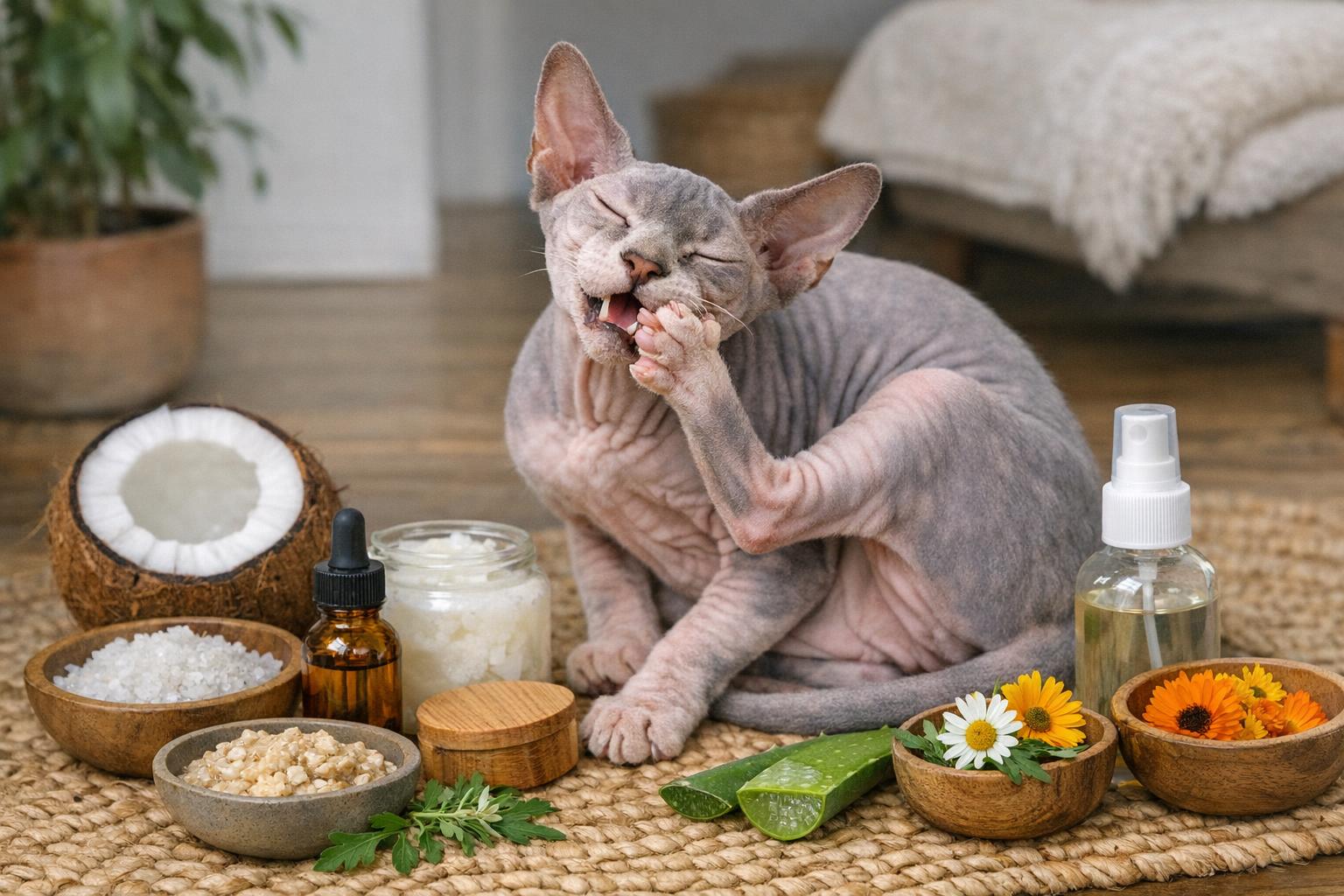
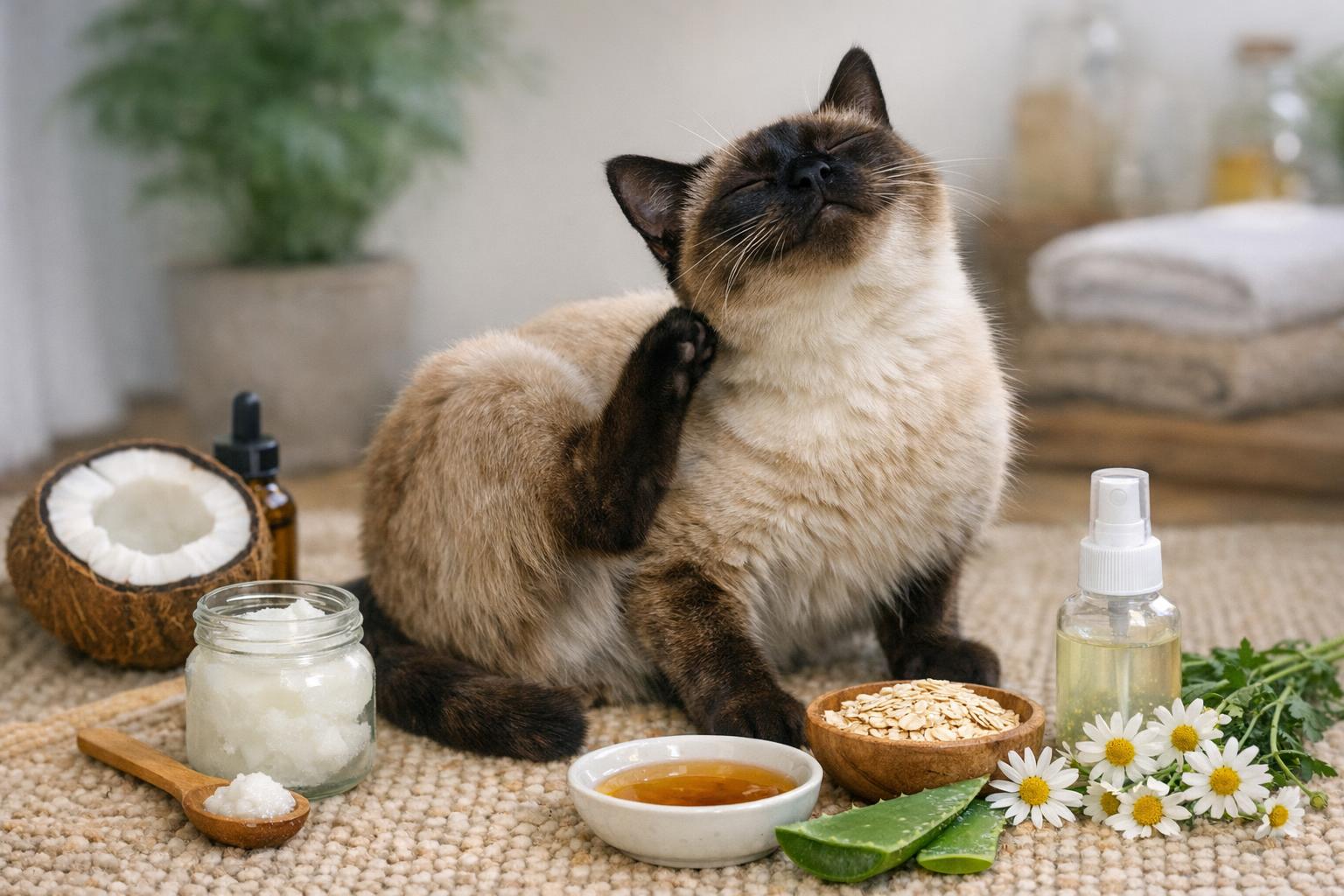
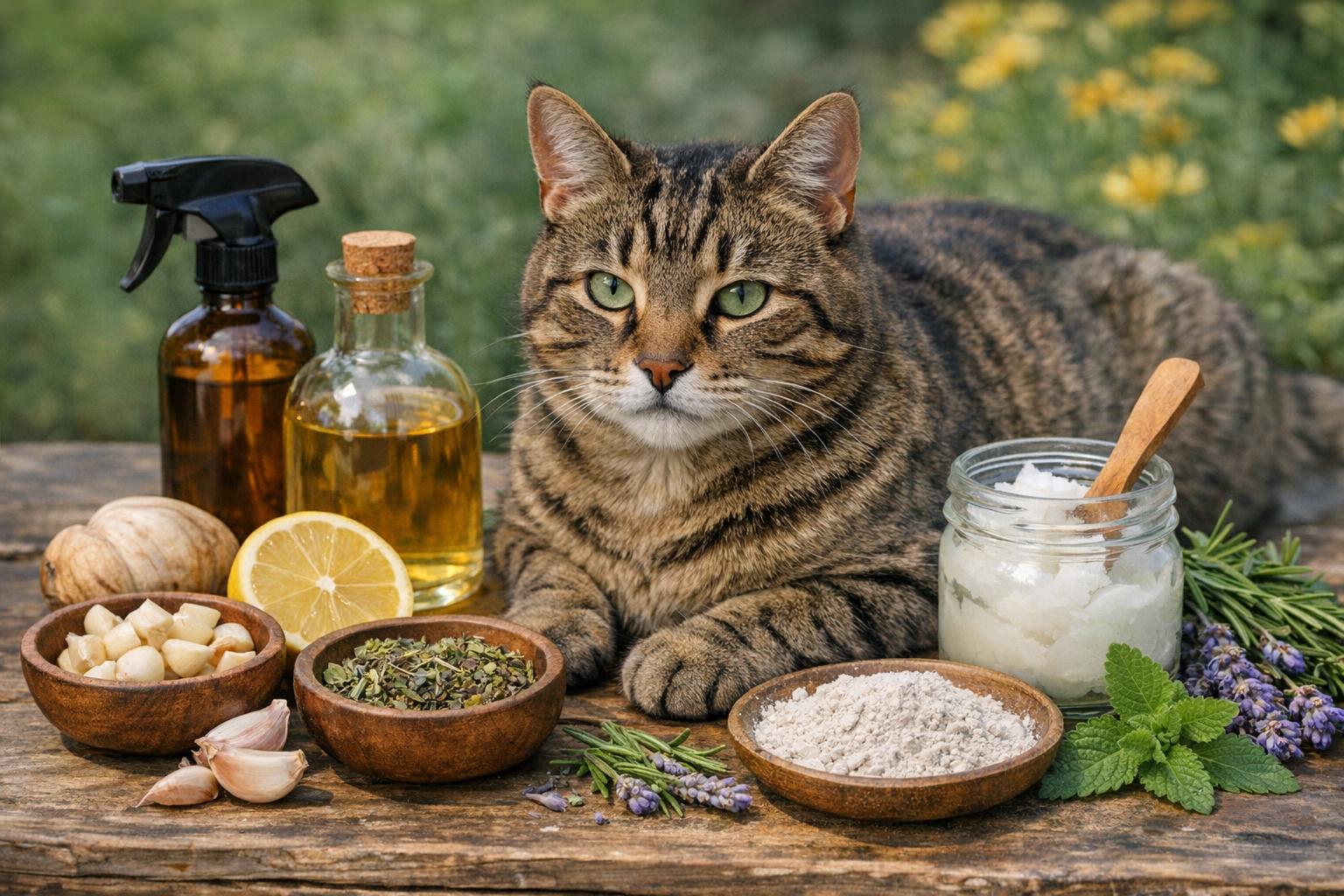
Hey there — if your cat has been performing a one-cat percussion routine on the carpets with those itchy paws, you’re in the right place. Below you’ll find gentle, natural cat scratching remedies you can use at home to soothe irritated paws, reduce scratching, and keep both kitty and furniture happier. Read the safety notes and follow the step-by-step instructions closely — cats are sensitive, and a tiny misstep can turn soothing into stinging.
## 1. Homemade Oat Soak For Itchy Paws
This is a classic, safe, and soothing remedy for dry, itchy paws or mild irritations. Colloidal oatmeal helps calm skin inflammation and gently cleanses without stripping natural oils.
#### Ingredients Or Materials
– 1 cup rolled oats (not instant)
– Filtered water
– A bowl large enough for your cat’s paw (or a shallow basin)
– Clean towel
#### Preparation And Application Steps
1. Grind the rolled oats into a fine powder using a blender or food processor. You want a smooth, flour-like consistency so it disperses in water.
2. Place 2–3 tablespoons of the oat powder into a bowl and add 2 cups of warm (not hot) water. Stir until milky and well mixed. Add more water if needed to make enough for paw soaking.
3. Gently place one paw at a time into the oat solution for 3–5 minutes. If your cat tolerates more, you can soak up to 10 minutes per paw. Keep movements calm and speak softly to soothe your cat.
4. Pat the paw dry with a clean towel. Do not rub aggressively.
5. Repeat once daily for up to 5 days. If the condition does not improve within 48–72 hours, consult your veterinarian.
Safety Note: Avoid soaking if there are deep cuts, open wounds, or signs of infection (pus, swelling, severe redness). In those cases, seek veterinary care first.
## 2. Cat Scratching Remedies: Aloe And Coconut Balm
A gentle, homemade balm can lock in moisture and protect paw pads. This formula uses pure aloe gel and coconut oil for hydration, plus a bit of beeswax to form a protective barrier.
#### Ingredients Or Materials
– 2 tablespoons pure aloe vera gel (purity 98–100%; not aloe with additives)
– 2 tablespoons virgin coconut oil
– 1 tablespoon beeswax pellets (optional for firmer balm)
– Heat-safe bowl and saucepan (double-boiler method)
– Small clean jar for storage
#### Preparation And Application Steps
1. Set up a double boiler: bring a small amount of water to a simmer in a saucepan and place the heat-safe bowl on top without touching the water.
2. Add beeswax (if using) and coconut oil to the bowl. Gently melt and stir until combined.
3. Remove from heat and whisk in the aloe vera gel until incorporated. The mixture should be smooth.
4. Pour into a clean jar and allow to cool until set. Store in a cool place; if it becomes liquid in warm temperatures, it’s still usable.
5. For application: scoop a pea-sized amount and gently massage into the paw pad and between the toes. Apply once or twice daily as needed.
6. Monitor for any licking — occasional licking is okay, but if your cat excessively licks and appears to have digestive upset, discontinue and consult your vet.
Clinical Note: This balm provides barrier protection and hydration. It is not a substitute for veterinary treatment if there’s infection, severe dermatitis, or systemic causes of itching.
## 3. Apple Cider Vinegar Rinse (Diluted) For Mild Itching — Use With Caution
Apple cider vinegar (ACV) can help with mild itching from yeast or bacteria in pets without open wounds. It restores a slightly acidic environment that discourages some microbes. However, never use ACV on raw, oozing, or broken skin.
#### Ingredients Or Materials
– 1 part apple cider vinegar (with “mother”)
– 3 parts filtered water
– Spray bottle or small bowl
– Cotton pads or soft cloth
#### Preparation And Application Steps
1. Mix 1 part ACV with 3 parts water in a spray bottle or bowl.
2. Test a small area first: apply a tiny amount to the inside of a hind paw and wait 15 minutes to check for stinging or redness.
3. If no reaction, lightly mist or dab the diluted solution onto the affected paws. Avoid getting it between the toes in large amounts to prevent discomfort.
4. Allow to air dry. Repeat once daily for up to 5 days.
5. Stop immediately if the cat shows signs of pain, vocalizing, or if skin worsens.
Important: ACV is acidic and can sting if used on broken or raw skin. Use this only for intact skin and mild microbial imbalances.
## 4. DIY Paw Wax With Shea Butter And Vitamin E
This is a protective moisturizer for dry, cracked paw pads — especially useful in cold or hot weather. The formulation is richer and intended as preventative and reparative care.
#### Ingredients Or Materials
– 1 tablespoon shea butter
– 1 tablespoon coconut oil
– 1 teaspoon beeswax (for firm consistency)
– 1 vitamin E capsule (pierced)
– Small container and double boiler setup
#### Preparation And Application Steps
1. Melt beeswax, shea butter, and coconut oil together in a double boiler until fully liquid.
2. Remove from heat and stir in the oil from the vitamin E capsule.
3. Pour into a small container and let cool until solidified.
4. To apply, warm a tiny amount between your fingers and massage lightly into paw pads and in-between toes. Use once daily or as needed.
5. Store at room temperature. Reapply before going outside in extreme weather.
Veterinary Note: This product is safe for most cats but observe for excessive licking. A taste-safe formulation is used here; if your cat ingests small amounts, it’s generally harmless, but ingestion of large quantities requires veterinary advice.
## Managing Environmental And Behavioral Causes
Sometimes itchy paws lead to scratching behavior that’s less about skin and more about environment or behavior. Addressing these non-topical causes is part of effective cat scratching remedies.
### Trim Nails Regularly
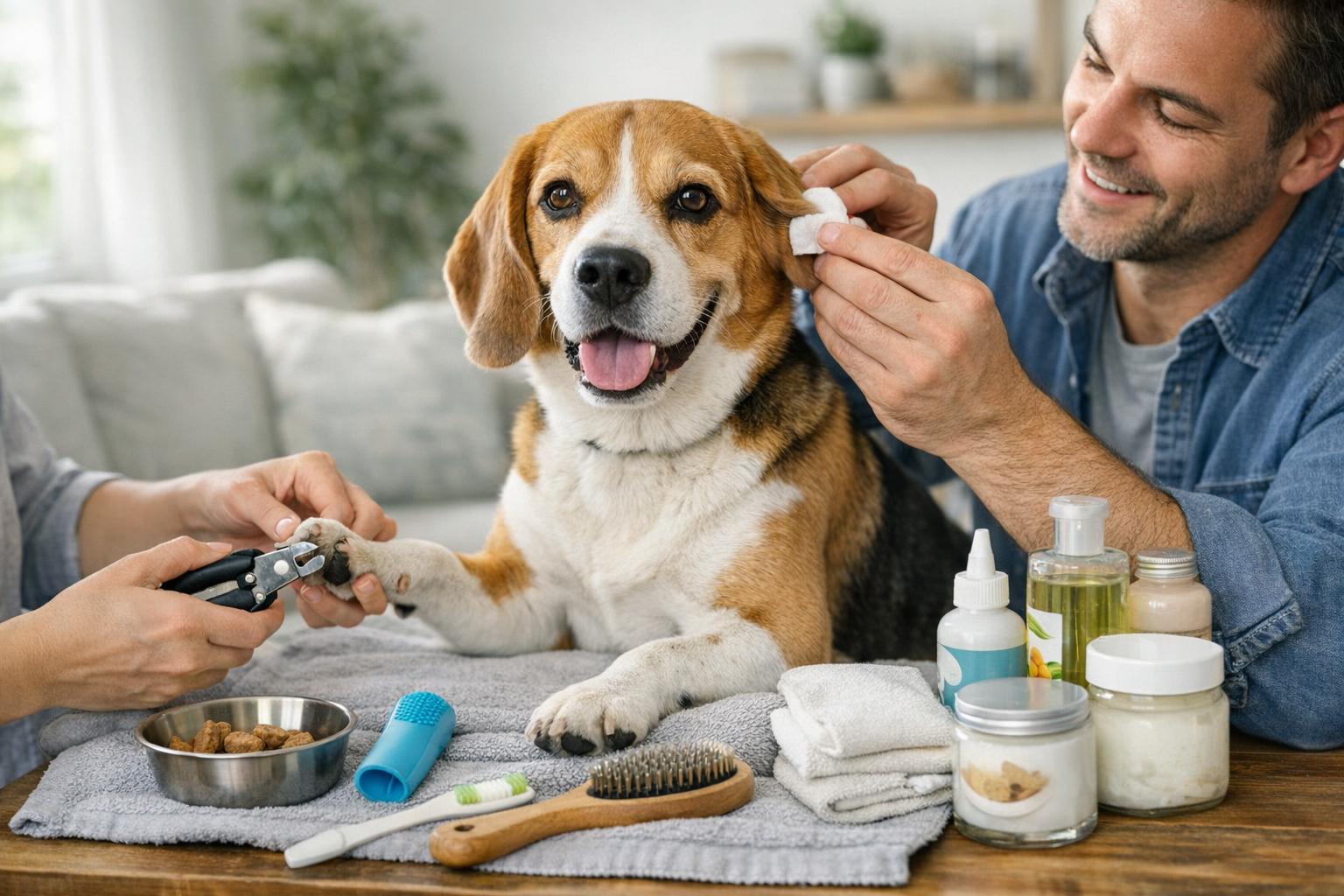
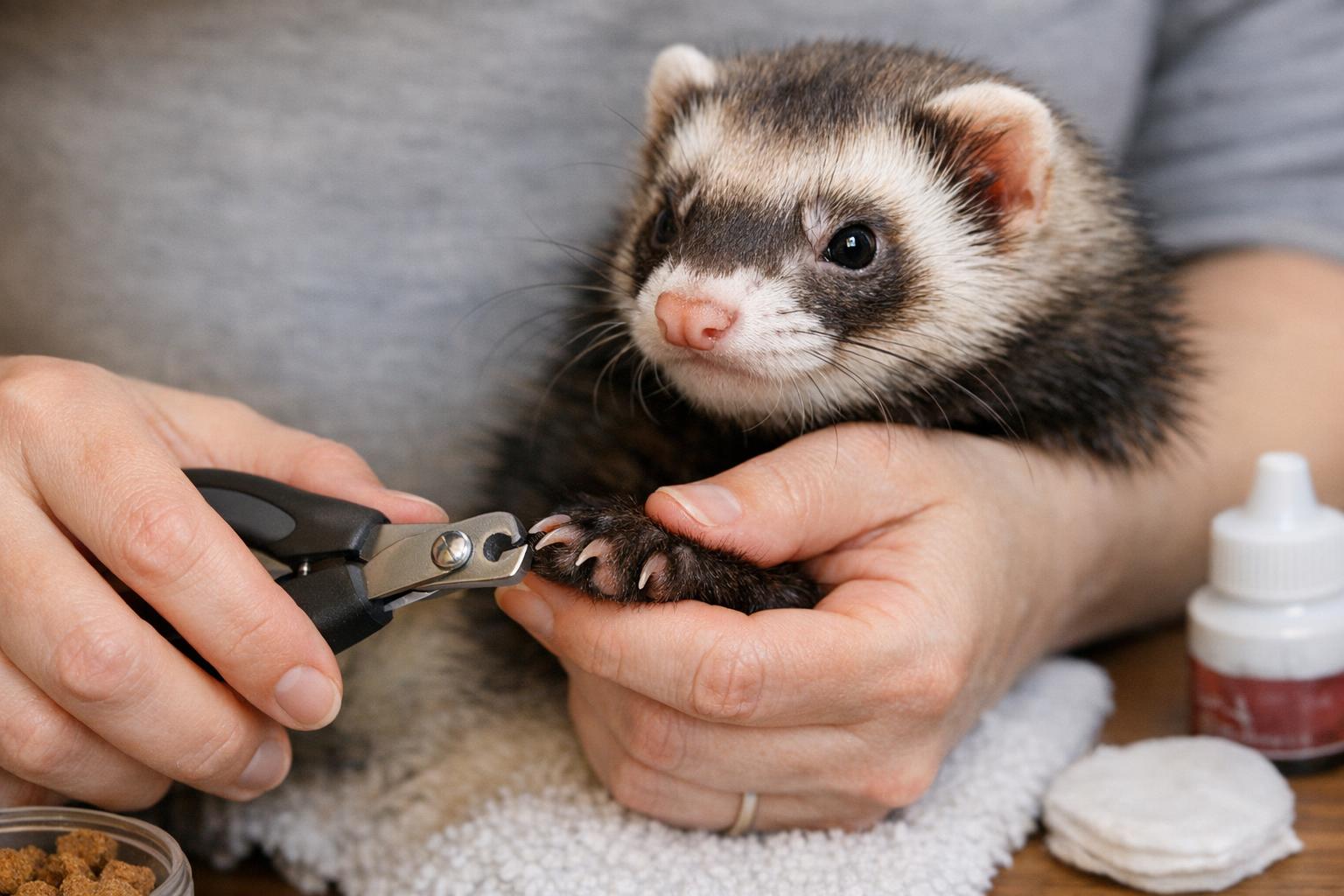
Trim claws every 2–3 weeks to reduce damage to both paws (and your furniture). Use cat-specific clippers and take off only the tip; avoid the quick.
### Provide Appropriate Scratching Outlets
Offer vertical and horizontal scratching posts, cat pads, and interactive toys. Place posts near favorite scratching spots. Encourage use with catnip or treats.
### Check For Allergens In The Home
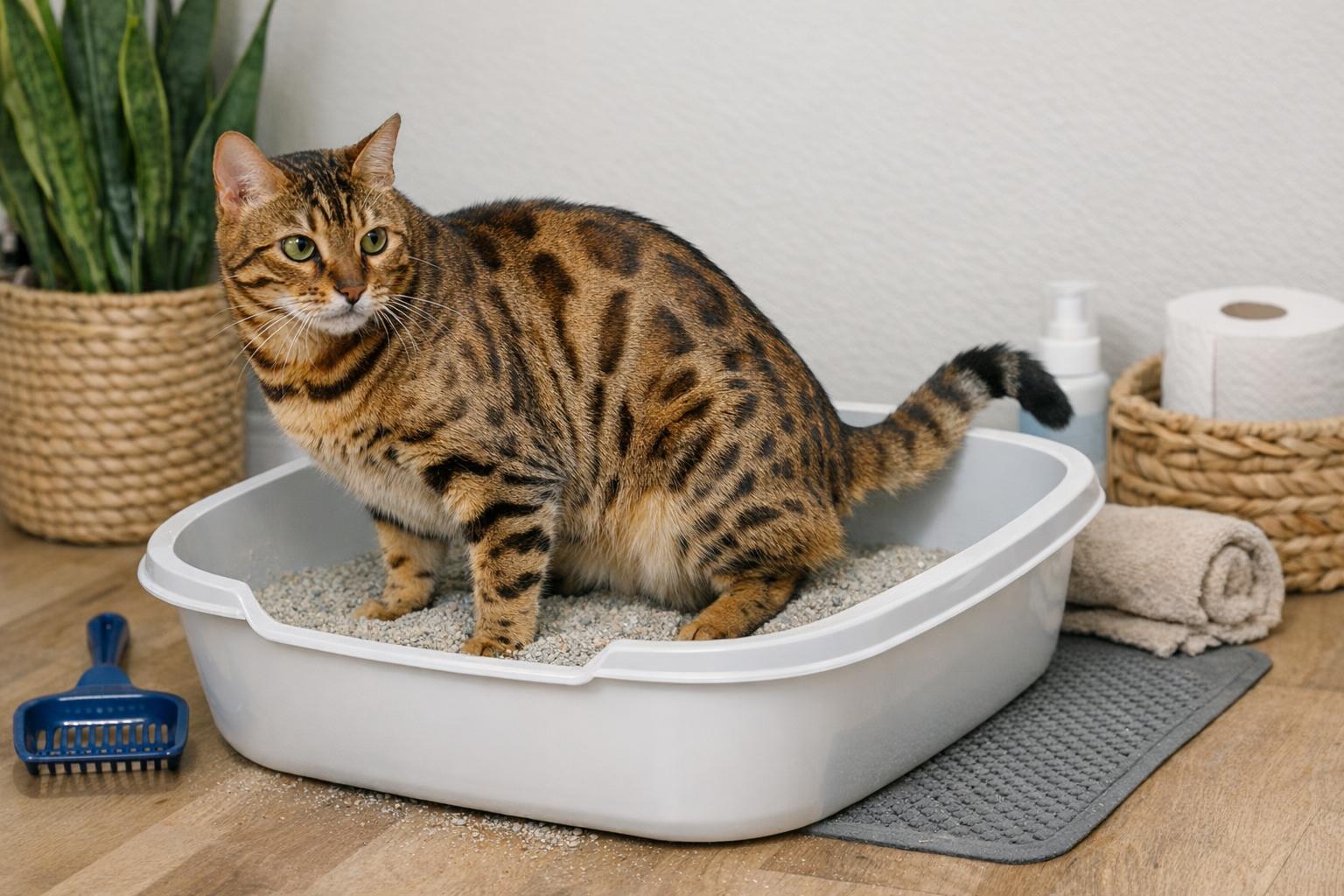
Dust, litter materials, household cleaners, and new plants can provoke paw irritation. Try switching to unscented, dust-free litter, and clean floors with pet-safe cleaners. Consider a hypoallergenic diet trial under vet supervision if environmental changes don’t help.
### Dietary Support For Skin Health
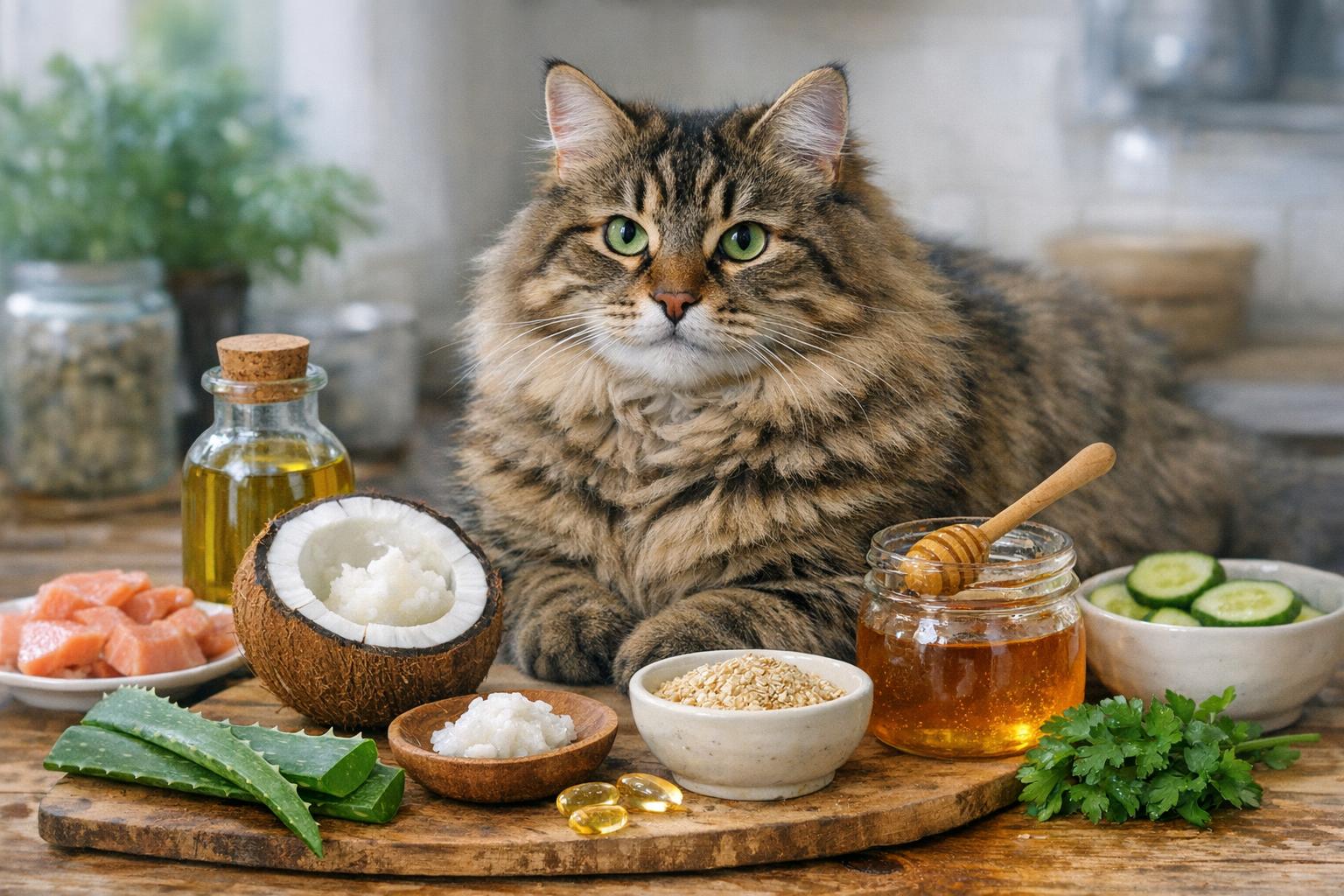
An anti-inflammatory diet or omega-3 supplements (fish oil for cats) can improve skin condition over time. Always consult a veterinarian for correct dosing and product recommendations.
## When To See A Veterinarian
If you notice any of the following, seek veterinary attention promptly:
– Open wounds, bleeding, or deep cracks in paw pads
– Swelling, significant redness, or pus
– Intense pain or limping
– Excessive licking that doesn’t stop
– Systemic signs (fever, lethargy, loss of appetite)
Professional care can determine if the cause is allergic dermatitis, parasite infestation (fleas, mites), bacterial or fungal infection, autoimmune disease, or metabolic issues. These are beyond what home cat scratching remedies should handle alone.
### Grooming And Handling Tips To Keep It Calm
Handle paws gently and reward with treats to build positive associations. Short, frequent sessions are better than long stressful ones. If your cat is highly anxious, wrap them loosely in a towel for safety and calm handling.
## 5. Cooling Chamomile Compress For Inflammation
Chamomile has mild anti-inflammatory properties and can be used as a gentle compress for inflamed but intact skin.
#### Ingredients Or Materials
– 1 chamomile tea bag or 1 tablespoon dried chamomile flowers
– 1 cup boiled water cooled to lukewarm
– Clean cloth or gauze
#### Preparation And Application Steps
1. Steep the chamomile in the hot water for 10 minutes, then allow to cool to lukewarm.
2. Strain if needed and soak the cloth in the tea.
3. Gently apply the compress to the affected paw for 3–5 minutes. Repeat 2–3 times per day.
4. Pat dry. Do not use on broken skin or open sores.
Note: Perform a small patch test to ensure your cat isn’t sensitive to chamomile.
Sprinkle Of Humor: If your cat gives you the cold shoulder mid-treatment, consider bribing with tuna — it’s the diplomacy of cat care.
Throughout these cat scratching remedies, safety and monitoring are key. If in doubt, or if symptoms escalate, contact your veterinarian. Natural treatments can be effective and soothing, but they are part of a full-care approach that includes proper grooming, environmental adjustments, and professional medical evaluation when needed.










Leave a Reply