




Hey there — ready to give your whiskered roommate the best possible odds at a long, healthy life? This guide mixes practical vet-backed steps with a couple of gentle, safe home remedies to support immune health. Think of it as a simple, realistic plan for feline leukemia prevention that doesn’t require you to become a full-time cat nurse or a Pinterest herbalist.
## Feline Leukemia Prevention: Core Strategies
Feline leukemia (FeLV) is a real concern, but the good news is that most of the heavy lifting for feline leukemia prevention happens with a few consistent, doable actions. Vaccination, testing, minimizing exposure to infected cats, and maintaining a clean, low-stress environment are the pillars. Home remedies can help support immune function, but they are not substitutes for vaccines or veterinary care.
### 1. Vet-Based Essentials
The most effective measures for feline leukemia prevention are clinical.
– Vaccination: Core in many areas where FeLV is common. Discuss timing with your veterinarian — typically kittens get a series of shots and adults get a risk-assessed protocol. Follow booster recommendations precisely.
– Testing: Before introducing a new cat to your household, have them tested for FeLV. If you adopt from a shelter, request test results. If you have outdoor or roaming cats, test them regularly.
– Isolation Protocols: If a cat tests positive, quarantine procedures reduce spread. Keep infected cats separate from FeLV-negative cats and handle litter box and feeding supplies separately.
These are formal medical steps; home remedies support but do not replace them. Prioritize vet interaction for any suspected exposure or illness.
### 2. Home Environment Controls
Reducing exposure is part common sense, part feline diplomacy.
– Keep Cats Indoors When Possible: Indoor living dramatically reduces contact with unknown cats and biting incidents that can transmit FeLV.
– Controlled Introductions: When bringing new cats home, use a minimum 2–3 week quarantine and get them tested before full integration.
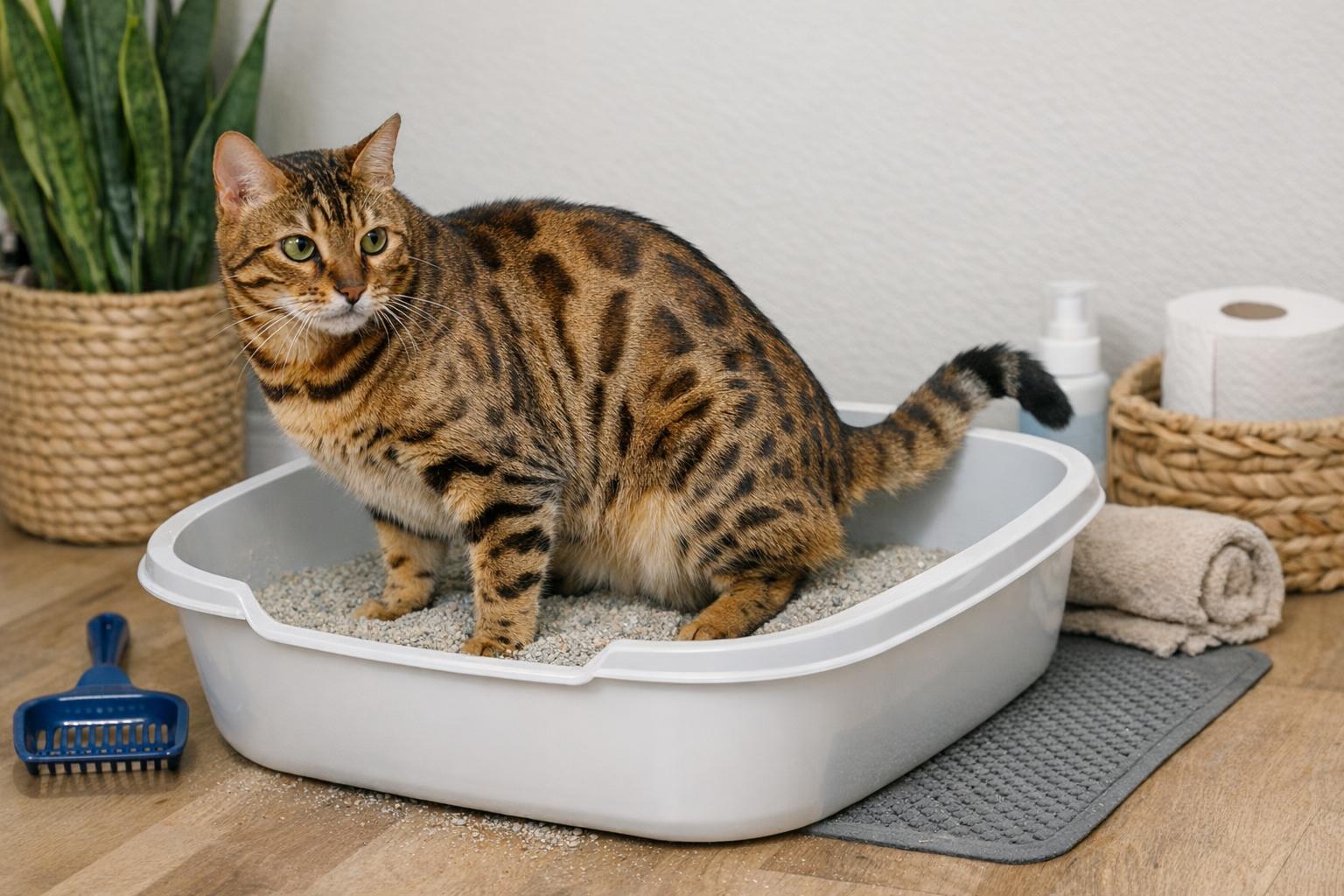
– Hygiene Practices: Clean food and water bowls daily, disinfect litter boxes regularly, and avoid sharing grooming tools between cats if any are FeLV-positive.
A calm, low-stress home helps immune response; fight-naïve cats are less likely to get into risky scuffles over territory or toys.
## Remedy 1: Immune Support Bone Broth
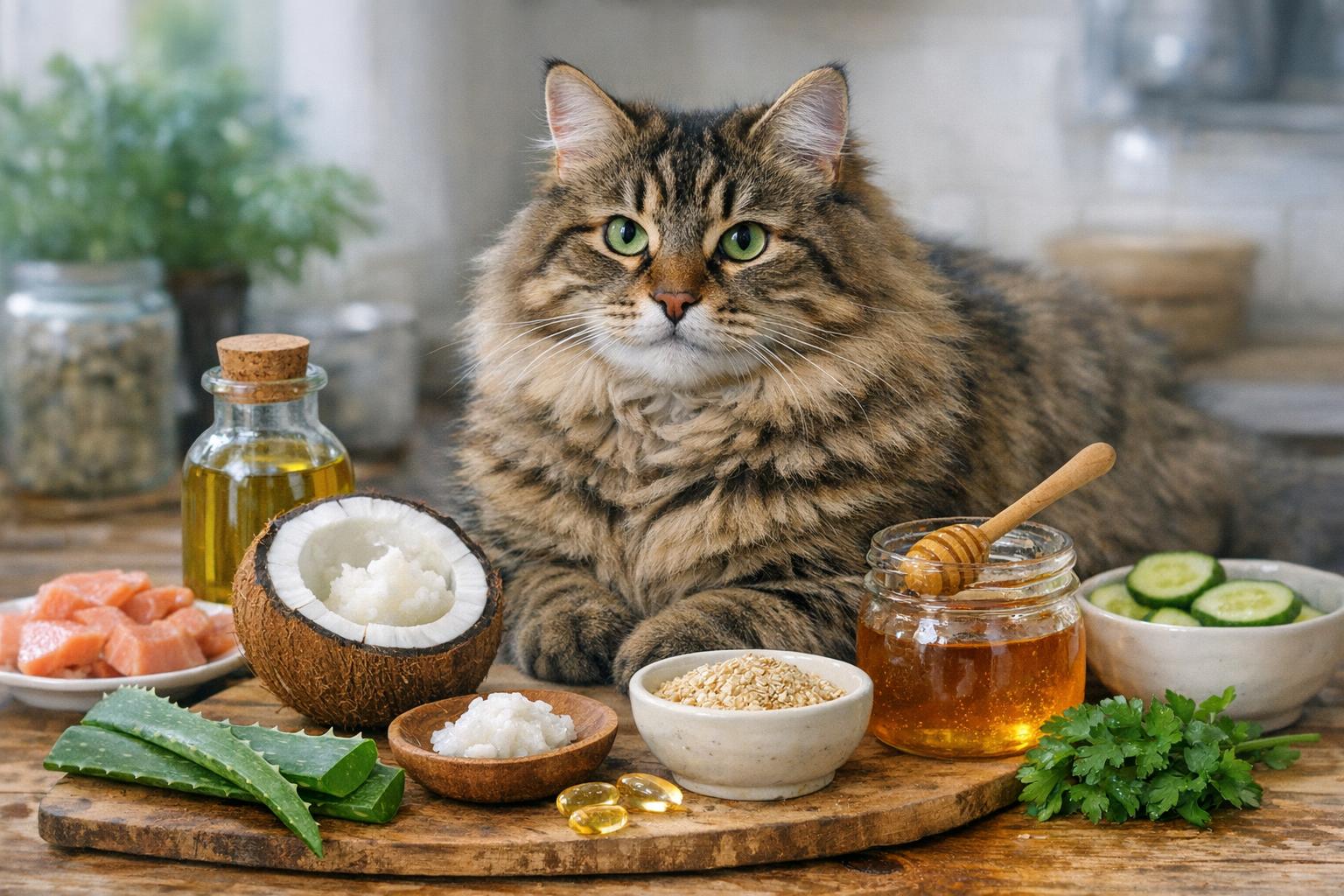
This is a supportive, palatable way to help cats stay hydrated and get gentle nutrition during times of mild stress (not a treatment for FeLV). Use the bone broth as a topper or occasional treat. When I say “remedy,” be formal in application: precise preparation, safe ingredients, conservative use.
Ingredients / Required Materials
1. 2–3 pounds of meaty chicken backs or necks (no added seasonings)
2. 8–10 cups of water
3. 1 tablespoon apple cider vinegar (helps extract minerals)
4. Large pot or slow cooker
5. Fine mesh strainer or cheesecloth
6. Airtight containers for storage (glass recommended)
Preparation And Application (Step-By-Step)
1. Place the chicken bones in a large pot or slow cooker and cover with water. Add 1 tablespoon of apple cider vinegar.
2. Bring to a low simmer, then reduce heat and simmer for 12–24 hours. If using a slow cooker, set it low and let it go overnight.
3. Skim off any foam that forms on the surface to keep the broth clear.
4. Strain the broth through a fine mesh strainer or cheesecloth. Discard solids (do not give cooked bones to cats).
5. Cool completely. Remove any fat that solidifies on top; excessive fat can cause gastrointestinal upset in cats.
6. Store in the refrigerator for up to 3 days or freeze in small portions.
7. Application: Warm a tablespoon or two and pour over food as a topper or offer a small dish as a special treat. Limit to a few tablespoons per day for an adult cat.
Safety Notes: Avoid onions, garlic, salt, and seasoning. If your cat has pancreatitis or a sensitive stomach, consult your vet before giving bone broth.
## Remedy 2: Probiotic And Omega-3 Topper
This second remedy focuses on safe, evidence-informed supplements that can support gut and immune health. Use vet-approved products and follow dosing carefully. Be formal about product choice and dosing.
Ingredients / Required Materials
1. Veterinary-formulated feline probiotic powder (human probiotics are not ideal)
2. High-quality fish oil or salmon oil supplement labeled for cats
3. Small mixing bowl and spoon
4. Measuring scoop (often provided with supplements)
Preparation And Application (Step-By-Step)
1. Choose a probiotic specifically designed for cats. Look for strains with clinical data in pets (e.g., Enterococcus faecium products formulated for felines).
2. Select an omega-3 supplement made for cats, providing EPA and DHA in appropriate doses. Avoid flavored oils with added garlic or onion.
3. For each feeding, sprinkle the recommended probiotic dose over wet food or a warm broth-treated meal (see Remedy 1). Add the proper omega-3 dose per product instructions.
4. Mix thoroughly and serve immediately.
5. Use daily as directed by your veterinarian. Track your cat’s appetite, stool quality, and coat condition for changes.
Safety Notes: Always check with your vet before starting supplements, especially if your cat is on medication or has chronic illness.
### 3. Safe Natural Support Practices
Small lifestyle tweaks can complement the two remedies above without turning your home into a vet clinic.
– Balanced Diet: High-quality, species-appropriate nutrition is foundational for immune health. Consider wet food to support hydration.
– Low Stress: Provide hiding spots, vertical space, and routine. Chronic stress suppresses immunity.
– Parasite Control: Maintain flea and parasite prevention — parasites aren’t a primary FeLV route but stress and secondary infections can complicate outcomes.
– Regular Vet Checkups: Annual or bi-annual exams keep vaccinations and tests up to date; don’t skip them.
#### When To Escalate To Veterinary Care
If your cat shows any of the following, seek veterinary advice promptly:
1. Sudden lethargy, loss of appetite greater than 24 hours
2. Fever, unexplained weight loss, recurrent infections
3. Enlarged lymph nodes, pale gums, or bleeding tendencies
These could signal progressing illness or complications that need diagnostics and professional treatment.
#### Monitoring And Record Keeping
Keep a small notebook or digital record with:
– Vaccination dates and test results
– Supplement start dates and doses
– Any notable health changes after starting home remedies
This makes it much easier for your veterinarian to evaluate what’s helping and what might need adjustment.
### Feline Leukemia Prevention For Multi-Cat Households
In homes with multiple cats, the stakes are higher and practical steps matter more.
– Test All Cats Before Introducing New Members: This is critical for effective feline leukemia prevention.
– Create Dedicated Supplies: Food bowls, litter boxes, and bedding for each cat reduce cross-contamination.
– Use a Staggered Introduction: Even if all cats test negative, introduce changes slowly to avoid stress-related fights.
A little organization goes a long way toward keeping everyone safe and purring.
### Responsible Use Of Home Remedies
Home remedies like bone broth and probiotics are supportive measures — not cures. They are helpful, low-risk adjuncts when used carefully and with veterinary oversight. Over-supplementation, unvetted herbal concoctions, or skipping vaccinations are risky moves that can undermine real feline leukemia prevention.
A few final practical tips before you get back to spoiling your cat:
– Keep vaccinations and tests current.
– Use home remedies as gentle, supportive measures.
– Communicate openly with your veterinarian about any supplements or dietary changes.
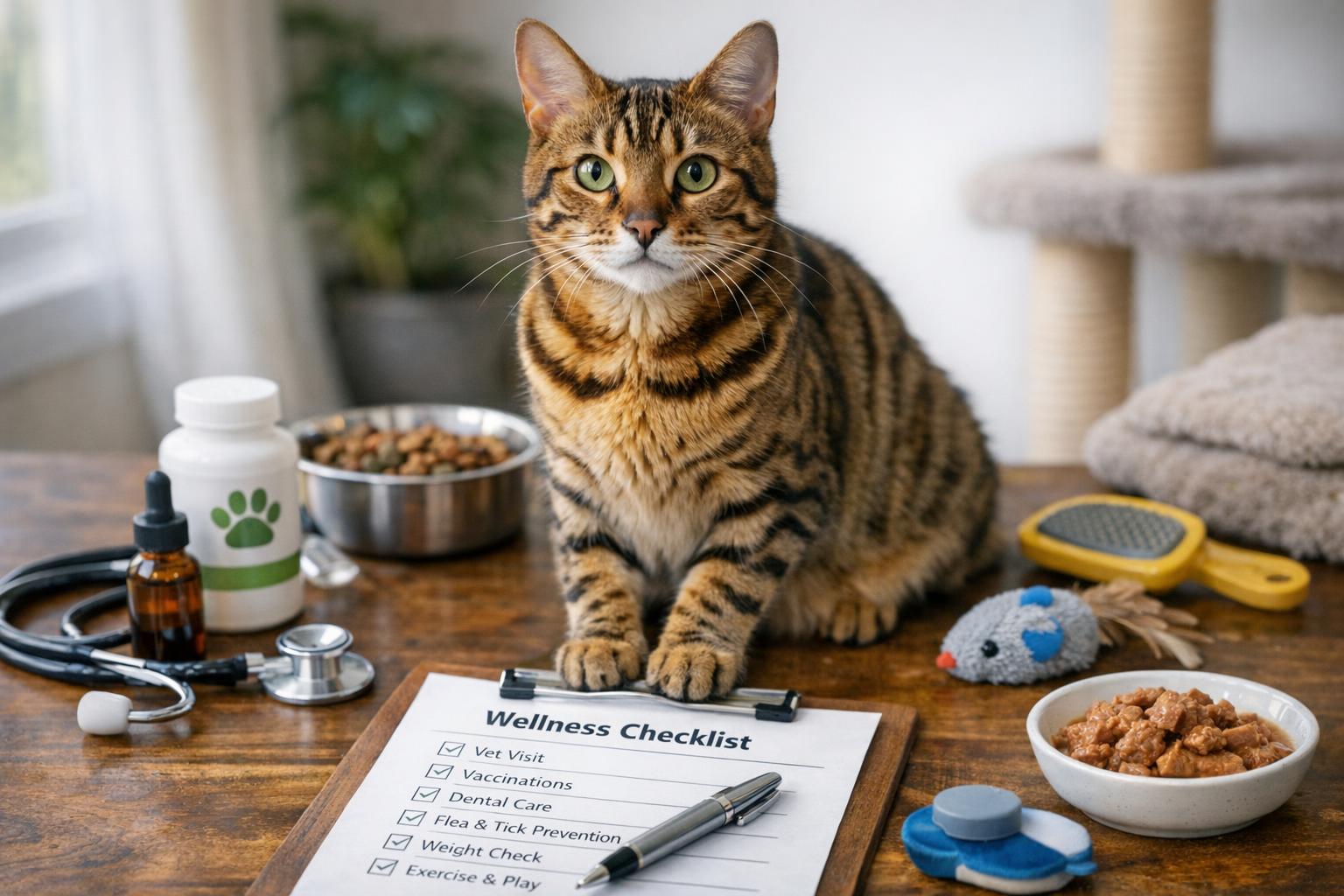
If you want, I can draft a printable one-page checklist you can stick on the fridge that covers vaccination dates, quarantine rules for new cats, and daily supportive-care items. Want me to make that?




Leave a Reply