






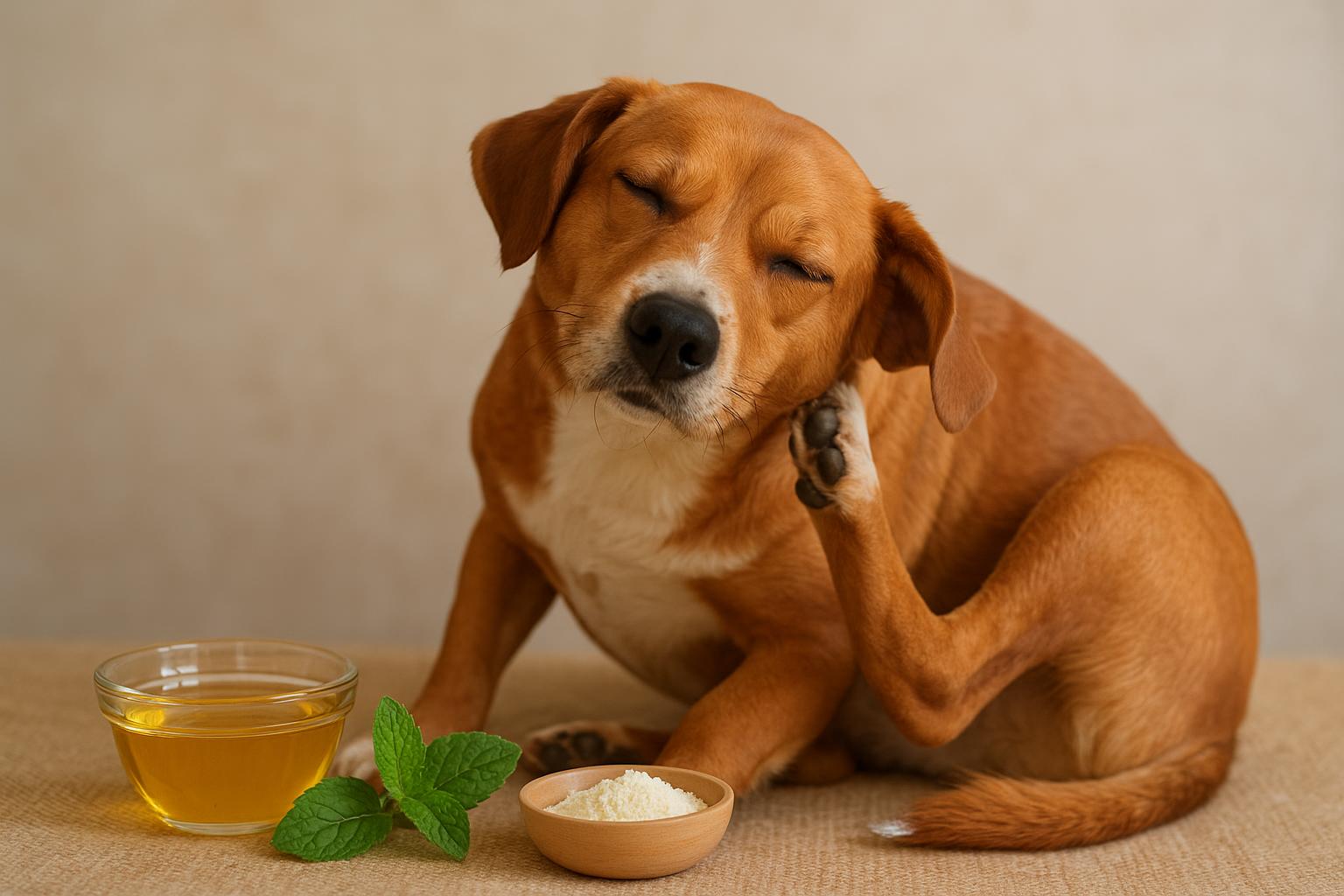
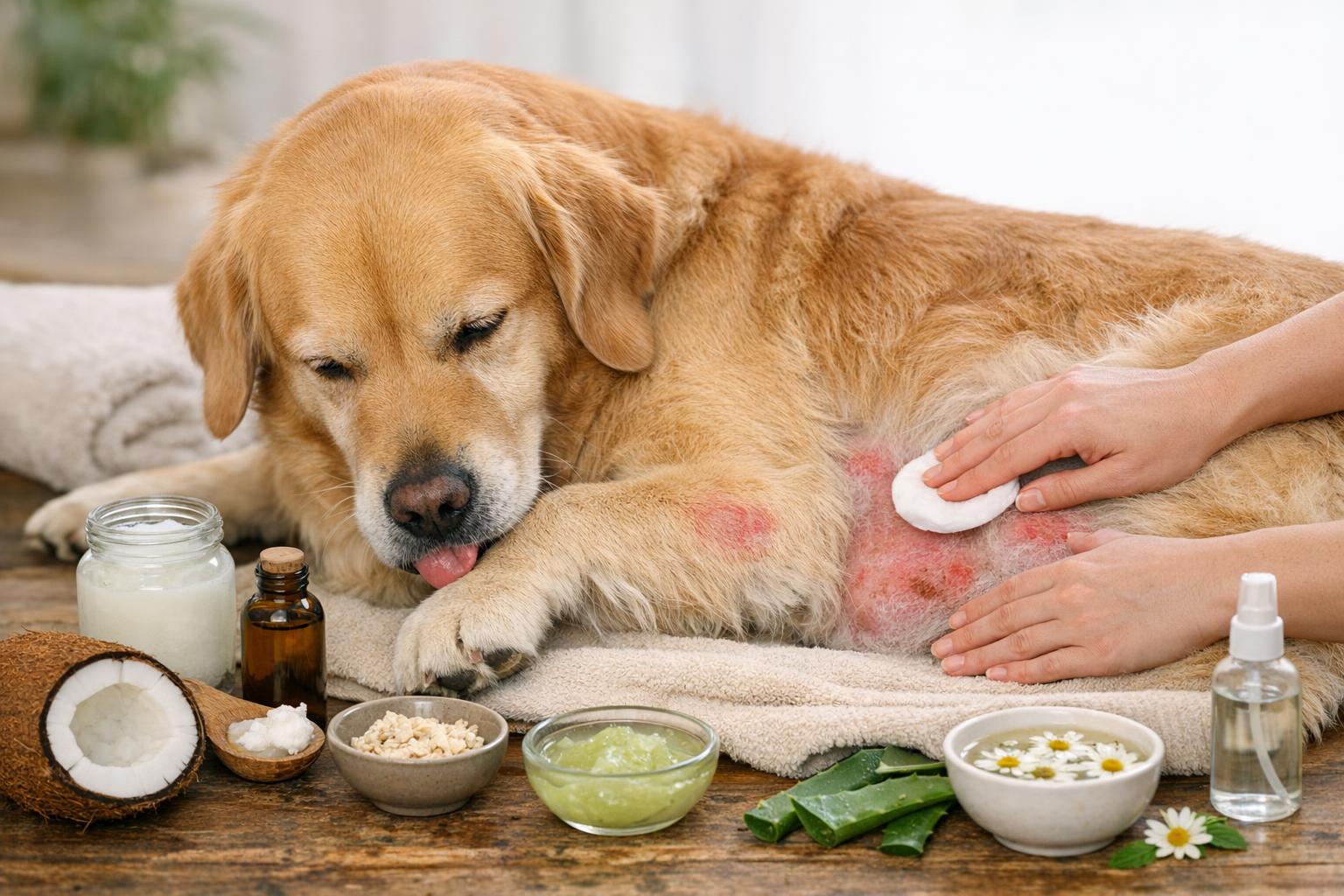
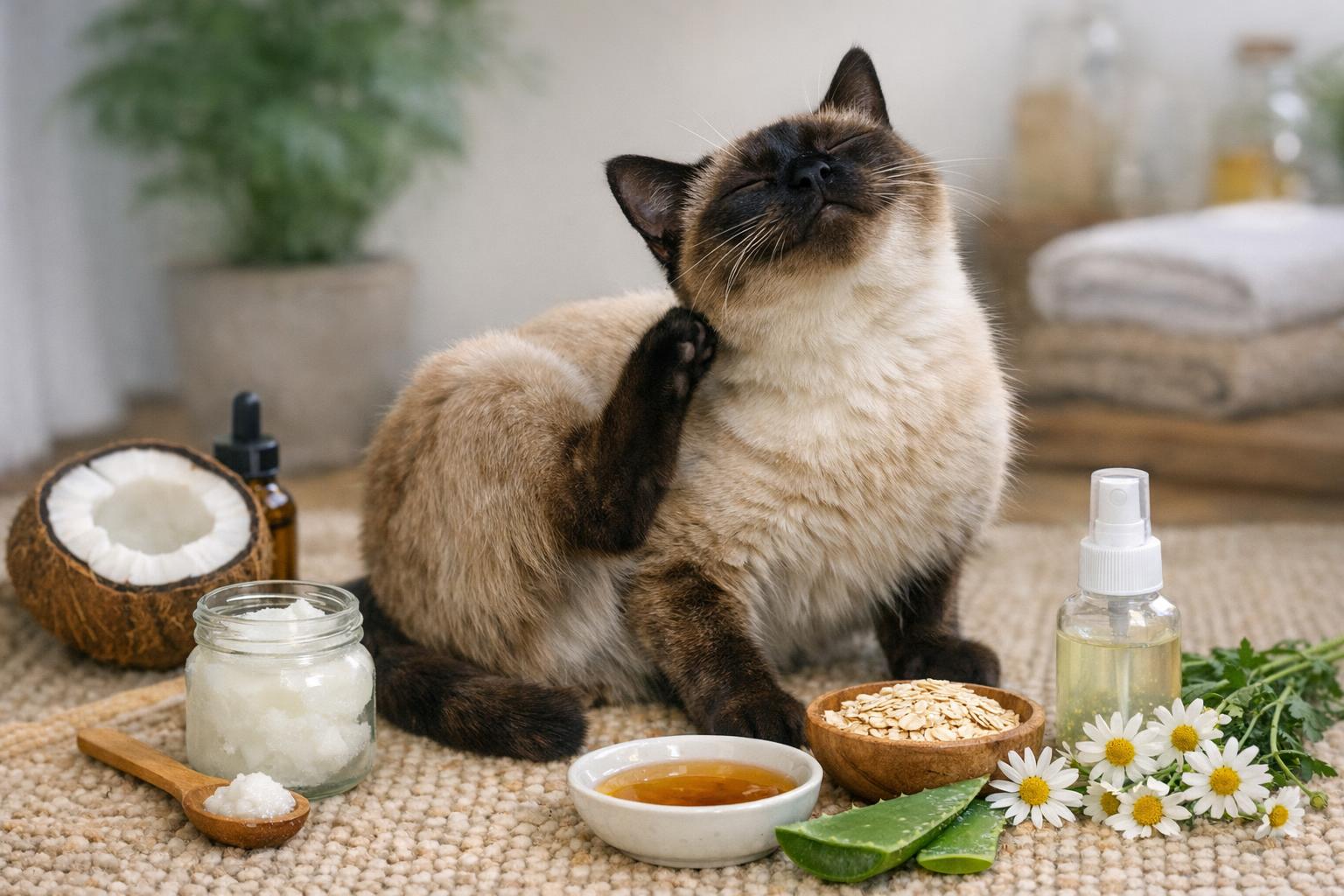
A restless paw tapping the tile, a sudden scratch that seems to come from nowhere — dog itching can turn a sunny afternoon into a small domestic mystery. The cause might be simple dryness or seasonal allergies, or it could be something more stubborn. Below are creative yet practical home remedies you can prepare with calm precision to ease your dog’s discomfort. When discussing the remedies themselves I’ll keep the tone formal and informative so you can follow each step confidently.
## 1. Oatmeal Soak For Dog Itching
### Why Oatmeal Helps
Colloidal oatmeal is soothing because it contains polysaccharides and proteins that form a protective barrier on irritated skin, trapping moisture and reducing inflammation. For dogs with generalized itchiness, an oatmeal soak reduces immediate discomfort and gently cleanses without stripping natural oils.
#### Ingredients Or Required Materials
– 1 cup of colloidal oatmeal (finely ground plain oats)
– Warm (not hot) water, enough to create a bath or soak basin
– A large basin or bathtub
– Soft towel
– Optional: 1 tablespoon of unfragranced, dog-safe moisturizing oil (like fractionated coconut oil)
#### Preparation And Application Steps
1. Fill the basin or bathtub with warm water at a comfortable temperature for your dog (around body temperature).
2. Stir in the colloidal oatmeal until the water turns milky and feels silky.
3. Place your dog in the water and allow them to soak for 8–10 minutes. For small areas, you may use a cup to pour the oatmeal water onto itchy patches.
4. Gently massage the water into the coat with your hands to ensure contact with the skin.
5. Rinse lightly with warm water if desired, or towel-dry to leave a thin protective layer of oatmeal on the skin.
6. Apply a light layer of the optional oil to particularly dry regions once the skin is mostly dry.
Frequency: Use two to three times per week until noticeable improvement. Discontinue if irritation increases.
## 2. Apple Cider Vinegar Spray For Localized Itch
### Scientific Basis And Caution
Apple cider vinegar (ACV) has mild antibacterial and antifungal properties and can restore skin pH when diluted correctly. It is intended for use on intact skin only. Do not use ACV on open wounds, raw areas, or where the coat has been broken, as it will sting.
#### Ingredients Or Required Materials
– 1 part raw apple cider vinegar
– 1 part distilled water
– Clean spray bottle
– Cotton pad or soft cloth
#### Preparation And Application Steps
1. Measure equal parts of raw apple cider vinegar and distilled water. For a small spray bottle, 1/2 cup of each is sufficient.
2. Combine the liquids in the spray bottle and shake gently to mix.
3. Test a small patch on your dog’s flank: spray lightly and observe for 24 hours to ensure no adverse reaction.
4. If no irritation occurs, lightly mist the itchy area once or twice daily. For limited spots, apply the solution with a cotton pad.
5. Avoid using near the eyes, genitals, or open lesions.
Frequency: Apply once daily for up to two weeks. If no improvement, consult a veterinarian.
### Precautions
– Never apply to broken skin.
– Stop immediately if your dog shows signs of pain or worsening redness.
## 3. Coconut Oil Hot Spot Balm (Topical No. 3)
### Why Coconut Oil Works
Coconut oil contains medium-chain triglycerides and lauric acid with mild antimicrobial benefits. When combined with absorbent agents, it can form a protective, moisturizing balm suitable for small hot spots and scabby areas.
#### Ingredients Or Required Materials
– 2 tablespoons virgin coconut oil
– 1 tablespoon beeswax pellets
– 1 teaspoon shea butter (optional)
– Clean jar for storage
– Double boiler or small heatproof bowl over simmering water
– Cotton swabs or sterile spatula for application
#### Preparation And Application Steps
1. In a double boiler, melt beeswax over low heat, then add coconut oil and shea butter until fully liquefied.
2. Remove from heat and stir until uniform. Pour into a clean jar and allow to cool and solidify.
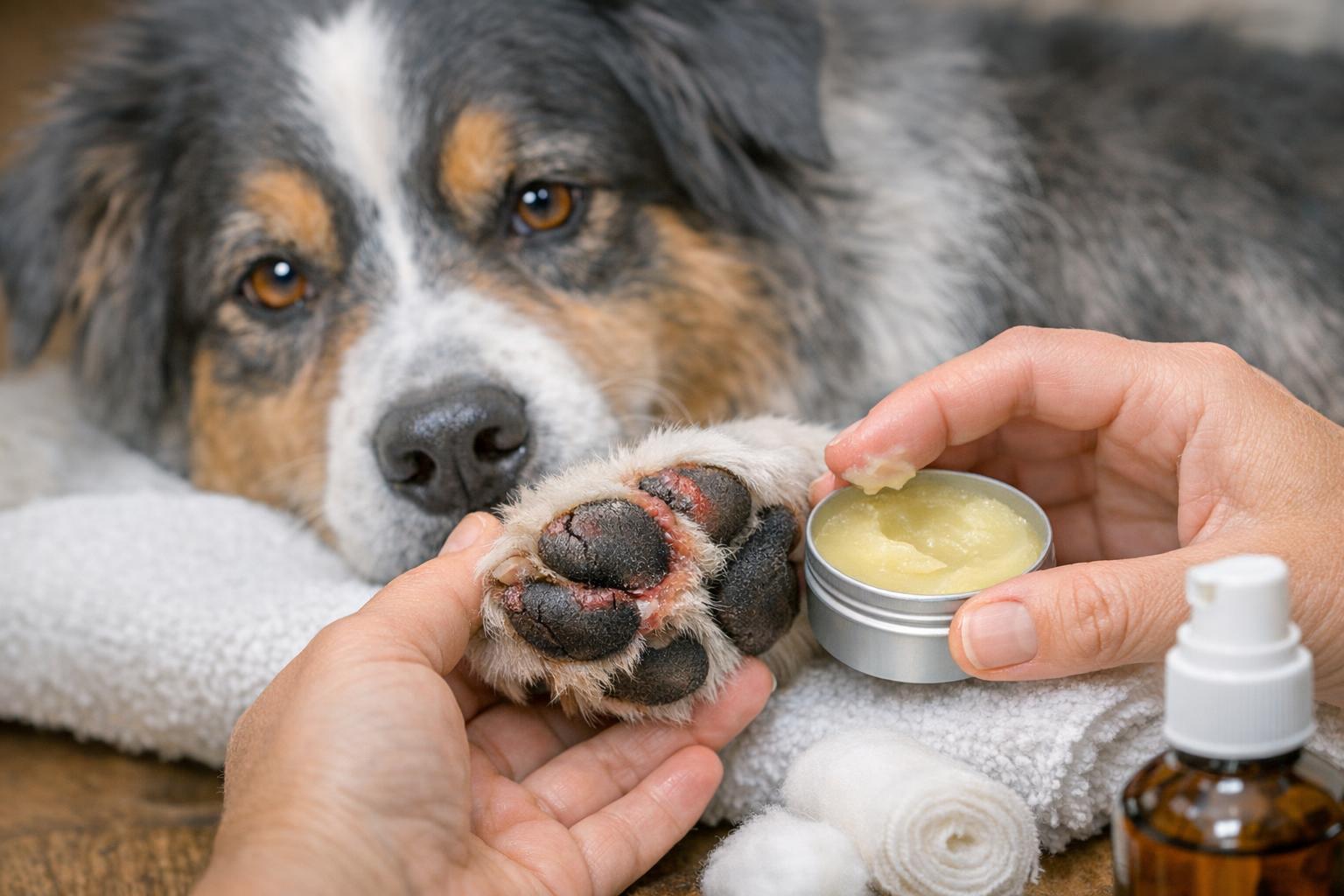
3. For application, wash and pat the affected area dry. Use a cotton swab to apply a thin layer of balm to the hot spot.
4. Prevent licking by using an Elizabethan collar or covering the spot lightly until the balm is absorbed.
5. Reapply twice daily until the area shows healing and reduced itching.
Storage: Keep in a cool place; the balm will solidify but melts at higher temperatures.
## 4. Chamomile And Green Tea Compress (Home Remedy No. 4)
### How Soothing Teas Reduce Itch
Chamomile and green tea contain anti-inflammatory flavonoids and tannins that calm irritated skin. Cold compresses constrict blood vessels, diminishing redness and the urge to scratch.
#### Ingredients Or Required Materials
– 2 chamomile tea bags and 2 green tea bags (caffeine-free chamomile preferred)
– 2 cups boiling water
– Bowl and ice (optional)
– Clean cloth or gauze
– Container for cooling
#### Preparation And Application Steps
1. Steep the tea bags in 2 cups of boiling water for 10 minutes to extract the beneficial compounds.
2. Remove the tea bags and allow liquid to cool to room temperature. Chill in the refrigerator for a cooling effect if desired.
3. Soak the clean cloth in the tea infusion and wring out excess.
4. Apply the compress to the itchy area for 5–10 minutes. Repeat up to three times per day as needed.
5. Discard used tea and rinse the cloth thoroughly between uses to avoid contamination.
Use: This is suitable for small, localized areas rather than large-scale application.
## Detecting Underlying Causes And When To See A Vet For Dog Itching
### Signs That Require Professional Attention
While home remedies can address mild irritations, persistent or severe dog itching warrants veterinary evaluation. Seek veterinary care if you notice:
– Continuous scratching or chewing that disrupts sleep or daily activity
– Open sores, bleeding, or widespread hair loss
– Foul odor from the skin or ears
– Signs of systemic illness such as lethargy, vomiting, or fever
– Rapid progression of lesions despite home care
### Diagnostic Steps A Vet May Take
A veterinarian will typically perform a thorough history and physical exam, possibly followed by skin scrapings, cytology, allergy testing, fungal cultures, or bloodwork to determine the root cause. Treatment may include medicated shampoos, antibiotics, antihistamines, topical steroids, or targeted allergy immunotherapy depending on the diagnosis.
## Practical Precautions And Long-Term Care
### Environmental And Dietary Considerations
Reducing exposure to common irritants — such as dust, pollen, certain fabrics, and harsh detergents — helps manage recurrent dog itching. Consider switching to fragrance-free cleaners and hypoallergenic dog bedding. A balanced diet rich in omega-3 fatty acids can improve coat and skin health; consult your veterinarian before introducing supplements.
### Monitoring Response And Safety
Always introduce a new remedy on a small skin patch, observe for 24–48 hours, and discontinue if worsening occurs. Use unperfumed, natural products and maintain clean application tools to prevent secondary infection. If your dog is on medication, consult the prescribing veterinarian before combining topical home remedies.
A careful, methodical approach to soothing your pet — blending creativity with evidence-based steps — can reduce discomfort and restore calm to your home while you and your dog work through episodes of dog itching.












Leave a Reply