






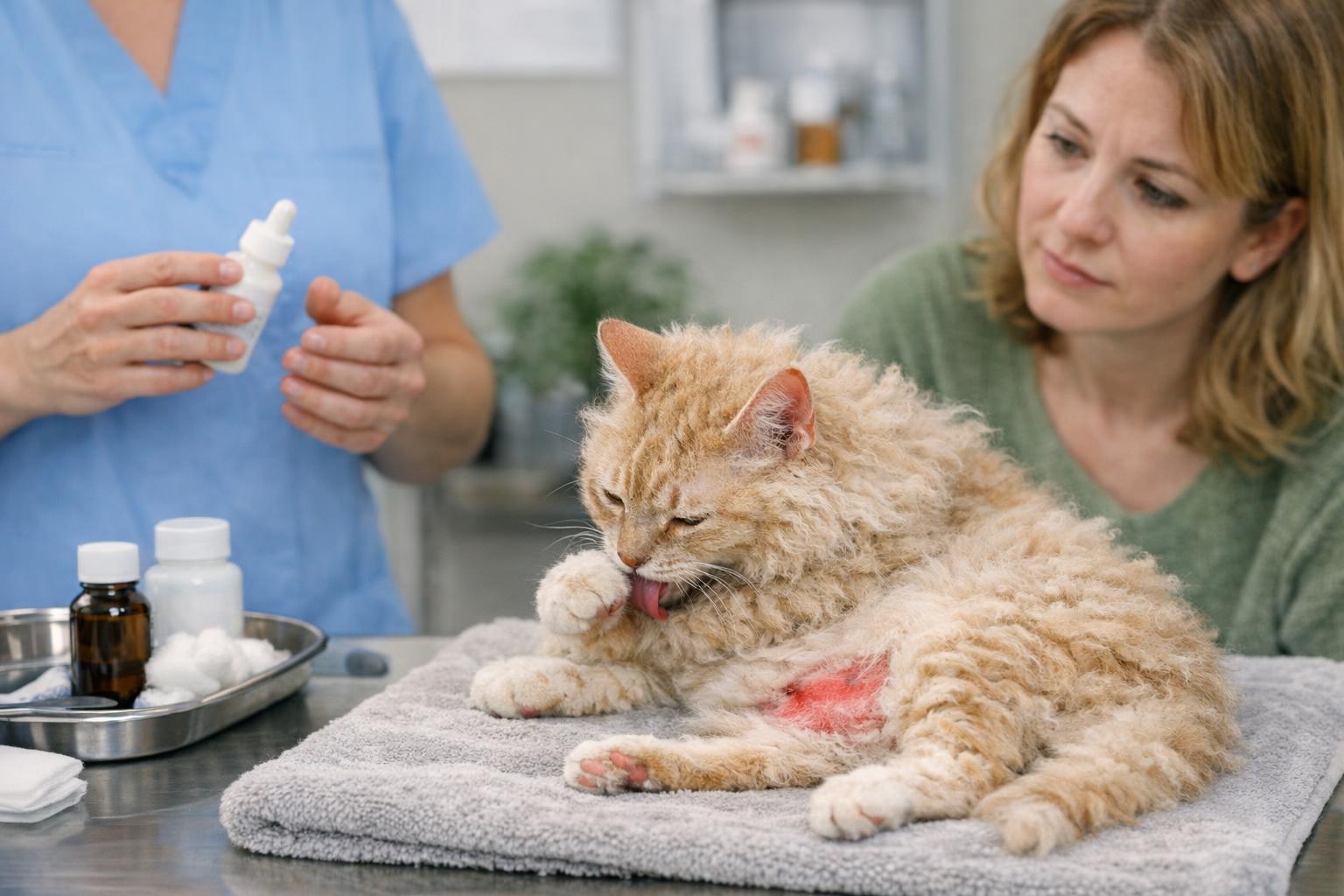
Hey there — glad you’re here. If your cat’s been turning into a furry lawnmower, bald patches are appearing, or you constantly find tufts of fur where none should be, this guide is for you. We’ll look at why over grooming happens, when to see the vet, and — most importantly — practical, natural solutions you can use at home. Expect a relaxed tone, a little humor (cats: 1, humans: 0), and careful, formal steps where remedies are involved.
## Treatment For Over Grooming In Cats: Natural Approaches
Over grooming in cats can be a sign of physical discomfort, boredom, stress, or a combination of factors. The phrase treatment for over grooming in cats covers a range of actions: identifying and addressing medical causes, calming environmental changes, and targeted topical or behavioral remedies. Use this as a roadmap, but remember: if there’s raw skin, infection, or blood, see your vet before trying topical home treatments.
### Understanding Why Cats Over Groom
Cats groom for hygiene, temperature control, and social reasons. When grooming becomes excessive, the balance is tipped. Common drivers include:
– Allergies (food, environmental, or contact)
– Parasites (fleas, mites)
– Pain or medical skin conditions
– Anxiety, boredom, or stress
– Compulsive behavior
Not every case is behavioral. A careful assessment helps choose the right pathway for treatment for over grooming in cats.
### Medical Causes To Rule Out
Before starting any home remedy, rule out medical issues. A vet exam should include skin scraping, flea check, possible bloodwork, and a discussion about diet and lifestyle. If your vet confirms a medical problem, follow their guidance; natural remedies may remain adjunctive but should not replace prescribed treatments.
#### Parasites And Allergies
Fleas are a sneaky, common trigger. Even one flea can cause intense allergic grooming. Environmental allergens (pollen, dust mites) or food sensitivities may also present as itchy skin. Addressing these underlying causes is a foundational part of the treatment for over grooming in cats.
## Remedy 1: Soothing Oat Bath For Skin Irritation
When skin is inflamed but not open or infected, a gentle oat bath can reduce itching and soothe fur-bearing dermatology.
Ingredients / Materials:
1. 1 cup colloidal oats (finely ground plain oats)
2. 1–2 cups warm water in a basin
3. A towel
4. A quiet room and a helper (recommended)
Creation And Application — Formal Steps:
1. Prepare: Grind plain oats to a fine powder if you don’t have colloidal oats. Mix 1 cup into the basin of warm (not hot) water until it forms a milky solution.
2. Test Temperature: Ensure water is lukewarm by testing on your wrist.
3. Bathing Procedure: Gently wet your cat’s coat with a damp cloth (avoid forcing them into a tub if they’re stressed). Apply the oat water using a clean washcloth, working from head to tail, avoiding eyes and inside ears.
4. Soak Time: Let the oat water sit on the fur for 5–10 minutes. If your cat tolerates this calmly, you may repeat weekly.
5. Rinse & Dry: Rinse lightly with plain warm water and dry thoroughly with a towel. Keep the cat warm until fully dry.
Use: Repeat once weekly until irritation subsides. If any signs worsen, stop immediately and consult your vet.
## Remedy 2: DIY Bitter Spray To Discourage Licking
A non-toxic bitter-tasting spray can reduce licking and self-trauma while healing occurs. This is a behavioral barrier rather than a cure for underlying causes.
Ingredients / Materials:
1. 1 cup distilled water
2. 1 teaspoon apple cider vinegar
3. 1/2 teaspoon bitter apple extract (pet-safe concentration) or a few drops of lemon extract
4. A clean spray bottle
5. Cotton pads for testing
Creation And Application — Formal Steps:
1. Mix Ingredients: Combine distilled water and apple cider vinegar in the spray bottle. Add bitter apple extract or a few drops of lemon extract. Shake thoroughly.
2. Patch Test: Spray a small amount onto a cloth and dab on a tiny area of your cat’s fur. Wait 24 hours to confirm no irritation or strong adverse reaction.
3. Application Procedure: If the patch test is fine, lightly mist the areas your cat over-grooms from about 8–12 inches away. Avoid spraying near face, eyes, or open wounds.
4. Frequency: Apply 2–3 times daily as needed. Reapply after grooming or if the sprayed scent dissipates.
5. Monitor: If your cat becomes more anxious, stops eating, or worsens in behavior, discontinue use.
Note: This spray is intended to reduce licking and give skin time to heal. It does not treat underlying allergies or infections.
### Remedy 3: Environmental Enrichment And Stress Reduction
Often the best long-term treatment for over grooming in cats is improving their environment and reducing stressors.
Practical Steps:
1. Provide Vertical Space: Add cat trees, perches, and window seats. Vertical escape routes reduce stress.
2. Interactive Play: Engage in two 10–15 minute interactive play sessions daily (wand toys, laser pointers followed by a tangible toy capture).
3. Puzzle Feeders: Use food puzzles to stimulate foraging behavior and reduce boredom.
4. Routine And Safe Zones: Maintain consistent feeding and playtimes. Create quiet, cozy hideaways.
5. Feliway Or Pheromone Diffusers: Use cat pheromone diffusers per product instructions to reduce stress in multi-cat households.
When enrichment is correctly matched to the cat’s needs, it becomes an essential component of a comprehensive treatment for over grooming in cats.
### Diet And Supplements That May Help
Nutrition can influence skin health and behavior. Consider these formal options in discussion with your veterinarian:
– Hypoallergenic or limited-ingredient diets for suspected food sensitivities.
– Omega-3 fatty acid supplements (fish oil) to reduce inflammation and support skin integrity.
– Probiotics to support gastrointestinal health, which can influence immune responses.
Always confirm dosage and product safety with your vet, especially for supplements.
#### When A Cone Or Protective Garment Is Appropriate
If your cat is perpetually licking a healing spot, physical barriers can prevent further self-trauma while treatment takes effect. Elizabethan collars (cones) or soft recovery suits can be used short-term. Ensure proper fit for comfort and check frequently for rubbing or irritation.
## When To See The Vet Immediately
Seek immediate veterinary care if you notice:
– Open, bleeding, or infected wounds
– Thick crusts, pus, or severe odor
– Rapid hair loss accompanied by lethargy, fever, or appetite change
– Intense pain or signs of systemic illness
Prompt professional care can prevent complications that no home remedy should attempt to handle alone.
### Monitoring Progress And Keeping Records
Track what you try and the cat’s response. Keep a brief log with dates, treatments applied, behavioral notes, and any changes in skin condition. This helps both you and your veterinarian evaluate what’s working. When pursuing any treatment for over grooming in cats, measured observation is as important as the remedy itself.
Now you’ve got medical checkpoints, natural remedies with formal steps, and behavioral strategies to try. If you’re feeling a bit overwhelmed, start with a vet visit to rule out medical causes, then layer in the oat baths, bitter spray, and enrichment plan — and don’t forget to log changes. Your cat might not thank you for the cone, but they’ll appreciate calmer skin and a happier routine.





























































Leave a Reply